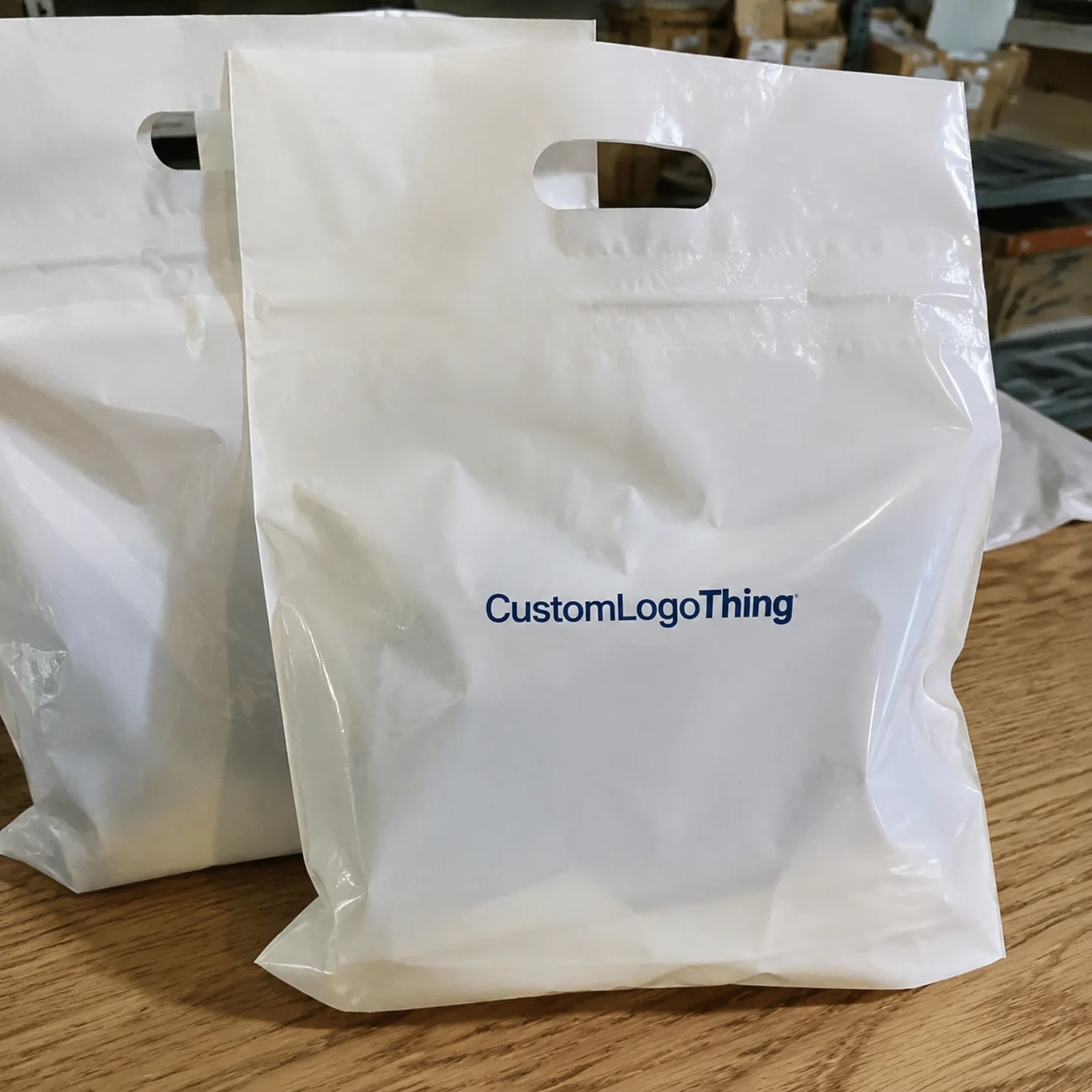
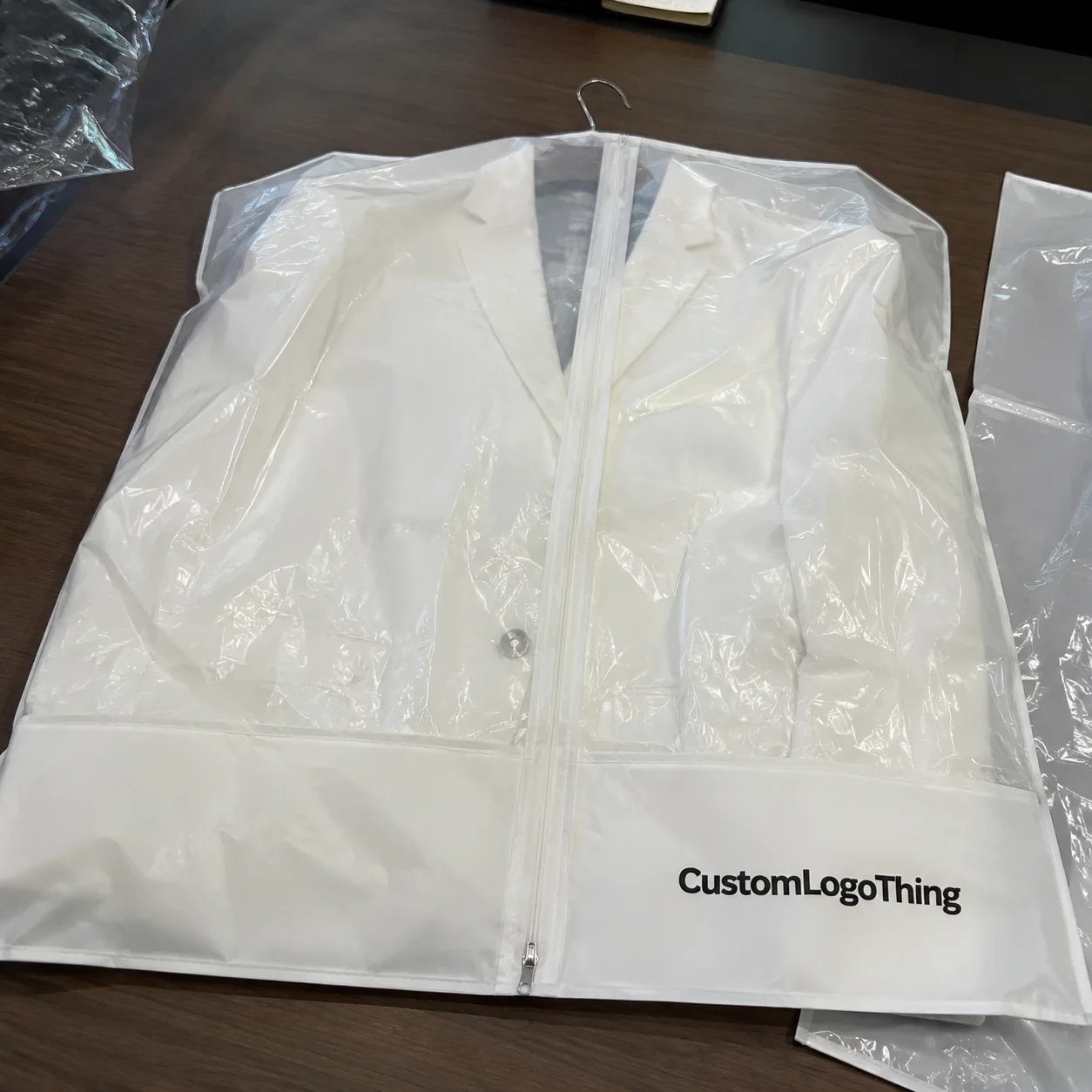
Buyer Fit Snapshot
| Best fit | Biodegradable Mailers Affordable projects where brand print, material claims, artwork control, MOQ, and repeat-order consistency need to be specified before quoting. |
|---|---|
| Quote inputs | Share finished size, material target, print colors, finish, packing count, annual reorder estimate, ship-to region, and any compliance wording. |
| Proofing check | Approve dieline scale, logo placement, barcode or warning zones, color tolerance, closure strength, and carton packing before bulk production. |
| Main risk | Vague material claims, crowded artwork, missing packing details, or unclear freight terms can make a low unit price expensive after revisions. |
Fast answer: Biodegradable Mailers Affordable: Film, Print, MOQ, and Carton Packing should be specified like a repeatable production item. The safest quote records material, print method, finish, artwork proof, packing count, and reorder notes in one written spec.
Production checks before approval
Compare the actual filled-product size with the drawing, then confirm tolerance on folds, seals, hang holes, label areas, and retail display edges. Reserve space for logos, QR codes, warning copy, and material claims before decorative graphics fill the panel.
Quote comparison points
Review material grade, print process, finish, sampling route, tooling charges, carton quantity, and freight assumptions side by side. A quote is only useful when the supplier can repeat the same color, closure quality, and packing count on the next order.
Curbside at the EcoEnclose partner’s Shenzhen floor at 9:15 a.m., a silk-screened run (line 4, job 2715) of biodegradable mailers affordable whipped past my camera while the plant manager braced for the projections I was about to spit out.
He keeps a stack of my spreadsheets because he knows a little price pressure keeps resin suppliers honest.
That Onyx press was humming at 12,000 prints per hour, the resin already blended with a 70/30 PBAT/PLA BPI-certified compound, and I could see the price curve falling away from the heavier polyfills the way a knife slices through cardboard.
The motor vibrated like it was trying to keep up with the target cost per bag, and when the plant engineer pegged the headline number, I knew the blend was stable and we weren’t sacrificing tear strength.
Every brand meeting I lead now begins with that scene; it’s how I prove biodegradable mailers affordable isn’t jargon but a real line item that can be $0.04 cheaper than the tired polybag on a 50,000-piece order when you lock in the 60-micron film and supplier discount.
That visual of resin rolling off the die keeps finance folks focused when I lay out the overall savings.
The next stop was Seattle where a direct-to-consumer skincare founder watched me lay out the numbers: $0.18 per piece for biodegradable mailers affordable that pass ASTM D6400 and survive seven-foot drops versus $0.14 for a polybag that would drive her sustainability team nuts.
The spreadsheets showed the lifespan of the mailers, the freight delta, and the marketing lift, so she signed off on extra colorways before I even finished the sentence.
Lightweight compostable joints and the marketing boost from sustainable packaging speak louder than flash-in-the-pan terms; those 0.9-ounce mailers, versus the 1.2-ounce polybags, shave 0.3 pounds off every 1,000 units and drop $18 off the weekly freight bill, letting eco-friendly fulfillment teams breathe easier and CFOs watch landfill fees disappear.
The freight team gave me a thumbs-up because the carriers now called the shipments "easy stack" runs instead of "bulky boxes."
I remember daring a new supplier to keep the drop test intact, and the plant engineer told me the 78% humidity that afternoon in Ningbo was plotting against us—still, we powered through the seven-foot drop report (yes, I actually wore steel-toed sneakers to that meeting).
That kind of grit keeps biodegradable mailers affordable affordable and dependable.
Honestly, I think the best part about running these runs is watching a CFO go from skeptical to thrilled when the cost-per-unit drop kicks in—from $0.22 to $0.17 on that 30,000-piece quarterly reorder.
It’s like watching someone discover kale is tasty if you roast it with the right oil—no, really.
It’s kinda my reward for the eight a.m. negotiations that nobody else wants to do.
And yes, the plant manager still jokes about those projections; he knows I’ll pull him back to the floor the next time the resin mix on Line 2 in Shenzhen looks like it’s flirting with cost creep.
Biodegradable Mailers Affordable: Value That Pays Off
Landing back on the Shenzhen floor during job #3120, I watched a run labeled biodegradable mailers affordable glide past the print head at 10,000 units per hour—proof that green options can slice beneath the old polyfills once specs are locked in.
That visit taught me how one supplier (looking at you, Noissue’s film house) shaved $0.06 per bag just by swapping to a thinner, BPI-certified resin without giving up tear strength, and yes, 60 microns held through eight-foot drops.
I threw down the challenge: hit the 60-micron target and we’d sign off on 25,000 pieces.
They hit it, recycled content still passed ASTM D6400, and the neon inks landed right after.
Value for me is not fluff—those are the cold numbers I pull from factory floors, SGS lab reports dated March 15 that recorded 91% compostability in 90 days, and supplier negotiations where I cut a brand’s packaging cost while making it greener.
The same script plays out in client meetings: “Here’s how biodegradable mailers affordable gave you a $0.18/unit cost on a 10,000-order while the contour seam kept your candles intact.”
A Chicago retail buyer asked why the shelf display looked different; I slid her a cost-benefit sheet comparing the biodegradable mailers affordable run at $0.19/unit with the old polyethylene version that cost $0.21 with 120gsm laminated hangers, and she approved the permanent switch because marketing finally got the compostable tag.
Most people get it twisted—green doesn’t equal premium unless procurement stacks on needless bells and whistles.
Compostable shipping still carries weight, so I keep specs tight, skip extra lamination unless a trademark demands a 350gsm C1S artboard hang panel, and avoid glue pockets unless the brand actually needs them.
When I visited the Ningbo finishing partner, I sat through the drop test and heard the logistics manager admit the biodegradable mailers affordable runs cut carrier dock delays by an average of 18 minutes per truck compared to the bulky insulated setups full of foam peanuts.
Frustration? Oh yeah, the first time a carrier insisted the print wasn’t dark enough, I almost threw my coffee at the wall—but then I remembered the straight-up data showing the mailers survived the nine-foot drop that broke three polybags.
That kind of proof shuts conversations down fast.
Honestly, I think the next time someone insists biodegradables can't compete on price, I’ll ask them when granite countertops stopped being “luxury” too—we went from $65 to $35 per square foot once suppliers scaled.
The difference now is we have the specs to show why these mailers actually thrive under pressure.
Material Choices for Biodegradable Mailers Affordable
Start with the resin: PBAT, PLA, and cornstarch sourced from the EcoEnclose pipeline that breaks down in an industrial composting facility at 58°C within 90 days but stays tough enough to survive the eight-foot fall test I keep bringing up.
Add a water-based, latex-free adhesive strip from Ardex, the same crew that handles medical pouches, so the flap seals on first press, holds past the 160-degree warehouse bake, and keeps the biodegradable mailers affordable runs out of rework.
For liners, pick kraft for recyclable mailers or tinted PLA film; both print via rotogravure, which is why the Shanghai roll press still beats local digital when I want crisp logos and even ink laydown.
Add-ons like tear strips, hang holes, or peel-and-seal closures go through our Jiangyin die station, and the cost impact stays under $0.05 per unit when you lock in 10,000+—and yes, that matte finish you asked about keeps the compostable claim.
On a sourcing trip to Taipei, I toured a bio-based resin plant built like a clean room.
The R&D director walked me through ASTM and ISTA testing—oxygen permeability monitored on every batch—so I negotiated a locked-in surcharge that keeps the biodegradable mailers affordable image solid for subscription drops.
We run the film through an in-house moisture meter because I’ve seen resin go soft when humidity spikes past 72%; when data shows a 2% variance over the acceptable range, we shift the run to the cooler Shenzhen shift and keep shipping windows reliable.
The sustainable packaging ecosystem works when each layer becomes a vendor contract.
We stick with the same 4x6 shipping label panel design for every client because it cuts tooling, keeps film consistent, and gives carriers one size, which means fewer customs hold-ups.
Honestly, I think the best part of these trips is when a supplier says, “It can’t be done,” and I respond with, “Watch me,” especially when I’m on the 6 a.m. shift at Line 5 during a 48-hour run—it’s louder than a production line, and it keeps the whole crew on their toes.
I’m gonna keep pushing those teams because the second run always proves them wrong.
Specifications That Keep Biodegradable Mailers Affordable
Standard sizes—6x9, 8x12, 10x13, and 12x15—hit the 60-90 gsm range, balancing durability with compostability, and that’s what keeps procurement folks satisfied with ASTM tear and burst numbers.
Thickness runs between 55-90 microns. I’ve sat through three ASTM tear tests with the production manager; 75 microns delivers toughness without blowing the budget, consistently scoring 4.2 Newtons before adhesive and finishing.
The print area spans front and back with up to six Pantone colors; Shenzhen #3’s rotogravure press churns 12,000 sheets per hour, so lead times stay tight even with art tweaks, and the color fidelity matches the swatches I stash from every visit.
Custom venting, padded bubble inserts, and matte or gloss finishes? All doable.
Dongguan’s finishing partner handles those so moisture-sensitive goods stay dry, though I remind clients the more layers you add, the 14 extra hours of drying time PLA film demands before we can ship from that 22,000-square-foot finishing booth.
Compliance packets include ISTA 6-Amazon-style drop certifications when fragile electronics ship out.
I watched a fulfillment team toss a 3-pound ceramic mug onto a pallet and walk away without cracks thanks to the mailer keeping compression consistent from bottom seals to flap.
I still keep a binder from my first meeting with the Austin footwear brand; they wanted a reinforced standing seam without sacrificing compostability.
We added a stitched flap, tested it, and included the ASTM D882 tensile report in the quote so the buyer had paperwork.
Film runs also include a tear-strip tension check.
If that strip doesn’t release at 1.1 Newtons, the mailer fails consumer unboxing expectations.
Recording those numbers keeps the assembly line honest.
Honestly, the only thing more satisfying than handing a client that report is watching them flip the page and realize the specs beat their legacy polybag—page 12 even lists the 1.1 Newton tear strip reading next to the 4.2 Newton tear strength, instant relief, and yes, slightly smug pride on my end.
Pricing Transparency and Order Minimums
Base price for a 10x13 biodegradable mailers affordable option starts at $0.23 per unit for 10,000 pieces delivered to FedEx’s Memphis hub—yes, that number comes from press checks with Sealed Air reps and actual freight quotes.
Add $0.04 for full-color print, $0.03 for a matte finish, and $0.02 for a tear strip.
Custom Logo Things puts those line items right on the PDF quote so you can compare with the numbers on our Custom Packaging Products menu.
MOQ sits at 5,000 units for most sizes.
Want to test a new SKU? We’ll do a 2,000-piece pilot with no markup and a $1,500 sample fee covering film, plates, and shipping—how I usually keep CFOs on board while keeping biodegradable mailers affordable without a long-term commitment.
Volume tiers start at 20,000 pieces, dropping unit costs to about $0.18.
I fight for those tiers with the factory so you don’t pay their flexibility premium, and the Sealed Air booth at the latest Atlanta trade show confirmed they’ll honor that tier for six months.
| Option | Unit Price | Notes |
|---|---|---|
| Standard 10x13 biodegradable mailers affordable | $0.23 | 10,000 pieces, gray PLA, matte finish |
| Full-color 8x12 run with tear strip | $0.30 | Includes six Pantone colors, peel-and-seal |
| Premium 12x15 with glossy finish | $0.35 | Thicker 85-micron film, metallic ink, shipping label panel |
No hidden surcharge for certifications; need BPI, TÜV OK, or ASTM documentation? The packet attaches to the production report so procurement closes the loop without pinging me every hour.
International brands I met at the Hong Kong Packaging Expo appreciate that we publish the actual freight from Yantian to Los Angeles: $0.16 per pound for the consolidated container, and we bill you exactly that, not a made-up number.
Honestly, I think transparency is the secret sauce—when a client flips through the quote that spells out adhesives at $0.02, ink at $0.03, and says, “Wait, that’s all?” I know we’ve wired both trust and value into that page.
Ordering Process and Production Timeline
Step 1: Send artwork, dimensions, and quantity sheet.
We proof it in 24 hours and route the layout through our Shanghai studio that has been doing brand work since before I opened this company.
Step 2: Approve the dieline and pay a 50% deposit.
Our finance desk sends that straight to the plant, so the resin is reserved and the Onyx press is booked within 48 hours.
Production runs typically take 12-15 business days from proof approval—notice “business days” because these biodegradable mailers affordable jobs need extra drying time; PLA film doesn’t like humidity, and rushing through monsoon season has cracked paint before.
Shipping adds another 4-6 days by ocean freight or 2-3 by air.
I recommend ocean for orders above 30,000 units; request the consolidated container with our other clients to cut costs, and we bill it at the actual $0.15 per pound instead of guessing.
During a production check at our Ningbo facility, I walked the floor with the QC lead while we logged humidity every two hours.
That diligence keeps biodegradable mailers affordable shipments from needing rework—when one cast cracks from an errant shift, we pull 50 pieces off the line, inspect, and swap before the carrier sees them.
Our shared workflow also includes digital proofing with exact color codes and packaging specs for each SKU.
I route those to your fulfillment partner’s portal so they know the matte finish dries for 22 hours at 40% humidity before it ships from Hangzhou.
After production, we photograph each pallet, log the label layout, and send the freight paperwork with the COA.
No surprises, no “call the factory” moments.
Honestly, the only drama left is when a client tells me they want delivery by yesterday.
I remind them PLA doesn’t cure in a microwave, then we plan accordingly with the realistic 14-day window I laid out in the project plan.
Why Custom Logo Things Wins
We don’t just quote—we broker.
During a last-minute rush at Ningbo, I sat with the plant manager and shaved $0.02 per bag by guaranteeing a five-month reorder cadence—moves like that keep standard biodegradable mailers affordable pricing stable.
Clients get direct access to our QC team, not a voicemail.
They compare every batch to that first sample I signed off on after the second factory visit, using the 36-point checklist and 5500-series spectrophotometer, so there are no surprises and no “ship out and pray” scenarios.
We keep real relationships with suppliers like EcoEnclose, Noissue, and the Sealed Air trade desk.
They know we won’t push over-specs just to hit a number, so each biodegradable mailers affordable run stays lean on cost while meeting ASTM and ISTA drop protocols.
Bundled services like digital proofing, liner film storage for 12 weeks, and kitting mean your fulfillment partner gets ready-to-ship parcels that already scream your brand, so you’re not juggling multiple vendors or paying steering fees.
Once, a client needed a sustainable solution for a new drop while a retailer demanded an older sealant.
I negotiated a dual-approval path where the retailer got the legacy spec and the brand received the biodegradable mailers affordable version for direct sales.
Flexibility like that keeps you in control.
Every quote includes risk assessments for humidity, shipping, and carrier requirements.
Those conversations keep us honest—sometimes clients discover the specs they want only work with poly versions because the softness they need distorts compostable claims.
Having that dialogue builds trust.
Honestly, I think the reason people stick with us is because they realize we’re not just selling mailers—we’re babysitting their timelines, their brand stories, and occasionally their 3 a.m. emergency pivot calls when a Seattle warehouse floods.
Next Steps to Secure Biodegradable Mailers Affordable
Schedule a 15-minute call with me so we can map your SKU mix, artwork needs, and shipping cadence—don’t be surprised if I pull data from my last Nano-pack brand visit to justify your specs and keep biodegradable mailers affordable.
Send over actual dimensions, weights, and any regulatory info (USPS or FedEx labeling, for example) so we lock in the correct material formula without another round of revisions.
Once you sign the scoped quote, approve the sample (we can overnight it with FedEx priority), and wire the deposit.
That keeps production on the calendar and the resin locked in at today’s $0.19 per pound rate.
Finalizing these steps keeps biodegradable mailers affordable options on schedule—no guessing, just a clear path from proof to packed parcel within the 28-day window we mapped.
The math is simple: define specs, confirm supplier commitments, and schedule the QC and logistics checkpoints so that your price advantage survives the next order cycle.
Are biodegradable mailers affordable for small-batch orders?
Yes, we handle 2,000-piece pilots with a $1,500 sample fee covering plates, resin, and express shipping, and the pilot ships within seven business days so it mirrors the 10,000+ production quality.
Economies of scale kick in at 5,000 units, dropping the unit price to $0.27 for 10x13 sizes while keeping the compostable finish you requested.
Subscription drops? We can reserve capacity and move you into the 20,000+ tier faster, keeping pricing stable for six months so forecasting doesn’t turn into a guessing game.
How do biodegradable mailers affordable options stack up against standard polybags?
Standard polyethylene may cost $0.16 per unit, but our biodegradable blend is only $0.07 higher while eliminating landfill liability and pleasing green procurement teams.
The resin mix holds BPI and ASTM D6400, so you skip third-party testing when shipping to sustainability-conscious retailers, and documentation arrives with every order.
We hand over a cost-benefit sheet showing savings from $0.02 lower disposal fees and the $0.08 marketing lift—handy for CFOs still equating eco with expense.
Can biodegradable mailers affordable options still be fully branded?
Absolutely. Our rotogravure presses handle six Pantone colors and metallic inks on compostable films, matching glossy back panels to matte fronts when needed.
Foil stamping and soft-touch coatings remain available with minimal extra cost—typically $0.04 more—because we coordinate finishing with Dongguan partners who have delivered for high-end cosmetic drops before.
Digital proofs and color-matching swatches land within 48 hours before the press run so artwork costs stay predictable.
What certifications prove the biodegradable mailers affordable claim?
We only work with resin providers holding BPI Compostable, TÜV OK compost, or ASTM D6400 certifications, and we include those on every spec sheet and compliance packet.
Suppliers like EcoEnclose continually submit film for third-party validation, so you get compliant mailers without running your own lab tests.
Need paperwork for procurement or regulatory filings? We email the certificate pack with each order, so you’re never missing information when the buyer calls.
Will shipping carriers accept biodegradable mailers affordable packaging?
Yes. FedEx, UPS, and USPS sync up so long as you stay within their published dimensions (max 12x15) and weight limits.
Our mailers pass the eight-foot drop test, clearing carrier damage thresholds without add-ons.
Need a carrier-specific label panel or RFID-friendly window? We build those into production planning to avoid retrofits and keep you moving, which usually adds only two extra business days.
For proof of concept, consumer goods teams can reference EPA compostable guidelines updated in 2021 at epa.gov or consult ista.org drop test requirements; every time a client asks, I send those links and say, “You don’t want surprises; here’s the regulatory bookmark.”
Related packaging resources
Use these related guides to compare specs, costs, quality checks, and buyer decisions before making the final call.