Buyer Fit Snapshot
| Best fit | Branded Padded Mailers for Skincare Launches Checklist projects where brand print, material claims, artwork control, MOQ, and repeat-order consistency need to be specified before quoting. |
|---|---|
| Quote inputs | Share finished size, material target, print colors, finish, packing count, annual reorder estimate, ship-to region, and any compliance wording. |
| Proofing check | Approve dieline scale, logo placement, barcode or warning zones, color tolerance, closure strength, and carton packing before bulk production. |
| Main risk | Vague material claims, crowded artwork, missing packing details, or unclear freight terms can make a low unit price expensive after revisions. |
Fast answer: Branded Padded Mailers for Skincare Launches Checklist should be specified like a repeatable production item. The safest quote records material, print method, finish, Artwork Proof, Packing Count, and reorder notes in one written spec.
Production checks before approval
Compare the actual filled-product size with the drawing, then confirm tolerance on folds, seals, hang holes, label areas, and retail display edges. Reserve space for logos, QR codes, warning copy, and material claims before decorative graphics fill the panel.
Quote comparison points
Review material grade, print process, finish, sampling route, tooling charges, carton quantity, and freight assumptions side by side. A quote is only useful when the supplier can repeat the same color, closure quality, and packing count on the next order.
Branded Padded Mailers for skincare launches supplier quote checklist is a mouthful. Fine. The phrase is awkward because the buying problem is awkward too. Skincare brands need packaging that protects fragile formulas, looks premium enough to support a launch, and can be quoted without three rounds of clarification. The mailer is often the first physical thing a customer touches, which means it is part of the product experience, not just the shipper around it.
That matters more than most teams admit. A serum bottle that rattles, a jar that arrives scratched, or an influencer kit that looks rushed can undercut the launch before anyone opens the box. A padded mailer has to cushion the contents, frame the unboxing, and still fit real fulfillment workflows across direct-to-consumer orders, PR drops, and sample programs. If it only does one of those jobs, it is the wrong mailer.
Quote gaps cause most of the pain. Two vendors can look similar on paper and still end up 20% to 40% apart once structure, print method, tooling, freight, and sampling are included. Send a full brief and the numbers start behaving. Send only dimensions, and the first quote becomes a draft, not a decision.
Why Branded Padded Mailers for Skincare Launches Matter
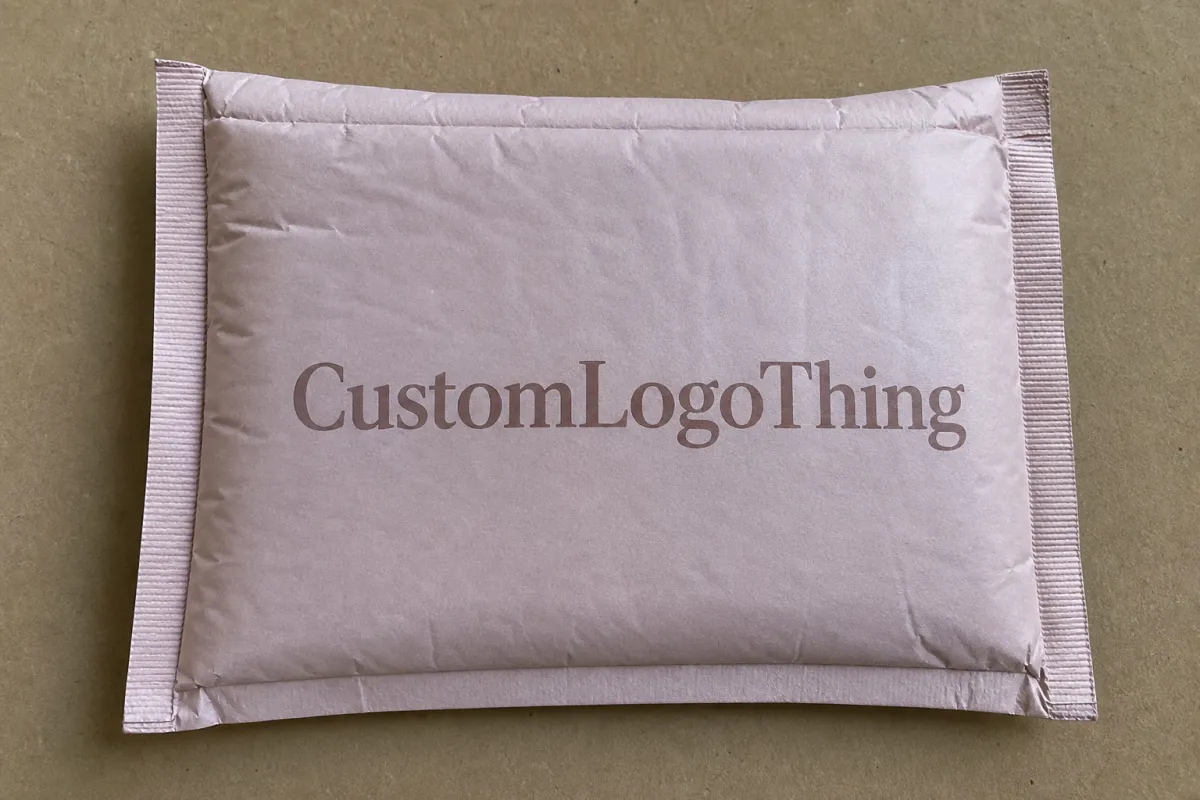
Skincare buyers are not just shipping a product. They are shipping a first impression. Customers notice the mailer, the finish, the closure, and whether the parcel feels considered or improvised. That reaction is quick, and it can be brutal. Packaging that looks flimsy makes even a good formula feel less valuable.
Branded Padded Mailers for skincare launches solve more than one problem. They reduce movement, absorb impact, and help the shipment arrive in a state that matches the brand promise. A glass dropper bottle can survive a clean fit and fail in a loose one. Same product. Different outcome.
Cost is part of the story, but not the whole story. Replacing a broken bottle, refunding an order, or absorbing a bad review costs more than a better mailer. For a run of 5,000 pieces, a paper-padded mailer may land around $0.15-$0.24 per unit for a simple one-color print, depending on size, coverage, and sourcing. Add a second color, larger format, or heavier board and the range can move closer to $0.22-$0.38. Soft-touch film, foil, and custom tooling can push it higher. That is still cheap compared with losing confidence during a launch window.
Consistency matters too. A brand may ship from a fulfillment center one quarter and a 3PL in another region the next. Standardized mailers help teams pack faster, reduce errors, and keep the presentation stable across channels. DTC orders, wholesale sampling, subscription inserts, PR kits. Different programs, same need for repeatable packaging.
One practical rule helps a lot: the more fragile the primary packaging, the more specific the quote request needs to be. Tell suppliers if the mailer holds a single jar, a two-piece set, or a bundled kit with cards and inserts. Say whether the shipment is for press, customer orders, or retail replenishment. Better bids come from better context. Suppliers are not mind readers, no matter how confident their sales decks sound.
“A padded mailer is not a throwaway shipper. For skincare launches, it is part of the product experience, and pricing should reflect that reality.”
If you are comparing formats, it helps to review broader options in Custom Packaging Products or adjacent shipper structures such as Custom Poly Mailers when moisture resistance matters more than a paper feel. Launch planning usually improves when the structure is confirmed before artwork gets locked. Finished examples in Case Studies can also show how other brands balanced protection and presentation without pretending the tradeoffs do not exist.
Product Details: Construction, Print, and Brand Finish
Construction is where quote requests often go vague. “Padded mailer” can mean a paper exterior with fiber or bubble cushioning, a poly exterior with air-cell padding, recycled-content builds, or compostable-style structures that trade some durability for a greener story. Each behaves differently in print, feel, tear resistance, and shipping performance. Treating them as interchangeable is how budgets get messy.
A common premium build for skincare is a paper-faced mailer using a 350gsm C1S artboard outer layer laminated to a protective inner pad. Another common spec is a kraft outer with 1.5mm to 2mm paper padding, or a poly shell with a 2.5 mil to 3 mil film and bubble or air-cell cushioning. Those details affect stiffness, crush resistance, print sharpness, and the way the mailer feels in hand.
| Mailer style | Typical strengths | Tradeoffs | Good fit for skincare launches |
|---|---|---|---|
| Paper-padded | Cleaner tactile feel, easy to brand, often better retail presentation | Can show scuffing more easily, needs moisture planning | Clinical, clean-beauty, and premium gifting kits |
| Poly-padded | Lightweight, moisture resistant, strong tear performance | Less natural look, print feels more utilitarian unless upgraded | High-volume DTC orders and humid transit routes |
| Recycled-content | Better sustainability story, often easy to align with brand values | Availability can vary, appearance may be more matte or textured | Brands with recycling or lower-plastic positioning |
| Compostable-style | Strong messaging for eco-conscious launches | Performance and certification claims need careful verification | Campaigns where verified environmental messaging is central |
Closure type matters more than many teams expect. Self-seal adhesive is standard, but the adhesive quality is not standard. For skincare launches that carry heavier inserts or glass bottles, weak closure performance can create failures during transit or warehouse handling. A serious supplier should be able to talk about seal strength, pressure-sensitive behavior, and whether the adhesive still works in cold docks or hot trailers. Shipping is not a spa.
Interior cushioning deserves the same attention. Paper-based padding can feel more premium and often fits cleaner brand positioning. Bubble-style interior layers can offer better shock absorption for delicate glass or pump components. If the product includes lotion bottles, actives in glass, or multi-piece bundles, ask for a sample build that shows how the product sits inside the mailer. Dimensions alone do not tell the full story. They rarely do.
Print method changes both look and cost. Flexographic printing often works well for larger runs and can hold repeatable brand colors, but plate setup adds cost. Digital printing helps with shorter launch runs and quicker artwork changes, though unit cost usually rises as volume drops. Surface labels can work for tiny pilot batches, but they do not usually give the same integrated feel as direct print.
Finish choices are not small details for beauty buyers. Matte reads calmer and more clinical. Gloss can feel sharper and more promotional. Soft-touch coating adds a premium tactile layer, though it raises cost and does not suit every material. White ink can lift contrast on kraft or dark substrates. Foil accents can work for prestige launches, but too much shine starts fighting the brand instead of helping it.
Brand positioning should decide the finish, not habit. A clean-beauty serum line may look best with restrained one-color branding on recycled paper and a muted surface. A luxury launch kit may justify a matte exterior with subtle foil or embossing. A mass-premium DTC line often needs a straightforward high-contrast design that stays cost-effective at scale and does not try too hard to impress anyone.
Shipping conditions matter too. Packaging that looks beautiful in a showroom can fail under carrier compression or moisture exposure. If the shipment goes through mixed carrier networks, ask the supplier how the mailer performs under common distribution stress. Industry groups such as ISTA publish testing frameworks that help teams think about transit risk instead of trusting appearances. For sustainability claims or fiber sourcing, FSC remains a useful reference point for responsibly managed paper supply chains.
Specifications Buyers Should Lock Before Requesting Quotes
If the spec sheet is incomplete, the quote will be incomplete too. Procurement teams learn that the hard way. To get meaningful pricing on branded Padded Mailers for Skincare Launches, buyers should lock the usable internal size, the outside dimensions, and the actual product thickness before asking for a number.
Suppliers need more than the width and height of the hero product. They need to know whether the mailer has to fit a jar inside a secondary carton, a paper insert, bubble wrap, tissue, or a foil pouch. A kit that looks compact on paper can grow fast once all the parts are included. Even 3 mm to 5 mm of extra thickness can decide whether the mailer closes cleanly or bulges enough to look sloppy.
Clearance is a balancing act. Too tight, and the product can scuff or deform the seal. Too loose, and movement creates damage or a cheap unboxing feel. For a 30 ml glass serum bottle, for example, buyers often want enough room for a wrap layer and an insert card without letting the bottle slide corner to corner. For a two-piece kit with a jar and a dropper, the fit should be tested with the actual retail carton, not just the bare product. If the kit has multiple components, request a sample or dieline before print. That small step usually saves far more money than it costs.
Artwork requirements should be spelled out in the first email. Suppliers need file format, bleed, safe area, vector status, color references, and whether the brand will supply a dieline or expects the supplier to provide one. If Pantone matching is required, say it. If the design runs on kraft and the brand expects crisp white ink, say that too. “Make it look premium” is not a spec. It is a wish.
Performance requirements also shape price and lead time. Ask about burst strength, seam integrity, closure reliability, and any carrier constraints that affect the build. If the package needs to survive machine sorting, long-haul transit, or climate swings, the supplier should know that before quoting. Some teams also specify drop-test expectations aligned with standard transit methods. That gives the project a measurable target instead of a vague hope.
- Dimensions: internal usable size, external size, and product thickness.
- Contents: single item, multi-piece kit, insert card, bubble wrap, or secondary carton.
- Artwork: print file status, bleed, safe area, color standards, and dieline source.
- Performance: seal strength, moisture exposure, tear resistance, and handling conditions.
- Compliance: any sustainability claim, recycled-content target, or sourcing preference.
Missing details create more email, more delays, and more quotes that cannot be compared cleanly. Accurate specs cut revision cycles, lower the chance of price creep, and give you a real basis for comparison instead of a pile of numbers that do not describe the same package.
Pricing, MOQ, and Quote Drivers for Custom Mailers
The unit cost of custom mailers comes down to a handful of variables, and they are not interchangeable. Size, material thickness, number of print colors, finish complexity, and whether the order needs custom tooling or plates all move the number. A simple one-color stock-size mailer can price very differently from a custom-dimension luxury build. Same category, different reality.
For skincare launches, the pressure usually sits between marketing ambition and run size. A 1,000-piece influencer drop may need speed and a low MOQ, while a 20,000-piece DTC launch can support a better unit price if the brand commits early. Digital printing often wins for short runs because it avoids some setup costs. Flexo or custom-printed structures tend to become more efficient as quantity rises.
A realistic way to think about pricing bands helps keep expectations sane. For 1,000 pieces, a lightly branded mailer may fall around $0.28-$0.55 per unit before freight, especially if the order needs short-run digital print. At 5,000 pieces, that can drop into the $0.15-$0.24 range for a simple paper-padded format with moderate print coverage. Add heavier board, soft-touch film, foil, or a fully custom size, and the range can move toward $0.30-$0.60 per unit. Freight, sampling, and proofing can also change the landed cost even when the factory number looks attractive. Buyers should ask for a clean split between unit price and one-time costs. Hidden fees are just fees with better branding.
MOQ is not only a factory rule. It is also a function of the production method. Stock-format printing may allow smaller minimums because the base structure already exists. Fully custom dimensions or specialty materials usually require larger minimums because the supplier needs to justify setup, cutting, and material waste. If the launch is small, ask whether a stock-size format with custom print can meet the brief better than a fully bespoke build.
Sampling is another cost that gets underestimated. Structural samples may be inexpensive, but printed samples or pre-production proofs can add time and money. A plain mockup may take 3-5 business days. A printed proof with the right board, ink, and closure often takes 5-10 business days, depending on queue and complexity. That cost is worth paying if the skincare product is fragile or the brand has a strict visual standard. A sample that proves fit is cheaper than a full production run that closes badly around a bottle and insert.
Freight deserves its own line item. A quote that looks low at origin can become expensive once sea, air, domestic truck, or expedited shipping is added. If the launch schedule is tight, faster transit may be unavoidable. If the brand can hold a longer lead time, ocean freight or consolidated domestic shipping may reduce landed cost. Either way, buyers should never compare factory pricing alone.
Use the same checklist across vendors so every quote includes the same data set:
- Target quantity for the launch and expected reorder quantity.
- Exact mailer style, dimensions, and thickness.
- Print colors, finish, and any special effect such as foil or soft-touch.
- Artwork readiness and whether a dieline is needed.
- Ship-to location and delivery deadline.
- Sample cost, setup fees, tooling, and freight estimate.
If one quote looks cheaper but leaves out setup, freight, or revision costs, it is not a fair comparison. The number that matters is the landed cost at your warehouse, not the factory line by itself. That becomes even more important for skincare launches, where delays or rework can throw off a coordinated release and make everyone suddenly very interested in urgent status updates.
Process and Timeline: From Quote Request to Delivery
The cleanest projects follow a predictable path: inquiry, specification review, quote, artwork proof, sample approval, production, quality check, and shipment. Nothing exotic. Yet launch teams still compress it too aggressively and then lose days chasing missing details. The fastest path is usually the one with the cleanest inputs.
The first slowdown is usually incomplete art files. If the supplier has to chase bleed, resolution, or dieline details, the schedule slips immediately. The second slowdown is an undecided size. A brand may know the product it wants to ship but still not know whether the insert card, protective wrap, or sample sachet will be included. Those choices should be settled before the quote goes out.
Sampling timelines vary. A basic structural mockup may return in 3-5 business days, while a printed proof or pre-production sample can take 5-10 business days depending on the factory queue and print method. For standard builds, production often runs 12-15 business days from proof approval. If the order uses special finishes, thicker board, or custom tooling, 15-20 business days is more realistic. The more exact the finish, the more carefully the sample needs approval. For skincare, that step matters because a clear bottle, metallic label, or delicate secondary carton can look completely different once it is inside the actual mailer.
Lead time depends on more than the factory schedule. Seasonal demand stretches queue times. Transit mode adds days or weeks. Domestic shipping is usually easier to coordinate than international freight, but it may not offer the same cost structure. If the order ships internationally, build in extra time for customs clearance and final-mile delivery. Packaging never cares that the launch calendar is tight. It just shows up late or on time.
The launch calendar also needs to account for the rest of the packaging system. Bottling, label printing, inserts, tamper seals, and influencer kits often depend on one another. If the mailers arrive late, fulfillment waits. If product bottling slips, the packaging sits idle. Smart planners leave a buffer so packaging does not become the bottleneck that ruins the campaign.
Typical planning ranges for a skincare mailer project often look like this:
- Quote turnaround: 1-3 business days with complete specs, longer if the build is custom.
- Sample development: about 3-10 business days depending on structure and print needs.
- Production: often 12-15 business days from proof approval for standard builds, longer for custom finishes or peak season.
- Transit: domestic moves can be a few days; international shipping can add one to several weeks.
Those ranges are not promises. They move with capacity, material availability, approval speed, and shipping method. They are still useful because they force the buyer to think in stages instead of pretending lead time is one flat number. That habit saves launch teams from a lot of late-stage panic.
What Buyers Should Expect from a Packaging Supplier
Custom Logo Things works with brands that need more than a template and a quote. For skincare launches, the challenge is not just buying a mailer. It is translating a brand story into a shipment that feels intentional, protects the contents, and still works inside real fulfillment conditions. That takes a supplier who can think through structure, print, and timing together instead of treating them like separate problems.
Quality control matters because skincare packaging is sensitive to detail. A slight color shift can make a premium brand look inconsistent. A weak adhesive can create handling problems. A mailer that is technically correct but visually off can still undercut the launch. Getting the spec right early is the easiest way to keep the production run aligned with the brand standard.
Consistency across reorders matters just as much as the first run. A launch kit may start as a one-time campaign, but many skincare brands end up repeating the format for seasonal promotions, PR drops, and customer acquisition mailers. That is where repeatable production and clear records become useful. A good packaging supplier does not just price one order. It keeps the build documented so the next order does not start from scratch.
The best quotes also make tradeoffs visible. Sustainability versus protection, premium finish versus speed, custom dimensions versus MOQ discipline. Those are not abstract design questions. They affect landed cost, timing, and customer experience. A useful quote should explain the tradeoffs clearly enough that the buyer can compare options without decoding sales language.
For launch teams under pressure, responsive account handling has real value. Packaging changes ripple into fulfillment, so a fast answer on size, material, or art files can stop a small issue from becoming a launch delay. That is why skincare buyers should expect a supplier to treat the quote process as part of launch planning, not clerical work with a nicer logo.
If you want to see how packaging decisions translate into actual orders, the Case Studies page shows how different brands handled format, finish, and fulfillment priorities. If you are still comparing structures, the Custom Packaging Products range can help narrow the best fit before you request samples. For teams that need packaging guidance early, a short spec review usually does more good than a long sales pitch.
Next Steps: Build a Supplier Quote Checklist That Works
If fast, accurate pricing is the goal, build the checklist before the first email goes out. Start with exact product dimensions, launch quantity, reorder expectation, target mailer style, and artwork files. Add the shipping destination, required delivery date, and whether the order is going into a domestic warehouse, a 3PL, or multiple fulfillment points.
Then make every supplier answer the same set of questions. Ask for unit price, MOQ, tooling, sample cost, freight estimate, production lead time, and revision policy. That keeps the quotes comparable. If one vendor includes dieline support and another does not, note it. If one quote excludes freight and the other includes it, adjust before making a decision. Otherwise you are comparing numbers that belong to different planets.
Ask about proof timing too. Some suppliers can issue a dieline quickly, but printed proof reviews may still add time. If the launch depends on bottle production, label approval, or influencer mail-out dates, the packaging schedule should be locked early enough to absorb a correction cycle.
One simple rule saves money: if a quote looks cheaper but hides setup, freight, or change-order risk, it is not the better deal. Buyers should compare the complete landed package, not the first number they see. That matters especially for branded Padded Mailers for Skincare Launches supplier quote checklist planning, because skincare launches tend to have more moving parts than a standard fulfillment order.
Before approving any order, confirm the final build against the checklist one more time. Is the internal fit secure? Does the print match the brand standard? Is the seal strong enough for the carrier route? Are the timeline and freight assumptions still valid? If the answer is yes, the order is ready. If not, revise before production starts.
That final pass may feel repetitive. It is still cheaper than fixing a launch after cartons are printed. In packaging, small omissions become expensive later. A disciplined checklist prevents that and gives suppliers the information they need to quote accurately the first time.
FAQ
What should be on a branded padded mailers for skincare launches supplier quote checklist?
Include dimensions, material type, print colors, quantity, shipping destination, and required delivery date. Add artwork status, sample needs, and whether the order needs custom sizing or standard dimensions. Ask suppliers to separate unit price, setup fees, freight, and any proofing charges. If those lines are missing, the quote is missing the point.
How do I choose the right size for skincare launch mailers?
Measure the finished product plus any insert card, bubble wrap, or secondary carton that must fit inside. Leave enough clearance to protect glass or pumps without creating excess movement. For a serum bottle or a two-piece kit, a sample fit test is better than guessing from a spreadsheet. Ask for a sample or dieline before production if the kit includes multiple components. Guessing here is expensive.
What affects the unit cost of branded padded mailers the most?
Size, material thickness, print complexity, and custom tooling usually drive price first. A 350gsm C1S artboard face with one-color print will price differently than a soft-touch mailer with foil and two print passes. Higher MOQ often lowers unit cost, while short runs usually carry higher setup overhead. Freight and sampling can change the landed cost even when the factory quote looks low.
How long does production usually take after artwork approval?
Timeline depends on whether the mailer is stock-based or fully custom. For standard builds, production often takes 12-15 business days from proof approval. Special finishes, custom die cuts, or peak-season order books can push that to 15-20 business days. Shipping method and factory capacity affect the final delivery date. A simple build moves faster. A special finish does not.
Can suppliers help if I do not have print-ready artwork yet?
Many suppliers can share a dieline and basic file requirements to help your designer prepare artwork. Some can also flag bleed, safe area, and color issues before production. Ask early, because artwork revisions are one of the most common delays. If you wait until the launch calendar is already tight, you are paying for the delay twice.
For skincare teams that want a practical buying process, the takeaway is simple: collect the facts first, compare quotes on the same basis, and keep the spec tight. That is how branded padded mailers for skincare launches supplier quote checklist planning turns into a cleaner launch, stronger unboxing, and fewer surprises at the dock. The next order gets easier when the first one is documented properly.