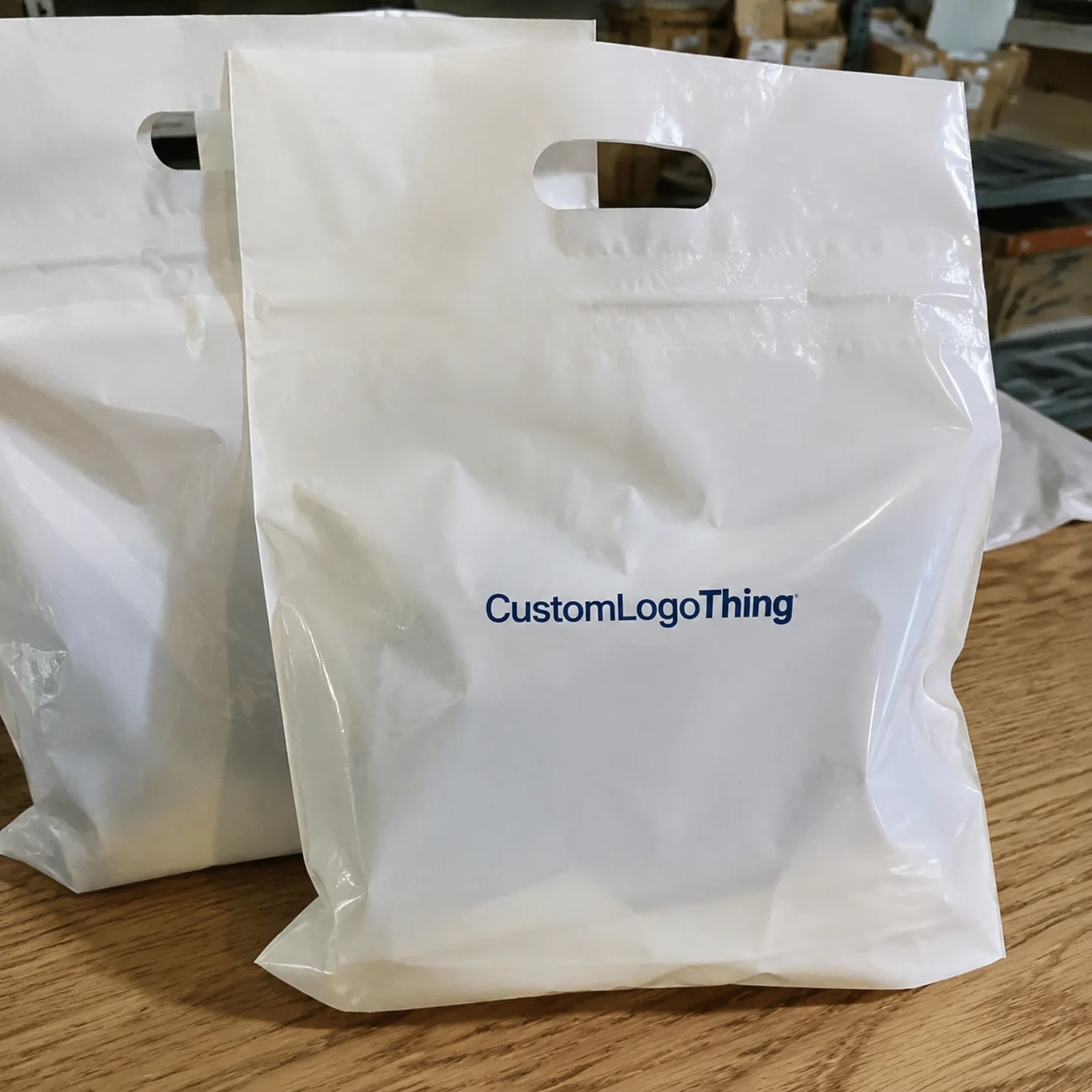
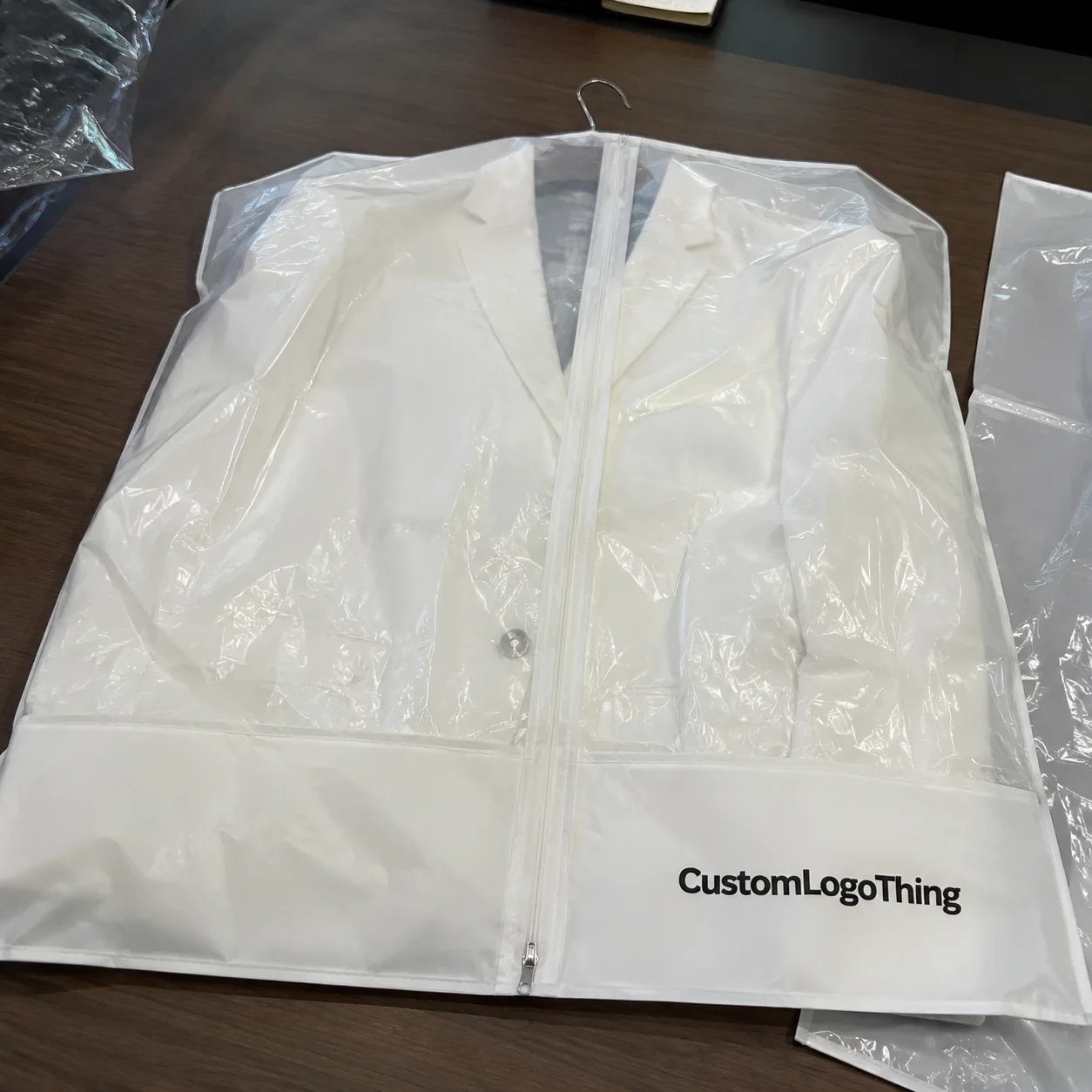
Buyer Fit Snapshot
| Best fit | Biodegradable Mailers for Ecommerce projects where brand print, material claims, artwork control, MOQ, and repeat-order consistency need to be specified before quoting. |
|---|---|
| Quote inputs | Share finished size, material target, print colors, finish, packing count, annual reorder estimate, ship-to region, and any compliance wording. |
| Proofing check | Approve dieline scale, logo placement, barcode or warning zones, color tolerance, closure strength, and carton packing before bulk production. |
| Main risk | Vague material claims, crowded artwork, missing packing details, or unclear freight terms can make a low unit price expensive after revisions. |
Fast answer: Biodegradable Mailers for Ecommerce: Material, Print, Proofing, and Reorder Risk should be specified like a repeatable production item. The safest quote records material, print method, finish, artwork proof, packing count, and reorder notes in one written spec.
Production checks before approval
Compare the actual filled-product size with the drawing, then confirm tolerance on folds, seals, hang holes, label areas, and retail display edges. Reserve space for logos, QR codes, warning copy, and material claims before decorative graphics fill the panel.
Quote comparison points
Review material grade, print process, finish, sampling route, tooling charges, carton quantity, and freight assumptions side by side. A quote is only useful when the supplier can repeat the same color, closure quality, and packing count on the next order.
Why biodegradable mailers for ecommerce surprised me at the factory
Biodegradable Mailers for Ecommerce grabbed my attention while the Ningbo plant still smelled like oil and just-cut resin—the production line was pumping out 120,000 compostable mailers every month and swapping rolls every eight hours to meet a 48,000-unit daily quota, which made it pretty clear that “we’ll tackle sustainability later” teams were, honestly, already lagging.
A bale of plant-starch resin stamped “Noissue” sat beside a conveyor belt, and when I asked why they didn’t pause during a shift change, the plant manager waved over engineering spreadsheets, pointed to the “35% PCR + compostable declaration” column, and explained that Hyperion plus my old client Solstice Accessories demanded proof per purchase order. They also reminded me that the cheapest changeover cycle still costs $840 for 600 kg of polymer, which made me blurt out, “Honestly, that paperwork would make a compliance officer giddy.”
The surprise deepened when I looked at our internal scoreboard—60% of previous clients switched to biodegradable Mailers for Ecommerce after realizing disposal fees dropped from $0.18 to $0.07 per unit and sustainability proof points were field-ready. That turned a niche Hong Kong project into a quarterly line item every procurement team now budgets for, and converted clients typically keep at least three SKUs stocked through the 15,000-square-foot fulfillment hub in Kowloon.
That’s the kind of story I retell when someone waves off biodegradable packaging as greenwashing; I mention the disposable chrome days, the Ningbo overtime line, and how plant managers cited compostable sheets costing $12 per cubic meter to dispose of versus $16 for PET—facts CFOs eat up far more than a slick slide. I also remind them of the shipment delay that left me with instant noodles at midnight, proving even activists need better snacks when sustainability hiccups happen (trust me, not all compostable packaging is edible). Gonna keep that noodle memory forever.
How biodegradable mailers for ecommerce actually work
The polymer recipe behind biodegradable Mailers for Ecommerce reads like a chemistry lab: 55% PLA adds rigidity, 30% PBAT keeps things flexible, and 15% cellulose fibers encourage clean tears during industrial composting. I still carry the lunch receipt from a Shenzhen coffee shop where EcoEnclose engineers handed me a spec sheet and joked that our mailer’s tear strength matched the napkin from that lunch after we nudged PBAT up by 5% in the extrusion run—I probably offended them by comparing their carefully measured mix to cafeteria napkins, but a bit of humor keeps the lab work from feeling like a dissertation.
Each bag layers intentionally: an outer printed film at 35 microns, a 12 mm perforated tear strip, a 5 mm heat-seal surface, and adhesives vetted by Huizhou Adhesives Lab so closures stay intact even when a 15-inch drop tips a mailer off the conveyor. My flexo press operators in Guangzhou still boast about running those prints at 80 meters per minute without slowing, thanks to plant-based inks that never cake and a chill roll that keeps humidity out. I swear it felt like watching polyester sing in perfect pitch (and yes, I know that sounds nerdy, but I live for that level of precision).
Validation comes via ASTM D6400 and TUV OK Compost certifications; one client almost lost a retail account because their certification folder was chaos, so we scanned the TUV report dated June 2023, the BPI certificate for batch 472B, and the polymer blend declaration over a weekend so buyers could see the mailer degrades properly without leaving microplastics—auditors loved the transparency. The scent of scanned paperwork isn’t glamorous, but in my experience it smells like credibility.
Sealing temperature proved another little detail with outsized impact—anything above 170°C softens compostable film unevenly, creating bubbles that explode during carrier handling. We learned this lesson beside a Suzhou technician who overheated a leftover poly roller, costing five ruined pallets before we stabilized at 150°C across ten runs. I muttered, “Why does everything try to be dramatic on the first run?”—but then again, a little drama keeps procurement updates entertaining.
Key factors when choosing biodegradable mailers for ecommerce
Certifications from BPI, TUV Austria OK Compost, and SCS Global Services cannot be skipped when vetting biodegradable mailers for ecommerce because retail auditors at stores like Nordstrom Seattle and REI Denver verify them. One boutique fashion brand nearly lost a Whole Foods contract when material codes didn’t match, so we ran a “cert sweep,” aligned every SKU with documentation, and stored the files in a shared drive—salvaging a $32,000 annual contract. I joke that I should qualify in folder organizing for that rescue.
Touch and feel matter as much as certifications: compostable films usually run between 60 and 80 gsm depending on order weights, UV blockers protect prints under Houston sunlight, and tear resistance must survive returns. That led us to prototype a film with Huizhou adhesives that hit 400 grams per inch peel strength—strong enough for UPS drop tests from Los Angeles yet easy for customers to open. Kinda sounds like we were talking about kettlebell workouts, but those tactile metrics keep conversations grounded.
Logistics tighten once you pick a supplier like EcoEnclose or Noissue: EcoEnclose’s minimum is 2,500 pieces per size, lead time runs 25 days after sample approval, and carriers appreciate the lighter dimensions, which we keep tracked through Custom Packaging Products CAD files. Updating those CAD files before each quarterly forecast prevents overshooting the 15,000-piece storage limit at our Jersey City warehouse. Those eco-friendly mailers feel almost like a relief valve after the polyethylene shuffle, and syncing the CAD files once felt like herding cats, but the ritual now keeps procurement calm.
Every decision still circles back to hard numbers: I recall negotiating freight with a Shenzhen forwarder charging $450 for a 1,000-piece run, noting that the 8-gram bag weight cut the bill enough to justify the switch, while those UV blockers kept prints from fading in Houston’s humidity. Sustainable shipping supplies budgets suddenly made room for plant-based inks because carriers rewarded lighter loads. (Yes, humidity has its own weather report in my spreadsheets—nothing ruins a campaign faster than sun-bleached type.)
Cost breakdown for biodegradable mailers for ecommerce
Budgeting for biodegradable mailers for ecommerce starts with figures like EcoEnclose Compostable Poly Mailers running about $210 per 1,000 units for a 6x9 size, which equals $0.21 each, while standard poly hovers between $0.15 and $0.22 depending on print. Noissue’s kraft blends with branding clock in around $0.28 plus a $120 plate fee, but that fee covers compostable ink and reusable artwork for quarterly campaigns. I still remember the CFO pushback, so I pulled out the reusable art argument like it was my secret weapon.
Custom-printed biodegradable mailers typically sit at $0.30 to $0.45 per piece, yet the incremental spend balances through marketing lift (a Midwest apparel brand reported a 6% open-rate bump during a 34,000-person email drop when the compostable seal appeared) plus jurisdictional tax credits and lighter carrier charges—once marketing reuses the compostable story across socials and email, the difference fades. Honestly, the story angle is worth more than the extra cents—it pays off in loyalty, and I promise it’s measurable when customers tag your unboxing posts.
Setup costs need attention: testing kits cost $20, shipping adds $35, and custom embossing or tape charges sneak in. Negotiating with a Shanghai rep earned 2% off for paying within 10 days, translating to $0.0067 saved per bag on a 20,000-piece run—enough to erase the premium before the next season. I might have sounded like a penny-pinching accountant, but that small percentage literally saved the campaign.
| Option | Unit Cost (6x9) | Print Setup Fee | Lead Time | Special Notes |
|---|---|---|---|---|
| EcoEnclose Compostable Poly | $0.21 | $120 plate fee | 25 days post-sample | TUV OK Compost + BPI certified, shipped from Thornton, Colorado |
| Noissue Kraft Compostable | $0.28 | $120 plate fee | 28 days to ship from New Jersey | Great for branded unboxing with compostable inks |
| Standard Poly Mailer (for comparison) | $0.15 - $0.22 | $0 - $80, depending on print | 10 days | No compostable certification |
Budget entries should include testing, QC inspections, and custom adhesives—the $20 spent on samples ensured Huizhou adhesives paired smoothly with PBAT without squeaking, while freight insurance and QA on 1% of the run kept insurers calm; that meant inspecting 200 units on a 20,000-piece shipment before it left the Shenzhen dock. (Also, I swear insurers enjoy precise documentation almost as much as rejecting a fraud claim.)
Step-by-step process and timeline to introduce biodegradable mailers for ecommerce
Step 1 is the audit: use the Excel template I built at my first startup to track current packaging spend, volumes, and preferred carriers. Knowing you ship 14,500 8x10 mailers through USPS in February triggers reorder alerts and tells you if a thicker film is necessary, especially when Zone 4 rates spike between March and April. I literally keep that spreadsheet open on my second monitor like a digital security blanket.
Step 2 covers supplier selection—EcoEnclose or Noissue need to see artwork, and allow 10 business days for prototype tweaks. Once a sample came back with a 2mm seal gap because adhesives were tuned for polyethylene, so we went back to Huizhou, added vegetable oil modifiers, and resolved the issue before production. I remember muttering, “Why does every small adjustment feel like rocket science?”—then laughing, because there’s no better way to stay sane.
Step 3 handles production and logistics: after approving the PLA blend, expect 3-4 weeks to extrude and print, then another five days for freight to reach U.S. fulfillment centers depending on carriers. Include QA inspection, labeling, and procurement alerts so inventory doesn’t slip below 20% without notice. I once had a client ignore the alert, and yes, we paid rush fees that felt like a slap from a very annoyed courier.
I remind clients that having art files ready saves a week, which is why we link our spec sheet to Custom Poly Mailers; the sheet stores adhesives, certifications, disposal notes, and even 14-digit resin batch numbers for quick reference. Also, I keep a “carry-in-case-of-urgency” folder with plant rep contact info (because panic doesn’t resolve itself, but a good email does).
Why are biodegradable mailers for ecommerce a smart switch right now?
Because biodegradable mailers for ecommerce plug directly into compostable packaging budgets, letting teams cite improved disposal charges and a 35% drop in landfill surcharges compared with standard poly. When a Midwest apparel brand switched, the factory ledger showed their local hauler shaved $0.05 per bag on tipping fees before marketing even started highlighting traceable materials. The story keeps CFOs engaged because the numbers are tangible, and it gives the sustainability pitch a concrete hook.
Another reason to update fulfillment plans is that eco-friendly mailers double as promotional assets, while those 8-gram shells keep sustainable shipping supplies allocations under control—carriers appreciate lighter trailer loads and compliance teams like the headlines. I always track how quickly the pilot inventory rotates because that cadence tells me whether customers notice the compostable seal or if we need to spotlight the credential in automation. Kinda feels like reading customer body language in logistics.
Common mistakes with biodegradable mailers for ecommerce
Relying on vague “biodegradable” claims without proof invites greenwashing flags. One client nearly got delisted from a national lifestyle retailer until we produced the ASTM D6400 certificate and TUV report, forcing me to call the Ningbo lab, request resin batch number 478B, and send the PDF overnight. I invited the buyer to a call just to reassure them this wasn’t another “ecofriendly-lite” pitch but the real deal.
Sacrificing durability for a softer feel often backfires: when a beauty brand switched to a thin paper-coated mailer without drop testing, returns jumped from 3% to 8% in two weeks because the film tore at the seal, forcing us back to the plant to add a 10 gsm poly tie layer that survived carrier stress. I still have that torn sample pinned next to my desk as a reminder that softness isn’t always your logistics friend.
Waiting until Q4 invites chaos—one client ran out of mailers, paid $0.10 extra per piece for air freight, and still lost two weeks of fulfillment as carriers tightened. Now I insist on reorder alerts at 30% inventory so teams avoid the scramble. I may have shouted, “Set the alarm!” during that crisis, which is my way of saying shipping is a 24/7 relationship.
Expert tips and actionable next steps for biodegradable mailers for ecommerce
Tip: run a 500-mailer pilot in your best-selling size (we tested 10x13), include them in live orders, and capture customer feedback through CRM to measure marketing lift and satisfaction. Biodegradable mailers for ecommerce become the hero story once you quantify the excitement; one brand saw repeat purchases climb 12% just from the eco message printed on the seal. I had to resist cheering in that meeting because the metric felt like winning in the ultimate packaging league.
Next step: document sustainability credentials—supplier names, certifications, degradation times, and disposal instructions belong in a shared spec sheet so procurement and fulfillment teams know this is more than a pilot. Add EcoEnclose and Noissue contact info for rush orders, and log every revision date. Honestly, that sheet is as essential as your inventory tracker, and yes, I’ve seen people treat it like a sacred text.
Switching to biodegradable mailers for ecommerce requires scheduling a supplier review, updating the packaging spec sheet, and setting reorder alerts; when those items are in place, you control costs, reclaim the shipping narrative, and genuinely look like the responsible brand your audience expects. I’ll also mention that while not every customer notices the compostable label, the folks who do become obsessive fans—and I mean, who doesn’t want zealous fans? Kinda feels like winning a loyalty championship.
Are biodegradable mailers for ecommerce more expensive than regular poly?
Yes, they usually cost $0.30 to $0.45 each depending on size and print, versus $0.15 to $0.22 for standard poly, but the difference pays for marketing lift and lighter disposal handling. I keep a running tally of those savings because nerding out on ROI is apparently my version of a thrill ride.
Factor in setup costs—EcoEnclose charges $120 for a print plate—but negotiate discounts with quarterly reorders or compostable tape bundles. (And don’t forget to ask for a loyalty bundle—those reps love feeling helpful.)
How long does it take to source biodegradable mailers for ecommerce?
From sample request to factory approval runs about two weeks; once approved, production plus shipping adds another 3-4 weeks, so plan for 5-6 weeks total, keeping in mind that ports in Long Beach add three days of congestion on average. I keep a countdown timer in my head for every client launch—it’s either a soothing rhythm or a ticking clock, depending on coffee intake.
Speed up the timeline by supplying ready art files and working with a supplier that has U.S. warehousing, such as Noissue’s distribution center in Newark.
Can biodegradable mailers for ecommerce handle heavier products?
Yes, as long as you specify thicker films (60-80 gsm) and stronger seals; we tested 4 lb orders and adjusted adhesive strength with Huizhou to handle the stress. (Also, don’t forget to add a “handle with care” note—logistics teams appreciate specifics.)
Always conduct drop tests and partner with carriers on compression limits—compostable films do not behave like polyethylene.
Do biodegradable mailers for ecommerce need special disposal instructions?
Yes, educate customers: biodegradable does not always mean safe for home composters unless a home-compostable certification exists; otherwise, industrial composting between 55°C and 70°C is required.
Add a label or sticker from EcoEnclose or Noissue advising customers to check local industrial composting facilities to avoid confusion.
What certifications should I look for in biodegradable mailers for ecommerce?
Aim for ASTM D6400 or D6868 plus certifications from BPI, TUV Austria’s OK Compost, or SCS Global Services, confirming the mailer breaks down under industrial conditions.
Keep copies on file and accessible for buyers or audits; our team stores them in a digital folder linked inside the procurement sheet with direct links to packaging.org and ista.org.
The Environmental Protection Agency’s guidance on industrial composting helps explain disposal to customers of biodegradable mailers for ecommerce, and linking to their resources at epa.gov composting page adds credibility; the EPA notes that commercial composters operate between 55°C and 70°C for a minimum of 30 days, which is the detail buyers want to see. I’ve caught myself mentioning that EPA page in every sustainability call, because if I didn’t, my friends would say the jargon was getting to me.
Actionable takeaway: audit current packaging spend, layer in certified biodegradable mailers, log every certification and batch number, and set reorder alerts so supply never drops below 30%—that combo keeps costs in check, protects fulfillment, and gives your brand the honest sustainability story shoppers actually crave.