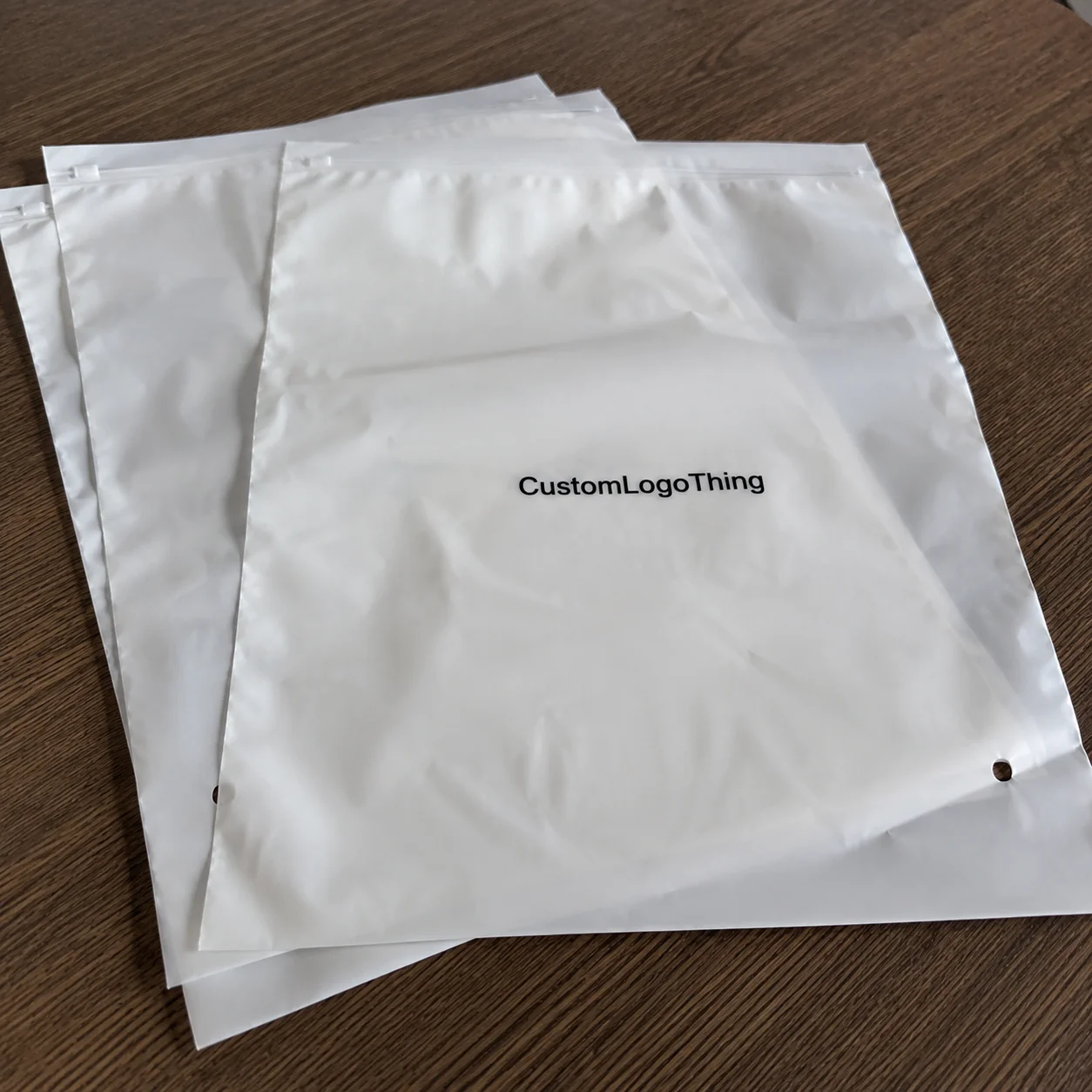
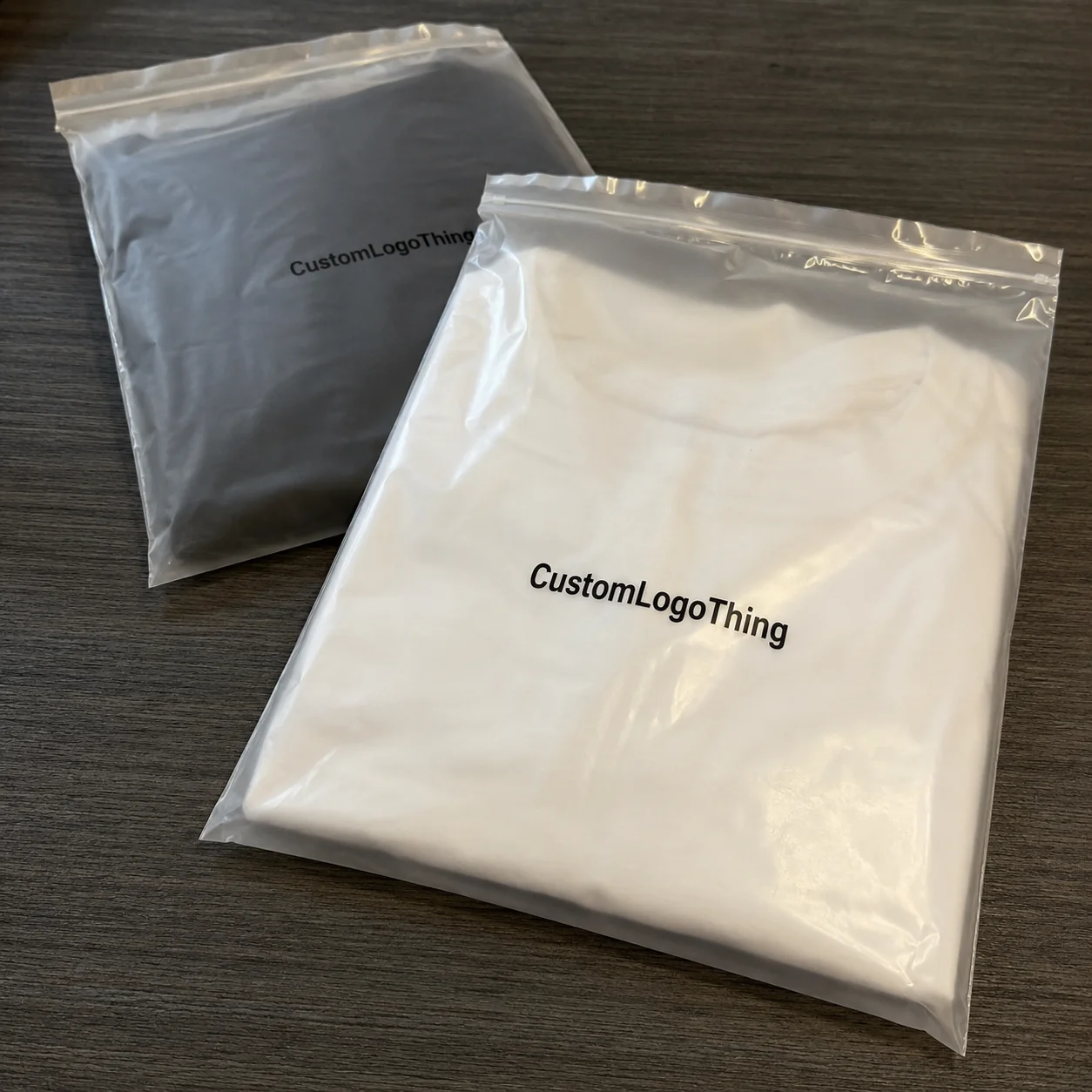
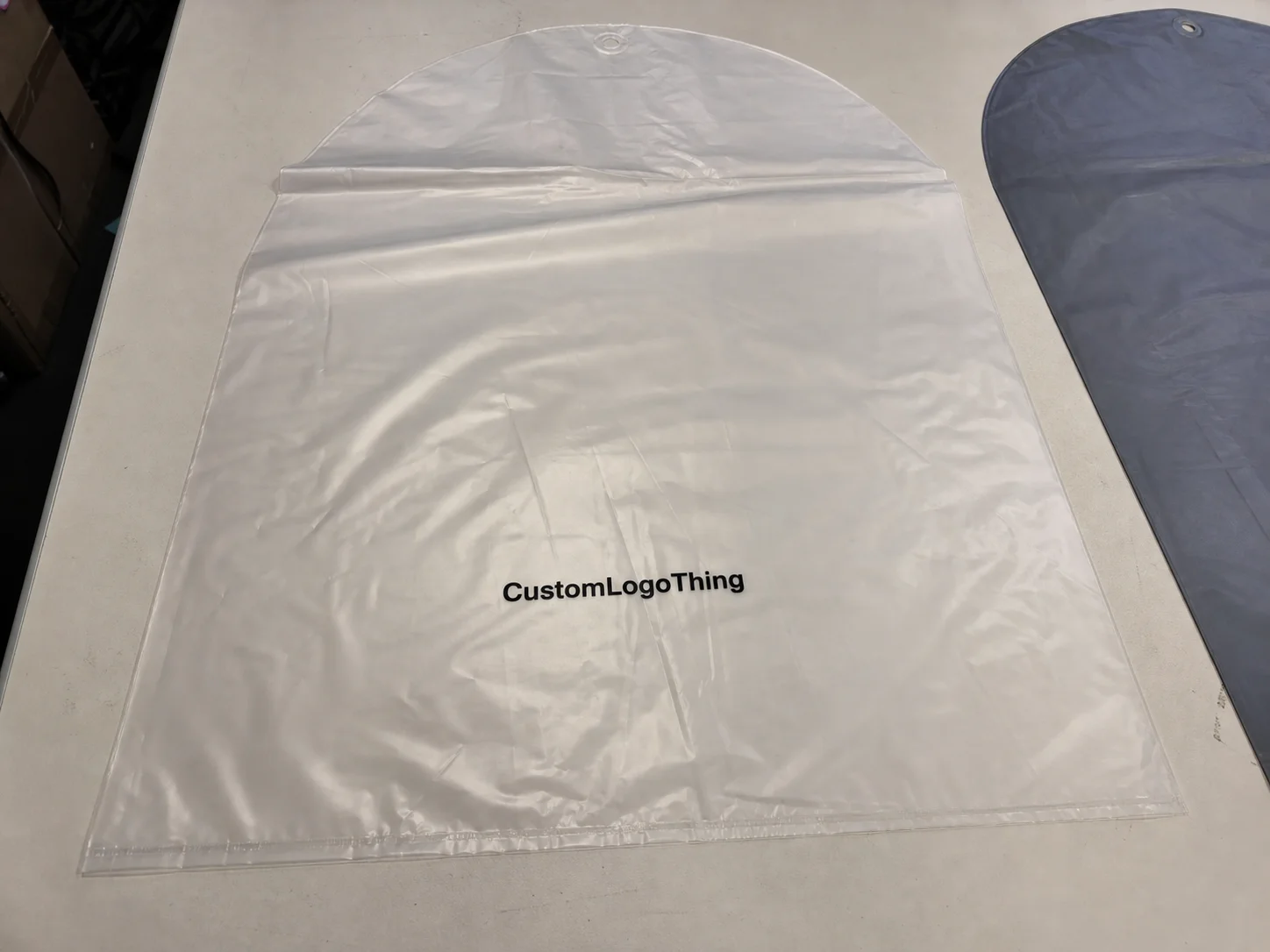
Buyer Fit Snapshot
| Best fit | Biodegradable Packaging for Food Products projects where brand print, material claims, artwork control, MOQ, and repeat-order consistency need to be specified before quoting. |
|---|---|
| Quote inputs | Share finished size, material target, print colors, finish, packing count, annual reorder estimate, ship-to region, and any compliance wording. |
| Proofing check | Approve dieline scale, logo placement, barcode or warning zones, color tolerance, closure strength, and carton packing before bulk production. |
| Main risk | Vague material claims, crowded artwork, missing packing details, or unclear freight terms can make a low unit price expensive after revisions. |
Fast answer: Biodegradable Packaging for Food Products: Quote Scope, Sample Proof, MOQ, and Lead Time should be specified like a repeatable production item. The safest quote records material, print method, finish, artwork proof, packing count, and reorder notes in one written spec.
Production checks before approval
Compare the actual filled-product size with the drawing, then confirm tolerance on folds, seals, hang holes, label areas, and retail display edges. Reserve space for logos, QR codes, warning copy, and material claims before decorative graphics fill the panel.
Quote comparison points
Review material grade, print process, finish, sampling route, tooling charges, carton quantity, and freight assumptions side by side. A quote is only useful when the supplier can repeat the same color, closure quality, and packing count on the next order.
I once watched two “eco” takeaway trays fail a basic moisture test in under 20 minutes on a factory bench in Dongguan. Same day, same room, same 78% humidity. A less flashy molded fiber blend held up for 2 hours and 15 minutes before the base softened. I was standing there with a stopwatch in one hand and coffee in the other, thinking, “Well, there goes the brochure story.” That day still sums up biodegradable Packaging for Food products: labels don’t save you, test data does.
If you’re sourcing biodegradable Packaging for Food products, you are not buying a trend—you’re making a performance call tied to food safety, shelf life, shipping abuse, and disposal reality. I’ve worked through this with cloud kitchens, bakery chains, and a frozen meal brand that burned $18,400 on the wrong pouch structure before we corrected it. Painful lesson. Useful lesson. Also a very quiet finance meeting.
You’ll get a practical breakdown here of what works, what it costs, and how to avoid the expensive misses I keep seeing. If branded packaging and design quality matter while you switch materials, that instinct is right. Strong visual identity and environmental goals can coexist, but only if specs are written clearly and everyone is reading the same playbook.
What Biodegradable Packaging for Food Products Really Means
Most confusion starts with vocabulary. Teams say “biodegradable,” the printer says “compostable,” operations says “recyclable,” and legal quietly panics. I’ve seen this in at least 40 client meetings, and half the conflict could be solved with one shared definitions sheet before anyone asks for quotes.
Biodegradable vs compostable vs recyclable in plain English
Biodegradable means microbes can break a material down over time. The timeline and required conditions vary a lot. Compostable means the material breaks down into non-toxic components under defined composting conditions, often verified through standards such as ASTM D6400 or EN 13432. Recyclable means it can be collected, sorted, and reprocessed in real facilities. A pack can be one, two, all three, or none, depending on structure and local systems.
The mistake I see most often is treating these words like marketing stickers instead of system outcomes. A PLA cold cup may be compostable in an industrial compost facility, but if your city has no organics collection, it can still end up in general waste. That doesn’t make it worthless, but it does change the actual environmental outcome and the claim language you should use.
Where degradation happens matters more than brochure claims
For biodegradable Packaging for Food products, disposal environment is everything: industrial compost, home compost, landfill, or marine exposure. Those are very different conditions. Industrial compost operations often run around 55–60°C with controlled moisture and active microbial management. Backyard compost is usually cooler and inconsistent. Landfills are oxygen-poor. Marine breakdown claims get heavy scrutiny, and for good reason.
If your sales team wants “earth-friendly” printed across everything, pause and validate claim scope first. I push clients to match claims to local infrastructure and recognized certifications. You can check claim guidance via EPA composting resources before finalizing disposal language.
Common food-contact formats and why they behave differently
Biodegradable Packaging for Food products includes clamshells, bowls, tray liners, wraps, lidding films, and stand-up pouches. A 24 oz soup bowl with a vented lid needs very different barrier behavior than a dry cookie pouch. Add hot fill, oils, acids, and delivery hold time, and requirements split fast.
- Clamshells: compression and hinge durability
- Takeaway bowls: heat + soak-through resistance
- Liners/wraps: grease barrier and fold cracking
- Trays: stack load and moisture migration
- Pouches: seal integrity, oxygen/moisture barrier
- Coated paper structures: printability vs compost outcomes
No miracle substrate exists for biodegradable packaging for food products. You’re balancing performance, disposal path, compliance, and brand experience in one system. If someone says they’ve got one material for everything, smile politely and ask for test reports.
How Biodegradable Packaging for Food Products Works in the Real World
I’ll put it plainly: material family selection is where most projects win or lose. I’ve toured facilities in Shenzhen, Suzhou, and Ho Chi Minh City, and the best plants begin with food-use conditions, not catalog photos. I remember one production manager in Suzhou tapping a tray and telling me, “Looks nice, fails fast.” He was right.
Material families you’ll see in supplier quotes
PLA: plant-based polymer, good clarity for cold uses, limited heat tolerance unless modified.
PHA: bio-based polymer with promising biodegradation behavior, usually higher cost and less consistent availability.
Bagasse: sugarcane fiber, solid stiffness for bowls and clamshells, often needs coating for long wet hold times.
Molded fiber: broad category; blend quality, refining, and forming process change performance dramatically.
Kraft paper with bio-coatings: strong print surface, barrier depends on coating chemistry and coat weight.
Starch blends: useful in selected film applications, performance depends heavily on blend ratios and converting quality.
Cellulose films: useful for selected wraps/laminates, but moisture barrier can be limited without support layers.
With biodegradable packaging for food products, ask for exact structure callouts, not vague wording. A useful spec sounds like: “320gsm molded fiber bowl + 18gsm water-based dispersion barrier, heat resistance tested at 95°C for 45 min.” If the quote says “eco material, premium quality,” that’s not a spec—it’s kinda just a sales postcard.
Barrier science without the lab jargon
Three barriers drive outcomes: oxygen, grease, and moisture. Weak oxygen barrier shortens shelf life. Weak grease barrier leads to leakage and staining. Weak moisture barrier leads to warping, softening, or delamination.
Real client case: fried chicken concept, 5,000-unit trial. First pack looked great dry but failed after 35 minutes under heat lamps. Oil migration hit the outer wall, logo darkened, bottom panel softened. We moved to a higher-density molded fiber with a tuned grease barrier and reached 90 minutes acceptable hold. Complaint rate dropped from 6.8% to 1.2% in three weeks. I still keep those failed samples in a box labeled “pretty but useless” (yes, I’m petty like that).
Inks, adhesives, and lamination can quietly ruin your sustainability target
I’ve watched beautifully sourced base material get compromised by the wrong ink set. Heavy flood coverage with incompatible chemistry can hurt compost outcomes and print durability on porous stock. Adhesive selection in multilayer structures matters just as much. Lamination can break claims too; add a non-compatible layer and your “eco” positioning can collapse.
For biodegradable packaging for food products, suppliers should provide compatibility statements for substrate + ink + adhesive systems. If they can’t, move on. Seriously. Don’t negotiate with ambiguity because a sample looked good under office lighting.
Product-fit examples by food category
- Dry bakery: kraft paper + light barrier coating often works, low leak risk, strong branded surface.
- Oily fried foods: coated fiber or tuned biopolymer structures with proven grease-kit performance.
- Frozen meals: moisture and seal integrity first; condensation during thaw is the hidden failure point.
- Hot soup: heat resistance, lid fit, and sidewall rigidity under 80–95°C fill conditions.
Disposal labeling should be precise. If the pack is industrially compostable only, say exactly that. Ambiguous icons confuse customers and raise contamination rates, and then teams blame consumer behavior when the instruction itself was fuzzy.
Key Decision Factors: Performance, Compliance, and Brand Fit
Buying biodegradable packaging for food products for a live launch takes three pillars: food safety, durability, and brand execution.
Food safety documentation you should demand
Before scale sampling, ask for migration test summaries, food-contact declarations, and substance compliance statements for your target markets. In the U.S., legal teams often request FDA food-contact compliance records. EU workflows typically require declaration scope plus overall/specific migration evidence where relevant.
I insist on lot-linked documentation, not generic PDFs from years ago. One supplier sent a polished deck with zero batch traceability; we dropped them in 24 hours. Trust is paperwork plus consistency. I’d rather work with a slower supplier who documents properly than a fast one who treats compliance as a footnote.
Durability checklist that catches expensive failures
- Heat tolerance at actual fill temperature (example: 85°C soup)
- Soak-through resistance at target hold time (30, 60, 90 minutes)
- Seal strength for films/pouches (peel and burst checks)
- Stackability under service loads (5-high, 10-high, etc.)
- Transit compression for delivery and DC handling
ISTA transit simulation reduces distribution risk. If your channel includes parcel shipping, review testing frameworks at ISTA. For larger packaging transitions, this step alone can prevent thousands in damage claims.
Sustainability proof points and risky claims to avoid
Third-party certification matters. FSC chain-of-custody for fiber sourcing covers one part of the story; compostability certifications cover another. For fiber-heavy formats, FSC documentation supports sourcing transparency (see FSC).
Avoid absolute wording such as “fully biodegradable everywhere” or “100% eco-safe.” Legal should review every environmental claim on retail and foodservice packaging. Precise language protects the brand and avoids messy customer disputes later.
Design constraints for custom printing
Strong branding is absolutely possible with biodegradable packaging for food products. Substrate texture changes color and detail, though. Logos on molded fiber will not match logos on gloss film. Dot gain, absorption, and surface roughness all affect final output.
I usually recommend reducing heavy solids by 10–20%, increasing line weights, and running physical drawdowns before final sign-off. If your team expects luxury cosmetic-box finish on unbleached fiber, reset expectations early. It can still look excellent—just in a different visual language.
If you need broader options beyond food-contact formats, review Custom Packaging Products to compare structure styles, print methods, and MOQ ranges.
Cost and Pricing Breakdown for Biodegradable Food Packaging
Now the budget side. Biodegradable packaging for food products can be cost-competitive at volume, but low MOQs usually hurt. Anyone promising “same as plastic” at tiny runs is probably skipping details, or skipping math.
Realistic unit ranges by format
| Format | Typical MOQ | Estimated Unit Cost (printed) | Notes |
|---|---|---|---|
| Printed kraft wraps (single-color) | 10,000–25,000 | $0.04–$0.09 | Low complexity; good for dry/snack foods |
| Molded fiber bowls (24–32 oz) | 20,000–50,000 | $0.16–$0.38 | Barrier coating choice drives range |
| Compostable cups + lids | 30,000–100,000 | $0.12–$0.31 (cup), $0.06–$0.15 (lid) | Heat grade and lid material matter |
| Stand-up pouches (3-layer bio structure) | 15,000–40,000 | $0.22–$0.62 | High impact from barrier and zipper options |
Those ranges reflect what I’ve seen across qualified suppliers in China and Southeast Asia for biodegradable packaging for food products. Freight, duties, and testing are additional.
What actually drives pricing
Five factors dominate: raw material swings, coating complexity, print coverage, order volume, and shipping density. Shipping density gets overlooked all the time. A bulky clamshell can look cheaper per unit but cost more per delivered use if container utilization is poor.
One negotiation I remember clearly: supplier quoted $0.21 per bowl at 40,000 units FOB Shenzhen. We switched to split shipments (20,000 + 20,000), locked a resin surcharge window for 60 days, and tightened carton pack-out. Effective landed cost dropped about 8.4%. Same bowl. Better terms. I wish I could tell you it was genius; mostly it was stubborn spreadsheet work and too many late-night calls.
Tooling, plate, and sampling fees
Custom shapes usually require mold charges. For molded fiber, I commonly see $1,200–$4,800 per mold set depending on cavity count and complexity. Flexo plate fees often run $150–$600 per color/station. Sampling ranges from $80 courier-inclusive bench samples to $700+ for pilot-grade runs.
Can those fees be reduced or waived? Sometimes. If annual forecast is strong (for example 300,000+ units), suppliers may credit tooling across early POs. Ask directly and tie concessions to committed volume.
Total cost beats piece price every time
Strong buyers model total cost: spoilage risk, leakage refunds, freight cube, labor handling time, and disposal fees. I’ve seen brands chase a $0.03 lower unit price and lose $0.11 in return-related costs. That is not a win.
If you’re comparing structures, include downstream effects in your model. With biodegradable packaging for food products, failures often show up after launch, not on the quote sheet. That’s the frustrating part—by the time you see the issue, you’ve already paid for it.
How to negotiate without sounding like a rookie
- Ask for tier pricing at 10k, 25k, 50k, and 100k.
- Request lock-in windows for resin or pulp surcharges.
- Use split shipment plans to reduce storage pressure.
- Negotiate defect-credit terms tied to AQL levels.
Phrase I use: “Please quote with fixed specs and variable volume tiers, including validity period and surcharge triggers.” Clear, professional, hard to sidestep.
Step-by-Step Process and Timeline to Launch Custom Eco Packs
Switching to biodegradable packaging for food products is a project, not a purchase. A clean process prevents last-minute chaos and gives your ops team a fighting chance during launch week.
Step 1: Define use case and fill conditions
Document food temperature, hold duration, oil/fat level, acidity, fill weight, and delivery distance. Example spec line: “Fill at 82°C, 45-minute average hold, 8 km delivery radius, high-condensation environment.” Without this, suppliers guess—and guesses are gonna cost you.
Step 2: Shortlist 2–3 structures and request data + samples
Start with plain samples, then move to printed versions. For biodegradable packaging for food products, request reports covering migration, heat behavior, and barrier metrics tied to your category.
Step 3: Run internal stress tests before artwork
Run microwave/freezer checks where applicable, leak tests, drop tests (typically 0.8–1.2 m), stack tests, and hold-time trials. I run at least three cycles per structure. If something fails now, great—you just avoided a reprint bill.
Step 4: Prepare artwork for substrate reality
Prepress matters. Fiber and films reproduce differently. Adjust trapping, line thickness, and color targets. If your brand uses deep blacks, test alternate builds that avoid muddy output on absorbent stock.
Need help comparing structures across broader product lines, including custom printed boxes and corrugated formats for secondary packs? Review Custom Packaging Products and align primary + secondary systems together.
Step 5: Pilot run, transit simulation, then mass approval
Pilot 1,000–5,000 units where possible. Run transit simulation and in-market handling checks. Set AQL checkpoints (common levels: critical 0, major 2.5, minor 4.0) before full production approval.
“We thought the material was the issue, but it was carton stacking pattern in transit. Changing palletization cut corner crush by 70%.” — Ops manager at a regional meal-prep brand
Step 6: Build realistic timeline with buffers
Typical timeline for biodegradable packaging for food products:
- Supplier RFQ + shortlist: 5–10 business days
- Sampling and revisions: 2–5 weeks
- Testing + artwork finalization: 2–4 weeks
- Pilot + approval: 2–3 weeks
- Mass production: 12–20 business days
- Freight + customs: 2–6 weeks depending on mode and lane
Add at least a 15% contingency buffer. Customs inspections and rework happen. Plan for both. I learned that one the hard way after a holiday-week port delay turned a “safe” timeline into a scramble.
Common Mistakes That Make Biodegradable Packaging Fail
I’ve watched the same five mistakes sink launches repeatedly. None are glamorous. Every one is avoidable.
1) Buying buzzwords instead of performance
“Eco” does not mean fit-for-purpose. Biodegradable packaging for food products has to match your food profile. Dry granola and oily noodles behave like different planets.
2) Ignoring humidity and condensation behavior
Delivery environments can hit high humidity quickly. Condensation weakens paper-based structures and changes print appearance. Test with lids on and off, and simulate real hold windows (30, 60, 90 minutes).
3) Overprinting porous substrates
Heavy dark solids on rough fiber often print dull. Teams then blame material quality. Most of the time it’s print planning. Tune artwork for substrate behavior and use approved ink systems.
4) Assuming compost acceptance is universal
Local programs do not accept every compostable format. If disposal pathways fail, sustainability impact drops. Keep customer messaging and staff training specific to your local stream.
5) Skipping pilot logistics tests
This one hurts most. Brands launch, then crushed corners and leaking seals show up in week one. A two-week pilot often prevents a five-figure correction bill. Skipping pilot tests to “save time” is like skipping brakes to make a car lighter. You’ll move fast right up until you don’t.
If you need coordinated product packaging across primary food packs and retail outers, map the system early. Explore structure options through Custom Packaging Products and build compatibility into phase one.
Expert Tips and Actionable Next Steps for Your First Order
Start small and deliberate. For your first biodegradable packaging for food products order, pilot one SKU instead of flipping your full menu at once.
Use a simple supplier scorecard
Track four signals: data quality, response speed, defect rate, and on-time delivery. Score each 1–5. Any supplier below 3 on communication usually becomes a timeline risk later.
Ask for this exact sample set
- Unprinted baseline sample
- Printed sample with your actual logo
- Alternate barrier variant (same shape, different coating)
Run side-by-side tests. Keep notes in a shared sheet with timestamps and photos.
Build a 30-60-90 rollout checklist
30 days: finalize specs, complete sample testing, shortlist supplier.
60 days: approve artwork, run pilot, complete transit checks.
90 days: launch controlled rollout, train staff on disposal messaging, monitor complaint rates weekly.
Winning here comes from disciplined execution: clear specs, hard testing, specific claims, and tight vendor management. That’s how biodegradable packaging for food products delivers sustainability and operational stability at the same time. I’ve seen teams with smaller budgets outperform bigger brands simply because they tested better and documented faster.
Action plan for this week: gather your product-conditions sheet, set a target unit cost (example: $0.18 at 25,000 units), shortlist three suppliers, request structured sample kits, and lock test dates on the calendar. Do that, and you’re already ahead of most teams I meet.
Final point: biodegradable packaging for food products performs best when treated as a full system—material, print, logistics, disposal, and customer instructions. One weak link can drag down everything else.
Practical takeaway: before you approve any PO, require one page that lists (1) exact structure, (2) validated food-contact docs, (3) pass/fail results for your hold-time test, and (4) disposal claim language approved by legal. If any one of those four is missing, delay launch and fix it first.
What Is the Best Way to Choose Biodegradable Packaging for Food Products?
The best way to choose biodegradable packaging for food products is to match material and structure to real food conditions first, then validate with testing and certifications. Start with temperature, moisture, oil content, and hold time. Shortlist two or three options, request migration and barrier data, run pilot tests under actual service conditions, and confirm local end-of-life pathways such as industrial composting. In practice, the winning option is the one that protects food quality, meets food-contact compliance requirements, and uses clear disposal claims customers can actually follow.
Frequently Asked Questions
Is biodegradable packaging for food products always compostable?
No. Biodegradable and compostable are different terms. Some formats break down properly only in industrial compost systems, not home compost. Verify certification scope and disposal instructions before printing claims on-pack.
How much does biodegradable packaging for food products cost compared to plastic?
Unit cost is often higher at low MOQs, but the gap can narrow at larger volumes. Final cost depends on barrier requirements, print complexity, material family, and shipping efficiency. Always calculate total cost, including leakage returns and spoilage risk.
What is the typical timeline to switch to biodegradable food packaging?
A practical timeline includes sampling, testing, prepress, pilot, and mass production. Most delays come from failed performance tests and redesign cycles, not printing itself. Add freight and customs buffers to avoid stockouts.
Which biodegradable packaging for food products works best for hot and oily foods?
In many cases, coated fiber structures or suitable biopolymer blends with proven grease and heat resistance perform well. Request migration and soak-through reports under your real serving conditions. Validate hold-time performance with condensation checks.
Can I custom print logos on biodegradable packaging for food products without affecting performance?
Yes, if inks and print coverage are compatible with the substrate and disposal goals. Prepress adjustments are essential because fibers and films render color differently. Confirm adhesive, ink, and finish choices still align with food-contact and biodegradability targets.