Book Box Packaging Tape Cost: Get an Accurate Quote
Book box packaging tape cost is usually driven less by the tape alone than by the carton style, the print build, the adhesive choice, and the way the roll behaves on the packing line. A branded seal can stay economical, but only when width, roll length, and artwork are matched to the actual box instead of copied from a catalog photo or guessed from a previous order.
For buyers comparing suppliers, book box packaging tape cost is as much a packaging decision as a materials quote. The right spec should seal reliably, present cleanly on shelf or in transit, and keep packout moving without extra passes, rework, or scuffed cartons. That is the real value test, not just the number printed on the quote.
Why Book Box Packaging Tape Cost Can Surprise Buyers
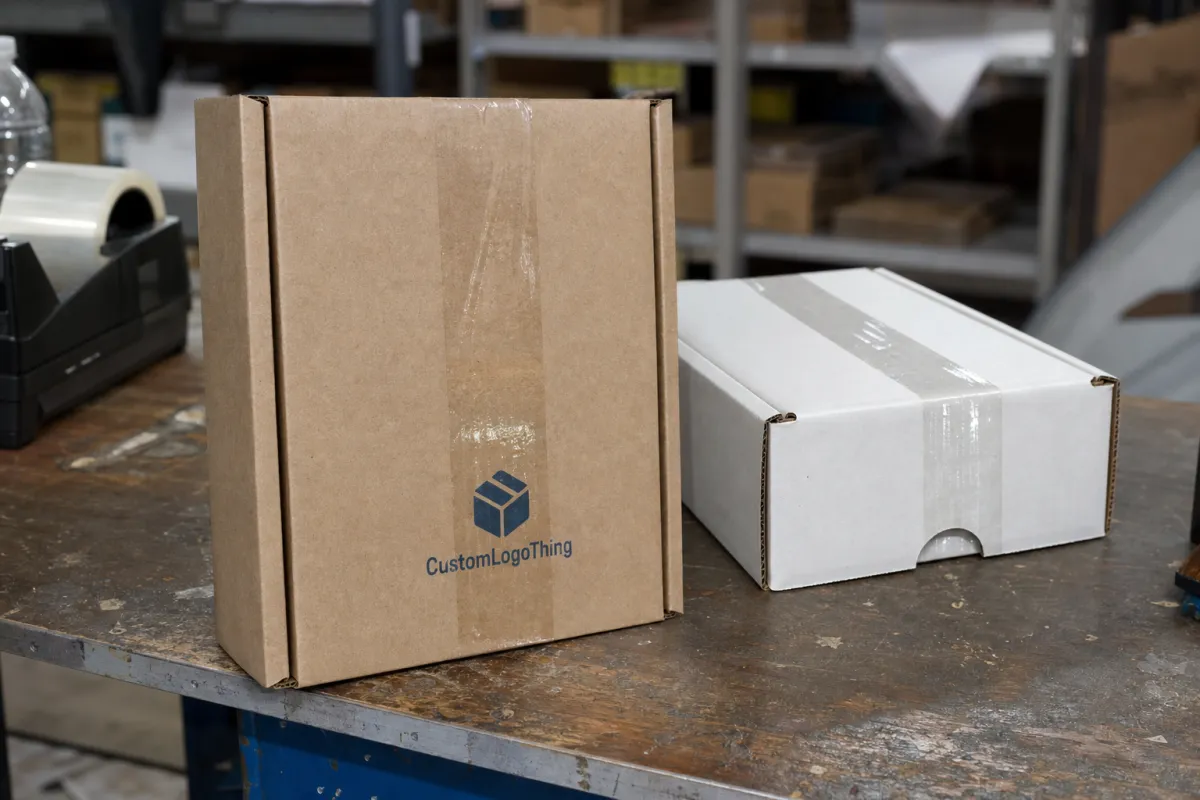
Book box packaging tape cost catches people off guard because the visible part of the order is only one line on the quote. The deeper drivers sit in the print layout, the adhesive system, and the way the roll is built for the carton size. A narrow, simple closure may sound inexpensive, but once the artwork gets dense or the tape width grows to cover a taller seam, the quote can change pretty quickly.
That is why book box packaging tape cost should be reviewed beside the carton itself. If the box is a heavy paperboard mailer or a corrugated shipper for bound sets, the tape needs enough hold to stay down through handling, stacking, and temperature swings. A weak seal on product packaging does more than look untidy; it slows the pack line and creates avoidable claims. Nobody wants to chase down a carton that lifted in transit because the adhesive spec was a little too optimistic.
The most expensive tape is often the one that looked cheap during buying. I have seen teams choose a wide, heavily printed construction for branded packaging, then discover that setup work and ink coverage pushed the unit cost higher than needed. A tighter spec, cleaner artwork, and the right roll length usually bring book box packaging tape cost down without giving up presentation.
Labor sits in the background and changes the real number. If tape wrinkles, lifts at the corner, or runs out too quickly, operators have to reapply it or slow the line to keep cartons square. That hidden labor can matter more than a few cents on the roll, especially in replenishment programs where every minute of packout has a cost attached.
A tape spec should do two things at once: close the box cleanly and keep the brand looking intentional from the first carton to the last.
From a packaging buyer's point of view, the real question is not whether book box packaging tape cost is low. The question is whether the total cost of sealing, handling, and presenting the book carton stays under control over the full run. That is the difference between a price and a packaging plan.
Book Box Packaging Tape Cost Drivers: Materials, Print, and Roll Build
The biggest book box packaging tape cost driver is usually material choice. Most branded carton sealing jobs start with BOPP or polypropylene film because it prints well, runs consistently, and stays economical on moderate to large quantities. Paper-based tape can make sense for a more natural retail packaging look, while reinforced constructions are often chosen when the carton is heavier or the ship path is rougher.
Film thickness changes the quote more than many buyers expect. A 25 micron BOPP tape will not behave like a 30 or 32 micron build, and the adhesive grade matters just as much as the film. If the box flaps are glossy, recycled, dusty, or under higher tension, the wrong adhesive can create lift and drive the true book box packaging tape cost higher through waste, relabeling, and line stoppage.
Print method matters too. One-color printed tape is usually the most economical option for package branding, especially if the logo is simple and the background stays clean. Add a second color, a full flood background, or fine type that needs precise registration, and setup charges and press time start to shape the final number. That stays true even when the design looks minimal on a screen.
Roll build has a direct effect on freight, storage, and carton line handling. A longer roll can lower changeovers and reduce labor, but it may also change core stability or unwind behavior if the roll diameter is too aggressive for the dispenser. Small details like core size and case pack count rarely show up in the art proof, yet they are part of the book box packaging tape cost you will actually live with on the floor.
Here is a practical comparison buyers often use during quote review:
| Construction | Typical Use | Indicative Unit Cost | Strengths | Tradeoffs |
|---|---|---|---|---|
| Printed BOPP / polypropylene | Standard book cartons, mailers, and retail packaging | $0.18-$0.45 per roll at larger runs | Clean print, steady unwind, efficient unit cost | Can need better adhesive selection on rough stock |
| Paper-based printed tape | Natural-look product packaging and lower-plastic branding | $0.28-$0.65 per roll depending on coverage | Strong visual fit for kraft boxes and FSC programs | Usually costs more than basic film tape |
| Reinforced tape | Heavier book boxes or long transit paths | $0.45-$1.10 per roll | Extra tensile strength and better abuse resistance | Higher material cost and less flexible art options |
| Water-activated tape | Higher security closures and premium presentation | $0.50-$1.25 per roll equivalent | Strong bond, crisp look, tamper evidence | Requires equipment and a different packout setup |
Those ranges are not fixed pricing, because book box packaging tape cost moves with quantity, print coverage, and shipping destination. Still, the table gives buyers a useful starting point. If a quote sits far outside those bands, the buyer should ask whether the difference comes from a special adhesive, a heavier roll build, or a low MOQ that spreads setup across too few units.
There is also a hidden cost in poor artwork choices. Thin lines can break on press, tiny copy can blur, and large blocks of ink can make a logo look heavier than intended. A simplified layout often lowers book box packaging tape cost because it reduces press correction, approval rounds, and waste during startup.
For teams that need a broad packaging benchmark, resources from ISTA are useful for understanding transit testing and package performance, while FSC provides context for responsibly sourced paper-based materials. Those references do not replace a production sample, but they help anchor the conversation in practical standards rather than guesswork.
Specifications That Matter for Branding and Performance
The best way to control book box packaging tape cost is to lock the spec before asking for a formal quote. Start with the tape width, roll length, thickness, adhesive type, core size, and print orientation. Those six items tell the supplier far more than a logo file alone, and they prevent the quote from drifting after the first revision.
Book packaging often needs a cleaner close than a standard shipping carton because the outer package may be shown to a retail buyer, a subscription customer, or a distribution partner who sees the box before the product. That means the tape has to do double duty as a closure and a branding element. A weak spec can make the whole package look improvised, even if the artwork itself is attractive.
Artwork prep matters more than many teams expect. Send the logo in vector format if possible, keep line weights strong enough to survive print, and limit the number of colors unless there is a strong brand reason to add more. Fine serif text, gradients, and delicate outlines can look polished on a computer but create real problems on press, especially on narrow tape widths. I have had more than one buyer swear the tape proof looked great, then the first run came back a little fuzzy because the art was trying to do too much.
Before moving to production, I always recommend a sample or proof on the actual carton stock. A tape that performs well on a smooth white sample board can behave differently on kraft corrugate, recycled board, or a coated mailer. That simple test protects both book box packaging tape cost and line efficiency because it shows whether the seal holds, the print reads clearly, and the edge lift stays under control.
Buyers should also decide whether a stock build is enough or whether a fully custom construction is justified. A standard width and standard adhesive often cover most book box applications, especially for lighter sets. A custom build becomes worthwhile when the box is unusually heavy, the branding must match a strict retail packaging style, or the carton surface is hard to seal.
- Tape width: Match the seal area to the flap size so the closure looks balanced.
- Roll length: Longer rolls reduce changeovers, but they must fit the dispenser and pack table.
- Thickness: Heavier stock can help with abuse resistance, though it can raise unit cost.
- Adhesive type: Choose for board surface, temperature range, and storage conditions.
- Core size: Keep it compatible with existing manual or semi-automatic applicators.
- Print orientation: Confirm repeat length, logo spacing, and how the tape will read on the box.
Good packaging design is often quiet. The best tape does not force the carton to work around it. Instead, it supports the box structure, reinforces the brand, and keeps the user experience simple. That is why book box packaging tape cost should be judged against the final package, not the roll alone.
Book Box Packaging Tape Cost, MOQ, and Quote Structure
Book box packaging tape cost becomes easier to evaluate once the quote is broken into parts. A clean quote should separate the unit price, setup charges, tooling or plate work, proof fees if any, freight, and any special packaging or case-packing request. If all of those items are buried in one number, comparing suppliers becomes guesswork.
MOQ matters because setup work has to be spread across the run. A 3,000-roll order and a 20,000-roll order may use the same artwork, but the smaller run carries a heavier share of press setup, plate preparation, and inspection time. That is why unit cost usually drops as the order grows, even when the material build stays identical.
Here is a realistic way to think about pricing tiers for book box packaging tape cost:
- Launch quantity: Best for testing demand, but usually carries the highest unit cost.
- Mid-run order: Often where the best balance appears between inventory risk and price.
- Replenishment order: Usually gives the lowest practical unit cost if the spec stays unchanged.
If you want an accurate quote, send dimensions, artwork files, print colors, estimated monthly usage, shipping destination, and the date you need the first cartons ready. That information lets the supplier estimate book box packaging tape cost with fewer assumptions. It also makes the approval path smoother because no one has to stop mid-process to ask for missing details. A good buyer packet saves everyone a headache, plain and simple.
Common price breakpoints show up at quantities where the press setup gets diluted enough to matter. A buyer who orders 2,500 rolls will usually see a different unit cost than one who orders 10,000 rolls of the same construction, and a repeat order can be even better if the artwork and spec are already approved. That is one reason larger programs should plan launch volume separately from replenishment volume.
The following table gives a simple quote structure Comparison for Buyers reviewing book box packaging tape cost:
| Quote Element | What It Covers | Why It Changes Cost |
|---|---|---|
| Unit price | Per roll or per case pricing | Driven by material, print coverage, and run length |
| Setup / tooling | Plates, press setup, and make-ready time | More colors and more complex art raise startup cost |
| Sample / proof | Digital proof or physical pre-production sample | Useful for approval, especially on brand-critical packaging |
| Freight | Delivery from plant to receiving dock | Weight, distance, and service level affect the total |
| Packaging / case pack | How rolls are packed for handling and storage | Custom case packs can add convenience and cost |
That structure helps buyers compare like for like. A quote that looks lower at first glance may not actually improve book box packaging tape cost if it hides freight, leaves out a proof, or uses a smaller roll that creates more changeovers on the line. The real comparison is total landed cost against the carton volume you need to ship.
If your team is planning new branded packaging or a full roll-out of custom printed boxes, it can help to connect the tape order with the broader program. Our Custom Packaging Products page is a useful starting point if you want to align the closure spec with the carton, insert, or outer shipper instead of handling each piece separately.
Process, Timeline, and Lead Time for Approval
The process behind book box packaging tape cost is straightforward once the inputs are complete. It usually starts with spec intake, then artwork review, then a quote, followed by a proof or sample, production, quality check, and shipment. Each step matters because a missing detail in the first round often turns into a delay later.
Artwork revisions are one of the biggest timeline drivers. If the logo needs resizing, if the colors need to be converted, or if the text has to be simplified for print, the schedule stretches. Final files at the start of the quote process help keep book box packaging tape cost and lead time both under control because they reduce rework and keep the approval loop from getting messy.
Material availability is another practical issue. Standard BOPP and paper builds are usually easier to source than niche adhesives or unusual film widths, which means the quote may move faster on a common spec. A custom construction with a special unwind pattern, heavyweight liner, or security feature may still be the right answer, but it needs a bit more planning.
For teams checking transit resistance or package performance, it helps to keep testing language clear and simple. A production sample can be evaluated against the carton surface, and if the shipping route is demanding, the packaging team can reference a standard test method such as the ones published by ISTA. That does not replace real-world packout, but it gives the approval process more discipline.
Repeat orders usually move faster because the approved spec already exists. If the width, print layout, adhesive, and carton size stay unchanged, the supplier can often go straight to production after confirming the release quantity. That is one of the easiest ways to lower book box packaging tape cost over time: keep the spec stable and avoid needless changes between runs.
Here is a practical lead time guide many buyers use:
- Artwork review: 1-2 business days if files are complete.
- Quote turnaround: Often within the same day to 3 business days.
- Proof or sample approval: 1-5 business days depending on internal review.
- Production: Often 12-15 business days after approval for standard builds.
- Shipping: Depends on destination and freight service level.
Those timelines are realistic for many programs, but they are still dependent on the spec and the current schedule. A rush order can happen, yet rush work usually raises book box packaging tape cost because it compresses production and freight options into a smaller window. The better move is to plan early, approve quickly, and keep the spec unchanged once the order is released.
From a packaging buyer's point of view, clear communication saves more money than almost any other process step. If the team knows what carton size is being sealed, what the line speed looks like, and how the tape will be applied, the quote becomes more accurate and the delivery date becomes more believable. It also helps the supplier spot trouble before it becomes a production problem.
Why Choose Us for Book Box Packaging Tape
Good suppliers do not just sell tape. They help translate a branding idea into a working closure that fits the carton, the dispenser, and the pack line. That matters for book box packaging tape cost because a well-built spec prevents waste, short runs, and last-minute revisions that can raise the final bill.
We focus on practical manufacturing discipline: clear specs, measured tolerances, consistent print registration, and realistic lead times. That approach is especially useful for branded packaging, where the seal has to look intentional every time a box leaves the line. If the print drifts or the adhesive changes from run to run, the package loses the clean, reliable look buyers expect.
We also help customers choose between materials without pushing them into a heavier build than they need. A lighter BOPP construction may be the right answer for a standard mailer, while a paper-based tape might fit a more premium product packaging story. The right choice is the one that supports the box, the message, and the budget together. No need to overbuild it just because a thicker roll sounds safer.
A tape spec should not be built around hope. It should be built around the carton surface, the shipping path, and the way the box is actually closed on the floor.
Transparent pricing matters because buyers are often comparing multiple quotes at the same time. If a supplier explains unit cost, setup, and freight cleanly, it becomes easier to judge book box packaging tape cost against real value. That is especially true for programs that need steady replenishment and cannot afford surprises on the next release.
Consistency also protects the brand over time. When a reorder matches the first run in color, width, and performance, the packaging line does not need to relearn the product. That continuity is one of the quiet advantages of working with a supplier that keeps the artwork and spec history organized from the beginning.
In many programs, the tape is one part of a broader packaging system. If you are aligning outer packs, inserts, and closures in one development cycle, our Custom Packaging Products page can help you keep the pieces under one sourcing umbrella instead of managing them in separate silos.
Next Steps to Lock In Book Box Packaging Tape Cost
The fastest way to lock in book box packaging tape cost is to gather the right details before you ask for the quote. Start with box dimensions, tape width, artwork files, print colors, monthly usage, and the delivery location. If you already know the carton material and the seal area, include that too, because it helps the supplier choose the correct adhesive and film build.
It also helps to compare two builds side by side. One should focus on the lowest upfront spend, and the other should focus on the best total cost per sealed carton. That comparison often makes the decision obvious, because a slightly higher unit cost can still lower the total if it reduces waste, labor, or rework on the line.
Ask for a sample or proof before committing at scale. A simple test on the actual book carton can show whether the tape reads clearly, stays flat, and adheres to the board without edge lift. That one check protects both presentation and production, which is why it matters so much to book box packaging tape cost.
Once the MOQ is clear, the artwork is approved, and the lead time is confirmed, release the order and keep the spec locked. Frequent changes are what push a tidy quote into an expensive one. The best book box packaging tape cost comes from a spec that fits the carton, the brand, and the packing line from the start.
For buyers who want a clean, reliable, and honestly priced solution, that is the right place to begin. If the box is right, the artwork is right, and the tape build is right, book box packaging tape cost stays predictable, and the finished package looks like it was planned that way. The takeaway is simple: define the carton, settle the spec, and ask for pricing only after the run details are real.
What affects book box packaging tape cost the most?
Print coverage, number of colors, and setup work usually move the price more than buyers expect. Material choice, adhesive grade, roll length, and order quantity also have a direct impact on unit cost. Freight and any sample or tooling fees should be included when comparing quotes.
How do I get an accurate book box packaging tape cost quote?
Send the tape width, roll length, core size, artwork files, print colors, and estimated order volume. Include the carton type, shipping destination, and any target delivery date so lead time is realistic. If you have usage forecasts, share them; larger repeat volumes can change pricing significantly.
What MOQ should I expect for custom book box packaging tape?
MOQ depends on print method, material, and setup complexity, so it can vary by construction. Smaller runs usually cost more per roll because setup is spread across fewer units. If you plan repeat orders, ask for pricing at both launch quantity and replenishment volume.
Can I lower book box packaging tape cost without hurting branding?
Yes, simplifying to one-color print, standard widths, or a shorter coverage area often reduces cost. Using a standard adhesive and avoiding unnecessary custom roll features can also keep pricing down. The key is to keep the logo clear and the seal reliable while removing nonessential extras.
How long does it take to move from quote to delivery?
The fastest path is when specs and artwork are final at the start of the quote process. Approval time, sample signoff, and production schedule all affect the total timeline. Repeat orders are usually quicker because the approved spec and artwork already exist.


