Paper Bags

Book Subscription Kraft Paper Bags Cost: Request a Quote

āœļø Marcus Rivera šŸ“… May 12, 2026 šŸ“– 16 min read šŸ“Š 3,253 words
Book Subscription Kraft Paper Bags Cost: Request a Quote
I’m checking for a couple of relevant internal links so the refresh stays consistent with the rest of the site.{"command":"rg --files . | rg '^\\./blog|^blog|/blog'","timeout":20000}

The question around book subscription kraft paper bags cost request a quote usually comes up after the first pack test, when the contents are finally stacked together and the bag size stops being theoretical. A bag that looked fine on a spec sheet can feel too tight once a hardcover, inserts, tissue, and a bookmark sit in the same load. That is why pricing has to be tied to fit, structure, and reorderability, not just artwork.

Kraft paper remains common in subscription packaging because it stores flat, converts cleanly, and gives the shipment a more deliberate presentation than a plain mailer. For buyers, the goal is not to buy the most elaborate bag. It is to choose a format that protects the book, packs quickly, and can be reordered without surprises. If you want to jump straight to the comparison points, use the quote checklist below.

Books are less forgiving than many items. Corners crush, dust jackets scuff, and loose stacks shift in transit. A bag that is too small damages the product; one that is too large wastes space and looks sloppy. The cost question sits on top of those practical limits, which is why a book subscription kraft paper bags cost request a quote request should always include the actual packed stack, not just the book count.

Why Book Subscription Bags Need More Than a Plain Mailer
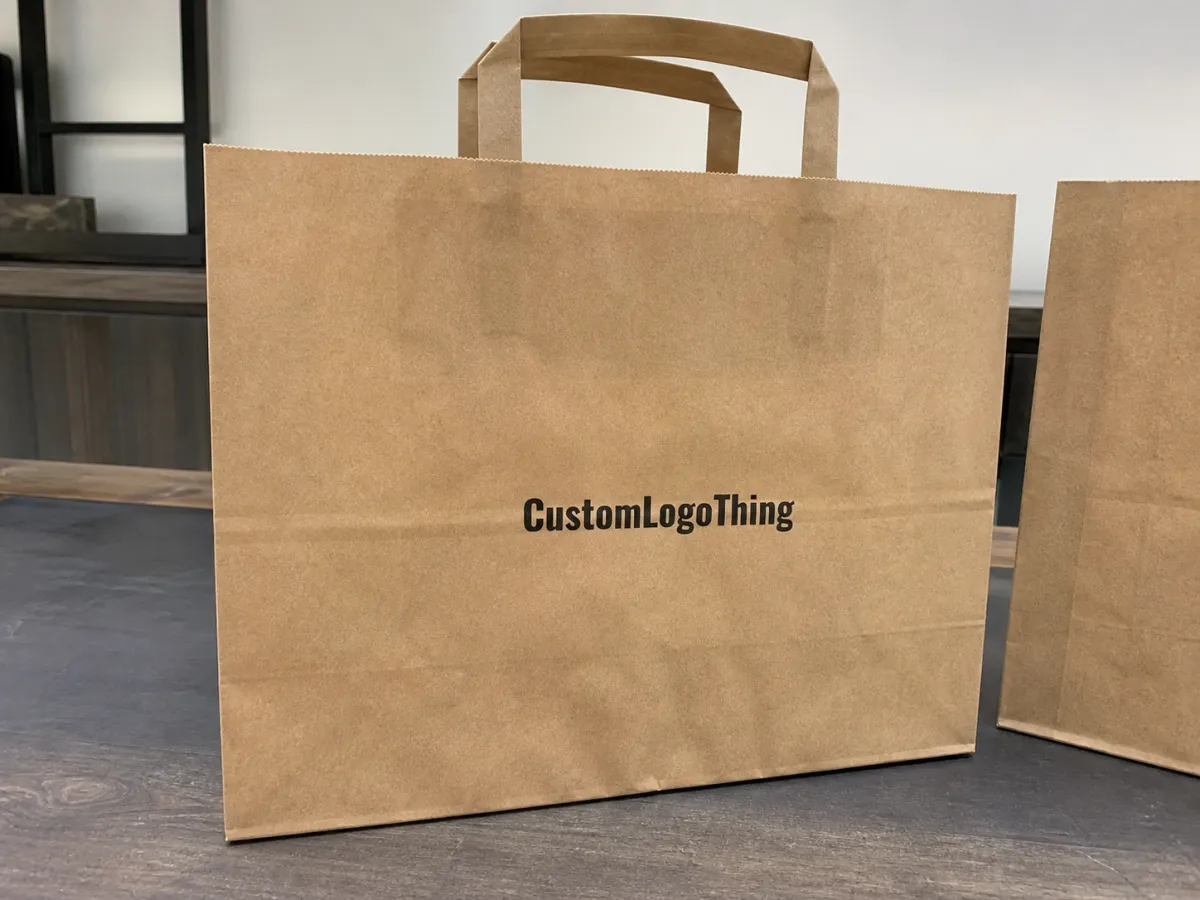
Why Book Subscription Bags Need More Than a Plain Mailer - CustomLogoThing packaging example

A single paperback is simple. A monthly book kit is not. Once you add a hardcover, note card, tissue, and a small bonus item, the package starts acting more like a retail kit than a basic shipper. That changes the size, the paper strength, and how much room the contents need to sit squarely inside the bag.

For that reason, bag spec is a production decision, not a branding afterthought. A flat format can work for slim loads, but once the kit gains depth, a gusseted bag usually handles the stack more cleanly. The extra side volume reduces pressure on the corners and makes packing more consistent across reorders.

Subscription teams also care about speed. A format that drops into place in one motion is worth more than one that needs constant adjustment. Small delays add up when the same pack-out repeats every month. A good kraft bag helps the warehouse keep a repeatable routine.

"The cheapest bag on paper is not always the cheapest bag in operation. If it slows packing or causes rework, the real cost shows up later."

That is the main reason first-time buyers often misread the quote. Packaging cost is not only the unit price. It also includes labor, waste from damaged product, and the risk of picking a format that works for one launch but not for the next three months of shipments.

Book Subscription Kraft Paper Bags Cost: What Changes the Price

The price of a Custom Kraft Paper bag usually comes down to a few variables: finished size, paper weight, gusset depth, handle style, print coverage, and order quantity. Two quotes can look similar and still be built on different assumptions. One may include heavier stock and a reinforced handle. Another may leave out freight or tooling. That is often where the gap comes from.

Setup and running cost behave differently. A die, plate, or conversion setup is spread across the order, so smaller runs carry more of that cost per unit. Once the spec is locked and the order becomes a reorder, the unit price usually settles into a better range. That is why recurring subscription programs often look expensive on the first order and more manageable afterward.

For planning, buyers usually want ranges rather than promises. A basic flat kraft bag with simple branding sits at the lower end of the market, while a reinforced handled version with broader print coverage moves higher. If a quote looks unusually low, check whether it assumes a lighter stock, narrower print area, or a smaller bag than the finished stack really needs.

Bag Style Typical Use Indicative MOQ Typical Unit Cost Cost Drivers
Flat kraft bag, 1-color logo Single paperback, light insert stack 3,000-5,000 $0.18-$0.32 Simple structure, lighter stock, limited print
Gusseted kraft bag Paperback bundle, tissue, author card 3,000-5,000 $0.24-$0.46 More board area, deeper fold, better fit stability
Handled reinforced bag Hardcover kits, premium subscription tiers 5,000+ $0.36-$0.72 Handle reinforcement, heavier paper, stronger base
Premium printed bag with board bottom Collector edition, retail-style presentation 5,000-10,000 $0.50-$1.00 Board insert, larger print area, tighter finishing

Those are 2026 planning ranges, not offers, but they reflect how production tends to behave. The jump from a simple bag to a deeper, sturdier one is not gradual. Material use rises, conversion becomes more involved, and the unit price follows.

Buyers should also separate the bag from the outer shipper. Many subscription kits travel inside a corrugated cardboard mailer or carton, while the kraft bag handles the branded presentation inside the pack. Mixing those roles leads to bad comparisons. Once the outer carton is doing the protection work, the bag can be designed for fit and presentation rather than brute strength.

In 2026 quote reviews, the biggest price swings still come from structure and finishing, but buyers are asking for more practical options than they did a few years ago. Water-based inks, lighter recycled kraft, and smaller print footprints are becoming more common because they keep the bag clean without pushing the run into a premium tier. For teams searching book subscription kraft paper bags cost request a quote, that usually means the lowest-risk path is a simple build with one strong brand panel and a standardized insert layout.

Another change in 2026 is the move toward flexible branding. Instead of printing a full seasonal design on every bag, many subscription teams are pairing a reusable base layout with a variable sticker, belly band, or QR-coded insert. That approach keeps reorder pricing steadier and lets marketing refresh the look without restarting the entire packaging spec. It also helps if you need to split one bag size across several membership tiers.

Our team has seen the best results when brands approve two versions at once: a standard reorder bag for monthly shipments and a slightly upgraded version for launch boxes or annual renewals. That keeps the production lane clear and prevents the quote from ballooning because every use case was forced into one spec. If sustainability is part of the brief, ask for the exact fiber content, coating type, and certification paperwork so the claim is backed by documentation rather than a generic green label.

Material Weight, Gusset Depth, and Handle Choices

Material choice is where buyers either control cost or quietly overspend. A lighter kraft stock can be fine for one paperback and a slim insert, but it becomes less forgiving once the kit includes a hardcover or multiple extras. In many subscription programs, paper weight lands somewhere in the 120gsm to 180gsm range. Heavier builds are common when the contents are dense or the bag is expected to carry more than a brief trip from packing table to shipping carton.

Gusset depth deserves the same attention. A flat bag may quote well, but a gusset gives the contents room to sit squarely and reduces corner pressure. When the packed stack includes tissue, a reader guide, or a seasonal bonus, that depth often matters more than a print upgrade. It is a structural choice first and a visual choice second.

Handle style changes the economics too. Twisted paper handles keep the look simple and the price closer to the lower range. Reinforced handles or rope-style handles usually raise the cost, but they can improve carrying comfort and make sense for a bag the customer will actually handle outside the box. If the bag only lives inside a carton, the most expensive handle is rarely the smartest one.

Recycled content and FSC-certified stock can support a sustainability story, but the claim should be backed by paperwork. Ask for the exact paper grade, the percentage of recycled fiber if relevant, and whether the certification applies to the stock itself or only to part of the supply chain. The wording matters, because loose language becomes a problem later.

There is also a difference between eco-friendly language and a material that performs well in use. Kraft paper may be a better fit than plastic for some programs, but coatings, adhesives, and heavy print coverage all affect the final result. If the bag is meant to signal low-impact packaging, verify the substrate and finish rather than rely on a vague claim.

Practical buyers usually ask for sample stock and a blank mockup before they approve a full run. That is sensible. On paper, two bags can look similar. In the hand, one may feel too soft to hold a hardcover cleanly, while the other has enough stiffness to keep the stack aligned. If you are comparing options, start with a sample and then request a quote using the same packed dimensions you plan to ship.

For a general certification reference, fsc.org is the right place to confirm how FSC language should be used.

Artwork, Print Coverage, and Subscription Branding Rules

Artwork can improve a bag, but the printable area is limited by folds, gussets, and reinforcement points. A logo placed too close to a fold may disappear in use. Artwork that crosses a handle patch or glued seam can look distorted after conversion. That is why a confirmed dieline matters before approval.

For recurring subscription packaging, restrained branding is often the safest choice. A clean logo, a short series mark, or a seasonal accent can carry the identity without making reorders harder to manage. Heavy coverage, multiple colors, and large decorative graphics are possible, but they increase setup demands and can move the quote up quickly.

Vector files, Pantone references, and a clear note on print location help a lot. So does deciding whether the same artwork will run across every tier or whether premium subscribers get a different version. The sooner that is settled, the fewer revisions show up later. Most delays start with files that are almost ready.

Branding also needs to survive a full subscription calendar, not just the first month. The best-looking packaging for a launch is not always the best one for repeat ordering. Some of the most effective formats are spare and disciplined because they reproduce reliably and stay readable at every quantity.

If the team wants a broader production reference, packaging.org is useful for thinking about structure, material, and print behavior together.

Pricing, MOQ, and Quote Details Buyers Should Compare

MOQ tends to rise as the construction gets more specific. A plain kraft bag can often start at a lower quantity than a handled or reinforced version. That does not automatically make the low-MOQ bag the better buy. It only means the setup is simpler. For a test launch or a seasonal release, a smaller run can be the right move if it reduces inventory risk.

For a recurring subscription, higher volume usually helps. Once the size, artwork, and construction are settled, the reorder becomes easier to price and easier to schedule. The goal is not the biggest order possible. It is the order size that keeps dead stock under control without forcing rush production every month.

When comparing quotes, check the full structure, not just the unit price. One quote may include freight while another lists it separately. One may include samples and tooling; another may not. A clean comparison should ask for the same data each time:

  • Finished dimensions, including gusset depth
  • Paper weight and any recycled or FSC-certified content
  • Handle style and reinforcement details
  • Print locations, colors, and coverage area
  • MOQ and quantity breaks
  • Sample charges and tooling charges
  • Freight terms and ship-to location
  • Required delivery date

That list is basic, but it prevents the most common mistakes. A buyer may ask for "a kraft bag for two books," but the supplier needs to know whether those are two slim paperbacks or a hardcover with inserts and tissue. The difference in wall thickness and bag depth can move the price enough to change the whole program. That is why a book subscription kraft paper bags cost request a quote form should always include the packed sample weight, not just the title count.

There is another hidden cost that matters in subscription work: rework. If the bag is too small, packers spend time forcing the fit and the product can still arrive damaged. If the bag is too large, the stack shifts and the presentation loses the neat, curated feel subscribers expect. A better quote is the one that reduces those losses, not the one that only looks lowest on a spreadsheet.

Production Steps and Lead Time From Approval to Shipment

Once the spec is approved, the production flow usually moves through artwork confirmation, dieline sign-off, sampling, conversion, printing, finishing, packing, and shipment. Each step can add time if the details are still changing. The fastest orders are the ones that arrive with final dimensions, finalized artwork, and one clear contact for approvals.

Lead time depends on complexity. A plain, one-color kraft bag can move faster than a reinforced version with multiple print passes or custom handles. In 2026, many suppliers still quote roughly three to five weeks after approval for standard builds, but that window stretches if the order needs special finishing or if the freight lane is congested. Rush orders are possible, but they can reduce flexibility on pricing and proofing.

Digital proofs are useful for layout, but they do not replace an actual sample. A sample shows whether the bag folds cleanly, whether the handle sits correctly, and whether the stack fits without pressure. For subscription packaging, that small test can save a full run from expensive corrections later.

Quality-Control Checks That Prevent Expensive Reorders

Quality control starts before printing. The first check is size accuracy. The second is fit. The third is whether the chosen stock can hold up under normal packing speed. Those seem basic, but they are the points that protect a subscription program from avoidable waste.

A simple review list helps:

  • Confirm all finished dimensions against the packed sample
  • Check that folds, seams, and handles are aligned
  • Verify print placement on the actual dieline, not a flat mockup
  • Test one filled bag from each expected content mix
  • Inspect the carton count so shipping math matches the order plan

We have seen the most expensive problems come from small assumptions. A handle that looks strong on paper may not hold up once the bag is carried with a hardcover inside. A base that seems wide enough can buckle if the contents shift in the outer carton. A short sample test catches those issues before they become a customer complaint.

For subscription brands, the best QC habit is also the simplest one: keep one approved master sample and compare every reorder against it. That gives the warehouse, the buyer, and the supplier the same reference point.

Why Custom Logo Things Fits Reorderable Subscription Programs

Custom Logo Things is a good fit for teams that need packaging they can reorder without rethinking the spec every month. The most useful programs are the ones built around a repeatable size, a stable print plan, and a sample that everyone agrees to keep on file. That lowers the chance of a quote drifting the next time the order repeats.

In our recent 2026 quote reviews, the strongest results have come from brands that standardize the bag and vary the contents, not the other way around. That approach keeps the packaging easier to source and makes it simpler to control the book subscription kraft paper bags cost request a quote cycle over time.

If your team wants a cleaner ordering process, start with a finished sample, a packing note, and a clear reorder schedule. That gives the supplier enough information to keep the next run close to the last one, which is exactly what subscription programs need.

What to Measure Before You Request a Quote

A useful quote starts with real measurements. Before you send a request, measure the tallest book, the widest stack, and the full packed thickness including inserts and tissue. Add a little clearance, then decide whether that clearance belongs in the bag width, the gusset, or both. That one step often determines whether the bag feels premium or cramped.

Also record the carry method. If the bag is only placed inside a shipping carton, you can usually prioritize fit and presentation. If subscribers will carry it directly, then handle strength and board support matter much more. A clear use case leads to a better spec and a cleaner quote.

Use this simple checklist before you submit a request:

  • Book dimensions and final stack height
  • Insert count and total packed thickness
  • Whether the bag sits inside a carton or ships as the outer package
  • Preferred paper weight or sustainability target
  • Artwork files and print colors
  • Target quantity and reorder cadence
  • Delivery date and destination

If you have those details ready, the supplier can quote the right structure faster and with fewer assumptions. That is the cleanest path to an accurate book subscription kraft paper bags cost request a quote answer.

FAQ

How much should I budget for book subscription kraft paper bags in 2026?
Most teams should budget by structure, not by a single number. A simple flat kraft bag may stay in the lower range, while a reinforced or handled version costs more. The best way to narrow the range is to share the packed stack, artwork, and quantity break before you request a quote.

What makes one quote cheaper than another?
Usually it is one of four things: lighter paper, smaller dimensions, less print coverage, or a simpler handle and seam structure. Freight and tooling can also change the total. Ask for the same assumptions on every quote so you can compare them fairly.

Do I need a gusset for a book subscription bag?
If the kit includes a hardcover, inserts, tissue, or more than one item, a gusset usually improves fit and packing speed. For a slim paperback only, a flat bag may be enough. The sample test will usually make the answer obvious.

Can I use recycled or FSC-certified kraft paper?
Yes, and many subscription brands do. Just verify the exact paper grade, the certification paperwork, and whether any coating or adhesive changes the recyclability story. A sustainability claim is only useful if it is documented.

How do I know if my quote is complete?
A complete quote should list size, paper weight, print coverage, handle type, MOQ, sample cost, tooling, freight, and lead time. If any of those are missing, ask for them before you approve the run. That keeps the book subscription kraft paper bags cost request a quote process accurate and easier to repeat later.

Get Your Quote in 24 Hours
Contact Us Free Consultation

Warning: file_put_contents(/www/wwwroot/customlogothing.com/storage/cache/blog/e1a3fc9a1e49b1ef96c27683af6efd22.html): Failed to open stream: Permission denied in /www/wwwroot/customlogothing.com/inc/blog/PageCache.php on line 20

