Toy ribbon handle paper bags Bulk Order Planning is a packaging decision that affects margin, display quality, and replenishment risk at the same time. The ribbon handle can make a bag feel premium without moving all the cost into heavier cartons, which is useful in toy aisles, gift counters, and seasonal promotions. But the final price is usually shaped more by size, stock, and handle construction than by the artwork alone.
For a buyer, the real goal is to buy the right sizes, at a defensible unit cost, with a lead time that fits the sales calendar. If the spec is loose, the order usually comes back as a mix of overstock, rework, and storage cost. If the spec is tight, the bag can do its job as a practical part of the product margin.
Toy ribbon handle paper bags bulk order planning starts with value per bag
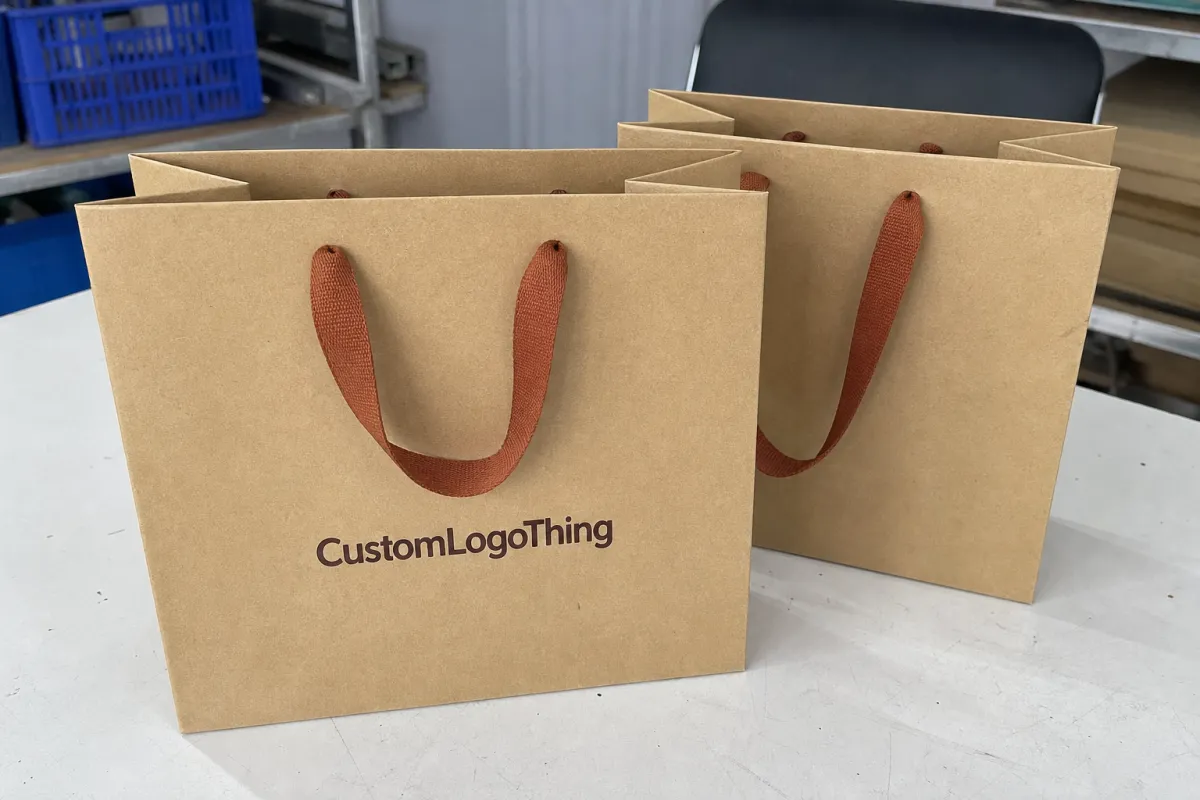
Appearance matters, but buyers should measure value by fit and function first. A ribbon handle paper bag can deliver a premium feel with moderate paper weight, which makes it a strong alternative to heavier packaging in gift shops, museum stores, party aisles, and toy counters. The shopper sees presentation; the buyer should see how well the bag matches the product mix and the packing workflow.
The most common mistake is buying to one hero SKU instead of the real sales mix. If the range includes blind bags, midweight plush, and boxed sets, one bag size rarely fits all efficiently. A better approach is to map the actual SKUs first, then assign bag structures to the heaviest and bulkiest items before anything else.
That choice has a direct cost effect. A bag that is too wide or too tall uses more paper, takes more carton space, and ships more air. Across a large order, those hidden costs can outweigh a small print upgrade. In practice, the most efficient programs are built around SKU mix, storage limits, and checkout speed, not around a generic “nice looking bag.”
- Reduce rework: one approved spec avoids late size changes and packaging re-sorts.
- Speed packing: a bag that opens and stands correctly saves labor at checkout.
- Control storage: the right run size limits pallet clutter and warehouse cost.
- Protect margin: matching paper and handle spec is often cheaper than overbuilding everything.
If a supplier cannot explain why the quote changes with paper weight, ribbon width, or finish, the offer is not fully scoped. That is usually the point where toy ribbon handle paper bags Bulk Order Planning either becomes predictable or starts drifting.
Paper stock, handle reinforcement, and load limits that prevent returns
Paper grade should match the heaviest SKU in the line, not the lightest one. Light blind-box toys may work with 157gsm art paper or a comparable folded board, while boxed toys and bundled sets usually need 210gsm to 250gsm stock, sometimes more if the bag has a wide gusset or a tall profile. Higher-caliper board can improve presentation, but only if the handle and base are built to the same standard.
Handle construction deserves equal attention. Ribbon handles may be sewn through reinforced patches, knotted through eyelets, or fixed with internal tabs depending on the bag design. Ask for pull-test data, not a general claim that the handle is “strong.” A good supplier should be able to describe the test method, the target load, and where failure occurs. If the factory references a recognized transport test approach such as ISTA methods, that is a useful sign that the team thinks beyond appearance.
Load limits are rarely one-size-fits-all. A compact 0.8 kg bag and a reinforced 2.5 kg bag are different products even if the artwork is identical. Ribbon width matters too: 10 mm to 15 mm ribbon is common for smaller bags, while heavier gift-style bags may need wider ribbon and stronger attachment points. A bag that survives one carry but starts tearing after repeated use will create complaints and returns.
Finish choice also affects durability. Matte coatings can hide handling marks, gloss adds shine but shows scuffs differently, and lamination increases abrasion resistance while adding cost and changing recyclability expectations. If the bag will move through busy counters, shipping cartons, and seasonal display bins, abrasion resistance matters as much as appearance.
Base and gusset structure matter because a bag that stands upright is easier to pack, easier to inspect, and less likely to fold badly in transit. A flat base with a clean crease line helps at checkout. A wide gusset helps fit toy boxes without bulging the front panel. Those small structural choices affect labor and presentation more than many buyers expect.
If sustainability claims are part of the brief, ask for document support instead of vague language. FSC-certified paper can work well for retailers that need traceable sourcing; see FSC for certification details. Also ask whether coatings, inks, and adhesives affect local recycling claims, because those details vary by market and by bag construction.
Size, print coverage, and structural specs to approve before quoting
Dimensions should be locked around the actual SKU mix. A bag sized for a single boxed set will not perform well if half the order is for two smaller items bundled together. Finished width, gusset, and height should be written clearly, along with the filled-object range the bag must accept. That level of detail prevents quote revisions later.
Print decisions should be separated early. A one-color logo on a natural kraft bag is a different cost structure from a full-coverage CMYK print with white underlay and inside print. Pantone matching can add setup discipline if the brand uses a controlled color. If the inside of the bag will be visible during packing, specify whether that inner surface needs print coverage or only a clean natural finish.
Before asking for pricing, approve the dieline, bleed, logo placement, and any window or insert feature. If the artwork sits too close to a fold or reinforcement patch, the printer may need to shift it, which means the quote may no longer be accurate. If the dieline is not final, the price is not final either.
Structural tolerances should also be requested up front. For repeat orders, ask for ranges for bag height, ribbon length, handle color, and print registration. A height tolerance of plus or minus 2 mm sounds small, but it becomes useful when the same bag must fit a seasonal set, a core range, and a promotional pack without looking inconsistent on shelf.
Here is a practical approval checklist:
- Finished dimensions and tolerated range.
- Paper grade and coating or laminate choice.
- Handle type, ribbon width, attachment method, and color code.
- Ink count, Pantone references, and print coverage map.
- Dieline file, bleed area, and barcode or legal text placement.
That list may feel detailed, but it cuts ambiguity quickly. Toy ribbon handle paper bags Bulk Order Planning gets easier once the spec sheet is specific enough to compare across quotes.
Pricing, MOQ, and unit cost factors to compare
Pricing is only useful after the spec is pinned down. Ask suppliers to break out paper grade, ribbon type, print colors, coating, and packing format so the cost drivers are visible. A quote that looks 8% lower may simply be based on thinner board, shorter ribbon, or a less durable attachment method.
MOQ should be compared at more than one level. A test order of 1,000 pieces may help with artwork approval, but the unit cost usually drops at production quantities such as 5,000 or 10,000. For standard toy ribbon handle paper bags, a realistic ex-factory range might start around $0.18-$0.28 per unit at 5,000 pieces for simpler builds, then rise for custom ribbon colors, multi-color print, or heavier laminated stock. Heavier constructions and full coverage can push the number up from there, which is normal if the structure actually improves durability and presentation.
Use a quote sheet with identical assumptions across vendors: same dimensions, same paper, same ribbon, same finish, same delivery point. Mixed assumptions make comparison meaningless. If you need a broader purchasing framework, our Wholesale Programs page is a useful place to align volume, spec, and replenishment planning.
| Option | Typical MOQ | Indicative unit cost | Best use |
|---|---|---|---|
| 157gsm art paper, 1-color print, standard ribbon | 3,000-5,000 | $0.18-$0.24 | Light toys, promotions, lower decoration spend |
| 210gsm board, 2-color print, reinforced handle | 5,000-8,000 | $0.24-$0.34 | Mixed toy lines, better shelf presentation |
| 250gsm board, full coverage, laminated finish | 8,000-10,000+ | $0.34-$0.55 | Premium gifts, heavier boxed toys, long display life |
Do not ignore non-unit charges. Sample fees, plate or setup charges, inner packing, export cartons, and freight can change landed cost more than expected. A quote that is lower per bag may become more expensive once handling or carton pack is included. This is why toy ribbon handle paper bags Bulk Order Planning should always compare total landed cost, not factory price alone.
Process, timeline, and approval steps from artwork to delivery
A clean process reduces risk more than any single price negotiation. The best production flow starts with a brief that includes dimensions, artwork, ribbon color, finish, destination, and required delivery window. After that, the supplier should issue a dieline, then a digital proof, then a physical sample or pre-production sample before the run starts.
Lead times vary with complexity, but a useful planning band is 2-4 business days for proof and layout work, 5-10 business days for sample production, and 12-20 business days for mass production after approval. Freight adds another layer: domestic trucking is different from ocean shipping. If the bags must arrive for a seasonal launch, buffer the schedule early instead of hoping air freight will fix a late signoff.
Artwork approval is where many programs lose time. Late changes to logo placement, copy, barcode size, or Pantone references can trigger a new proof cycle. That does not just delay the run; it can also alter the unit cost if the change affects setup. Final artwork signoff should happen before mass production is booked, not after.
Build in quality checkpoints. Color approval, handle attachment inspection, carton pack photos, and outer carton markings should be confirmed before shipment. If the bag is traveling through a distribution network with multiple touchpoints, ask for drop-test alignment with an industry-standard approach. That is where resources from ISTA become practical rather than theoretical.
If you are unsure what to send first, our FAQ page can help you gather the right data before requesting quotes.
Factory controls that keep toy bag programs on schedule
Factory capacity matters more than many buyers admit. A supplier may be excellent on a one-off run but struggle when the order becomes a repeat seasonal program with multiple bag sizes. Ask whether the plant can hold reorders, whether it has dedicated lines for paper bags, and how it handles peak demand during gift and holiday seasons. If the supplier cannot explain throughput clearly, schedule risk rises fast.
Quality control should be visible, not implied. For toy bag programs, the essentials are pull tests on handle attachment, print registration checks, carton drop performance, and dimensional sampling from each lot. Even simple issues such as a handle sitting 5 mm off-center can affect both appearance and repeated carry performance. Good factories document these controls and can show photos or reports without delay.
Material and compliance records also matter. Buyers often need paper origin statements, FSC documentation, and export paperwork that matches the purchase order exactly. A factory that loses time on paperwork can delay the shipment even when the bags are finished. That is why documentation capability belongs in the supplier scorecard, not as an afterthought.
For long-term programs, ask how the supplier manages repeat color matching, ribbon replenishment, and archived dielines. Small differences between batches can create visual drift on shelf. Strong factory controls reduce that drift, which matters if the bag line has to support more than one season.
Next steps to lock artwork, sample, and purchase order
Start with the exact SKU list, quantity split, and delivery window. That is the backbone of the order. Without it, every quote becomes a rough estimate. Then send the artwork, Pantone references, ribbon color target, and destination details together so the supplier can price the real job instead of a partial version.
Ask for one pre-production sample and one approval photo set before authorizing the run. The sample confirms structure, while the photo set confirms carton count, color balance, and the look of the finished bag under production lighting. If the supplier offers more than one size in the range, verify the same material and handle logic across all sizes so the line stays consistent.
Once the sample is approved, turn the order into a calendar. Confirm production start, expected finish, freight method, and a reorder trigger point for the next season. A well-run bag program should not end with one shipment; it should feed the next purchasing cycle with better data and fewer assumptions.
Toy ribbon handle paper Bags Bulk Order Planning works best when packaging is treated as an operating decision, not just a print job. Lock the spec, compare landed cost, check the test data, and keep the reorder path ready. That turns the bag into a dependable part of the product margin instead of a recurring surprise.
How much MOQ do I need for toy ribbon handle paper bag bulk orders?
MOQ depends on size, print complexity, paper grade, and whether the ribbon is stock or custom matched. Smaller test runs can work, but the unit cost usually improves once you reach production quantities such as 5,000 pieces or more.
What paper weight is best for ribbon handle paper bags in toy packaging?
Lighter toys can often use midweight paper, while heavier boxed sets usually need reinforced stock and a stronger bottom structure. The safest rule is to match the paper to the heaviest SKU in the line.
Can I mix toy sizes or artwork in one ribbon handle bag order?
Sometimes, if the bag structure, size, and print setup stay the same. Once the dimensions, artwork, or handle spec change, expect separate setup costs or additional plates.
How long is the lead time after artwork approval?
Proofing, sampling, production, and freight all take different amounts of time. A practical plan allows several days for proofing, more for sampling, and a few weeks for production plus transport depending on the route.
What information should I send for an accurate quote?
Send final dimensions, quantity, print colors, handle color, finish, destination, and the required delivery date. If you also include a dieline or reference photos, the supplier can usually price faster and with fewer revisions.

