Boutique packaging has to do three things at once: protect the product, control shipping cost, and present well at the doorstep. A poly mailer is often one of the smallest packaging line items, but it can still influence damage rates, dimensional weight, and the customer’s first impression of the order.
The most reliable way to approach a mailer purchase is to start with the packed item, not the art file. A good fit depends on folded size, inserts, tissue, seal allowance, and how the product behaves once compressed. Small changes in dimensions, film gauge, or print coverage can change both the quote and the final result.
Boutique Buyer Custom Poly Mailer Bags Packing Requirement Guide
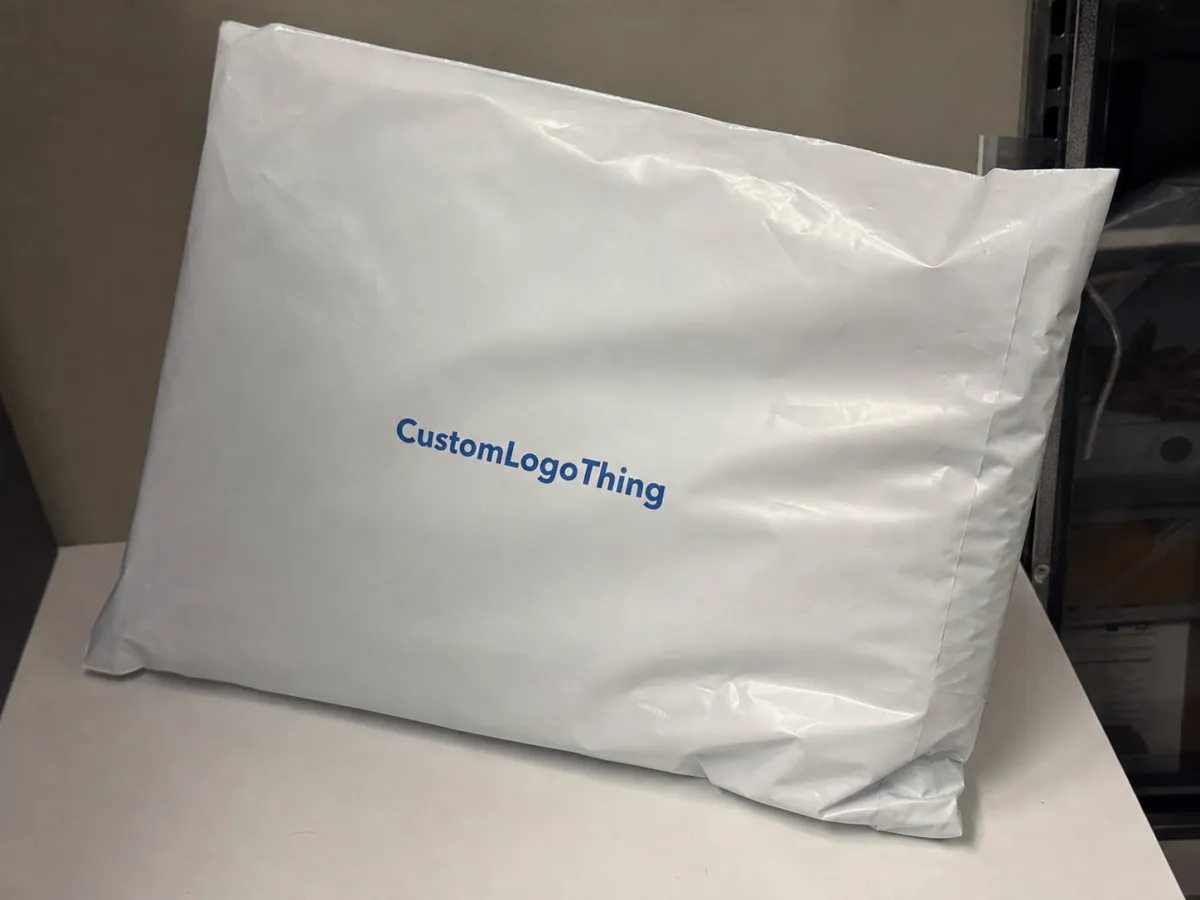
For a boutique buyer, the mailer needs to support a narrow set of priorities: branded presentation, reasonable protection, and enough shipping efficiency to protect margin. That means the first question is not the logo or finish. It is the actual pack-out.
Finished packed size matters more than retail item size. A folded sweatshirt, for example, may look manageable on a spec sheet, but once tissue, a card, and fold clearance are added, the package can grow by an inch or two. That difference affects fit, seal stress, and how polished the parcel looks in transit.
Practical rule: a bag that is too small fails quickly at the seam or adhesive strip; a bag that is too large fails more quietly through wasted freight, loose presentation, and a less premium unboxing experience.
Experienced buyers spec the mailer around the finished packed dimension, not the raw product dimension. That keeps the quote tied to the real shipment and avoids a common mistake: approving artwork for a bag that later turns out to be too tight, too loose, or awkward to close.
This matters even more when the packaging system includes other branded components. If the mailer is part of a broader retail kit, it should align with the same level of finish as labels, tissue, inserts, or Custom Printed Boxes. The pieces do not need to match visually, but they should still read as one system.
What the Mailer Needs to Protect in Transit
A properly specified poly mailer protects folded goods from light moisture, scuffing, and normal handling. It also provides tamper evidence through the adhesive closure and keeps the package flat enough to move through sortation without extra handling.
That is usually enough for soft goods. Tees, socks, and flat accessories rarely need corrugated protection if the film strength is appropriate and the product is packed cleanly. Problems usually start when the material is too thin, the seal is weak, or the contents create sharp pressure points.
Material choice should follow the product and the destination. Opaque film is useful when privacy matters or when the silhouette of the contents would make the package feel less premium. Heavier film makes more sense for gift sets, heavier apparel, or items that need a firmer hand feel. The tradeoff is simple: more material generally improves confidence in transit, but it also raises unit cost and can add weight.
For buyers who want a more structured test, ISTA handling standards are a useful reference for drops, vibration, and compression. Not every boutique order needs a formal lab program, but the standard helps buyers ask better questions about handling assumptions and package performance.
The decision point is straightforward: low-risk, flat items can use standard film; sharper, pricier, or presentation-sensitive items deserve stronger material, better opacity, and more reliable seal performance. The extra unit cost is often smaller than the cost of a replacement shipment or customer service recovery.
Sizing, Film Gauge, and Print Specs to Lock In
Size is the first spec to lock. Measure the finished packed item, then add only enough room to load it flat and close the seal without forcing the contents. Extra space may look harmless on a sample bench, but it raises freight cost and makes the package feel less polished.
Film gauge is the next decision. A thinner film lowers unit cost, but it can crease more easily and feel flimsy in the hand. Heavier film adds durability and a more substantial feel. For many fashion and accessory programs, 1.5 mil to 2.5 mil is a common working range; heavier or more demanding applications may move toward 3.0 mil when the product or shipping profile justifies it.
Print specs matter just as much. A simple one-color logo is easy to reproduce, but dark film may need white underprint to stay visible. Full-coverage artwork, gradients, and large solid areas add setup and control time, which is why the quote changes when the print gets more complex.
A clean sequence saves time and avoids rework:
- Confirm finished packed dimensions from a real sample.
- Choose film thickness based on handling risk and presentation level.
- Set closure style, seal length, and any tear-open feature.
- Approve artwork placement, ink colors, and white underprint needs.
- Review the proof at actual scale before production begins.
That order matters because the physical spec should drive the artwork, not the other way around. If the bag size changes after the art is approved, the layout often needs to be revised anyway.
If you want to see the format in context, review our Custom Poly Mailers. For a broader view of how shipping materials fit into a retail packaging system, our Custom Packaging Products page is a useful reference. The strongest programs are built as a system, not as isolated purchases.
Cost, Pricing, and MOQ Inputs That Change the Quote
For a quote, the main price drivers are predictable: size, film gauge, print colors, artwork coverage, closure style, finish, and order quantity. Two bags can look nearly identical and still price differently if one uses heavier film, a more complex print setup, or a less common dimension.
MOQ changes the math because setup, proofing, and waste are spread across the run. Lower MOQ usually means a higher unit price, but it also reduces inventory risk. For a new SKU or seasonal launch, that tradeoff is often worth it.
| Build | Typical Use | Approx. MOQ | Typical Unit Price at 5,000 pcs | Main Trade-Off |
|---|---|---|---|---|
| 1.5 mil, one-color print | Light apparel, socks, flat accessories | 3,000-5,000 | $0.14-$0.22 | Lowest cost, lighter hand feel |
| 2.5 mil, full-coverage logo | Core boutique mailer program | 5,000+ | $0.18-$0.28 | Balanced cost and presentation |
| 3.0 mil, stronger adhesive | Heavier apparel, premium brands, returns | 5,000+ | $0.24-$0.38 | Better durability, higher spend |
| Opaque film, multi-color print | Gift sets, premium launches, privacy-sensitive items | 5,000-10,000 | $0.26-$0.45 | More visual impact, more setup time |
Directional only: these ranges move with artwork coverage, current resin pricing, freight terms, and finish requirements. They are useful for budgeting, not final approval.
To get the fastest quote, send four things up front: finished dimensions, quantity, print file, and destination ZIP or port. If the order needs a dual adhesive strip, tear-open feature, custom finish, or extra opacity, include that early because those details can affect both cost and lead time.
Process and Timeline for Artwork, Proofs, and Production
The production flow should be simple: inquiry, spec confirmation, proof, approval, and run. The fastest jobs are the ones where the buyer has already locked the pack size and can approve artwork without revisiting structural details.
``` If you want, I can continue and polish the rest of the article in the same voice once you share the remaining HTML.
