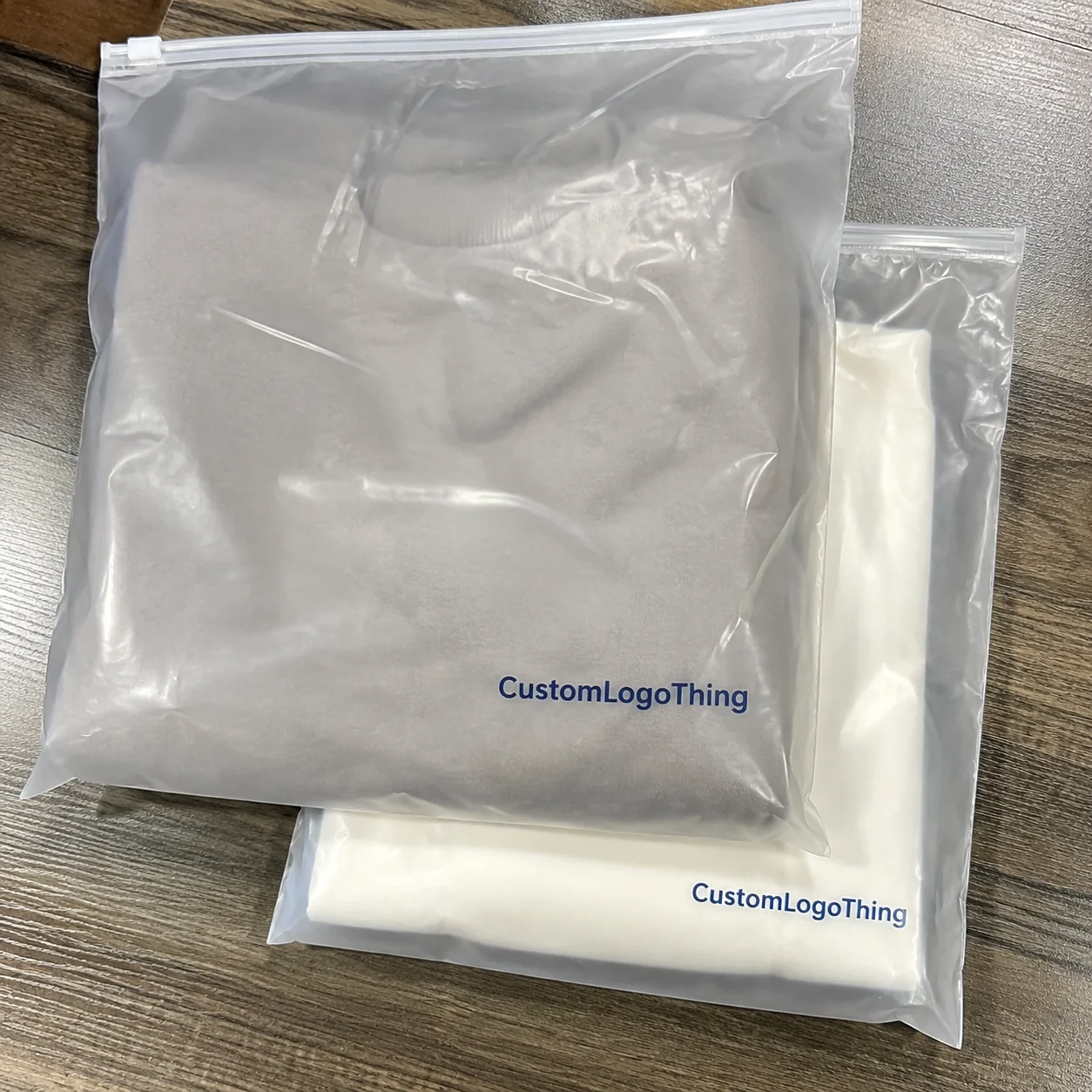
Buyer Fit Snapshot
| Best fit | Brand Packaging Selection Packaging Options projects where brand print, material claims, artwork control, MOQ, and repeat-order consistency need to be specified before quoting. |
|---|---|
| Quote inputs | Share finished size, material target, print colors, finish, packing count, annual reorder estimate, ship-to region, and any compliance wording. |
| Proofing check | Approve dieline scale, logo placement, barcode or warning zones, color tolerance, closure strength, and carton packing before bulk production. |
| Main risk | Vague material claims, crowded artwork, missing packing details, or unclear freight terms can make a low unit price expensive after revisions. |
Fast answer: Brand Packaging Selection Packaging Options: Material, Print, Proofing, and Reorder Risk should be specified like a repeatable production item. The safest quote records material, print method, finish, artwork proof, packing count, and reorder notes in one written spec.
Production checks before approval
Compare the actual filled-product size with the drawing, then confirm tolerance on folds, seals, hang holes, label areas, and retail display edges. Reserve space for logos, QR codes, warning copy, and material claims before decorative graphics fill the panel.
Quote comparison points
Review material grade, print process, finish, sampling route, tooling charges, carton quantity, and freight assumptions side by side. A quote is only useful when the supplier can repeat the same color, closure quality, and packing count on the next order.
A lot of people assume brand Packaging How to Choose starts with colors, finishes, or logo placement. Cute theory. The real answer usually starts with the box, the closure, and the inside layout. Those three things decide how premium a product feels before anyone reads a single line. The first few seconds in someone’s hands tell the story fast: does it protect the product, does it open cleanly, and does it feel like it belongs to the brand?
Packaging deserves a method, not a guess. Brand packaging is the full physical system around the product. Structure, graphics, materials, inserts, seals, and finishing details all shape the unboxing experience. Done well, branded packaging does more than look polished. It protects in transit, speeds up assembly, and reinforces brand identity the moment the customer lifts the lid or breaks the seal. Done badly, it looks expensive on a quote and flimsy in real life. That part never gets old.
The best packaging choice is rarely the flashiest one. It is the one that fits the product, the channel, and the promise the brand is trying to make.
If you are comparing custom printed boxes, mailers, inserts, or retail-ready packs, start with the product itself. Weight. Fragility. Shelf life. Shipping method. How the customer is meant to interact with the package. For a brand ordering through Custom Logo Things, the goal is usually to make product packaging feel intentional without letting special effects or oversized structures eat the budget alive. That balance sits at the center of brand packaging how to choose well, and it is usually where teams get a little too optimistic on the first round.
Brand Packaging How to Choose: Start With the Unboxing Moment
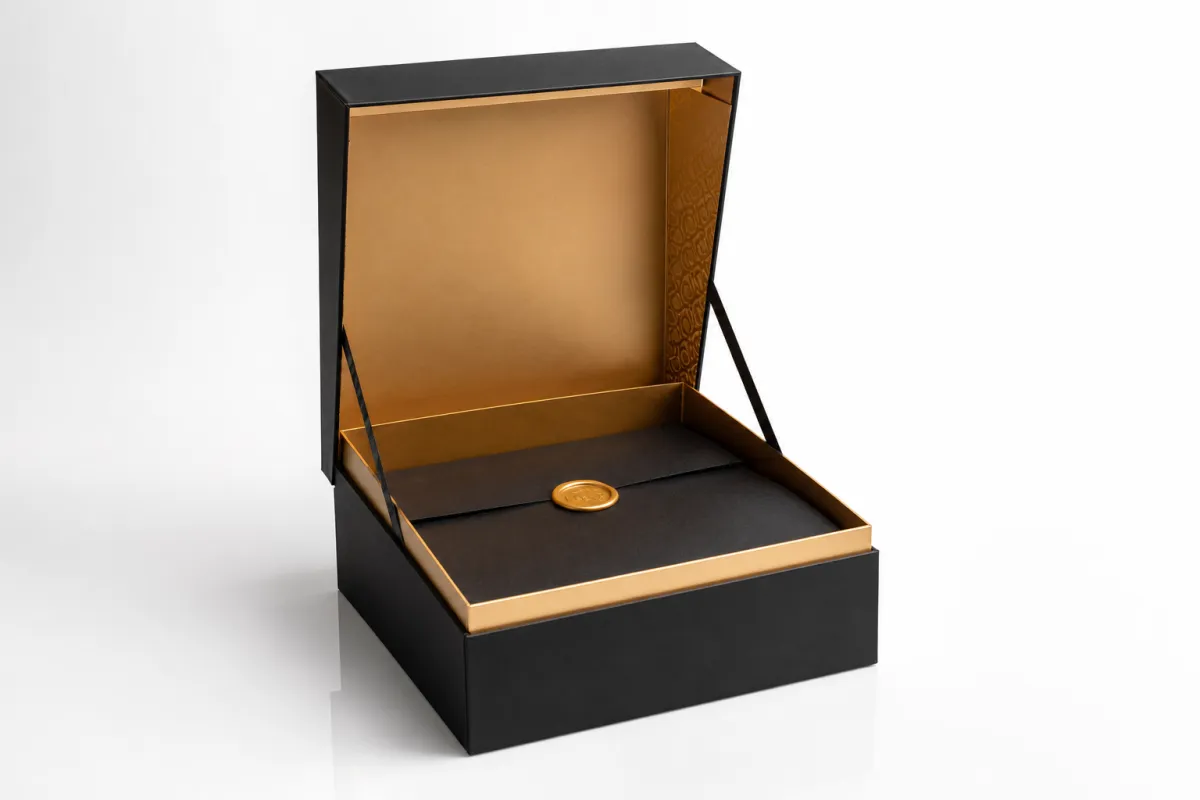
In packaging work, the unboxing moment is not a buzzword. It is a physical sequence. A hand touches the outer surface. The closure resists or releases. The lid separates. The insert holds the product or lets it rattle around like loose change. The customer either gets a deliberate reveal or a mess that feels accidental. That is why brand packaging how to choose should not begin with decoration. It has to begin with opening, handling, and discovering what is inside.
Think of brand packaging as a system with layers. There is the outer structure, such as a folding carton, rigid box, or corrugated mailer. There is the graphic layer, which carries the logo, color palette, and product information. There is the functional layer, which includes inserts, dividers, seals, and protective pieces. There may also be a finishing layer, like matte or gloss coating, foil, embossing, or soft-touch lamination. When those pieces support each other, the package feels coherent instead of crowded. When they do not, the whole thing gets weird fast.
One mistake shows up over and over: people assume premium appearance automatically means premium performance. It does not. A box can carry spot UV, foil, and deep color coverage and still fail if the board is too light or the insert is sloppy. I have seen beautiful packaging look expensive in a render and annoying in real use because the product shifted, the closure slipped, or assembly took too long. That is why brand packaging how to choose should always include a practical question: what happens after the box leaves the design screen?
There is a memory factor too. Customers remember packaging that feels distinctive in hand, especially when the opening sequence is clean and the product is presented with some care. A rigid lift-off lid, a neat paper insert, or even a simple tear strip can do more for perceived value than a crowded layout of special effects. In retail packaging and e-commerce alike, the physical impression usually does more work than the copy on the panel. People might not say it out loud, but they absolutely notice when a package feels cheap.
For a quick look at different formats and finishes, the Custom Packaging Products page is useful, and the Case Studies page shows how different package branding choices translate into real programs.
How Do You Choose Brand Packaging?
Start with the product, then work outward. The right brand packaging how to choose process begins with size, weight, fragility, shipping channel, and how the customer actually opens the package. After that, compare structure, materials, insert design, and finish. A shipping box that protects a glass bottle is not the same thing as a shelf-ready carton that sells a candle. Same product family. Different job.
A practical shortlist usually includes three things: one structure that protects well, one that fits the budget, and one that best supports the brand story. That usually means comparing packaging materials, structural packaging, and the unboxing experience together instead of treating them as separate decisions. If the package has to ship through parcel networks, live on a retail shelf, and still feel on-brand, the answer has to balance all three. There is no magic checkbox for that, annoyingly.
The simplest filter is this: if the packaging solves the wrong problem beautifully, it is still the wrong package. That is the part people skip when they ask brand packaging how to choose and jump straight to printing samples. The real decision is less glamorous and more useful. Fit. Protection. Cost. Assembly. Shelf impact. Repeatability. If one of those is off, the box will remind you every single day.
Brand Packaging How to Choose the Right Materials and Structure
The right structure depends on what the product needs to survive and how the brand wants it to feel. Folding cartons fit lighter retail items like cosmetics, supplements, candles, and small accessories, especially when print quality matters and the product does not need much structural support. Corrugated boxes are built for shipping strength and stackability, which makes them a better fit for e-commerce, subscription programs, and mixed carrier networks. Rigid boxes work for premium presentation, gift sets, and higher-ticket items where the box itself is part of the value. Flexible packaging works for lighter, repeat-use, or space-saving applications, though it will never create the same presence as a box.
Materials and thickness change more than one thing at a time. An 18-24 pt SBS carton prints sharply and folds cleanly, but it is not the same as a 32 ECT or 44 ECT corrugated mailer built to take rough handling. E-flute corrugated can give you a slimmer profile with better print than heavier flute options, while B-flute offers more crush resistance for shipping. Rigid boxes usually use 1.5-3 mm greyboard wrapped in printed paper, which gives the package a solid hand feel and also pushes material and labor cost higher. Board grade, flute choice, liner quality, and wrap stock all affect crush resistance, weight, print fidelity, and the final price.
The product should lead the decision. Fragile items need cushioning and controlled movement. Heavy items need stacking strength and stronger edge support. Temperature-sensitive products may need materials and adhesives that tolerate heat or cold without warping. Odd shapes often need custom inserts or a structural workaround, and that is where brand packaging how to choose becomes more engineering than styling. If the package will travel through parcel networks, test it against realistic handling, not only in a sample room. Methods like ISTA testing and sourcing guidance from the Forest Stewardship Council are useful references when you are checking transport performance and paper claims. They are not sexy, but they save money.
Graphics and structure should work together. They should not fight each other for attention. A striking print layout on a thin board can still feel flimsy. A heavy-duty corrugated build with weak artwork can feel generic. A rigid box with a bad insert can let the product slide around or settle crooked after shipping. The package should look like it belongs to the product category, the price point, and the brand identity. That matters even more for custom printed boxes, where the outside promise and the inside protection need to match.
| Packaging Type | Best Fit | Rough Unit Cost at 5,000 | Notes |
|---|---|---|---|
| Folding Carton | Light retail items, shelf displays, small consumer goods | $0.18-$0.45 | Strong print quality; lower material cost; limited protection without inserts |
| Corrugated Mailer | E-commerce shipping, subscription boxes, stacked distribution | $0.60-$1.40 | Better crush resistance; cost rises with print coverage and die-cut complexity |
| Rigid Box | Premium gifting, luxury sets, high-touch presentation | $2.50-$6.50+ | Strong unboxing effect; higher labor and storage needs |
| Flexible Pack | Lightweight, repeat-use, or space-sensitive product lines | $0.12-$0.80 | Efficient to ship and store; less structure and shelf presence |
If you are narrowing the field, compare two or three realistic structures and ask which one actually supports the product rather than which one looks best in isolation. That practical filter makes brand packaging how to choose feel less subjective and a lot more grounded in real use. It also keeps the team from falling in love with a packaging mockup that cannot survive a warehouse floor.
Brand Packaging How to Choose Based on Cost and Pricing
Price is where the conversation gets sharper, because packaging choices have direct consequences. The biggest cost drivers are quantity, size, board grade, print colors, coating or lamination, special finishing, inserts, and any custom tooling or setup work. A small carton with one or two colors can be inexpensive at scale, while a large rigid box with foil, embossing, and a custom insert can jump into a very different bracket. That is why brand packaging how to choose should include a pricing worksheet from the start, even if the project is still early.
Unit price and total cost are not the same thing. A quote that looks cheap per piece may carry higher freight, more storage cost, or more assembly labor than a slightly pricier option that packs flat and runs cleanly on the line. Weak packaging also creates hidden cost through damage, returns, and rework. From a packaging buyer’s point of view, a cheap box that fails in transit is not cheap. Same story for overbuilt packaging that uses more material than the product really needs. Good product packaging protects margin as much as it protects the product.
Minimum order quantities matter, especially for smaller brands. Larger runs often lower the per-unit price because setup gets spread over more pieces, but that can create cash-flow pressure or storage headaches if the forecast is shaky. Smaller runs give flexibility, though the unit cost usually climbs. The decision is not only about price; it is about how quickly the packaging turns into sellable product and whether the company can handle inventory on hand. That is a big part of brand packaging how to choose for growing brands.
To compare quotes fairly, ask vendors to price the same dimensions, the same construction, the same print method, and the same finish level. If one supplier quotes a 16 pt carton with aqueous coating and another quotes a heavier board with soft-touch lamination, the numbers are not really comparable. The same applies to inserts, because paperboard, molded pulp, PET, and foam each bring different costs and different tradeoffs. Apples-to-apples quotes give you answers you can actually trust.
A simple rule helps here: spend first on protection, then on the one or two details customers can feel immediately. A strong closure, a clean insert, or a premium exterior finish usually creates more value than scattering money across a dozen tiny upgrades. That keeps brand packaging how to choose tied to usefulness, not decoration for decoration’s sake. Fancy for the sake of fancy is just expensive clutter.
- Quantity: Higher volumes usually reduce unit cost, but storage and cash flow still matter.
- Material grade: Better board, heavier flute, or rigid construction raises price.
- Print and finish: More colors, foil, embossing, and special coatings add setup and run time.
- Insert design: Custom trays and dividers add structure, labor, and material cost.
- Freight and assembly: Flat packs are cheaper to move and often easier to fill.
When you review custom printed boxes or any other branded format, ask for pricing at more than one quantity level. A quote at 1,000 pieces may look very different from one at 5,000 or 10,000, and that gap can show you whether it makes sense to commit to a larger run. Many teams learn that the best answer to brand packaging how to choose is not the cheapest line item, but the structure that gives the most reliable landed cost over the life of the program.
Brand Packaging How to Choose With Process and Timeline in Mind
Packaging is a production process, not just a design exercise. The path usually runs from brief to dieline, then structural design, artwork, proofing, sample approval, prepress, manufacturing, finishing, quality control, and shipping. Each step has its own approval point, and the schedule only stays healthy when those approvals happen in order. That is one reason brand packaging how to choose needs timeline thinking from the beginning.
Delays usually show up in predictable places. Artwork approvals slow down when there are too many stakeholders or too many late-stage changes. Samples get revised repeatedly when product dimensions were not measured carefully at the start. Coatings and inserts get decided late, which can push the structural layout backward. Even simple packages can lose days when technical details are missing. If the package is going through e-commerce fulfillment, every extra variable deserves a little more lead time.
Here is a realistic way to think about lead times. Simple stock-based packaging with custom print may move through production in roughly 10-15 business days after proof approval, depending on quantity and finish. A fully Custom Folding Carton with structural changes, special coatings, and a printed insert may need 15-25 business days. Premium rigid boxes with complex decoration, specialty paper, or multiple components often need 20-35 business days or more, especially if samples are required. None of those ranges are guarantees, but they are far more useful than vague promises. In brand packaging how to choose, the timeline should match the real launch date, not the optimistic one.
The smartest move is to work backward from the date the product has to be in hand, on shelf, or in the warehouse. Build in time for sampling, revision, transit, and a small buffer for the things that never line up perfectly on the first try. If you are coordinating with a retail launch, packaging often becomes the critical path long before the product itself does. That is especially true for retail packaging and seasonal programs where misses are expensive. I have watched more than one launch get squeezed because packaging was treated like a last-minute accessory. It is not.
- Brief: Define product dimensions, weight, shipping channel, and visual goals.
- Dieline: Confirm the structure fits the product with real tolerances.
- Artwork: Check logo placement, legal copy, barcodes, and finish notes.
- Proofing: Review color, fold lines, and any print limitations.
- Sampling: Test fit, opening behavior, and insert performance.
- Production: Lock approvals, then move into manufacturing and finishing.
That sequence may sound basic, but it prevents most expensive surprises. If the team treats packaging like a rushed accessory, the project often ends up late and over budget. If the team treats it like a controlled production step, brand packaging how to choose becomes a cleaner decision and the final result usually looks more intentional.
Step-by-Step: Build a Brand Packaging Shortlist That Fits
The fastest way to get lost is to compare too many options at once. A better method is to build a shortlist that starts with the product and ends with a few realistic choices. Begin by writing down the product requirements: dimensions, weight, fragility, storage conditions, shipping method, and how often the package will be opened or reused. Those details matter more than style mood boards in the early stages of brand packaging how to choose.
Next, define the feeling you want the package to create. Is the brand aiming for premium, earthy, playful, technical, minimal, giftable, or retail-friendly? Once that direction is clear, match the structure to the feeling instead of forcing the feeling onto the wrong format. A minimalist skincare line may work beautifully in a clean folding carton with soft-touch lamination, while a premium candle set might feel stronger in a rigid box with a tight-fitting lid and molded insert. The format should support the brand identity, not fight it.
Then compare only two or three structures side by side. Score each one on protection, cost, appearance, and ease of fulfillment. A simple matrix keeps the decision honest. A box that looks beautiful but slows filling time can cause trouble later. A mailer that is cheap but crushes too easily is not a bargain. Packaging design and operations need to sit in the same conversation, even if that conversation gets a little tedious.
Physical samples matter early. A flat spec sheet cannot show how the lid opens, how the insert grips the product, or how the finish reflects under real light. Even if the first sample is imperfect, it reveals more than a screen render does. With branded packaging, small issues like a stiff closure, a loose tray, or a barcode placed across a score line can become big issues at scale. I would rather catch those in sample stage than explain them to a warehouse manager later.
One habit helps a lot: keep a shared sample log. Note the board grade, finish, insert style, assembly time, and any fit problems. Over time, that log becomes a useful reference for new product lines and seasonal reruns. It also makes brand packaging how to choose easier the next time a team needs to move fast without starting from zero. Honestly, it saves everyone from repeating the same bad idea with a new label on it.
- Check the product first: Fit, weight, and fragility come before style.
- Match the channel: Retail shelf, subscription box, and parcel shipping all demand different builds.
- Limit choices: Two or three tested options are easier to compare than ten loosely related ones.
- Use real samples: A prototype exposes handling problems that mockups hide.
If the team wants to see how finished programs behave in real life, the Case Studies section is a useful place to compare structure, finish, and presentation across different product types. It is often the quickest way to see how brand packaging how to choose plays out after production, not just before it.
Common Brand Packaging Mistakes to Avoid
The most common mistake is choosing a package that looks impressive in a rendering but fails in transit. Soft paper wraps scratch. Loose inserts rattle. Oversize boxes invite product movement unless the internal space is managed carefully. In parcel networks, those small mistakes show up quickly. A package that survives gentle handling in a sample room can behave very differently after a few drops, shifts, and compression points. That is why structural testing should be part of brand packaging how to choose whenever the product has weight, fragility, or an odd shape.
Another mistake is overdesigning every surface. Special finishes can be great, but they should earn their place. If the only thing a foil stamp does is add cost, it may not belong. Same idea for multiple print effects, complicated openings, or decorative inserts that do not help the customer use the product. Buyers sometimes chase visual complexity because it looks premium in a proof, yet the customer experience often improves more from clarity than from decoration. Simple is not boring. Sometimes it is just smarter.
Skipping structural testing is risky, especially for heavy items, glass containers, electronics, or mixed carrier shipping. It is one thing to approve a sample by eye. It is another to see how it performs after compression, vibration, and impact. For products that need extra confidence, request testing aligned with a realistic distribution profile and ask whether the supplier can explain the test method in plain language. Packaging is practical work. It should be reviewed that way.
Many brands also forget about SKU consistency. A packaging system that works well for one scent, one size, or one seasonal set may not translate to the rest of the range. That leads to one-off tooling, mixed visual rules, and extra setup work that adds cost every time a new item is launched. A cleaner approach is to build a family of packages with shared dimensions, shared materials, or shared design rules. That keeps the whole line more coherent and makes future decisions faster.
If the package is difficult for the warehouse team, the customer, or the retailer, it is not truly finished yet.
Brand teams sometimes focus so hard on the front panel that they forget the side panels, bottom panel, and closure all carry part of the story. Good package branding is consistent without being noisy. It guides the eye, supports the product, and keeps the logistics team from paying for design choices that do not help performance. That is the sort of detail that separates a pretty box from a working system.
Expert Tips to Make Brand Packaging Decisions Easier
One of the best rules in packaging is simple: spend on the details customers notice immediately, and save elsewhere. A strong closure, a tactile finish, or a precise insert can carry a lot of perceived value. Fancy decoration everywhere usually costs more than it returns. If a box already feels solid, opens neatly, and presents the product well, it may not need much more. That kind of restraint is a mature part of brand packaging how to choose.
Another useful habit is to think in systems, not one-off boxes. If a brand expects to add flavors, scents, sizes, or seasonal sets later, the packaging should allow for that growth. Shared board grades, shared outer dimensions, or shared insert styles can make future launches faster and less expensive. A packaging system also helps the visual language stay aligned across the range, which strengthens brand identity over time. It also stops the team from reinventing the wheel every quarter.
Ask for plain-language explanations of tolerances, print limitations, and assembly steps. Technical jargon can hide useful information. If a score line needs extra space for a clean fold, or a print effect cannot hold on a particular substrate, it is better to learn that before approval. The factory floor does not care whether the concept board looked beautiful; it cares whether the job can be produced accurately and consistently. Honest communication at this stage saves time later.
It also helps to compare packaging choices against actual operating conditions. Will the product sit on a shelf, ship in a mailer, or move through both retail and e-commerce? Will it be hand-packed or automated? Will the customer keep the box, recycle it, or throw it away immediately? Those answers shape the right structure more than trend images do. A package that matches the channel always has a better chance of feeling right. A package built for the wrong channel just becomes expensive clutter.
Here is the simplest path I recommend for teams still narrowing the field:
- Gather product dimensions, weight, shipping method, and any special protection needs.
- Write one short paragraph describing the feel you want the package to create.
- Ask for quotes on two or three structures using the same size, print method, and finish level.
- Request a sample or prototype before approving full production.
- Compare unit cost, freight, storage, assembly, and lead time together, not separately.
That process turns brand packaging how to choose into a clear sequence instead of a guessing game. It also keeps the conversation focused on the package that truly supports the product, the budget, and the brand story. If you want to compare approaches or discuss which format fits a specific item, Custom Logo Things can help with custom printed boxes, structural options, and product packaging that feels aligned with the brand instead of forced onto it.
Strong packaging is not about showing off every possible finish. It is about choosing the structure that protects the product, reinforces the message, and feels right in the customer’s hands. That is the practical side of brand packaging how to choose, and it is usually the difference between packaging that merely contains a product and Packaging That Actually supports the sale.
How do I choose brand packaging when my budget is tight?
Start with standard sizes whenever possible, because custom dimensions and special tooling push costs up fast. Then protect the product first, and trim print coverage or finishing so the package still feels polished without blowing past the budget. Asking for pricing at more than one quantity level helps too, because the per-unit drop can be meaningful once you see where the breakpoints sit. That is usually the most practical version of brand packaging how to choose for a smaller brand.
What drives brand packaging pricing the most?
Size, material grade, print complexity, finishing, inserts, and quantity usually have the biggest effect on price. Rigid construction and custom structures often cost more than folding cartons because they use more material and labor, while freight, storage, and assembly can change the true landed cost quite a bit. If you want a quote you can trust, ask suppliers to price the same build on the same spec sheet. That keeps brand packaging how to choose grounded in real numbers instead of rough guesses.
How long does brand packaging usually take from concept to delivery?
Simple projects can move quickly, but custom packaging with proofing and samples needs more time for each approval step. Artwork changes, dieline revisions, and finish selection are common timeline bottlenecks, especially when several people need to sign off. A good practice is to build the schedule backward from the launch date and include time for samples, production, transit, and a little contingency. That is the safest way to manage brand packaging how to choose without rushing the last mile.
Should I choose rigid, corrugated, or folding cartons for brand packaging?
Rigid boxes suit premium presentation and gifting when the unboxing experience is a major part of the brand story. Corrugated boxes are better when shipping protection and stacking strength matter most, especially in parcel-heavy programs. Folding cartons are a strong fit for lighter retail items and high-volume programs where print quality and efficiency matter. The right answer depends on product weight, channel, and how much of the brand story needs to live in the package itself, which is why brand packaging how to choose should always start with the use case.
What should I have ready before requesting brand packaging quotes?
Have product dimensions, weight, quantity, shipping method, artwork status, and any special finish or insert requirements ready before you ask for pricing. Share your timeline and destination as well so the supplier can factor in lead time and freight correctly. Bring reference images or a short brief that explains the feel you want, because that helps vendors propose the right structure faster. If you do that, brand packaging how to choose becomes a much cleaner process, and the quotes you receive will be easier to compare.