Buyer Fit Snapshot
| Best fit | Branded Corrugated Inserts Bulk projects where brand print, material claims, artwork control, MOQ, and repeat-order consistency need to be specified before quoting. |
|---|---|
| Quote inputs | Share finished size, material target, print colors, finish, packing count, annual reorder estimate, ship-to region, and any compliance wording. |
| Proofing check | Approve dieline scale, logo placement, barcode or warning zones, color tolerance, closure strength, and carton packing before bulk production. |
| Main risk | Vague material claims, crowded artwork, missing packing details, or unclear freight terms can make a low unit price expensive after revisions. |
Fast answer: Branded Corrugated Inserts Bulk: Cost, Specs & Sourcing should be specified like a repeatable production item. The safest quote records material, print method, finish, artwork proof, packing count, and reorder notes in one written spec.
Production checks before approval
Compare the actual filled-product size with the drawing, then confirm tolerance on folds, seals, hang holes, label areas, and retail display edges. Reserve space for logos, QR codes, warning copy, and material claims before decorative graphics fill the panel.
Quote comparison points
Review material grade, print process, finish, sampling route, tooling charges, carton quantity, and freight assumptions side by side. A quote is only useful when the supplier can repeat the same color, closure quality, and packing count on the next order.
For packaging buyers, Branded Corrugated Inserts bulk is rarely just a line on a purchase order. It is the part that decides whether a carton behaves like a box with loose contents or a controlled pack-out system. The insert holds the product in place, keeps surfaces from rubbing, reduces movement during transit, and gives the customer a cleaner first look when the carton opens. I have seen a poorly specified insert undo an otherwise strong packaging program, while a well-made one quietly fixed damage complaints without changing the outer box at all.
That is why branded corrugated inserts bulk keeps showing up in ecommerce kits, subscription boxes, retail gift sets, industrial mailers, and mixed-item packages that need fixed placement. Once volume rises, setup, die making, and print prep get spread across more pieces, so the unit cost often improves and reorder planning gets less painful. If you are comparing options for a new program or a repeat order, the sections below cover product details, spec choices, pricing factors, lead times, and the information a supplier needs before quoting branded corrugated inserts bulk.
Branded Corrugated Inserts Bulk: Why Bulk Orders Pay Off
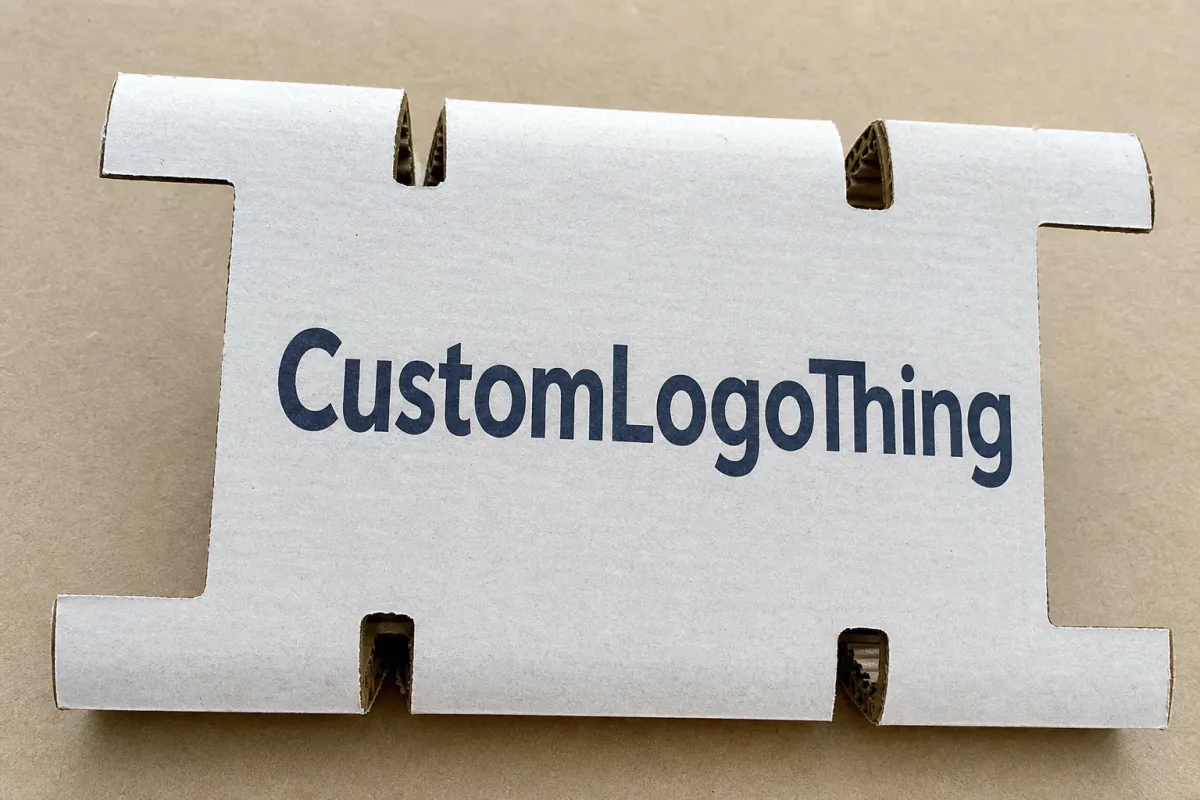
branded corrugated inserts bulk often lowers the real packaging cost because the insert does more than decorate the inside of the carton. A well-made insert limits motion, and that usually means fewer crushed corners, fewer rubbed surfaces, fewer repacks, and fewer returns tied to shipping damage. From a packaging buyer's point of view, the savings usually show up in labor and damage avoidance, not in the board itself.
Large runs spread the expensive parts of production across more units. Die cutting, print setup, rule changes, sample approval, and press adjustment take time whether the order is 500 inserts or 50,000. Once a job moves into branded corrugated inserts bulk, those fixed costs stop carrying so much weight on each piece. The same structural design that looks expensive at 500 often looks much more reasonable at 5,000.
The operational benefit is easy to miss until a team has lived through a few reorder cycles. Reorders are simpler when the insert has already been proven, the dieline is locked, and the pack-out staff knows exactly how the product sits in the box. That matters for subscription kits and gift packs, where every unit has to look like it came from the same system. A buyer standardizing branded corrugated inserts bulk across several SKUs usually gets a better grip on inventory, labor, and customer experience at the same time.
The use cases are familiar, but the priorities shift from one program to the next. Ecommerce sets may need a tidy opening experience and a snug fit around bottles, samples, and accessories. Industrial orders may care more about edge protection and stackability. Retail gift packs often need the insert to hold the product at a presentable angle so it reads as intentional rather than stuffed into place. In each case, branded corrugated inserts bulk creates order inside the shipper, and that structure usually does more for the package than a louder outside print ever could.
“The cheapest insert is not always the lowest-cost package. If the product moves, damage and repack costs tend to outrun the board savings quickly.”
That is the basic logic behind buying in volume. The outer box still matters, but the insert is the component that manages contact, spacing, and presentation. For repeat programs, keep your focus on total landed cost, pack-out time, and return risk rather than only on the printed price of branded corrugated inserts bulk.
Branded Corrugated Inserts Bulk: Product Details and Use Cases
What buyers order under the same phrase can vary more than expected. branded corrugated inserts bulk may refer to die-cut inserts, partitions, trays, pads, retainers, or support structures that keep one or more products fixed inside a carton. Some versions are simple dividers that separate items into neat cells. Others are true retention structures that lock the item in place so it cannot shift during transit.
That difference matters. A divider organizes. A retainer protects. If a bottle only needs separation from the bottle next to it, a partition may be enough. If the product has a rounded base, a narrow neck, or a finish that can scuff easily, a more engineered insert is usually the safer move. Buyers reviewing branded corrugated inserts bulk for fragile products should start with shape and handling, then decide how much print the project really needs.
Common product categories include glass bottles, cosmetic jars, lotions, candles, electronics, cables, replacement parts, promotional samples, and multi-piece kits. In many of those programs, the insert is doing two jobs at once: organizing the contents and creating a visual rhythm inside the box. A good layout tells the customer that each item has a place, which makes the unboxing feel deliberate rather than improvised. That is one reason branded corrugated inserts bulk is popular for retail-ready packs and customer-facing mailers.
- Bottles and jars: benefit from neck support, wall separation, and base restraint.
- Electronics and accessories: often need pockets, tabs, and clear part orientation.
- Mixed kits: work better with labeled compartments so assembly stays consistent.
- Industrial parts: usually need compression strength and edge protection more than graphics.
- Retail gift packs: often use print to guide presentation and keep the layout tidy.
Branding can stay minimal or become more detailed depending on the project. One-color logos, inside-panel messaging, product names, barcodes, assembly marks, and orientation arrows are all common. Some brands want print only on the surface the customer sees at opening. Others want the layout to carry brand language across the entire insert so the pack feels coordinated from top to bottom. In branded corrugated inserts bulk, the strongest branding usually helps the pack-out team and the customer at the same time.
Corrugated is not the only option, and it is not always the most elegant-looking one. Paperboard can be better for light retail presentation when protection demands are low. Molded fiber can make sense where shape conformity and recycled content are the priority. Corrugated wins when the insert needs strength, stackability, repeatable cutting, and edge protection. For many programs, branded corrugated inserts bulk is the practical choice because it balances structure, printability, and cost without asking the carton to carry too much of the load.
Specifications: Material, Print, and Fit Requirements
The material spec sets the tone for everything that follows. For branded corrugated inserts bulk, the most common starting points are single-wall corrugated with an E-flute, B-flute, or C-flute profile, depending on how much crush resistance and stiffness the pack needs. A thinner flute can give a cleaner look and sharper print detail, while a stronger flute can hold shape better under load. If the insert has to support a heavier product or survive long shipping lanes, double-wall construction may be the right answer even if the unit cost climbs.
Board strength matters just as much as flute choice. Buyers often hear terms like 32 ECT or 44 ECT, and while the exact spec depends on the design, those values help indicate stacking and compression performance. For branded corrugated inserts bulk, the goal is not to overbuild the part. The goal is to choose enough strength that the insert keeps its form under the product's weight and the carton does not telegraph bumps or crush marks through the outer wall.
Fit is where many programs succeed or fail. Internal box dimensions, product size, and tolerance have to line up, or the insert becomes annoying to assemble and unreliable in transit. A clearance of roughly 1/16 inch to 1/8 inch may work in some layouts, but not every layout deserves the same gap. Brittle glass, irregular molded parts, and products with delicate finishes often need a different approach. For branded corrugated inserts bulk, the final dieline should be based on the actual packed item, not just a drawing of the item.
Print specs are another layer that gets underestimated. You may only need a single-color logo, or you may want multi-color graphics, panel labels, and assembly cues. Ask how fine the line weight can be held, what the registration tolerance is, and whether the ink coverage will be on the visible face only or on both sides of the insert. Some customers want the insert to stay mostly hidden until opening; others want the inside panel to carry messaging throughout use. A clear print plan keeps branded corrugated inserts bulk from becoming overdesigned or underwhelming.
Performance requirements should be stated early. Will the insert face long-distance parcel shipping, short local distribution, or palletized storage? Does the product see moisture swings, cold storage, or hot trucks? Will pack-out be manual or partly automated? Those details affect board choice and structural layout. If the project needs formal shipping validation, standards such as ASTM D4169 and test programs from ISTA are a useful reference point, and if recycled fiber or sourcing claims matter, the FSC system deserves a look as part of the spec review for branded corrugated inserts bulk.
Before quoting, gather the following:
- Product weight: especially if multiple units sit in one carton.
- Finished carton size: interior dimensions matter more than outside measurements.
- Drop risk: fragile, heavy, or awkward shapes need tighter design control.
- Display need: retail presentation can change the geometry of the insert.
- Sustainability goals: recycled content, FSC certification, or simplified recycling may be priorities.
The better the brief, the cleaner the result. A good supplier can make design decisions faster when the inputs are complete, and that usually shortens sample cycles for branded corrugated inserts bulk.
Cost, Pricing, MOQ, and Quote Factors
Pricing for branded corrugated inserts bulk is shaped by a handful of practical variables, and the biggest ones are usually board grade, insert complexity, number of die cuts, print coverage, and quantity. A simple insert with one or two folds will price very differently from a part with multiple windows, locking tabs, and a printed face that needs careful registration. Tooling also matters, because a custom die is a one-time setup cost that has to be spread across the run.
Minimum order quantity is not random. It reflects how much setup work has to be covered before the run becomes efficient. Simpler inserts can often support lower minimums, while more complex or multi-color branded corrugated inserts bulk jobs usually need a larger quantity to keep the unit cost in a sensible range. If a supplier offers a very low MOQ on a detailed insert, ask what was simplified to make that happen.
Quote inputs should be concrete. Send finished dimensions, carton interior dimensions, product weight, quantity per run, artwork files, target ship date, and any known packing constraints. If the insert has to sit inside a pre-existing box, include that box spec too. If you are pairing the insert with a new shipper, the team may also want to review Custom Shipping Boxes so the outer carton and the insert are designed together instead of forced into a compromise later. That is often the difference between an average result and a clean one for branded corrugated inserts bulk.
| Insert Type | Typical Use | Planning Range at Higher Volumes | Notes |
|---|---|---|---|
| Plain die-cut insert | Single product retention, simple mailers | $0.18-$0.32 per unit | Best for straightforward geometry and light print. |
| Printed branded insert | Retail kits, subscription packs, unboxing focus | $0.24-$0.45 per unit | Cost rises with ink coverage, registration, and finishing. |
| Partition or compartment set | Bottles, jars, multi-item packs | $0.30-$0.60 per unit | More cuts and folds increase labor and tooling demand. |
| Heavy-duty double-wall insert | Parts, long-haul shipping, heavier items | $0.42-$0.85 per unit | Higher board cost, but better load handling and protection. |
Those numbers are planning ranges, not quotes, and they move with board pricing, freight, and design complexity. The important part is to compare like for like. A quote that looks lower may be using thinner board, simpler print, less precise tolerances, or higher shipping charges. For branded corrugated inserts bulk, the sharper question is not only “What is the unit price?” It is “What is the total cost to pack, ship, and reorder this part over the life of the program?”
Budgeting should include storage, split shipments, and reorder timing too. If you need multiple drops through the year, ask whether tooling is reusable and whether the vendor can keep the dieline on file for quick repeats. Tiered pricing is also useful. Knowing the difference between 2,500, 5,000, and 10,000 pieces gives you a cleaner path for future purchase decisions, especially if branded corrugated inserts bulk is part of a regular wholesale or kitting program.
Process, Timeline, and Production Steps
The typical workflow for branded corrugated inserts bulk starts with product review and ends with shipping, but the middle stages deserve attention because that is where most delays happen. A good sequence looks like this: inquiry, spec review, structural concept, quote, sample or dieline approval, production, and delivery. If one of those steps is vague, the schedule usually stretches more than it should.
During design review, the supplier should check fit, board selection, print layout, and assembly logic. That means more than making sure the insert “fits” on paper. The insert needs to fold cleanly, hold its shape after repeated handling, and make sense for the pack-out team. If the team has to twist, force, or re-orient the piece at the table, pack speed drops and error rates rise. For branded corrugated inserts bulk, a few minutes spent on a well-built sample often saves hours later.
Timeline usually depends on the complexity of the structure, whether a new cutting die is needed, whether artwork is final, and whether the board is in stock. Simple repeat orders can move quickly once the file is approved. First-time custom jobs take longer because there is often one round of structural adjustment or print correction before full production. In many plants, the approval step is where time is won or lost on branded corrugated inserts bulk.
Here is a realistic view of the schedule:
- Spec review: 1-2 business days if all product data is ready.
- Concept and dieline work: 2-5 business days depending on complexity.
- Sampling or prototype check: 3-7 business days for many custom structures.
- Production: often 12-15 business days after approval, though larger runs can take longer.
- Shipping: varies by location, freight method, and carton count.
If the project is tied to a launch or seasonal window, send the complete spec package early. Missing dimensions, partial artwork, or unanswered fit questions are the most common reasons a quote stalls. If you need to review packaging examples before moving ahead, our Case Studies page can help show the kind of pack-out problems that usually lead to a redesign. The faster the approval cycle, the faster branded corrugated inserts bulk gets into production.
Quality control should never sit in the background. Ask about dimension checks, print inspection, compression checks, and pack-out verification before the order leaves the plant. If the insert will support multiple SKUs, confirm that each SKU was tested in the same structure. A small variance in a bottle shoulder or accessory length can change how the whole insert behaves. That is why disciplined production matters so much for branded corrugated inserts bulk: it protects the structure, the schedule, and the customer experience.
Why Choose Us for Branded Corrugated Inserts Bulk
Custom Logo Things is a practical packaging partner, and that matters because branded corrugated inserts bulk is not only a print job. It is a fit problem, a protection problem, a labor problem, and a presentation problem all at once. The best results usually come from working with someone who can think through all four at the same time instead of treating the insert like a flat graphic panel that happens to fold.
We see a lot of projects where the buyer already knows the product and the customer, but the structure still needs help. That is normal. One SKU may need tighter retention, another may need a cleaner brand reveal, and a third may need faster assembly on the packing line. The value of experienced guidance is not abstract here; it is the difference between an insert that only looks good and one that supports a workable program for branded corrugated inserts bulk.
Repeat production is another area where consistency matters. Many brands reorder in waves, and they want the next batch to match the first one without reopening the whole structural discussion. That only works well if the dieline, board choice, print file, and finishing notes are controlled. When branded corrugated inserts bulk is built with repeatability in mind, the team can reorder, receive, and pack with fewer surprises.
Manufacturing discipline shows up in the details: clean die cutting, predictable scoring, careful pack-out, and clear change control when artwork or dimensions shift. It also shows up in how waste is handled. Right-sizing the insert, choosing the lightest board that still performs, and avoiding unnecessary layers all help reduce material use without sacrificing function. If your sourcing goals include certified fiber, FSC options can be part of the conversation, and programs that follow recognized chain-of-custody rules help make that claim more credible. For brands that want to build a wholesale or recurring supply plan, our Wholesale Programs page is a natural next stop for branded corrugated inserts bulk.
Truthfully, the best packaging programs are usually the ones that feel boring in the right way. They fit, they repeat, they ship, and they do not create extra labor at the line. That is the kind of result buyers should expect from branded corrugated inserts bulk when the structure is planned carefully and the production notes are complete.
Next Steps for Ordering Branded Corrugated Inserts Bulk
The fastest way to quote branded corrugated inserts bulk accurately is to assemble a clean information set before you reach out. Start with product dimensions, carton interior dimensions, product weight, the number of items per box, artwork files, and the annual volume you expect if the program repeats. If there is already a sample pack or an existing box style, send photos too. Real product images often reveal fit issues that drawings miss.
There are a few decision points worth settling early. Do you need print at all, or is this mainly about fit and protection? Should the branding be visible only at opening, or should it carry through the full insert structure? Will the insert be used once or reused across a recurring shipment cycle? And do you want to design the insert around the current carton, or are you willing to revise the shipper too if it improves performance? Those choices shape the final cost and determine how smoothly branded corrugated inserts bulk can move from concept to production.
If the product is fragile, odd-shaped, or expensive enough that a bad fit would be costly, ask for a prototype or sample fit check before full production. That is a straightforward way to reduce risk. For high-value goods, a one-time prototype is cheap insurance compared with the cost of damage claims or a full reprint. A practical supplier will welcome that step, because it usually confirms that branded corrugated inserts bulk is ready for scale before anyone commits to the full run.
It also helps to compare pricing in tiers. Ask for pricing at your first-run quantity, a likely reorder quantity, and a higher-volume scenario if the program grows. That tells you whether the structure is still efficient once the order gets bigger. If the insert is part of a broader packaging roll-out, compare it against the outer carton and the shipping method as a complete system rather than as isolated parts. That is where the real purchasing decision sits for branded corrugated inserts bulk.
Branded packaging should not feel mysterious. Gather the measurements, confirm the handling needs, decide how visible the branding should be, and ask for a fit check before you place the order. That simple process gives you a better shot at a clean launch, a steadier reorder cycle, and fewer packaging headaches later. If you are ready to move, branded corrugated inserts bulk is usually easiest to buy once the spec is clear, the carton is known, and the production path is mapped out with care.
What do I need to quote branded corrugated inserts bulk accurately?
Provide the finished product dimensions, carton interior dimensions, product weight, and how many items the insert must hold. Include artwork files, branding requirements, and whether the insert will be visible at opening or mostly hidden during shipping. Quantity, target delivery date, and any special needs such as recycled board or moisture resistance make branded corrugated inserts bulk much easier to quote correctly.
How many branded corrugated inserts bulk do I need to meet a practical MOQ?
MOQ depends on board type, print complexity, and tooling, but simpler inserts usually support lower minimums than multi-color versions. Higher quantities normally improve unit cost because setup and die cutting are spread across more pieces. If your volume is uncertain, ask for tiered pricing so you can compare the first run against future reorder levels for branded corrugated inserts bulk.
Can branded corrugated inserts bulk be made for fragile products?
Yes, but the design should be based on product weight, drop risk, and how much movement the item can tolerate inside the carton. For fragile items, tighter tolerances, stronger board, and more complete retention features often matter more than decorative print. A sample fit check is the safest way to confirm that branded corrugated inserts bulk protects the item without adding unnecessary bulk.
How long does production usually take after approval?
Lead time depends on material availability, print method, tooling needs, and order size. A repeat order usually moves faster than a first-time custom insert with new artwork or a new structural layout. The quickest path is to send complete specs and approve samples promptly so branded corrugated inserts bulk can move into production without avoidable delays.
Are branded corrugated inserts bulk recyclable?
Corrugated board is generally recyclable, but final recyclability depends on inks, coatings, adhesives, and any added components. If sustainability is important, ask for board and print options that support your recycling goals without sacrificing protection. The best outcome usually comes from matching the material to the product so branded corrugated inserts bulk is not overbuilt and does not waste fiber.


