Branded Hang Tags for sample kits unit cost breakdown is mostly a question of specification, not just print price. The tag is small, but it changes how the kit is received: it can make a low-value sample look organized, support sorting and traceability, and reduce handling mistakes during packing.
For buyers, the real issue is whether the tag helps the sample kit do its job. A good tag should fit the package, survive assembly and shipping, and communicate the right information without adding unnecessary cost. When the spec is unclear, cost usually rises in the wrong places: extra proofs, wasted stock, slower assembly, or reprints.
The most useful way to evaluate the tag is to separate appearance from function. A clean design matters, but so do stock weight, hole placement, attachment method, and the amount of setup required. Those decisions drive the final unit cost more than the logo itself.
Why a small hang tag can change the value of a sample kit
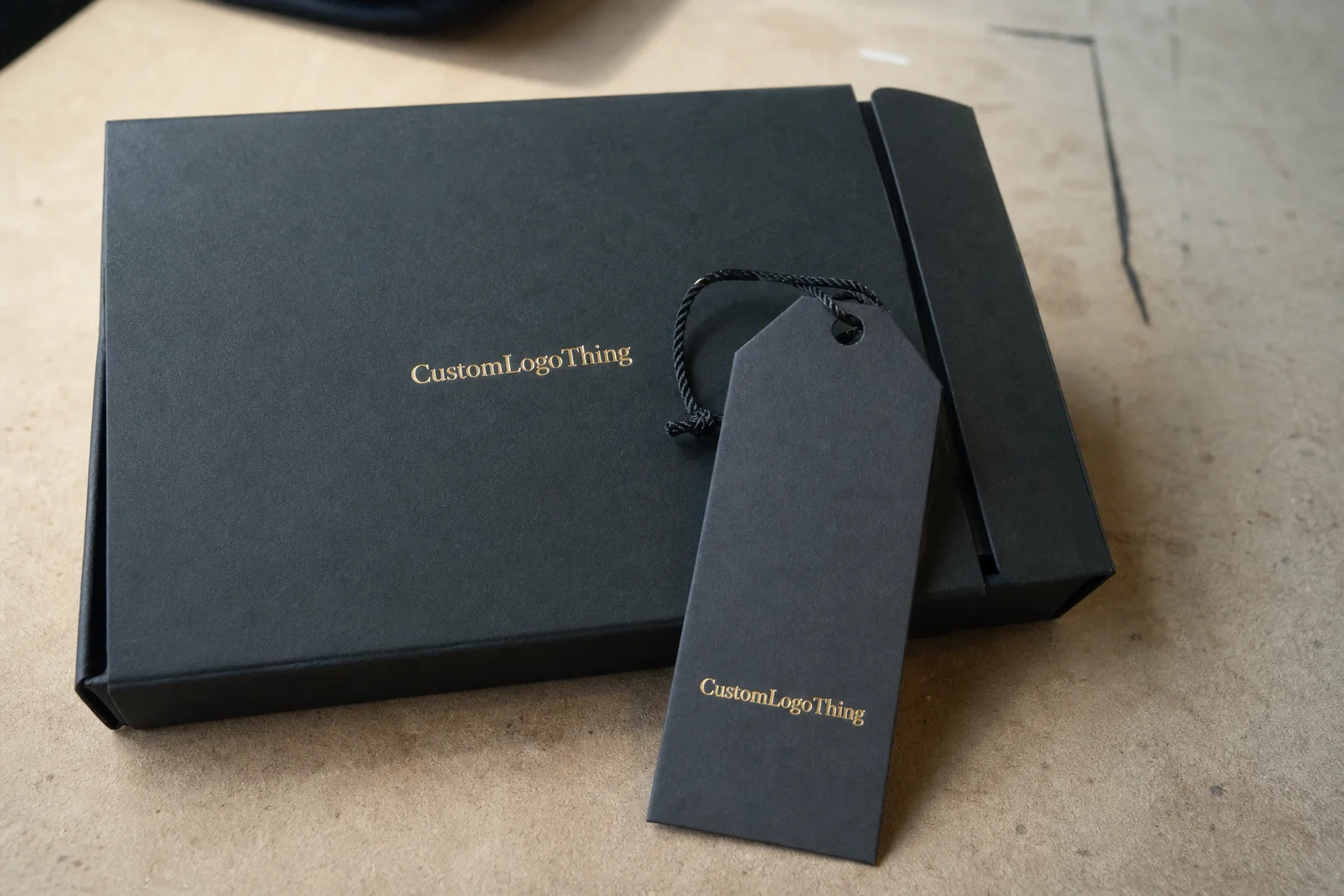
A sample kit is part product and part sales tool. The hang tag is often the first piece the recipient sees, so it carries more weight than its size suggests. If the tag looks deliberate, the whole kit feels more controlled. If it looks improvised, the kit reads as loose inventory.
That matters in launch mailers, distributor packs, account-based sales kits, and product sampling programs. The contents may be inexpensive, but the presentation still needs to support the brand. A tag that is sized well, printed cleanly, and attached correctly can raise the perceived value of the kit without changing the contents.
“A sample kit tag rarely sells the product on its own, but it can make the rest of the kit look credible or careless.”
The tag also becomes part of the operating system for repeat programs. Once the size, stock, hole, and artwork grid are approved, the same format can be reused for future kits, seasonal updates, or regional versions. That reduces rework and makes procurement easier over time.
Quality references from organizations such as FSC and ISTA are relevant because sample kit tags have to survive real handling, not just a digital proof. If the piece cannot survive packing, transport, and opening, the visual value does not matter much.
The practical takeaway is simple: the right tag improves perception, supports operations, and creates a repeatable standard for future orders.
What the hang tag package includes for sample kit use
A workable hang tag package starts with the tag itself, but it also includes the full production spec. That means finished size, stock, finish, punch location, attachment method, and any variable data. If those are not defined early, the quote may look useful but still miss the real production cost.
Rectangular tags are still the most efficient option for many sample kits because they print well, nest efficiently on sheets, and keep tooling simple. Custom die-cut shapes work when the tag needs to echo a logo outline, product shape, or campaign idea, but they usually add tooling and setup cost. For high-visibility launches they can be worth it; for routine sample kits they often are not.
The attachment method has a direct effect on cost and assembly speed. Twine, cotton cord, ribbon, eyelets, and plastic fasteners each create a different look and a different labor profile. A method that feels minor in a concept mockup can become a bottleneck if it slows kitting or tangles during packing.
- Front face: logo, campaign name, or product family.
- Back face: SKU, handling note, batch code, or short instruction.
- Variable area: numbering, regional data, or version control.
- Attachment point: placed so the tag stays flat and readable after assembly.
The tag also has to coexist with the kit contents. It should not crush inserts, snag on seams, or curl so much that the artwork becomes hard to read. A flat proof does not show how the tag behaves once tied, stacked, and shipped, which is why finished dimensions, bleed, safe zone, hole size, and hole margin matter.
Stock, finish, and structural specifications that affect performance
Stock choice is the first decision that changes how the tag feels and performs. Thinner board lowers material cost, but it can look underbuilt next to a premium kit. Heavier paperboard, often in the 300gsm to 400gsm range, gives the tag more stiffness and usually holds up better in kitting and shipping.
Coated and uncoated materials solve different problems. Coated stock gives sharper detail and stronger color, which helps when the tag uses photography or a dense logo. Uncoated stock reads more natural and is better when the tag needs to be writable for routing notes, signatures, or internal references.
Finish matters, but only when it matches the use case. Soft-touch lamination can make a tag feel premium, but it can also show marks if tags are stacked tightly or handled repeatedly. Matte finishes are usually safer for repeat handling. Gloss can work when color impact matters more than tactile restraint.
Key structural decisions include:
- Thickness: enough body to resist bending, but not so much that it fights assembly.
- Corner style: rounded corners reduce wear; square corners are simpler and more common.
- Hole size and position: must fit the cord or fastener without tearing or crowding the layout.
- Trim tolerance: important when tags need to stack cleanly or fit compact kits.
For buyers with sustainability targets, the stock decision can also affect procurement. FSC-certified paper, recycled content, and efficient sheet usage can support a cleaner sourcing story. But recycled content is not a substitute for durability. If the board is too weak or the finish is incompatible with the print process, the tag will fail in use.
The rule is practical: if the tag only has to communicate, keep the build light. If it has to communicate, survive, and support a premium presentation, add structure where it prevents waste or damage.
Branded Hang Tags for Sample Kits Unit Cost Breakdown and MOQ
Unit cost is usually a stack of smaller costs rather than one number. Stock, print coverage, die cutting, finishing, punching, attachment, packing, and quantity all matter. For Branded Hang Tags for sample kits unit cost breakdown, setup costs have the biggest effect on small runs, while volume starts to lower the piece price once fixed costs are spread across more tags.
On lower quantities, prepress and setup can dominate the quote. On larger runs, those fixed costs dilute, which is why MOQ is tied to press efficiency and sheet yield. In some cases, increasing quantity slightly can reduce the delivered unit cost enough to justify carrying some inventory for future kits.
| Option | Typical Quantity | Approx. Cost per Piece | Best Fit |
|---|---|---|---|
| Simple rectangle, single-sided print, standard matte stock | 1,000-2,500 | $0.18-$0.32 | Basic sample kits with tight budgets and quick turnaround needs |
| Custom size, double-sided print, hole punch, matte or uncoated finish | 2,500-5,000 | $0.12-$0.24 | Most branded sample programs that need a controlled presentation |
| Specialty stock, foil, soft-touch, or custom die-cut shape | 5,000+ | $0.22-$0.45 | Premium launch kits where appearance matters more than the lowest price |
These numbers are directional only. A supplier may quote a lower print price but add tooling, proofing, or freight later. Another may show a higher piece price but include more of the production path. A proper comparison should separate prepress, proofs, tooling, print, finishing, packing, freight, and any insertion labor.
Variable data can change the economics as well. Sequential numbering, batch codes, or version-specific copy are manageable when the workflow is built for them, but they usually raise the cost compared with static print. Hand assembly does the same. If cord is threaded and tied by hand, labor is part of the unit cost even when it is not called out clearly.
MOQ is not just a supplier preference. It reflects sheet usage, setup time, finishing waste, and tooling cost. A custom shape or specialty finish may need a higher MOQ because the supplier needs enough volume to make the job efficient. That does not mean the quote is inflated; it means the spec is asking for more than a standard card can deliver.
For buyers, the key question is not “What is the cheapest tag?” It is “What combination of run size and specification gives the right balance of presentation, assembly speed, and stock risk?”
Process and timeline for proofs, production, and shipment
The job usually starts with file intake and prepress review. Clean artwork moves quickly. Missing bleed, low-resolution logos, unconfirmed hole positions, and late copy edits are the most common causes of delay. Those issues are avoidable, which is why they tend to waste more time than the print run itself.
Digital proofing is the main checkpoint. It confirms size, layout, color intent, and variable data. One revision round is normal when files are prepared well. Two rounds are still manageable if several stakeholders need signoff. More than that usually pushes the schedule because production cannot begin until approval is locked.
For a straightforward tag on standard stock, proof approval to shipment often falls in the 12 to 15 business day range. Custom die cuts, specialty finishes, foil, soft-touch lamination, or hand assembly can extend that timeline. Rush orders are possible, but they usually carry higher cost and less margin for correction.
Shipment planning matters as much as printing. If the tags are going to a fulfillment center, co-packer, or assembly line, the packaging format needs to be defined before the order is released. Tags may need to be counted by bundle, boxed by SKU, labeled for internal routing, or palletized to a receiving spec. Those details affect both cost and speed.
Good suppliers ask for missing information before the job starts. That is not bureaucracy. It is how they protect the timeline and reduce the chance of rework after approval.
How a packaging manufacturer keeps sample kit tags consistent on repeat orders
Repeat-order consistency depends on documentation. The approved dieline, artwork version, stock spec, finish, hole placement, packing count, and shipment instructions need to live together so the next order starts from the same baseline. If the record is incomplete, small changes creep in and create avoidable variation.
Color is one of the first places where drift shows up. If one run matches the brand well and the next one shifts warmer or duller, the sample kit no longer looks uniform. Printed work does not need laboratory precision, but it does need enough control that the brand reads the same from order to order.
Size and hole placement matter just as much. A fulfillment partner that has already built a packing step around one tag length or one cord setup can lose time if the spec changes. Even a small trim adjustment can change how tags stack, align, or sit against inserts. Stable specs reduce that risk.
There is also a quoting benefit. When a manufacturer keeps prior specs accessible, a reorder can be priced faster and approved with fewer questions. Buyers can compare the current request against the approved baseline instead of rebuilding the job from zero. That is especially useful when the sample kit is part of a broader packaging family that includes inserts, labels, and outer cartons.
Internal reference pages like Case Studies and Custom Labels & Tags help support that continuity, but the main value is still in the production file. Better records reduce surprises more reliably than bigger promises.
What to send before requesting a final quote
A reliable quote starts with a complete spec. Finished size, quantity, stock preference, finish, attachment method, and any variable data requirement should be stated up front. If the tag needs sequential numbering, a kit-specific SKU, or a regional version, that has to be clear before pricing begins.
The sample kit format also affects the final price. A tag for a rigid box is not handled the same way as one attached to a soft pouch or threaded through a fabric loop. The attachment method changes the assembly workload, and the kit structure can change the recommended board weight or hole placement. If a fulfillment center will pack the kit, say so early so the format can be matched to that process.
Before requesting a final quote, send:
- Artwork files in the preferred format, plus editable source files if available.
- Finished dimensions and any dieline notes or punch placement details.
- Target ship date and any hard deadline tied to launch, sales outreach, or receipt.
- Brand or compliance requirements that affect proofing, FSC sourcing, or shipping.
- Packaging format so the tag can be matched to the kit structure.
Once those items are defined, ask for a line-by-line quote instead of a single blended number. That makes it easier to compare unit cost, setup charges, tooling, freight, and labor on equal terms. It also makes it easier to test alternatives if the budget needs to move. Sometimes the best saving is not a cheaper stock. It is removing an unnecessary finishing step that no one will see after assembly.
The point of Branded Hang Tags for Sample kits unit cost breakdown is not to chase the lowest number in isolation. It is to see how specification, volume, and handling decisions interact. The more exact the input, the more useful the quote becomes.
What affects the unit cost of branded hang tags for sample kits?
Quantity is usually the biggest driver because setup gets spread across more pieces as the run increases. Stock thickness, print coverage, die-cut shape, finish, attachment method, and packing format also change the cost. Variable data, special assembly, and rush timing can raise the total quote further.
What is a realistic MOQ for sample kit hang tags?
MOQ depends on press type, sheet layout, and whether the tag uses custom tooling or a simple rectangle. Low quantities are possible, but unit cost is usually higher because setup is not diluted across volume. A slightly larger run often lowers the piece price enough to justify some inventory.
Which stock works best for premium sample kit hang tags?
Heavier paperboard is usually the safest choice when the tag needs to feel substantial and survive shipping. Uncoated stock works well when writability or a natural finish matters. Coated or specialty stock is better when color fidelity and presentation are the priority.
Can the tags include variable data or sequential numbering?
Yes, if the production workflow supports variable printing and the files are set up correctly. This is useful for SKU tracking, batch identification, regional versions, or controlled distribution. The quote should confirm whether variable data is part of the print run or a separate step.
How fast can sample kit hang tags be produced?
Turnaround depends on proof approval, stock availability, finishing complexity, and whether the order is standard or rush. Simple tags with approved files move faster than custom shapes with specialty finishes or hand assembly. The best way to protect timing is to lock the spec before production begins.


