Buyer Fit Snapshot
| Best fit | Branded Inserts for Subscription Boxes projects where brand print, material claims, artwork control, MOQ, and repeat-order consistency need to be specified before quoting. |
|---|---|
| Quote inputs | Share finished size, material target, print colors, finish, packing count, annual reorder estimate, ship-to region, and any compliance wording. |
| Proofing check | Approve dieline scale, logo placement, barcode or warning zones, color tolerance, closure strength, and carton packing before bulk production. |
| Main risk | Vague material claims, crowded artwork, missing packing details, or unclear freight terms can make a low unit price expensive after revisions. |
Fast answer: Branded Inserts for Subscription Boxes: Board, Finish, Dieline, and Unit Cost should be specified like a repeatable production item. The safest quote records material, print method, finish, artwork proof, packing count, and reorder notes in one written spec.
Production checks before approval
Compare the actual filled-product size with the drawing, then confirm tolerance on folds, seals, hang holes, label areas, and retail display edges. Reserve space for logos, QR codes, warning copy, and material claims before decorative graphics fill the panel.
Quote comparison points
Review material grade, print process, finish, sampling route, tooling charges, carton quantity, and freight assumptions side by side. A quote is only useful when the supplier can repeat the same color, closure quality, and packing count on the next order.
Branded Inserts for Subscription boxes do a surprising amount of work for something that usually weighs less than a sandwich wrapper. A customer lifts the card, scans it in a second or two, and decides whether the box feels thought through or merely packed. That tiny printed piece can shape the entire opening moment, which is why branded inserts for subscription boxes deserve more than a design sprint at the end of the month.
Across several packaging audits I have reviewed, the pattern is almost embarrassingly consistent: the insert gets read before the product story does. The outer mailer may be plain, the filler may be practical, and still the insert becomes the first branded touchpoint that actually speaks. In other words, the card or folded sheet often carries the emotional load for the whole shipment.
That matters because subscription brands live and die on repeat attention. One clean note can support retention, reduce confusion, or steer a customer toward a reorder path. One muddled note can do the opposite. Small piece. Large effect.
What Branded Inserts for Subscription Boxes Actually Are
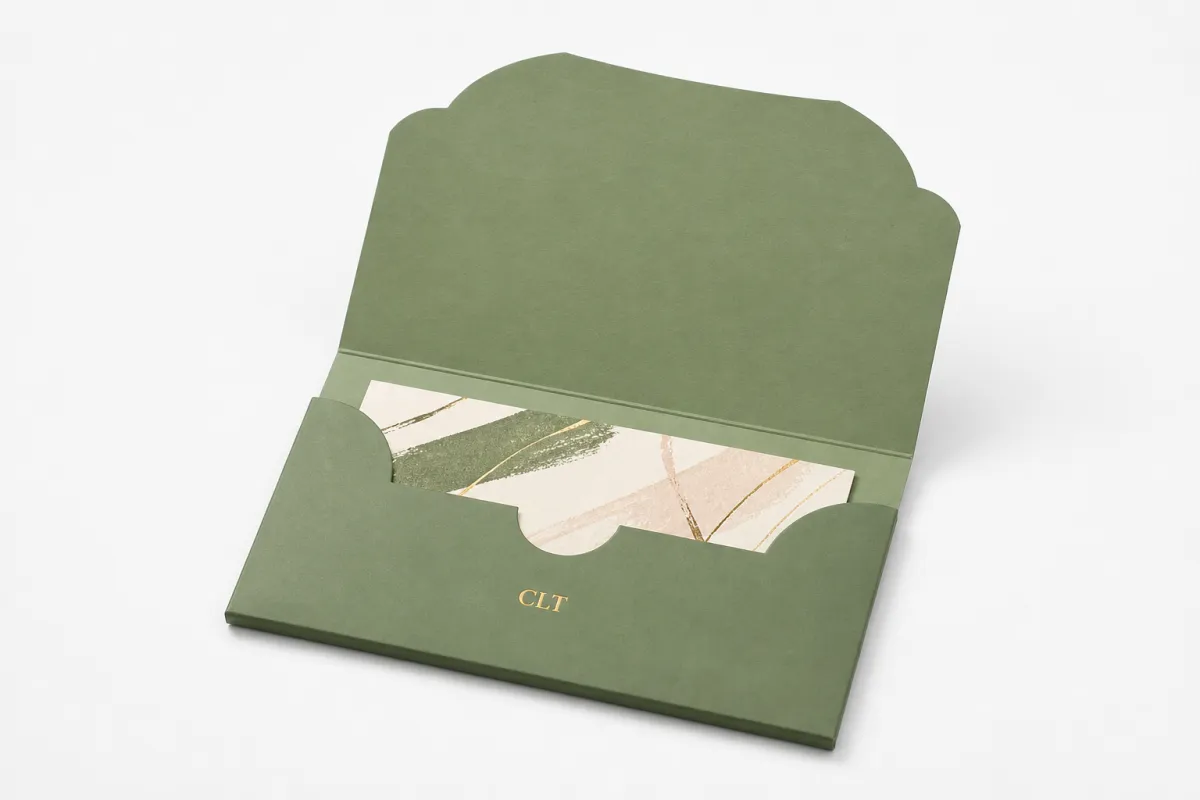
Branded inserts for subscription boxes are printed pieces placed inside recurring shipments to welcome customers, explain products, promote offers, or carry the brand voice deeper into the unboxing experience. They sit with the product rather than replacing it, which makes them especially useful for brands with tight space and a steady fulfillment rhythm.
In a practical sense, the insert is often the first item the subscriber handles. That is a useful kind of friction. The outer carton can be generic, but the insert can introduce the tone, the promise, and the reason the customer should keep paying attention. I have seen a plain mailer feel surprisingly premium simply because the insert was clear, well printed, and written like a person had actually thought about the recipient.
The most common formats for branded inserts for subscription boxes include:
- Postcards for welcome notes, concise offers, or a short brand story.
- Thank-you cards that make the shipment feel personal instead of transactional.
- Folded sheets for instructions, ingredient notes, or care details.
- Referral cards that encourage sharing and word of mouth.
- Discount cards for repeat orders, upgrades, or add-on products.
- Educational cards that show how to use the item correctly the first time.
Each format solves a different problem. A card can lower support tickets by answering questions before the customer has to search for help. It can push a reorder code into view. It can introduce the next product in a series. Those are small wins, but in recurring commerce they stack up fast. A few cents spent wisely can keep a subscriber moving.
Branded inserts for subscription boxes also protect consistency. A subscription program can contain excellent products and still feel oddly bare if there is no message layer inside the box. The insert fills that gap without asking the brand to redesign its carton or mailer. That is one reason teams keep returning to it, year after year.
A good insert should feel like part of the product experience, not like extra advertising dropped into the box.
For brands comparing packaging options more broadly, it helps to review the wider range of Custom Packaging Products and, if you want to see how other teams have approached presentation and print decisions, our Case Studies are a useful place to start.
How Branded Inserts for Subscription Boxes Work
The process for branded inserts for subscription boxes looks simple on paper and a little less simple once the details start moving. The brand defines the message, chooses the format, prepares the print file, reviews proofs, prints the pieces, and sends them into fulfillment for kitting. Each step is small by itself. A mismatch at any stage can slow the whole schedule.
Some inserts are meant for onboarding. Others are built to promote add-ons, drive reviews, or announce a seasonal offer. A January shipment may need a very different tone than a summer refresh, even if the product is unchanged. That is why branded inserts for subscription boxes should be treated as a communication tool, not generic filler.
The format should fit the packing method. A postcard or single-sheet card works well if the insert needs to sit flat next to a bundled product. A folded piece gives more space without turning the message into a wall of text. High-volume fulfillment usually favors inserts that stack cleanly, stay flat, and move through the line without snagging.
The strongest branded inserts for subscription boxes usually do one thing clearly:
- Welcome the customer with one direct brand promise.
- Explain the product in plain language.
- Direct the subscriber to a next step, such as a reorder or referral.
- Support a seasonal campaign with a time-sensitive offer.
Trying to cram all four jobs into one side of a card usually weakens the message. That is the tradeoff buyers run into again and again: more text usually means less comprehension. The customer is moving, the box is open, and the insert has only a brief window to do its work. It has to earn attention quickly, or it is gone.
Material choice matters too. A heavier cover stock gives branded inserts for subscription boxes more presence, while a lighter text stock may suit folded education pieces. Premium finishes can sharpen the impression, though they should match the brand rather than distract from it. If sustainability is part of the story, FSC-certified paper often enters the conversation, especially for brands that want a sourcing explanation they can stand behind without hesitation.
Cost and Pricing Factors for Branded Inserts
Cost for branded inserts for subscription boxes depends on paper stock, print method, color coverage, size, quantity, finishing, and whether the piece needs folding, trimming, or special packaging. There is no single price that fits every project, but the cost pattern is predictable enough to help buyers plan with a little confidence.
For a simple postcard or single-sheet insert, digital printing may work well at smaller quantities because setup is lighter and changes are easier to manage. At larger quantities, offset printing often lowers the per-unit cost, especially when the design is stable and the color build stays consistent. Complexity pushes the number upward. Every extra step has a price attached, and printers will find it quickly.
Here is a practical way to think about the range for branded inserts for subscription boxes at a mid-size run of about 5,000 pieces. Exact numbers still depend on region, paper market conditions, and finishing details, but these ranges are useful for planning.
| Insert Type | Typical Spec | Approx. Unit Cost at 5,000 | Best Fit |
|---|---|---|---|
| Simple postcard | 14pt C1S or 16pt cover, full color one or two sides | $0.08-$0.18 | Welcome note, offer code, short CTA |
| Folded insert | 100# text or 14pt cover, one fold, four panels | $0.14-$0.32 | Product education, care instructions, story pages |
| Premium card | 18pt SBS, matte or soft-touch finish | $0.22-$0.48 | Luxury unboxing, seasonal campaign, brand story |
| Variable-data insert | 14pt cover, digital print, unique codes or names | $0.30-$0.70 | Personalization, segmented offers, loyalty programs |
The less visible costs are often the ones that change the budget. Proofing, setup fees, freight, storage, and kitting labor can matter as much as the print quote. If inserts need to be counted, polywrapped, or packed in sequence, the labor adds up. Tight schedules can turn a routine order into a rush job, and freight charges can jump fast when time gets short.
That is why branded inserts for subscription boxes should be priced as part of the whole fulfillment process, not as a stand-alone print item. A cheaper insert that slows the line or creates rework can end up costing more than a better-specified piece that moves cleanly through the system.
Simple Versus Premium
A simple insert is often the right call when the message is short and the subscription cycle is busy. A premium insert makes sense when the brand wants to signal higher value, protect a luxury position, or support a launch with stronger tactile presence. Extra thickness, coating, or specialty finishing can justify itself, but only if it serves the message instead of swallowing it.
Branded inserts for subscription boxes should also be measured against the box economics. If the insert ships every month, even a small difference in unit cost multiplies over a year. A penny difference becomes $500 across 50,000 pieces. That math changes the conversation quickly, which is why many teams prototype two or three versions before they commit to scale.
If you are comparing durability standards for shipment handling, the ISTA testing framework is a sensible reference point. It helps teams think beyond print quality and consider how the insert behaves once it is inside a real shipper, moving through a real distribution chain.
Production Process, Timeline, and Lead Time
Production for branded inserts for subscription boxes follows a familiar sequence: file review, prepress checks, proof approval, printing, drying or curing, cutting, finishing, and final packing for shipment. The order is straightforward. The timeline is not always forgiving. If one step needs a redo, the whole schedule can drift.
File review is usually where delays start. A print-ready file needs the right bleed, safe margins, image resolution, and color mode. If the insert includes a coupon code, legal copy, or expiration date, those details should be locked before the artwork leaves design. A piece that looks clean on screen can still fail in production if the trim line, fold line, or barcode placement is off by a small amount.
Typical lead time for branded inserts for subscription boxes can be as short as several business days for a simple digital run, though 7-15 business days after proof approval is a more common planning range for standard work. Folding, specialty coating, variable data, or larger offset runs add time. Paper availability can add more, especially when a specific stock or finish is in short supply.
Lead time matters even more for subscription brands because the packing calendar is fixed. If fulfillment starts on the 18th and the inserts arrive on the 19th, the shipment misses the window. That may sound minor from the outside. Inside a warehouse, it can trigger overtime, rescheduled labor, or a backup piece that does not match the intended brand experience.
A little buffer helps. Teams that build in time for sample review, final proofing, and a correction round usually avoid the worst surprises. Branded inserts for subscription boxes are rarely the thing to rush at the tail end of a launch cycle. A calm approval process is cheaper than a reprint, and less stressful too.
One more practical point: if the insert needs to be packed with a fragile or irregular product, the printed piece should be tested alongside the actual load. Even a beautiful card can curl, scuff, or shift if the carton is not the right size. That is especially true with heavy artboard, deep folders, or any insert with a coated finish that picks up rub marks during handling.
Step-by-Step Guide to Planning Branded Inserts for Subscription Boxes
The cleanest way to plan branded inserts for subscription boxes is to treat the insert like a small packaging project, not an afterthought. Start with the job the piece needs to do, then work backward through format, material, schedule, and print method. That order keeps the design focused and reduces decorative drift.
Start With the Objective
Ask one simple question: what should the insert change? Maybe the goal is retention, product education, review growth, an upgrade, or a seasonal promotion. The answer shapes everything else. Branded inserts for subscription boxes work best when there is one primary goal and one supporting action, not five competing messages.
If retention is the goal, the insert may need a warmer tone and a clearer brand promise. If education is the goal, it should be direct, visual, and organized so the customer can scan it in under a minute. If referral growth is the goal, the code, deadline, and reward need to stand out immediately. That is how a small piece earns its space inside the box.
Match the Insert to the Customer Moment
Subscription boxes are not identical. A welcome shipment, a renewal package, and a seasonal special each call for different messaging. First-time subscribers may need reassurance and a quick explanation of what they received. Repeat buyers may respond better to a loyalty note or a cross-sell invitation. Good branded inserts for subscription boxes speak to the moment the customer is actually in.
Tone matters here. A product guide should sound useful and calm. A referral card can be brief and energetic. A thank-you note should feel human, but not forced. If the words sound generic, the insert blends into the background and disappears.
Choose the Format, Size, and Stock
Box dimensions and packing method should guide the format. A compact postcard often sits neatly beside tissue, product, or filler. Half-sheet and folded layouts offer more room without making the insert awkward to handle. If the product is fragile or premium, a heavier cover stock can help the insert feel more substantial in the customer’s hand.
Branded inserts for subscription boxes also need to survive normal handling. A piece that moves through a fulfillment center and lands inside a box with multiple items should hold its shape, resist scuffing, and sit flat. In practice, that usually means choosing a stock that balances stiffness with easy stacking. A card that looks elegant on a desk but buckles in a carton is doing half the job.
Prepare Print-Ready Artwork
Good artwork prep prevents most problems. Use the correct dieline or document size, leave room for bleed, keep important text inside safe margins, and set images to print resolution. CMYK is the safer starting point for most print jobs, and brand colors should be checked against the stock you chose. A warm uncoated sheet can shift color differently than a bright coated sheet, and that difference is normal, not a defect.
Before the file goes to production, confirm legal copy, promotional terms, barcodes, QR codes, and expiration dates. If the insert includes a discount or referral offer, map the customer journey after the scan or code entry too. Branded inserts for subscription boxes do not stop at print; they continue into redemption and fulfillment.
If you want to see how print decisions fit into broader packaging programs, our Case Studies can help you compare approaches, especially when the insert has to work alongside labels, cartons, and mailers. The more aligned those pieces are, the more coherent the whole box feels.
Review a Sample Before Scaling
One pilot run or hard proof can save a lot of money. It lets you check color balance, fold accuracy, readability, and whether the piece actually sits in the box the way the mockup suggested. That sample step matters for branded inserts for subscription boxes because small changes in trim or thickness can affect the final feel more than people expect.
If the first sample feels too busy, simplify it. If the call to action is hard to spot, enlarge it. If the insert bends during packing, change the stock or reduce the size. Small corrections at this stage are much easier than fixing a full production run.
From a packaging buyer’s point of view, the cleanest plan is usually the one with the fewest surprises. A one-page brief that covers objective, audience, size, quantity, budget, and deadline is usually enough to guide quote requests and keep branded inserts for subscription boxes moving in the right direction.
Common Mistakes with Branded Inserts for Subscription Boxes
The most common mistake is overcrowding the insert. A busy layout can turn a useful touchpoint into clutter that gets ignored. If the customer has to work to understand the card, the message is probably doing too much. Branded inserts for subscription boxes should be readable fast, with enough white space that the eye knows where to go.
Size mismatch causes its own problems. An oversized insert may curl, crumple, or slow down fulfillment. A piece that is too small can feel forgettable. The goal is not to make the insert bigger for its own sake; the goal is to make it fit the box, the product, and the message.
File prep issues create another set of headaches. Blurry images, missing bleed, thin fonts, and colors that drift away from the brand palette make even a good concept look rushed. If the subscription brand cares about presentation, that inconsistency can damage trust faster than the insert can build it.
Promotions can go wrong too. If the offer has no clear expiration or the redemption path is vague, customers may keep the insert for later and then find the code no longer works. That creates confusion at the exact moment the brand is trying to create goodwill. A good offer is attractive, yes, but it also needs to be operationally ready.
A card that can be understood in five seconds will usually outperform a beautiful insert that takes thirty.
There is also a habit of treating branded inserts for subscription boxes as a one-time decision. In reality, they should be reviewed like any other packaging component. If the box changes, the SKU mix changes, or the campaign shifts, the insert may need a fresh size, a new message, or a different finish. Static thinking gets expensive here.
Teams that want a more durable packaging setup usually do better when they think in systems rather than single pieces. The insert, the outer box, the labels, and the shipping plan all affect one another. When those parts line up, the customer notices immediately, even if they cannot name why.
Expert Tips and Next Steps for Branded Inserts
My first tip is simple: build a one-page insert brief before you ask for pricing. List the goal, audience, box size, quantity, budget, deadline, and any special handling needs. That one page gives a printer or packaging partner a much better starting point than a loose email thread, and it usually leads to cleaner quotes for branded inserts for subscription boxes.
Second, test more than one message if the budget allows it. A value-driven insert and a product-focused insert can produce very different reactions, even when they use the same stock and size. The only reliable way to know what resonates is to compare them in a real subscription environment. That kind of testing can be as simple as running two versions over different fulfillment windows and watching redemption, repeat orders, or customer replies.
Third, coordinate print timing with the actual fulfillment schedule. If the packing team starts kitting on Monday, the inserts should not be arriving Monday morning. Build in room for inspection, counting, and sorting. A small schedule buffer is often the difference between a calm launch and a rushed scramble.
Fourth, remember that branded inserts for subscription boxes should support the entire customer experience, not just the opening moment. If the insert teaches the subscriber how to use the product, the brand may reduce confusion and support tickets. If it points to a reorder path, it may support recurring revenue. If it shares a story, it may strengthen the relationship over time.
One more practical recommendation: decide early whether the insert should be rigid, foldable, coated, or recyclable. Those choices affect cost, feel, and handling more than many teams expect. They also affect how the piece behaves in transit, which is why material selection should happen before artwork is finalized rather than after. If you are trying to keep the whole line moving without drama, this is not the place to wing it.
For brands exploring the broader packaging mix, it can help to compare insert choices with the rest of the shipment format. Our Custom Packaging Products page is a useful reference if you are trying to align print, structure, and presentation into one coherent system. Once the structure is right, the message has a much better chance of landing.
In practical terms, branded inserts for subscription boxes work best when the message, material, and production plan are chosen together. Keep the copy focused, size the piece to the box, and give the job enough lead time to print cleanly and ship on schedule. That is how branded inserts for subscription boxes earn their place inside the box, month after month.
FAQ
What size are branded inserts for subscription boxes usually?
Common sizes include postcard, half-sheet, and folded card formats because they fit neatly beside products and are easy to read quickly. The best size depends on box dimensions, how much information you need to include, and whether the insert must stay flat during shipping.
Are branded inserts for subscription boxes worth the cost for small brands?
Yes, when the insert has a specific job such as retention, education, referral growth, or upselling rather than generic branding. Small brands usually get the best return from simple formats with clear calls to action and smart quantity planning.
What paper stock works best for subscription box inserts?
A sturdy coated or uncoated cover stock is common because it feels substantial and holds up well in transit. Choose the stock based on the look you want, how the insert will be handled, and whether it needs to fold or stay rigid.
How much lead time do branded inserts for subscription boxes need?
Plan for enough time to review artwork, approve proofs, print, finish, and deliver before fulfillment begins. The exact timeline depends on quantity, finishing, and whether the project includes revisions or specialty materials.
Can the printer pack branded inserts into subscription boxes?
Sometimes, yes, but only if the vendor offers kitting or fulfillment support and the process fits the shipping schedule. Many brands print the inserts separately and have their fulfillment partner add them during box assembly for better coordination.
Branded inserts for subscription boxes are most effective when they are treated as part of the packaging strategy, not as a last-minute add-on. The clear takeaway is simple: choose one job for the insert, match the stock to the handling requirements, and lock the schedule before the artwork gets polished. If those three pieces line up, the insert stops being filler and starts behaving like a real sales and retention tool.


