Subscription woven label Beanies Bulk Order Planning gets complicated once the first sample turns into a real schedule. A good-looking hat still fails if the launch date slips, the color drifts, or the cartons arrive in a format the warehouse does not want. For recurring boxes, the real job is not just making a decent beanie. It is making the same beanie arrive on time, every time.
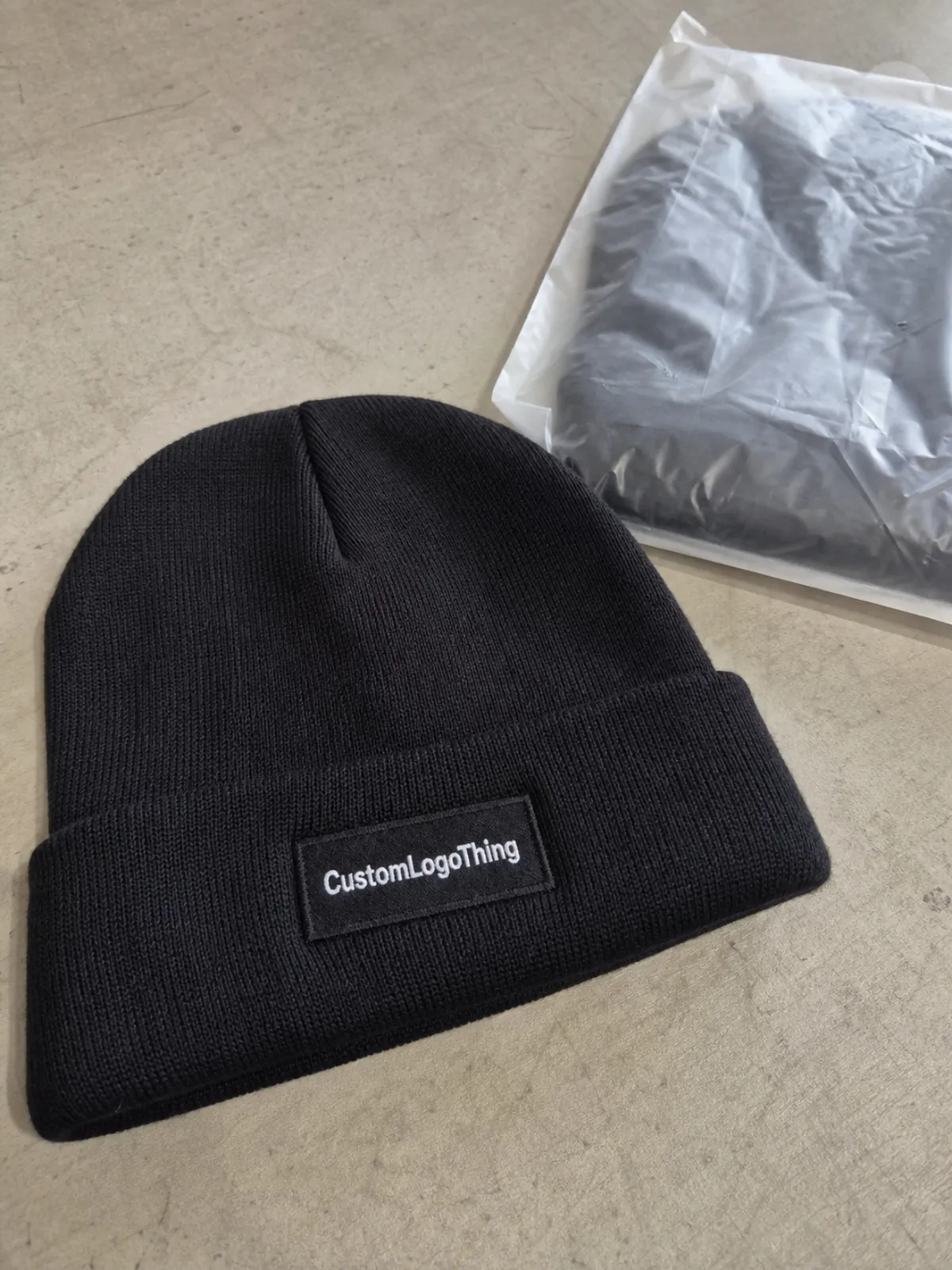
That means buyers need to think in a practical order: lead time, style, decoration, packaging, and inspection. A woven label is a strong choice because it carries detail well and adds little bulk, but it only works if the knit body gives it enough contrast and structure.
Rule of thumb: if a spec has to be explained twice to keep a reorder on track, it is still too loose.
Subscription woven label beanies bulk order planning starts with season math
The biggest mistakes happen before production starts. Teams approve the sample and forget the calendar. A winter accessory can be perfectly made and still miss the program if it lands after the subscriber box has shipped. Timing beats perfection when the item is tied to a fixed release date.
Start with the drop schedule: launch date, replenishment window, reorder point, and safety stock. Then work backward through sampling, approvals, bulk knitting, finishing, inspection, packing, transit, and receiving. If one shipment has to land exactly on the launch edge, there is no buffer for a yarn delay, a label change, or slower freight.
Recurring orders should stay stable after approval. That means the knit body, label art, placement, fold method, and carton count should be locked before bulk production begins. A subscription item is a repeatable supply chain product, not a one-off design exercise.
Another common issue is assuming a sample at one quantity will behave the same at a larger run. It may not. Yarn lots can shift, a reordered colorway can read differently, and the packaging method can change the way the finished hat presents in the box. The safest path is to confirm the final spec, not just the sample look.
For brands that also manage labels or broader wholesale programs, the same control helps here too: confirm the spec once, then keep the reorder path short. Useful references include Custom Labels & Tags and Wholesale Programs.
The other early decision is purpose. Does the beanie need to feel premium and retail-ready, or soft and everyday, or more athletic and minimal? That single choice narrows the rest of the setup in a useful way.
Choosing the right beanie body, cuff, and woven label placement
The silhouette changes the decoration options. A cuffed beanie gives you a stable branding zone and usually handles woven labels better. The cuff frames the logo and keeps fine text easier to read. A slouch style feels more relaxed, but the fabric moves more, so the label has to stay visible in a looser structure.
Double-layer rib knit bodies are common in recurring programs because they balance warmth, structure, and decoration space. They also recover shape better after packing, which matters when hats ship compressed and sit in cartons before fulfillment.
Placement is a design choice, but it is also a fulfillment choice. Center-front placement gives the strongest branding moment, but it can overwhelm the hat if the mark is too large or too dense. Side-seam placement is quieter. A cuff-edge label feels clean and modern. A stitched side tab can read softer and more apparel-like.
There is no universal best location. The right choice depends on the brand story and how the product will be opened in the box. A bold front mark works for a campaign drop. A restrained side label usually fits a subscription item better because it feels consistent without looking overdesigned.
Small logos deserve extra attention. Woven labels handle detail well, but the knit body still needs enough contrast to support the art. Heathered or heavily textured yarns can reduce readability. Buyers often approve a label mockup on a white screen and only notice the issue after the label is stitched onto the actual beanie body.
Fit changes the presentation too. Cuff depth controls how much of the label remains visible. Crown height affects the balance of the finished hat. Stretch affects how the beanie sits after transit. If the item opens inside a subscription box, it should look tidy without extra reshaping.
Once the presentation goal is clear, the rest gets easier. A soft retail look usually points to a thicker cuff and a smaller woven label. A performance look usually calls for lower bulk and tighter knit. A classic winter look sits between the two and is often the easiest to repeat.
Yarn, knit gauge, and decoration specs that affect the final handfeel
Material choice drives the first impression. Acrylic remains common because it is cost-effective, color-friendly, and comfortable for broad consumer use. Wool blends feel warmer and more natural, but they raise cost and often require tighter control over sourcing and shade matching. Recycled yarns support a sustainability story, though texture consistency and lot-to-lot variation need close review.
Knit gauge shapes both appearance and handfeel. A tighter gauge creates a cleaner surface and usually gives the woven label a sharper frame. A looser gauge feels softer and more casual, but it can add visual noise around the decoration. That may be acceptable for some brands and not for others.
Buyers do not need to become knit technicians, but they should ask one simple question: how will this gauge affect label readability and surface consistency at final size? That question eliminates a lot of avoidable sample churn.
Color is another place where assumptions break down. Pantone references help, but they do not fully control yarn behavior. Dyed yarn, heather blends, and different fiber lots can shift slightly even when the reference is approved. Those shifts are small, but recurring buyers notice them because they compare each shipment against the last.
Decoration specs matter just as much. Ask about weave density, edge finish, backing, and attachment method. A merrowed edge improves durability. A soft-backed label can feel better against skin if it sits near the cuff. If the label is stitched in, thread color and stitch count become part of the final look.
Packaging should be treated as part of the spec sheet. Decide whether each beanie ships folded, banded, bagged, or packed loose in an inner carton. If the hats feed a fulfillment line, the carton layout should match the warehouse process. Inner counts of 12, 24, or 50 all change labor speed and shelf use.
If the shipment needs to survive a long transit lane or rough handling, some buyers use guidance from ISTA to think about package integrity. A beanie can arrive undamaged and still cause problems if the fold is crushed or the carton is hard to unpack.
Pricing, MOQ, and unit cost by quantity tier
Price is a bundle of choices, not a single number. Yarn type, knit complexity, color count, woven label construction, sampling rounds, packing labor, and freight all affect the final quote. A simple acrylic cuffed beanie with a clean woven label sits in a very different cost band from a wool-blend piece with custom colorwork and retail folding.
MOQ means minimum order quantity, but the number changes with the configuration. One style may be workable at 300 pieces. Another may need 500 or 1,000 once custom yarn or label setup enters the picture. Ask for MOQ by variation, not a single blanket number. Two colorways and two label versions are not the same as one style in one run.
| Program type | Typical MOQ | Indicative unit cost | Best fit | Notes |
|---|---|---|---|---|
| Simple cuffed acrylic beanie | 300-500 pcs | $3.20-$5.25 | Entry subscription drop | Lower setup, easier color control, fast repeatability |
| Midweight beanie with woven label | 500-1,000 pcs | $4.10-$6.75 | Recurring monthly program | Balanced handfeel, branding, and pack-out value |
| Wool blend or recycled yarn program | 500-1,000 pcs | $5.80-$9.50 | Premium subscription tier | Better story value, tighter shade and handfeel checks |
| Custom colorwork with special packaging | 1,000 pcs+ | $7.00-$11.50 | Retail-led subscription or collab box | More setup time, more sampling, more carton detail |
Those ranges are directional. Yarn markets move, freight changes, and packaging adds labor. A quote can rise fast if the order needs extra handling or a second sample round. Still, the ranges help a buyer compare structure, not just price.
That matters because a cheaper unit cost is not cheaper if it creates stockouts, late boxes, or emergency freight. In subscription work, a missed ship date usually costs more than a small jump in unit price.
Process and lead time from tech pack to warehouse
The most reliable schedules are built on sequence. First comes artwork review. Then yarn and color confirmation. Then woven label proofing. Then sample approval. After that, bulk knitting, finishing, inspection, and packing. If any step gets fuzzy, the lead time stretches.
Late edits are one of the biggest causes of delay. A small wording change can still require a new label proof. An unclear color target can trigger another sample. A rushed approval can hide a mistake that only shows up in bulk. None of that is dramatic. It is just expensive.
A realistic plan separates sampling from bulk production and freight. Sampling often takes a couple of weeks, depending on knit and label complexity. Bulk production can take another 12-20 business days after final approval. Freight is its own variable. Domestic shipping is faster. Air freight is quicker but pricier. Ocean freight protects margin but needs a larger calendar buffer.
Warehouse timing needs equal attention. A shipment that leaves the factory on time can still miss the drop if the receiving team is short-staffed or the cartons are mislabeled. Pack-out should match the fulfillment process so the inventory can be checked, counted, and staged before the ship window opens.
Good planning also depends on file discipline. Tech packs should include clear artwork, exact label dimensions, placement notes, thread colors if stitching is involved, approved yarn references, and carton instructions. Clean documents reduce guesswork and keep the factory from stopping the line.
For broader reference on packaging and handling, packaging.org has background that helps buyers think through distribution, materials, and transit conditions.
Quality checks, carton packing, and repeat-order consistency
Recurring orders live or die on repeatability. A sample can look excellent and still fail the program if the second run drifts in shade, size, or label alignment. Buyers should define what gets measured and what tolerance is acceptable before the first bulk order is released.
The most useful checks are practical: overall measurements, crown height, cuff depth, knit consistency, label placement, seam finish, and color match against the approved standard. If the beanie must sit at a certain depth, measure it. If the label has to stay centered inside a narrow band, define the allowed shift in millimeters.
Carton packing is part of quality. The fold direction affects presentation. The inner count affects warehouse labor. The carton label should make style, color, and size obvious without opening every box. If the goods will sit in storage or move through a humid lane, moisture protection matters too.
Repeat orders go better when the supplier keeps a proper record of the approved setup. That record should include yarn references, label art, packing method, fold style, carton count, and any accepted variation. Without it, each reorder becomes a fresh interpretation.
Useful habit: approve the sample, photograph the packing method, and archive the final spec before bulk starts. Reorders become much easier after that.
If the product includes hang tags, paper inserts, or branded cartons, ask about paper sourcing as part of the pack-out conversation. Many teams want the packaging side to support the sustainability story without complicating the garment spec. That is reasonable: keep the beanie stable and let the packaging carry the message.
For a subscription program, the best supplier is the one that can re-run the approved setup without turning every repeat order into a new project. That is the real test, not the first sample and not the first quote.
Next steps to lock sizes, counts, and ship windows
The cleanest close to the order plan is operational. Confirm quantity by drop, beanie body, label placement, yarn type, packaging method, and target ship date. Then collect artwork, forecasted demand, and a buffer for approvals or freight delays. Once those pieces are aligned, the quote becomes more useful and the risk drops.
Before release, ask for three things: a spec sheet, a sample review, and a lead-time breakdown that separates sampling, bulk production, and shipping. That keeps the first run and the reorder path tied to the same standard. If the supplier cannot explain what triggers a price change, how the label version is controlled, or how cartons will be packed, the plan is not ready yet.
Buyers who treat the first order as a repeatable system usually get a better result than buyers who treat it as a one-off purchase. That is especially true for subscription retail, where the customer expects the same item month after month without surprises. Keep the spec stable, keep the pack-out simple, and leave enough time for inspection and transit.
The best programs are not the flashiest ones. They are the ones that show up on time, look the same as last month, and fit cleanly into the fulfillment flow. That is what makes the beanie useful as a subscription item instead of just another accessory in a box.
If you want a starting point for common order questions, our FAQ covers minimums, production basics, and a few of the practical points that tend to slow buyers down.
How do I plan a subscription woven label beanie order around recurring drops?
Build the forecast by drop date, not just by annual volume, so each shipment has enough inventory on hand. Add buffer stock for approvals, color variation, and freight delays. Lock the spec sheet early so every reorder can follow the same approved setup.
What MOQ should I expect for woven label beanies in a bulk program?
MOQ usually changes with yarn type, knit complexity, and label construction. Simpler acrylic styles may start lower, while custom colors or higher-detail woven labels can push the minimum higher. Ask for MOQ by configuration rather than one blanket number.
Which beanie specs matter most for repeat subscription orders?
Yarn composition, knit gauge, label placement, and packing method should stay consistent across every run. Color standards matter because small shade shifts become obvious across recurring shipments. Carton count and fold style matter too because they affect warehouse speed.
How long is the lead time after artwork approval?
Sampling and bulk production are separate steps, so approval timing matters a lot. A straightforward program can move faster than a custom one, but shipping still adds its own timeline. A clear tech pack and fast proof approval are the best ways to protect the schedule.
Can I mix colors or woven label versions in one bulk beanie order?
Yes, but every added colorway or label version usually adds setup and coordination time. Mixed programs can increase cost if the run has to be split across multiple production lots. It helps to confirm minimums for each variation before you finalize the order.


