Buyer Fit Snapshot
| Best fit | branded labels for skincare boxes design for packaging buyers comparing material specs, print proof, MOQ, unit cost, freight, and repeat-order risk where brand print, material, artwork control, and repeat-order consistency matter. |
|---|---|
| Quote inputs | Share finished size, material target, print colors, finish, packing count, annual reorder estimate, and delivery region. |
| Proofing check | Approve dieline scale, logo placement, barcode or warning zones, color tolerance, and any recyclable or compostable wording before bulk production. |
| Main risk | Vague material claims, crowded artwork, or missing packing details can create delays even when the unit price looks attractive. |
Fast answer: Branded Labels for Skincare Boxes Design: Dieline, Finish, Proof, and Buyer Review should be specified like a repeatable production item. The safest quote includes material, print method, finish, artwork proof, carton packing, and reorder notes in one written spec.
What to confirm before approving the packaging proof
Check the product dimensions against the actual filled item, not only the sales mockup. Ask for tolerance on folds, seals, hang holes, label areas, and retail display edges. If the package carries a logo, QR code, warning copy, or legal claim, reserve that space before decorative graphics fill the panel.
How to compare quotes without losing quality
Compare board or film grade, print process, finish, sampling route, tooling charges, carton quantity, and freight assumptions side by side. A lower quote is only useful if the supplier can repeat the same color, closure quality, and packing count on the next order.
Branded Labels for Skincare Boxes: Design That Sells
Branded labels for skincare boxes can look immaculate on a screen and still unravel the first time a carton lands beside a wet sink, sits in a steamy bathroom, or gets handled with lotion on the fingers. That gap between a proof and a real shelf is where packaging either earns trust or leaks it away. A curled corner, a smudged edge, a finish that turns flat under store lighting: those small failures change the price in the customer’s mind before the box has even been opened.
I have seen this more than once on packaging reviews. A label that looked expensive in the studio became surprisingly ordinary under warm vanity bulbs, and a matte finish that felt refined in hand started to pick up scuffs after only a few days of handling. That is the part a lot of teams kinda underestimate. The package is not just being judged by a designer or buyer; it is being judged by a tired customer in a humid bathroom, with one hand full and no patience for awkward packaging.
Most buyers want more than a pretty sticker or a decorative front panel. They need a system: material, adhesive, print method, finish, and information hierarchy working together so the package sells the product and stays readable once it reaches a cabinet, vanity, or shipping box. Branded labels for skincare boxes do that work every day. They point the eye, carry compliance details, support premium positioning, and withstand conditions that are harsher than most mockups suggest.
Skincare raises the stakes. Bathrooms bring humidity. Serums and creams often move through cold storage, warm retail rooms, and courier routes that are rough on paper and adhesive. Branded labels for skincare boxes have to be attractive, durable, and legible in those conditions, not just in a design deck. The difference shows up in shelf appeal, in reorder rates, and in how confident a customer feels when the product is still sealed.
What Branded Labels for Skincare Boxes Actually Do
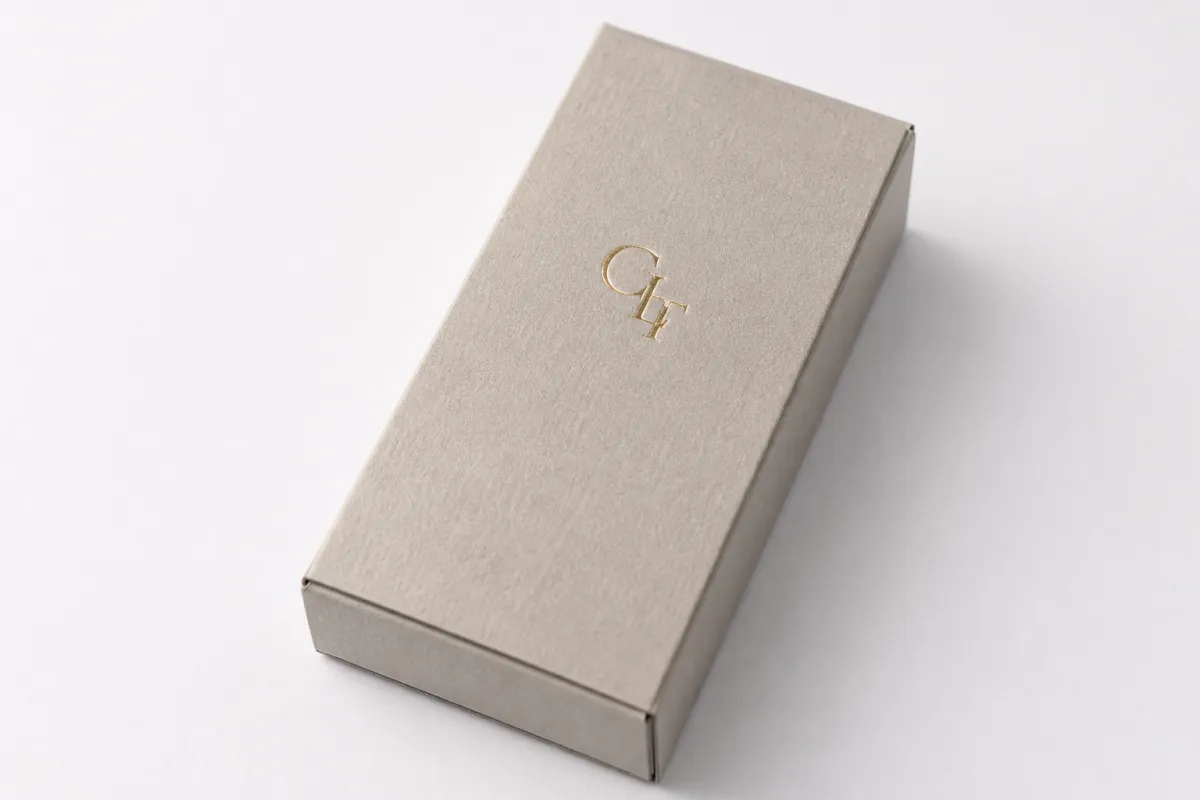
Branded labels for skincare boxes are not decoration first. They are a communication layer that has to work fast. In a crowded shelf set, the label needs to tell the shopper who the brand is, what the product does, and why it deserves attention, often in less than two seconds. That is a narrow window. Hierarchy makes the difference. Brand mark, product name, skin concern, size, and supporting claims need to be arranged in a way the eye can process without effort.
Think of branded labels for skincare boxes as the meeting point between carton structure and buying decision. A plain carton can hold the formula. A well-made label turns that carton into a selling surface. It signals premium cream, clinical serum, barrier-repair moisturizer, or clean-beauty positioning before the shopper lifts the lid. It also gives space for the details people expect to see: ingredients, usage directions, warnings, batch references, and company information.
Skincare sits in an awkward but useful middle ground. Candles can lean on mood. Supplements can lean on compliance. Skincare needs both polish and clarity, and it needs them at the same time. Branded labels for skincare boxes have to carry that dual load without becoming crowded or looking like a legal notice wrapped in marketing language.
The best labels usually feel easy, almost obvious. The brand is visible. The product is understood. The carton feels more expensive than the materials alone would suggest. That effect usually comes from a few disciplined choices:
- Strong hierarchy so the main message reads from arm’s length.
- Controlled color contrast so copy stays sharp on matte, soft-touch, or glossy finishes.
- Material match so the label sits flat on the carton instead of fighting the board.
- Finish restraint so premium details support the design instead of swallowing it.
One detail many teams overlook: branded labels for skincare boxes are often judged long after the purchase. A carton stored in a bathroom, carried in a travel bag, or displayed on a shelf that gets touched dozens of times a day becomes a durability test. A lifted corner or rubbed edge can quietly alter brand perception even when the formula is excellent and the design looked flawless at approval time.
“A skincare label has two jobs: look expensive in a split second and survive the environments where customers actually open the box.”
Brands that treat branded labels for skincare boxes as part of a full packaging system usually get better results than brands that treat them as a last-minute add-on. They define the panel layout early, choose face stock for the real handling environment, and confirm copy before production starts. That is the difference between packaging that merely exists and packaging that helps sell through.
How Branded Labels for Skincare Boxes Are Produced
Production starts with the dieline. Ignore the carton structure and trouble shows up later. Box panels, folds, seams, tuck flaps, and closure areas all affect where a label can sit and how it will read. A reliable supplier will want the final dieline, exact label dimensions, placement notes, and a clear answer on whether the label wraps, stays centered on one panel, or moves across multiple panels.
Once the structure is fixed, artwork moves into print prep. That step includes resolution checks, bleed, barcode readability, color profile control, font sizing, and the amount of ink on the design. Small type on branded labels for skincare boxes can get muddy if contrast is weak. Barcodes can fail if they are squeezed into a decorative layout without enough quiet space around them. A beautiful file is still a bad file if it cannot be printed cleanly.
The production method changes the outcome. Digital printing fits shorter runs, quicker launches, and frequent artwork updates. Flexographic and offset printing usually make more sense for longer runs, repeat orders, and tighter per-unit economics. Method also affects color consistency from batch to batch, which matters when a brand expects the same pale beige, muted sage, or clinical white to carry across an entire line.
Finish selection matters just as much. Matte and uncoated looks can feel calm and premium. Gloss sharpens color and pushes contrast. Soft-touch coatings add a velvety feel that many skincare buyers associate with luxury, though they show fingerprints faster than people expect. Spot varnish, foil, and raised effects can help, but only when they are used with discipline. Too much finish turns branded labels for skincare boxes into noise.
The last stage is application. Some cartons get labels applied by hand, which works well for boutique runs and smaller launches. Others use semi-automated or fully automated systems, especially when output speed and placement consistency matter. The application method changes tolerance, accuracy, and throughput. Hand-applied labels can look beautiful, but they demand more inspection. Automated lines can be very consistent, but the material and adhesive have to be chosen so the label feeds correctly and bonds the first time.
For brands that want a stronger frame of reference, resources from organizations such as ISTA for transit testing and FSC for responsible fiber sourcing help set expectations. They do not replace a supplier spec sheet, though they do show what careful packaging practice looks like in the real world.
Branded labels for skincare boxes usually move through a sequence like this:
- Brief with dimensions, quantity, material direction, and compliance copy.
- Artwork check for bleed, fonts, color accuracy, and barcode rules.
- Proof approval in digital or printed form.
- Print production using digital, flexographic, or offset methods.
- Finishing such as laminating, varnishing, foiling, or die-cutting.
- Application and packing with quality checks at the end of the line.
The sequence looks simple until a detail slips. A box label that looks perfect in a PDF can still print with weak coverage on a dark carton. A finish that feels rich in a sample can become slippery once the label is handled in volume. Good production partners catch those problems before they turn into reprints.
Key Design and Material Factors That Change the Result
Material selection is where branded labels for skincare boxes either hold up cleanly or begin to fail in use. Paper stocks often make sense for dry retail settings, natural brands, and cartons that need an eco-leaning look. Coated paper and film-based materials do better when moisture, rubbing, or frequent handling are part of the use case. If a customer will store the box in a bathroom cabinet, near a sink, or in a travel bag, the label has to be chosen for that environment rather than for the photography session.
Adhesive selection deserves the same attention as the face stock. A carton made from recycled board, textured kraft, clay-coated paperboard, or soft-touch laminated stock will behave differently. Some surfaces accept a label quickly and hold it flat. Others resist bond at the edges or let the adhesive grab unevenly. That is why branded labels for skincare boxes should be tested on the actual carton substrate, not only on a generic sample sheet.
Readability is where experience shows up. Skincare labels often carry a lot of copy: product identity, skin concern, scent notes, active ingredients, size, warnings, batch details, recycling marks, and the usual brand polish. If every element is styled at the same visual level, nothing stands out. The name should be strongest. The benefit statement should follow. Technical or regulatory copy should stay clear, but not loud. That hierarchy keeps branded labels for skincare boxes from looking crowded.
Color and lighting can change the final impression more than many teams expect. A warm ivory carton under store LEDs can make pale type look thin. A dark matte carton can swallow fine lines. A high-gloss label can reflect bright fixtures and cut legibility in half. Screen proofs do not show those shifts accurately. Printed labels have texture, sheen, and opacity that monitors flatten. Branded labels for skincare boxes usually need at least one round of physical sampling before anyone can judge them honestly.
Sustainability now sits near the center of most skincare conversations. Brands want materials that support recyclability, lower ink coverage, or responsible sourcing. That does not always mean the cheapest stock or the thinnest coating. Sometimes it means choosing a paper that works well with the carton, keeping the print coverage modest, or selecting a finish that does not interfere with end-of-life sorting. A well-built sustainable choice can still feel premium. Some of the strongest branded labels for skincare boxes look premium precisely because they are clean, simple, and balanced.
Material and finish comparisons
| Option | Best For | Typical Planning Range at 5,000 Units | Notes |
|---|---|---|---|
| Uncoated paper label with matte varnish | Natural, minimalist, eco-forward presentation | $0.04-$0.08 per label | Good tactile feel, but less resistant to moisture and abrasion. |
| Coated paper label with gloss or satin finish | Sharper color and stronger shelf contrast | $0.05-$0.10 per label | Works well for bright artwork, but can reflect overhead lighting. |
| Film-based label with moisture-resistant adhesive | Higher handling, humid storage, or travel use | $0.06-$0.12 per label | More durable, especially where edge lift is a concern. |
| Soft-touch label with foil accent | Luxury skincare and gift-ready cartons | $0.12-$0.24 per label | Premium feel, but needs careful design so the finish does not overpower the copy. |
Those ranges are planning numbers, not promises. Size, coverage, die-cut shape, and quantity can move the price more than many brands expect. Still, the table is useful early in the process. If a line extension needs a signature carton, branded labels for skincare boxes with soft-touch and foil may justify the higher unit cost. If the job is a fast-moving retail refill, a simpler coated paper solution can protect margin without hurting shelf appeal.
From a packaging buyer’s point of view, the smartest design choices fit the real use case. A display carton that never leaves a boutique shelf can tolerate different materials than a subscription box shipped across climates. That is also where branded labels for skincare boxes become part of broader packaging planning rather than a stand-alone label order. If you need more than one carton style or want to coordinate the labels with inserts and outer packs, it helps to look at Custom Packaging Products as part of the same planning process.
Process and Timeline: From Brief to Finished Labels
A clean process saves money. The first step for branded labels for skincare boxes should be a focused brief, not a loose email thread with three versions of the same file. The brief should include box dimensions, label dimensions, quantity, target customer, finish preference, substrate type, application method, and every required line of copy. If there are regional labeling rules, those need to be gathered early. A supplier can refine the layout. They cannot guess what the carton has to say.
Proofing is where many projects slow down, and for good reason. Color, spacing, and copy all become visible at once. A digital proof confirms the layout, but a printed sample tells a more complete story about how branded labels for skincare boxes will read in the hand. Review it under the same lighting your customer will see: retail LEDs, vanity bulbs, or natural light through a bathroom window. The same artwork can look richer, duller, warmer, or flatter depending on the setting.
Lead time usually includes file prep, setup, printing, curing or drying, finishing, packing, and shipping. Short digital runs can move quickly if the artwork is complete and the carton size is fixed. Longer runs with special finishes take more time. In many cases, branded labels for skincare boxes need roughly 10-18 business days from final proof approval to shipment, though complex work can take longer if materials need to be sourced or if revisions keep changing the file.
Delays usually happen in the same places:
- Artwork arrives without bleed, safe margins, or print-ready resolution.
- The dieline changes after the label has already been designed.
- Barcode size or contrast is too weak for a reliable scan.
- The brand asks for a second or third proof after the first one is already close.
- Special stock, adhesive, or finish is not in standard inventory.
Buffer time is not optional on a launch. If a product is tied to a seasonal campaign, influencer drop, or retailer deadline, order the labels early enough that a revision does not become a crisis. Branded labels for skincare boxes are one of those packaging items where a small delay can block filling, packing, or shipment for the entire line. Finished cartons waiting on labels is a headache nobody needs.
One practical habit helps a lot: separate the approval stages. First approve structure. Then approve copy. Then approve finish and print behavior. That keeps the team from trying to solve everything in one review, and it gives the supplier a better chance to catch the details that only show up in real printing. For a clean launch plan, branded labels for skincare boxes should be managed like a critical component, not a decorative afterthought.
Cost, Pricing, MOQ, and Quote Drivers for Branded Labels for Skincare Boxes
Pricing for branded labels for skincare boxes is driven by a handful of variables, and quantity sits near the top of the list. Bigger orders usually lower the per-unit price because setup gets spread across more pieces. After that, size, shape, finish, color count, substrate, adhesive type, and application method all influence the quote. A small single-color paper label is a different job from a multi-panel, soft-touch, foil-accented label with a specialty adhesive.
MOQ means minimum order quantity, and it matters more than many first-time buyers expect. Some suppliers support low MOQs through digital production, which helps with launches and testing. Others prefer larger volumes because setup becomes more efficient at scale. Branded labels for skincare boxes can absolutely be ordered in smaller quantities, but the unit cost usually rises as the order gets smaller. That tradeoff is normal, not a warning sign.
It helps to think in ranges. A short-run digital order may be ideal for validation, retail testing, or a limited edition. A larger reorder usually gives better per-piece pricing and more stable color consistency across the line. If the brand is trying to validate a hero SKU, a test run makes sense. If the SKU is already proven, the economics of a larger production run often win.
There are also hidden costs that catch people off guard. Setup fees, plate charges for certain print methods, sample packs, special proofs, freight, and in-house application labor all matter. If the labels are not being applied by the supplier, then the time and labor required to place them on each carton should be part of the real cost picture. Branded labels for skincare boxes are not just a unit price problem; they are a workflow problem too.
Here is a simple way to compare quotes without getting lost in the details: ask every supplier to price the same artwork on two or three material options, using the same quantity and the same placement method. That makes the price differences visible. If one version is only a little more expensive but creates a much better tactile experience, that may be the smarter spend. If a premium finish adds cost without improving the brand story, you will see that too. Branded labels for skincare boxes should earn their budget.
I have seen brands save a few cents per unit and then lose far more on reprints when the adhesive failed on a textured board. On paper, the cheaper option looked tidy. In production, it turned into a false economy. That kind of lesson is annoying, but it is also useful. Packaging is full of these tiny math problems that only become visible after the first shipment.
A good quote should make these items easy to see:
- Unit price at the quoted quantity.
- Setup or plate cost if applicable.
- Material specification including face stock and adhesive.
- Finish specification such as matte, gloss, foil, or soft-touch.
- Shipping and sample charges before approval.
- Application labor if the labels are not supplied ready-to-place.
For brands weighing a broader packaging refresh, it can help to compare the label line against other packaging formats. Our Case Studies show how different packaging decisions affect presentation, timing, and budget in real product launches. That kind of comparison makes it easier to see whether branded labels for skincare boxes should be the hero feature or one piece of a larger packaging upgrade.
My honest view is that the cheapest quote is not always the lowest-cost result. If the adhesive fails on a textured carton, or if the finish turns weak on shelf, the true cost includes reprints, delays, and a softer first impression. Branded labels for skincare boxes are worth paying for when they hold the design together, survive handling, and support the brand story cleanly.
Common Mistakes That Hurt Shelf Appeal and Compliance
The most common mistake is treating the label like decoration instead of a communication system. That leads to crowded layouts, tiny text, and weak hierarchy. The package may look busy and energetic in a flat mockup, but in store it becomes hard to read. Branded labels for skincare boxes need breathing room. White space is not wasted space; it is what lets the eye find the brand and understand the product quickly.
Another problem is choosing a finish that photographs beautifully but behaves badly in real use. A highly reflective gloss can look elegant in controlled photography and then become hard to read under bright retail lighting. A very smooth surface can also feel slippery if customers handle the box with damp hands. Branded labels for skincare boxes should be tested in the same light and handling conditions the product will actually face.
Dimension errors cause more headaches than many people expect. If the carton dieline is not final before the label artwork is built, copy can run too close to folds, edges, or seams. Sometimes the result is cut-off text. Sometimes it is a strange empty zone that makes the design look unfinished. A few millimeters matter here. On small skincare cartons, that difference can change the whole presentation.
Compliance mistakes are even more serious. Missing product identity, ingredient information, warnings, or company details can force a redesign, and that delay is expensive. The exact requirements depend on the market and the formula, so the review should happen early. Branded labels for skincare boxes should be checked as packaging documents, not just art files. If the brand sells across regions, the risk is even higher because copy requirements can change by market.
Screen-only approvals are another trap. A PDF cannot fully show ink density, finish sheen, or the way the label behaves on a curved edge or textured board. A printed proof, and ideally a sample applied to the actual carton, reveals more. That is where you catch problems like slight color shift, adhesive edge lift, or a tone that looks too dark once it sits beside the bottle or jar inside the box. Branded labels for skincare boxes deserve that extra check.
Here are the mistakes I see most often:
- Using too many fonts or weights in one small layout.
- Ignoring the final carton panel dimensions before design starts.
- Choosing a premium finish that reduces legibility.
- Skipping a real sample test on the actual substrate.
- Leaving compliance copy until the last minute.
None of those problems is hard to avoid, but all of them get more expensive once production starts. A careful review process protects both shelf appeal and compliance, and that is why branded labels for skincare boxes work best when design, operations, and regulatory review are all in the same conversation.
Expert Tips and Next Steps for a Smarter Order
If you want better results from branded labels for skincare boxes, start with a spec sheet. Keep it simple but complete: box dimensions, print area, quantity, application method, finish, substrate, compliance text, and any special performance needs like moisture resistance or cold storage. A clean spec sheet keeps every quote on the same playing field, which makes supplier comparison much easier.
Request samples, not just digital renderings. A printed prototype tells you how the label handles moisture, edge stress, and real lighting. If the box will sit in a bathroom, test it near steam and condensation. If it will ship, check how it holds up after packing and unpacking. A label that looks beautiful but lifts at the corners is not a good label. Branded labels for skincare boxes have to earn their place on the carton.
Compare at least two supplier approaches if you can. One may be optimized for premium presentation with foil, soft-touch, or special varnish. Another may be optimized for production efficiency with simpler print and finishing steps. That side-by-side view helps you decide where the extra spend truly matters. Sometimes the premium detail belongs on the hero SKU only, while the rest of the range stays cleaner and more economical.
Build a reorder plan before inventory gets tight. A product that sells well can become a bottleneck if you wait until the last carton is gone. Keep a small safety buffer if the item has any chance of moving quickly through retail or ecommerce. Branded labels for skincare boxes should be treated like a managed inventory item, because a short lead item can stop a launch just as easily as a missing bottle or jar.
If you are deciding what to change first, use this order of operations:
- Audit the current artwork for hierarchy, legibility, and missing copy.
- Confirm the final box dieline and panel measurements.
- Request material and finish samples on the real carton stock.
- Compare quotes with the same assumptions across suppliers.
- Approve a physical proof before committing to production.
That sequence keeps the project grounded. It also reduces the odds of rework, which is where packaging budgets get eaten alive. If you need to compare labeling options with other carton or pack choices, Custom Labels & Tags is a useful starting point, and our broader Custom Packaging Products page can help you think through the rest of the line at the same time.
For brands building a custom logo packaging system, the real goal is not just to print branded labels for skincare boxes. It is to build a package that feels credible in the hand, clear at the shelf, and durable enough to survive the places skincare actually lives. Keep the spec tight, test the materials honestly, and leave a little room in the schedule. Start with the carton dieline, choose the finish for the actual storage environment, and approve a physical sample before you place the full order. That sequence is simple, and it works.
Frequently Asked Questions
What material works best for branded labels for skincare boxes?
Choose the material based on storage, handling, and surface type rather than appearance alone. Paper stocks work well for dry, premium cartons, while coated or film-based materials are usually better if the box may face moisture, rubbing, or frequent handling. The adhesive should match the carton finish, especially on textured, recycled, or coated boards, because even branded labels for skincare boxes that look perfect on paper can fail if the bond is wrong. If the box is going anywhere near a bathroom, I would lean toward a more moisture-tolerant build.
How do branded labels for skincare boxes stay aligned on the carton?
Alignment starts with the final dieline and exact panel measurements. Ask for a proof or sample that shows label placement on the actual box shape, not just on a flat artboard. Application method matters too, because hand placement and automated placement have different tolerance ranges. Branded labels for skincare boxes usually stay aligned best when the supplier has a clear placement guide before production begins, plus a final reference sample the line team can follow.
What information should appear on skincare box labels?
Include the product name, key benefit or identity, and any required ingredients, usage details, warnings, company information, or distributor details. If the product has market-specific requirements, review them early so the label does not need a late redesign. Branded labels for skincare boxes should be planned as both a selling surface and a compliance surface, which keeps the copy useful and organized. A clean hierarchy makes that crowded information easier to scan.
How much do branded labels for skincare boxes usually cost?
Pricing depends on quantity, size, finish, material, color count, and whether special adhesives or print effects are required. Lower MOQ orders usually carry a higher unit cost, while larger runs reduce the per-piece price. Ask for a quote breakdown that shows setup, samples, freight, and application costs separately so you can compare options clearly. Branded labels for skincare boxes are easiest to budget when every line item is visible, because hidden costs tend to show up later in the project.
How far in advance should I order branded labels for skincare boxes?
Allow time for proofing, revision, production, finishing, and shipping before your launch date. Add extra buffer if you need custom materials, multiple approval rounds, or a tight retailer deadline. For reorders, keep enough inventory on hand to avoid rush fees and stockouts. Branded labels for skincare boxes should be ordered like any other critical packaging component: early enough to absorb a small delay without hurting the launch. If the product is tied to a campaign or seasonal window, I would build in even more cushion.


