Buyer Fit Snapshot
| Best fit | sustainable subscription mailer boxes design for packaging buyers comparing material specs, print proof, MOQ, unit cost, freight, and repeat-order risk where brand print, material, artwork control, and repeat-order consistency matter. |
|---|---|
| Quote inputs | Share finished size, material target, print colors, finish, packing count, annual reorder estimate, and delivery region. |
| Proofing check | Approve dieline scale, logo placement, barcode or warning zones, color tolerance, and any recyclable or compostable wording before bulk production. |
| Main risk | Vague material claims, crowded artwork, or missing packing details can create delays even when the unit price looks attractive. |
Fast answer: Sustainable Subscription Mailer Boxes Design: Film, Closure, Print, and Fulfillment should be specified like a repeatable production item. The safest quote includes material, print method, finish, artwork proof, carton packing, and reorder notes in one written spec.
What to confirm before approving the packaging proof
Check the product dimensions against the actual filled item, not only the sales mockup. Ask for tolerance on folds, seals, hang holes, label areas, and retail display edges. If the package carries a logo, QR code, warning copy, or legal claim, reserve that space before decorative graphics fill the panel.
How to compare quotes without losing quality
Compare board or film grade, print process, finish, sampling route, tooling charges, carton quantity, and freight assumptions side by side. A lower quote is only useful if the supplier can repeat the same color, closure quality, and packing count on the next order.
Sustainable Subscription Mailer Boxes: Design That Sells
Sustainable Subscription Mailer Boxes are not a decorative gesture. They are a supply-chain decision dressed up as branding, and that distinction matters. The fastest way to create waste is not a flashy print run or a fancy logo; it is an oversized carton, a fussy insert, and a fulfillment process that forces people to fight the packaging every shift. I have seen decent products arrive in boxes so roomy they might as well have shipped with weather inside them.
The better question is not whether the box looks eco-friendly on a product page. The better question is whether it protects the contents, moves quickly through fulfillment, and still delivers a clean unboxing moment. Miss any one of those and the package starts costing more than it should. Sustainable subscription mailer boxes are what happens when design has to answer to operations, not just marketing.
Sustainable subscription mailer boxes: what they are and why they matter
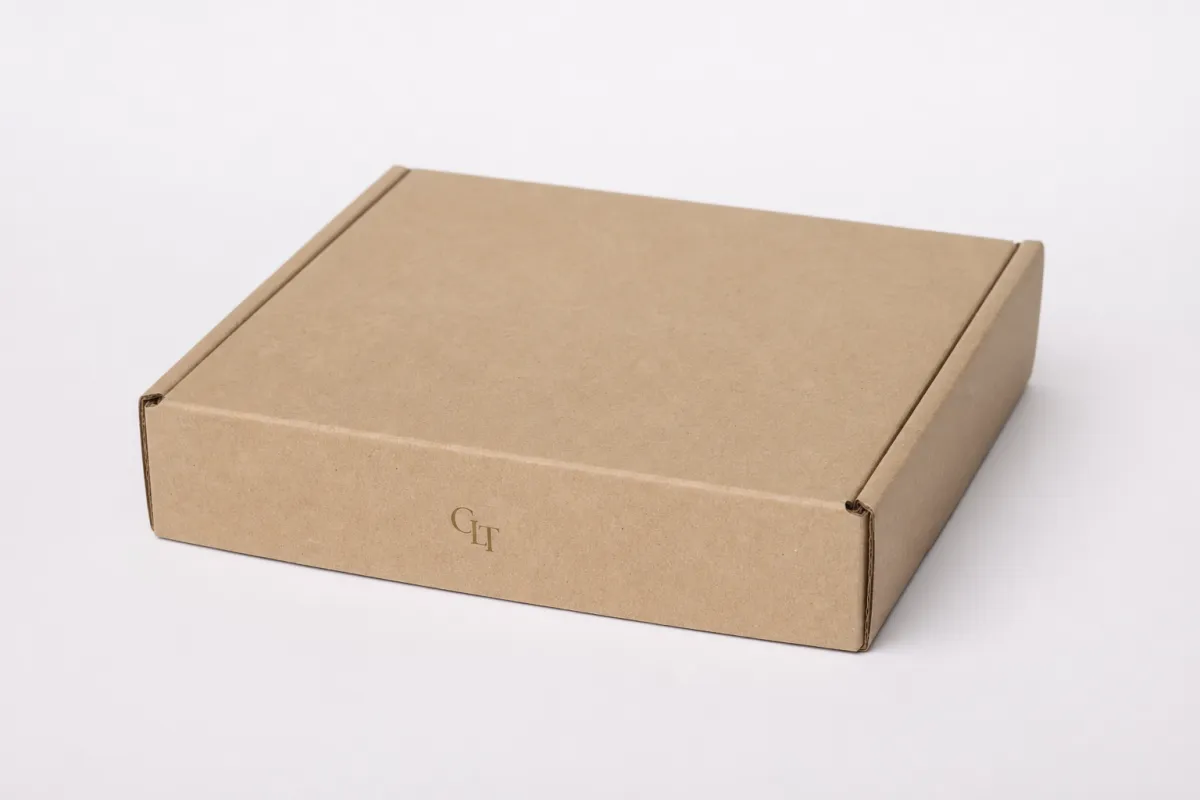
Sustainable subscription mailer boxes are right-sized shipping boxes built for recurring deliveries. They usually rely on lower-impact materials, minimal filler, and a structure that can be packed the same way every cycle. These boxes are made for repetition. A good one survives the second, tenth, and hundredth shipment without turning into a warehouse headache or a recycling problem.
The appeal is easy to see from the buyer side. Less void fill means less material. Better fit means fewer damaged orders. Cleaner board choices can make disposal simpler for the customer and improve the story around recyclability. Subscription programs repeat every month, so a smart box pays back over and over instead of sitting there looking noble on launch day and expensive the rest of the year. That is one reason sustainable subscription mailer boxes keep turning up in beauty, coffee, apparel, supplements, and sample clubs.
Perception matters too. Customers can tell the difference between packaging that feels deliberate and packaging that is only dressed up as sustainable. They may never ask about caliper or basis weight, but they notice crushed corners, too much plastic, and a carton sized like it was chosen by someone who has never had to pay a freight bill. A box does not need to shout. It needs to make sense.
Standard mailers and subscription mailers solve different problems. A standard mailer may only need to carry one SKU in a common footprint. Sustainable subscription mailer boxes have to live inside a system: warehouse storage, recurring pack-outs, carrier handling, repeat artwork, and often more than one product variation. Design choices need to hold up over time, not only in a render file.
Packaging is not a sticker you apply after the fact. It is a chain of early decisions: board grade, size, print coverage, insert style, and closure method. If those decisions are weak, the sustainability claim gets thin very quickly.
A box full of air is not sustainability. It is freight expense with corners.
If a subscription program is still changing, start with a packaging system that can absorb growth. One footprint may work across several inserts. A family of boxes may cover multiple tiers. Some brands need a direct mailer. Others need an outer shipper with an inner branded carton. Fragility, freight class, and customer expectations decide the shape of the answer.
How sustainable subscription mailer boxes work in fulfillment
The fulfillment sequence is simple on paper: product into the box, insert or divider in place, mailer closed, seal applied, label attached, parcel out the door. The hard part is keeping that sequence fast and repeatable when a team is packing hundreds or thousands of units, not five beautiful samples under controlled lighting.
Sustainable subscription mailer boxes affect the line in ways that are easy to miss during sampling. Board thickness changes folding behavior. Closure style affects pack speed. Ink coverage and coatings influence whether the outer surface can be recycled cleanly in many local systems. Heavy lamination, plastic add-ons, and dense finish layers can still look polished, but the environmental story becomes harder to defend.
Carrier handling still matters. A greener box has to survive stacking, vibration, sortation, and the occasional rough drop. That is where transit-style testing earns its keep. Ask for tests aligned with common ISTA guidance. No one needs to become a lab technician, but a packaging buyer should know whether the box can handle compression, vibration, and drop conditions without splitting apart in the real world.
Different product categories call for different versions of sustainable subscription mailer boxes:
- Beauty and skincare: Need precise sizing, cleaner print, and paper-based inserts that stop bottles from shifting.
- Supplements: Benefit from compact footprints, clear labeling, and closures that hold up across repeated shipments.
- Apparel: Can often use lighter board and fewer interior components because fabric tolerates movement better than glass.
- Candles: Need stronger inserts or molded fiber protection because breakage risk rises fast in transit.
- Sample clubs: Require tight size control because light contents are easy to overpack and expensive to overbuild.
The real design challenge is recurrence. Subscription programs are not one-off campaigns. They are operating systems. Standardized sizes, predictable pack-out, and repeatable print specs keep the line moving and reduce retraining. If the process changes every month, the supposed efficiency disappears.
Sustainable subscription mailer boxes also shape inventory planning. Fewer odd sizes in the warehouse means easier storage, fewer picking mistakes, and less dead packaging sitting around after the program changes. Packaging that looks clever in a deck but creates three new SKUs in the warehouse is not clever. It is clutter with a logo.
Key factors that shape strength, sustainability, and unboxing
The first decision is board. Kraft, recycled board, and FSC-certified stock each solve a different problem, and none of them wins on its own. Kraft can feel direct and honest, especially for brands that want a low-ink look. Recycled board can support a waste-reduction story, but recycled content by itself does not guarantee performance. FSC-certified stock helps when sourcing transparency matters and a chain-of-custody claim needs support. If you want the structure behind that claim, FSC lays out the standards clearly.
Size belongs in the same conversation as sustainability. Oversized sustainable subscription mailer boxes burn through more corrugate, increase freight cost, demand extra void fill, and give the contents room to shift. Right-sizing can lower dimensional weight charges and tighten the whole pack-out. In plenty of programs, a good fit saves more than an expensive finish ever will.
Print deserves more scrutiny than brand teams usually give it. Fewer ink passes, simpler artwork, and restrained coverage often improve recyclability and speed up production. That does not mean the box needs to look plain. It means the visuals should work with the structure. A strong logo, one accent color, and a clean interior message can do more than a noisy wrap that eats into the recycling story.
Finishes are where packaging projects quietly drift off course. Soft-touch lamination, film coatings, and heavy UV effects can make the box feel premium, but they can also make it harder to recycle and costlier to produce. If the box is shipping direct to consumer and not competing for shelf attention, ask whether the finish actually earns its place. Often it does not.
Inserts deserve their own review because they can carry or sink the sustainability claim. Paper dividers, molded fiber, and corrugated partitions usually outperform plastic-heavy interiors, especially when the product is not fragile enough to justify more material. Glass bottles and delicate candles are different. Physics does not care about branding language, so the protection has to be real.
Hybrid channel programs complicate the picture. A box that ships direct to consumer may be far more restrained than one that also needs retail-ready presence. Sustainable subscription mailer boxes used for shipping can usually stay simpler than packs expected to survive a shelf, a display table, or a retail replenishment cycle. Good packaging matches the job instead of chasing a mood board.
There is a small but telling detail that often gets ignored: board recovery after opening. If the carton tears instead of opening cleanly, the customer may have trouble reusing or recycling it. That sounds minor until you see how often a bad tear line turns a nice box into a crumpled mess in under thirty seconds.
| Option | Typical use | Strength | Sustainability profile | Approx. cost impact |
|---|---|---|---|---|
| Kraft corrugated mailer | Apparel, samples, light products | Good for normal parcel handling | Usually strong on recyclability and lower ink coverage | Low to moderate |
| Recycled board mailer | Subscription kits, beauty, supplements | Good when spec'd correctly | Can support waste-reduction claims and cleaner fiber sourcing | Moderate |
| FSC-certified custom mailer | Premium DTC programs | Comparable to other board specs | Useful for sourcing transparency and responsible forest management claims | Moderate to higher |
| Mailers with molded fiber inserts | Glass, candles, fragile kits | Strong product restraint | Often better than plastic-heavy interiors, but heavier than simple paper dividers | Higher |
Unboxing is not the same thing as overpacking. A good unboxing moment feels calm because the product fits, opens cleanly, and does not throw loose filler at the customer like a bad confetti machine. Sustainable subscription mailer boxes should make the contents feel organized and intentional, not overdesigned. A little restraint here goes a long way.
Step-by-step guide to spec sustainable subscription mailer boxes
Step 1 is an audit. Gather product dimensions, weight, fragility level, insert needs, label placement, and shipping method. If the box has to run on an automated line, say so early. If the product mix changes seasonally, say that too. More detail upfront means fewer revision loops and fewer expensive assumptions later.
Step 2 is setting the sustainability target before the team falls in love with a finish. Decide what matters most: recycled content, FSC sourcing, lower material use, fewer coatings, or lower shipping weight. Sustainable subscription mailer boxes are easier to spec when the target is concrete. “Looks eco” is not a spec. It is a vague hope with a mockup attached.
Step 3 is dieline and sample review. Request a dieline, a spec sheet, and a physical sample, then test the build with the real product, actual labels, and the pack-out process your team will use every day. Flat art can hide serious problems. A prototype does not. Check for tension points, lid clearance, glue flap interference, and whether the closure still behaves after opening and reclosing a few times.
Step 4 is judgment from the perspective of someone packing 800 units before lunch. How fast does the box assemble? Does it scuff in transit? Does the product move around inside? Is the opening experience strong enough to justify the print and structure? Good sustainable subscription mailer boxes should reduce friction for both the customer and the warehouse team. If the packers hate the box, the design is not finished.
Step 5 is locking the commercial terms. Fix the artwork, quantity, insert type, box size, and fulfillment method before the quote turns into an argument. Change those inputs after pricing and the math changes with them. That is not a supplier problem. It is manufacturing reality.
Here is a short checklist that keeps projects grounded:
- Measure the product in its final retail or protective state.
- Decide whether the box ships alone or with an outer shipper.
- Choose the minimum structure that still protects the contents.
- Reduce coatings and finishes unless they solve a real problem.
- Test one real pack-out, not just a visual sample.
- Confirm storage footprint and reorder cadence with fulfillment.
Strong subscription programs usually keep the packaging logic boring on purpose. That is not an insult. Boring systems are easier to reorder, easier to train, and easier to scale. Sustainable subscription mailer boxes should be operationally dull and visually precise. That is where the economics start to work.
Production process and timeline: from dieline to delivery
The production path usually starts with briefing, then dieline development, artwork setup, proofing, sampling, production, finishing, and delivery. The flow looks linear on a spreadsheet. It rarely behaves that way in real life. A change to one part of the spec can affect the whole schedule, especially on sustainable subscription mailer boxes with custom structures or special inserts.
Lead times depend on complexity. Simple mailer builds with standard board and limited print can move faster. Custom structures, specialty coatings, and several proof rounds take longer. As a rough planning range, many projects land in the 12-20 business day window after proof approval for production alone, with sampling and freight adding more time. Overseas freight deserves an even bigger buffer. Pretending freight is minor is a common habit right up until a launch date starts to wobble.
Recurring programs need more than one timeline. There is the initial launch schedule, the reorder schedule, and the replenishment buffer. Subscription brands often plan the first run carefully, then squeeze the second run against the next campaign or seasonal reset. Sustainable subscription mailer boxes only earn their keep if the supply is ready when the next cycle arrives.
Ask these questions before sign-off:
- How long does the proof take, and how many revision rounds are included?
- What is the earliest ship date after approval?
- Are samples physical, digital, or both?
- What freight method is included in the quote?
- Is there an overage allowance for production variance or damage?
Good buyers also plan around warehouse reality. If packaging shows up two weeks before launch but storage space is already tight, the problem has only moved, not disappeared. Box dimensions, pallet count, and shelf space deserve the same attention as print. Sustainable subscription mailer boxes are part of the supply chain, not a side project for the art department.
For brands managing broader packaging programs, it often helps to line up mailers with other formats like Custom Packaging Products and, for lighter shipping needs, Custom Poly Mailers. Different products need different containers. The cleaner the system, the less packaging has to pretend to solve everything.
One practical note from the field: if the first production run is meant to support a major renewal wave, build in slack. A three-day delay can sound harmless until it collides with kitting, labeling, and carrier pickup windows. That kind of chain reaction is not dramatic in a Gantt chart, but it can get ugly fast in the warehouse.
Cost, pricing, and MOQ: what actually moves the quote
Pricing for sustainable subscription mailer boxes depends on board grade, size, print complexity, finish level, insert design, and order volume. Larger runs usually reduce unit cost because setup gets spread over more pieces. Smaller runs nearly always cost more per box. That is not a markup trick. It is how manufacturing works.
MOQ behaves the same way. Lower minimums are possible, especially with digital print or simpler constructions, but the price per unit often rises. If the team wants a lower MOQ, the easiest path is usually to keep the structure standard, reduce color count, and avoid costly add-ons. A premium-looking box at bargain pricing is a fantasy that the pressroom will not support.
For mid-volume subscription work, these are the tradeoffs buyers usually see:
- Standard printed mailer: Often the lowest cost route when artwork is simple and the footprint is common.
- Recycled or FSC-certified board: Usually a modest premium, especially if sourcing or certification paperwork is required.
- Special finishes: Can raise pricing fast, especially with lamination, foil, or heavy spot treatments.
- Complex inserts: Add material, labor, and packing time, which shows up in both unit cost and fulfillment cost.
Hidden costs cause most budget surprises. Samples, freight, warehousing, and overage for breakage or forecasting errors can quietly inflate landed cost. A quote that looks cheap on paper can turn expensive once shipping and storage enter the room. That is why sustainable subscription mailer boxes should be judged on total cost to ship and pack, not only on the box line item.
A useful comparison asks for three build options, not one. Request a standard version, a more sustainable version, and a premium version with clear differences in board, finish, and inserts. Then compare the landed cost side by side. That makes the tradeoffs visible instead of hiding them behind a single number designed to look impressive.
Many packaging buyers also track whether the box reduces dimensional weight, filler use, and damage rates. Those savings are real, and they are easy to miss if the spreadsheet only measures unit price. A box that cuts repacks and claims can pay for itself in ways a quote will never show.
Common mistakes with subscription mailer boxes
The biggest mistake is choosing a material that sounds responsible but fails in transit. Damaged product, replacement shipments, and frustrated customers create more waste than the box saved. That kind of sustainability math is hard to defend in a budget review.
Oversizing is another classic mistake. Easy is expensive. Extra air increases shipping cost, pushes more filler into the pack-out, and makes the whole system less stable. Sustainable subscription mailer boxes should fit the contents closely enough to protect them without turning the pack-out into a daily puzzle.
Finish overkill shows up often too. Too much ink, too much film, too much “premium” treatment can make the packaging harder to recycle and more expensive to produce. Brands sometimes call this elevated design. In warehouse terms, it is just a box doing extra work for no measurable gain.
Fulfillment labor deserves attention as well. If the box takes too long to fold, load, and seal, the savings disappear in labor. A packaging decision that adds 20 seconds per unit sounds small until that number is multiplied across thousands of orders. Scale turns small delays into real cost and real fatigue.
Customer disposal matters too. If coatings, composites, or mixed materials keep the box from being recycled locally, the sustainability story weakens. That does not mean every package has to look bare. It means the materials should match disposal reality as closely as possible.
Watch for these traps:
- Using plastic-heavy inserts where paper alternatives would work.
- Choosing a box size before measuring the actual filled product.
- Ignoring label placement until the last production step.
- Skipping transit testing because the sample “looks fine.”
- Assuming customers will recycle a mixed-material box without friction.
The cleaner path is usually the simpler one. Sustainable subscription mailer boxes work best when they are sized correctly, built from sensible materials, and easy for a person to pack without cursing the carton. Nobody wants a box that looks virtuous and behaves like a prank.
Expert tips and next steps for sustainable subscription mailer boxes
Use one standard footprint where possible, then vary the insert or graphics instead of rebuilding the entire box for each SKU. That keeps procurement simpler and reduces dead inventory. It also makes reorder planning far less painful, which matters if you enjoy predictable launches and fewer warehouse surprises.
Ask for a flat sample or prototype kit before full production. It is the cheapest way to catch fit, scuff, and pack-out issues early. A render can hide a lot. A physical sample tells the truth. Sustainable subscription mailer boxes are too operationally important to approve on visuals alone.
Build a tight spec sheet before requesting quotes. Include product dimensions, target board, insert type, finish rules, annual volume, storage limits, and whether the box ships direct to consumer or through retail. The clearer the brief, the more accurate the quote. It also helps your team compare like with like instead of comparing one supplier’s guess to another supplier’s spreadsheet.
If a new subscription line is going live, test in a sane order. Start with one product family, one prototype, and one fulfillment scenario. Scale only after the packaging proves itself in shipping, storage, and actual human hands. That is how sustainable subscription mailer boxes stay useful instead of becoming another polished idea that never survives the warehouse.
The broader brand lesson is simple. The best packaging usually feels calm. Clean proportions, disciplined print, and a box that opens the way it should. No theatrics. No gimmicks. Just a package that does its job and still looks intentional. A lot of premium packaging is restraint plus execution, not volume.
If the next move is already on your desk, keep it practical: request a prototype, get a quote with clear assumptions, and ask for a realistic timeline before you commit to launch dates. That sequence cuts surprises and gives a better read on the full system. It still applies whether you are buying sustainable subscription mailer boxes for one hero SKU or a full subscription catalog.
From a packaging buyer’s point of view, the winning version is straightforward: the box protects the product, supports the brand, and avoids waste that could have been prevented. That is the job. Sustainable subscription mailer boxes are worth the effort when they reduce filler, lower damage, and fit the operation cleanly enough to scale without drama.
The last filter is honesty. If a box claims sustainability but depends on fragile coatings, oversized dimensions, or a recycling path that only exists in theory, the claim is weak. Better to say less and ship better. That kind of restraint builds trust, and trust tends to outlast a trendy finish every time.
What are sustainable subscription mailer boxes made from?
They are usually made from recycled or responsibly sourced paperboard, often in kraft or white board depending on the brand look. FSC-certified stock, molded fiber inserts, and paper dividers are common choices too. The best material is the one that protects the product, survives shipping, and gives customers an easy disposal path.
Are sustainable subscription mailer boxes more expensive than standard boxes?
Sometimes the unit price is higher if recycled board, custom structures, or premium finishing are part of the build. Total cost can still come down if the box reduces void fill, damage, dimensional weight, and repacks. Judge the quote by landed cost and fulfillment savings, not by per-box price alone.
What MOQ should I expect for sustainable subscription mailer boxes?
MOQ depends on print method, structure, and supplier setup; digital runs can go lower than offset builds. Standard sizes and simpler artwork usually make smaller runs easier to approve. Ask for tiered pricing so you can see how volume changes the quote before you commit.
How long does production take for custom sustainable subscription mailer boxes?
Sampling and proofing can take a few days to a couple of weeks, depending on structure and revisions. Full production adds more time, and freight can become the bottleneck if the buffer is too tight. Plan early if you have a launch date, a renewal wave, or a seasonal spike.
Can sustainable subscription mailer boxes still look premium?
Yes. Clean structure, disciplined print, and intentional finish choices can make a box feel premium without loading it up with plastic or gimmicks. Strong proportions and a good unboxing sequence usually beat loud decoration. Restraint often looks more expensive than excess.


