Buyer Fit Snapshot
| Best fit | Branded Mailer Box Factory projects where brand print, material claims, artwork control, MOQ, and repeat-order consistency need to be specified before quoting. |
|---|---|
| Quote inputs | Share finished size, material target, print colors, finish, packing count, annual reorder estimate, ship-to region, and any compliance wording. |
| Proofing check | Approve dieline scale, logo placement, barcode or warning zones, color tolerance, closure strength, and carton packing before bulk production. |
| Main risk | Vague material claims, crowded artwork, missing packing details, or unclear freight terms can make a low unit price expensive after revisions. |
Fast answer: Branded Mailer Box Factory: How Custom Boxes Are Made should be specified like a repeatable production item. The safest quote records material, print method, finish, artwork proof, packing count, and reorder notes in one written spec.
Production checks before approval
Compare the actual filled-product size with the drawing, then confirm tolerance on folds, seals, hang holes, label areas, and retail display edges. Reserve space for logos, QR codes, warning copy, and material claims before decorative graphics fill the panel.
Quote comparison points
Review material grade, print process, finish, sampling route, tooling charges, carton quantity, and freight assumptions side by side. A quote is only useful when the supplier can repeat the same color, closure quality, and packing count on the next order.
Branded Mailer Box Factory: What It Really Means
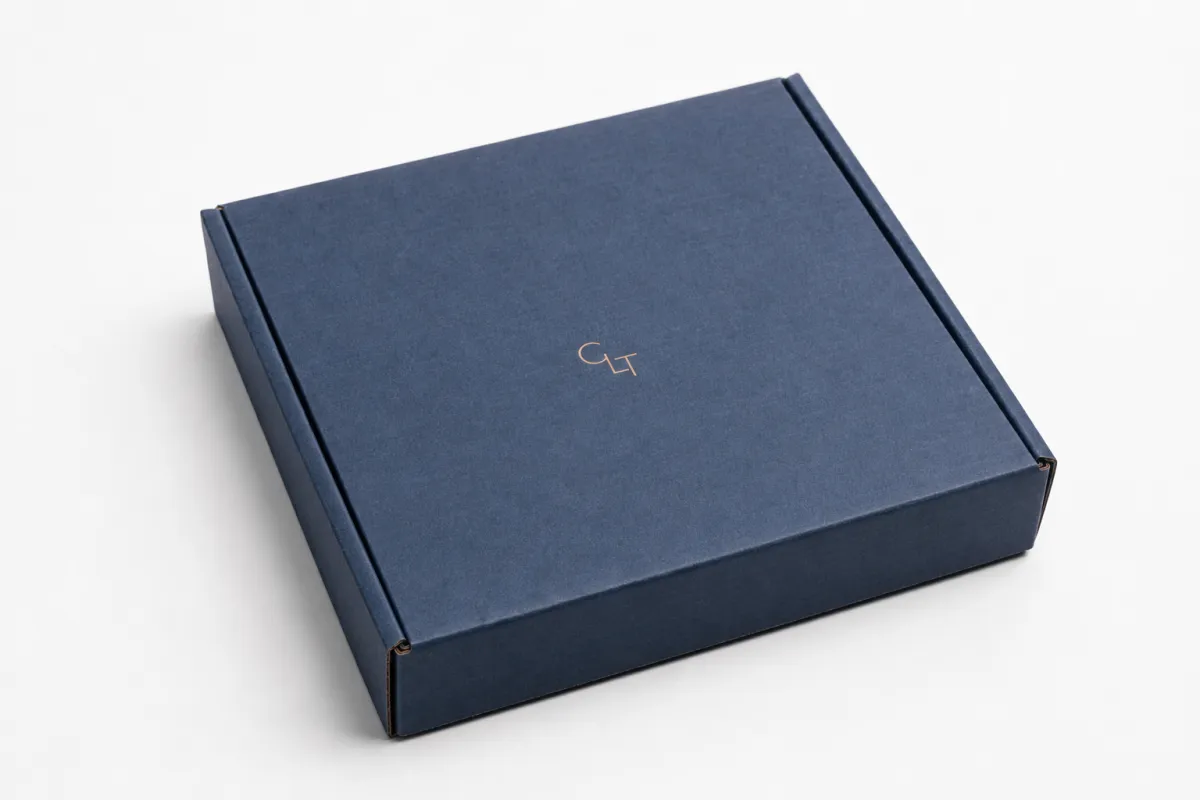
A branded mailer box factory is not just a place that puts a logo on corrugated board and ships it out the door. It is where structure, print, material choice, and shipping reality have to line up, because the box still has a job to do after the artwork is approved. That sounds straightforward until you see how often a box fails because one small decision was off: the board is too light, the dieline is loose, the closure does not bite cleanly, or the finish looks fine in a mockup but scuffs the moment it meets a warehouse floor.
For ecommerce brands, subscription programs, and retail shipments, the box is often the first physical thing a customer handles from the brand. That makes the branded mailer box factory a lot more important than people assume. Fit, board strength, print clarity, and surface finish all shape the first impression before the product is even visible. A box that opens neatly and holds its shape says someone cared. A box that bows in the middle or crushes at the corners says the opposite, and customers catch that kind of thing faster than most teams expect.
There is a real gap between packaging that photographs well and packaging that survives the shipping lane. Those goals overlap, but they are not the same. A sharp logo on a weak structure is still a weak structure. A plainer mailer with the right board, the right fold behavior, and a clean closure often does more for the brand than a flashy box that comes apart in transit. After enough packaging work, you stop getting dazzled by the shiny stuff and start respecting the boring details, because the boring details are usually doing the heavy lifting.
That is why a branded mailer box factory should be treated like a packaging partner, not a vendor you call after every other decision is locked. The strongest programs start with product dimensions, product weight, shipping method, and the kind of unboxing experience the brand actually wants to create. Graphics and finishes matter, sure, but they sit on top of the structure rather than replacing it. A good packaging brief keeps the project grounded in reality and keeps the budget from drifting into features that do not improve the result.
A pretty box that fails in transit is not premium packaging. It is expensive confetti with a logo on it.
In practice, experienced buyers ask three questions before they place an order with a branded mailer box factory:
- Does the box fit the product tightly enough to prevent movement?
- Will the board, glue, and finish survive the actual shipping lane?
- Does the box support the brand without adding avoidable cost?
If those answers line up, the box is doing real work. If they do not, the packaging is decoration with a freight bill attached.
How a Branded Mailer Box Factory Works
A branded mailer box factory usually starts with a brief, not a production run. That brief should include product dimensions, product weight, shipping method, expected order quantity, artwork files, and any special requirements such as inserts, coatings, or tamper-evident features. From there, the factory turns the brief into a dieline, which is the structural map of the box. Dielines matter more than many first-time buyers expect. A measurement that is off by a few millimeters can lead to weak locking tabs, awkward gaps, poor folding, or a closure that never quite feels finished.
Once the brief is in place, the factory moves into structural checks and sampling. A capable branded mailer box factory will review board grade, flute type, lock design, tuck depth, and fold behavior before mass production starts. That is usually where the quiet mistakes get caught. Artwork can be corrected if a logo shifts or a color needs a small adjustment. A weak structure is harder to forgive because it affects packing speed, shipping efficiency, and product protection all at once. Factories that only print on fixed templates are fine for simple jobs, but they hit a ceiling fast. Custom inserts, unusual dimensions, and specific opening styles need a supplier that can handle structure, not only surface print.
The process usually follows a familiar path: request, quote, dieline confirmation, artwork prep, sample, approval, production, packing, and shipping. Each step has a decision point. Change the box size and the dieline changes. Change the dieline and the print layout may need to move. Change the insert and the internal fit changes too. That is one reason packaging projects feel slower than people expect. The delay is rarely a lack of activity. A single revision can affect several stages at once, and each stage has to be checked before the next one starts.
Good factories also think about stackability and carton count. A branded mailer box factory is not only making one box; it is making a shipping unit that has to survive palletizing, warehousing, and last-mile handling. Saving 3% on board is not a win if the result is 8% more damage in transit. Packaging math has a blunt way of correcting wishful thinking, and it does not care how pretty the logo looks.
For brands that want a quick comparison point, it helps to look at supplier types side by side. A template-only supplier may offer speed and a lower barrier to entry. A full-service branded mailer box factory can usually handle dielines, inserts, coatings, and a tighter production workflow. If you want to see how those choices play out in real projects, our Case Studies page is a useful place to compare structural decisions and finished results.
Branded Mailer Box Factory Cost, Pricing, and MOQ
The price a branded mailer box factory quotes is usually shaped by five things: size, board strength, print coverage, finish, and quantity. Add inserts or custom tooling, and the quote shifts again. That is normal. What is not normal is a quote that hides half the bill behind vague line items. When you compare suppliers, ask for unit cost, setup fee, tooling fee, sample cost, and landed cost. If the factory cannot separate those pieces, the number is probably cleaner than the actual purchase will be.
MOQ, or minimum order quantity, is where a lot of brands get surprised. A branded mailer box factory has setup work no matter how small the run is. Dies must be prepared, press settings dialed in, and boards staged. That overhead does not shrink just because the order is 300 units instead of 3,000. Small runs tend to cost more per box because the setup is divided across fewer pieces. For many custom mailer programs, the MOQ lands somewhere between 500 and 2,000 units depending on structure and print method, though digital-print jobs can sometimes go lower and more complex builds often go higher.
Here is a practical way to look at typical pricing bands. These are broad estimates for standard sizes and common production conditions, not a promise from the packaging gods.
| Option | Typical MOQ | Rough Unit Price | Best For |
|---|---|---|---|
| Simple kraft mailer with one-color print | 500-1,000 | $0.45-$0.95 | Basic ecommerce shipments, lean branding, lower setup complexity |
| Full-color branded mailer with standard finish | 1,000-3,000 | $0.75-$1.60 | Subscription boxes, gift packaging, retail-ready presentation |
| Premium box with foil, embossing, or spot UV | 2,000-5,000 | $1.30-$3.00 | High-margin launches, luxury kits, strong shelf and unboxing impact |
Those ranges move quickly if the box is oversized, the artwork uses heavy ink coverage, or the order includes a special insert. A branded mailer box factory may also charge more for white-board printing, tight registration, inside printing, or custom cutouts. Freight matters too. A low unit price can turn into a mediocre or even bad landed cost once cartons, pallet space, and transport are included. I have seen brands celebrate a great per-box quote and then lose the savings to shipping because the dimensions were too bulky for the product. That kind of mistake is annoyingly common, kinda like ordering a larger box because it feels safer, then discovering the extra air costs more than the product protection did.
That is why quotes should be compared on the same basis. A fair comparison from a branded mailer box factory should include the production spec, shipping method, carton count, and expected delivery point. Ask whether the price assumes flat-packed boxes, assembled kits, or packed inserts. A difference of $0.12 per unit sounds minor until it is multiplied across 10,000 boxes. Then it starts to look like a very expensive rounding error.
If your brand also ships lighter items and needs a second packaging option, a set of Custom Poly Mailers can sometimes cover part of the assortment at a lower total cost. That does not replace a premium mailer box. It just gives you more control over where the budget goes.
Materials, Printing, and Finishes That Change the Result
The material choice inside a branded mailer box factory does more work than the artwork. Board grade affects stiffness, crush resistance, and how well the surface accepts ink. For many ecommerce projects, E-flute corrugated board is a common starting point because it balances printability and structure. It is usually around 1.5 mm thick, although the exact build depends on the board composition. B-flute, closer to 3 mm, brings more cushion and better strength for heavier kits, but it can be bulkier and more expensive to ship. That extra millimeter or two matters if freight is tied to dimensional weight. Shipping math has a way of making everyone a little less cheerful.
A good branded mailer box factory will match the board to the product rather than to the artwork alone. A lightweight skincare set does not need the same build as a candle bundle or a multi-piece electronics kit. Fragile products deserve actual transit testing, not just a visual check. Standards from ISTA are useful here, especially when a brand wants to move beyond guesswork and confirm whether the package can survive drop, vibration, and compression scenarios. ASTM D4169 is another reference point many teams use for distribution testing.
Printing method changes the result too. Digital printing is usually the fastest route for smaller runs and artwork that changes often. Offset printing makes sense for larger quantities where color consistency and sharp detail justify the setup. Flexographic printing is often used for simpler graphics, one-color branding, and cost control on bigger jobs. A branded mailer box factory that offers all three can steer you toward the process that fits the run instead of forcing one method onto every project. That sounds basic, but plenty of suppliers act like every order is a luxury launch. It is not.
Finishes are where the box becomes expensive in a good way or expensive in a careless way. Matte lamination creates a softer, cleaner appearance. Gloss adds shine and helps colors stand out. Soft-touch feels premium and resists fingerprints better, though it adds cost. Foil stamping, embossing, and spot UV each create a distinct visual break, which is useful when the brand needs a stronger premium signal. The tradeoff is straightforward: more finishing steps usually mean more setup time, more spoilage risk, and more cost per unit.
There is also a sustainability angle that matters more every season. If your packaging brief calls for responsibly sourced paperboard, ask the branded mailer box factory for FSC-certified stock and chain-of-custody documentation. The FSC framework is not a magic badge that fixes poor packaging choices, but it does help buyers verify sourcing claims. That kind of detail matters to retailers, compliance teams, and customers who actually read labels.
The best-looking box is not always the best spec. A branded mailer box factory can build a box that photographs beautifully and still underperforms in the courier lane. The smarter move is to balance appearance with closure strength, board weight, and real product protection. Fancy is fine. Fragile is not.
Production Steps, Timeline, and Lead Time
A branded mailer box factory follows a production sequence that looks simple on paper and gets messy fast if approvals stall. The usual order is briefing, quoting, dieline confirmation, artwork prep, sampling, approval, production, packing, and shipping. Each stage matters. Skip one and the issue usually shows up later, which is packaging’s polite way of saying you should have checked it sooner.
- Briefing: Send product dimensions, product weight, quantity, artwork, and finish preferences.
- Quoting: The factory prices the structure, print method, board grade, and any inserts.
- Dieline confirmation: The box layout is checked before artwork gets locked.
- Sampling: A physical or digital sample is made so fit and print can be reviewed.
- Approval: The buyer signs off on structure, color, and finishing details.
- Production: Cutting, printing, lamination, folding, and packing happen in sequence.
- Shipping: Boxes are palletized or carton-packed for outbound freight.
Lead time depends on the complexity of the job, but the range is still easy enough to frame. Simple custom mailers with standard print often move in about 10-15 business days after approval, assuming the factory is not buried in other work. More complex runs with foil, embossing, or custom inserts can take 15-25 business days or more. Sampling usually adds 3-7 business days, and international freight can add another week or more depending on the lane. A branded mailer box factory that promises impossible speed is usually selling confidence rather than reality.
Delays usually appear in a few predictable places. Artwork revisions are the biggest one. A logo color change or a last-minute legal line can send the proof back for another round. Structural changes behave the same way. A revised insert may sound minor, yet it can alter the closure fit and the packout sequence. Queue time matters as well. If the factory is in a busy period, the order may wait behind other jobs before production begins. That is not negligence. It is capacity.
One practical rule helps more than any clever calendar trick: work backward from the launch date, then add buffer for sample review, reproofing, transit, and the one detail somebody forgot to approve. A branded mailer box factory is much easier to work with when the timeline is realistic. Rushing packaging is a fast way to pay extra for preventable mistakes.
If the packaging needs to pass ship testing, ask the factory to reference the relevant test method before production starts. The branded mailer box factory should be able to explain whether the box is being checked against drop, vibration, or compression expectations, especially if the product is fragile or high value. That is the difference between a box that merely looks like it should work and a box that has been asked to prove it.
Common Mistakes When Ordering Branded Mailer Boxes
The first mistake is approving artwork before the size is final. A branded mailer box factory can usually save a project that is one millimeter off. It cannot save a project where the design was locked to the wrong dimensions and the print now sits on the fold line. That creates rework, delays, and very expensive silence from everyone in the room.
The second mistake is overdesign. Too many finishes, too many ink layers, and too many special effects can push cost up faster than the box becomes more useful. A branded mailer box factory should be able to tell you which visual upgrades matter and which ones are mostly vanity. Sometimes a single strong color, a clean logo, and a well-built structure outperform a box loaded with foil simply because the brand wanted to show off. Most customers do not count finish layers. They notice whether the box looks intentional and arrives intact.
The third mistake is ignoring fit and ship tests. A box that looks perfect on a screen may fail once inserts, product weight, and courier handling are added. The smart move is to test the actual packout. If the product rattles, the insert flexes, or the closure bows, the spec is wrong. A branded mailer box factory that refuses to discuss testing is giving you useful information, even if it is not the answer you wanted.
The fourth mistake is accepting vague quotes. Hidden setup fees, unclear freight assumptions, and “subject to final confirmation” language can turn a cheap quote into a bad purchase order. Ask the branded mailer box factory for a written breakdown. If the supplier cannot explain what is included, assume something is missing. That is not cynicism. That is packaging procurement.
The fifth mistake is skipping a physical sample. For fragile, premium, or high-return products, a sample is cheap insurance. It lets you check board stiffness, print color, closure tension, and the actual unboxing feel. If you want to see how packaging decisions show up in the real world, our Case Studies page gives a clearer picture than any sales deck ever will.
Most of the expensive mistakes are preventable. A branded mailer box factory can only work with the brief it receives. If the brief is vague, the result is usually vague too. Packaging does not reward guessing.
Expert Tips and Next Steps for Your Next Run
Start with the product, not the finish. A branded mailer box factory should get product dimensions, product weight, shipping method, and target quantity before anyone gets excited about foil or spot UV. That is the sequence that keeps packaging grounded. The box has to fit the product first. Everything else follows after that.
Ask for a dieline, a sample, and a written spec sheet. Those three items keep the job honest. A dieline shows the structure. A sample reveals the reality. A spec sheet keeps everyone aligned when the production team, the warehouse team, and the brand team are all looking at different inboxes and pretending that counts as communication. A serious branded mailer box factory will not mind the request. It should expect it.
If you are stuck between two directions, compare a cost-efficient version and a premium version. The cheaper option should cover the essentials: fit, strength, print clarity, and clean assembly. The premium version should earn its price by improving perception, unboxing, or shelf impact. A branded mailer box factory can help you decide whether the upgrade is visible enough to justify the spend. Sometimes the answer is yes. Sometimes the answer is to save the money and put it into better inserts.
Testing a short run before scaling is still one of the smartest moves in packaging. That matters even more if the box will be used across multiple products or fulfillment centers. Different packers handle the same box differently, and one warehouse may need a slightly tighter fit than another. If your assortment changes often, you may want to pair the mailer box program with Custom Poly Mailers for lighter or less fragile shipments. That gives the operations team more room to work without forcing every order into the same packaging format.
Here is the practical action plan I would use with any branded mailer box factory:
- Audit the current packaging and note what fails in transit or looks weak on arrival.
- Set a target budget with a unit cost, setup cost, and landed cost ceiling.
- Confirm MOQ before artwork is finalized.
- Approve the timeline with buffer for sampling and freight.
- Send one clean brief, not five contradictory messages from five people.
The best packaging programs are boring in the right ways. The dimensions are right, the box closes cleanly, the print is consistent, and the freight bill does not make finance grind its teeth. A branded mailer box factory that can deliver that kind of result is doing its job well. If you are about to place a run, start by locking the product fit, the board grade, and the landed cost assumptions before you get pulled into finish upgrades. That one sequence will save more time and money than any flashy add-on ever will.
Frequently Asked Questions
What does a branded mailer box factory do that a regular printer does not?
It handles structure, board selection, print, cutting, and finishing in one production flow. A branded mailer box factory also thinks about crush resistance, stackability, and shipping performance, not just surface graphics. That usually means fewer handoffs, fewer mistakes, and fewer boxes that look good but fail in transit.
How much does a branded mailer box factory charge per box?
Price depends on size, board grade, print coverage, finish, and order quantity. A branded mailer box factory may quote a low unit cost, but setup, tooling, samples, and freight can change the landed number fast. Small runs usually cost more per box because those setup costs are spread across fewer units.
What MOQ should I expect from a branded mailer box factory?
MOQ varies by factory and production method, but Custom Printed Boxes usually have a minimum. A branded mailer box factory that offers digital print or stock-size options may accept smaller runs, while custom structures and premium finishes often push the MOQ higher. If you need a modest run, ask that question early instead of pretending volume is optional.
How long is the turnaround for a branded mailer box factory order?
Simple orders move faster than custom builds with inserts or special finishes. A branded mailer box factory often needs 10-15 business days after approval for straightforward production, while complex jobs can take 15-25 business days or more. Sampling, artwork revisions, and shipping time usually matter more than the actual press time.
What should I send a branded mailer box factory before asking for a quote?
Send product dimensions, product weight, target quantity, shipping method, artwork, finish preferences, and any insert or structural requirements. The clearer the brief, the fewer quote surprises later. A good branded mailer box factory can price accurately only when the job is defined clearly.
If you want the box to do real work, not just look nice on a screen, the branded mailer box factory should be part of the planning process from the start. Lock the fit, confirm the board, verify the freight assumptions, and test one sample before you scale. That is how you end up with packaging that protects the product, supports the brand, and avoids the expensive surprises that come from guessing.

