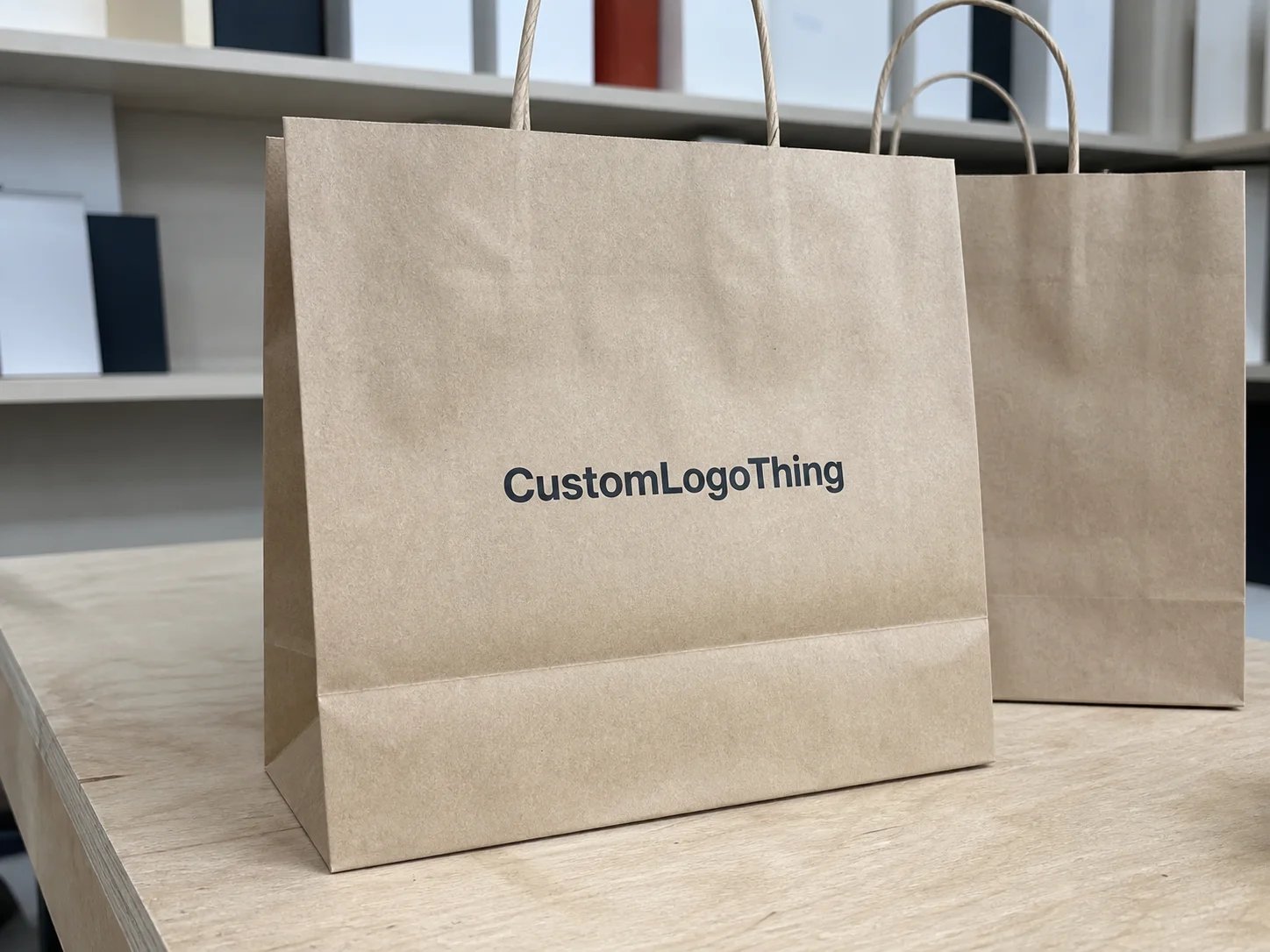
Buyer Fit Snapshot
| Best fit | branded mailing boxes for retail practical for packaging buyers comparing material specs, print proof, MOQ, unit cost, freight, and repeat-order risk where brand print, material, artwork control, and repeat-order consistency matter. |
|---|---|
| Quote inputs | Share finished size, material target, print colors, finish, packing count, annual reorder estimate, and delivery region. |
| Proofing check | Approve dieline scale, logo placement, barcode or warning zones, color tolerance, and any recyclable or compostable wording before bulk production. |
| Main risk | Vague material claims, crowded artwork, or missing packing details can create delays even when the unit price looks attractive. |
Fast answer: Branded Mailing Boxes for Retail Practical: Film, Closure, Print, and Fulfillment should be specified like a repeatable production item. The safest quote includes material, print method, finish, artwork proof, carton packing, and reorder notes in one written spec.
What to confirm before approving the packaging proof
Check the product dimensions against the actual filled item, not only the sales mockup. Ask for tolerance on folds, seals, hang holes, label areas, and retail display edges. If the package carries a logo, QR code, warning copy, or legal claim, reserve that space before decorative graphics fill the panel.
How to compare quotes without losing quality
Compare board or film grade, print process, finish, sampling route, tooling charges, carton quantity, and freight assumptions side by side. A lower quote is only useful if the supplier can repeat the same color, closure quality, and packing count on the next order.
Branded Mailing Boxes for Retail: A Practical Guide That Works
A plain shipper gets the parcel from one place to another and then quietly disappears into the background. Branded mailing Boxes for Retail do something a little different: they carry the logo, the color system, the product story, and the first unboxing moment from the packing bench all the way to the front door. That matters even for small, light, easy-to-ship items, because the carton is often the first physical proof that the customer bought from a brand with a point of view, not just a product in transit.
From a packaging buyer’s point of view, the box has to do three jobs at once: protect the product, reinforce the brand, and fit the fulfillment workflow without slowing pack-out. Miss one of those, and the packaging starts to cost more than it should. Get all three right, and branded mailing boxes for retail become one of the few packaging choices that can raise perceived value while still supporting day-to-day operations.
I have sat through enough pack-out tests to know that a gorgeous carton on a render can fall apart fast in real life. A structure that looks elegant on screen may be too fiddly on the line, or too light once it starts moving through courier sortation. That is why the best results usually come from teams that know the product dimensions, shipping lane, print method, and opening experience before artwork is ever approved.
Why branded mailing boxes for retail matter at the doorstep
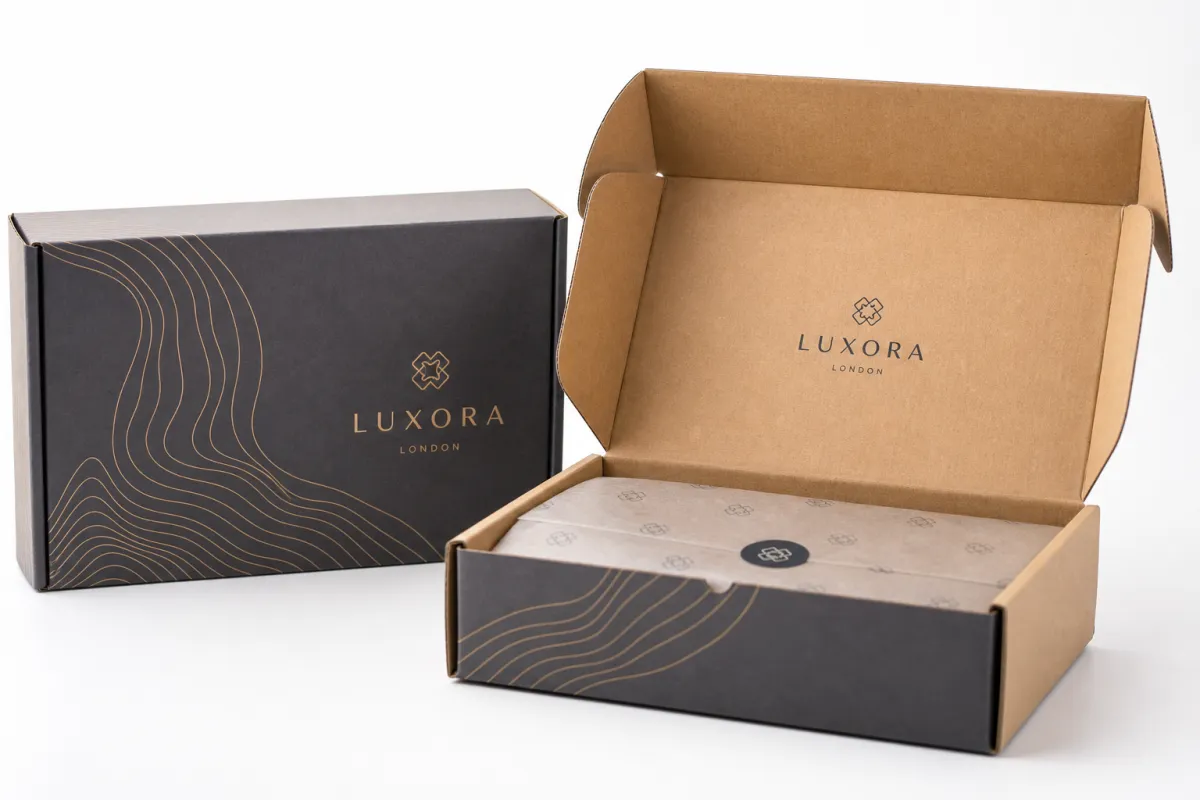
Most customers never think about corrugated board, caliper, or edge crush rating. They notice how the parcel feels when it arrives. A clean, well-proportioned box tends to look intentional; a plain brown mailer often feels forgettable. That is the first reason branded mailing boxes for retail matter so much: they turn the doorstep into a continuation of the store experience instead of a separate, anonymous shipping event.
There is also a practical side to that impression. Better-looking parcels are often handled more carefully, photographed more often, and kept around longer in the home. That does not guarantee perfect treatment, of course, but in practice a box that looks like it belongs to a brand tends to receive more respect than a box that looks like it came off a generic shipping dock. For branded mailing boxes for retail, that can translate into fewer cosmetic complaints and more organic sharing.
The deeper point is that retail packaging is not just a container. It is a message, a protection system, and a workflow component all at once. When the carton lands in the customer’s hands, it should feel like it belongs to the product, not like an afterthought that happened to be available in the warehouse.
A box that looks premium but slows pack-out is not premium in practice; it is just expensive board.
From a retail planning standpoint, the box has to work upstream too. The right design makes picking easier, supports stable stacking in transit, and reduces the temptation to add excess void fill just to make an undersized structure behave. That is one reason Case Studies can be useful when you are comparing packaging decisions; the numbers behind production speed, damage rates, and repeat-order behavior usually tell the real story.
When the box is designed well, customers usually never think about the mechanics. That is exactly the point. Branded mailing boxes for retail should feel effortless to the customer while still being disciplined enough for fulfillment teams to assemble quickly and ship consistently.
How branded mailing boxes for retail work from artwork to delivery
A mailer box is more than a printed shell. It starts with a dieline, and the dieline starts with the product. Board choice, fold style, closure method, print placement, and any insert or locking tab all have to be built around the real shipping dimensions, not the dimensions someone sketched in a mood board. That is why branded mailing boxes for retail should be treated as engineered packaging, not just graphics with flaps.
The basic structure is usually straightforward: a one-piece mailer with a tuck closure, roll-end mailer, or similar folding construction. From there, the specifications do the heavy lifting. A lighter product might do well in 16-24pt paperboard or a light corrugated setup, while a product that needs better stacking strength may be better served by E-flute or B-flute corrugated with a stronger edge crush rating. If the item is fragile or irregularly shaped, inserts, partitions, or product restraint features matter as much as the outer print.
Branding can be applied in several ways. Some teams want a one-color logo and a flood coat, which keeps cost controlled and still looks intentional. Others want full-coverage graphics, inside-panel printing, spot varnish, soft-touch lamination, or foil accents. The finish should match the actual brand personality, not just the spreadsheet. A utility-driven brand may look better with restrained graphics, while a premium retailer may want a richer interior reveal that makes branded mailing boxes for retail feel like part of the product itself.
Shipping realities matter just as much as decoration. A box should survive courier sorting, stacking, vibration, and the occasional drop without opening on its own or crushing at the corners. For transit testing, many teams reference the procedures published by ISTA, especially when they want a clear framework for compression, drop, and vibration checks before a full rollout.
The strongest branded mailing boxes for retail are usually the ones that ship flat, assemble quickly, and protect the product with minimal fuss. The box should be easy for staff to build, easy for the customer to open, and strong enough to hold its shape across the actual parcel network. If any one of those pieces is weak, the print alone will not rescue the experience.
If you are still comparing packaging formats for different SKUs, the broader lineup of Custom Packaging Products can help frame the decision. For lighter items that do not need a rigid box, Custom Poly Mailers may make more sense on cost and speed, while heavier or more giftable products usually justify a mailer box.
Cost, pricing, MOQ, and quote factors for branded mailing boxes for retail
The price of branded mailing boxes for retail is driven by a handful of variables that buyers can actually control. Size is the first one. Bigger boxes use more board, take up more freight space, and often need a sturdier structure to hold their shape. Print coverage is next. A one-color logo on kraft board is a very different cost profile from a full-color wrap with inside printing and a specialty finish. Add inserts, coatings, or a custom dieline, and the numbers move again.
MOQ matters because setup costs do not scale nicely at very low volumes. Plates, dies, press setup, and prepress work are spread across the run, so a small order can look expensive on a per-unit basis even when the total invoice is modest. For that reason, custom runs often become more efficient around 500 to 1,000 units for simpler builds, while more traditional production methods may favor 1,500 to 3,000 units or more, depending on size, finishing, and supplier setup.
Here is the tradeoff buyers sometimes miss: a slightly higher-cost box can still be the smarter financial choice. Better presentation can support stronger repeat purchase behavior, fewer damage claims, and a cleaner premium price point. In other words, branded mailing boxes for retail are not just a packaging expense; they are part of the customer’s impression of value.
These ranges are broad on purpose. Freight region, board availability, print method, and whether the supplier is quoting a stock base or a true custom run can swing the numbers quite a bit. If a quote looks unusually low, I would check the assumptions twice before getting excited. There is usually a reason.
| Option | Typical Use | Approx. Unit Price | Typical Lead Time | Notes |
|---|---|---|---|---|
| Stock-size mailer with one-color logo | Light retail goods, simple branding | $0.55-$1.10 | 10-15 business days | Lower setup cost; best for repeatable sizes |
| Custom dieline with full-color exterior | Giftable retail items, stronger shelf appeal | $1.20-$2.10 | 12-18 business days | Needs tighter artwork control and proofing |
| Heavy-duty mailer with insert and inside print | Fragile or premium products | $1.80-$3.50 | 15-25 business days | More protection, more setup, more visual impact |
When comparing quotes, ask the same questions every time: What are the exact finished dimensions? What board grade is being used? How many colors are on the press? Is freight included? Are samples included? Is the quote based on the actual shipping spec or just a similar-looking box? Those details can change the real cost of branded mailing boxes for retail by a surprising amount.
If sustainability claims are part of the buying conversation, it helps to understand the certification side too. The FSC framework is one recognized reference for responsibly sourced fiber, but it does not tell the whole story by itself, so buyers should still ask for the exact paper spec, recycled-content level, and chain-of-custody documentation they need.
One more useful habit: compare landed cost, not just unit price. A box that saves three seconds at packing can improve labor cost. A box that reduces damage can save returns. A design that ships flatter may lower freight. Branded mailing boxes for retail deserve that kind of total-cost review.
Process and timeline: from concept to production steps
The cleanest projects begin with final product dimensions, weight, fragility, and fulfillment method. If those inputs are still moving, the packaging will move too. A retail team can save a lot of time by locking the product spec first, then building the box around it. That approach keeps branded mailing boxes for retail aligned with reality instead of forcing last-minute redesigns.
A typical workflow looks like this: define the product, choose the construction, approve the dieline, develop artwork, review the proof, produce a sample, and then release the order to manufacturing. Each step sounds simple, but time is usually lost where one team assumes another already handled the details. Artwork that is built before the dieline is final often needs to be moved. Logos that are too close to folds get clipped. Copy that looked fine on screen may not survive the actual panel size.
Timeline also depends on the order type. A repeat order using an existing dieline and approved art can move fairly quickly. A new structure with custom inserts, multiple print sides, or a finish that needs extra drying time will take longer. For many custom mailer projects, a realistic window is often 10 to 20 business days from proof approval, with more time needed if sampling or structural testing is part of the process.
It helps to treat the proof as a control point, not a formality. Check panel order, fold direction, barcode placement if applicable, ink coverage on the seam, and the exact fold-up method. If the box needs to hold a product insert, test the fit before you approve final manufacturing. That is especially true for branded mailing boxes for retail that have to go from flat pack to finished carton thousands of times without slowing the line.
A practical rule: the later the change, the more expensive the change. If artwork shifts after proofing, production usually stops for clarification. If dimensions change after the sample is made, the dieline may need to be rebuilt. If the shipping requirement changes midstream, insert testing may need to start over. All of that is normal, but it is also avoidable when the team documents the essentials early.
I have seen simple projects get delayed for days because nobody wrote down the exact product height before the first proof was pulled. That kind of thing sounds minor until you are sitting on a stack of boxes that no longer close correctly. It is a small oversight, but it can snowball fast.
Key design and material factors that make or break performance
Material choice shapes both the look and the behavior of the box. Corrugated board gives more structure and protection, which is why it remains the go-to choice for many shipping applications. Paperboard-style mailers can work well for lighter retail items or cosmetics, especially when the goal is a refined presentation with less bulk. The right choice depends on weight, fragility, and how much stress the package will see in transit.
Size control is equally important. An oversized carton wastes board, increases shipping cost, and gives the product room to shift. An undersized carton can crush corners, interfere with closing tabs, or create a pack-out process that feels clumsy. For branded mailing boxes for retail, the sweet spot is usually a snug fit with just enough clearance for inserts, tissue, or a small amount of protective material.
Branding decisions should feel intentional. A color system with strong contrast is easier to recognize at a glance. Typography should stay legible on the box’s actual panel size, not just in the design file. Interior printing can be a smart place to add surprise or reinforce the message after opening, while tactile finishes like soft-touch lamination or a matte aqueous coat can support a more premium feel without making the box kinda precious.
Structure also affects the opening experience. Tabs need the right amount of friction, not too loose and not too stiff. Tape may or may not be necessary, depending on the closure style and the shipping lane. If the box is expected to survive parcel handling, stacking in a back room, or multiple touchpoints before final delivery, the construction should be built for that reality. That is where branded mailing boxes for retail either earn their keep or expose weak planning.
One thing I always tell buyers: do not judge a carton by the render alone. Real board has memory, real folds create tension, and real print on a real substrate never looks exactly like a mockup. A sample is the only honest way to see how the package behaves once it is actually folded, closed, and handled.
For a packaging team that wants more guidance on choosing formats, the broader category view in Custom Packaging Products can help compare rigid, folded, and flexible options side by side. Some products need a box because the unboxing is part of the purchase. Others are better served by lighter formats when speed and freight efficiency matter more than structure.
The best-looking box is not always the best-performing one. A strong retail mailer usually balances board strength, print restraint, opening ease, and transportation realities in one package. That balance is what makes branded mailing boxes for retail useful instead of merely decorative.
Common mistakes with branded mailing boxes for retail
One of the most common artwork mistakes is building graphics before the dieline is final. Logos end up crossing seams, copy lands too close to folds, and important marks get buried in a glue flap or tuck area. For branded mailing boxes for retail, that kind of error is easy to avoid once someone checks the actual panel map instead of just the artwork preview.
Another mistake is choosing a box because it looks good on a screen, then discovering it performs poorly in the pack room. The product may need more restraint, a different board grade, or a different closure. If the item rattles inside the carton, the experience suffers and the package often needs extra filler to compensate. That usually creates a less polished result than a properly sized structure would have delivered in the first place.
Cost mistakes are just as common. Some buyers chase the lowest quote and forget to compare freight, setup charges, insert costs, or the effect of a low MOQ. A quote that looks cheap on paper can become expensive once the real line items show up. The smarter approach is to compare like with like: same dimensions, same print method, same board, same finishing, same assumptions. That is the only fair way to judge branded mailing boxes for retail.
Operational mistakes can be subtler. A design might assemble well in a sample room but slow down the packing line once volume rises. The stack may collapse in storage. The lid may pop open under vibration. The box might be reused by customers more often than expected, which is great if the branding holds up and not so great if the print scuffs easily. These are the kinds of details that separate decent packaging from packaging That Actually Works.
Two quick fixes help prevent most of these problems. First, test the sample in the real workflow, not just on a table. Second, get the product and shipping criteria locked before design begins. That is how many teams avoid expensive rework on branded mailing boxes for retail and keep the approval cycle under control.
Expert tips and next steps for branded mailing boxes for retail
Start with a packaging audit. List the finished SKU dimensions, product weight, fragility level, fulfillment method, expected shipping distance, and the unboxing impression you want the customer to remember. That short worksheet prevents a lot of guesswork. It also gives the supplier a cleaner brief, which usually leads to better recommendations for branded mailing boxes for retail.
Ask for a dieline and a sample early. You want to see the real panel sizes, fold directions, and closure behavior before you approve full production. If the box includes inserts, test the insert fit at the same time. A sample is also the easiest place to check print placement, especially if your logo needs to stay clear of seams or if your art has a strong border that would look uneven when folded.
Build a quote sheet that compares like for like. I would include box style, dimensions, board grade, print colors, finish, insert requirements, MOQ, sample cost, freight assumption, and lead time. That level of clarity helps you decide whether to optimize for lower unit cost, stronger shelf appeal, or better transit protection. In many cases, branded mailing boxes for retail are worth a slightly higher price if they reduce damage and improve the customer’s first physical impression.
For teams doing this for the first time, the safest move is simple: lock the product dimensions, choose the box structure, confirm the print method, and run a physical pack-out test before ordering the full run. That sequence catches most of the expensive mistakes while there is still time to fix them.
From there, the next steps are practical:
- Gather product specs and shipping requirements.
- Choose the box style that matches the weight and opening experience.
- Request pricing with the same dimensions and print assumptions.
- Review a proof and a sample before approving production.
- Plan a reorder point so inventory does not run thin during a sales push.
If you want to see how those decisions play out across different packaging formats, our Case Studies page is a good place to look for practical comparisons. You can also review the broader assortment in Custom Packaging Products if you are still deciding whether a mailer box, a folding carton, or another format fits the product better.
The strongest programs are the ones that treat packaging as part of the product, not just part of shipping. When the dimensions are right, the print is disciplined, and the workflow is smooth, branded mailing boxes for retail can support presentation, protection, and operational efficiency at the same time. The takeaway is simple: lock the real product spec first, then build the box around it, because that is what keeps the finished mailer looking good and working hard once it is out in the wild.
What are branded mailing boxes for retail usually made from?
Most are made from corrugated board or heavier paperboard, depending on the product weight, fragility, and shipping distance. Corrugated is the better choice when the carton needs more crush resistance, while lighter board styles can work well for compact goods that do not need as much structural protection.
How do I choose the right size for branded mailing boxes for retail?
Start with the finished product size, then add only the clearance needed for inserts, cushioning, and easy packing. Oversizing creates more empty space, higher freight cost, and a package that feels less polished, so the goal is a controlled fit rather than extra room.
What MOQ should I expect for branded mailing boxes for retail?
MOQ depends on the print method, structure, and supplier setup, but custom runs usually become more efficient as volume rises. Ask whether the MOQ changes for repeat artwork, stock sizes, or a two-stage order that starts with samples before full production.
How long does production take for branded mailing boxes for retail?
Timeline depends on artwork readiness, sample approval, and whether the box uses a new dieline or an existing structure. Simple repeat orders can move faster, while new designs often need extra time for proofing, testing, and manufacturing.
Are branded mailing boxes for retail worth the higher cost?
They are often worth it when the box supports stronger branding, fewer damage claims, and a better customer experience. The value is not just decoration; it is the combination of presentation, protection, and smoother retail fulfillment that makes the spend worthwhile.