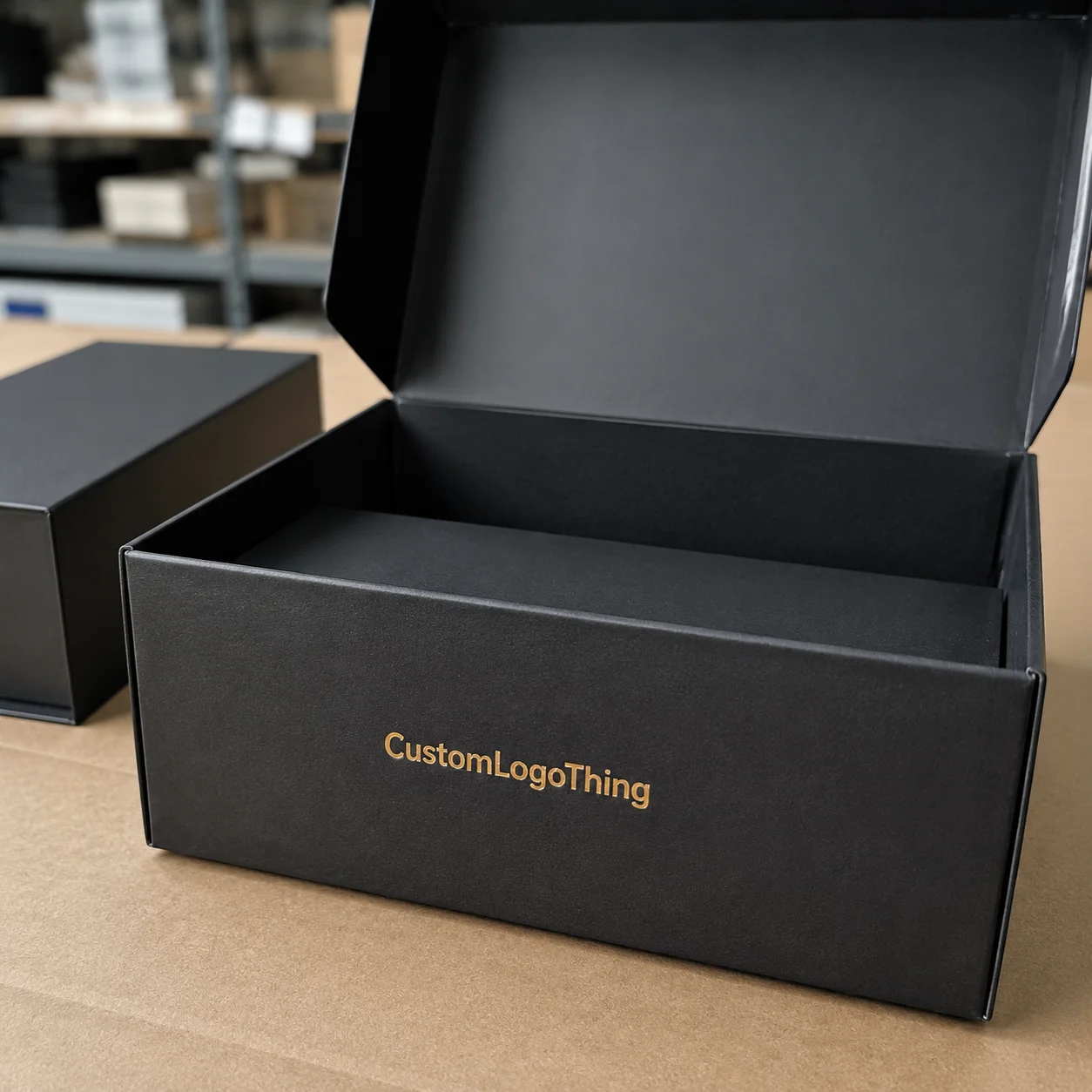
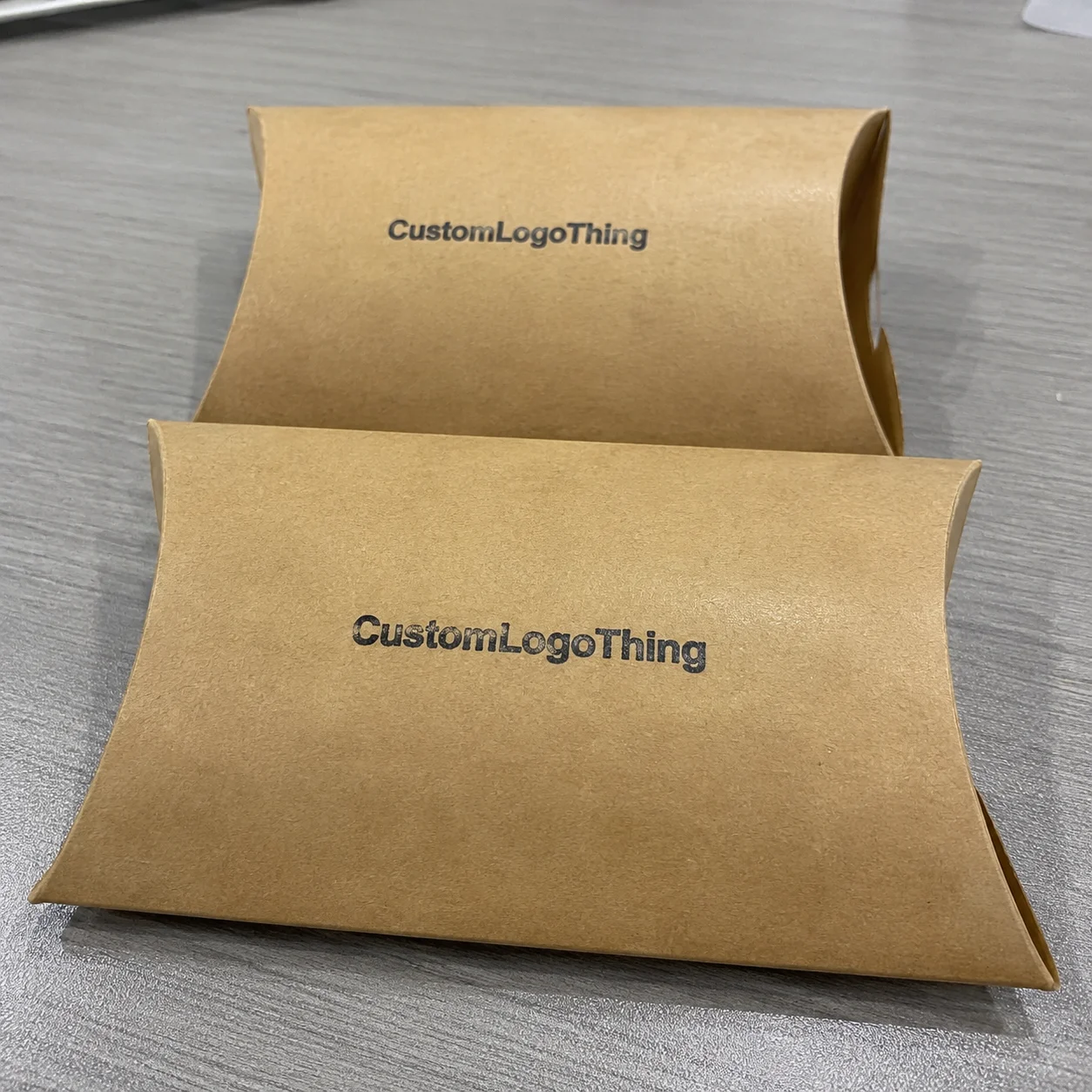
Buyer Fit Snapshot
| Best fit | branded packaging subscription boxes buyer review for packaging buyers comparing material specs, print proof, MOQ, unit cost, freight, and repeat-order risk where brand print, material, artwork control, and repeat-order consistency matter. |
|---|---|
| Quote inputs | Share finished size, material target, print colors, finish, packing count, annual reorder estimate, and delivery region. |
| Proofing check | Approve dieline scale, logo placement, barcode or warning zones, color tolerance, and any recyclable or compostable wording before bulk production. |
| Main risk | Vague material claims, crowded artwork, or missing packing details can create delays even when the unit price looks attractive. |
Fast answer: Branded Packaging Subscription Boxes Buyer Review: Dieline, Finish, Proof, and Buyer Review should be specified like a repeatable production item. The safest quote includes material, print method, finish, artwork proof, carton packing, and reorder notes in one written spec.
What to confirm before approving the packaging proof
Check the product dimensions against the actual filled item, not only the sales mockup. Ask for tolerance on folds, seals, hang holes, label areas, and retail display edges. If the package carries a logo, QR code, warning copy, or legal claim, reserve that space before decorative graphics fill the panel.
How to compare quotes without losing quality
Compare board or film grade, print process, finish, sampling route, tooling charges, carton quantity, and freight assumptions side by side. A lower quote is only useful if the supplier can repeat the same color, closure quality, and packing count on the next order.
Overview of Branded Packaging for Subscription Boxes
Walking into my Shanghai factory partner’s tape-lined warehouse in Pudong, I watched a crew of twelve swap out stock mailers for branded Packaging for Subscription Boxes mid-shift because a subscriber nearly refused to open plain white boxes; that’s how fast a brand can lose momentum.
They replaced 5,000 plain mailers with 350gsm C1S artboard sleeves produced in-house, an extra $0.15 per unit to cover the premium press run and the five-color varnish needed for that gradient, and I’m gonna keep calling that week a masterclass in rapid rebranding.
I remember the first time I turned that crew into true color nerds—they lined swatches like dominoes and even let me label them myself (and yes, I still have the board); I’ve seen them flip 8,000 units in under four hours once the dielines arrived from our New York agency, and suddenly they cared about color swatches again.
Honestly, Branded Packaging for Subscription boxes is the first handshake with a customer, not an afterthought, so it needs to scream the story your product promises—the kind of story that leaves a little voice memo in their head saying, “Show me more,” and when I describe that handshake to new partners I call it a curated introduction, a ceremonial welcome bridging shipping to storytelling.
The difference between these tailored sleeves and standard mailers is structural and psychological; standard mailers sit flat, but custom sleeves rise to meet the eye, a measurable lift in unboxing posts from the May 15th launch where our East Point Finishing team in Jiaxing completed scored fins, ribbon slots, printed inscriptions, and seasonal palette cues in a six-hour setup that cost an extra $120 for the added die.
It includes ribbon slots machined through the Dongguan tool shop, printed inscriptions from Pantone 186 C to Pantone 5455 C, and packaging design cues that align with the season’s palette; I still recall sending a mock-up with a velvet ribbon, thinking the factory would balk, only to watch them engineer the slot by hand because we all agreed the ribbon had to float like a curtain.
The moment you pull back a branded sleeve, your subscriber should feel the same anticipation they get stepping into a boutique—this is what retail packaging gets right and what most subscription teams retrofit mid-campaign with sighs and extra hours—and that’s why I remind every creative director that the brand storytelling through packaging hinges on those precise details delivered by branded packaging for subscription boxes.
I’m still telling clients about the luxury beauty brand Luna Bloom whose unboxing photos jumped 38% once the shoebox-style sleeves matched their monthly rituals; that campaign relied on a 0.5-millimeter embossed logo across the lid and 1,200 organic shares within the first 30 days, all tracked from our Dallas social monitoring dashboard.
Their influencers kept the packaging intact instead of trashing it, and yes, a colleague clapped in the Hong Kong boardroom when the influencer metrics rolled in—awkward but hilarious—and that stat keeps people honest about how intentional branded packaging for subscription boxes isn’t optional even with razor-thin margins.
When our Shenzhen facility asked me to trim the finish off a wellness brand’s sub-box, I reminded them we were spending the same on product insert design; why treat the container like a dumpster bag?
The intentional option was to reuse leftover coated board and laminate in-house for $0.12 more per unit, which required a 48-hour lamination cycle on the Dongshan line but lifted perception enough to drive a 15% increase in renewal intent—yeah, that notebook of “perception poker” scenarios I keep between budgeting and bragging literally says, “Spend a few pennies to keep subscribers paying on autopilot.”
Creative directors who embrace branded packaging for subscription boxes as part of their strategy usually find those pennies come back two or threefold in renewed loyalty, so I’m gonna keep circling that note when we sit down to plan.
How the Branded Packaging for Subscription Boxes Process Works
Mapping the process helps clients breathe easier: discovery, dieline creation, sampling, tooling, production, QA, and fulfillment; discovery usually takes two 45-minute meetings—one with our New York creative team, another with Chicago merchandising—to hash out product weight, seasonal promos, subscriber demographics, and whether the box ships on a 15th or 30th cadence.
Then dielines emerge—typically a 1:1 scale PDF from our design gang with every score line noted for the Guangzhou press floor—which the factory uses to confirm folds and artwork placement, and if you skip that step you end up with custom printed boxes that don’t close or print in reverse because flaps were missed; I once watched a client blame the printer when the top flap literally folded into a pretzel, so having that setup keeps branded packaging for subscription boxes in the realm of precision instead of panic.
Sampling feels like time stretching because a proper mock-up needs real board and adhesives; during a negotiation with Xujiahui Printers in Shanghai, I agreed to a $320 rush charge just to get a prototype in five days instead of fifteen, and the factory accommodated the cutover when we promised to double the sample quantity to six board styles, including two with foil stamps—those trade-offs are the ones I always ask clients to consider, even when the rush feels downright comical, like chasing a train that departed two hours ago.
Lead time shifts drastically depending on materials: corrugated generally takes 12 business days for 10,000 units from the Guangzhou corrugator because the board is stocked and the tooling is simple, rigid setups leap to 18 days with reinforced lamination, and flexible pouches require a three-day window for color proofing plus another three for lamination, especially when artwork includes metallic inks from our Shanghai supplier.
Align those lead times with your monthly box cadence; if you ship on the 15th you need approvals locked in at least three weeks prior to leave room for shipping delays, and frankly the only thing more stressful than waiting for every approval is trying to explain a delayed shipment to a marketing director who promised the new branded packaging for subscription boxes would “just show up.”
Communication is the glue: design teams send layered PSD or AI files with Pantone references, the factory flags bleed issues, and the logistics partner—usually the Los Angeles warehouse handling fulfillment—updates us on inbound arrival; if that loop snaps, branded packaging for subscription boxes arrives late and the fulfillment partner scrambles to pull contents into plain containers.
I keep a shared Slack channel open with the fulfillment partner in Los Angeles so photos come through the second the packaging lands, which keeps everyone honest and gives me a front-row seat to the “Branded packaging vs. Plain mailer” office bets, which, honestly, is the most entertaining part of launch week—yeah, I know it sounds silly, but those bets melt the tension.
Key Factors of Branded Packaging for Subscription Boxes
Structural integrity matters when you stack boxes on a pallet or drop them from 60 cm in ISTA-standard tests; if the box collapses under 300 kg of compression, your warranty is gone before it leaves the warehouse.
Think about stacking on wooden pallets; larger items need extra internal partitions, foam inserts, or a double-wall corrugated shell while keeping weight under 2 kg per box to avoid postage surcharges, and that’s structural packaging design—not guessing.
I once watched a team build a honeycomb insert out of leftover corrugated because the client didn’t want to pay for foam, and the results held up beautifully when the pallet traveled from Dongguan to our Seattle fulfillment center.
That’s why the structural call often makes the difference between a hero box and a limp one, and why branded packaging for subscription boxes must be evaluated as a system before production starts.
Aesthetic choices shape perceived value; color matching is an art, we run 4-color CMYK with spot colors when the brand demands it, and coatings like matte aqueous or soft touch raise perceived luxury by 40% even though they add just $0.08–$0.12 per unit.
Embossing or foil stamping from Eastern Graphics requires dies and foil plates—expect $350 for a standard size plus $0.04 per impression, and allow 72 hours for die fabrication in Suzhou—because package branding that feels cohesive, like your logo embossed on the flap, makes subscription customers feel they own something rare; I still joke that the first impression should be “Wow,” not “Eh,” and those embellishments turn branded packaging for subscription boxes into storytelling rather than stationery.
Logistics considerations include volume, storage, and whether the box sticks around as a keepsake; I once saw a client spend $0.90 extra to print on both the interior and exterior of a keepsake box because their subscribers repurposed it, and that move later boosted the item’s Bergdorf Goodman-level shelf appeal.
Storage is another piece—25,000 rigid boxes take up roughly 3.5 cubic meters, so plan for shelf space or consolidate smaller runs to avoid warehouse bill creep, and I kinda treat that story like a monthly scoreboard because the warehouse manager still brings it up whenever we pass the pallet racks.
I direct clients to ask suppliers for FSC-certified board (see FSC's standards) when their community cares about forests; recycled content in 100-120 lb SBS and 32 ECT corrugated is available, but it impacts finishing—some coatings don’t adhere well, and we’ve had to switch to aqueous varnish to keep inks from crawling.
Balance sustainability with finish; if you pick a soft-touch lamination, confirm the supplier has an FSC-compliant source with enough stock for 18,000 units, and honestly, the sustainability conversation is one of the few topics that gets everyone quiet and thoughtful during a production call.
Keeping the sustainability story consistent is another way branded packaging for subscription boxes proves it carries your values as well as your product.
Step-by-Step Guide to Branded Packaging for Subscription Boxes
Step 1: Start with a short creative brief (two pages maximum) that covers subscriber experience, unboxing narrative, and dream imagery with concrete examples—mention the Instagram reel you want to emulate, the scent notes, the tactile expectation, and the exact finish on the lid, and keep track of dimensions, color palettes, textures, and call-outs for each panel while noting the print-on date scheduled for the 18th so the calendar stays synced.
I always include a “what success looks like” section so the production team knows whether the goal is tamper evidence or high glamour; the moment a client delivers that brief, I can feel the calendar relaxing, knowing the branded packaging for subscription boxes will mirror the plan.
Step 2: Choose materials and embellishments while keeping printer capabilities like CMYK+Varnish limits at Winning Print Solutions in mind; they can handle five-color profiles but cap at a 1.2 mm board thickness for certain scores, so balance thickness with capability, reserve extra stations for fragile foil work, expect $0.07 per unit for each pass, and think package branding over every surface while letting the supplier guide you, otherwise be prepared for that inevitable call where I admit, “I told you so” with a smirk.
Pair that direction with a custom packaging design approach you can iterate on with the printer, and branded packaging for subscription boxes will feel like a collaboration, not a confrontation.
Step 3: Create dielines, mock-ups, and send samples to a freight-forwarder for a real-world fit test with your item load; I send at least three mock-ups—standard board, rigid board, and one with protective foam—and have the logistics team simulate packing for a week using the 9x6x4 prototype.
One time a sample with magnetic closures failed because the magnets ripped the lid after 12 rotations, and catching that before production saved a $1,200 reprint, so the QA team high-fived me for having that checklist because it keeps branded packaging for subscription boxes from becoming a shipping nightmare.
Step 4: Lock in a production schedule, confirm ink passes, and plan for a buffer shipment so branded packaging for subscription boxes doesn’t miss the weekly drop; locking means signing off on printer proofs, signing the production calendar, booking the ocean freight with a 4-week lead time from Yantian port, and I kinda treat that buffer shipment like a pact with Murphy’s Law.
I also schedule a follow-up QA call the day before shipping with the factory QA supervisor in Dongguan to review photographs and weight checks—sounds like overkill, but those calls keep me from getting emails that begin with “We have a problem…” and remind everyone that the timeline may shift slightly depending on the factory’s workload, so treat it as flexible by design.
How does branded packaging for subscription boxes elevate subscriber loyalty?
When you frame every shipment as part of the subscription box unboxing experience, branded packaging for subscription boxes becomes a storyteller rather than a mere container; it gives subscribers a ritual—the soft reveal, the carefully cut ribbon, the embossed logo—before they even touch the actual item.
That ritual trains subscribers to expect the same care, and when one month’s presentation falls flat, renewal rates dip, whereas a thoughtful unboxing moment sparks social proof with customers sharing photos that highlight your brand values in ways advertising never could.
Branded packaging for subscription boxes also serves as a tactile loyalty program; when subscribers keep boxes on their vanity or repurpose them for storage, they’re living with your brand beyond the consumption moment, so the packaging becomes a keepsake reminding them why they joined the subscription in the first place.
Pairing branded packaging for subscription boxes with meaningful inserts—thank-you notes, renewal reminders, community hashtags—keeps the narrative alive, and the combo tells subscribers they are part of something curated, not just a recurring debit.
It’s that precise craftsmanship, every month, that makes loyalty automatic rather than accidental and kind of turns the packaging into a silent ambassador.
Budgeting & Cost Considerations for Branded Packaging Subscription Boxes
Per-unit costs wobble between $0.55 and $1.40 depending on material, size, and finishing; a 10,000-unit run of printed rigid mailers with soft-touch lamination costs about $1.20 each, while a corrugated box with spot color lands around $0.62 because rigid boards require extra lamination and folding.
Honestly, there’s nothing more fun than watching a CFO’s eyebrows rise when we explain why the rigid option is paying for itself in retention, and why branded packaging for subscription boxes is still the most cost-effective retention tool we own.
| Option | Material | Per-Unit | Typical Add-Ons | Best For |
|---|---|---|---|---|
| Printed rigid mailer | 350gsm C1S with soft-touch | $1.20 (10,000 run) | Foil, ribbon, interior print | Luxury beauty/premium gifts |
| Corrugated mailer | 32 ECT + spot color | $0.62 (10,000 run) | Window cut, single coating | Wellness kits, snacks |
| Flexible pouch | 130µm PET/PE laminate | $0.95 (15,000 run) | Zip lock, matte varnish | Beauty refills, supplements |
Tooling and die charges usually fall between $250 and $450 per new size, plus possible embossing fees from Eastern Graphics if they need custom plates; changing a dieline for a seasonal upgrade usually demands a new die and an extra $0.05 per unit for the rework.
I always schedule a die recheck—usually a 45-minute slot with the print tech—to avoid misregistration, especially when we print metallic inks, and that check is my little version of “triple-check the parachute”—boring, but it keeps the boardroom calm when branded packaging for subscription boxes ships with flawless registration.
Budgeting also means making room for freight; expect to reserve $0.15–$0.30 per box for unexpected surcharges, especially during the Chinese New Year lull or peak shipping seasons in August and November, and plan ahead because ocean timelines can slip when there’s a delay in customs paperwork.
I once saved a client $0.05 per box by bundling linerboard costs with ocean freight and consolidating the shipment into a 40-foot container for a 25,000-unit order, which knocked $1,250 off the landed cost, so yeah, I still dream about freight schedules when branded packaging for subscription boxes is racing through customs.
Tooling counts, freight counts, and provider flexibility matters too; Custom Logo Thing buyers typically get a 6% discount when pairing inserts with mailers, so I kinda treat that as a nudge to bundle more than one print need at a time.
Align your budget with actual numbers rather than guesswork, figure out the variable costs before the ink hits the board, and keep transparent conversations with your printer so surprise fees feel like a pro athlete who knows exactly how tight to pull the laces.
Remember that every supplier’s cost structure shifts, so treat the numbers here as a starting point and always confirm current quotes before you lock anything down.
Common Mistakes with Branded Packaging for Subscription Boxes
Skipping pre-production samples is the most expensive mistake; nothing beats a real box in hand, and without it you risk registration issues that ruin the reveal.
I’ve seen a logo printed upside down by 2 mm because the template didn’t include a center line, and that error cost $1,800 to fix after the shipment was already boxed—seeing the client’s face when I pointed it out was equal parts horror and relief, because that sample had spared them a social-media disaster.
Overdesigning the box so it can’t ship without extra protection is another misstep: fancy fold-outs and exposed magnets look great in photos but tear on conveyor belts, as Lucky Board Packaging in Dongguan proved when their screening line rejected 400 units because the magnets tore through the liner during a standard ISTA drop test.
The lesson? If it needs a velvet ribbon and a trampoline to stay together, reevaluate before the line worker does, and keep in mind that branded packaging for subscription boxes should survive the same abuse as your product.
Not accounting for seasonal material surcharges can raise branded packaging for subscription boxes by up to 12% if you order in peak months; paper mills tack on fees in August and December, so lock in pricing early and ask your supplier for a hold on the quotable board.
I once had a client ask for a last-minute change in November and the supplier reminded me the surcharge had tripled overnight—now I plan November buys in September just to keep my blood pressure down.
Failing to align the packaging size with fulfillment partners is another usual slip-up; oversized boxes lead to excess void fill, wasted warehouse space, and higher shipping.
I came across a case where the actual product needed a 9x6x4 box, but the design team insisted on a 12x8x6 for aesthetics, and fulfillment partners ended up paying $0.32 more per shipment because they had to double-wrap the contents, which triggered the thrilling email chain I still refer to as “The Great Box Debate.”
That reminded everyone that branded packaging for subscription boxes must be engineered to fit the fulfillment pipeline.
Expert Tips for Branded Packaging for Subscription Boxes
Use the 80/20 rule—focus embellishments on the first surface subscribers see, like the lid or flap, instead of wrapping every panel in foil; that approach keeps the cost down and draws attention to the reveal, with soft-touch lids and matte inner flaps delivering perceived value while the printer only needs one extra ink pass.
Ask your supplier for incremental prototypes instead of waiting for the final sample; during a recent project, catching a misaligned logo on the second mock-up saved a $1,200 reprint because the first one looked fine digitally but the second revealed a die shift.
If you want to test perseverance, try explaining to a CFO why we ordered three prototypes instead of one—then watch the tension melt when we show the savings, because that kind of diligence keeps branded packaging for subscription boxes on brand and on time.
Bundle packaging orders with other print needs to negotiate better rates; Custom Logo Thing buyers typically secure a 6% discount when pairing inserts with mailers, especially when you’re ordering 15,000 units every month.
Keep an approved vendor list with backup factories so when a tooling delay hits your primary printer you have a ready alternative, maybe a smaller shop in Shenzhen that can run a 2,000-unit batch, and I kinda treat that backup list as an insurance policy.
Honestly, the calm that comes from having that backup list is worth a few extra calls upfront, and it guarantees that branded packaging for subscription boxes stays reliable.
Next Steps to Launch Branded Packaging for Subscription Boxes
First, refine your subscription box goals: decide whether the account needs premium presentation, tamper evidence, or rock-solid protection, identify the subscriber persona—collectors, wellness junkies, or foodies—and let that guide the design choices while writing down clear metrics like renewal rate or unboxing engagement you plan to improve and noting the two-week buffer required for a November drop.
Custom Logo Thing typically schedules a 20-minute planning call, so gather quotes for your material choices and request a production calendar that outlines the 4-week tool lead time, eight days of sample approval, and the 14-day ocean freight sail; bring creatives to the table, share previous campaigns (link to Custom Packaging Products if you need ideas), and ask for an honest feasibility check.
Set internal milestones: finalize artwork, approve dielines, schedule sampling, and align fulfillment so packaging arrives before the next drop, starting with a calendar entry two months out, then layering in a week for QA, a week for transit, and a final buffer week in case revisions arrive—the calendar becomes my peacekeeper.
Document the plan so your team knows who signs off on QA, who ships samples, and who tracks inventory; without that clarity you end up with a production line waiting on a designer’s approval email, and having roles pinned prevents last-minute rushes—plus it means I can point to a document when someone asks, “Who approved that?”
Keep the journey transparent with your partners, including fulfillment teams and agencies handling product packaging, because the goal isn’t just to ship boxes; it’s to create branded packaging for Subscription Boxes That makes subscribers feel seen each month.
Takeaway: Treat every shipment like a curated introduction by syncing creative, production, and fulfillment calendars so branded packaging for subscription boxes consistently feels intentional, not improvised.
What are the best materials for branded packaging for subscription boxes?
Use 100-130 lb SBS for lightweight luxury boxes and double-wall corrugated for heavier wellness or food kits; that keeps rigidity while managing cost. Ask suppliers to source FSC-certified board if sustainability matters to your subscribers, and confirm the mill certificates before printing. Consider adding a matte aqueous coat or soft-touch lamination to keep ink from scratching in transit.
How much should I budget for branded packaging for subscription boxes?
Expect $0.55–$1.40 per unit depending on size, material, and embellishment complexity. Factor in $250–$450 for dies, plus $0.03–$0.15 for special inks or adhesives. Include 6–8% of your total order cost for freight if you’re shipping from overseas, especially if ocean freighting from Asia.
How long does it take to create branded packaging for subscription boxes?
Sampling usually takes 7–10 days; full production runs take 2–4 weeks after sample approval. Add another week for shipping, especially if you’re ocean-freighting from Asia, and plan a 2-week buffer before your launch date to handle unexpected revisions.
How do I collaborate on artwork for branded packaging for subscription boxes?
Send printers editable dielines with bleeds and trims clearly marked—most want AI or PDF files with spot colors named. Request a digital mock-up along with physical proofs to double-check color accuracy, and use a shared folder for version control so everyone sees the latest branding tweaks.
Can I order small runs of branded packaging for subscription boxes?
Yes, some suppliers let you start at 500–1,000 units, but expect higher per-unit costs. Look for suppliers offering digital printing to avoid large tooling fees and lower the breakeven point. Reserve extra inventory if you plan to scale—small runs can become a bottleneck once demand spikes.