Buyer Fit Snapshot
| Best fit | Branded Packaging Supplier projects where brand print, material claims, artwork control, MOQ, and repeat-order consistency need to be specified before quoting. |
|---|---|
| Quote inputs | Share finished size, material target, print colors, finish, packing count, annual reorder estimate, ship-to region, and any compliance wording. |
| Proofing check | Approve dieline scale, logo placement, barcode or warning zones, color tolerance, closure strength, and carton packing before bulk production. |
| Main risk | Vague material claims, crowded artwork, missing packing details, or unclear freight terms can make a low unit price expensive after revisions. |
Fast answer: Branded Packaging Supplier: Quote Scope, Sample Proof, MOQ, and Lead Time should be specified like a repeatable production item. The safest quote records material, print method, finish, artwork proof, packing count, and reorder notes in one written spec.
Production checks before approval
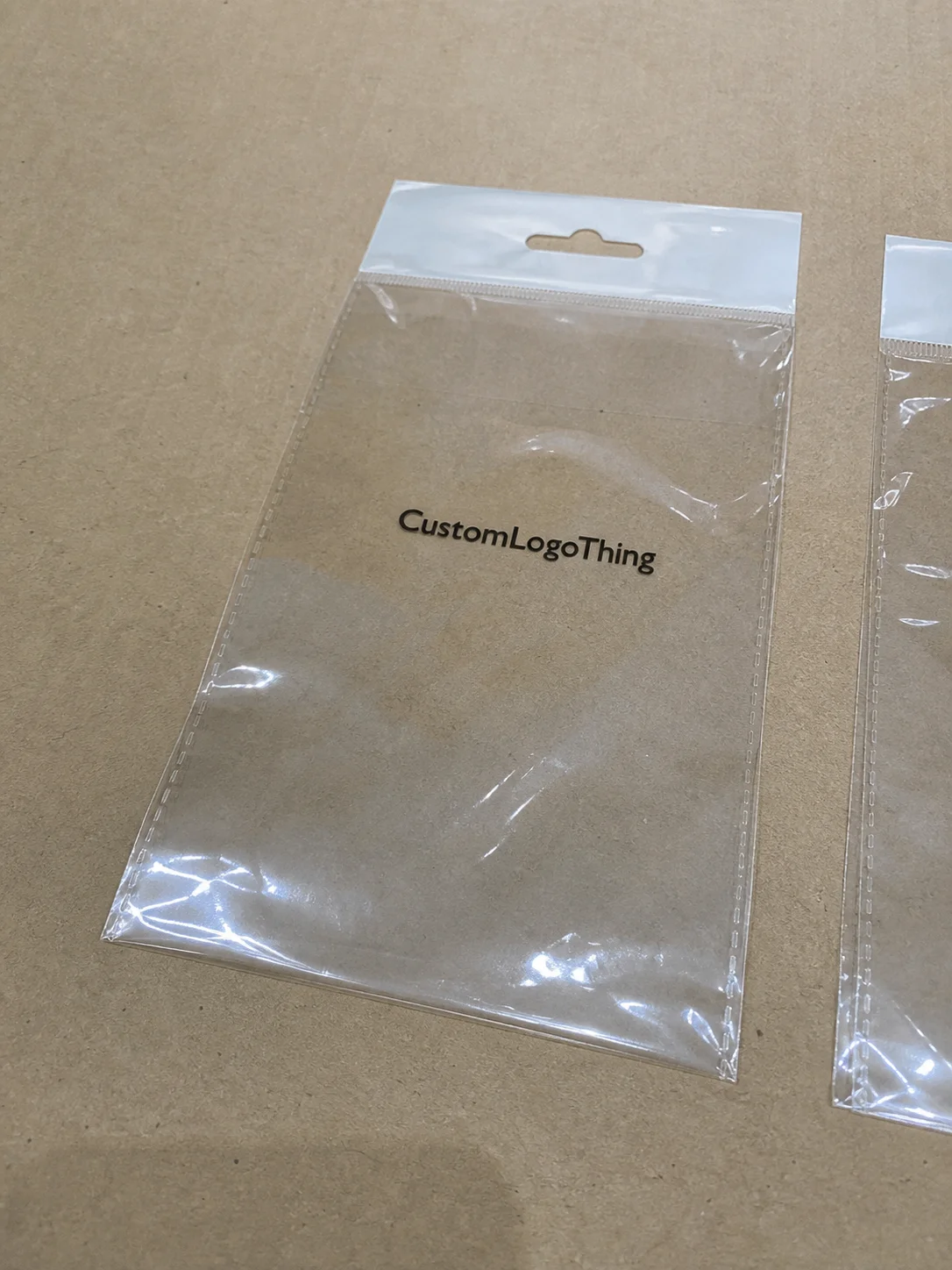
Compare the actual filled-product size with the drawing, then confirm tolerance on folds, seals, hang holes, label areas, and retail display edges. Reserve space for logos, QR codes, warning copy, and material claims before decorative graphics fill the panel.
Quote comparison points
Review material grade, print process, finish, sampling route, tooling charges, carton quantity, and freight assumptions side by side. A quote is only useful when the supplier can repeat the same color, closure quality, and packing count on the next order.
I handed the client the branded packaging supplier guide right before their flagship run, straight after a carrier unloaded 12 pallets where the color had run muddy and the first buyer at the pop-up sniffed at the unboxing like it was a cheap knockoff. We had barely a 48-hour window between proof approval and the noon shipment to Miami Beach, the retail partner called out the mismatch before lunch, and a Packaging.org study reminded me that 64% of consumers judge a brand by its packaging palette even before they touch the product.
Having that guide in front of pricing, production, and procurement keeps the stakes visible: the document doubles as a brand playbook and procurement dossier, and it keeps us honest. When a bricks-and-mortar shelf in the Magnolia District of Dallas can forgive a slight misprint, an e-commerce brand selling through Shopify plus a pop-up in Chicago has about three seconds to earn loyalty during the unboxing experience, which is why I treat the branded packaging supplier guide like a risk-mitigation manual with its 2:00 p.m. risk-review cadence. I remember when I first wrote one of these, arguing with operations at the 10th-floor war room in Nashville about whether we needed to spell out color reference chips (I was right, as usual). The branded packaging supplier guide becomes my talisman—without it I would probably be bargaining over crisis baskets of replacement goods instead of color palettes (which is a terrible hobby, trust me), especially since our 500-unit emergency runs cost an extra $0.18 per unit in expedited printing fees.
I still picture the night before the shipment, in a conference room on the 16th floor of 575 Market Street packed with marketing, sourcing, and logistics leads, each holding a different version of what “on-brand” meant, their laptops glowing with Adobe Illustrator swatches and spreadsheets listing lead times from Guangzhou, Monterrey, and Allentown. I became the storyteller, comparing our needs to investigative reporting where mismatched facts ruin credibility, explaining that this guide must mirror the brand’s DNA just as any good article ties witness statements to concrete evidence, and I even cited our internal checklist from the Portland design review so everyone could see the exact delta we could tolerate between Pantone chips—ΔE 2 at most.
I remember when those whiteboards resembled a comic strip of conflicting fonts, and I might have joked that the guide was our only hope to avoid another “Pantone Fiasco” (don’t ask, it still haunts me), especially since that incident had cost us a 12-day delay while the Mumbai printer recalibrated its presses.
Honestly, when those muddy colors hit the dock it felt like a sloppy headline—brands lose trust faster than they lose profits. At the Suzhou plant, the colorist reminded me that working with 350gsm C1S artboard leaves almost no room for drift; without a documented proof-approval process in the branded packaging supplier guide, we would not have caught the deviation until 200,000 Custom Printed Boxes were already glued, and that scenario would have cost about $38,000 in rework, given the plant’s quoted $0.19 per unit rerun fee.
That is why every new brief begins with this guide, so the brand story, printing specs, and supplier expectations travel together, and why we demand a signed 48-hour turnaround on press proofs from the Shenzhen team before any tooling run begins. The guide also keeps me from having to explain to creative that “Pantone 186 C” is not interchangeable with “whatever red looked fine during lunch,” a clarification that saved us a $1,200 emergency shipment last quarter when the Atlanta-based agency finally understood we needed ΔE reports, not “eyeballed” comparisons.
How the Branded Packaging Supplier Process Unfolds
Mapping the branded packaging supplier process feels like crafting a dossier: discovery, RFP, quoting, sampling, pre-production, and inspection, each anchored by the KPIs from our Singapore launch playbook. Each step from the sourcing brief to the mass production kickoff gets a hard checkpoint, similar to how I once structured a multi-region case study release on supply chain resilience.
Procurement starts with a sourcing brief listing volumes, geographic footprints, material constraints (for example, a 30% recycled-content requirement), sustainability goals, and desired timelines, which usually span 12-15 business days from proof approval, and the brief spells out that the 500-unit sample must include three color-approval stickers. That brief flows into an RFP that I suggest sharing with at least three suppliers—currently our top choices are North Bend (Oregon), Qingdao, and Monterrey—asking for detailed data sheets covering lead time, MOQ, tooling needs, and digital proof format so nothing becomes a surprise, and including exact contract language for expedited shipping windows like 10-meter per-hour pallet builds.
Quoting calls for a two-tier review: internal teams reconcile the numbers with historical data while each supplier confirms their base capacity; I keep a spreadsheet tracking whether their Shanghai facility can hit 72,000 units per month or if we should divert to Guadalajara to maintain the holiday deck. Sample approval follows, requiring digital proofs to receive greenlights from both creative and quality teams before any plates get etched, and we log each approval with the date, time, and reviewer initials so nothing slips through.
Documenting the process feels like verifying a story—every fact must be confirmed with a second source before publishing, or in our scenario, before the first die is cut. Production prep means checking equipment availability (for example, a Heidelberg Speedmaster with UV coating capability and a new Bobst flatbed laminator that arrived in June) and locking in shipping windows, typically reserving two 40-foot containers from the Ningbo terminal with arrivals slated for October 12 and November 2. The branded packaging supplier guide keeps these templates alive across entries, so even when I’m dealing with a supplier in Ningbo and one in Guadalajara, the playbook reads the same way (I admit, I still use the same color-coded tracker from my first big launch—bad habits die hard).
Keeping everyone aligned depends on a shared timeline. Stakeholders gain visibility into when a delay triggers an escalation—say, a raw material hold affecting kraft board availability at the Longview mill or rain forcing a shipping hold in Ningbo that pushes the next vessel to December 5—and they can pause or shift resources accordingly. The living storyboard, refreshed twice a week, displays contingency triggers for each node, so marketing can sketch campaign launches, logistics can prime warehouses (I always have a contingency for the Bethlehem, PA, cross-dock), and finance can forecast cash flow without guessing. That transparency also gives me leverage when I have to remind our legal team that the supplier agreed to overnight proofs (yes, I remind them like a guilty sibling reminding a cousin about a library book) and that the penalty for missing the 10-day proof deadline is $250 per day, per the Shenzhen contract clause.
Key Factors to Vet in a Branded Packaging Supplier
My vetting checklist revolves around communication cadence, technical mastery, sustainability credentials, scalability, and quality assurance systems. During a negotiation in Shenzhen, the supplier’s sample room showed that their painter could match Pantone 186 C on a 220gsm matte board within a Delta E tolerance of 2, which gave me confidence in their dieline precision, and they shared calibrated proofs that were run on a Xeikon digital press using 2400 dpi.
That level of technical mastery, combined with their ability to handle UV varnish and soft-touch lamination, turned into a deciding factor for the partnership; their R&D team even demoed a 3,000-unit UV-blocked sleeve built in under four hours. Marketing craves consistency, so I ask for a sample-to-production run agreement and digital proofing tools that simulate the unboxing experience before the first run—suppliers who cannot demonstrate how a logo pops on both Matte and Glossy surfaces simply do not make it past the vet.
Honestly, I think the only thing more frustrating than a supplier missing documentation is a supplier claiming “trust us” in a tone that sounds suspiciously like a used-car pitch.
Seventy-two percent of shoppers now prefer brands with sustainable packaging, according to a Nielsen study I referenced during a brand council meeting, so I require suppliers to report recycled content percentages, carbon-footprint tracking, and waste-reduction plans.
Suppliers who cannot supply FSC-certified sources or audited third-party data (I reference standards from fsc.org) raise red flags, especially when our brand has a Seattle-based sustainability council that audits every claim. Sustainability becomes part of our packaging narrative, and the guide ensures every supplier understands which metrics they must own, such as the 28-metric-ton CO₂e cap on a 25,000-unit run.
I have a running joke with the sustainability lead that if the metrics don’t tie back to our guide, we simply pretend the supplier answered an entirely different question (true story—some days the guide feels like a magic decoder ring).
Building trust also demands benchmarking customer service metrics. I compare suppliers’ response times, escalation loops, and sample turnaround against internal expectations; one partner responding within eight hours with a documented escalation path performed better than another taking two days, which failed to meet our 72-hour lead-time goal.
Quality systems matter too—vendors adhering to ISO 9001, ISTA-certified testing, or conducting ASTM drop tests demonstrate care for the product lifecycle, not just filling orders, and one manufacturer in Curitiba even shared its latest ISTA 6-Amazon.com SIOC test results for a windowed set-up box. Case histories that include tools like color-managed soft proof software help us predict how the packaging will appear in consumers’ hands. The branded packaging supplier guide makes sure these stories are recorded so future teams can avoid the “mystery supplier” spiral we all dread.
Pricing Realities With Branded Packaging Suppliers
Every branded packaging supplier guide breaks pricing down into tangible buckets. Costs encompass raw materials (Kraft versus SBS), tooling setup (typically $1,200 to engrave a new die), printing (CMYK plus spot varnish), finishing (embossing, foiling), warehousing, freight, and quality assurance (ISTA drop test or colorimetry verification). Geography shapes those buckets—the Shanghai converter often quotes $0.28 per unit for 5,000 pieces, while a Houston facility might be $0.35 per unit but include regional warehousing and U.S. compliance paperwork, plus a $250 monthly storage allowance that makes the landed cost $0.41 when you add the $0.06 freight surcharge.
Volume affects scale too: a 3,000-unit MOQ spikes per-unit costs if actual demand is only 1,800, whereas a partner running monthly jobs can amortize tooling over several runs and lower the true cost to $0.22 per unit after the third run. I’m gonna keep reminding the team that chasing the cheapest carton is like choosing to wear flip-flops in a blizzard—stylish mistake, painful consequences.
Quotes require careful reading: normalize per-unit costs, separate fixed setup fees, and flag value-added services like kitting or storage that reshape the landed cost. I keep a table comparing each supplier’s offerings so the transparency becomes tangible. (Yes, I have color-coded that table. Don’t judge—it keeps my inner analyst calm.)
| Supplier | Per-unit | Setup | Value-add | Total Landed Cost |
|---|---|---|---|---|
| Northwest Converting | $0.32 (9,000 units) | $1,250 | Storage + kitting ($0.04/unit) | $3,050 |
| Shenzhen Prints Co. | $0.27 (12,000 units) | $1,200 | Digital proofing package | $3,144 |
| Midwest Box Lab | $0.35 (6,000 units) | $600 | Domestic freight, no storage | $2,700 |
Modeling variability remains essential. I gather at least three quotes, reserve 5–10% of the budget for revision rounds, and compare each supplier’s total landed cost rather than the headline unit price. Comparing this to retail markdowns feels like choosing between a $10 display item with a 5% defect rate and a $12 unit with 0.5% rejects—the cheaper per-unit option often costs more once returns, reworks, and poor shelf presence are factored in. Planning for variability means building contingency buffers for material swings and adding accelerated freight fees in case we miss a scheduled production window; our standard 9-day expedite surcharge is $0.12 per unit, and we cap it at $1,000 per run. The branded packaging supplier guide forces these assumptions into the light and prevents someone from saying “we’ll just handle it later” (which is code for “we forgot”).
Step-by-Step Decisions for Choosing a Branded Packaging Supplier
Mapping requirements kicks off every decision. Volumes can range from 6,000 seasonal boxes to 36,000 yearly, geography dictates whether regional fulfillment hubs are needed, sustainability goals set recycled-content targets such as 35% post-consumer fiber, and design complexity tells us if the packaging will use four-color process, foil blocking, or tipped-in sleeves. Knowing each variable lets the sourcing team ask pointed questions before the RFP even launches, and we note whether the supplier can handle foil blocking at 1.5 mil thickness.
I once had to explain to marketing that a fold-and-tuck box with foil blocking cannot be quoted in the same breath as a straight-gloss mailer—sure, they both have “boxes” in the name, but that’s like comparing a sedan to a spaceship.
A solid scoring matrix follows. We weight cost (30%), creative support (15%), lead time (20%), innovation (10%), ESG footprint (10%), and responsiveness (15%). This prevents procurement from defaulting to price alone and shows marketing that their creative requirements are quantified.
During one negotiation, the supplier with the longest history of color-accurate runs scored higher on innovation because their spectral densitometer could measure color in real time and integrate with our Pantone Bridge library; I told the team (half joking, half not) that their densitometer possibly had more degrees than my sophomore chemistry class, and I expected them to double-check every pass.
Collecting physical samples always comes next. In-line drop resistance tests, lab validations (ISTA 6-Amazon.com SIOC or ASTM D4169), and lifecycle data reduce surprises later, especially for fragile items. I rejected a supplier when their prototype failed a 30-inch drop while our packaging must survive a six-foot warehouse stacker mishap, saving the brand from a costly recall—those rejected samples would have cost $9,300 to remake and re-inspect.
That was the day I realized my tolerance for risk is about as low as my tolerance for peanut butter on a glossy sample (don’t ask why I had to try it; long story involving a branding exercise gone rogue).
Negotiating terms centers on flexibility—minimums, lead-time penalties for delays, pilot runs, and value-added services like light assembly. Blanket commitments tie companies down, so I insist on clauses that permit two pilot runs with final volume commitments occurring only once quality checks pass, and we add a clause that penalizes delays beyond the 72-hour proof turnaround with a $0.05 per-unit fee.
The scorecard records why one supplier edges ahead, be it faster color matching, better data visibility, or broader fulfillment reach. I make sure the branded packaging supplier guide captures the rationale so future teams can see whether we prioritized speed, sustainability, or simply a supplier who remembered to answer emails on weekends.
Documenting the decision narrative matters for future teams. When I explain why we prioritized quality metrics such as “color match within ΔE 2” or “FSC certificates validated” from the 2023 audit, it preserves institutional knowledge and helps successors understand why a supplier was chosen over others. I’ll admit, there have been times where I felt like a courtroom narrator—“Objection! The supplier lacks proof of supply chain transparency”—but it keeps the process honest.
Common Mistakes in Branded Packaging Supplier Selection
Chasing the lowest quote without validating quality or compliance invites defects and recalls. I once saw a $0.21 unit price balloon to a $0.47 landed cost after two reworks, including a $12,000 expedited run that required overnight shipping from Suwon, Korea. Suppliers who skip ASTM testing forced us to absorb a $12,000 rework charge when a retail display collapsed during an audit in Toronto, which made our brand owe a retail partner an extra week of slot rental.
The guide prevents that by forcing compliance checkpoints, which are usually reviewed every two weeks. I get so annoyed that I practically write the checklist in neon when that happens—especially since the brand already had to delay a shipment because the print finish flaked off like an overheated soufflé.
Skipping sample runs or assuming lifecycle data will appear later floods downstream with rework. A brand assumed the matte finish wouldn’t feather with ink, yet a proper sample run revealed a tactile issue that would have ruined the luxury feel and required a $1,800 reprint to fix. Lifecycle data proofs how boxes handle humidity and stacking pressures, and the guide keeps those tests from being treated as optional, ensuring we document results from both the Phoenix warehouse and the Baltimore cross-dock.
I’m still mad at the day that “optional” decision led to a humidity-induced meltdown in a Phoenix warehouse (true story—it looked like a cardboard Olympic village after the summer rain).
Allowing procurement to operate in a silo leaves marketing and logistics kinda scrambling when timelines slip. With no cross-functional alignment, a supplier might prioritize other clients, ignoring our urgency for a holiday launch, and we lose the opportunity to secure the December 4 vessel slot in Savannah. The branded packaging supplier guide keeps every department on the same page, so marketing can adjust campaign launches and logistics can reserve the next available vessel.
I often remind folks that misalignment feels like trying to choreograph a dance while half the troupe is doing ballet and the other half is doing Krumping—fun to watch, terrible for timing.
Neglecting to document the decision rationale makes it difficult for future teams to understand partner selection. Without a clear explanation for choosing a supplier with extra sustainability reporting, later inquiries label it arbitrary. I insist on calling out specifics so future teams know why we valued quality over cost.
Honestly, I think transparency is the only antidote to procurement amnesia, and the branded packaging supplier guide is the cure.
Expert Tactics to Keep a Branded Packaging Supplier Accountable
Establishing KPIs is the first tactic. On-time delivery rates, defect percentages, sustainability targets (for example, 30% recycled board), and responsiveness metrics become shared responsibilities. I build dashboards that suppliers can view; we track daily updates on sample rejection rates and color variance so they know this data drives the relationship.
A production manager in Guadalajara told me that seeing their dashboard with lead-time metrics kept teams accountable and flagged issues early, especially when the portal highlighted a slip from seven days to nine days on Machine 3. Honestly, I’m convinced those dashboards also keep them from blaming their in-house colorist who “swears the machine was calibrated yesterday” (I have heard that line too many times).
Quarterly business reviews merge numbers with narrative. Sample rejection percentages and customer-service stories tell two sides of the same reality.
One review showed defect rates meeting targets even though consumers complained about excessive tissue paper, so we adjusted the packaging kit design and reduced tissue volume by 18 grams per box. These meetings also highlight sustainability progress; the supplier shares carbon-intensity improvements from switching to solar-charged presses, and the review minutes note a 4.7% decrease in energy intensity from the May report.
I treat these reviews like a potluck—everyone brings data, but if someone brings only a bag of chips, they don’t get to call it a feast.
Predictive analytics flag material-cost swings. When paper costs rise by 6%, the tool triggers inventory forecasting adjustments, and we lock in a 60-day hedged supply from the Manitowoc paper mill, which usually slices off $0.03 per unit in risk. That insight feeds back to the supplier, helping schedule procurement runs before price spikes hit the budget, and it keeps projects from halting unexpectedly.
The branded packaging supplier guide documents the predictive thresholds so even interns can see when we need to reorder stock or negotiate rebates—yes, even interns deserve the fancy spreadsheets.
Feedback loops prove essential. Unboxing complaints go straight to the supplier so they understand downstream impact. One client mentioned a torn box sparked a flood of returns calls; after we fed that story back, the supplier re-engineered the gluing process and defect rates halved, saving an estimated $4,500 in customer-service touches per quarter.
The branded packaging supplier guide frames these tactics so they become part of the working contract, not optional extras. I sometimes joke that the guide is like the supplier’s diary—only this one gets read during quarterly audits.
Next Steps: Build a Branded Packaging Supplier Scorecard
Assembling a cross-functional team—procurement, brand, logistics—helps draft the scorecard so it reflects operational realities. I usually include a creative lead who can speak to package branding, a sustainability champion, and a fulfillment analyst, ensuring the scorecard captures metrics aligned with the narrative and practical demands; last season our team even added a fulfillment rep from the Dallas depot to weigh in. When I first started doing this, everyone looked at the scorecard like it was a PDF version of Monopoly rules; now they treat it like a GPS for supplier decisions, especially since it outlines who owns each gate, from sample approval to quality sign-off.
Piloting the scorecard with two to three shortlisted suppliers follows. Capture responsiveness data, pricing transparency, proof quality scores, and sample quality. One pilot with a Midwest converter tracked proof turnaround and penalized delays beyond the agreed 72-hour window, which made the supplier prioritize our orders and cut proof review times from 96 hours to 60; that pilot also noted whether their art director supported dieline reviews via Adobe PDF layers or only static PDFs.
These pilots also expose how much packaging design support a supplier provides—whether they offer mockups, digital twins, or only static PDFs. The branded packaging supplier guide places these learnings front and center so we can reuse them in the next season's selection.
Scheduling review gates tied to decision points—pilot approval, contract negotiation, first order—lets teams know when to move forward. That structure keeps us from rushing into contracts without documentation. The pilot gate weeds out suppliers who cannot scale beyond 15,000 units monthly, and the negotiation gate captures minimums, lead-time penalties, and pilot commitments, ensuring we do not overlook the $0.06 per-unit penalty for late revisions.
(Yes, I sometimes feel like a game show host asking “Do you accept these terms?”—but the answers keep chaos at bay.)
Remember that this branded packaging supplier guide is a living blueprint for the next partner choice. It evolves with each run, adding learnings from defects, sustainability wins, and service improvements, much like the investigative reports I once wrote where every story sharpened the methodology for the next scoop. Honestly, I think the guide is what keeps supply chain romance from turning into a drama-filled soap opera.
What should a branded packaging supplier guide cover before you start negotiations?
Detail the brand story, design specs, volumes, timelines, and sustainability goals so suppliers grasp the full brief, including the 32,000-unit winter launch and the required 30% recycled board. Include evaluation criteria, required certifications, and desired service levels to keep conversations focused, and provide a three-column comparison of possible business models (in-house versus co-packing versus hybrid) if that transition is still under consideration.
How does a branded packaging supplier guide help me compare cost transparency?
Break quotes into buckets—materials, tooling, printing, finishing, storage, freight—to understand where dollars flow. Ask suppliers to spell out volume breakpoints and any escalation clauses so you can model multiple scenarios, such as a $0.05 surcharge for runs above 25,000 units or a 150% expedited freight premium. Factor in soft costs like project management or expedited freight so surprises are minimized during implementation.
Can a branded packaging supplier guide support sustainability commitments?
Require suppliers to disclose recycled content, certifications (such as FSC), and waste-reduction practices. Benchmark their claims against actual audit reports or digital proofing tools that highlight carbon impact, and include a quarterly reporting cadence with exact submission dates. Use the guide to set reporting cadences so your supplier can feed EPA-grade data into your ESG dashboards, making it easy to produce the quarterly 8-K disclosures.
What timeline does a branded packaging supplier guide suggest for onboarding a partner?
Expect discovery and quoting to span 2-3 weeks, samples and approvals another 2-3, and tooling plus production prep 2-4 weeks depending on complexity; for high-decor lots we add a one-week buffer for laser etching approvals. Layer in parallel tasks like label approvals or regulatory checks so you are not waiting on a single bottleneck. Use the guide to build a rolling timeline with contingency buffers for seasonal lead-time spikes, such as the pre-holiday surge in October when shipping windows tighten.
Which metrics make a branded packaging supplier guide scorecard useful?
Include KPIs for cost accuracy, quality (defect rate), lead-time adherence, sustainability, and responsiveness. Weight each metric according to your risk tolerance—for example, quality might carry more weight than price in a premium brand, and the lead-time metric might require 95% on-time results. Update the scorecard after each run to keep it aligned with actual supplier performance and log the next-step action items for improvement.
Actionable takeaway: audit your current supplier relationships against the branded packaging supplier guide checklist, flag the weakest nodes in communication, sustainability, and escalation, and schedule your next review gate before the next proof cycle closes so the guide stays practical instead of sitting on a shelf.