Buyer Fit Snapshot
| Best fit | Branded Packing Slips Inserts projects where brand print, material claims, artwork control, MOQ, and repeat-order consistency need to be specified before quoting. |
|---|---|
| Quote inputs | Share finished size, material target, print colors, finish, packing count, annual reorder estimate, ship-to region, and any compliance wording. |
| Proofing check | Approve dieline scale, logo placement, barcode or warning zones, color tolerance, closure strength, and carton packing before bulk production. |
| Main risk | Vague material claims, crowded artwork, missing packing details, or unclear freight terms can make a low unit price expensive after revisions. |
Fast answer: Branded Packing Slips Inserts: Design, Cost, and Impact should be specified like a repeatable production item. The safest quote records material, print method, finish, artwork proof, packing count, and reorder notes in one written spec.
Production checks before approval
Compare the actual filled-product size with the drawing, then confirm tolerance on folds, seals, hang holes, label areas, and retail display edges. Reserve space for logos, QR codes, warning copy, and material claims before decorative graphics fill the panel.
Quote comparison points
Review material grade, print process, finish, sampling route, tooling charges, carton quantity, and freight assumptions side by side. A quote is only useful when the supplier can repeat the same color, closure quality, and packing count on the next order.
Branded Packing Slips Inserts: Design, Cost, and Impact
Branded packing slips inserts are one of those packaging details that can disappear into a budget spreadsheet and then show up, almost unexpectedly, as the sheet the customer reads first after opening the box. That is a funny little truth of fulfillment: the most ordinary printed piece in the order can become the one item that carries the brand voice, the order information, and the first post-purchase impression all at once.
If you want a low-friction way to add trust, clarify what shipped, and make the order feel more deliberate, branded packing slips inserts deserve real attention. You are not inventing a new touchpoint. You are turning a document that already has to exist into one that does a second job without slowing the line down.
From a packaging buyer’s point of view, that is exactly why the format works. The insert is already part of the process, so the brand is not paying for a separate gift card, a separate flyer, or a separate piece of collateral just to say hello. You can fold in a logo, a thank-you line, a QR code, a care reminder, or a subtle cross-sell while keeping the sheet useful for warehouse and customer alike. That practical mix is why branded packing slips inserts have become valuable for direct-to-consumer brands, subscription programs, wholesale shipments, and gift orders.
There is also a quieter psychological layer to it. A plain packing slip says, “Here is your shipment record.” A designed insert says, “Someone thought through the handoff.” That difference matters because the customer is holding the package at a point when expectations are still fresh, attention is high, and the next action can still be influenced. For brands that care about repeat orders, fewer support questions, and a cleaner unboxing impression, branded packing slips inserts can do more than people first assume.
Branded Packing Slips Inserts: What They Are and Why They Matter
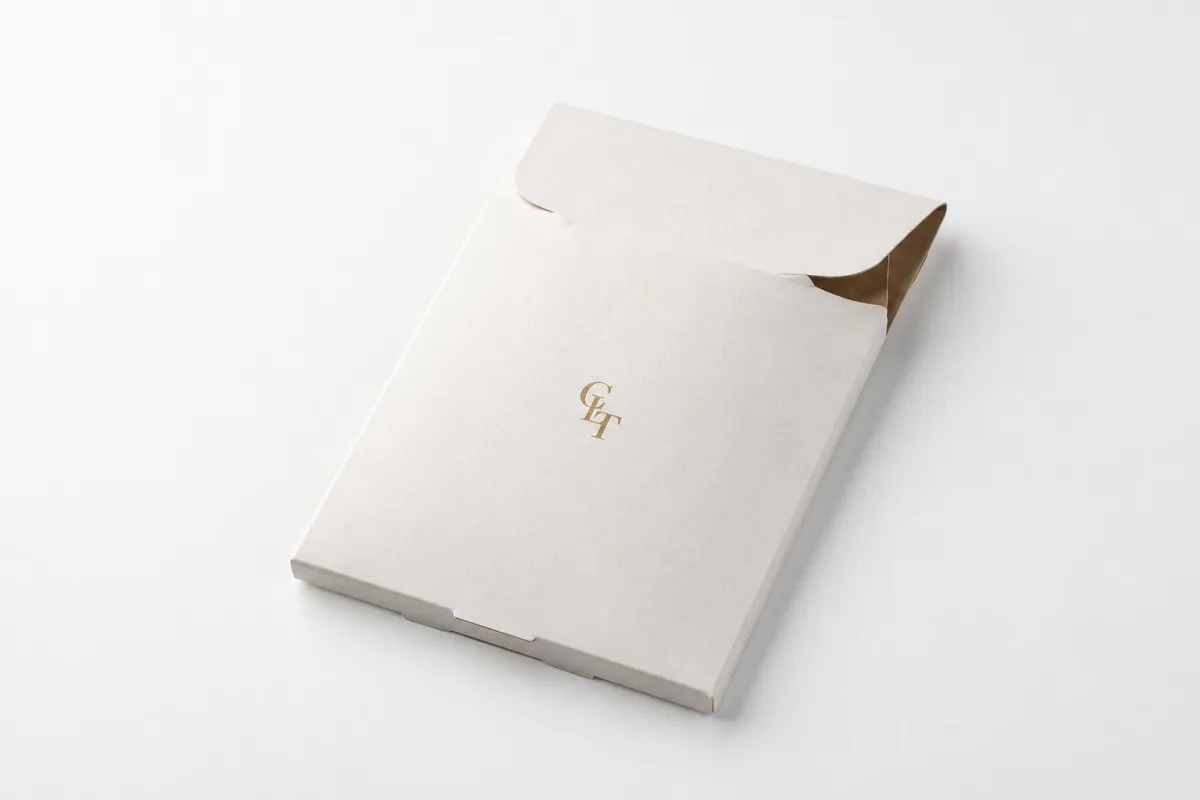
At the simplest level, branded packing slips inserts are order documents or companion sheets that combine fulfillment details with brand messaging, visuals, and customer guidance. They may include line items, order numbers, shipping notes, and return information, but they also make room for the brand through typography, color, logo placement, and carefully chosen copy. In practice, they sit between operations and marketing, and that bridge can carry real value when the layout is thoughtful.
The difference between a plain operational slip and a branded insert is not only visual polish. A plain slip is built to list facts and vanish. A branded packing slips insert is built to do the same job while leaving a clear brand impression behind. That may sound small, but small details matter in packaging because they repeat across every order, every week, and every season. The cumulative effect of branded packing slips inserts can be real, especially for teams trying to tighten presentation without adding much cost.
Where these inserts fit in the customer journey is easy to miss if you only think of them as paperwork. They are handled in the warehouse during pack-out, then seen again at the kitchen table, office desk, or front counter when the package is opened. That places branded packing slips inserts in a very specific moment: after payment, after waiting, right before product use. The window is narrow, and it carries more influence than many people realize.
Most teams use branded packing slips inserts to reinforce trust and reduce confusion. The customer can confirm what was ordered, check that the shipment is complete, and see a branded cue that the package came from a legitimate source. That matters for wholesale accounts, premium products, or categories where customers need care instructions, assembly guidance, or a quick path back to the brand. A clear insert can lower avoidable support emails because the information is already in the box.
Several brand tools can live on the sheet itself, and the strongest branded packing slips inserts usually use only a few of them well rather than trying to do everything at once:
- Logo placement that is visible without crowding the page.
- Color accents that echo the rest of the packaging system.
- Typography that keeps order data easy to read at a glance.
- QR codes that point to reorder pages, care guides, or setup instructions.
- Thank-you copy that sounds human instead of promotional.
- Care instructions or handling notes that save customer service time.
- Promotional messaging that fits the order type without feeling forced.
The most effective branded packing slips inserts usually understand their limits. They are not meant to replace a beautiful mailer box or a custom insert card. They are meant to make a routine document work harder by carrying useful information and a clear brand signal at the same time. That is why good design matters, and restraint matters just as much.
A packing slip is often the most-read sheet in the box. If it earns the customer’s eye, it can earn the next order too.
For brands comparing packaging options, it helps to look at real-world applications instead of theory alone. Our Case Studies page is a useful way to see how presentation and logistics meet in actual packaging programs, and that same thinking applies directly to branded packing slips inserts.
How Branded Packing Slips Inserts Work in the Box
The physical role of branded packing slips inserts is simple, but the workflow behind them needs care. They are printed, sorted, folded if needed, and placed with the order so they land exactly where the customer will notice them first. That can mean on top of tissue, tucked under a product layer, placed in an envelope pocket, or slipped into a mailer with other small literature. The placement should support the unboxing flow, not fight it.
In a well-run pack-out station, branded packing slips inserts do double duty. They confirm the order for the fulfillment team and the customer, and they also quietly guide the next action. A QR code can point to a replenishment page. A care note can reduce returns. A short offer can encourage a second purchase. None of those functions require the sheet to shout. It can stay practical and still be persuasive.
Common use cases are broader than many teams assume. Subscription shipments often need a predictable insert that explains what is arriving and what will come next. Wholesale orders may need line-item confirmation and a branded header for internal filing. Gift packaging sometimes uses branded packing slips inserts to hide pricing while still giving the recipient a polished record of the order. Sample kits often benefit from a short brand story or a structured next-step path. Direct-to-consumer orders with multiple items may use the insert to organize the contents in a way the customer can verify quickly.
Variable data is where these sheets become especially useful. A good layout can accommodate order numbers, SKU details, barcodes, shipping notes, customer names, and even individualized messages without becoming cluttered. That usually means building a stable template and letting a data field populate the important parts. The template needs enough breathing room for the longest possible line item, because the worst insert is one that looks tidy in proofing and cramped in production.
Consistency matters here. Branded packing slips inserts should feel like part of the packaging system, not a flyer dropped onto a fulfillment desk. When the stock, print quality, and layout line up with the rest of the brand, the document feels intentional. When they do not, the customer notices the mismatch immediately, and the insert starts to feel like a cost-cutting afterthought.
There is also an operational benefit that often gets overlooked. A clearer insert can reduce mistakes during pack-out because the picker has one reference for order detail, special instructions, and customer-facing messaging. That matters in subscription and multi-item programs where substitutions, backorders, or gift notes are part of normal operations. Branded packing slips inserts can support the warehouse as much as they support the customer.
For teams that need to validate durability and transit performance, it is worth thinking about distribution standards too. Packaging professionals often reference transit testing guidance from organizations such as the ISTA community when the packaging system has to survive real shipping conditions. A paper insert is not the same as a corrugated shipper, of course, but the mindset carries over cleanly: design for the route the product will actually travel.
Branded Packing Slips Inserts Cost, Pricing, and MOQ Factors
Pricing for branded packing slips inserts depends on more variables than many teams expect, and the biggest mistake is asking for a quote without defining the basics. Paper stock, sheet size, ink coverage, color count, coatings, die-cutting, and whether the layout is simple or highly customized all influence the final number. If the insert is a clean one- or two-color sheet on a standard stock, the price can stay very manageable. If it needs variable data, multiple versions, or a premium finish, the cost moves up quickly.
Minimum order quantities matter because setup costs are spread across the run. A short run on specialty paper can carry a much higher unit cost than a longer standard run, even if the design is not especially complex. For branded packing slips inserts, that means the most economical option is often a standardized sheet with a flexible print template, especially if the brand expects the copy or promotion to change often.
Labor is another cost component that gets overlooked. If the insert needs sorting, folding, collating, or bundling with another piece, the print price is only part of the story. A beautifully printed sheet that slows pack-out can cost more overall than a slightly simpler insert that moves through the line efficiently. From a packaging buyer’s point of view, the real question is not just “What does it print for?” It is “What does it cost once it is handled, packed, and shipped at volume?”
When you request a quote, share the details that let a supplier compare apples to apples. That means dimensions, quantity, paper preference, print sides, fold requirements, whether you need coated or uncoated stock, any sustainability target, and any compliance or return copy that must appear. Branded packing slips inserts are easy to under-specify, and once that happens, quotes become hard to compare because every vendor is pricing a different job.
A practical budget approach is to match the insert to the value of the order. If the product is high-margin, giftable, or likely to reorder, a slightly more polished insert is often worth the difference. If the order is low-margin and transactional, the smartest choice may be a cleaner one-color version with excellent readability. The goal is to make branded packing slips inserts feel polished without spending more than the experience can reasonably justify.
| Option | Typical Material | Indicative Unit Cost at 5,000 | Best Fit |
|---|---|---|---|
| Basic branded slip | 70-80 lb uncoated text stock, 1-2 color print | $0.08-$0.16 | High-volume orders, simple branding, price-sensitive programs |
| Standard full-color insert | 80-100 lb text stock, full-color digital or offset | $0.14-$0.28 | DTC brands, QR codes, care guides, light promotion |
| Premium presentation sheet | 100 lb cover or heavier text stock, full-color print, specialty finish | $0.22-$0.45 | Gift orders, premium products, strong unboxing presentation |
| Custom variable-data insert | Mixed stock options, serialized data, selective personalization | $0.30-$0.65+ | Subscription programs, wholesale packs, tailored messaging |
Those ranges are not universal, and they should not be treated like a fixed rate card. They are simply the kind of numbers that help teams benchmark a quote and decide whether the design choices are worth the extra spend. A low-coverage, standard-size sheet will almost always be easier to scale than a custom shape, especially once specialty paper or extra handling enters the picture. If sustainability is part of the brief, paper choices certified by the FSC can support sourcing goals without changing the basic structure of the insert.
If you want a useful budget rule of thumb, start with the simplest insert that can still support the customer journey. Add complexity only where it earns its keep. That usually means a strong layout, readable copy, and one clear action rather than a crowded page full of offers. Branded packing slips inserts should feel useful first and promotional second.
Production Process and Timeline for Branded Packing Slips Inserts
The production process starts long before ink hits paper. A good brief defines the purpose, the required order fields, the brand elements, the paper preference, and the handling path in the warehouse. If the team skips that planning step, branded packing slips inserts tend to become messy later because every department starts adding its own must-have detail after the layout is already underway.
Proofing is where many projects lose time. Late copy changes, missing logo files, unclear dimensions, and slow approvals can add days, sometimes more. It is easy to underestimate how much one small correction affects the chain, especially if the insert also needs variable data or folding. The safest move is to lock the content early and let the proof do its job instead of using the proof stage as a content workshop.
The print method affects both timing and flexibility. Digital production is often the fastest for shorter runs, versioned content, or last-minute updates, because setup is lighter and changes can be made more quickly. Offset printing usually makes more sense for longer runs where consistency and unit economics matter more than speed. For branded packing slips inserts, the choice often comes down to how often the content will change and how much volume the team needs.
A realistic timeline often looks like this:
- Standard digital run: about 5-10 business days after proof approval, depending on quantity and finishing.
- Standard offset run: often 8-15 business days after proof approval, especially if paper is stocked and the layout is stable.
- Specialty stock or custom finishing: usually 15-25 business days, sometimes longer if materials need to be sourced.
- Rush production: can be compressed to 3-6 business days in some cases, but only if files are clean and approvals are fast.
Those ranges assume the job is moving normally and the supplier has the material on hand. If the quantity jumps, the stock changes, or the design is still evolving, the schedule can stretch quickly. That is why aligning branded packing slips inserts with peak seasons, product launches, and subscription cycles matters so much. The insert should arrive before the order volume does, not alongside it.
Quality control should not be treated as a final checkbox. Count accuracy, legibility, color consistency, and correct variable data all deserve a close look before the boxes leave the production floor. A small print error in a packing slip can create a surprisingly large support burden because the customer treats the insert as a document of record, not just a promotional piece. If the data is wrong, the brand looks careless.
Many teams also benefit from reviewing examples of finished work before they commit. Our packaging case studies can be helpful for that kind of thinking, because branded packing slips inserts are rarely just a design choice; they are a workflow choice too. The best timeline is one that respects both the print schedule and the pack-out schedule.
How to Create Branded Packing Slips Inserts Step by Step
The cleanest way to build branded packing slips inserts is to start with a simple audit of the current packing slip. Ask what information is required, what customers actually read, and where the empty space is sitting unused. Many forms already carry enough operational detail to support a stronger design, which means you do not always need a brand-new document. Sometimes a smarter layout does the job.
Next, define the goal before opening the design file. Is the insert supposed to improve brand recall, reduce support questions, encourage repeat orders, support a promotion, or provide care instructions? A single clear goal is much easier to design for than a vague hope that the document will do more than one thing at once. Branded packing slips inserts work best when the purpose is obvious to everyone involved.
Once the goal is set, build the layout hierarchy with care. The order details must remain easy to scan first, because that is what the warehouse and customer both need. Brand elements can sit in the header or footer, while the QR code, thank-you message, or reorder prompt gets a controlled amount of space. Good hierarchy makes branded packing slips inserts feel polished without making them harder to use.
Material choice should follow handling conditions, sustainability goals, and presentation needs. A lightweight sheet may be enough for a straight mailer insert, while a slightly heavier stock can improve durability if the sheet is folded, handled more, or used in a premium package. If the insert is part of a sustainability program, it is worth confirming the sourcing story and asking for paper options that align with FSC-certified supply chains. The material does not need to be luxurious; it just needs to be appropriate.
Then test the insert in a real pack-out flow. This is the step that saves money. Run a small pilot, watch how pickers handle the sheet, see whether it folds cleanly, and review what the customer service team hears afterward. A few sample orders can reveal more than a week of internal debate. Branded packing slips inserts should survive the warehouse test before they become standard.
A practical step-by-step sequence looks like this:
- Audit the current packing slip and list required fields.
- Set one primary goal for the new insert.
- Choose the stock, size, and print method.
- Build the layout with clear hierarchy and enough white space.
- Proof the data carefully, including line items and contact details.
- Pilot the insert on one SKU or one order stream.
- Review feedback and adjust before scaling.
That process is not flashy, but it works. In packaging, disciplined process usually beats cleverness because the document has to function under real conditions, not just look good on a screen. A sheet that is easy to print, easy to pack, and easy to read will outperform a more decorative version that creates friction.
One last point: do not overload the page. Branded packing slips inserts should not try to be a catalog, a coupon sheet, a return guide, and a brand manifesto all at once. Give the customer one clear next step and make the functional information obvious. That kind of restraint keeps the branded document useful.
Common Mistakes with Branded Packing Slips Inserts
The most common mistake is overdesign. It is tempting to turn the insert into a mini poster, but the moment the order details become hard to find, the document starts losing trust. A packing slip is not decorative paper first; it is a working record. Branded packing slips inserts need enough visual interest to feel intentional, but not so much that they bury the information people actually need.
Another mistake is hiding essential fulfillment information behind marketing copy. Return instructions, item counts, support contacts, and compliance language need to stay visible. If the branding gets louder than the logistics, the sheet becomes frustrating instead of helpful. That is a poor trade because branded packing slips inserts are supposed to reduce confusion, not create it.
Low contrast and weak paper stock create another problem. A design can look polished on a screen and then fall apart in the hand if the type is too small, the ink too light, or the stock too flimsy. Once the customer handles it, every shortcut becomes obvious. That is why it is worth choosing a readable size, strong color contrast, and a stock that holds the print cleanly. The tactile experience matters more than teams often admit.
There is also a hidden risk in designing for only one order type. A sheet that works fine for a single-item shipment may fail completely when used for bundles, gifts, substitutions, or multi-item carts. The safest approach is to test branded packing slips inserts against the messiest likely order, not the neatest one. If the layout can handle the awkward case, the normal case will usually be fine.
Skipping a test print or a pilot run is the operational mistake that causes the most avoidable rework. It is easy to assume a proof is enough, but proofs do not always show how the sheet behaves in a real workflow. Folding, stacking, inserting, and scanning can all expose issues that a static PDF will never reveal. A small test batch is cheap insurance.
Here are the warning signs I watch for most often:
- Order details are squeezed into the margins.
- Brand graphics compete with the data fields.
- QR codes are printed too small to scan reliably.
- Return or support information is hard to spot fast.
- The insert looks good in proofing but awkward in the pack-out lane.
None of these problems is dramatic on its own, which is exactly why they get missed. Yet a package experience is built from small signals, and small signals stack up. If the insert looks cluttered or feels flimsy, the customer may not consciously analyze it, but the brand impression still changes. Good branded packing slips inserts protect against that kind of quiet erosion.
Expert Tips and Next Steps for Branded Packing Slips Inserts
My strongest advice is to let the insert earn its place by being genuinely useful. The best branded packing slips inserts act like tools first and brand pieces second, which means they help the customer confirm the order, understand the product, or take one simple next step. If the sheet does not help, the branding alone will not save it.
Keep the call to action singular. One QR code, one reorder path, one care instruction, or one referral prompt is usually enough. The minute a sheet tries to push three or four actions at once, the message starts to blur. Clear intent is what makes branded packing slips inserts feel clean and confident.
It can also help to segment by channel. Wholesale, retail, subscription, promotional, and gift orders often deserve different versions. A subscription customer may want refill timing or usage guidance, while a gift recipient may need an easy brand introduction. Branded packing slips inserts do not need to be identical across every channel; they need to be appropriate for the order type.
Performance review is where the value becomes visible. After launch, watch support tickets, repeat orders, coupon use, reorder traffic, and even pack-out speed if the insert changes warehouse handling. If the sheet is slowing the line or not moving the customer toward the intended action, it needs adjustment. The best packaging teams treat branded packing slips inserts as a living system, not a one-time art file.
If you want to move from idea to production, gather a few basics first: current dimensions, required order fields, logo files, preferred paper, and any customer-facing copy that must stay in place. Then request samples, compare stock weights, and pilot one SKU before rolling branded packing slips inserts across the whole catalog. That sequence keeps the project grounded and prevents expensive surprises.
For brands that care about how the insert fits inside the broader packaging story, it is worth remembering that print quality, fulfillment speed, and sustainability targets all live in the same decision tree. A well-chosen paper stock, a clear layout, and an efficient production plan can support the customer experience without creating extra waste or unnecessary complexity. That is the real promise of branded packing slips inserts: practical, visible value at a very low footprint.
If you are still deciding how far to take the concept, start small. A single branded packing slip can tell you a lot about customer response, warehouse handling, and print economics before you commit to a larger rollout. Once the basics are working, branded packing slips inserts become easier to scale, easier to control, and much easier to justify.
The cleanest next move is simple: review the current slip, decide exactly what job it should do, and make sure the design supports that job without getting in the way. If the insert needs to confirm an order, help the customer care for the product, or point them to one clear next step, build for that first and leave the extras out. That is usually where the strongest branded packing slips inserts begin.
FAQ
What are branded packing slips inserts used for?
They confirm the order while adding brand messaging, care instructions, or a next-step offer in the same touchpoint. They also help the package feel intentional and reduce the gap between operational paperwork and customer experience. In many programs, branded packing slips inserts become the one sheet that both the warehouse and the customer actually use.
Are branded packing slips inserts expensive?
Cost depends on quantity, paper stock, print coverage, and whether the insert needs folding, sorting, or variable data. A simple design on a standard sheet is usually the most economical way to start, especially for testing. For many brands, branded packing slips inserts can stay quite cost-effective if the layout is kept clean and the run size is planned properly.
What paper or material works best for branded packing slips inserts?
A clean, readable paper stock that holds ink well is usually best, with weight chosen for handling and presentation needs. If the insert is handled a lot, slightly heavier stock can improve durability without making the pack-out process difficult. The goal is to choose a material that supports branded packing slips inserts without slowing the operation down.
How long does it take to produce branded packing slips inserts?
Lead time depends on proofing speed, quantity, print method, and whether the order needs custom sizing or finishing. Fast approvals and clear files usually shorten turnaround more than any other single factor. For standard branded packing slips inserts, a clean approval process often matters more than any other scheduling variable.
Can branded packing slips inserts include QR codes, returns, or promotions?
Yes, and those elements are often the most useful when they are placed clearly and supported by a simple call to action. The key is to keep operational details easy to find while making the brand or offer secondary but visible. That balance is what lets branded packing slips inserts support both logistics and marketing without confusing the customer.
Branded packing slips inserts are worth the effort because they sit right where practical paperwork and customer experience meet, and that intersection is often more valuable than teams first expect. If you keep the information clear, the materials sensible, and the message focused, branded packing slips inserts can improve trust, support repeat orders, and make every shipment feel more deliberate without driving up cost.