Buyer Fit Snapshot
| Best fit | branded padded mailers for coffee roasters quote checklist for packaging buyers comparing material specs, print proof, MOQ, unit cost, freight, and repeat-order risk where brand print, material, artwork control, and repeat-order consistency matter. |
|---|---|
| Quote inputs | Share finished size, material target, print colors, finish, packing count, annual reorder estimate, and delivery region. |
| Proofing check | Approve dieline scale, logo placement, barcode or warning zones, color tolerance, and any recyclable or compostable wording before bulk production. |
| Main risk | Vague material claims, crowded artwork, or missing packing details can create delays even when the unit price looks attractive. |
Fast answer: Branded Padded Mailers for Coffee Roasters Quote Checklist should be specified like a repeatable production item. The safest quote includes material, print method, finish, artwork proof, carton Packing, and Reorder notes in one written spec.
What to confirm before approving the packaging proof
Check the product dimensions against the actual filled item, not only the sales mockup. Ask for tolerance on folds, seals, hang holes, label areas, and retail display edges. If the package carries a logo, QR code, warning copy, or legal claim, reserve that space before decorative graphics fill the panel.
How to compare quotes without losing quality
Compare board or film grade, print process, finish, sampling route, tooling charges, carton quantity, and freight assumptions side by side. A lower quote is only useful if the supplier can repeat the same color, closure quality, and packing count on the next order.
Why coffee roasters need a mailer quote checklist
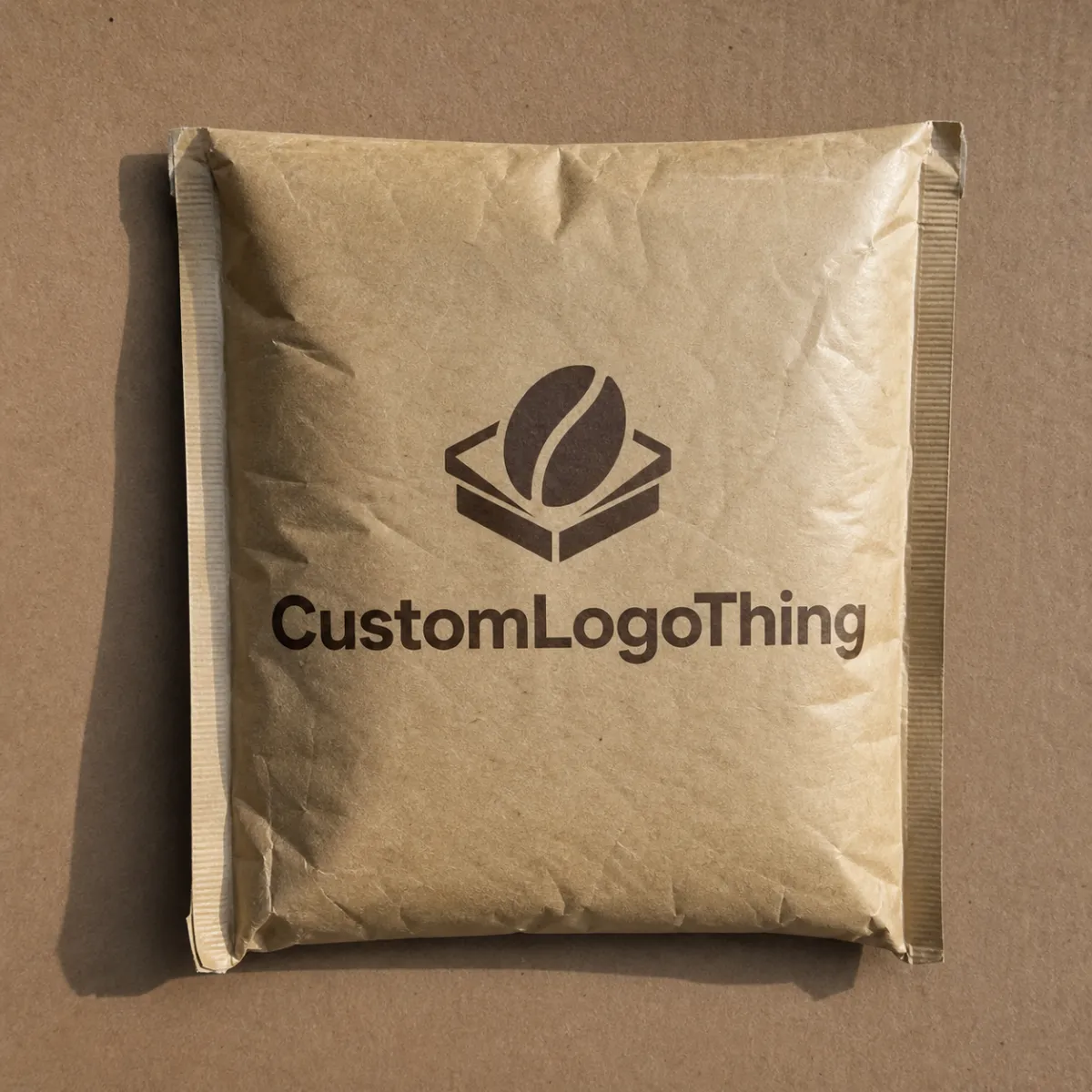
The first branded surface many coffee buyers touch is not the roast bag. It is the mailer. That is why the branded Padded Mailers for Coffee roasters supplier quote checklist matters so much. It helps you judge the package that protects the product, carries the brand, and sets expectations before a single bean is brewed.
From a packaging buyer’s point of view, a padded mailer is not a throwaway shipping shell. It is protection, marketing, and damage control all at once. A crushed order means replacement coffee, doubled shipping cost, and a customer who may not reorder. A well-built mailer lowers the odds of dented tins, torn sample pouches, and beaten-up inserts. The branding does the rest. It turns a routine shipment into something that looks deliberate.
Generic quotes hide the details that actually matter. One supplier may offer a low unit price on a 9 x 12 mailer and quietly leave out freight. Another may use a thinner cushion layer or a closure strip that fails after a warm warehouse shift. A third may price higher up front, then deliver stronger seams, cleaner print, and packaging that holds together in transit. Without a checklist, those quotes all look friendly. Then the claims start.
A structured request fixes that. The right checklist pulls the real details into view: print quality, cushioning, closure strength, finish, lead time, freight impact, and the actual basis of the quote. It also makes internal approval less painful. Marketing wants the logo to look sharp. Operations wants the mailer to survive the sort center. Finance wants the landed cost, not a headline number that vanishes once freight shows up.
Coffee roasters usually buy mailers for three different jobs. DTC subscription boxes need presentation and consistency. Wholesale sample shipments need protection and a clean brand story. Merch or accessory orders need a mailer that can handle books, mugs, stickers, or small hardware without looking like someone gave up halfway through packing. Each one needs a different build, even if the outside label says “custom mailer.”
This is practical work, not decorative packaging theory. The rest of this page breaks down how to choose the right construction, what belongs in a quote, how to compare pricing, and how to judge lead time without guessing. A roaster that treats the mailer as part of the product experience usually ends up with fewer complaints, fewer reprints, and fewer awkward emails after launch.
What branded padded mailers include for coffee roasters
A branded padded mailer is a structure, not just a printed envelope. The outer face can be kraft paper, coated paper, poly, or a hybrid material. Inside, the cushioning may be paper padding, bubble padding, or a layered insert that adds stiffness and shock absorption. The right call depends on whether you are shipping a 12 oz bag, a tasting set, a gift bundle, or a flat insert with merch.
Coffee roasters usually care about two kinds of performance at once. Physical performance asks a blunt question: does the mailer resist puncture, seam split, and corner pressure during parcel transit? Brand performance asks a different one: does it look intentional when the customer opens it? A mailer can be sturdy and still look cheap if the print registration is sloppy or the finish fights the artwork. That is why the build should match the brand promise, not the lowest quote on the page.
Branding options vary more than many buyers expect. A simple one-color logo on kraft can feel premium if the ink density is controlled and the artwork sits in the right place. A full-bleed design can look excellent for subscription programs or seasonal drops, but it usually brings setup complexity and color tolerance questions with it. Interior printing is another option when the unboxing experience matters. People notice it when they open the envelope, which is usually the moment the brand needs to stick.
Functional add-ons matter just as much. Peel-and-seal strips help speed fulfillment. Tear notches reduce damage during opening. Reinforced seams improve parcel survivability. Tamper evidence matters for certain wholesale samples or premium drops. Moisture resistance can help if the shipment passes through humid sorting environments or sits on a porch, although no mailer should pretend to replace proper product sealing inside the package.
For coffee roasters, the best mailer is often the one that supports both the subscription team and the wholesale team without forcing two separate packaging systems. A tasting kit may need a slim, presentation-forward mailer. A repeat order of accessories may need more depth and crush protection. A sample set for a wholesale buyer may need room for cards, roast notes, and a few small pouches. The message stays the same: the packaging should fit the contents and the channel.
The right mailer is not the most decorated one. It is the one that keeps the product intact, protects the margin, and still looks like the brand made the decision on purpose.
In many quotes, the supplier will describe the item only as a “custom padded mailer.” That is too vague to be useful. Ask whether the build is economy, retail-forward, or high-durability shipping grade. Those categories may sound close, but they often differ in material weight, pad thickness, seam reinforcement, and print method. A roaster shipping 2,000 subscription orders a month should not spec the same mailer as a small wholesale program sending six sample kits a week.
Size, construction, and print specifications to confirm
Size is the first thing to verify, and it is usually the first place where avoidable mistakes show up. Internal dimensions matter more than finished outside dimensions because the product still has to fit after the flap is sealed. If the mailer is too tight, fulfillment slows and the closure can fail under stress. If it is too large, the contents shift, the presentation looks loose, and freight costs climb for no good reason.
Start with the product packout. What exactly is going inside the mailer? One bag of beans. Two sample pouches. A sleeve of cards plus a coffee pouch. A mug wrapped in paper. Add the product dimensions, the total packout weight, and any insert thickness. A mailer that fits a single flat pouch may not fit a pouch plus a thank-you card once the closure flap folds over.
Flap depth, gusset allowance, and seal width matter more than many buyers expect. A narrow flap might save material but make the seam vulnerable. A wider flap can improve closure strength and reduce split risk in transit. If the product has a thick profile, the expansion requirement should be stated in the quote request. Otherwise, the supplier may quote a flat envelope that looks fine on paper and fails once packing starts.
Print specifications deserve the same level of attention. Ask for artwork placement, safe zone, color count, PMS matching requirements, and ink coverage limits. If the design uses large solid areas, the supplier should confirm whether the selected substrate can carry them without banding or patchy saturation. For roasters that care about brand consistency, a proof requirement belongs in the quote. Digital proof, hard proof, and press proof are not the same thing. The cost gap is small compared with the cost of reprinting a bad run.
Material choice changes the customer experience and the logistics profile. Kraft-faced mailers often feel warmer and more natural, which suits coffee brands that want a tactile, earthy presentation. Poly-exterior mailers can improve moisture resistance and scuff resistance. Paper-based padded constructions may support a sustainability claim and simplify disposal, but only if the structure still performs in transit. If the supplier makes recyclability claims, ask for the exact material composition instead of a broad label. For fiber sourcing, FSC chain-of-custody language is more useful than vague “eco-friendly” copy, and the program details are available from FSC.
Shipping performance should not get shoved into the footnotes. A good quote should speak to burst resistance, seam integrity, and how the mailer handles corner pressure and abrasion. If the customer base is spread across short parcel routes, the mailer may need less extreme protection than one moving through regional distribution hubs. If the order has to survive repeated handling, ask whether the supplier can reference testing methods such as ISTA procedures or comparable parcel performance tests. That does not guarantee success, but it gives you a sane language for judging claims.
- Confirm internal dimensions after sealing, not just the flat size before packing.
- Specify contents by weight, shape, and quantity.
- Request artwork rules for safe zones, bleed, and color matching.
- Ask for material details if you need paper recovery or moisture resistance claims.
- Require a proof step before production starts.
A simple specification table in your internal brief can save days of back-and-forth. Put the item name, dimensions, quantity per order, print method, and destination ZIP code in one place. Then send that same information to every supplier. The quotes will be easier to compare because the assumptions are aligned from the start.
Branded padded mailers for coffee roasters supplier quote checklist
If the request is incomplete, the quote will be incomplete. That sounds obvious, but it is still the main reason packaging projects wander off course. The Branded Padded Mailers for coffee roasters supplier quote checklist should force the conversation onto measurable details: size, material, print method, quantity, freight destination, proof stage, and lead time. Leave those out and the supplier has to guess. Guessing creates price swings, revision loops, and mismatched expectations.
The biggest cost drivers are usually easy to spot. Bigger mailers use more substrate. Heavier cushioning raises material spend and shipping weight. Full-coverage print usually costs more than a one-color mark. Special finishes, like matte coating or soft-touch lamination, add value and budget pressure. Interior printing, custom inserts, or reinforced sealing strips increase both complexity and cost. Small orders feel the setup charges harder. Big orders start caring more about freight and timing.
Here is a practical way to read pricing. For a simple branded padded mailer with one-color print, a rough range of $0.32-$0.55 per unit at 5,000 pieces is a reasonable starting point, depending on size and material. Add more coverage and the range may move to $0.58-$1.05 per unit. Heavy-duty, specialty, or highly customized builds can climb past that. Setup or plate charges may run $75-$350, sample charges may be $25-$100, and freight can add anything from a small parcel fee to several hundred dollars if the order ships on a pallet. Those are not fixed numbers. They are budget anchors, which is more useful anyway.
MOQ deserves the same scrutiny. A lower minimum order quantity looks attractive when a roaster is testing a new subscription concept or seasonal artwork, but the unit cost usually rises fast. Larger runs tend to improve the price per mailer and stabilize color consistency from lot to lot. A buyer should ask for price breaks at multiple tiers, such as 1,000, 3,000, and 5,000 units. That shows where the economics improve and whether it is worth pushing the order to the next level.
Comparing quotes line by line is where the real answer appears. The cheapest unit price is not always the best landed cost. One supplier may include proofing, another may charge for it. One quote may assume domestic freight; another may leave shipping out entirely. One may include overage tolerance for production variance; another may bill every extra unit. When those details are hidden, the apparent bargain often disappears the moment you add the missing line items.
| Option | Typical Build | Approx. Unit Price | Best For | Watch For |
|---|---|---|---|---|
| Economy branded mailer | Paper face, light padding, one-color logo | $0.32-$0.55 | Cost-sensitive DTC orders and sample shipments | Seam strength, scuffing, and limited print area |
| Retail-forward mailer | Better finish, stronger closure, multi-color branding | $0.58-$1.05 | Subscription boxes and premium presentation | Artwork setup, proofing, and freight weight |
| High-durability mailer | Reinforced seams, thicker cushioning, moisture resistance | $0.80-$1.40+ | Accessory packs, gift bundles, higher-risk transit | Higher MOQ and longer lead time |
Use the table as a starting frame, not a promise. Real pricing depends on substrate, print coverage, order tier, and current material conditions. Still, it helps coffee roasters separate a real value quote from a low headline number that only looks good until freight and setup are added.
Your quote checklist should include the following items, in this order:
- Target quantity and any alternate volume tiers you want priced.
- Exact dimensions of the packed product and the desired finished mailer size.
- Material preference such as kraft, poly, or paper-based padded construction.
- Print details including logo files, colors, and placement notes.
- Closure style such as peel-and-seal, tear strip, or tamper-evident closure.
- Freight destination and whether you want landed cost or ex-works pricing.
- Proof requirements and whether you need a digital proof, sample, or press proof.
- Timeline priority so the supplier knows whether speed or unit cost matters most.
That checklist does more than collect data. It tells the supplier the buyer is serious, organized, and unlikely to sign off on a half-baked spec. Suppliers usually respond better to that kind of brief because it reduces revision work and improves quote accuracy.
Production process, timeline, and lead time expectations
A custom mailer order usually moves through the same core steps: brief, specification review, proofing, sample approval, production, quality check, packing, and freight booking. The order of those steps matters. If the brief is weak, the proof changes. If the proof changes, the timeline slips. If the production slot gets missed, the launch date turns into a logistics problem instead of a marketing one.
Artwork is one of the most common delay points. Missing vector files, unclear colors, or artwork placed on the wrong dieline can add days. So can vague dimensions. A supplier cannot quote a mailer accurately if the product packout is not defined. If the box or pouch inside the mailer varies by millimeters, say so. That tiny detail can decide whether the package feels clean and efficient or oversized and sloppy.
Lead time depends on construction and order complexity, but custom printed mailers usually take longer than stock options. A simple run with ready artwork may move in roughly 12-18 business days after proof approval. More complex custom work may need 20-30 business days or more, especially if the order involves specialty materials or multiple print areas. Freight time sits on top of that. A domestic shipment might arrive in a few days; international freight can add more than a week depending on route and clearance.
The fastest way to waste time is to request quotes without a real deadline. Suppliers then price from the wrong assumption. Ask for the earliest ship date, not only the nominal production window. That distinction matters because dock schedules, carrier capacity, and queue position all affect when the mailers actually leave the facility.
For seasonal coffee drops, the planning window should be wider than most teams expect. If you need the mailers for a product launch, the order should be placed well before the launch date, with room for proof changes and transit. Waiting until the last production week turns a packaging decision into a panic order, and panic orders almost always cost more.
A practical timeline for a standard run looks like this:
- Week 1: request quote, confirm dimensions, and share artwork.
- Week 2: review proof and request samples if needed.
- Week 3-5: production, quality control, and packing.
- Week 5-6: freight transit and receiving, depending on destination.
Those ranges are not universal. They depend on the order queue, the supplier’s process, and current freight conditions. They still help planning because they show where projects usually slow down. If a roaster wants packaging in hand before a subscription renewal cycle or a holiday spike, the order should move as soon as the specification is clear.
What a strong supplier should provide for coffee roaster mailers
Many packaging vendors can print a logo. Fewer can help a buyer make the right specification choice. That difference matters. A supplier should do more than collect an order number and a file upload. For coffee roasters, the more useful partner is the one that explains why one mailer construction works for subscription shipments, why another is better for wholesale samples, and where a buyer can save money without weakening the packout.
A good supplier should also translate technical language into a real production decision. Substrate, bleed, closure integrity, and overage allowance all matter, but not as jargon for its own sake. They matter because each one changes how the mailer behaves in packing, transit, and unboxing. A supplier who cannot explain those tradeoffs is probably asking the buyer to make blind decisions. That is a bad habit in packaging, and an expensive one.
Consistency matters because coffee packaging is rarely a one-time purchase. Subscription programs need the same look every month. Wholesale teams need sample kits that feel uniform across regions. Seasonal promotions need repeatable quality even when the artwork changes. If the packaging drifts from order to order, the brand pays for it twice: once in extra approvals and again in customer perception.
Good proofing also protects margin. A clear dieline, readable spec sheet, and disciplined approval process prevent expensive mistakes before production begins. The cheapest quote on paper is not helpful if the supplier cannot explain how the logo will sit on the flap, what the seam tolerance is, or how the finished mailer will behave once packed. Technical clarity reduces risk. That is the practical benefit.
There is also value in realistic guidance. A strong supplier should say when a glossy finish will fight the artwork, when a thicker pad is worth the weight, or when a recycled paper face will scuff too easily for the route you are using. That kind of advice is not sales fluff. It reflects material behavior, transit conditions, and how coffee buyers actually receive packaging.
For buyers comparing formats, it helps to think about the mailer as part of the wider packaging stack. A roaster may need branded cartons for larger orders, sample packs for prospecting, and mailers for single-item shipments. Seeing the system as a family of packaging choices, rather than one isolated product, makes the budgeting conversation sharper. It also prevents the common mistake of overbuilding a mailer for a job that only needs a clean, slim structure.
There is a direct customer-facing payoff too. The mailer is one of the few packaging pieces that passes through fulfillment, transit, and unboxing without disappearing from the experience. It has to protect the order, but it also has to make the brand look dependable. In coffee, that matters. Buyers notice details like color consistency, clean print edges, and how the closure feels when opened. Those are small cues, yet they shape trust quickly.
The honest part: not every roaster needs the fanciest build. A small wholesale program sending 20 samples a week may do better with a lighter, lower-cost mailer than with a heavy premium spec that eats margin. A bigger subscription brand may need the extra protection and presentation because the packaging is part of retention. The right choice depends on channel, contents, and risk tolerance, not on what sounds impressive in a quote.
What to send next for an accurate supplier quote
The fastest way to get a useful quote is to send the supplier the information they would otherwise have to chase. Start with the product dimensions, packout weight, and how many items need to fit in one mailer. Then state whether the package needs to hold one bag, multiple bags, a tasting set, or a sample plus insert card. That one detail changes the structure and the price.
Next, include artwork files and brand colors. Vector artwork is best. If the art is not final, send a clean draft rather than nothing at all. A supplier can usually price from a draft and refine later, but they cannot price accurately from a sentence like “simple branded front.” Add placement notes if the logo must sit on the front, flap, or reverse panel. If the mailer has full coverage, say so upfront.
Quantity and launch timing should also be explicit. Ask for your target order size and one or two alternate tiers so you can see where the cost drops. Then give the shipping destination and the date by which the mailers must be received. That lets the supplier calculate freight and lead time around the real deadline, not a vague request tossed over the fence.
For internal comparison, prepare a side-by-side sheet with the same columns for every supplier: size, construction, print method, MOQ, unit cost, setup, sample fees, freight, and lead time. Compare each quote on the same assumptions. If one supplier includes a proof and another does not, note it. If one has a lower unit price but a higher freight bill, note that too. The landed cost is the number that matters.
A useful quote request should read like a specification, not a brainstorm. It should say what the item is, how it will be used, what it must fit, how it should look, and when it needs to arrive. When the brief is that clear, the response is usually better, the revisions are fewer, and the final order is more likely to support both operations and brand value.
The practical takeaway is simple: build one master spec sheet for branded Padded Mailers for Coffee roasters supplier quote checklist use, then require every supplier to quote against the same fields. That one habit does more for pricing accuracy than chasing three more emails ever will. It keeps the comparison fair, protects the budget, and makes the final mailer decision easier to defend.
FAQs
What should a branded padded mailers for coffee roasters supplier quote include?
An accurate quote should list exact dimensions, material type, and print method. It should also show MOQ, unit price, setup costs, freight estimate, lead time, and any sample or tooling fees. If the supplier does not include proof steps or artwork requirements, ask for them before comparing offers.
How do I compare two branded padded mailer quotes fairly?
Match the same size, construction, print count, and quantity on both quotes. Then add freight, setup, and approval costs to the unit price so you are comparing landed cost instead of headline cost. Check whether one supplier includes samples, overages, or rush production, because those items can shift the real value of the quote.
What MOQ is normal for custom padded mailers for coffee roasters?
MOQ depends on size, print complexity, and material construction. Smaller runs usually cost more per unit, while larger runs lower the price point and improve consistency. Ask for pricing at multiple tiers so you can see where the economics improve and decide whether it is worth moving up in quantity.
What artwork files do I need to speed up a quote?
Provide vector files when possible, plus brand colors and a clear logo lockup. Include placement notes, finished size, and any front or back print preferences. If the art is not final, send a clean draft anyway so the supplier can price the job accurately and flag any technical issues early.
How long does production take after approval?
Lead time depends on order size, printing method, and the current production queue. Approved artwork and complete specs reduce delays more than anything else. Ask for the ship date, not only the production window, so you can plan receiving, warehousing, and launch dates with fewer surprises.