Buyer Fit Snapshot
| Best fit | Printed Padded Mailers for Coffee Roasters projects where brand print, material claims, artwork control, MOQ, and repeat-order consistency need to be specified before quoting. |
|---|---|
| Quote inputs | Share finished size, material target, print colors, finish, packing count, annual reorder estimate, ship-to region, and any compliance wording. |
| Proofing check | Approve dieline scale, logo placement, barcode or warning zones, color tolerance, closure strength, and carton packing before bulk production. |
| Main risk | Vague material claims, crowded artwork, missing packing details, or unclear freight terms can make a low unit price expensive after revisions. |
Fast answer: Printed Padded Mailers for Coffee Roasters: Quote Checklist should be specified like a repeatable production item. The safest quote records material, print method, finish, artwork proof, packing count, and reorder notes in one written spec.
Production checks before approval
Compare the actual filled-product size with the drawing, then confirm tolerance on folds, seals, hang holes, label areas, and retail display edges. Reserve space for logos, QR codes, warning copy, and material claims before decorative graphics fill the panel.
Quote comparison points
Review material grade, print process, finish, sampling route, tooling charges, carton quantity, and freight assumptions side by side. A quote is only useful when the supplier can repeat the same color, closure quality, and packing count on the next order.
For a coffee roaster, a printed Padded Mailers for Coffee Roasters supplier quote checklist should start with fit, protection, and how the package behaves after it gets knocked around by the parcel network and lands on a kitchen counter. A cheap-looking mailer can turn expensive fast if it scuffs, opens in transit, or sends you back into replacement mode.
Coffee orders are messy in the best way. A sample pack with cards and tasting notes behaves differently from a subscription box with two 12 oz bags. A retail bundle with a sticker sheet, a brew guide, or a tiny accessory is another animal entirely. Good pricing starts with the actual packed item, not a vague size and a logo file tossed over the fence.
If you are comparing Printed Padded Mailers, the cleanest path to a real quote is simple: give the packed dimensions, expected volume, artwork coverage, and shipping route up front. If you want to compare mailer structures against other formats, start with our Custom Packaging Products overview and the related Custom Poly Mailers page, then decide whether a padded format fits the products you ship most often.
A mailer that saves two cents and creates claims is not savings. It is hidden waste, and it usually shows up later in support time, replacement freight, and a dent in brand perception.
Printed padded mailers for coffee roasters supplier quote checklist
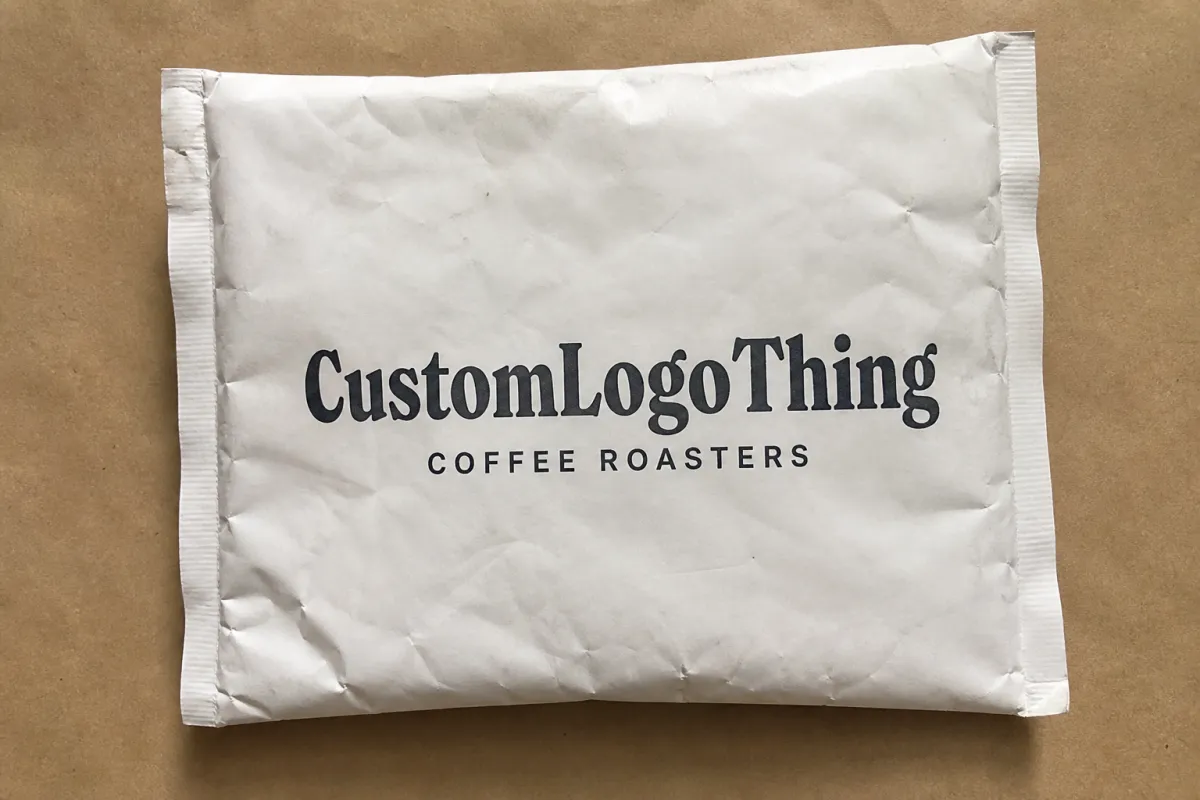
The cheapest line item is rarely the cheapest landed solution. That sounds obvious until you stare at a quote sheet and see a plain stock mailer looking deceptively friendly. Then the real costs arrive: re-shipments, damaged product, extra inserts, and a separate branded label or box system that eats labor and freight weight. A printed padded mailer can pull several jobs into one piece. It protects the product, carries the brand, and cuts down on the extra packaging layers that slow fulfillment.
Coffee roasters ship a mixed bag. Some send one bag to a first-time buyer. Others send sample packs to wholesale accounts. Plenty run subscription programs that repeat every month with predictable, slightly different contents. A quote checklist has to account for that spread. A mailer that handles a single 12 oz bag may close badly around a two-bag bundle, and a format that photographs well can still fail if the seal area is too tight or the padding is too thin for the route.
From a buyer’s point of view, consistency is the real prize. Same close. Same print result. Same protection, every time the order leaves the roastery. Monday should not behave differently than Friday. That means asking about internal dimensions, actual fill weight, closure strength, cushioning level, and print coverage before asking for price. The quote should reflect how the mailer performs after it is filled, sealed, handled, sorted, and delivered.
Printed Padded Mailers also help keep the shelf-to-mailbox look in one lane. When the outer pack looks like your brand and the material feels right for the product, the customer gets one coherent package instead of a box-within-a-box mess that feels improvised. Coffee buyers judge freshness, care, and value from the packaging before they ever grind the beans. A strong outer mailer can carry that first impression without making fulfillment a circus.
One practical warning: the mailer is not the freshness barrier. The sealed coffee bag still does that work. The outer mailer protects the shipment, controls presentation, and reduces abrasion or crush damage. That distinction matters, especially for buyers who are trying to solve shipping damage with the wrong layer of packaging.
If you are building a purchasing checklist, start with what you can control now: product dimensions, fill weight, artwork coverage, shipping lane, and monthly usage pattern. Then decide whether you need a simple branded mailer, a higher-barrier option for moisture resistance, or a padded structure that can handle repeated rough treatment. For plenty of roasters, the best answer is not the fanciest spec. It is the one that fits the product, closes correctly, and stays within budget month after month.
Product details that shape print quality, protection, and shelf appeal
A printed padded mailer is built from a few core parts, and each one affects the final result. The outer face stock or film controls the look and the way ink sits on the surface. The cushioning layer protects the product from knocks and abrasion. The closure system decides whether the package stays sealed through sorting and delivery. A tear-open feature can improve the unboxing experience and lower the odds of a customer ripping into the contents by accident.
For coffee shipments, the most common material families are kraft-faced and poly-based constructions. Kraft-faced options usually create a more natural, artisanal look, which suits roasters that want an earthy, craft-driven style. Poly-based options usually offer better moisture resistance, a smoother print surface, and a tougher skin for full-coverage graphics. Neither is automatically the winner. The right choice depends on how the product travels, how the brand presents itself, and whether the priority is a warm paper feel or a more durable shipping surface.
Print coverage changes the whole personality of the mailer. A one-color logo tucked into a corner feels clean, restrained, and often cost-friendly at scale. Full-surface branding gives room for product messaging, roast notes, QR codes, subscription prompts, and repeating patterns that pop in a stack of incoming parcels. More coverage usually means more setup and more cost, but it can also replace secondary labels and make the outside of the parcel do more work.
The balance between protection and appearance matters more than many buyers expect. A mailer that looks premium but crushes under parcel handling creates claims and a lousy first impression. A mailer that protects well but looks unfinished can weaken the brand moment you are trying to build. The best results usually sit in the middle: enough cushioning for the product weight, enough print area to speak for the brand, and enough surface durability to survive normal transit without ugly scuffs.
Roasters also need to think about fulfillment realities. Sample kit orders often include small inserts, and those inserts can shift inside the pouch if the mailer is too large. Launch seasons may require backup inventory so a new blend can ship without delay. Subscription programs benefit from packaging that feels the same every month, because customers notice inconsistency even if they never name it. A stable mailer spec helps the pack line stay predictable, which matters when labor is tight and order counts jump.
There is also a sustainability layer that deserves an honest answer. Recycled-content mailers can support a lower-impact message, but they do not automatically mean curbside recyclable everywhere. Local recovery rules vary, and mixed-material constructions are not always sorted the same way. If your brand wants paper-based sourcing with chain-of-custody documentation, ask for FSC paperwork early. If your shipment needs performance validation, reference parcel test methods from the International Safe Transit Association so the supplier knows you care about more than appearance.
| Mailer option | Best use | Print feel | Protection and handling | Directional unit cost at 5,000 pieces |
|---|---|---|---|---|
| Kraft-faced padded mailer | Natural, artisan coffee branding; sample packs; lighter subscription orders | Warm, matte, paper-forward | Good for normal parcel routes; moderate moisture resistance | $0.22-$0.40 |
| Poly-based padded mailer | Higher abrasion risk; long transit lanes; richer full-coverage print | Smoother, brighter, more graphic | Better moisture resistance and surface durability | $0.30-$0.55 |
| Recycled-content padded mailer | Brands emphasizing sustainability and paper recovery goals | Usually slightly more textured | Depends on construction; ask for seal and drop-test details | $0.28-$0.50 |
| Full-coverage branded mailer with custom print | Premium launches, seasonal programs, and subscription unboxing | High visual impact; supports QR and messaging | Can be strong if the structure is chosen correctly | $0.38-$0.80 |
Those numbers are directional, not fixed. Size, print coverage, color count, and destination all move the final quote. Still, the table is useful because it shows how to think about the decision: not just “what is cheapest,” but “which structure fits the product, the brand, and the shipping lane without hidden add-ons later.”
Specifications to lock down before you request a quote
The fastest way to slow a quote is to leave too much unsaid. A supplier can only price accurately if the spec sheet reflects the packed product, not just the retail bag. Internal dimensions matter more than external size claims because the mailer has to close cleanly without stress on the seams, the seal, or the contents. If a coffee bag sits too tightly, the closure can curl, the artwork can distort, and the package may feel overstuffed. If it is too loose, the product shifts and the unboxing looks unfinished.
Start with the real packed dimensions. Measure the actual retail bag or bundle after it is filled, sealed, and inserted with any cards or inserts. If you ship several formats, record each one separately. A single-size estimate is often where quoting mistakes begin. A 5 oz sample pack may fit into a smaller mailer than a 12 oz retail order, but the difference matters more once you add a coupon card, roast profile card, or protective wrap around a fragile component.
Next, define the cushioning level needed for the shipping lane. A local route with light parcel handling may not need the same padding as a cross-country shipment that passes through several sorts. If your orders move through rough parcel networks, ask the supplier what cushioning thickness they recommend and whether they can tie the spec to a practical transit test instead of guesswork. Some buyers reference ASTM or ISTA procedures as part of their internal quality review, which is a sensible move if claims or replacements are a real cost center.
Print requirements should be written out clearly. Say how many colors you need, where the artwork should sit, whether there is a back-panel message, whether the flap needs branding, and whether the print must wrap fully around the surface. If the design uses white ink on dark material, or if you need tight edge registration on a repeating pattern, say so at the quote stage. Artwork coverage changes not only the look, but also the production method, ink consumption, and setup time.
Closure and handling details matter more than many first-time buyers expect. Peel-and-seal adhesive is common because it is fast on the pack line, but the adhesive strength has to match storage and transit conditions. Some programs benefit from tamper evidence, a tear strip, or a reusable flap for returns. If you run a subscription program, the opening experience matters too, because the package is part of the monthly ritual. Good handling design can save seconds per pack and keep presentation consistent.
Finally, capture fulfillment details that affect the quote more than the product visuals: carton pack count, pallet build, storage conditions, and whether you need one SKU or several size tiers. If the roastery wants a single mailer size for multiple items, say that up front. If the business needs separate mailers for retail, wholesale samples, and promotional bundles, price each one separately so the real mix is visible. A clean quote depends on a clean scope.
- Packed dimensions: Measure the filled coffee product, not just the empty bag.
- Weight range: Note the lightest and heaviest order you expect to ship.
- Print coverage: Logo only, partial wrap, or full-surface branding.
- Closure style: Peel-and-seal, tear strip, or reusable option.
- Fulfillment pattern: Monthly subscription, seasonal launch, wholesale sample, or mixed use.
- Storage and routing: Warehouse conditions, parcel carrier mix, and destination regions.
If you want a fuller view of the materials available before you quote, our Custom Packaging Products page is a good starting point for narrowing construction, size, and print approach before you send specs for pricing.
Pricing, MOQ, and unit cost: what drives the number
Price on a printed mailer comes from a familiar set of variables: size, material choice, cushioning level, print coverage, color count, finish, and whether the design uses standard tooling or a custom format. A larger mailer uses more material. A thicker cushioning layer adds cost. Full-coverage artwork and multiple colors add setup complexity. Special finishes, such as metallic effects or unusual textures, increase cost again. The exact mix matters more than any single feature on its own.
MOQ, or minimum order quantity, usually follows the economics of setup. A higher run lets the press, conversion, and inspection costs spread across more pieces, which lowers the unit price. Smaller runs can still make sense, but the per-unit cost tends to rise because the fixed setup gets divided across fewer mailers. That does not mean small runs are wrong. It means the buyer should treat MOQ as part of the decision, not an afterthought. If you only need a short seasonal run, a higher unit cost may still be the smart move if it keeps inventory from sitting around.
For coffee roasters, a strong quote is one that shows tiered pricing. You want to see the unit cost at 3,000, 5,000, 10,000, and maybe 20,000 pieces if volume is growing. That makes it easier to compare how much savings sit at the next break point. Sometimes the jump from 5,000 to 10,000 is small enough that you should stock a little more. Other times the cash tied up in inventory is not worth the modest savings. The numbers should show the tradeoff clearly.
Always compare quotes on a landed basis, not just the ex-factory number. Freight, duties, cartons, and storage can shift the real cost per shipped order. A lower base price can hide a much higher total cost if freight is expensive or if the quote excludes packaging for transport. When the quote is incomplete, the buying decision gets distorted. Ask what is included, what is not, and whether the supplier can break out line items so you can compare them to your current spend.
There are practical ways to control cost without making the brand look cheap. Reduce the number of colors if the design still reads cleanly. Use a standard size where possible instead of a custom dimension. Consolidate multiple low-volume SKUs into one run if the artwork system allows it. Keep one side simple and use the other side for shipping marks or batch details. Small changes in print coverage often save more than buyers expect, especially when the order size is moderate.
Directionally, a simple one-color branded mailer at 5,000 pieces may sit in the low twenties to low forties cents per unit, depending on construction and destination. A heavier custom-printed format with more coverage can move into the mid-thirties to eighty cents range. Those bands are not promises; they are a practical starting point. The point is to ask the right questions, not to pretend one number fits every roastery.
If the quote does not show tiers, ask for them. A supplier who can price only one volume may be hiding the cost structure, while a supplier who can show several breaks is making the buying decision easier to manage.
For brands still comparing mailer formats, it also helps to review related options such as Custom Poly Mailers. Sometimes the right move is a padded mailer for premium orders and a lighter mailer for secondary shipments. That mix can keep the budget in line without making every parcel feel generic.
Process, timeline, and lead time from art proof to delivery
The production path is usually straightforward, but each step needs attention if you want the mailers on time. It starts with quote review, where the supplier checks the dimensions, materials, print plan, and volume. Then comes artwork submission, followed by proofing and approval. After that, production begins, then quality inspection, packing, and shipment booking. Every stage can move quickly if the inputs are complete, or crawl if the files and specs are still vague.
The most common delay points are artwork corrections, color matching, material sourcing, and freight booking. A logo file that looks fine on screen may not be print ready. A repeated pattern can shift once the dieline is applied. White ink on dark stock may need extra proofing. If the selected material is not in stock, the schedule can stretch while the supplier waits for raw goods. Even after production is finished, shipping can add time if the route is crowded or the delivery window is tight.
Before production starts, expect the supplier to confirm the dieline and review your print-ready file set. That review may cover bleed, safe area, overprint, image resolution, and whether the artwork sits properly across the fold or flap. If you need a physical sample or a digital proof, build that into the schedule. The best time to find a layout issue is before ink hits the material. A small adjustment on screen beats a remake after printing.
In practical terms, a straightforward run may move through proof approval and production in roughly 12 to 15 business days, then need a few more days for packing and freight, depending on destination. More complex runs, especially those with multiple SKUs or special finishes, can take longer. If you need a fixed launch date, assume the schedule will tighten around the slowest step, not the fastest one. That means artwork sign-off and material confirmation should happen early, not near the deadline.
Quality control should be discussed before you approve the order. Ask how the supplier checks visual consistency, dimensional accuracy, seal performance, and carton counts. If you need the mailers to hold up under parcel handling, ask whether they have tested the structure under a method aligned with ISTA guidance or similar internal packaging standards. That does not make the order academic; it simply gives you a better way to judge whether the mailer is fit for service.
Roasters with seasonal peaks or subscription surges should build a buffer into the plan. A new blend launch can push order volume up suddenly. Holiday bundles create a second demand wave. If you approve artwork late or wait for a final decision on size, the whole chain tightens. The safest path is to lock the product spec early, approve the art once, and keep a small reserve of finished stock so the pack line never runs dry during a busy week.
Lead time is not just about production speed. It is about how fast decisions get made. Clear specs, ready artwork, and an agreed shipping window shorten the project more than any promise on a sales sheet. That is why careful buyers treat lead time as a shared job between supplier and brand, not a number handed down after the fact.
Why choose us for printed padded mailers and how to get a fast quote
At Custom Logo Things, the quote process is built around packaging judgment, not generic sales copy. If you need Printed Padded Mailers for Coffee orders, the goal is to match the mailer structure to the product, the route, and the brand presentation in a way that survives real fulfillment. That means clear sizing, realistic print guidance, and a quote that reflects the actual job, not a random unit number pulled from a stock list.
To get a fast and accurate quote, send the product dimensions, quantity by SKU, artwork files, target ship date, destination zip code or country, and any must-have features such as tear strips, custom finishes, or specific adhesive behavior. If you already have a current mailer spec, include it. If you have a photo of the packed order, include that too. Those two items often cut revision cycles because they show how the product is actually packed, not how someone thinks it should be packed.
The best quote requests also include one or two acceptable material options. For example, if your brand can live with either kraft-faced or poly-based construction, say so. That flexibility can reveal a better price or a better schedule. Likewise, if the minimum acceptable MOQ matters more than the absolute lowest unit price, state that plainly. A quote should support a real buying decision, so the supplier needs to know where your limits are.
If you are choosing between a simple branded mailer and a fully printed format, decide whether full bleed is necessary or whether spot placement does the job. A cleaner artwork scope often lowers cost and keeps production easier to manage. The same logic applies to SKU count: one well-chosen mailer size is easier to buy and stock than three sizes that all do the same thing with only minor differences.
For roasters that want to compare routes, structures, or print methods, we can also help you weigh the options against other formats before you commit. That may include looking at the broader packaging mix, reviewing the current order profile, and deciding whether the padded mailer is the main shipping format or the premium option for a particular order class. If you are ready to start, use our Contact Us page and send the checklist. The more complete the inputs, the faster the quote comes back.
A useful next step is straightforward:
- Confirm the SKU list and packed dimensions.
- Choose one or two acceptable material constructions.
- Set the minimum acceptable MOQ and target lead time.
- Review whether the artwork needs full coverage, partial coverage, or logo-only placement.
- Compare the quote against your current shipping spend and damage rate.
That process keeps the decision grounded. If the mailer replaces a plain stock format, the brand lift may justify the upgrade. If it replaces a shipping box, the labor savings may be the bigger win. Either way, the value comes from the fit between the package and the job it has to do.
For coffee roasters that want a package to arrive with the right look and enough protection to handle parcel abuse, the right printed Padded Mailers for Coffee Roasters supplier quote checklist is the difference between a guess and a purchase made with confidence. The practical move is simple: send a packed sample, the print-ready artwork, and a tiered quantity target so the supplier can quote the actual job instead of a generic mailer.
Frequently Asked Questions
What should I include in a printed padded mailers for coffee roasters supplier quote?
Provide the packed product dimensions, order quantity, artwork count, and target ship-to location so the supplier can price the right construction. Include the print coverage you want, such as logo-only, one-sided branding, or full-surface graphics, because coverage changes setup and unit cost. Add any deadline, sample request, or special handling need, since lead time and freight method can change the final quote.
Are printed padded mailers better than plain mailers for coffee subscription orders?
They are usually the better choice when brand presentation matters and you want the package to feel finished as soon as it arrives. They can also reduce damage risk when the cushioning and closure match the product weight and parcel route. Plain mailers can cost less up front, but printed padded mailers often deliver stronger perceived value and more brand touchpoints.
What MOQ should I expect for printed padded mailers for coffee roasters?
MOQ depends on the material, print method, and whether the design uses standard sizes or a custom format. Smaller runs are sometimes possible, but the unit cost usually rises because setup costs are spread across fewer pieces. Ask for tiered pricing so you can compare the lowest viable MOQ against the most economical production break.
How do I compare two supplier quotes for coffee roaster padded mailers?
Check that both quotes use the same dimensions, material construction, cushioning level, and print coverage before comparing price. Confirm whether freight, duties, cartons, and sampling are included, because a lower base price can hide a higher landed cost. Ask for proof approval details and production timeline so the quote reflects the real path to delivery, not just the unit number.
What affects lead time the most for printed padded mailers?
Artwork approval, color matching, and material availability are usually the biggest schedule variables. Multiple SKUs, custom finishes, and freight method can also add time, especially when a shipment has to hit a fixed launch date. The fastest projects are the ones that start with a complete spec sheet and a clean, print-ready file set.