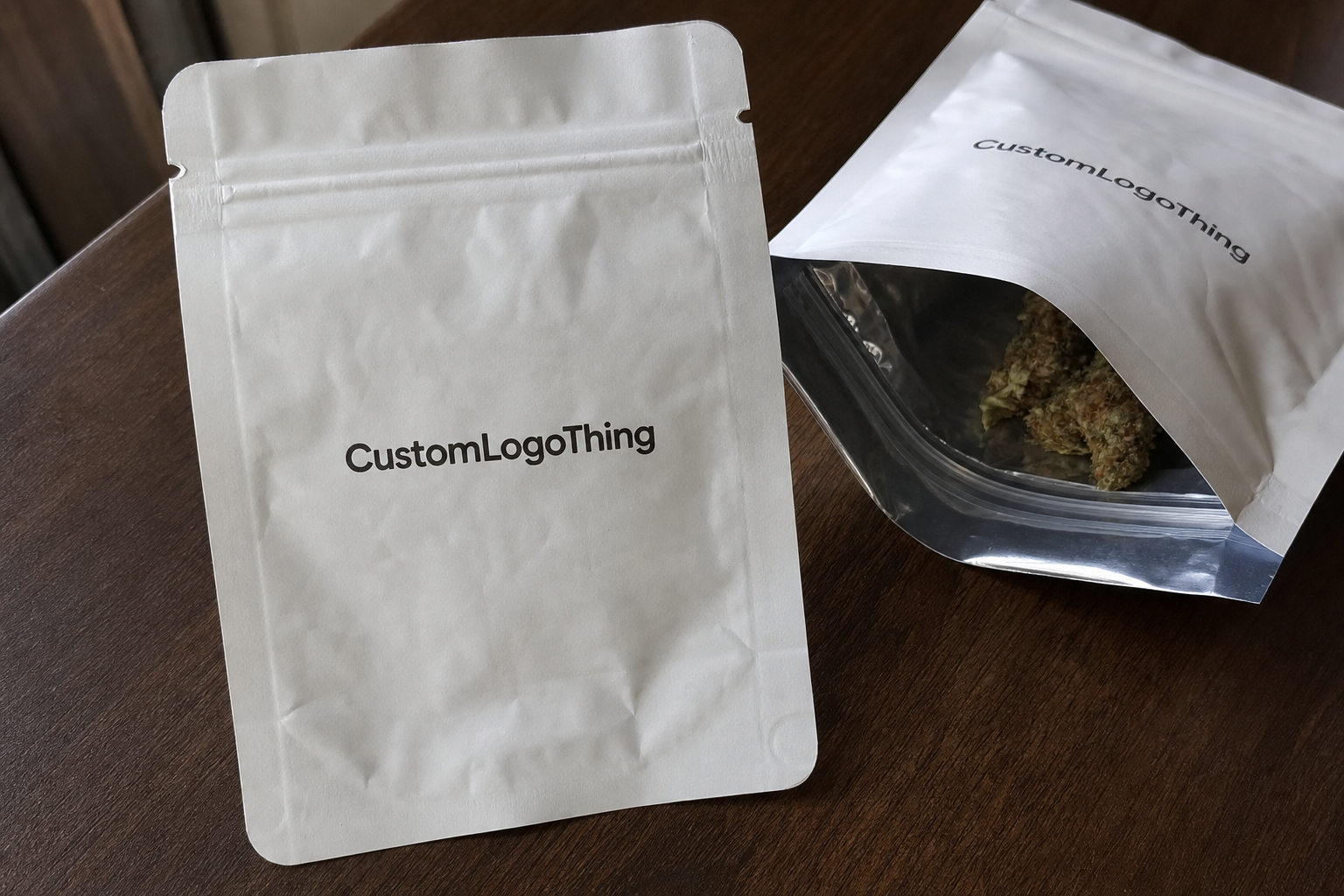
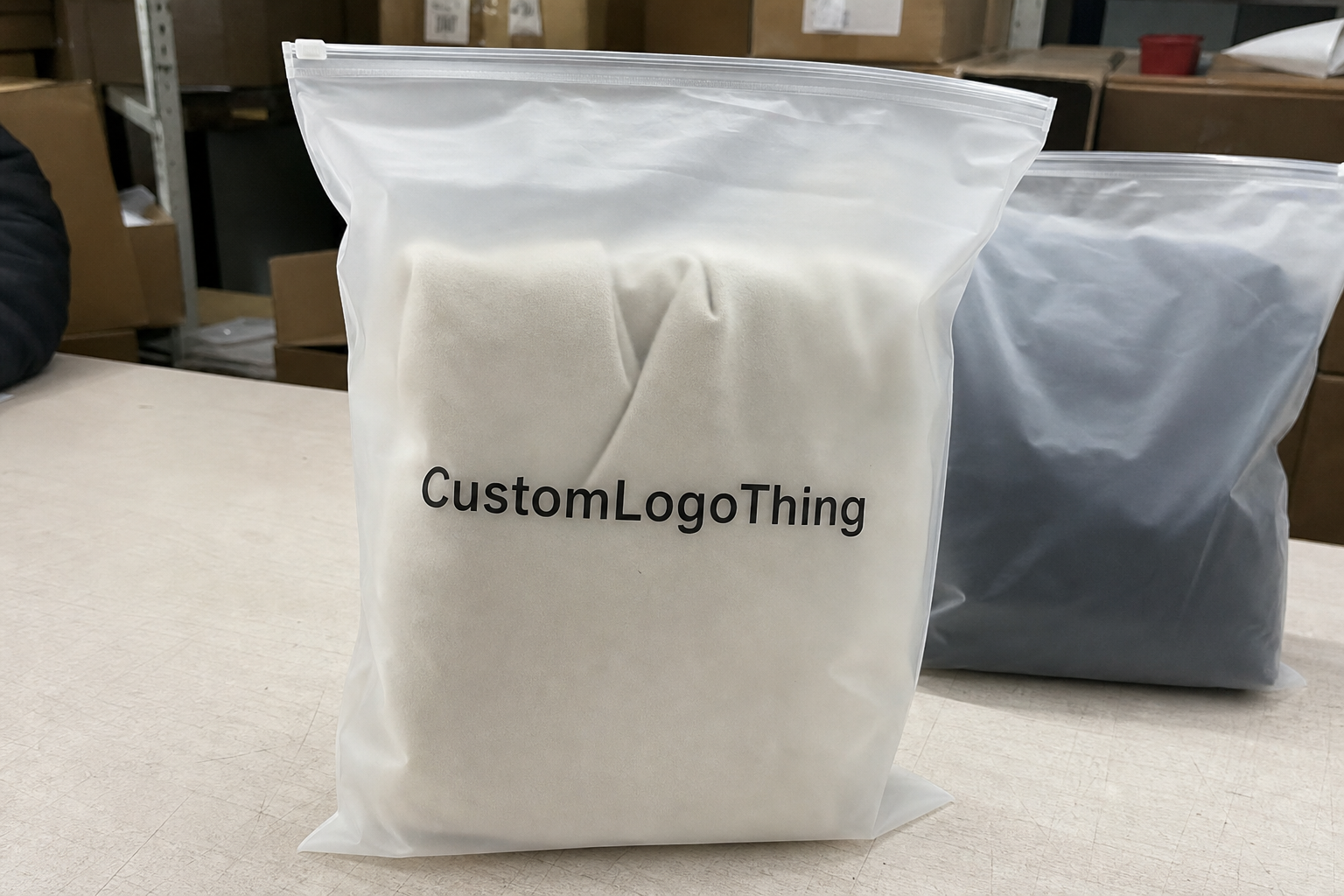
Branded Plastic Mailing Bags Price: Get a Fast Quote
If you are comparing branded plastic mailing bags price across suppliers, the first number on the quote sheet is only part of the story. A bag that costs a few cents less can still be more expensive in practice if it splits at the seal, arrives scuffed, or slows packing because the adhesive strip is awkward to use. From a packing line point of view, the real value comes from a bag that protects the product, carries the brand cleanly, and moves through fulfillment without drama.
That is why buyers in e-commerce, subscription packs, and retail replenishment usually get a better result when they compare the full spec, not just the base unit cost. Film gauge, seal strength, opacity, and print quality all affect how the bag performs once it enters parcel handling. If the bag survives the journey, presents well at delivery, and keeps the team moving quickly at dispatch, the higher quote can still be the better purchase.
What Most Buyers Miss About Mailing Bag Cost
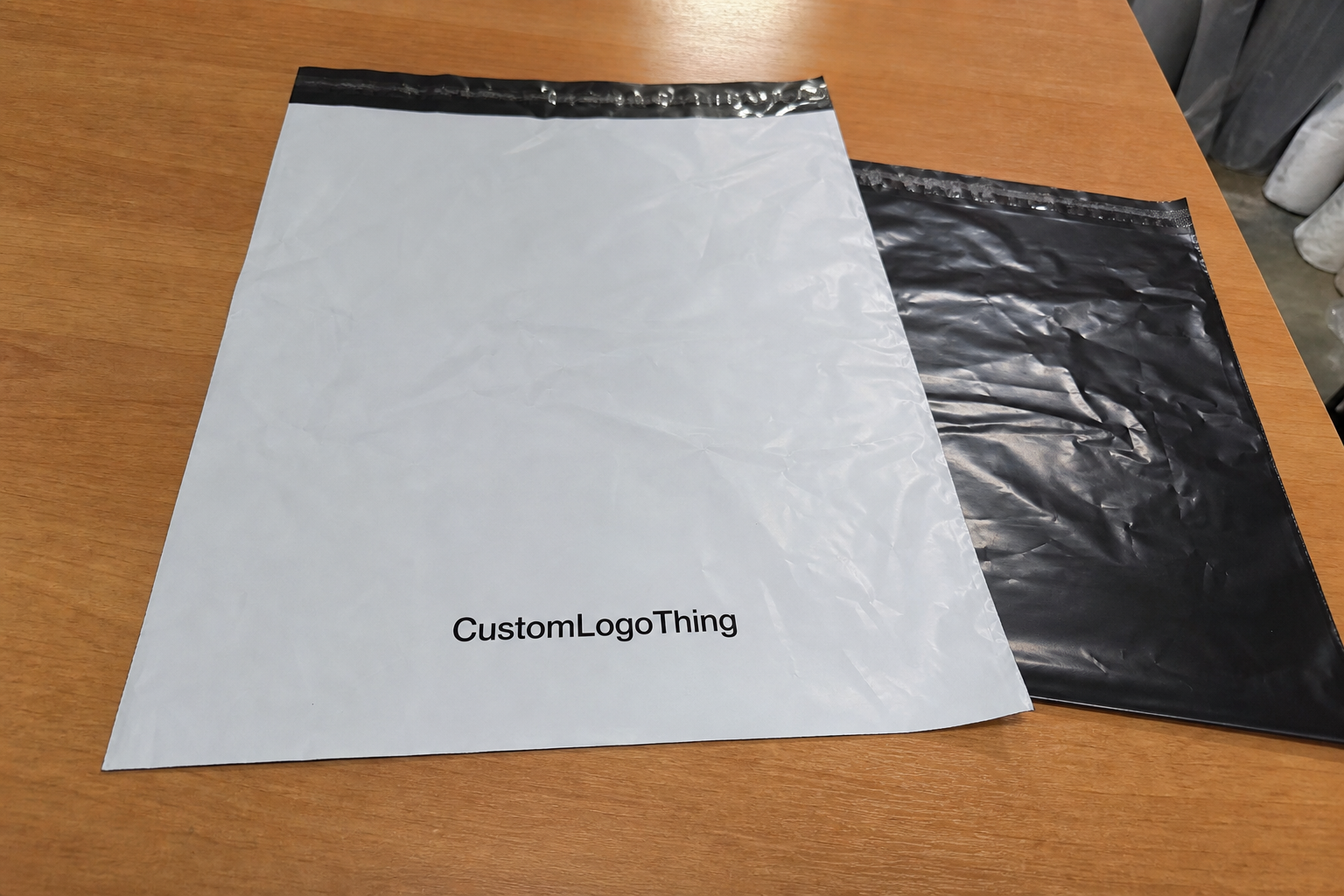
The mistake I see most often is treating mailing bags like a commodity with one obvious price. They are not. A branded plastic mailing bag has to do three jobs at once: protect the contents, support the brand, and keep packing efficient. If one of those fails, the apparent saving disappears fast, usually in the form of rework, replacements, customer complaints, or returns that should never have happened.
For lightweight apparel, soft goods, and documents, a well-made LDPE mailer or co-extruded bag can reduce the need for secondary outer packing. That matters because every extra carton, insert, or wrap step adds labour. A slightly thicker film with a reliable self-seal can also improve line speed, especially where operators are packing mixed order sizes and need a closure that behaves the same way every time. In that context, branded plastic mailing bags price is better viewed as a cost-to-serve question, not just a raw unit figure.
There is also the customer-side effect. A cleanly printed bag creates a better first touchpoint, and a bag that reaches the recipient without abrasions or seal failure avoids an avoidable service call. If you are shipping high-volume parcels, those small percentage gains add up. That is why I would rather see a buyer choose a slightly better spec and lock the run in properly than chase the lowest line item and pay for it later.
“The cheapest bag is rarely the cheapest supply decision if it damages goods, slows packing, or looks poor on arrival.”
A second issue is that many buyers compare bags without checking whether the quote is based on a true like-for-like spec. One supplier may be quoting a 60-micron bag with a single-color print and standard seal, while another is pricing a 75-micron bag, a higher ink coverage, and a stronger adhesive strip. The numbers will never line up if the construction is different. That sounds obvious, yet it is where a lot of procurement time disappears.
It helps to think of a mailing bag as a small manufacturing system. The film has to run cleanly through print and conversion. The seal has to hold after the bag is filled. The surface has to accept the artwork without distortion. Then the finished pack needs to survive handling, warehouse stacking, and parcel transit. A lower unit cost means very little if the bag fails any of those checks.
Materials, Print Methods, and Closure Options That Affect Performance
Most Custom Mailing Bags are built from LDPE, co-extruded film, or recycled-content blends. LDPE is the familiar choice because it offers a good balance of flexibility, toughness, and cost. Co-extruded film gives you another layer of control, often improving puncture resistance or print side clarity while keeping the bag relatively light. Recycled-content options can be useful for sustainability targets, but they need to be specified carefully because recycled material can change the feel, opacity, and seal behavior.
Print method matters just as much. Flexographic printing is common for straightforward branding, especially where spot colors and repeat runs are involved. Gravure can deliver strong image consistency at higher volumes, but setup economics only make sense on larger orders. The final quote will move with the number of colors, the percentage of print coverage, and whether you need a white underprint to keep logos sharp on a colored film. If the artwork is full coverage or includes fine reverses, expect the price to reflect that extra ink and process time.
Closure style changes both function and cost. A self-seal adhesive strip is usually the most practical choice for pack-and-send workflows because it is quick and consistent. Peel-and-seal versions are popular where the bag needs a cleaner presentation before use. Tamper-evident strips add security for returns or higher-value contents, while open-top formats are better suited to inserts, internal kitting, or manual packing where a separate seal step happens later. If the closure does not suit the work pattern, the bag can be inexpensive and still be wrong.
Finish is another subtle price lever. Gloss will usually give you a sharper visual pop, while matte can feel more restrained and premium. Soft-touch finishes look sophisticated, but they add cost and are rarely the right choice for a heavy-duty dispatch item unless the brand position justifies it. For high-volume shipment work, a simpler film spec is often the smarter commercial decision. For reference on shipping performance and packaging testing, many teams work against procedures published by ISTA.
There is also a practical issue with recycled-content films that does not always get explained clearly in sales quotes. Not every recycled blend behaves the same way under heat sealing or high-speed conversion. Some formulations can show more variation in thickness, and that can affect print registration or seal consistency. If sustainability is part of the brief, ask for the exact material construction rather than accepting a broad “eco” label. The label looks good on a slide deck. The actual film has to run on a machine.
Sizes, Film Gauge, and Artwork Specs to Lock Before Quoting
Before anyone can quote accurately, the dimensions need to be exact. For mailing bags, that means flat width, usable length, any gusset or flare allowance, and the seal allowance if the design needs extra room at the top. Tolerances also matter. A bag that is nominally correct but consistently tight by a few millimetres can create wasted time on the packing line, especially if the product dimensions are close to the bag size.
Film gauge is the next decision point. Buyers often ask for a thicker bag thinking it automatically means better quality, which is only half true. A heavier gauge, measured in microns or mils depending on the market, can improve puncture resistance and reduce stretch, but it also increases material cost and can change the hand-feel. For lightweight garments, a mid-range spec is often enough. For products with corners, zips, or boxed accessories, a stronger film can pay for itself by lowering damage risk.
Artwork has to be clean before production starts. That means final logo files, correct spot color references, bleed, safe zones, and any barcode or address panel placement that needs to stay clear. If the brand uses a PMS match, say so up front. If the design relies on gradients, fine type, or reverse-out copy, that should be visible in the proof stage rather than discovered at press time. The more precise the brief, the more reliable the branded plastic mailing bags price and the less likely the order is to drift during approval.
Pack configuration should be specified as well. Carton count, bundle count, pallet pattern, and any warehouse labeling requirements all influence how the order is received and stored. A quote that ignores logistics may look lower on paper and cost more once it reaches your site. For buyers who manage multiple pack formats, it also helps to keep comparable options in a single spec sheet so internal approvals move faster.
- Confirm dimensions: flat width, length, gusset, and seal allowance.
- Lock the film: LDPE, co-extruded, or recycled-content blend.
- Define print: color count, coverage, underprint, and finish.
- Set the pack-out: carton quantity, pallet load, and label format.
One more detail that gets missed: the intended contents should be part of the quote conversation. A mailer for folded T-shirts is a different job from a mailer for boxed cosmetics or spare parts. Sharp edges, pointed corners, and heavier items increase the risk of scuffing and puncture. If the contents vary across the range, the safest move is to quote against the most demanding item rather than the easiest one. Otherwise the first damaged parcel becomes everyone’s problem.
Branded Plastic Mailing Bags Price, MOQ, and Quote Inputs
The fastest way to understand branded plastic mailing bags price is to break it into the variables that actually move the number. Size is one. Film gauge is another. Print color count, print coverage, closure type, and total quantity all have a direct effect. If one supplier is quoting a single-color bag with standard adhesive and another is quoting a four-color full-coverage print with tamper-evident closure, those are not comparable quotes, even if the headline number looks close.
MOQ usually exists because setup costs need to be spread across the run. Plates, cylinders, prepress checks, and machine changeovers all have a cost before the first good bag is packed. That is why unit pricing often improves as order volume rises. A larger repeat order lowers the share of setup cost per bag, and the base film cost becomes a bigger part of the equation. If you are testing a new design, ask for tiered pricing so you can see the cost curve instead of guessing where the threshold sits.
| Spec Choice | Typical Price Effect | Best Fit |
|---|---|---|
| Plain LDPE, one color, standard seal | Lowest setup and best unit cost at scale | High-volume dispatch and basic branded shipments |
| Co-extruded film, two to three colors | Moderate uplift for better print and strength | Retail-ready parcels and heavier contents |
| Full coverage print, white underprint, peel-and-seal | Higher due to ink coverage and extra conversion | Premium presentation and brand-led fulfilment |
| Recycled-content film, special finish, tamper-evident closure | Highest among the standard options | Sustainability-led programs and security-sensitive mailers |
To compare quotes fairly, ask each supplier to quote the same spec sheet, the same finish, the same quantity tiers, and the same delivery terms. Freight, packaging, import charges, and local handling fees should be included in the conversation. Otherwise you are comparing a factory price against a landed price, which gives a false impression of savings. Buyers reviewing multiple packaging formats often use our Case Studies to see how spec changes affect the final budget.
For planning, a realistic branded mailer quote should show the unit rate at MOQ, a better rate at a mid-run quantity, and the strongest rate at repeat volume. That is the cleanest way to see where your order really sits. It is also the fastest route to deciding whether the current spec is commercially right or whether a small adjustment in size, gauge, or print coverage could improve the number without harming performance.
There is a floor to the economics, too. Small runs almost always carry a higher unit price because setup costs dominate the order. Once the run gets larger, material and machine time become more efficient, and the price curve settles. That does not mean bigger is always better. If stock turns slowly, a lower MOQ can be the smarter move even if the unit price is higher. Dead inventory is not a bargain.
Production Process, Proofing, and Lead Time
A clean order follows a predictable sequence. First comes artwork and spec review. Then the prepress check confirms that the files are usable, the colors are defined, and the dimensions match the brief. After that, a proof is issued for approval. Only once the proof is signed off should production begin. The order then moves through printing, conversion, inspection, packing, and dispatch.
Delays usually appear in the same places. Incomplete artwork is one. Vague color references are another. A buyer changing the bag size after proofing can also push the schedule back because it may require a new setup. In practice, the fastest jobs are the ones with a tight brief and a quick approval loop. A simple one- or two-color order generally moves faster than a complex multi-color bag with special finishing, multiple SKUs, and custom pack configuration.
Lead time needs to be split into parts rather than treated as one vague promise. Proof turnaround is separate from production run time, and freight transit is a third step again. A supplier might quote 12 to 15 business days from proof approval for a standard run, but that figure does not include shipping, customs, or any rework caused by late artwork changes. Buyers should always plan inventory against the whole chain, not just machine time.
There can be expedite options, but they depend on a disciplined brief. If you need the order quickly, the best move is to keep the spec simple, supply final artwork early, and approve the proof without delay. Complex requests are possible, but they usually need more calendar time. That is just how print production works when quality control is taken seriously. For bag formats related to shipping and branded pack-out, our Custom Poly Mailers page is a useful reference point.
Quality checks should happen before the boxes leave the plant, not after the warehouse starts opening cartons. The obvious checks are print registration, color consistency, seal integrity, and film thickness. Less obvious but just as useful are carton labels, bag count per pack, and whether the adhesive strip still performs after storage. Bags can look perfect on press and still disappoint if the closure degrades or the carton count is wrong. That is why inspection has to cover more than the logo.
How We Keep Repeat Orders Consistent Across Reprints
Repeat orders are where supplier discipline matters most. Once a branded mailer has been approved, the important job is keeping the next run consistent with the first one. That means storing approved artwork versions, color references, size data, and packaging instructions so the reprint does not depend on someone remembering what happened last time. Without that record, even a good run can become a frustrating one six months later.
Quality control should not end at print approval. Carton labeling, batch traceability, and receiving checks all help procurement teams manage stock with less friction. If a warehouse receives the wrong size, the wrong color version, or a mixed pack, the issue can ripple through dispatch very quickly. Clear batch identification reduces that risk and makes it easier to isolate any problem if there is a complaint or a transit issue.
There is also a practical purchasing advantage in working with a supplier who understands multiple bag sizes and repeat schedules. Coordinating several formats through one contact can cut admin time and help avoid mismatched artwork versions across the range. That matters when the same brand ships different product families and wants all packaging to feel aligned. Good repeat supply is not about selling the first run well; it is about making the third and fifth reprint behave the same way as the first.
For sustainability questions, buyers often ask about recycling guidance, source reduction, and packaging recovery. Those concerns should be handled honestly and grounded in the actual material spec, not in broad claims. The EPA provides useful reference material on recycling and packaging waste at epa.gov. If a recycled-content film or paper-based outer carton is part of your brief, that conversation belongs in the quote stage so the cost and performance impact are both visible.
One reason repeat orders can go sideways is version control. A logo file that was approved last quarter may have been updated by marketing without procurement knowing. A supplier may then print the newer file against an old size spec, and nobody notices until the cartons arrive. The fix is not complicated: keep one master spec sheet, one artwork reference, and one approved proof record. That sounds boring because it is. It also works.
What to Send Now for a Faster Quote and Sample Review
If you want a fast, usable quote, send the dimensions, target film gauge, print colors, quantity tiers, delivery postcode, and any artwork files you already have. If the artwork is not final, that is still fine. A good supplier can build a spec-based estimate from a rough brief as long as the core size and branding direction are clear. The more complete the input, the less likely the quote is to shift later.
It also helps to request pricing at several quantity points. Ask for MOQ, a mid-run volume, and a repeat-order tier so you can see where the best unit-cost threshold sits. A quote that only shows one quantity is useful for a first screen, but not enough for an actual buying decision. This is where many teams save money by moving one step up in volume or changing the print setup slightly to unlock better economics.
Sample review matters too. Even a simple bag should be checked for print placement, seal performance, opacity, and the feel of the film before full production starts. Catching a layout issue before press time is always cheaper than fixing it after the run. A short proof cycle also helps procurement, brand, and operations align on what the finished bag should look and feel like, which avoids unnecessary revisions later.
If you are ready for a precise quote, the right starting point is a concise spec pack, not a long conversation. Send the measurement, the artwork, the closure choice, and the quantity bands. From there, the branded plastic mailing bags price becomes much easier to pin down accurately, and you can compare options on the real commercial factors instead of a guessed headline number.
For buyers who are still narrowing the brief, the most useful next step is usually a sample check against the real contents. Put the intended product in the bag. Close it. Handle it. Stack it. Ship-test it if possible. A spec that looks fine on paper can still be awkward in a warehouse. That kind of practical check catches sizing mistakes, weak seals, and print choices that do not hold up under actual use.
What affects branded plastic mailing bags price the most?
Bag size, film gauge, and print coverage usually move the price more than minor artwork changes. Higher color counts, special closures, and smaller quantities often raise the unit cost. Freight, packaging format, and any custom finishing should be included when comparing quotes.
What MOQ should I expect for custom mailing bags?
MOQ varies by size, print setup, and film specification, but larger runs usually give better unit pricing. Ask whether the MOQ is tied to one artwork version, one size, or one colorway so the quote is comparable. If demand is uncertain, request tiered pricing to see the cost difference between test runs and full production.
How long does production usually take after artwork approval?
Lead time depends on proof approval speed, print complexity, and current factory loading. Simple single-color or low-color jobs often move faster than multi-color branded runs with special finishes. Build in time for proofing, production, quality checks, and freight rather than assuming press time is the whole schedule.
Can I get a quote without final artwork?
Yes, if you provide approximate dimensions, quantity, film gauge target, and the number of colors. A rough quote is useful for budgeting, but final pricing may change once artwork, coverage, and closure details are confirmed. Request a spec-based estimate first, then convert it to a production quote after artwork is approved.
How do I compare branded mailing bag quotes fairly?
Match the exact size, gauge, print method, quantity, and delivery terms across all suppliers. Check whether the quote includes setup, proofs, cartons, and freight, not just the bare unit price. Ask for a landed-cost comparison if you want the real cost of supply into your warehouse.
Should I choose the thickest film available?
Not automatically. Thicker film can improve puncture resistance, but it also raises cost and can make bags stiffer than needed. The right gauge depends on the contents, handling conditions, and how the bag is packed. For some apparel mailers, mid-range film is the better fit.