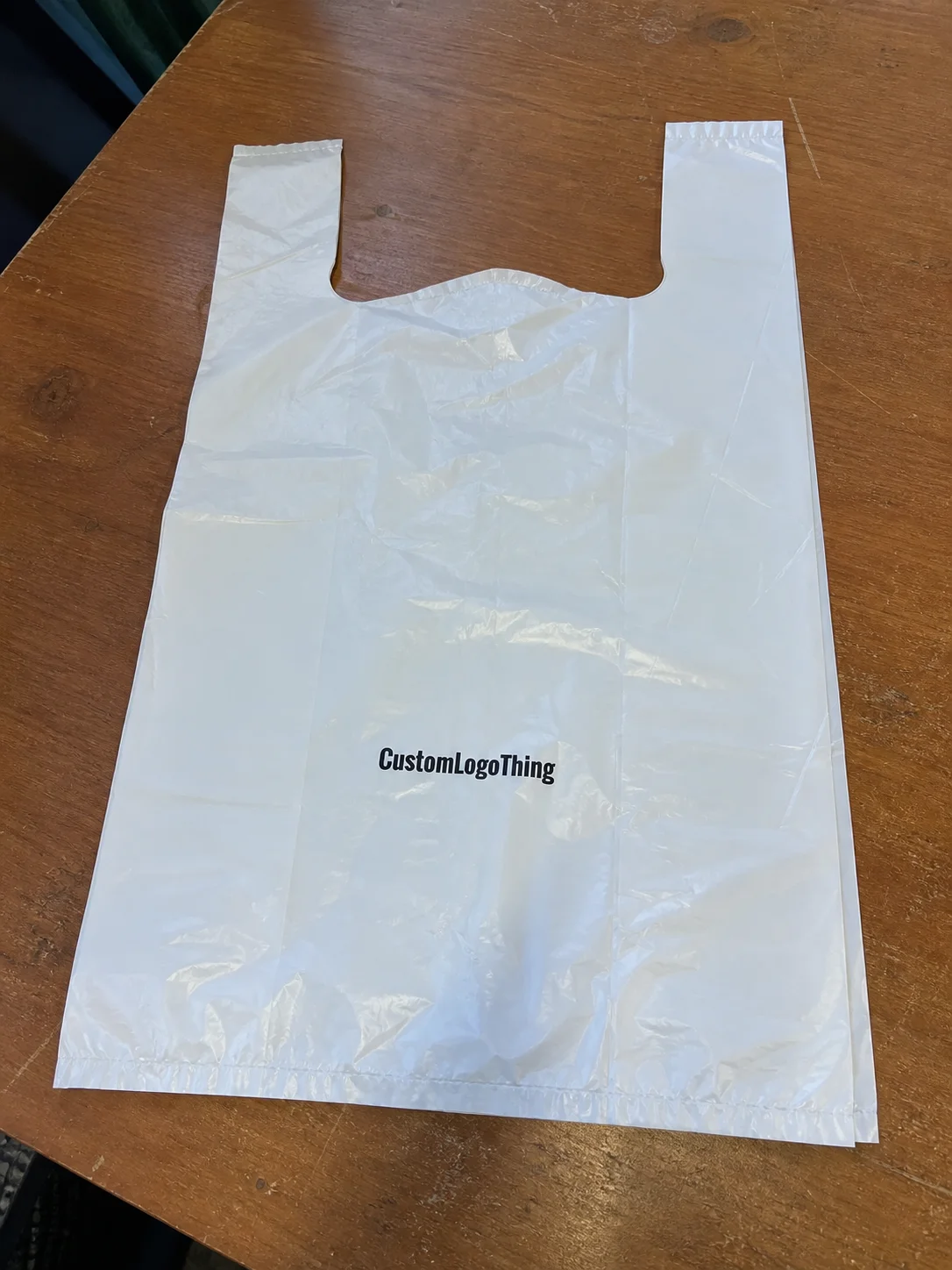
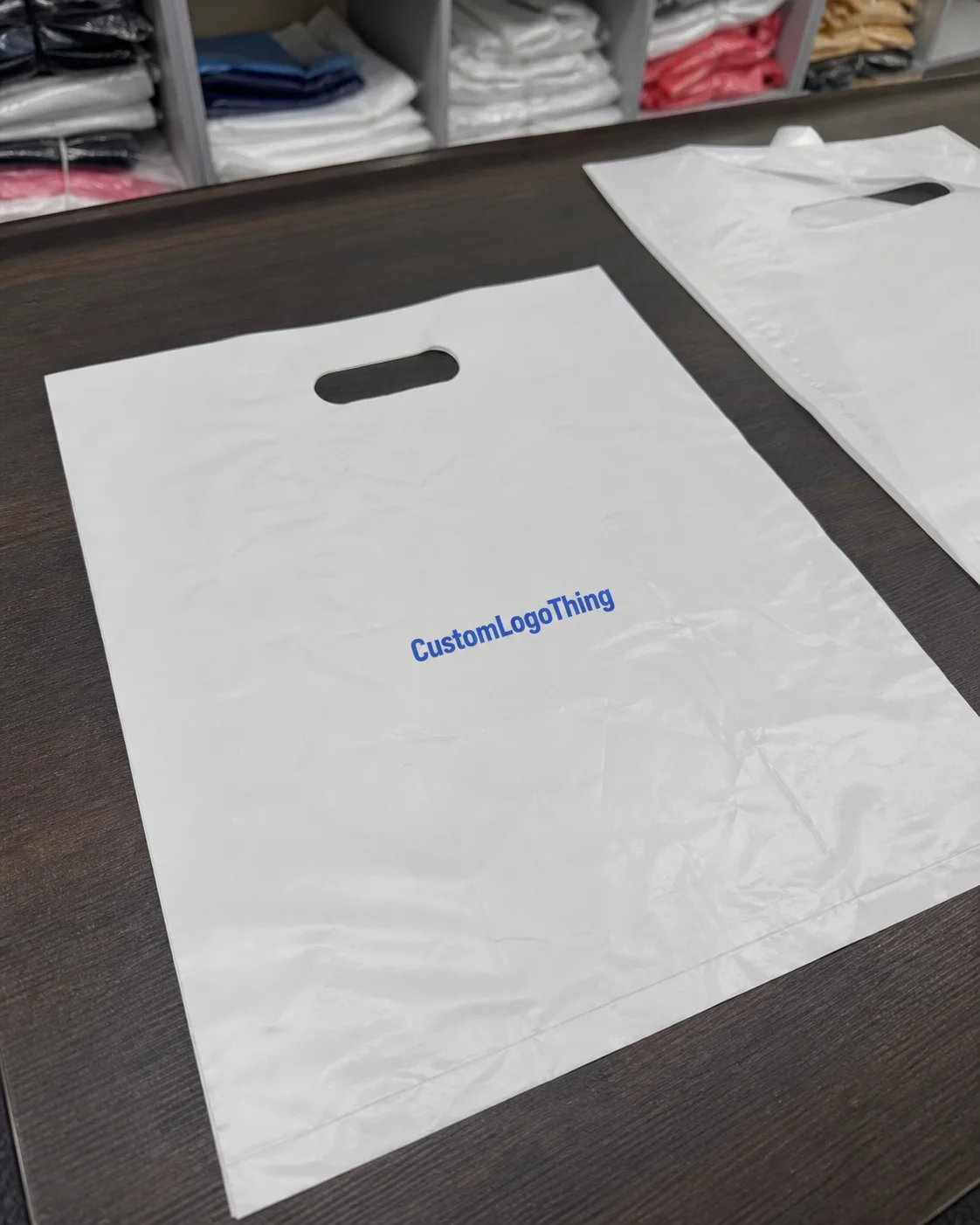
Buyer Fit Snapshot
| Best fit | Branded Poly Mailers for Dropshippers projects where brand print, material claims, artwork control, MOQ, and repeat-order consistency need to be specified before quoting. |
|---|---|
| Quote inputs | Share finished size, material target, print colors, finish, packing count, annual reorder estimate, ship-to region, and any compliance wording. |
| Proofing check | Approve dieline scale, logo placement, barcode or warning zones, color tolerance, closure strength, and carton packing before bulk production. |
| Main risk | Vague material claims, crowded artwork, missing packing details, or unclear freight terms can make a low unit price expensive after revisions. |
Fast answer: Branded Poly Mailers for Dropshippers: Film, Print, MOQ, and Carton Packing should be specified like a repeatable production item. The safest quote records material, print method, finish, artwork proof, packing count, and reorder notes in one written spec.
Production checks before approval
Compare the actual filled-product size with the drawing, then confirm tolerance on folds, seals, hang holes, label areas, and retail display edges. Reserve space for logos, QR codes, warning copy, and material claims before decorative graphics fill the panel.
Quote comparison points
Review material grade, print process, finish, sampling route, tooling charges, carton quantity, and freight assumptions side by side. A quote is only useful when the supplier can repeat the same color, closure quality, and packing count on the next order.
Branded Poly Mailers for Dropshippers: What to Know
Customers notice the package before they ever touch the product. That small fact gives branded poly mailers for dropshippers an outsized role in the sale. The mailer is not just a shipping supply. It is a signal, a cost decision, and a brand cue folded into one thin layer of film. A plain bag says an order moved. A printed bag says someone made a choice before the parcel left the warehouse.
For dropshippers, that outer layer is often the only part of fulfillment they can truly shape. Inventory may sit with a supplier. The warehouse may belong to a 3PL. The shipping lane may belong to a carrier network they do not control. The mailer still offers a real opening to influence first impressions without turning the operation into a logistics project that swallows margin. Used well, a custom mailer can lift perceived value, support repeat orders, and keep the unboxing experience steady even when the product mix changes from week to week.
That does not mean shipping should become theater. The real question is whether a packaging choice can survive actual order volume, actual margins, and actual fulfillment pressure. For readers comparing packaging categories more broadly, a useful starting point is the Custom Packaging Products page or the more focused Custom Poly Mailers range.
The mailer is often the first physical proof that the brand cared enough to make the shipment feel deliberate. A single clean print can do more work than a crowded layout that slows packing and pushes freight costs higher.
What Branded Poly Mailers for Dropshippers Actually Signal
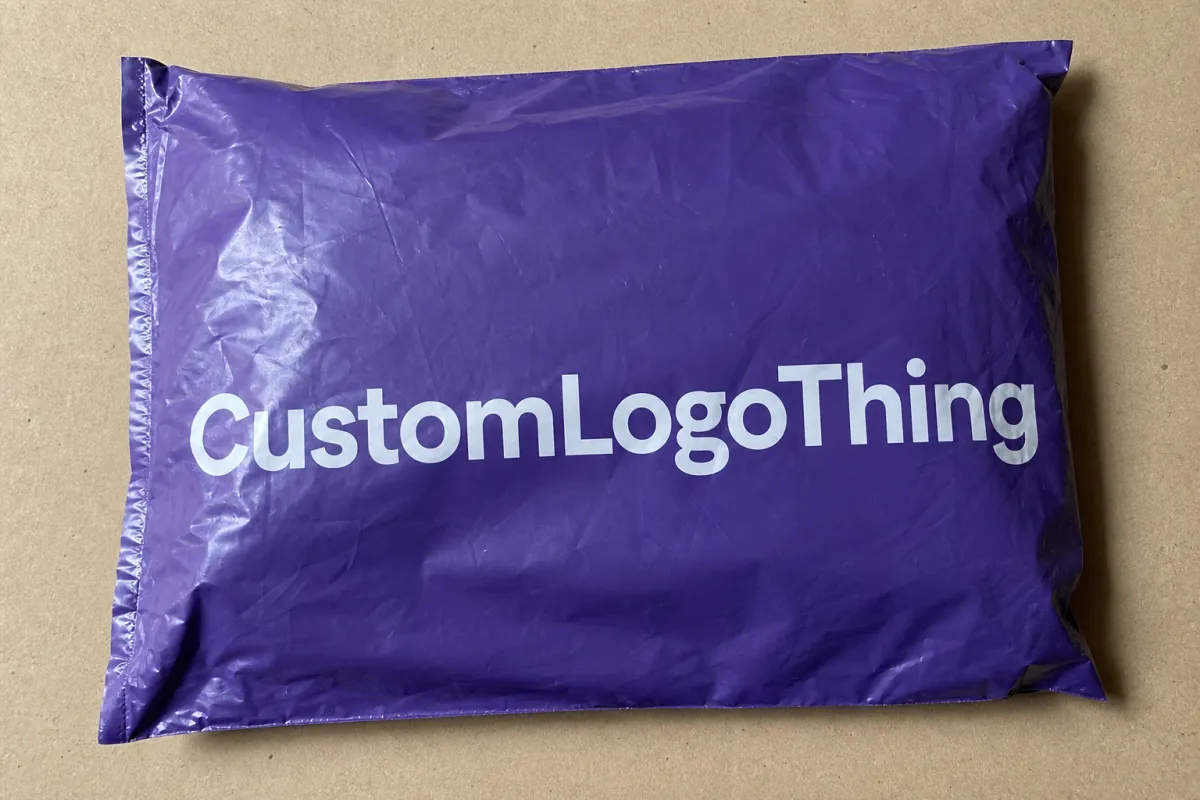
Branded poly mailers are lightweight shipping bags printed with a logo, color block, repeat pattern, tagline, or other brand mark. Plain mailers rely on labels and little else. The difference sounds minor until the package reaches the customer. A gray bag with no identity feels like a shipment. A printed bag feels like a brand made a decision.
That feeling matters because packaging frames value before the product is even seen. Consumers do not receive a product in a vacuum. They receive clues: film thickness, print quality, seal strength, cleanliness, and whether the package looks like it belongs to the business or was assembled at the last second. An intentional outer package nudges the brand toward credibility. A sloppy one does the opposite, even if the item inside is excellent.
Dropshippers care about this more than many traditional sellers because they often do not control the carton, the warehouse, or the handling system. The outside of the shipment becomes the one place where the brand can still leave a mark. That is why branded poly mailers carry so much weight. A one-color logo on a matte bag may be enough for one store. A repeating pattern can carry more visual presence for apparel, accessories, beauty, or soft goods.
The operational side matters just as much. A mailer is not a shelf display. It has to move through packing stations, survive transit, stay inside rate thresholds, and fit the product without making workers wrestle with the bag.
The test is not whether the packaging looks attractive in a mockup. It is whether the packaging changes customer perception without damaging order economics. That is the standard worth keeping in view from the start.
How Branded Poly Mailers Work in a Dropshipping Flow
The fulfillment sequence is usually simple. The supplier or 3PL receives the branded mailers, picks the order, places the product into the bag, seals it, and applies the shipping label. A well-planned setup adds only a few seconds to pack time. A poor setup turns the mailer into friction because the wrong size, weak seal, or awkward print layout slows every station in the line.
Two models show up most often. One uses preprinted mailers stored at the fulfillment site and pulled like any other packing supply. The other sends custom mailers to the supplier before launch so they are ready as orders come in. Steady-volume brands usually do better with the first model. Early-stage testing can work with the second, but only if communication is tight and inventory buffers are real, not imaginary.
Mailer branding fits best with products that are soft, flat, or flexible. Apparel is the obvious example. Socks, scarves, swimwear, supplements, small textiles, and some accessories also make sense. These items do not need rigid protection, and the mailer can often keep them safe while holding dimensional weight down.
Fragile items tell a different story. Mixed bundles, hard goods, and odd shapes can make a custom mailer a poor fit. A thin film that can be punctured, a product that needs crush resistance, or a catalog that changes too often can all weaken the case. A dropshipper selling posters, ceramics, and lightweight apparel should not expect one mailer style to solve every order. A mixed packaging system is often the honest answer.
Standardization is the quiet advantage. If 70% to 85% of orders fit one or two sizes, the whole operation becomes easier to manage. Packers move faster. Inventory forecasts get cleaner. Reorder timing becomes easier to predict. Small gains stack up quickly.
For examples of how packaging formats interact with product mix and packing speed, the Case Studies section is worth a look. Packaging decisions usually become clear only when they meet real volume and real handling conditions.
Cost, Pricing, and MOQ: What Changes the Quote
Pricing for branded poly mailers depends on much more than bag size. Film thickness, print coverage, number of colors, finish, quantity, and freight all move the quote. A small run with one-color branding can look inexpensive on paper, then creep upward once setup, proofing, and shipping are added. Larger runs usually lower the per-piece cost, while tying up more cash in inventory.
The most common mistake is staring at the sticker price per bag and stopping there. That number matters, but it is only part of the story. Total landed cost gives a better picture. Include the mailer, decoration, setup, freight, and any storage or split-shipment charges. If the supplier quotes $0.18 per unit and freight adds another $0.06 to $0.10, the real figure has already changed. If setup or proofing carries a fee, the gap widens again.
Minimum order quantities change the math too. A lower MOQ reduces risk, which is useful when a product is still being tested. The tradeoff is simple: smaller runs almost always cost more per unit. That is not a flaw in the supplier. It is how print economics work. Plates, setup, and production time have to be absorbed somewhere. Spread that over 2,000 pieces and the burden feels heavier than it does across 20,000.
The table below shows how buyers often compare the most common packaging options. The figures are directional rather than universal, but they reflect the tradeoffs seen in practice.
| Option | Typical Unit Cost | Common MOQ | Strengths | Tradeoffs |
|---|---|---|---|---|
| Plain poly mailer + sticker or label | $0.05-$0.14 | Low | Lowest upfront spend, easy to test, flexible for different SKUs | Less polished, slower if labels are applied manually, weaker brand presence |
| One-color branded poly mailer | $0.10-$0.24 | Moderate | Strong brand visibility, light weight, efficient for recurring orders | Setup cost, design must be print-ready, size mistakes can be expensive |
| Full-coverage printed mailer | $0.18-$0.45+ | Moderate to high | Strong visual impact, better for premium positioning, consistent brand feel | Higher cost, more artwork dependence, more sensitive to color matching and lead time |
There is a useful comparison to make between custom printing and a plain mailer plus labels. For a low-volume brand, stickers or labels can be a smart bridge. They are cheap, fast, and forgiving. Once order volume settles into a pattern, printed mailers often make more sense because they remove a manual step and create a more consistent package. A brand that wants repeat purchases should also think about how the parcel looks in a customer photo. A custom print usually photographs better than a sticker on a generic bag.
Waste is another cost line that gets ignored too often. Oversized mailers look harmless until they are multiplied across thousands of shipments. Every extra inch of film is material cost, storage cost, and shipping inefficiency. A mailer that fits the order more closely can improve presentation and keep the parcel from feeling sloppy. Apparel buyers notice that especially fast. Extra air inside the bag is hard to miss.
Ask for price breaks at realistic order tiers: 2,000 pieces, 5,000 pieces, 10,000 pieces, and 20,000 pieces are common checkpoints. Then compare the landed cost against plain mailers, stickers, and the labor required to apply them. That exercise usually reveals whether custom packaging is a branding upgrade or a margin leak.
Production Steps and Timeline: From Proof to Delivery
Custom mailer production is a sequence of steps, not a single event. The process usually begins with artwork submission, then proofing, revisions, sampling, printing, curing, quality control, packing, and shipment. Each stage can add time. The weak link is rarely the press itself. The handoff is where delays usually show up.
If the artwork file is not print-ready, the schedule slips. If the colors need adjustment, the proof round grows. If the supplier has to source a specific film thickness or ink combination, production may pause while materials are lined up. If freight capacity tightens, finished goods may sit even after they leave the factory. That is why launch calendars should be built around real lead time rather than wishful planning.
Standard one-color or limited-color programs often land in the 12 to 18 business day range after proof approval, before transit is added. More complex artwork, broader color coverage, or peak-season congestion can extend the timeline. Sampling can add several more days, especially if the buyer wants to test fit with actual product before approving the run. A product drop should have its own packaging schedule. Assuming the mailers will appear on demand is a fast way to create stress.
A reliable supplier separates production time from transit time. That sounds basic, yet it prevents the most common misunderstanding. A brand may hear "three weeks" and think that means delivery to the door. It may actually mean three weeks to complete the print run, then another week for shipping. Those are different clocks.
Timing also shapes reorder behavior. A launch that outperforms expectations can burn through buffer stock faster than planned. If the top-up order goes in too late, fulfillment may stall or fall back to plain packaging. That creates a brand break at the exact moment momentum matters most. Reorder triggers should come from usage data, not gut feel. Many operations set a trigger around 30% to 40% remaining inventory, depending on freight speed and supplier consistency.
For buyers who want more confidence, packaging test references from ISTA can help frame drop, vibration, and handling risks. EPA recycling guidance is useful if a supplier or brand plans to make claims about recovery or disposal. Standards do not replace supplier judgment, but they keep packaging decisions from drifting into guesswork.
Key Factors That Decide the Right Mailer
Fit and protection come first
The best-looking mailer is still the wrong choice if it does not fit the product. Start with dimensions, folding behavior, and the actual order mix. A slim tee and a hoodie do not belong in the same sizing assumption. A three-item bundle can change the package profile entirely. If the bag is too small, packing time rises and seams get stressed. If it is too large, the parcel looks untidy and may cost more to move through the carrier network.
Thickness matters too. Common film ranges often sit around 1.5 to 3 mil for lighter-duty programs, with thicker constructions used where puncture resistance or stronger seal integrity is needed. More thickness can improve durability, but it also adds material and can change how the bag behaves during sealing. Thicker is not automatically better. The right choice depends on the product, the route, and the handling risk.
Design should support the package, not fight it
Logo placement, contrast, and finish all shape how the mailer reads in hand. Matte film often feels quieter and more premium. Glossy film tends to look louder and more retail-forward. Neither is inherently superior. The right choice depends on category and brand voice.
Simple designs usually hold up better. One logo, one accent color, or a repeat pattern can be enough. Dense text blocks can make a mailer feel crowded, and crowded layouts are harder to print cleanly on film. Weak contrast lets the logo disappear under shipping labels or handling scuffs. Too much contrast can make the bag louder than the product inside.
Sustainability claims need discipline
Sustainability now belongs in the packaging discussion whether brands planned for it or not. Buyers should ask for clarity on recycled content, recyclability claims, and any certification or documentation the supplier can actually support. A mailer made with recycled content is not the same thing as a mailer that is widely recyclable in every curbside system. That distinction matters, especially with customers who pay close attention to environmental language.
From a packaging buyer’s point of view, the most responsible option usually balances material use, shipping efficiency, and honest communication. Lighter film can reduce material load. Lower ink coverage can help the visual story and may support a cleaner environmental claim. Claims still need to match reality, not marketing wishfulness.
The best mailer balances brand impact, shipping efficiency, and customer trust. That is the version that survives contact with actual orders.
Step-by-Step Guide to Ordering Branded Poly Mailers
-
Audit order data. Review top-selling SKUs, average package size, damage rate, and shipping zone patterns. If a small set of products drives most shipments, the packaging plan should start there. Edge cases can wait until the core volume is covered.
-
Choose the Right mailer structure. Decide on size, thickness, seal type, and print style based on the majority of orders. A medium-size mailer that fits 80% of shipments often beats three niche sizes that each solve a tiny slice of the catalog. Efficiency matters more than variety.
-
Prepare artwork carefully. Use clean vector files, confirm brand colors, and check how the logo reads on film. Screens hide flaws that printing will expose. Thin strokes, small text, and low-contrast gradients can vanish fast on a flexible surface. Ask for a digital proof and review it like a production document, not a mood board.
-
Order samples and test with real products. Pack the actual items, seal the bag, apply the label, and inspect the whole package. Does the fit feel tight or loose? Does the label stick? Does the material crease badly? Real testing usually surfaces issues that renderings never show.
-
Run a pilot before scaling. Start with one SKU group or one campaign. Track packing speed, customer feedback, and cost per order. If the packaging works, expand. If it does not, revise the size or print spec before the next order. A small pilot costs far less than a warehouse full of bags that miss the mark.
One useful habit is matching the pilot to a known order pattern. A dropshipper with a stable apparel SKU can test branded mailers on a single size range and compare complaint rates, shipping damage, and repurchase behavior against the old plain mailer setup. That gives a real baseline. It also avoids the common mistake of trying to judge a custom package across too many product types at once.
If you want to compare packaging categories by use case, the page for Custom Packaging Products can help frame what belongs in a broader packaging system and what should stay simple. The point is not to customize every shipment. The point is to place the right amount of branding in the right place.
Common Mistakes, Expert Tips, and Next Steps
Some mistakes keep showing up. Ordering the wrong size is the first. Buyers often choose by product category instead of measured shipment dimensions, which creates waste or fit problems. Overdesigning the bag is another. Heavy print coverage may look exciting in a proof, yet it can raise cost and reduce flexibility. Skipping samples is the third. A mailer that looks good on screen can still behave badly in packing.
Reorder timing gets missed more often than it should. Branded packaging needs forecasting just like inventory. If the mailers run out, the fallback is usually plain packaging, and that weakens the customer experience exactly when the brand has momentum. Comparing unit price alone is another trap. A low print quote can still become a higher total cost if freight, setup, or storage are ignored.
A few habits improve outcomes fast. Keep the design simple. Use one versatile size wherever possible. Match the finish to the category. Set a reorder trigger before the first shipment lands. Start with a controlled run if the business is still volatile rather than betting the whole packaging strategy on a single assumption.
Comparing suppliers on price alone is another weak habit. Ask how they handle proof revisions, whether they can match Pantone expectations closely, what their quality control process looks like, and how they manage shipping if the order needs to move in split lots. The supplier that communicates clearly during quoting usually communicates clearly during production too. That matters more than many buyers admit.
If you want to see how custom packaging performs in real commercial settings, review the Case Studies page before placing an order. Packaging ideas are easier to judge once you can see how they behave across different product categories, volumes, and shipping realities.
There is a bigger strategic point hiding underneath the packaging details. Branded packaging should not be treated as vanity. It is one of the few physical touchpoints a dropshipping business controls, and that makes it valuable. The value holds only if it fits the margin structure, the fulfillment setup, and the customer promise. When those three align, the mailer does real work. When they do not, it becomes an expensive decoration.
FAQ
Are branded poly mailers for dropshippers worth it for a small store?
Yes, if the store wants to improve the perceived value of the shipment without moving into expensive rigid packaging. They make the strongest case when margins can absorb a modest packaging premium and order volume is steady enough to justify MOQ requirements. A newer store usually does better with a small pilot than a full rollout. Test one SKU group first, then measure cost per order and customer feedback before expanding.
How much do branded poly mailers for dropshippers usually cost?
Pricing depends on size, thickness, print coverage, quantity, and freight, so the quote usually tells the real story better than the advertised unit price. Smaller runs often cost more per bag, while larger orders lower the unit cost but raise inventory risk. Ask for landed cost and compare it with plain mailers plus labels so you can see the true margin impact rather than the headline number.
What size should branded poly mailers for dropshippers be?
Choose a size based on the most common product dimensions, not the largest edge-case order. Leave enough room for packing without creating too much empty space, which can raise shipping cost and make the parcel look sloppy. If the catalog is broad, one medium-size mailer may be more efficient than stocking several narrow variations that complicate inventory.
How long does production usually take for custom mailers?
Timing depends on artwork readiness, proof revisions, production queue, and shipping method. A realistic plan should include sample approval time and transit time, not just press time. For standard programs, production can often move in roughly 12 to 18 business days after proof approval, though that can stretch if the artwork is complex or freight is slow.
Can branded poly mailers for dropshippers be eco-friendly?
Yes, depending on the material options, recycled content, and how the supplier defines recyclability. Look for clear documentation rather than vague sustainability claims, because customers notice the difference quickly. The strongest choice is the one that balances reduced material use, shipping efficiency, and accurate environmental messaging.
Handled well, branded poly mailers for dropshippers do not slow fulfillment down. They make the shipment feel intentional while keeping packaging weight low and cost control tight. Start with one size, one print style, and one pilot group, then scale only after the numbers and customer feedback agree. That is the cleanest way to turn packaging into a brand asset instead of a budget line that never quite earns its keep.