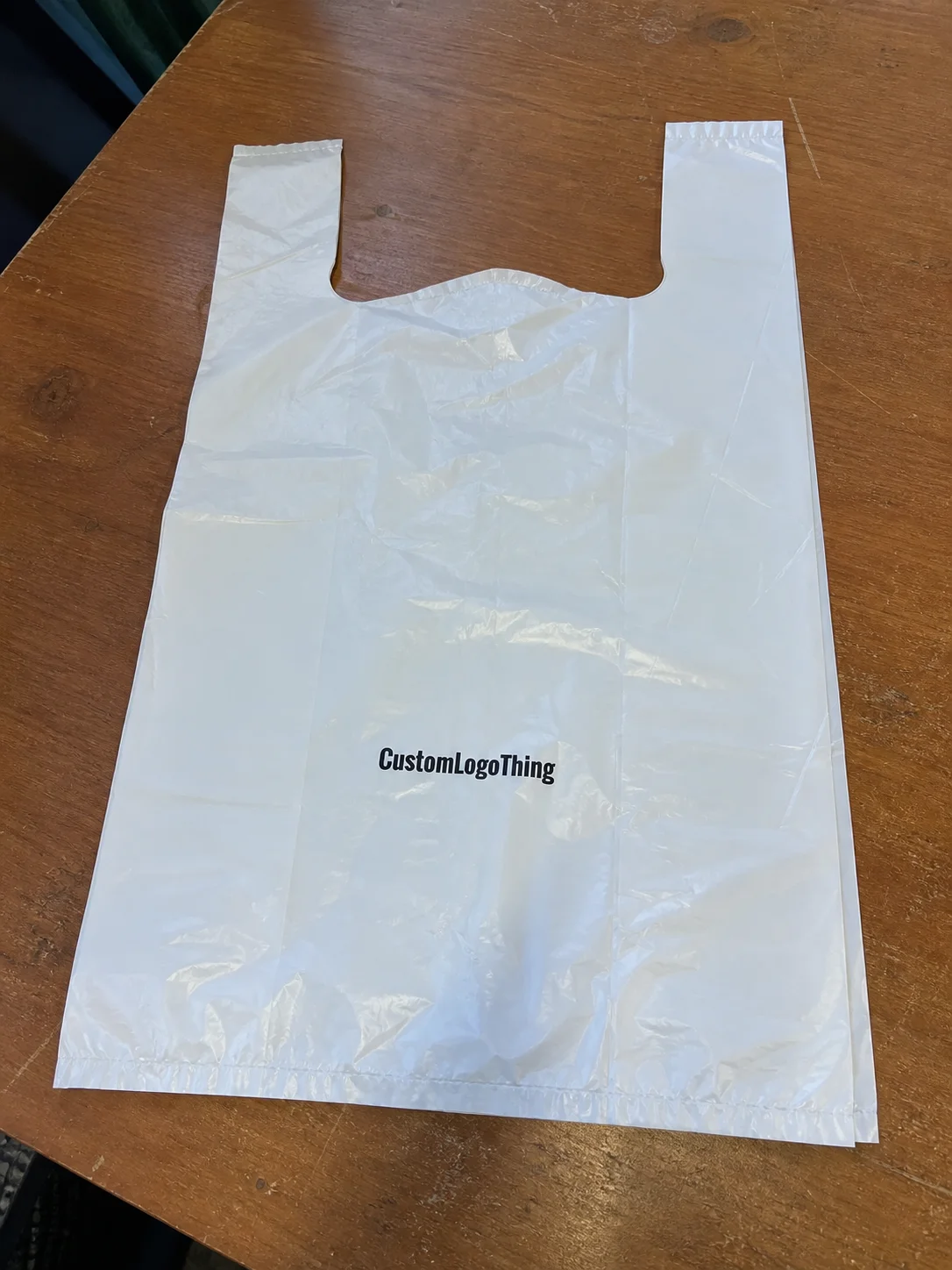
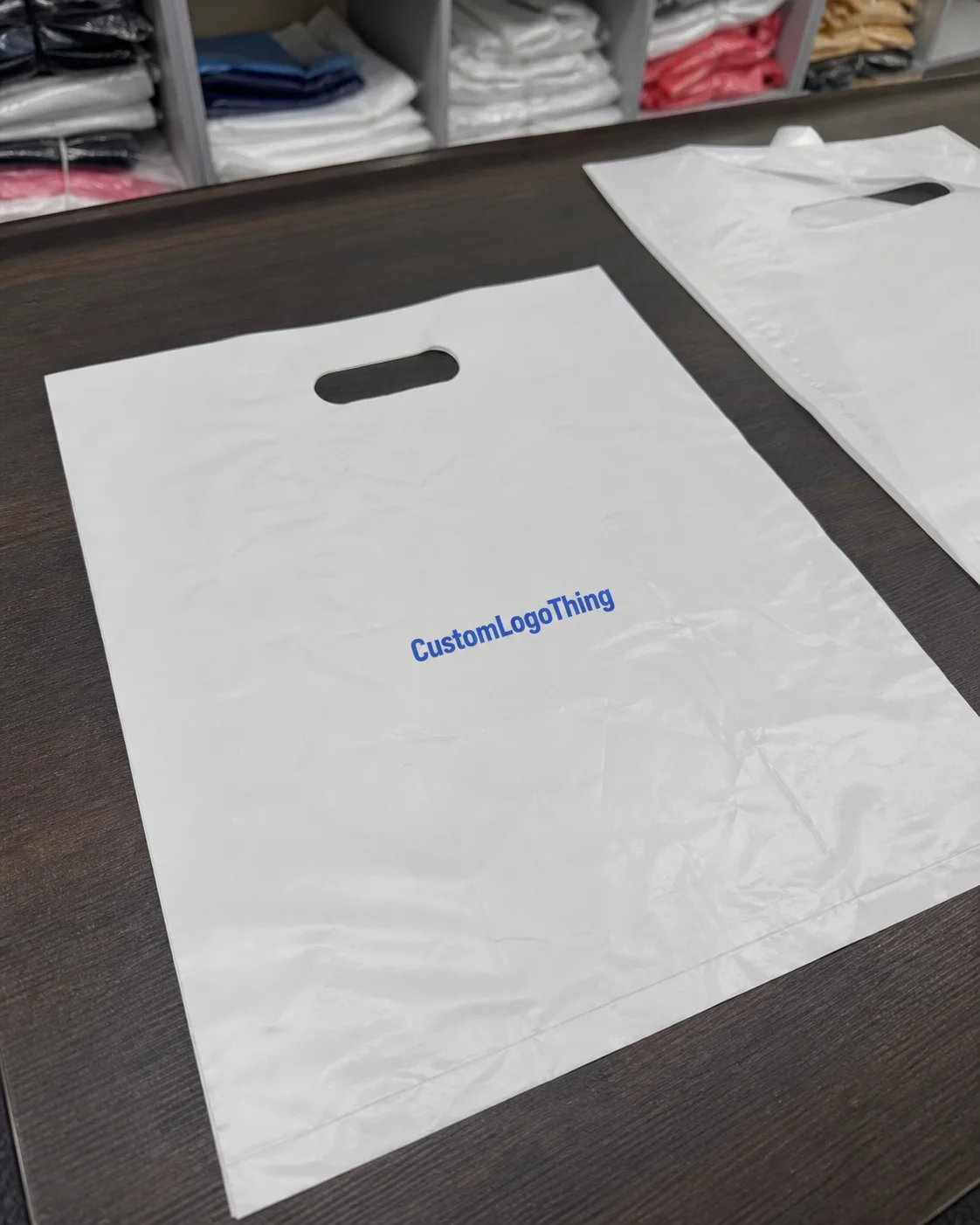
Buyer Fit Snapshot
| Best fit | Branded Poly Mailers for Dropshipping projects where brand print, material claims, artwork control, MOQ, and repeat-order consistency need to be specified before quoting. |
|---|---|
| Quote inputs | Share finished size, material target, print colors, finish, packing count, annual reorder estimate, ship-to region, and any compliance wording. |
| Proofing check | Approve dieline scale, logo placement, barcode or warning zones, color tolerance, closure strength, and carton packing before bulk production. |
| Main risk | Vague material claims, crowded artwork, missing packing details, or unclear freight terms can make a low unit price expensive after revisions. |
Fast answer: Branded Poly Mailers for Dropshipping: Film, Print, MOQ, and Carton Packing should be specified like a repeatable production item. The safest quote records material, print method, finish, artwork proof, packing count, and reorder notes in one written spec.
Production checks before approval
Compare the actual filled-product size with the drawing, then confirm tolerance on folds, seals, hang holes, label areas, and retail display edges. Reserve space for logos, QR codes, warning copy, and material claims before decorative graphics fill the panel.
Quote comparison points
Review material grade, print process, finish, sampling route, tooling charges, carton quantity, and freight assumptions side by side. A quote is only useful when the supplier can repeat the same color, closure quality, and packing count on the next order.
Branded Poly Mailers for Dropshipping: A Practical Guide starts with a simple truth that changes how customers read an order: the package arrives before the product is seen. For apparel, accessories, and other soft goods, branded poly mailers for dropshipping can do three jobs at once. They carry the shipment, protect the contents, and give the buyer a first visual cue that the brand cares about the details most shoppers only notice when something goes wrong.
Packaging decisions tend to look small from a distance. Up close, they affect shipping weight, pack-out speed, storage space, and how polished a parcel feels on the doorstep. Branded Poly Mailers for dropshipping sit in that narrow space where logistics and identity overlap. The right mailer keeps the operation light while making the order look deliberate. That matters more than many teams expect, especially when a store is shipping high volumes of low- and mid-ticket items. For related packaging formats, our Custom Packaging Products page is a useful place to compare mailers, boxes, and inserts side by side.
Branded Poly Mailers for Dropshipping: What They Change at Unboxing
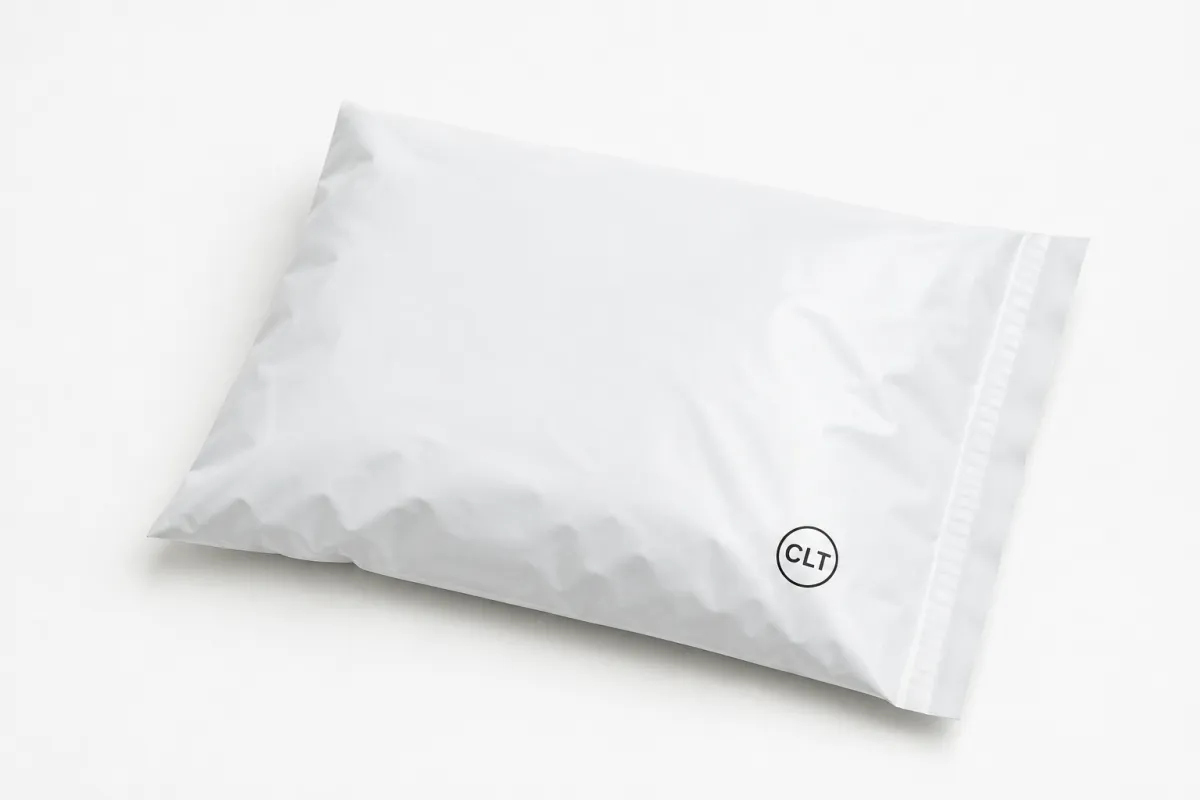
Branded poly mailers for dropshipping alter the unboxing moment before the product even appears. That first glance at the parcel shapes how customers interpret the whole transaction. A clean, printed mailer suggests the order came from a company with systems. A plain gray bag still moves the product, but it rarely adds anything back to the customer relationship. People notice whether the package matches the website, the ads, and the promise made at checkout.
The effect is strongest in categories where the package is handled quickly and opened without ceremony. Apparel, swimwear, socks, cosmetics, and lightweight accessories all benefit from presentation that feels intentional without becoming expensive. A rigid box can do more in terms of structure, but it also adds cost, weight, and storage complexity. Branded poly mailers for dropshipping occupy a more efficient middle ground: enough surface area for a logo, color system, pattern, or tagline, yet light enough to keep fulfillment costs in check.
Protection still comes first. A mailer that tears in transit or fails at the seal loses the argument before branding enters the picture. Film thickness, puncture resistance, and closure strength decide whether the shipment arrives intact. Once those basics are sound, the print can do its work. The goal is not to trade durability for appearance. It is to make durability visible.
A mailer is more than a shipping bag. It is the customer’s first proof that the brand thought beyond the screen and into the physical order.
One reason branded poly mailers for dropshipping matter so much is memory. Repetition creates recognition, and recognition can be more valuable than a one-time visual flourish. A customer may not keep the mailer, but they remember the package that looked coherent from storefront to doorstep. That small continuity can influence reviews, repeat purchases, and how readily someone recommends the brand to a friend. In ecommerce, where many touchpoints feel interchangeable, that is not a trivial advantage.
The mailer also acts as a bridge between two different disciplines. Logistics asks for moisture resistance, low weight, efficient packing, and clean sealing. Branding asks for color accuracy, clear logo placement, and a design that survives folds, labels, and handling. Branded poly mailers for dropshipping work best when both sides are respected from the beginning. One side without the other usually creates either a pretty package that fails in transit or a durable bag that says nothing at all.
There is a quieter benefit that shows up in repeat operations. A consistent mailer standard can make a small store look organized even when the rest of the pack line is simple. When every outbound order follows the same visual language, the business feels larger and more stable than the number of people in the warehouse might suggest. That perception can matter just as much as the practical savings.
In my own review work, this is where I usually see the biggest disconnect: teams spend weeks refining homepage visuals, then ship a generic bag and act surprised when the physical experience feels disconnected. That gap is kinda expensive, even before anyone starts measuring brand recall.
Process and Timeline: How Branded Mailers Move Through Dropshipping
Branded poly mailers for dropshipping move through a fairly predictable chain, yet the calendar can still stretch if the team treats packaging as an afterthought. The usual path starts with artwork submission, moves to proofing and revision, then approval, production, packing, transit, and receiving at the warehouse or fulfillment partner that will use the inventory. Each step looks manageable on paper. The delays usually come from the handoffs between steps, not from any single step by itself.
Artwork is the place where many schedules slip. A logo that feels crisp on a website header can need cleanup before it will print well on flexible film. Thin lines, small type, and subtle gradients often need adjustment. Color matching can take longer than expected too, especially if the brand depends on a specific shade that must hold across matte or glossy substrates. With branded poly mailers for dropshipping, the proof stage often decides whether the rest of the project stays on track or picks up avoidable revisions later.
Production time becomes the next constraint once the proof is approved. For a standard custom run, many buyers plan around 12 to 20 business days from approval to shipment, depending on quantity, print coverage, supplier queue, and bag specification. Transit adds another layer. If the bags are headed to a 3PL or warehouse, receiving and put-away can add a few more days before the stock is actually ready for the pack line. That is why branded poly mailers for dropshipping need a real buffer, not a hopeful one.
Timeline pressure tends to show up in two predictable moments: launch season and replenishment. A new product line often needs branded poly mailers for dropshipping before the first marketing push, because opening orders in a generic bag undercuts the effort to build a branded experience from day one. Later, the issue becomes inventory flow. A sales spike can drain packaging faster than expected, and once that happens, teams end up switching formats or rushing a reorder. Both options create inconsistency.
Production lead time and replenishment lead time are not the same thing, even though they are often treated that way. Production lead time covers the manufacturing and shipping of the custom packaging. Replenishment lead time includes internal approval, proof signoff, vendor scheduling, transit, receiving, and the time needed to get the stock back onto the pack line. Branded poly mailers for dropshipping depend on both. A fast press slot is not much help if the warehouse still needs a week to receive and stage the bags.
A practical timeline checklist keeps surprises low:
- Artwork cleanup and file preparation
- Proof review and color approval
- Sample check or pilot approval
- Production scheduling
- Transit to the fulfillment site
- Receiving, counting, and put-away
- Safety stock confirmation before launch
That list looks basic because it is basic. The difficulty comes from actually following it. Branded poly mailers for dropshipping become smooth only when the details are handled in order, not when the team hopes the supplier can absorb last-minute changes. For businesses that want to see how packaging choices affect real fulfillment, our Case Studies page connects planning with practical outcomes.
There is also a timing reality that gets missed often: if you are ordering from overseas, sea freight can add several weeks and port congestion can add more. I have seen a “simple” packaging refresh turn into a six-week delay because nobody counted customs clearance and warehouse appointment slots. The quote looked fine. The calendar did not.
Cost, Pricing, and MOQ for Branded Poly Mailers for Dropshipping
Cost is where branded poly mailers for dropshipping become concrete. The unit price matters, but it never tells the full story by itself. Bag dimensions, film thickness, print coverage, color count, finish, adhesive style, and freight all shape the landed cost. A smaller mailer with one logo color will price very differently from a full-coverage design using multiple colors and a heavier gauge film.
For a buyer ordering around 5,000 pieces, a realistic range for branded poly mailers for dropshipping may fall somewhere around $0.18 to $0.40 per unit, depending on the spec and print complexity. Heavier film, larger dimensions, or more detailed artwork can push that number higher. Smaller quantities often carry a higher unit price because setup work and production efficiency are spread across fewer bags. Larger runs usually lower the piece price, but they also increase cash outlay and storage needs.
Minimum order quantity, or MOQ, is not just a supplier rule. It is a planning constraint. A low MOQ can look attractive while still pushing setup cost per unit high enough to weaken the economics. A high MOQ can lock up cash in packaging that sits in storage while product demand shifts. Branded poly mailers for dropshipping should be evaluated as inventory, not as a one-time design purchase. That change in perspective tends to improve decision-making.
| Packaging Option | Typical Unit Cost | Setup / MOQ Pressure | Best Use |
|---|---|---|---|
| Plain poly mailers | $0.08 to $0.18 | Low setup, flexible quantities | Basic fulfillment where branding is secondary |
| Branded poly mailers for dropshipping | $0.18 to $0.40 | Moderate setup, often 3,000 to 10,000 MOQ | Apparel, accessories, beauty, and repeat-brand orders |
| Custom shipping boxes | $0.55 to $2.25+ | Higher setup, larger storage footprint | Rigid protection, premium unboxing, heavier items |
The comparison shows a useful middle path. Branded poly mailers for dropshipping often sit between low-cost plain packaging and more expensive rigid boxes. They add branding without adding much weight, which is one reason lean fulfillment operations favor them. For lower-ticket items, a few extra cents per unit can still make sense if the packaging strengthens recognition, reduces perceived friction, or removes the need for extra inserts and decorative materials.
Landed cost should also be read against shipping economics. A mailer that costs slightly more may still win if it cuts weight, reduces storage, and removes labor tied to separate branding elements. In some programs, branded poly mailers for dropshipping reduce waste because the design is built into the package instead of layered on later with stickers, tape, or multiple inserts. That kind of simplification has a habit of showing up in the margin.
A useful framework is simple: estimate cost per shipped order, then compare that number with brand lift, packing speed, and packaging clutter. If branded poly mailers for dropshipping support margin targets and clean up the order experience, the math usually works. If they force the business to overbuy, overstore, or redesign too often, the savings disappear faster than the quote suggested.
For teams still comparing materials or structure, Custom Poly Mailers are a helpful reference point because they show how size, thickness, and print style shift the quote before a larger commitment is made.
A quick back-of-the-envelope example helps. If a store ships 15,000 orders a month, the difference between a $0.12 plain bag and a $0.28 branded mailer is $2,400 monthly before freight and waste. That is not nothing. But if the branded mailer saves even a few minutes of pack-table labor per hundred orders, reduces insert spend, and improves repeat purchase behavior, the equation starts to look different very fast.
Key Factors That Shape Performance and Brand Perception
Material choice is the first technical decision that shapes branded poly mailers for dropshipping. Film gauge, puncture resistance, and seal strength all affect how the bag performs after it leaves the warehouse. A lighter gauge may suit soft T-shirts or flat accessories. A heavier gauge often feels sturdier in hand and tolerates handling abuse better. In many retail mailer programs, 2.5 mil to 3.5 mil is a common range, though the right spec always depends on the product mix and route conditions.
Seal quality deserves more attention than it usually gets. A weak closure can fail during packing, in transit, or at the customer’s doorstep, and printed artwork cannot rescue that kind of failure. Tamper-evident adhesive closures are popular because they create a clean seal and make opening feel deliberate, which helps branded poly mailers for dropshipping feel finished rather than improvised. Too much adhesive can create rework problems for warehouse staff or complicate returns handling, so the balance matters.
Artwork decisions also carry more weight than many teams expect. Flexible film can wrinkle, stretch, and fold in places that alter how a design reads. Fine lines and delicate details may look precise on a mockup and still disappear once the bag is packed. Branded poly mailers for dropshipping tend to perform better with clear contrast, a strong logo mark, and a composition that survives real handling instead of only surviving a design review.
Sizing is both a fit question and a perception question. An oversized mailer can look loose, which makes the shipment feel less considered. An undersized one can stress the seal, wrinkle the print, or compress the item in a way that creates an awkward opening experience. Branded poly mailers for dropshipping should fit the product with enough room for sealing and enough restraint to look clean on arrival.
Finish changes the feel of the package too. Matte surfaces can look softer and less reflective, while gloss can make colors pop and improve visibility. Recycled-content films may support a sustainability message, but the brand still needs to check whether the surface appearance works with the design. If the company wants a more responsible sourcing story, the Forest Stewardship Council offers useful guidance for fiber-based packaging programs at FSC certified material standards and sourcing information. That resource does not apply to every mailer type, yet it is helpful context when comparing packaging families.
Performance depends on shipping conditions as much as on materials. A mailer has to survive conveyors, stacking, moisture, temperature swings, and the final transfer from hub to doorstep. If shipments move through multiple carriers or different climate zones, sample testing under actual conditions is worth the effort. For transit testing concepts, the ISTA packaging test standards resource gives a useful frame because it measures package performance against hazards rather than marketing claims. That lens is especially useful for branded poly mailers for dropshipping when the parcel is sensitive to handling or travels long distances.
Put bluntly, the right mailer should look intentional, feel durable, and stay cost-controlled. Lose one of those three and the case weakens. The best branded poly mailers for dropshipping do not shout. They make the order feel reliable in a way that customers notice without needing a label for it.
There is an honesty test here too. If the packaging is only meant to photograph well, customers will spot the mismatch once the parcel arrives. The best designs do not pretend to be luxury goods when they are not. They feel thoughtful, practical, and clean. That is a very different brief.
Step-by-Step Guide to Ordering Branded Poly Mailers
Ordering branded poly mailers for dropshipping works best when the process starts with the product, not the artwork. Measure the Items That Ship most often, including folding, inserts, and multi-item combinations. A shirt packed flat is one thing. The same shirt packed with a thank-you card, size sticker, and accessory is another. The mailer should be sized for the real pack-out, not the ideal version that lives in spreadsheets.
Build a simple specification sheet next. Keep it concrete so the supplier can quote accurately. A useful sheet for branded poly mailers for dropshipping should list dimensions, film thickness, print colors, finish, adhesive style, and any special handling notes. If the warehouse needs bags on rolls, in bundles, or in cartons with specific counts, include that too. Small details up front save more time than they cost.
Then review the artwork as if you were standing at the pack table under warehouse lighting. Will the logo stay visible once a shipping label is applied? Does the print still read well if the bag folds near the gusset or seal? Are any small type elements too fine for the film? Branded poly mailers for dropshipping can look polished in a mockup and still disappoint once the bag is actually filled, sealed, and moved through the warehouse.
- Measure the most common packed item and any bundle combinations.
- Choose one primary size that covers most orders.
- Prepare print-ready artwork with clean contrast and simple placement.
- Request a proof and check seal area, label space, and logo visibility.
- Order samples or a pilot run and test them with real products.
- Confirm storage, receiving, and reorder points before launch.
Testing should happen before scale, not after the first complaint. Order a short pilot run of branded poly mailers for dropshipping, then pack actual products through the normal fulfillment process. Check whether the seal holds, whether the material resists scuffs, and whether the design still looks sharp after handling. If the warehouse runs hot, humid, or stores inventory for long cycles, those conditions belong in the test too.
Once the pilot passes, set a replenishment plan tied to sales velocity. Decide how many weeks of inventory to keep on hand and when to reorder. A small safety buffer matters because custom packaging is rarely the thing that should hit zero first. As a store scales, branded poly mailers for dropshipping should be treated like a controlled inventory item with a reorder point, not like a last-minute office supply.
For businesses that want to expand their packaging system over time, it helps to compare the mailer program with other formats such as Custom Shipping Boxes. Even when the mailer remains the best fit, that comparison often clarifies where more protection is needed and where the brand can stay light.
One thing I tell operators all the time: do not approve packaging from a design deck alone. Hold the sample, fold it, label it, drop it, and run it through the same hands that will touch it every day. The bag has to fit the people, not just the product.
Common Mistakes When Choosing Branded Poly Mailers for Dropshipping
The most common mistake with branded poly mailers for dropshipping is choosing size from product dimensions alone. Flat measurements do not capture how soft goods compress, how multi-item orders stack, or how inserts change the packed profile. A mailer that looks right on paper can still be too tight once the item is folded, sealed, and labeled.
Another mistake is overcomplicating the graphic design. Busy layouts may look polished on screen, but flexible film does not behave like a rigid printed board. Tiny text, thin borders, and intricate line work can vanish once the mailer is filled and handled. Branded poly mailers for dropshipping usually do better with bold visual elements, strong contrast, and one or two memorable brand cues instead of a crowded composition that tries to say everything.
Seal and film performance are easy to underestimate because they are less visible than the print. They are also often the difference between a smooth receiving experience and a customer complaint. If the adhesive is weak, if the seam splits, or if the film is too thin for the route, the package fails its basic job. Branded poly mailers for dropshipping should always be tested for tear resistance and seal reliability before full rollout.
Skipping samples is another expensive habit. A proof shows artwork placement, but it does not always reveal how the finished mailer feels in the hand or behaves under pack-out pressure. If a team uses branded poly mailers for dropshipping across more than one warehouse, sample testing matters even more because handling conditions may differ. Humidity, packing speed, and shipment distance can all change performance.
Buying too few bags can cause just as much trouble as buying too many. A short launch order may feel cautious, but if demand outruns supply, the brand ends up with rushed reorders, mixed packaging, and avoidable inconsistency. A better pattern is to start with a pilot quantity large enough to cover a real sales window, then reorder from data instead of guesswork. Branded poly mailers for dropshipping work best when packaging inventory is stable enough to support consistency.
A few mistakes to avoid:
- Picking a size without testing folded or bundled product packs
- Using detailed artwork that loses clarity on flexible film
- Ignoring seal strength and puncture resistance
- Skipping pilot testing in real warehouse conditions
- Ordering below the quantity needed to cover the next sales cycle
Most of these problems are preventable. They show up when packaging is treated as a side note instead of a controlled part of the fulfillment system. Branded poly mailers for dropshipping reward careful planning because they sit at the intersection of branding, operations, and shipping cost.
There is one more mistake worth calling out: chasing the cheapest quote without checking the whole landed cost. A low sticker price can hide higher freight, weaker seals, or more damage claims. Cheap can get expensive fast, and packaging is one of those places where the bill usually arrives later.
Expert Tips and Next Steps for Branded Poly Mailers for Dropshipping
If one factor keeps branded poly mailers for dropshipping efficient, it is standardization. Most warehouses move faster when they can rely on one or two core mailer sizes instead of juggling a dozen variants. Standardizing also makes the brand look more consistent across product lines, which matters when the customer sees the same visual system on every shipment. Consistency is not glamorous, but it is easy to notice when it disappears.
Keep the artwork simple enough to reproduce cleanly, then let the brand personality come through in color, contrast, or a repeat motif. A strong logo mark on a clean field usually outperforms an overly ambitious graphic that gets lost once the bag is folded. For branded poly mailers for dropshipping, clarity beats clutter almost every time. That is true on the screen, and even more true in the warehouse.
Compare samples under warehouse lighting rather than relying on a monitor. A balanced color in a mockup can shift once it is printed on film, especially if the surface finish changes how light reflects. Matte and gloss can both work, but the team needs to see them in real conditions. That single check often prevents disappointment after the first shipment goes out.
A pilot launch is usually the smartest next move. Start with a meaningful but controlled quantity, then track damage rate, customer feedback, repeat orders, and landed cost per shipment. If branded poly mailers for dropshipping improve the process without slowing the pack line, the design is probably on the right track. If they create confusion or extra handling, adjust before scaling.
For many stores, the next steps are straightforward:
- Confirm the product size range and pack-out profile
- Request samples in the exact material and print style you want
- Approve the artwork only after a real test pack
- Set reorder thresholds that match sales velocity
- Review cost and customer feedback after the first replenishment cycle
That approach keeps branded poly mailers for dropshipping tied to real operations rather than wishful planning. It also leaves room for improvement without forcing a full redesign every time the product mix shifts.
If the packaging strategy is still taking shape, compare the mailer program with other supplier pages, compare lead times, and see how different materials change handling. The right choice is rarely the fanciest one. It is the one that ships cleanly, looks consistent, and fits the margin.
For many businesses, branded poly mailers for dropshipping become the quiet workhorse of the outbound experience. They are not dramatic in the way a rigid premium box can be, but they solve a real problem elegantly: protect the product, keep shipping light, and make every customer feel like the order came from a brand that pays attention. That combination earns repeat use.
Frequently Asked Questions
What size should branded poly mailers for dropshipping be?
Choose the smallest size that still fits the packed product with enough room for a clean seal and a little movement. Measure the item after folding, bundling, or placing it in its final insert, not just from its flat dimensions. If your catalog includes several SKUs, build around the most common packed profile first and add a second size only if the order data justifies it.
How much do branded poly mailers for dropshipping usually cost?
Pricing depends on size, film thickness, print coverage, color count, and MOQ. For many programs, branded poly mailers for dropshipping can land around $0.18 to $0.40 per unit at moderate quantities, though the number can move up or down based on the spec. Freight, storage, and setup charges matter too, so the quoted unit price should never be the only number you review.
What is a realistic lead time for custom branded mailers?
Plan for proofing time, production time, and shipping time as separate steps. Artwork revisions and sample approval often add more calendar time than people expect, especially if color matching is important. For branded poly mailers for dropshipping, a practical planning window is often 12 to 20 business days from approval, plus transit and receiving time, depending on the supplier and order size.
Are branded poly mailers better than stickers on plain bags?
Printed mailers usually look more integrated because the branding is built into the packaging itself. Stickers can work for very small runs or temporary campaigns, but they are easier to misplace and often feel less polished at scale. If the goal is a stronger first impression and a cleaner fulfillment process, branded poly mailers for dropshipping usually win.
Can branded poly mailers for dropshipping be used for fragile products?
They work best for soft goods, apparel, accessories, and other items that do not need rigid crush protection. Fragile products usually need padding, inner support, or a different package format altogether. If you are unsure, test the packed item in a sample shipment before using branded poly mailers for dropshipping as the production standard.
The practical takeaway is straightforward: order branded poly mailers for dropshipping only after you have matched size, seal strength, artwork, and replenishment timing to the actual pack-out flow. If those four pieces line up, the mailer does more than carry an order. It reinforces the brand, holds down shipping weight, and keeps fulfillment predictable without turning the warehouse into a guess-and-check experiment.