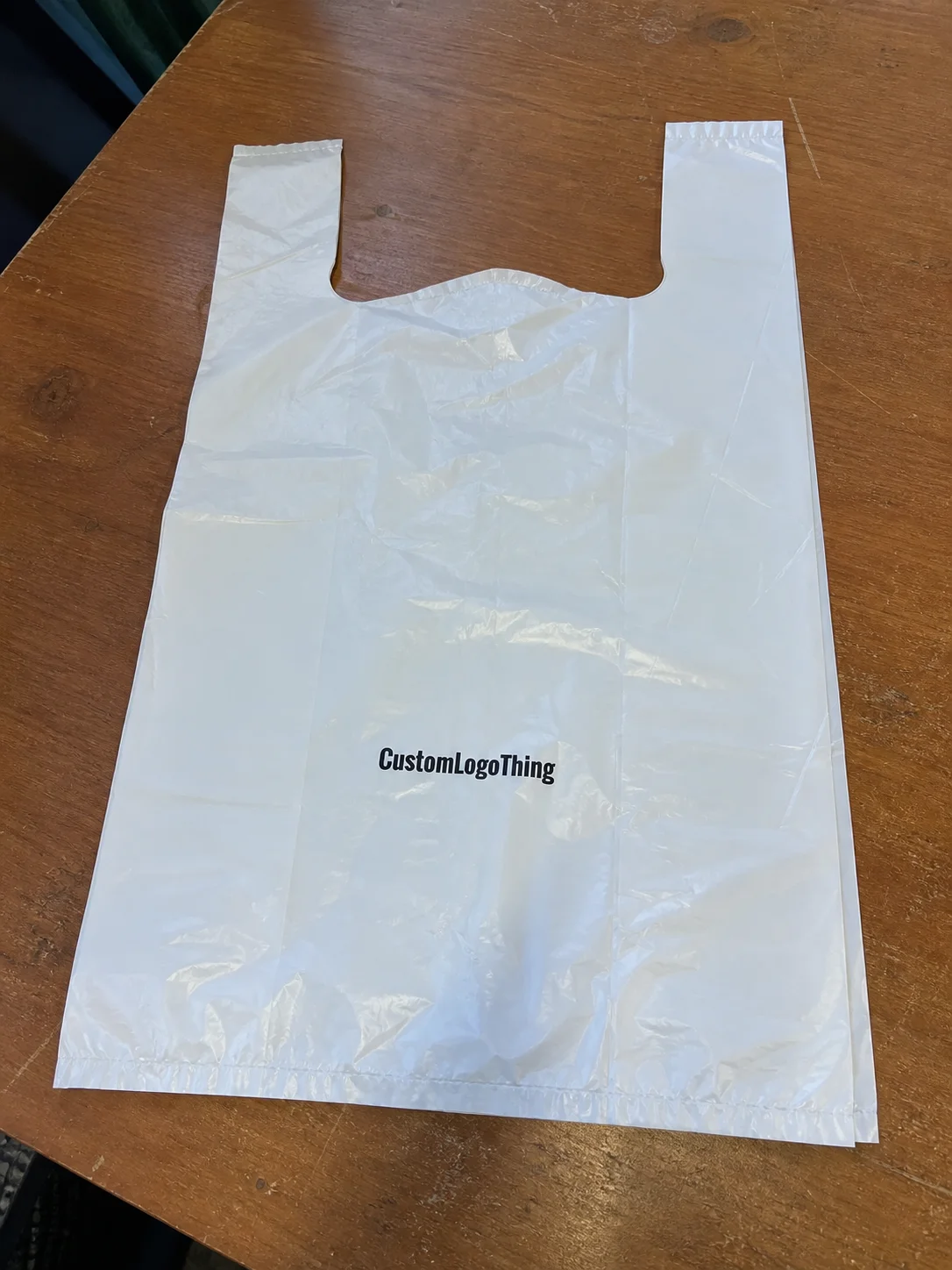
Buyer Fit Snapshot
| Best fit | Branded Poly Mailers Supplier projects where brand print, material claims, artwork control, MOQ, and repeat-order consistency need to be specified before quoting. |
|---|---|
| Quote inputs | Share finished size, material target, print colors, finish, packing count, annual reorder estimate, ship-to region, and any compliance wording. |
| Proofing check | Approve dieline scale, logo placement, barcode or warning zones, color tolerance, closure strength, and carton packing before bulk production. |
| Main risk | Vague material claims, crowded artwork, missing packing details, or unclear freight terms can make a low unit price expensive after revisions. |
Fast answer: Branded Poly Mailers Supplier: Film, Print, MOQ, and Carton Packing should be specified like a repeatable production item. The safest quote records material, print method, finish, artwork proof, packing count, and reorder notes in one written spec.
Production checks before approval
Compare the actual filled-product size with the drawing, then confirm tolerance on folds, seals, hang holes, label areas, and retail display edges. Reserve space for logos, QR codes, warning copy, and material claims before decorative graphics fill the panel.
Quote comparison points
Review material grade, print process, finish, sampling route, tooling charges, carton quantity, and freight assumptions side by side. A quote is only useful when the supplier can repeat the same color, closure quality, and packing count on the next order.
Picking a Branded Poly Mailers supplier looks simple right up until the deadline gets real, the artwork file is a mess, and somebody has to explain why the packaging budget suddenly grew legs. A real branded poly mailers supplier does more than slap a logo on plastic. They help you Choose the Right film, size, print method, and production path so the mailer actually survives shipping and still looks like it belongs to your brand.
That part gets underestimated a lot. A mailer is usually the first physical thing a customer touches from your brand, and first impressions have a stubborn habit of sticking. If the print is blurry, the seal fails, or the size is off, the package feels cheap before the product is even opened. A good Branded Poly Mailers supplier helps you avoid that mess without pushing you into a giant order you do not need. That is the job.
I've seen brands spend weeks perfecting product photography and then send customers a wrinkled, badly sized mailer that undoes half the work. Not ideal. The packaging does not need to be fancy, but it does need to be deliberate.
Branded poly mailers supplier: what they actually do
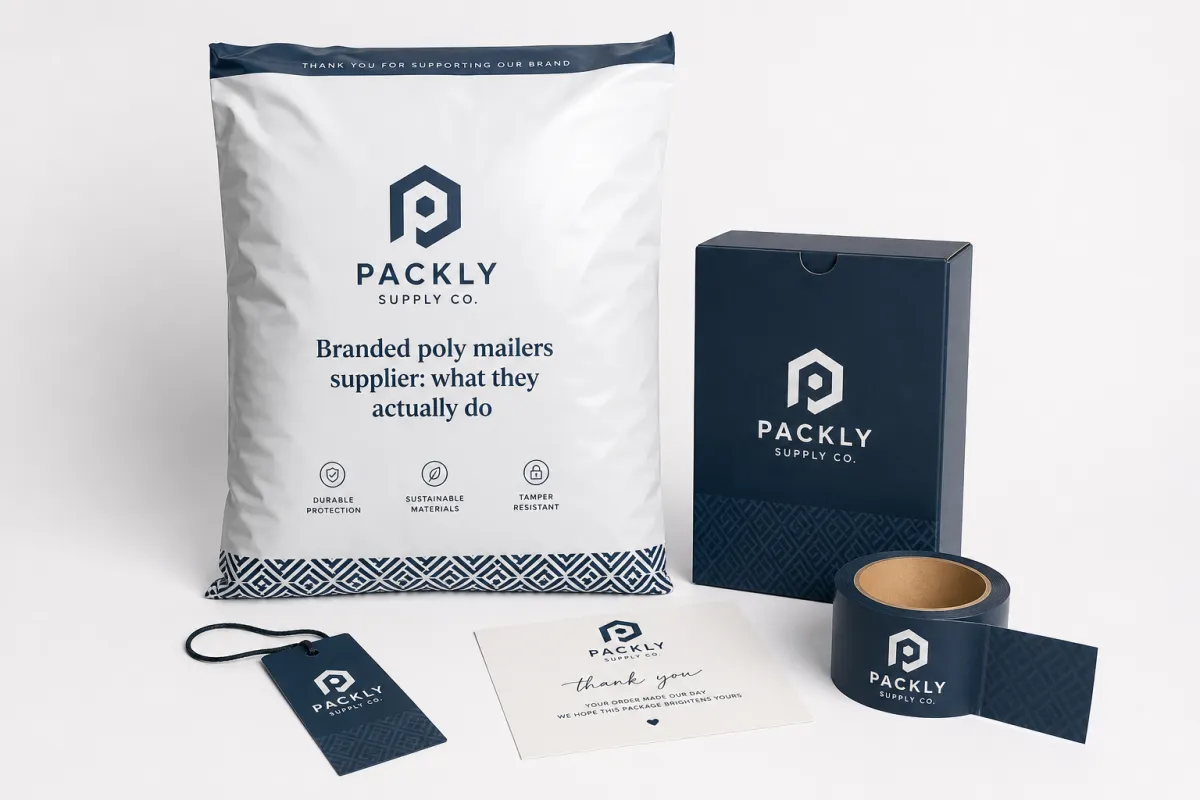
A branded poly mailers supplier usually handles custom-printed polyethylene mailers, artwork setup, proofing, size guidance, and production coordination. In plain English, they take your logo or design and turn it into a shipping bag that fits your product, your brand, and your budget. If they are good at their job, you should not have to guess at film thickness, print format, or closure type. That is their lane.
The label matters too. Supplier, printer, broker. Those are not the same thing, even if a website tries to blur the line. A printer runs the press and makes the mailer. A broker sells the job but may not control production. A supplier can be either one. The question is simple: who owns the result if the print shifts, the seal fails, or the lead time slips? If the answer sounds slippery, that is your warning sign. A solid branded poly mailers supplier gives you a straight answer and does not make you decode a sales pitch.
Most brands use Custom Poly Mailers for lightweight, non-fragile products: apparel, socks, accessories, supplements, beauty products, soft goods, and small bundled orders. They are lighter than cartons, cheaper to ship, and a lot easier to brand than plain courier bags. In plenty of cases, a branded mailer is the smarter choice than a box. No reason to pay for cardboard just to ship a T-shirt.
From a packaging buyer's point of view, branding changes the value of the shipment. A plain gray mailer gets ignored. A custom-printed one makes the package feel intentional and gives your brand a cleaner presence in the customer's hands. That matters for repeat purchases, social sharing, and basic trust. Nobody gets excited about generic shipping plastic. They do notice when the package looks like somebody actually thought it through.
If you are comparing suppliers alongside other packaging pieces, think in systems instead of one-off purchases. Your mailer should match your labels, inserts, and outer packaging plan. A good place to compare broader options is the Custom Packaging Products page, especially if you are weighing sleeves, mailers, or branded shipping components at the same time.
Not every branded poly mailers supplier is strong on the technical side. Some are sharp on artwork and weak on film specs. Some are the other way around. If you ship products that can scratch, leak, or flex under pressure, ask about thickness, opacity, seal integrity, and whether the bag is built for standard parcel handling. That is not being picky. That is avoiding returns and complaints.
For the record, the details matter more than most people think. Film gauge, adhesive strength, print registration, and opacity all affect how the mailer behaves once it hits a conveyor belt, a truck floor, or a packing station on a rough Monday. Fancy logo, weak construction? Not a win.
"A mailer is a shipping tool first and a branding surface second. If it fails at the first job, the logo does not matter."
How a branded poly mailers supplier turns artwork into production
The process usually starts with a quote request. A good branded poly mailers supplier wants the mailer size, estimated quantity, print colors, artwork files, and target ship date before they price the job. If you send only a logo and say "custom mailers," expect slow replies. There are too many variables for a real quote without the basics.
Artwork prep is where a lot of projects go sideways. Vector files are usually best because they scale cleanly and keep the print sharp. If you send a low-resolution JPG, the supplier can sometimes work with it, but the final result may look fuzzy once it is stretched across a 10 x 14 inch or 12 x 15.5 inch mailer. Spot colors, Pantone references, and bleed margins matter too, especially if the design runs near the edge. A branded poly mailers supplier should tell you what file type they need instead of pretending every image file is equally usable. It is not. They know it. You know it.
Proofing is the checkpoint that saves money. Digital mockups help confirm layout, logo placement, and general color direction. Physical samples cost more and take longer, but they are worth it when you are launching a new package style, matching a specific brand color, or placing a high-volume order. If the job is small and the design is simple, a digital proof may be enough. If the job is large or color-sensitive, ask for a physical sample. One extra round now is a lot cheaper than reprinting thousands of bags later.
Here is a realistic timeline for a standard order from a branded poly mailers supplier:
- Quote and spec confirmation: 1-2 business days.
- Artwork review and file cleanup: 1-3 business days.
- Proof approval: same day to 2 business days, depending on how fast you reply.
- Production: often 7-15 business days after approval.
- Transit: 2-7 business days, depending on destination and service level.
That means a straightforward order can take two to four weeks door to door, and that is normal. Rush orders exist, but they usually cost more and cut into your flexibility on print method, finish, or material choice. The fastest branded poly mailers supplier is not always the smartest one if your launch is still a few weeks away.
If you want to check real output before placing a larger order, ask for samples or proof photos. Case examples help too, because they show whether the supplier can repeat a result instead of just talking a good game. Our Case Studies page is a useful reference point if you want to see how different packaging projects are handled in practice.
Branded poly mailers supplier pricing: what changes the quote
Pricing is where most buyers start, and where plenty of them make the wrong call. A branded poly mailers supplier can quote the same job two different ways depending on size, material, print count, and quantity. That is not automatically shady. It is how custom production works. The trick is knowing which variables move the number and which ones are just noise.
The biggest cost drivers are usually size, film thickness, print colors, ink coverage, and order quantity. Bigger mailers use more material. Thicker film costs more. More print colors mean more setup and more complexity. Higher quantities usually lower the unit price because setup costs get spread across more pieces. If you order 500 units, the price per bag is often much higher than it would be at 5,000 or 10,000 units. That is math, not magic.
One-color printing is usually the cheapest way to get a clean, polished mailer. Two- or three-color jobs can still look sharp, but every added color raises setup time and usually affects the quote. Full-coverage designs cost more than a small centered logo because the press has more work to do and the ink load is heavier. A branded poly mailers supplier should explain that clearly instead of hiding behind vague language about "premium customization." That's usually code for "the price went up and we hope you do not ask why."
Watch for extra costs that do not always show up in the headline price:
- Plate or setup charges.
- Artwork revision fees after the first proof cycle.
- Physical sample charges.
- Shipping or freight.
- Rush production fees.
The table below gives a practical way to think about options. Real quotes vary by supplier, but the tradeoffs stay pretty consistent.
| Option | Typical Per-Unit Range | Best For | Tradeoff |
|---|---|---|---|
| Basic one-color print | $0.18-$0.30 at mid volume | Simple branding, lower risk | Clean, but limited visual impact |
| Two- to three-color print | $0.24-$0.42 at mid volume | Brands that want stronger shipping presence | Higher setup and color matching complexity |
| Thicker film or heavier-duty mailer | $0.28-$0.50+ depending on spec | Heavier apparel, multi-item orders, added protection | More expensive, but usually fewer damage claims |
| Short run with custom print | $0.35-$0.80+ at low quantity | Testing, small launches, seasonal trials | Highest unit cost; not ideal for scale |
Cheap is fine if you are testing a concept. Too cheap is where brands get burned. A cut-rate branded poly mailers supplier may deliver inconsistent print, weak seals, or late shipments that blow up your launch schedule. I would rather see a buyer spend a little more on a mailer that seals properly and prints cleanly than save a few cents and create customer complaints. Saving pennies and paying for returns is not a strategy.
If you are evaluating a custom ordering stack, compare your mailers with other packaging elements too. A mailer that looks premium but arrives with mismatched inserts or a flimsy seal is just a prettier problem. Start with the use case, not the lowest quote.
How to evaluate a branded poly mailers supplier
Do not judge a branded poly mailers supplier by a polished homepage alone. Judge them by consistency, communication, and whether they can answer the awkward technical questions without dancing around them. Anyone can say "high quality." Not everyone can explain print tolerance, seal strength, or opacity in a way that means something.
Start with durability. Ask about tear resistance, seal strength, and whether the mailer will hold up under normal parcel handling. If your product has sharp corners, multiple items, or a heavier weight, thickness matters more than a flashy print sample. For most lightweight apparel shipments, standard poly film may be enough. For tougher use cases, a thicker gauge is worth considering. A reliable branded poly mailers supplier should help you match the spec to the product instead of shoving the cheapest option at you and calling it a day.
Then look at print consistency. Ask for photos of recent jobs, sample prints, or a current stock sample. Check for even color, clean edges, correct logo placement, and whether the seal area stays clear of key design elements. A supplier that can show comparable work is usually more trustworthy than one that only shows mockups. Mockups are marketing. Samples are evidence. That difference matters.
Factory control matters too. Find out whether the supplier handles production in-house or outsources it. Outsourcing is not automatically bad, but it can make lead times and quality control harder to manage. If the company is only brokering the order, ask who handles corrections if the first run is off. A strong branded poly mailers supplier has a clear answer here
Decision checklist before ordering
- Measure the real product and confirm how it will be packed, displayed, stored, and shipped.
- Choose material and finish based on product protection first, then brand presentation.
- Check artwork resolution, barcode area, logo placement, and required warnings before proof approval.
- Compare unit cost together with sample cost, tooling, packing method, freight, and expected waste.
- Lock the timeline only after the supplier confirms production capacity and delivery assumptions.
What experienced buyers check before approving Branded Poly Mailers Supplier
A useful branded poly mailers supplier spec starts with the product, not with a decoration menu. Measure the item as it will actually be packed, including any insert, sleeve, protective wrap, or retail card. Then decide whether film or paper thickness or seal strength carries the biggest risk for this order. That order of thinking keeps the design attractive without ignoring the physical job the packaging has to do.
For wholesale or repeat orders, the biggest difference between an easy project and a frustrating one is usually documentation. Keep the die line, material callout, print method, finish, tolerance, and packing instruction in one approved file. If the packaging needs a barcode, warning, QR code, ingredient line, or marketplace label, protect that area before the artwork becomes crowded.
Sampling is not just a formality. A sample should answer practical questions: does the product fit without forcing, does the logo sit where a customer notices it, does the color still look right under store or warehouse lighting, and does the package survive normal handling? If any answer is uncertain, revise before bulk production rather than trying to fix thousands of finished pieces.
Cost, lead time, and production details that change the quote
Quotes for branded poly mailers supplier can change quickly when the supplier learns about gusset size, handle load, special packing, or a narrow delivery window. Ask the supplier to separate tooling, sample, unit, packing, and freight assumptions. That makes it much easier to compare two offers without mistaking a missing line item for a real saving.
Lead time should also be treated as a sequence, not one number. Artwork cleanup, proofing, sample making, approval, material booking, printing, finishing, packing, and export handoff all take time. A realistic schedule leaves room for one controlled revision and still protects the delivery date. Rushed approvals often cost more than the extra week they were meant to save.
The final production file should be boringly clear. It should name the material, print method, finish, quantity, carton packing, inspection point, and acceptable tolerance. That level of detail may feel slow, but it is what helps a custom package come back looking like the approved sample instead of a close cousin.
FAQ
What should I confirm first for Branded Poly Mailers Supplier?
Start with the real product size, weight, use case, artwork status, and order quantity. Then confirm film or paper thickness, seal strength, sample timing, and whether the same spec can be repeated later without changing the final look.
Is a cheaper quote always a problem?
No, but the quote should explain what is included. Compare material, printing, tooling, packing, waste allowance, freight assumptions, and revision limits before deciding that one supplier is truly cheaper.
When should I approve bulk production?
Approve bulk only after the physical sample, die line, color proof, packaging fit, and delivery calendar are documented. A short written approval trail prevents expensive misunderstandings.