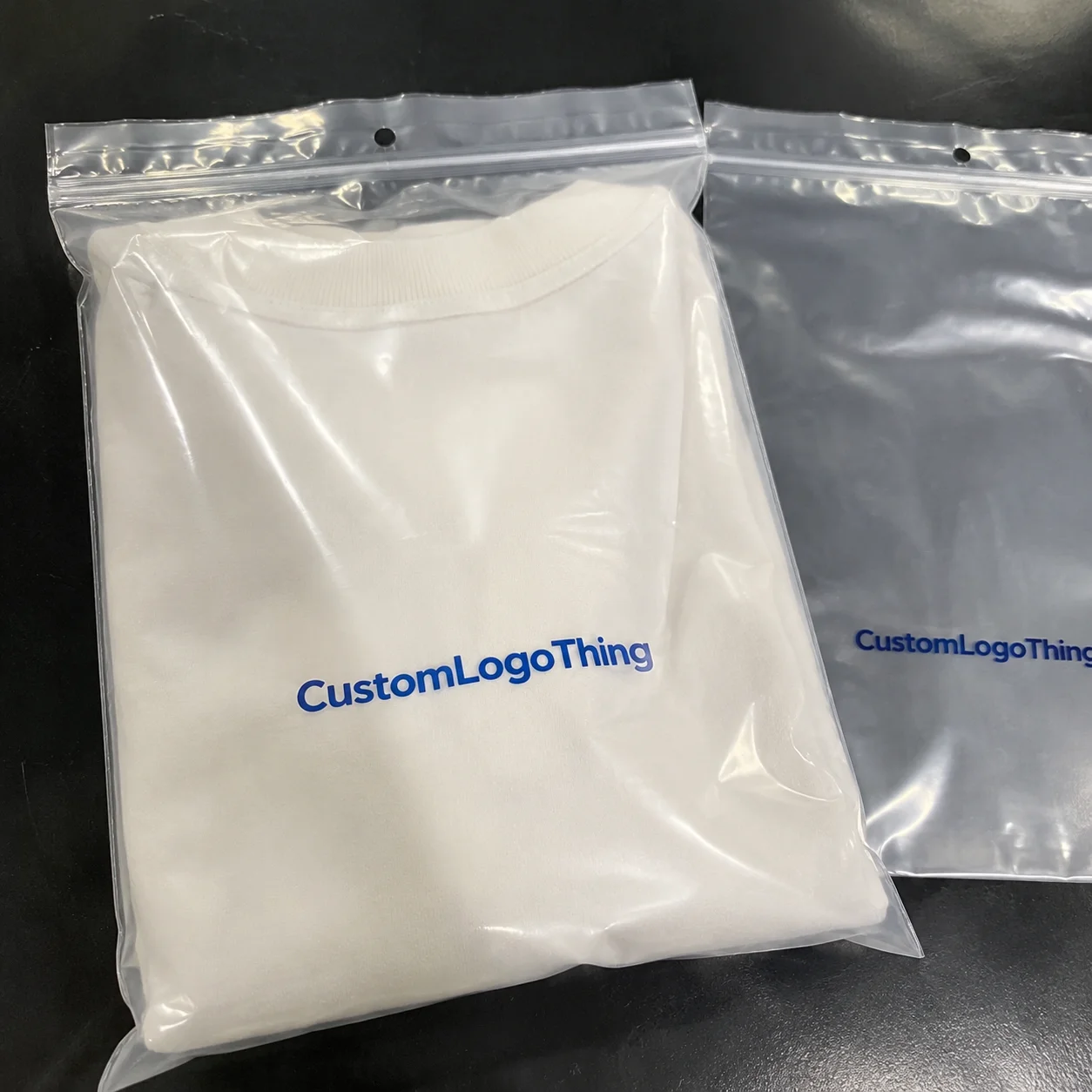
Buyer Fit Snapshot
| Best fit | Branded Pouch Packaging Design projects where brand print, material claims, artwork control, MOQ, and repeat-order consistency need to be specified before quoting. |
|---|---|
| Quote inputs | Share finished size, material target, print colors, finish, packing count, annual reorder estimate, ship-to region, and any compliance wording. |
| Proofing check | Approve dieline scale, logo placement, barcode or warning zones, color tolerance, closure strength, and carton packing before bulk production. |
| Main risk | Vague material claims, crowded artwork, missing packing details, or unclear freight terms can make a low unit price expensive after revisions. |
Fast answer: Branded Pouch Packaging Design: Film, Print, MOQ, and Carton Packing should be specified like a repeatable production item. The safest quote records material, print method, finish, artwork proof, packing count, and reorder notes in one written spec.
Production checks before approval
Compare the actual filled-product size with the drawing, then confirm tolerance on folds, seals, hang holes, label areas, and retail display edges. Reserve space for logos, QR codes, warning copy, and material claims before decorative graphics fill the panel.
Quote comparison points
Review material grade, print process, finish, sampling route, tooling charges, carton quantity, and freight assumptions side by side. A quote is only useful when the supplier can repeat the same color, closure quality, and packing count on the next order.
Branded Pouch Packaging Design: Practical Brand Guide
Branded pouch packaging design sits right where shelf appeal, product protection, and manufacturing reality meet, and that mix is exactly why a pouch can persuade a shopper before they read a single line of copy. A clean silhouette, the right finish, a zipper that feels dependable, and print that stays crisp at viewing distance all shape that first impression in seconds, long before the product story is fully processed.
The same pack also has to work as a thumbnail online, which is where a lot of teams get caught out. A pouch that looks elegant on a large screen can disappear in a crowded retail grid if the hierarchy is weak, the contrast is soft, or the logo is too small. Strong branded pouch packaging design handles both views at once: the shelf view and the small-screen view.
For Custom Logo Things, the practical question is never just, "Does it look good?" It is, "Does the structure support the product, does the artwork support the brand, and can the run be produced without unnecessary cost or delay?" That is the center of branded pouch packaging design, and it is why good packaging work is more than decoration. It shapes trust, supports price perception, and makes the product promise easier to understand.
What Branded Pouch Packaging Design Changes on Shelf
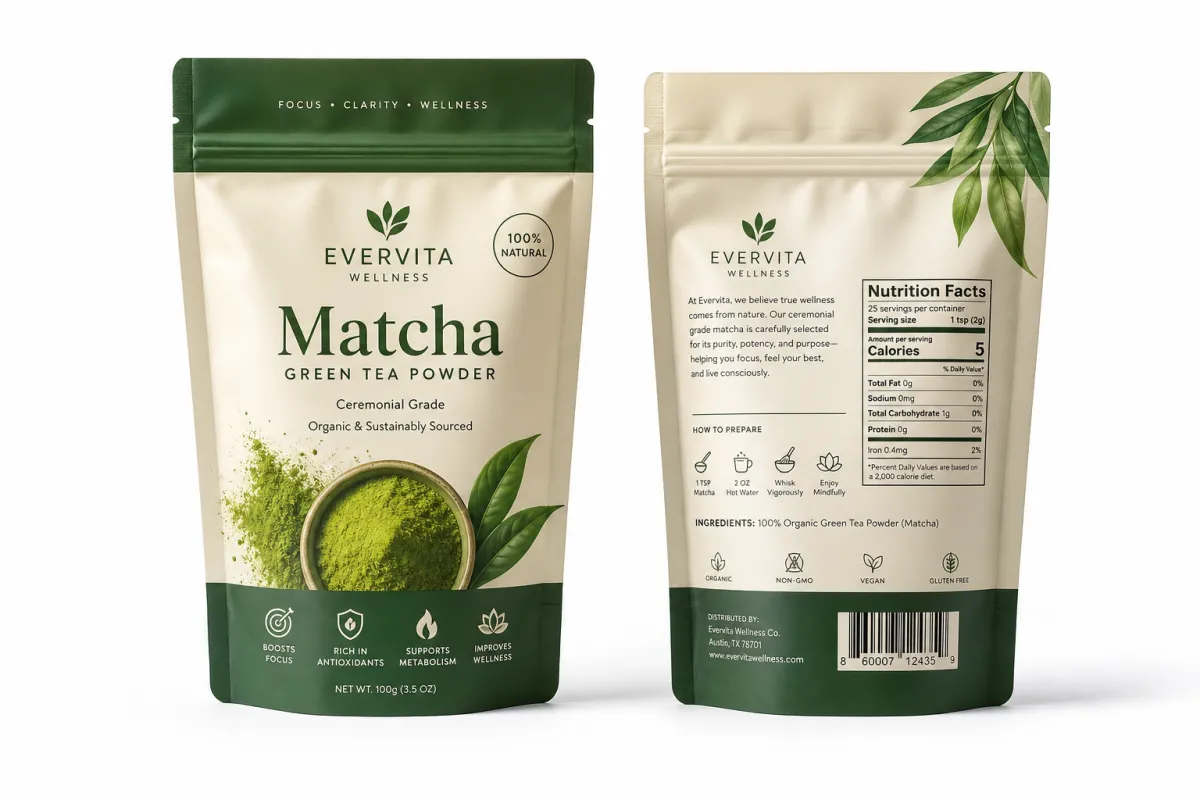
Branded pouch packaging design often sells the product before a shopper ever takes in the fine print. That sounds simple, yet the effect comes from several small decisions working together: pouch silhouette, finish, zipper style, print clarity, and how confidently the front panel carries the brand. A stand-up pouch with a matte film and sharp typography communicates something very different from a glossy gusseted bag with a crowded front panel, even when both hold the same product.
The other shift is that branded pouch packaging design has to compete in two places at once. On shelf, it needs to stop a person who is scanning quickly. Online, it has to read in a small thumbnail beside competitors using different colors or layouts. Package branding on flexible formats needs more discipline than many teams expect. The logo alone is not enough; the whole visual system has to be legible at arm's length and still feel considered when the pouch is in hand.
A pouch can also signal freshness, convenience, sustainability, or indulgence depending on the structure and the artwork system. Foil barrier films, for example, often suggest product protection and long shelf life, which matters for coffee, snacks, and supplements. Clear windows can suggest honesty and product visibility, although they also reduce the space available for branding. Kraft-look laminates may communicate a natural or lower-intervention feel, but they only work if the texture, typography, and color palette support that story. Branded pouch packaging design is never just a graphic exercise; it is a product packaging decision.
From a buyer's point of view, the pack is also a trust signal. A pouch that feels flimsy, has weak seal definition, or prints with muddy blacks can make a product seem less controlled, even if the formulation is excellent. The same is true in the opposite direction: crisp structure, strong registration, and a clean front panel can support a higher price point without feeling forced. In retail packaging, small cues carry real weight.
A pouch has only a few seconds to earn attention, and branded pouch packaging design is what decides whether those seconds turn into a pickup.
The biggest mistake is treating branded pouch packaging design like surface decoration. The structure, the closure, the finish, and the print system all shape what the shopper believes about the product. That is why this work sits between marketing and manufacturing. It has to make the brand look right, but it also has to fit the line, the carton packout, and the shipping path.
How the Branded Pouch Packaging Design Process and Timeline Work
Branded pouch packaging design usually moves in a fairly predictable sequence, although the schedule can tighten quickly if decisions are delayed. The work often starts with a brief, then moves into pouch format selection, dieline setup, artwork layout, proof review, and production scheduling. Each of those steps seems straightforward until a team changes the product size, updates claims, or decides to add a zipper after artwork has already been built around a different seal zone.
The best way to think about branded pouch packaging design is as a chain of locked decisions. The product specification affects barrier needs. Barrier needs affect laminate choice. Laminate choice affects print behavior and finish options. Once those are set, the artwork can be built around the technical limits of the pouch, not the other way around. That approach saves time and avoids the expensive back-and-forth that often happens when the design is built first and the pouch structure is solved later.
Where the schedule usually moves well
Simple runs tend to move faster when the brand already knows the pouch size, fill weight, and front-panel hierarchy. If the content is stable and the regulatory copy is ready, branded pouch packaging design can progress from concept to proof with fewer interruptions. Stock-style formats and simpler print builds also help because they reduce the number of variables that need review.
Where delays usually appear
Timeline pressure usually shows up when artwork changes arrive after the technical layout is already approved. Seal zones, bottom gussets, zipper tracks, and tear notches can all affect usable space, and once those areas are fixed, the design has to respect them. Special finishes like soft-touch film, matte laminate, spot gloss, or metallic accents add another layer of coordination, because they require extra setup and careful proofing. In branded pouch packaging design, late copy changes are often more damaging than late color tweaks.
Lead time is not only printing time. Material sourcing, plate or cylinder setup, proofing, packaging design review, and shipping all sit in the schedule. A straightforward run may feel quick once approvals are complete, while a custom structure with barrier requirements and multiple SKUs can need a much longer window. The more custom the pouch, the more the team should treat the calendar as part of the design.
If you want to see how projects are handled across different pack styles, the examples in the Case Studies section are useful because they show how structure, artwork, and timeline decisions interact in real packaging work.
Materials, Structure, and Graphics in Branded Pouch Packaging Design
Materials matter more than many people expect in branded pouch packaging design. PET, PE, foil, paper-look laminates, and recyclable structures all behave differently in print, sealing, barrier protection, and hand feel. A glossy PET face can sharpen color and make photography pop, while a matte laminate can soften the presentation and read more premium or more natural, depending on the rest of the system. Foil layers add excellent barrier performance for many products, but they also change how the pack feels and how light plays across the surface.
The best structure depends on the product, not the trend. Snacks often need a different seal profile and puncture resistance than powders, which in turn differ from frozen items, liquids, or dry wellness products. A resealable snack pouch may prioritize freshness, easy opening, and a strong zipper. A supplement pouch may prioritize moisture barrier, shelf stability, and a front panel that can hold more regulated copy. A liquid pouch may need a spouted format and a seal plan that behaves differently under fill pressure. Branded pouch packaging design should start with product behavior, not with the mood board.
Graphics have their own set of rules. Strong contrast matters because a flexible pouch is not a rigid panel. It curves, flexes, and can crease in storage or transit. Fine lines, tiny type, and low-contrast color combinations can disappear once the pack is filled and handled. Typography scale matters too. A logo that looks balanced on screen may shrink too far on the pouch once the nutrition panel, barcode, and legal text are added. In branded pouch packaging design, white space is not wasted space; it is often what lets the brand feel confident instead of crowded.
Functional details are part of the brand system
Closures and features should never be treated like afterthoughts. Zippers, tear notches, hang holes, spouts, and window placements all affect how the shopper uses the package and how the pack reads on shelf. A reseal zipper can make the product feel more practical and more premium at the same time. A clear window can build trust if the product itself is visually appealing, but it can also interrupt a strong brand block if it is placed carelessly. In branded pouch packaging design, every functional feature either supports the story or interrupts it.
Finishes and textures can raise perceived value when they match the message. Soft-touch lamination can make a pouch feel more refined. Spot gloss can create contrast and guide the eye. Metallic accents can signal energy or indulgence, but they can also tip the design into looking overstated if the category does not support it. The key is restraint. A pouch does not need every effect available to feel finished. It needs a finish that reinforces the product and the brand promise.
For broader sourcing, regulatory, and format planning, the industry references from the ISTA testing community and the FSC system are useful touchpoints when you are balancing transit performance and paper-based component claims.
Branded pouch packaging design also overlaps with other packaging formats, including custom printed boxes, cartons, and shipper systems. The difference is that a pouch gives you less rigid surface control, so the art and structure have to do more work together. That is where disciplined package branding pays off.
Cost, Pricing, and MOQ in Branded Pouch Packaging Design
Pricing in branded pouch packaging design usually depends on pouch size, material construction, print method, finish complexity, and order volume. Each of those pushes the unit cost up or down. A small flat pouch with a simple print build can be quite different from a large stand-up pouch with foil barrier, zipper, soft-touch laminate, and multiple spot effects. That sounds obvious, but it is where many launch budgets get strained: the design team approves a beautiful concept before the production team has priced the full structure.
MOQ matters just as much. Lower volumes usually carry a higher per-piece price because the fixed setup costs get spread across fewer units. Larger runs often improve unit economics, but only if the brand can actually store and sell the inventory in a reasonable window. There is no point ordering a very large batch just to save a few cents per pouch if the launch is still being tested and the product mix may shift.
Hidden cost pressure often comes from the details people treat as "small." Custom colors, matte or soft-touch finishes, windows, zippers, spouts, specialty barriers, and multi-SKU artwork changes can all add cost. Even when those choices are worth it, they should be priced early. In branded pouch packaging design, the cheapest route is not always the best value if it weakens barrier protection, slows packing, or reduces shelf impact enough to hurt sales.
| Pouch Option | Typical Use | Common MOQ Range | Typical Unit Price Range | Notes |
|---|---|---|---|---|
| Flat pouch | Samples, small packs, light dry goods | 5,000-10,000 | $0.12-$0.30 | Lower material use; simpler structure |
| Stand-up pouch | Snacks, coffee, supplements, pet treats | 5,000-25,000 | $0.18-$0.48 | Strong shelf presence; popular for branded pouch packaging design |
| Side gusset pouch | Coffee, dry goods, heavier fill weights | 5,000-20,000 | $0.20-$0.55 | Good capacity; careful print layout needed |
| Spouted pouch | Liquids, sauces, puree, detergents | 10,000+ | $0.55-$1.20 | Higher fitment and sealing complexity |
Those numbers are directional, not fixed, because branding coverage, material choice, and finishing can shift the quote quickly. A matte foil stand-up pouch with a zipper will not cost the same as a basic clear pouch with a single-color print. When the project is being scoped, it helps to request quotes at several volume tiers so the team can compare unit cost against storage, launch risk, and expected sell-through. That is how branded pouch packaging design stays connected to commercial reality.
If you are comparing formats and print styles, it can help to review the current options in Custom Packaging Products alongside the artwork plan, because structure and cost are easier to judge together than separately.
Packaging teams also benefit from asking one extra question: what is the cost of weak shelf performance? A pouch that saves a few cents but looks generic can underperform a better-built pack that holds attention and supports higher price perception. In branded pouch packaging design, value is measured across the full path from shelf to sale, not only in the line-item quote.
Step-by-Step Branded Pouch Packaging Design Workflow
A clean workflow is one of the best ways to keep branded pouch packaging design under control. Without a defined path, projects drift into endless revisions, and the final pack ends up carrying compromises that could have been solved much earlier. The simplest way to protect the process is to move from product brief to format choice to technical layout to proof review to production signoff, and keep each stage tied to a clear owner.
- Start with the product brief. Define what the product is, how it behaves, how long it needs to stay fresh, where it will be sold, and what the brand promise should communicate. A pouch for a snack bag should not follow the same assumptions as a pouch for a powder or a liquid.
- Choose the format. Decide whether the product needs a stand-up pouch, flat pouch, side gusset, or spouted structure. That choice should reflect fill method, storage needs, and retail presentation, not only visual preference.
- Build the structure and graphics together. Seal zones, tear notches, zippers, barcode placement, and compliance panels all need space. If the art is built first, branded pouch packaging design becomes a patchwork of fixes.
- Review the proof carefully. Check color accuracy, bleed, copy hierarchy, legal text, panel placement, and how the pouch will look once it is folded, sealed, and displayed. Many problems only show up when the dieline is viewed as a real package rather than a flat file.
- Sign off the production details. Confirm material, quantity, finish, and delivery timing before the run begins. That is the point where the design should stop moving unless there is a real issue.
That workflow sounds orderly, but it also reveals where most delays happen. Artwork changes after the dieline is approved can force the team to recheck copy fit, seal clearance, barcode location, and the front-panel balance. Once those changes start stacking up, branded pouch packaging design can quickly turn into a timing problem instead of a design problem.
One practical habit helps a lot: review the pack in context, not only in a file. View it on a shelf mockup, on a phone screen, and as a physical proof if possible. A design that works in all three places is much more likely to hold up in market. That is especially true for branded packaging that needs to travel across retail, ecommerce, and distributor channels without changing identity.
There is also a lesson here for teams that already know custom printed boxes or other rigid formats. A box gives you more flat space and more predictable surfaces, but a pouch asks for more attention to contrast, hierarchy, and structure. Branded pouch packaging design rewards that attention with a pack that feels sharper, lighter, and often more efficient to ship.
Common Mistakes in Branded Pouch Packaging Design
The biggest mistake is designing for a flat screen only. Pouch surfaces move, curve, and crease, and those physical realities can distort type, logos, and fine detail. If a brand builds branded pouch packaging design as if it were a poster, the final result may look good in review and still disappoint on the fill line or in the store. Flexible packaging asks for a little more forgiveness in the layout.
Another common error is choosing a look that clashes with the product category. Premium cues can work beautifully for coffee, wellness, beauty, and specialty foods, but if the product is positioned as everyday value, an overly elaborate finish can feel disconnected. The reverse is also true. A technical or performance-driven product can look weak if the art feels playful in the wrong way. Package branding should match the promise, not fight it.
Ignoring production tolerances is another expensive habit. Artwork near seals, zipper tracks, tear notches, and bottom gussets can get trimmed, shifted, or hidden. If the layout is too tight, a logo can land too low or copy can disappear into the fold. In branded pouch packaging design, the edges of the pack are not decoration zones; they are technical zones that need respect.
If the copy cannot survive the seal area, it does not belong there.
Many brands also under-plan for compliance copy. Ingredients, directions, warnings, and multilingual text can take more room than expected, especially when the front panel is already crowded. The problem is not only visual clutter; it is the approval cycle that follows when the team tries to force too much into too little space. This is where disciplined product packaging planning saves time.
Finally, overcomplicated artwork can make the pouch feel busy and reduce legibility. You do not need five competing focal points on the same front panel. Strong branded pouch packaging design usually depends on one clear idea, one confident brand mark, and a hierarchy that lets the shopper understand the offer fast. That clarity is often what separates effective retail packaging from noisy retail packaging.
When teams are unsure what not to do, it helps to look back at the approved examples in Case Studies and notice how the strongest projects keep the front panel disciplined while still giving the brand room to breathe.
Expert Tips and Next Steps for Branded Pouch Packaging Design
The cleanest way to approach branded pouch packaging design is to build a simple decision stack: product requirements first, barrier needs second, shelf message third, finish and color choices last. That order keeps the work grounded. If the product needs protection from moisture or oxygen, that requirement should shape the laminate before anyone debates spot gloss or metallic ink. If the product is a quick-turn sampler, the structure can be lighter. If it needs long shelf life, the barrier has to lead the conversation.
It also pays to test the pouch in the real world. Check it on a shelf, in hand, and on a phone screen. Those are three different viewing conditions, and branded pouch packaging design should work in all of them. On shelf, the pack needs a strong silhouette and a readable front panel. In hand, it needs to feel stable and easy to use. On a phone, it needs clear hierarchy and enough contrast to stand apart in a small grid of competing products.
A physical sample or print proof is worth asking for whenever the design depends on subtle color shifts, metallic accents, or soft-touch finishes. Those details can look dramatically different on a monitor than they do on film. Even a small change in black density, white ink coverage, or matte finish can alter how the brand reads. That is not a flaw in the process; it is the reality of packaging design on flexible materials.
Teams should also lock the production calendar early. Confirm artwork deadlines, proof review windows, and shipping dates before the marketing launch is announced. That way the brand does not promise a release date that the packaging schedule cannot support. In branded pouch packaging design, the most painful delays are often self-inflicted by late internal approvals rather than by the printer itself.
Here is the practical next step I recommend most often:
- Gather the product specs, including fill weight, shelf life target, and any barrier requirements.
- Choose the pouch style that fits the product and the sales channel.
- Request a quote with at least two volume tiers.
- Review the dieline with production, marketing, and compliance together.
- Ask for a proof or sample before full production starts.
That sequence keeps branded pouch packaging design connected to the actual launch, which is where the value shows up. If you are still exploring materials, formats, or print options, browsing the current Custom Packaging Products can help the team narrow the field before artwork gets too far along.
Strong branded pouch packaging design is not about adding more effects. It is about making the right structural and visual choices so the pouch protects the product, supports the brand story, and runs cleanly in production. When that balance is right, the package becomes part of the selling system instead of a late-stage headache.
Frequently Asked Questions
What is branded pouch packaging design?
It is the planning of pouch structure, graphics, materials, and finishes so the package supports both branding and product performance. Good branded pouch packaging design makes the pouch easy to recognize, easy to use, and appropriate for the product category.
How does branded pouch packaging design affect shelf appeal?
It shapes the first impression through color, typography, finish, and pouch structure before a shopper reads the details. A clear front panel and strong hierarchy help the pack stand out in both retail aisles and ecommerce thumbnails.
What materials work best for branded pouch packaging design?
The best material depends on the product: snacks, powders, and liquid items often need different barrier levels and seal performance. Common options include laminated films, foil structures, and recyclable formats, chosen for freshness, durability, and print quality.
How much does branded pouch packaging design usually cost?
Cost depends on pouch size, material layers, print method, finish, and order quantity, so unit pricing can vary a lot. Higher MOQs usually lower the unit cost, while custom finishes and specialty structures increase the price per pouch.
How long does branded pouch packaging design take from artwork to delivery?
Simple projects can move quickly once the dieline and artwork are approved, but custom structures or finishes add time. The timeline usually includes briefing, proofing, approval, production, and shipping, so early decisions reduce delays.