Buyer Fit Snapshot
| Best fit | Branded Product Labels with Lamination projects where brand print, material claims, artwork control, MOQ, and repeat-order consistency need to be specified before quoting. |
|---|---|
| Quote inputs | Share finished size, material target, print colors, finish, packing count, annual reorder estimate, ship-to region, and any compliance wording. |
| Proofing check | Approve dieline scale, logo placement, barcode or warning zones, color tolerance, closure strength, and carton packing before bulk production. |
| Main risk | Vague material claims, crowded artwork, missing packing details, or unclear freight terms can make a low unit price expensive after revisions. |
Fast answer: Branded Product Labels with Lamination: Cost and Process should be specified like a repeatable production item. The safest quote records material, print method, finish, artwork proof, packing count, and reorder notes in one written spec.
Production checks before approval
Compare the actual filled-product size with the drawing, then confirm tolerance on folds, seals, hang holes, label areas, and retail display edges. Reserve space for logos, QR codes, warning copy, and material claims before decorative graphics fill the panel.
Quote comparison points
Review material grade, print process, finish, sampling route, tooling charges, carton quantity, and freight assumptions side by side. A quote is only useful when the supplier can repeat the same color, closure quality, and packing count on the next order.
Branded Product Labels with lamination look simple on a screen and then get humbled in the real world. I have seen them ride in a hot trailer, sit in a chilled display, get wiped with a wet cloth, and still come back looking sharp. I have also seen the opposite: edges whitening after one rough carton pass, ink scuffing off a corner, and a label that started to curl before the first pallet left the dock. That is the part people miss. The label is not just a graphic. It is a small piece of packaging that has to survive transport, storage, handling, and the occasional clumsy human thumb.
At its core, lamination is a transparent film applied over the printed face of the label. The film changes the feel, strengthens the surface, and protects the print from moisture, friction, grease, and light wear. Think of it as a clear jacket for the artwork. When the jacket fits the job, the package looks cleaner for longer. When it does not, the failure is usually plain to see. Branded product labels with lamination can deepen color, preserve fine type, and cut down on relabeling, waste, and the kind of rework that quietly chews through margin.
Branded Product Labels with Lamination: what they are and why they matter
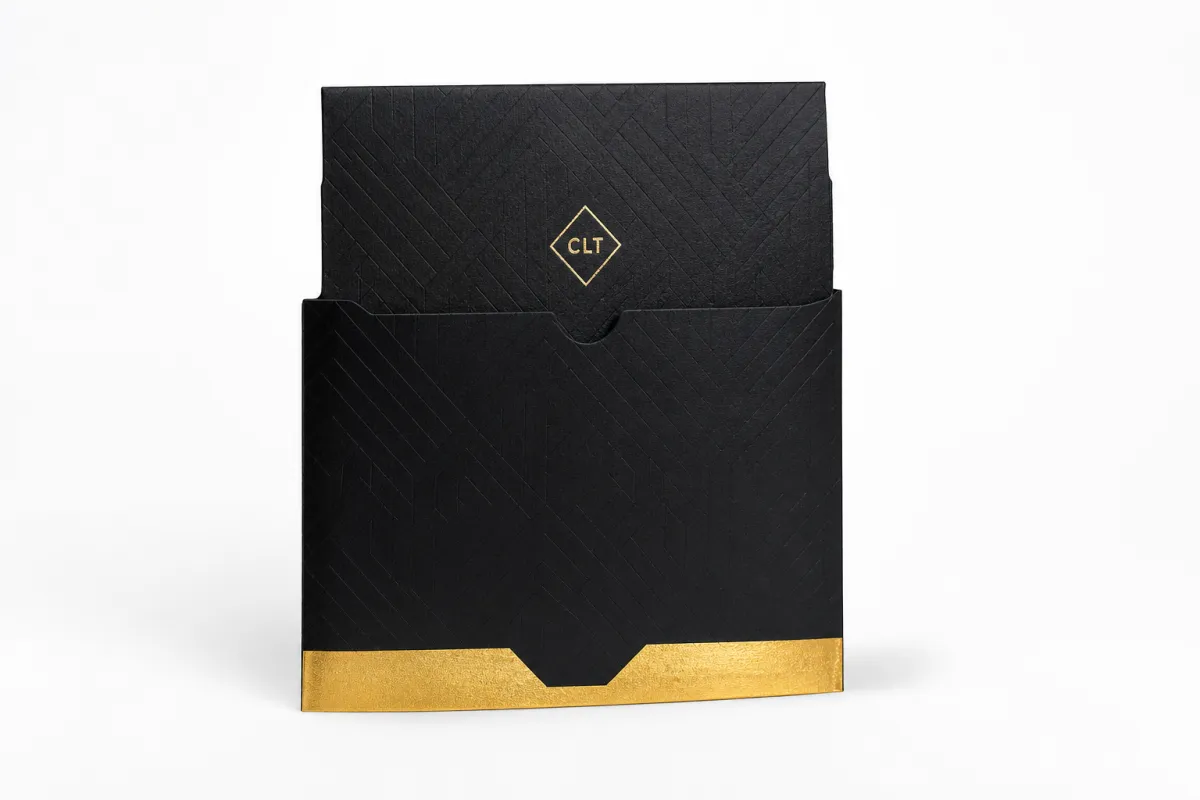
Lamination is a protective layer, but its value shows up after the first rough week, not in the proof file. Branded product labels with lamination usually start with a printed face stock such as paper, polypropylene, polyester, or another film. A laminate film is then added over the print to protect the artwork and shape the final finish. The layer is thin. Its effect is not. It helps resist scuffing during shipping, reduces whitening on rubbed edges, and gives the label a more finished appearance than a bare print usually can.
One of the least glamorous truths in packaging is that surface finish changes how people judge quality. A shopper may not say, "The label finish made me trust this," but their hands and eyes are doing the math anyway. I once reviewed a skincare launch where the formula was nearly identical across two lines, yet the matte laminated version felt more expensive before anyone opened the bottle. Same ingredients, different perception. That is a useful reminder for branded product labels with lamination: the print matters, but the surface is often the first signal a buyer gets.
Products that live in rough conditions get the biggest benefit. Cold storage, condensation, kitchen grease, bathroom humidity, stacked cartons, and repeated wipe-downs are all hard on unprotected print. Branded product labels with lamination are especially useful on products that move through distribution and then keep getting handled by staff or customers. In those settings, a clean label supports legibility, compliance, and trust. A damaged label does the opposite in a hurry.
"A proof can look perfect and still fall apart after one cold door cycle, one pallet rub, or one pass with a damp cloth."
There is also a hard cost argument here. A failed label is rarely just a failed label. On a 10,000-unit run, even a 2% relabel rate means 200 extra labels, plus labor, plus the hidden drag of stopping to fix a problem that should have been caught upstream. Branded product labels with lamination can reduce that kind of waste, especially on items with long shelf lives or heavy handling. That is why many packaging buyers treat lamination as insurance against predictable loss rather than as a decorative upgrade. Honestly, that framing is closer to the truth.
Not every package needs it. A dry carton with a short life may do fine without lamination. A bottle that gets chilled, touched, and wiped down lives in a very different environment. The better question is not whether branded product labels with lamination are "better" in the abstract. The better question is whether the package needs the extra protection in the conditions it will actually face.
How branded product labels with lamination work
The build is straightforward, but the details matter a lot. Branded product labels with lamination begin with printed graphics on the chosen face stock, then receive a laminate layer over the top. Depending on the production method, the laminate may be a pressure-sensitive overlaminate or part of a broader converting process matched to the adhesive and container shape. The goal is one label system that can survive the trip from press to pallet to the customer handoff.
Finish choice changes both the look and the behavior of the label. Gloss laminate intensifies color and makes graphics feel brighter and more saturated. Matte laminate cuts glare, softens the visual tone, and often reads better under strong store lighting or in product photos. Specialty tactile films can add a different hand-feel, which some brands use to separate themselves from the shelf crowd. Even so, branded product labels with lamination should be chosen for the use case first and the aesthetic second.
There is a practical distinction worth keeping clear. Lamination protects the printed surface. UV coating and spot UV can affect sheen and appearance, but they do not always deliver the same abrasion resistance or edge protection as a full laminate film. Foil stamping brings metallic emphasis. Embossing adds depth and a raised tactile detail. Those finishes can be beautiful, but they solve different problems. For durable branded product labels with lamination, surface protection has to come first.
The mechanical side is just as important. Die cutting sets the outer shape, kiss cutting controls how the label releases from the liner, and roll winding direction affects how the labels run through the application line. Liner choice can influence curl, dispensing speed, and how the label behaves on a curved bottle, a flat carton, or a tapered tub. A strong laminate cannot rescue a weak adhesive, a dirty container, or a shape that fights the application process.
| Finish or build | Typical use | Practical strength | Common tradeoff |
|---|---|---|---|
| Gloss lamination | Bright retail packaging, bottles, jars | Strong scuff resistance, vivid color | Shows glare and fine scratches more easily |
| Matte lamination | Premium skincare, craft goods, readable packs | Good abrasion resistance, low glare | Color can feel a little softer |
| Specialty tactile laminate | High-end branding, distinctive hand-feel | Durable, memorable surface feel | Higher material cost and more sampling |
One of the smartest sourcing questions is also one of the most ignored: how do the laminate, adhesive, and substrate behave together? Branded product labels with lamination perform best when those three parts are matched to the package surface, the storage temperature, and the handling pattern. A beautiful top film cannot fully rescue a bond that is too weak or a label shape that is too tight for the container contour. That is not a design issue alone. It is a system issue.
Production process and timeline for laminated label orders
The work usually begins with artwork and proofing. That is where many delays are either prevented or created. For branded product labels with lamination, the proof has to confirm size, bleed, safety margins, barcode readability, finish choice, and any special placement rules before the job reaches press. A careful prepress check catches problems while they are still cheap to fix. Once ink is down, the bill rises fast.
Material selection comes next. The team chooses face stock, laminate type, adhesive strength, and liner performance based on the package environment. A refrigerated cosmetic bottle needs a different construction than a dry pantry carton. A hand soap bottle that gets wiped with water and cleaner needs another adhesive profile entirely. Branded product labels with lamination behave more predictably when the material stack reflects the actual use case rather than a visual preference pulled from a mood board.
The production flow usually runs in a familiar order:
- Prepress review and file checks
- Proof approval
- Printing
- Lamination
- Drying or curing, if needed
- Die cutting and kiss cutting
- Slitting, inspection, and packing
- Shipment
That sequence can move quickly on a repeat job, especially when the specification is already locked. It slows down once custom shapes, specialty films, or proof revisions enter the picture. In practice, turnaround is often driven less by press speed than by the number of decisions that still need to be finalized. A label supplier may print quickly, but branded product labels with lamination still depend on approvals, stock availability, and the right converting setup.
Teams that sell into rough distribution channels often think in the same way as ISTA test methods: drop, vibration, compression, and handling all matter, even if the label is small. That mindset is useful. A label should be judged in the same conditions the package has to survive, not in a clean room with perfect temperature and no friction. If the sample cannot survive a cold case and a quick wipe, it is not ready.
Typical timelines vary by complexity, though a straightforward order often lands around 12-15 business days from proof approval to shipment. Simple reorders can move faster if the materials are in stock and the spec is already established. New projects with sampling, Custom Die Cutting, or tougher branded product labels with lamination usually need more time, especially if the buyer wants a package test before release.
One more detail deserves attention early: if the label needs FSC-aligned paper, confirm that before the order is locked. For paper face stocks, chain of custody matters, and the claim should be backed up cleanly. The FSC system is a common reference point, and it is easier to verify upfront than to untangle after production has started.
Branded Product Labels with Lamination: cost, pricing, and MOQ
Pricing is where the conversation gets more serious, and it should. Branded product labels with lamination are not priced on a single variable. Substrate, laminate, print coverage, size, shape, quantity, and converting complexity all shape the quote. A small square label with a clean gloss finish is one thing. A large custom shape with matte film, heavy ink coverage, and a curved bottle application is another. The quote should show that difference instead of hiding it.
The biggest cost drivers are usually the face stock, the laminate itself, and the order volume. Film-based face stocks and specialty laminates usually cost more than standard paper options. Larger labels consume more material. Irregular shapes and tight curves add setup time and force tighter die cutting tolerances. Digital production can be efficient for short runs. Flexographic production often becomes the better fit as volume increases. Branded product labels with lamination sit somewhere inside that tradeoff matrix on every order.
MOQ matters because setup costs do not disappear just because the run is small. Plates, dies, press calibration, and proofing happen whether the order is 500 labels or 50,000. Short runs therefore carry a higher unit price. As volume rises, those fixed costs spread out and the per-label number usually improves. Buyers sometimes compare quotes by the lowest unit price alone and miss freight, tooling, and setup. That mistake can distort the real spend by a wide margin.
Here is a practical planning range, not a promise:
| Order profile | Typical MOQ | Approximate unit price | Best fit |
|---|---|---|---|
| Small digital run with lamination | 500-1,000 labels | $0.35-$0.80 per label | Launches, test markets, seasonal SKUs |
| Mid-size digital run with lamination | 2,500-5,000 labels | $0.18-$0.42 per label | Growing product lines, steady replenishment |
| Flexographic run with lamination | 5,000-10,000+ labels | $0.08-$0.25 per label | Higher volume, repeat orders, stable artwork |
| Specialty finish or complex die cut | Varies by spec | Usually above standard pricing | Premium brands, distinctive shelf presentation |
Those ranges are broad enough to plan with and specific enough to keep a budget conversation honest. A laminated label with simple artwork and a standard shape may sit near the low end. Branded product labels with lamination for premium packaging, dense ink coverage, or unusual die cutting can land much higher. Foil stamping or embossing can push the total further, especially if the schedule is tight and the run needs extra handling.
Unit cost and total packaging cost are not the same thing. A slightly higher label price can still be the smarter buy if it reduces scuffs, moisture damage, or relabeling labor. The job is to protect the finished pack, not merely to shave a few cents off the quote. Buyers who fixate only on the cheapest number sometimes spend more later, after the product has entered circulation and the wear starts showing up in complaints or returns. That is a nasty surprise, and it is usually avoidable.
If sustainability is part of the brief, ask how the substrate and laminate affect end-of-life handling. Some packaging systems are easier to recover than others, and local recycling streams differ. If the package is expected to follow a particular material path, the label construction should support that claim rather than muddy it. That is a good reason to request sample alternatives instead of assuming one finish is the only viable answer.
Step-by-step guide to ordering branded product labels with lamination
The cleanest orders begin with a plain description of the use case. Where will the product live? Will it face condensation, oils, cold temperatures, or regular wiping? Will the label sit on a bottle, a jar, a carton, or a tub? Those answers matter more than a style reference alone. Branded product labels with lamination become much easier to source once the supplier understands the package conditions in detail.
Step one is selecting the material stack. Choose the face stock, laminate finish, and adhesive based on the container and environment. Matte film can help if glare is a problem. Gloss can help a retail item stand out under warm shelf lighting. The adhesive has to match the surface as well, because even a good print will fail if the bond is wrong. For buyers sorting through options, our Custom Labels & Tags page is a useful starting point before the spec gets locked.
Step two is artwork preparation. The file should include the right dimensions, bleed, safety margins, and barcode placement. Small labels leave little room for error. Curved containers need type that has enough breathing room so it does not distort around the wrap. Branded product labels with lamination also deserve a readability check after finish selection, because the surface can change how dark type, fine lines, and low-contrast graphics behave under light.
Step three is proof review. A digital proof helps, but a real sample on the actual package is better. That reveals glare, curl, edge lift, or color shift before the full run is approved. In packaging, the small issues are often the expensive ones. A quick test can spare a large headache. If the label is going into a rough channel, the proof process should feel like a short audit, not a box to tick.
Step four is confirming the run details. Quantity, core size, unwind direction, shipping method, and reorder notes should be fixed before release. That is the difference between a one-off order and a repeatable label program. A clean spec sheet makes branded product labels with lamination easier to reorder because the next batch can match the first one without guesswork or awkward surprises.
Step five is saving what worked. Keep the approved artwork version, the material description, and any test notes from the real package. Reorders become much simpler when that record exists. Over time, it becomes the easiest way to keep branded product labels with lamination consistent across production runs, promotional changes, and future line extensions.
Common mistakes with branded product labels with lamination
The most common mistake is choosing the finish for appearance alone. A label can look excellent on a flat proof and still perform badly in the field if the package sees cold, moisture, or repeated handling. Branded product labels with lamination should be selected for the environment first and the aesthetic second. A chilled display case changes the rules faster than a design review does.
Another mistake is assuming lamination solves everything. It does not. A weak adhesive, a dirty container surface, or a label shape that is too aggressive for the bottle contour can still cause lift or wrinkle. The laminate protects the top surface. It cannot fully repair poor substrate choice or bad application conditions. Label design is a system decision, not a single-material decision.
Gloss and matte behave differently under store lighting, and that difference is easy to underestimate. Gloss can feel brighter and more energetic, but it can also show fingerprints or reflections. Matte usually reads better where glare gets in the way, and it can help small text stay legible. Branded product labels with lamination should be judged under the lighting where the customer will actually see them, not under office fluorescents or in a proofing room that hides the problem.
Some teams approve proofs without testing on the actual package. That shortcut is risky. A label may look correct on a flat sheet and then reveal curl, edge lift, or poor wrap behavior once it is applied to a curved bottle or a textured jar. Branded product labels with lamination are meant to work in use, and a simple application test usually says more than a stack of digital proofs. I have seen a good-looking label fail because the jar shoulder was slightly narrower than expected. That kind of miss is irritating, but it is fixable before a production run. After the run, not so much.
Lead time is another place where buyers get caught off guard. Custom dies, specialty films, or revised artwork can add days quickly, especially if the order also needs samples or a trial run. The safer habit is to build testing into the schedule before the labels are needed. That discipline is boring in the best way. It prevents emergencies.
Finally, lamination is often treated as if it were interchangeable with UV coating or spot UV. Those finishes can create attractive effects, but they do not always offer the same abrasion resistance or edge durability. Foil stamping and embossing can add premium presence, yet they are decorative effects, not substitutes for a protective film. Branded product labels with lamination should be specified for protection first, then dressed with other effects only if they earn their place.
Expert tips and next steps for better label sourcing
Ask for samples that match the same laminate, substrate, and adhesive family you plan to use. A sample on the wrong material can mislead a buyer in a way that is costly and avoidable. Branded product labels with lamination should be sampled against the actual package, not against a generic sheet pulled from a drawer. If the sample is supposed to represent a chilled beverage, it should be chilled. If it is supposed to represent a hand soap bottle, it should be wiped with the cleaner the customer will actually use.
Test the label under real conditions. Hold it with wet hands. Put it in a refrigerator. Wipe it with the cleaner that lives under the sink. Look at it under the same lighting it will face in store, on a shelf, or in a bathroom. Real use tells the truth quickly. The goal is not a theatrical test. The goal is a representative one. That is the difference between a label that photographs well and a label that survives a purchase cycle.
Build a simple spec sheet and keep it updated. Include the face stock, laminate finish, adhesive type, dimensions, core size, unwind direction, approved artwork version, and any packaging notes that matter during application. If multiple SKUs are involved, the sheet becomes even more valuable because it keeps branded product labels with lamination aligned across the line. It also speeds up reorders, which matters once the product starts moving consistently.
Compare at least one alternate option before signing off. Request a quote with a different laminate finish or substrate so you can see where the value sits between appearance, durability, MOQ, and unit cost. A small construction change can make a real difference in price, especially on larger orders. If you want to see how those decisions show up in finished packaging, our Case Studies page is a useful reference point.
Packaging buyers often ask for the "best" label, but the better question is the one that weighs use, brand look, and production budget together. If the product will face repeated handling, moisture, or refrigeration, branded product labels with lamination are usually a smart place to spend a little more. If the package is dry, short-life, and low-contact, a simpler spec may be enough. The right answer depends on the job, and the details decide the job.
For brands that want a polished look without giving up durability, branded product labels with lamination are often the most practical middle ground. They protect the print, preserve shelf appeal, and reduce the slow damage that creeps in after shipment. When the spec is clear and the testing is real, branded product labels with lamination stop feeling like a gamble and start behaving like part of the packaging system. That is the sweet spot, and it is usually easier to reach than people think.
Are branded product labels with lamination waterproof?
Lamination helps resist moisture, wiping, and light exposure, but true water resistance depends on the full label system, not the top film alone. If the package will face condensation, refrigeration, or splashes, the substrate and adhesive need to match that use case too. For harsh wet environments, ask for a sample test on the actual container before approving the full run of branded product labels with lamination.
Do branded product labels with lamination scratch easily?
Lamination greatly reduces scuffing and surface wear compared with an unprotected print, especially during shipping and shelf handling. Gloss finishes can show fine scratches more visibly than matte finishes, even when both are equally durable. If the package will be stacked, rubbed, or frequently handled, request a finish that balances appearance with abrasion resistance for your branded product labels with lamination.
Should I choose gloss or matte for laminated product labels?
Choose gloss if you want brighter color, stronger shelf pop, and a surface that is easy to wipe clean. Choose matte if glare is a problem, the package will be read under bright lights, or you want a softer premium feel. The best choice usually depends on how the product will be seen, touched, and photographed in real use, especially for branded product labels with lamination.
What affects the price of branded product labels with lamination?
The biggest cost factors are material choice, laminate type, label size, print coverage, quantity, and how complex the die cut is. MOQ and setup work also affect unit cost, so smaller runs usually cost more per label than larger repeat orders. Ask for separate pricing on alternate materials or finishes so you can compare value instead of just comparing the lowest number for branded product labels with lamination.
How long do branded product labels with lamination take to produce?
Timeline depends on proof approval, material availability, quantity, and whether the job needs a custom shape or special finish. Simple repeat orders often move faster than new projects because the tooling and specs are already established. Build in time for testing if the label will face cold storage, moisture, oils, or heavy handling, because branded product labels with lamination work best when the final spec has been checked in real conditions.
Can I use branded product labels with lamination on food and beverage packaging?
Yes, provided the adhesive, face stock, and laminate are appropriate for the package and the environment. Beverage bottles often benefit from matte or gloss film because those finishes help protect print during condensation and refrigeration. For food contact and regulatory questions, check the exact use case with the label supplier rather than assuming one construction fits every product.
Choose the label by the package's worst day, not its best photo. If it has to survive cold, moisture, wiping, stacked cartons, or rough retail handling, specify branded product labels with lamination around those conditions first, then test the sample on the actual container before signing off. That one habit saves more money than most last-minute rush fixes ever will.


