Buyer Fit Snapshot
| Best fit | Branded Product Sleeves Wholesale projects where brand print, material claims, artwork control, MOQ, and repeat-order consistency need to be specified before quoting. |
|---|---|
| Quote inputs | Share finished size, material target, print colors, finish, packing count, annual reorder estimate, ship-to region, and any compliance wording. |
| Proofing check | Approve dieline scale, logo placement, barcode or warning zones, color tolerance, closure strength, and carton packing before bulk production. |
| Main risk | Vague material claims, crowded artwork, missing packing details, or unclear freight terms can make a low unit price expensive after revisions. |
Fast answer: Branded Product Sleeves Wholesale: Specs, Pricing & MOQ should be specified like a repeatable production item. The safest quote records material, print method, finish, artwork proof, packing count, and reorder notes in one written spec.
Production checks before approval
Compare the actual filled-product size with the drawing, then confirm tolerance on folds, seals, hang holes, label areas, and retail display edges. Reserve space for logos, QR codes, warning copy, and material claims before decorative graphics fill the panel.
Quote comparison points
Review material grade, print process, finish, sampling route, tooling charges, carton quantity, and freight assumptions side by side. A quote is only useful when the supplier can repeat the same color, closure quality, and packing count on the next order.
Branded product sleeves wholesale is often the cleanest way to give a decent product a better shelf story without rebuilding the entire package. If the jar, bottle, tray, pouch, or folding carton already does its job, a sleeve can add brand presence, product details, seasonal messaging, and a more finished retail look without turning the project into a packaging overhaul.
Buyers like sleeves because they solve a real problem without making life harder. The base container stays in place, the fill line usually stays intact, and the team still has room for SKU separation, promotions, gift sets, multi-packs, and compliance copy. For brands that need a controlled launch path, branded product sleeves wholesale keeps the buying conversation focused on the boring stuff that actually matters: fit, print quality, MOQ, and landed cost. Boring wins here. Fancy can wait.
A sleeve should finish the pack, not wrestle it. Pick the structure, board, and print setup well, and the result looks deliberate on shelf while still being sane to reorder.
If you need a sourcing partner that thinks in production terms instead of pretty mockups, start with the product dimensions, choose a material that fits the shelf environment, and compare quotes on the same basis. For broader procurement context, our Wholesale Programs page shows how repeat ordering and volume planning usually work, and our Case Studies show how packaging decisions change once a product moves from concept to retail distribution.
Why Branded Product Sleeves Wholesale Can Solve Shelf Gaps
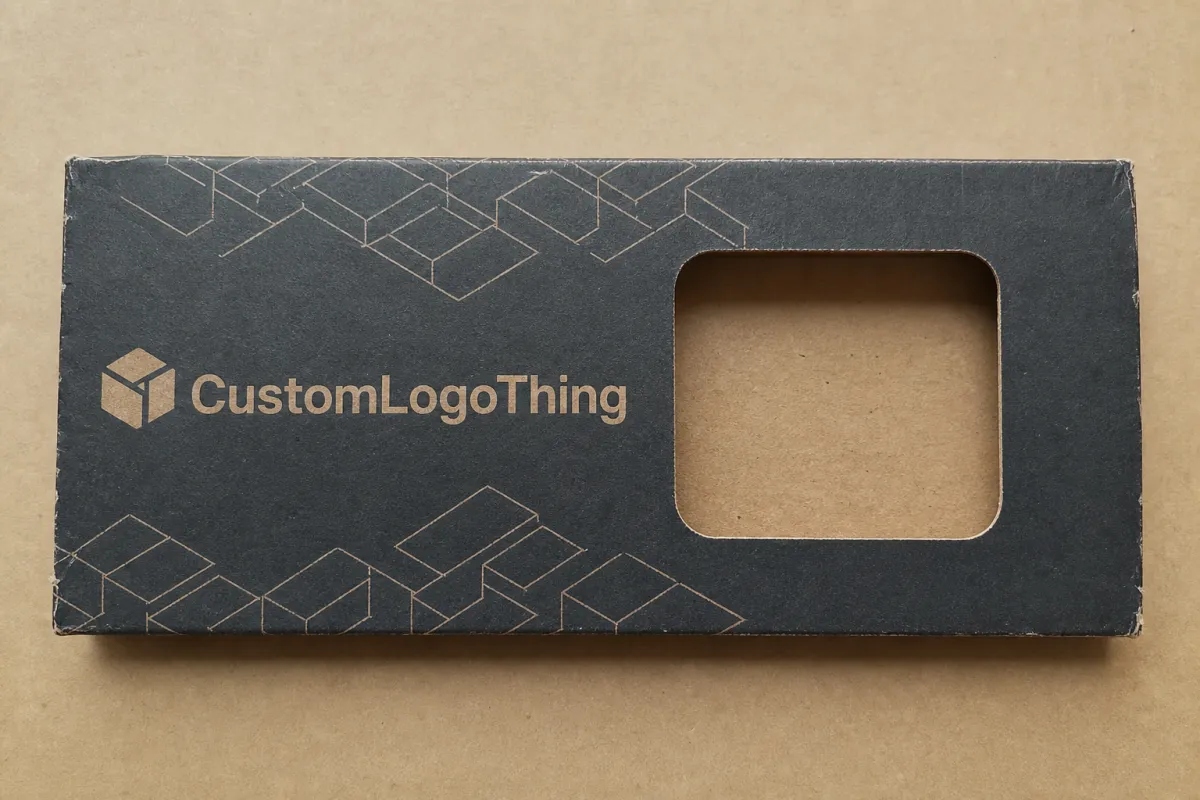
Retail packaging exposes weak spots fast. A product can perform well, the formula can be solid, and the container can be perfectly functional, yet the shelf presentation still looks unfinished. Branded product sleeves wholesale earns its place right there. The sleeve gives the pack a visible brand face, adds information where people can actually see it, and delivers a retail-ready finish without forcing a redesign of the bottle, jar, pouch, or inner carton.
That matters because time and risk stay under control. Reworking the base package can mean new tooling, a different fill-line setup, new carton dimensions, and more inventory headaches than anyone asked for. A sleeve usually sits outside that mess. It can move faster, test in smaller quantities, and change when the brand needs seasonal artwork, limited-edition graphics, or a short-run retail push.
Branded product sleeves wholesale is especially useful when the same base product needs to serve multiple channels. A core SKU can ship in plain or lightly printed primary packaging for e-commerce, then wear a branded sleeve for retail stores, gift bundles, or club packs. That keeps the team from carrying separate container inventory just to make the shelf look different. It also helps when regulatory copy or promotional text changes more often than the product itself.
Typical uses include:
- Seasonal campaign packaging for holidays, launches, or event-specific promotions
- Limited editions where the base product stays the same but the graphics need a fresh story
- Multipacks or bundled retail sets that need a stronger brand panel
- Compliance copy updates, ingredient callouts, or warning text for certain markets
- SKU separation across flavors, fragrances, sizes, or bundle configurations
For buyers comparing sourcing paths, sleeves sit in a useful middle ground. Labels are usually cheaper, but they are smaller and do less structurally. Full printed cartons give more coverage, but they often bring extra die-cut complexity, more board usage, and more assembly time. A sleeve gives you a visible branding surface, some structure, and a strong retail cue without making the package behave like a full rigid box. That balance is why branded product sleeves wholesale often becomes the practical choice when teams want a better shelf story without a major packaging overhaul.
There is another reason sleeves stay popular: they are easier to update than the primary pack. If a retailer wants a holiday strip, a “new look” refresh, or a regional language change, the sleeve can carry that update without touching the bottle mold or the tray tooling. That keeps the project from snowballing into a months-long restart. Packaging teams appreciate that. So do finance teams.
Materials, Print Finishes, and Product Fit
A product sleeve is a printed wrap that slides around or folds around a container, tray, or inner pack to add branding, product information, and visual polish. It is not a pressure-sensitive label, and it is not a full printed carton. The sleeve usually covers more surface area than a label and feels more substantial, but it still works around the existing package rather than replacing it. That makes it useful when the container shape is already approved and the goal is to make the whole thing look less bare.
Material choice changes the feel right away. White SBS board gives the sharpest print reproduction and a clean retail finish, which is why it shows up often in cosmetics, wellness products, and premium food packaging. Kraft board brings a warmer, more natural look and suits brands that want recycled or earthy cues. Recycled board can support a sustainability message, though buyers should check print brightness and scuff resistance because recycled fiber content can affect surface smoothness. Coated stocks usually produce stronger color and crisper detail, while uncoated stocks feel more tactile and less glossy on shelf.
For many projects, the right board weight sits somewhere in the 14 pt to 24 pt range, depending on whether the sleeve is mainly decorative or also needs to hold shape around a product that gets handled a lot. A lighter sleeve can work for small cartons and inner packs, but heavier boards usually improve rigidity and resist corner crush. The best choice depends on how the product ships, how often people touch it, and whether the sleeve has to stay clean through distribution instead of looking tired before it lands.
Finish choices change the look and the cost structure. Offset printing is usually the better fit for higher quantities and tighter color control, while digital printing can make smaller runs cheaper when the artwork changes often. Matte coating gives a softer, more restrained look; gloss coating pushes brightness and contrast. Soft-touch laminate adds a velvety feel that reads premium in hand, but it can raise cost and show marks on dark solids if the product gets handled a lot. Foil stamping, embossing, and spot UV can lift the design further, although each one adds setup and production complexity. Spot UV over matte stock is common when buyers want contrast without making the whole panel shiny for no reason.
There is also the fit issue that gets ignored until the sample shows up and disappoints everyone. A sleeve needs the right inner dimensions, but it also needs the right tolerance. Too tight, and it becomes hard to place or scuffs during assembly. Too loose, and it slips, rotates, or looks lazy on shelf. In practice, many packaging teams want enough clearance for reliable application without so much slack that the sleeve floats around the product. Exact tolerance depends on board caliper, product shape, and whether the sleeve is applied by hand or by machine.
Another small but expensive detail is score behavior. A bad score can crack printed ink, open up at the fold, or make the panel look worn before the product ever leaves the plant. That sounds minor until a buyer sees a pallet of sleeves with flaky edges and starts explaining why the “premium” package now looks tired. Good prepress and the right scoring rule matter. They are not glamorous, but neither is reordering a job because the first one folds badly.
Common product categories for sleeves include:
- Candles and fragrance jars where the sleeve gives the brand a larger visual field
- Cosmetics and personal care kits that need premium presentation without a full carton redesign
- Supplements where regulatory copy and brand identity both need room
- Food gift sets, bakery assortments, and specialty beverage bundles
- Retail multipacks that need a stronger outer identity than the base container provides
If sustainability matters in the brief, ask whether the board can be FSC-certified and whether the finish fits the recycling stream in your market. The Forest Stewardship Council explains certified fiber standards clearly at FSC, which helps procurement teams keep the paper trail straight when sourcing claims need backing. For transport concerns, many teams also reference industry test methods from ISTA when the sleeve is part of a broader retail shipper or display pack.
| Material / Finish | Best For | Typical MOQ Range | Relative Cost | Buyer Notes |
|---|---|---|---|---|
| SBS board with matte coating | Clean retail packs, cosmetics, wellness | 1,000-5,000 pcs | Moderate | Strong print detail and a tidy, modern look |
| Kraft board with uncoated finish | Natural, handmade, eco-positioned products | 1,000-5,000 pcs | Moderate | Warm appearance, but color reproduction is less bright |
| Recycled board with simple print | Value-driven sustainable packaging | 2,500-10,000 pcs | Moderate to lower | Confirm surface smoothness and ink holdout before final approval |
| Soft-touch with foil or embossing | Premium launches and gift sets | 3,000-10,000 pcs | Higher | High perceived value, but setup and finishing add cost |
Packaging trade groups such as the Institute of Packaging Professionals are useful references when buyers want to stay grounded in material and production basics instead of chasing decoration for its own sake. A sleeve works best when the material, print method, and surface finish all match the real product environment.
Pricing, MOQ, and Unit Cost Factors to Compare
Pricing for branded product sleeves wholesale comes down to a handful of variables that show up on nearly every quote. Material weight is one of the biggest. A thicker board usually costs more per sheet, and it can also affect die-cut wear, folding behavior, and shipping weight. Print coverage matters as well; a simple one- or two-color design usually costs less than full-bleed artwork with dense solids on both sides. Add specialty finishes, and the price rises again because each extra process adds labor, setup, or tooling.
MOQ, or minimum order quantity, often changes the unit cost more than buyers expect. Smaller runs carry more setup expense per piece because plates, tooling, prepress checks, and machine setup have to be absorbed across fewer units. A 1,000-piece order can look meaningfully more expensive on a per-unit basis than a 5,000-piece order, even if the artwork is identical. Ordering too much can tie up cash and storage space, though, so the right volume depends on sell-through rate, launch confidence, and forecast accuracy.
In practical terms, simple branded product sleeves wholesale orders may fall into a range like $0.12 to $0.35 per unit at mid-scale volumes, while smaller specialty runs with foil, embossing, or soft-touch laminate can move higher, sometimes well above that range. The exact number depends on dimensions, board selection, print coverage, and whether the sleeve includes a glued seam, custom die-cut window, or another structural detail. A straightforward sleeve on decent volume can be efficient. A premium version with multiple embellishments can act more like a boutique print job.
Always compare quotes apples to apples. One supplier may show a lower headline price but leave out tooling, plates, freight, proofing, or taxes. Another may bundle those items, making the quote look higher at first glance while actually landing closer to the final cost. Ask which of the following are included:
- Tooling or die charges
- Print plates or setup fees
- Digital proof and physical sample charges
- Shipping and carton packing
- Duties, tariffs, and local taxes where relevant
Ask for pricing at several breakpoints too. For example, request quotes at 1,000, 3,000, 5,000, and 10,000 pieces if the project is volume-sensitive. That shows where the unit cost drops enough to justify a larger run. Repeat-order pricing matters as well. If the sleeve becomes a core SKU, the second order should not surprise you with a different structure unless the art or spec changed. Ask whether a reorder needs a fresh plate charge, a new proof fee, or only a production refresh.
Rush production deserves a direct question early. Some jobs move fast if the artwork is clean and the material is in stock. Others slow down once specialty finishes or imported substrates enter the picture. A rush fee is not automatically a bad thing, but it should be visible in the quote so the team can decide whether speed or cost matters more on that order.
From a buying perspective, the best quote is the one that spells out the total path clearly: material, print method, finish, quantity, lead time, and landed cost. If any of those are fuzzy, the job usually gets harder to manage later. That is not a mystery. It is just paperwork wearing a fake mustache.
Artwork Specs and Structural Details to Lock Before Order
Before a sleeve order goes into production, the artwork and structure need to be locked down with the same care you would give to a carton or label. The first thing to confirm is the flat size, which tells the printer how the sleeve lays out before folding. From there, the team should check wrap length, depth, fold style, closure points, and any windows or cutouts. If the sleeve is meant to slide over a rigid tray, the inside dimensions should be checked against the actual product, not just the spec sheet that looked neat in the meeting.
The dieline is the working template that shows folds, cut lines, glue areas, and safe zones. If the dieline is wrong, everything else gets harder. Good prepress practice means the artwork is built to the template rather than shoved onto it later. Logos should stay in vector format whenever possible because vectors keep their edges clean across different sizes. Images should be high resolution, usually at least 300 dpi at final size for print-ready work. Barcode placement deserves special attention too; it should sit on a flat, scannable area with enough quiet space around it to avoid reader issues.
Text content matters more than many teams expect. Ingredient lists, warnings, usage instructions, country-of-origin statements, and legal copy all need a deliberate place on the sleeve. If the product is regulated, that content may need a review cycle separate from visual approval. Even for non-regulated items, leaving legal and product text to the last minute is a great way to buy yourself a delay. Once the dieline is approved, copy changes can force a new proof and sometimes a new production timeline.
Color expectations should also be spelled out. A designer may be looking at brand swatches on a calibrated screen while the production team is trying to match those colors on coated or uncoated board. If exact color control matters, provide Pantone references where possible and confirm whether the project will be printed in spot colors or full CMYK. Dark solids, metallic tones, and deep brand reds can behave differently on paperboard than they do on screen, so proofing matters.
Structural decisions have a direct impact on performance:
- Board caliper: thicker board holds shape better, but can make folding and insertion tighter
- Score quality: crisp scores help the sleeve fold cleanly without cracking the print surface
- Glue usage: a glued seam can improve stability, while a friction-fit sleeve may be faster for certain applications
- Window or cutout design: useful for product visibility, but it adds die complexity and can expose product surfaces to scuffing
- Fit tolerance: too much play looks loose; too little creates assembly problems
Three proofing steps reduce the odds of mistakes:
- Review a digital proof for layout, copy, and barcode placement.
- Request a physical sample or mockup to test fit and assembly behavior.
- Approve color and final text only after the sample matches the packaging intent.
That process takes a little time, but it protects the run. A sleeve that is technically beautiful but awkward in production is not a smart buying decision. The more precise the structural setup, the more likely the final pack will hold up on shelf and on the line.
A quick reality check helps here. Retail shelves do not care that a dieline looked elegant in a PDF. The pack still has to open, stack, ship, scan, and survive handling. If a structure only works in a design presentation, it is not ready for purchase.
Process and Timeline: Quote to Delivery
A clean sleeve order starts with a useful brief. The quote stage should include product dimensions, artwork files, target quantity, preferred material, finish preferences, and the shipping destination. If a buyer sends only a rough size and a guess at the quantity, the quote will be less accurate and the schedule harder to trust. A good sourcing workflow starts by making the job visible enough for the production team to price it correctly the first time.
Once the quote is approved, prepress review begins. This is where the dieline gets checked, the copy gets reviewed, the barcode is validated, and the artwork is mapped against the structural file. If there is a mismatch between the supplied art and the template, it should be caught here, not after the press run starts. This stage also catches common issues such as reversed folds, text too close to a score line, or a logo placed in a zone that disappears once folded.
After proof approval, production usually moves through a familiar sequence: printing, coating or finishing, die-cutting, folding or gluing if needed, inspection, and final packing. That sounds straightforward, but each step has its own timing and quality checks. Matte or gloss coating may dry differently depending on ink coverage. Foil and embossing can require separate tooling. Die-cutting needs registration accuracy so the sleeve folds cleanly. If the project has a glued seam, that step adds another layer of inspection.
Realistic lead times depend on complexity. Simple branded product sleeves wholesale orders with standard materials and limited finishing can sometimes be completed in roughly 10 to 15 business days after proof approval, assuming the factory has the substrate in stock and the artwork is ready. More complex jobs with premium finishes, larger quantities, or unusual structural details often need 15 to 25 business days or longer. If the sleeve has regulatory copy, multiple SKUs, or a specialty board that must be sourced first, add more time rather than less.
Ask about the timeline for each stage instead of only the final ship date. For example:
- How long will prepress review take?
- When will the digital proof be issued?
- Is a physical sample available before full production?
- How many production days are needed after approval?
- How long does packing and freight booking add to the schedule?
That level of detail helps buyers avoid two common mistakes: approving artwork before the structural check is complete, and assuming the ship date includes freight time. If the product launch date is fixed, the shipment plan should be confirmed early, not guessed at after production is already underway.
For brands that also care about environmental handling, EPA guidance on waste, recycling, and material stewardship can be useful background during package planning. The U.S. Environmental Protection Agency publishes practical resources at EPA, and that can help teams align packaging choices with internal sustainability goals and disposal expectations in the target market.
The process stays manageable when the inputs are specific. Dimensions, art, quantity, and finish choices create a clearer path from quote to approved proof to delivery, which is what busy packaging teams actually need.
Why Buyers Choose Custom Logo Things for Sleeve Sourcing
Custom Logo Things is a practical fit for buyers who want a sleeve supplier to act like a production partner. That means paying attention to fit, printability, budget control, and reorder consistency rather than dressing up decoration for its own sake. A sleeve should match the product and the sales channel, and the sourcing conversation should reflect that. If the pack does not need a premium finish, it should not be forced into one. If the product needs stronger shelf impact, the material and print spec should support that from the beginning.
That kind of support matters most when buyers are balancing several constraints at once. Maybe the design team wants a tactile finish, the operations team needs a simple assembly process, and finance wants a lower unit cost at reorder volume. A useful packaging partner helps sort those tradeoffs early. In practice, that often means recommending a board weight that holds shape without overspending, or suggesting that a sleeve use one strong finishing cue instead of three expensive ones.
Another advantage is communication during proofing. Sleeve jobs go smoother when the supplier is responsive about dieline questions, print limits, and production timing. Buyers should be able to move quickly without losing visibility into what is happening with the order. That is especially important for branded product sleeves wholesale, where repeatability matters. If a SKU launches well, the team needs to know the reorder will match the first run closely enough to support retail consistency across channels.
Custom Logo Things also fits the needs of companies that source across product lines. One brand may need a sleeve for a supplement kit, another for a candle set, and another for a promotional food bundle. The packaging may change, but the buying criteria stay the same: clear spec, fair MOQ, dependable output, and no ugly surprises in the final invoice. That is the kind of repeatable process that helps packaging buyers stay organized as volume grows.
When a supplier can talk clearly about board choices, finish tradeoffs, and likely production timing, it becomes much easier to make a purchasing decision with confidence. The result is not just a printed sleeve. It is a package that looks ready for the shelf and behaves properly in production.
That matters more than many brands admit. A sleeve vendor is not just printing paper. They are helping determine how the product enters retail, how it reads on shelf, and how easily the team can reorder without starting from scratch every time.
Next Steps for Ordering Branded Product Sleeves Wholesale
If you are preparing a branded product sleeves wholesale request, the fastest path is to gather the information that changes cost and fit the most. Start with the product dimensions, ideally confirmed from the actual packed item rather than a rough estimate. Add a clear photo of the product in its current package, because a visual usually explains structural needs faster than a paragraph of notes. Then list the target quantity, the preferred material, and any finish requirements such as matte, gloss, soft-touch, foil, embossing, or spot UV.
It also helps to decide which variables are fixed and which are flexible. If the board weight is fixed because the sleeve has to hold shape, say so. If the finish can change to keep the price within range, say that too. The more the supplier understands your tradeoffs, the better the quote will reflect the real purchasing decision instead of an idealized version of it.
When quotes come back, compare the total landed cost instead of the headline unit price alone. Freight can change the economics of a run, especially if the order is shipping internationally or if the quantity is low enough that packaging and delivery weigh heavily in the final cost. A slightly higher unit price with cleaner proofing, fewer setup surprises, and simpler freight may actually be the better buy.
A practical ordering sequence usually looks like this:
- Send dimensions, artwork, and quantity targets.
- Review the quoted material, finish, and timing assumptions.
- Approve the dieline and check all regulatory copy.
- Confirm the proof before production starts.
- Set a reorder trigger so the next run starts before inventory gets tight.
That last step matters more than many teams expect. Sleeves often support a product that is already moving, so inventory shortages can create a shelf gap right when the brand is trying to stay visible. A reorder trigger based on lead time and average sell-through is a simple way to keep the supply chain steady.
If you want the order handled in a way that respects fit, budget, and production reality, branded product sleeves wholesale should be sourced as a controlled packaging program, not a one-off art project. Send the specs, review the proof carefully, confirm the production window, and plan the reorder before the first shipment lands. That is the most reliable way to keep branded product sleeves wholesale efficient at scale.
The practical takeaway is simple: treat the sleeve like a production component, not decoration. Lock the dimensions, compare quotes on the same basis, proof the dieline before signing off, and set the reorder plan while the first run is still fresh. That is how brands avoid the usual packaging drama and keep the shelf presentation consistent.
What affects branded product sleeves wholesale pricing the most?
Material choice, print coverage, finish complexity, quantity, and shipping usually drive the biggest price differences. Setup charges and specialty effects such as foil or embossing can raise the unit cost on smaller runs. The most accurate quote comes from full specs, not just a rough size and quantity.
What file format do you need for a branded product sleeves wholesale quote?
A dieline or structural template plus print-ready artwork is the best starting point. Vector files are preferred for logos and text, and images should be high resolution. If the dieline is not ready, dimensions and product photos can still help start the estimate.
How do I choose the right material for custom product sleeves?
Match the board or paper to the product weight, shelf environment, and finish level you want. Use coated stock for a sharper retail look and kraft or recycled board when a more natural appearance matters. Confirm whether the sleeve needs to hold shape tightly or simply add branding and information.
What is a typical MOQ for branded product sleeves wholesale orders?
MOQ varies by construction, print method, and finishing, so there is no single standard number. Simple sleeve jobs can often run at lower quantities than specialty packaging with complex finishing. Ask for pricing at several volume levels so you can see where the unit cost improves.
How long does production usually take after approval?
Timing depends on artwork readiness, material choice, finishing, and order size. After final proof approval, straightforward sleeve orders are generally faster than highly finished or high-volume runs. A firm ship date should be confirmed before approval so the production window matches your launch plan.
Can sleeves replace a full printed carton?
Sometimes, but not always. A sleeve can carry branding, regulatory text, and shelf impact, yet it does not replace the protection or structure of a carton in every use case. If the product needs crush resistance, tamper evidence, or stacking strength, a sleeve should work with the carton rather than instead of it.


