Buyer Fit Snapshot
| Best fit | Branded Rigid Box Manufacturer projects where brand print, material claims, artwork control, MOQ, and repeat-order consistency need to be specified before quoting. |
|---|---|
| Quote inputs | Share finished size, material target, print colors, finish, packing count, annual reorder estimate, ship-to region, and any compliance wording. |
| Proofing check | Approve dieline scale, logo placement, barcode or warning zones, color tolerance, closure strength, and carton packing before bulk production. |
| Main risk | Vague material claims, crowded artwork, missing packing details, or unclear freight terms can make a low unit price expensive after revisions. |
Fast answer: Branded Rigid Box Manufacturer: Board, Finish, Dieline, and Unit Cost should be specified like a repeatable production item. The safest quote records material, print method, finish, artwork proof, packing count, and reorder notes in one written spec.
Production checks before approval
Compare the actual filled-product size with the drawing, then confirm tolerance on folds, seals, hang holes, label areas, and retail display edges. Reserve space for logos, QR codes, warning copy, and material claims before decorative graphics fill the panel.
Quote comparison points
Review material grade, print process, finish, sampling route, tooling charges, carton quantity, and freight assumptions side by side. A quote is only useful when the supplier can repeat the same color, closure quality, and packing count on the next order.
Branded Rigid Box Manufacturer: What to Know First
A branded rigid box manufacturer does more than build a container that looks expensive in a photo. The right partner turns packaging into a physical first impression, protects the product in transit, and helps the brand feel deliberate before the customer even opens the lid. I have seen mockups that looked flawless on screen and still failed on the packing line because a corner radius, insert depth, or wrap allowance was off by a few millimeters. That small gap is often the difference between a package that sells the story and one that quietly breaks it.
Buyers who understand structure, materials, decoration, and lead time usually get better results from a branded rigid box manufacturer. The box is not just a shell. It affects unboxing, shipping performance, retail presentation, and the way people judge value in the first few seconds. If you want to compare packaging decisions alongside other services from Custom Logo Things, the About Custom Logo Things page offers useful background, and the Case Studies page shows how different formats perform in real projects.
Branded Rigid Box Manufacturer: Why These Boxes Stand Out
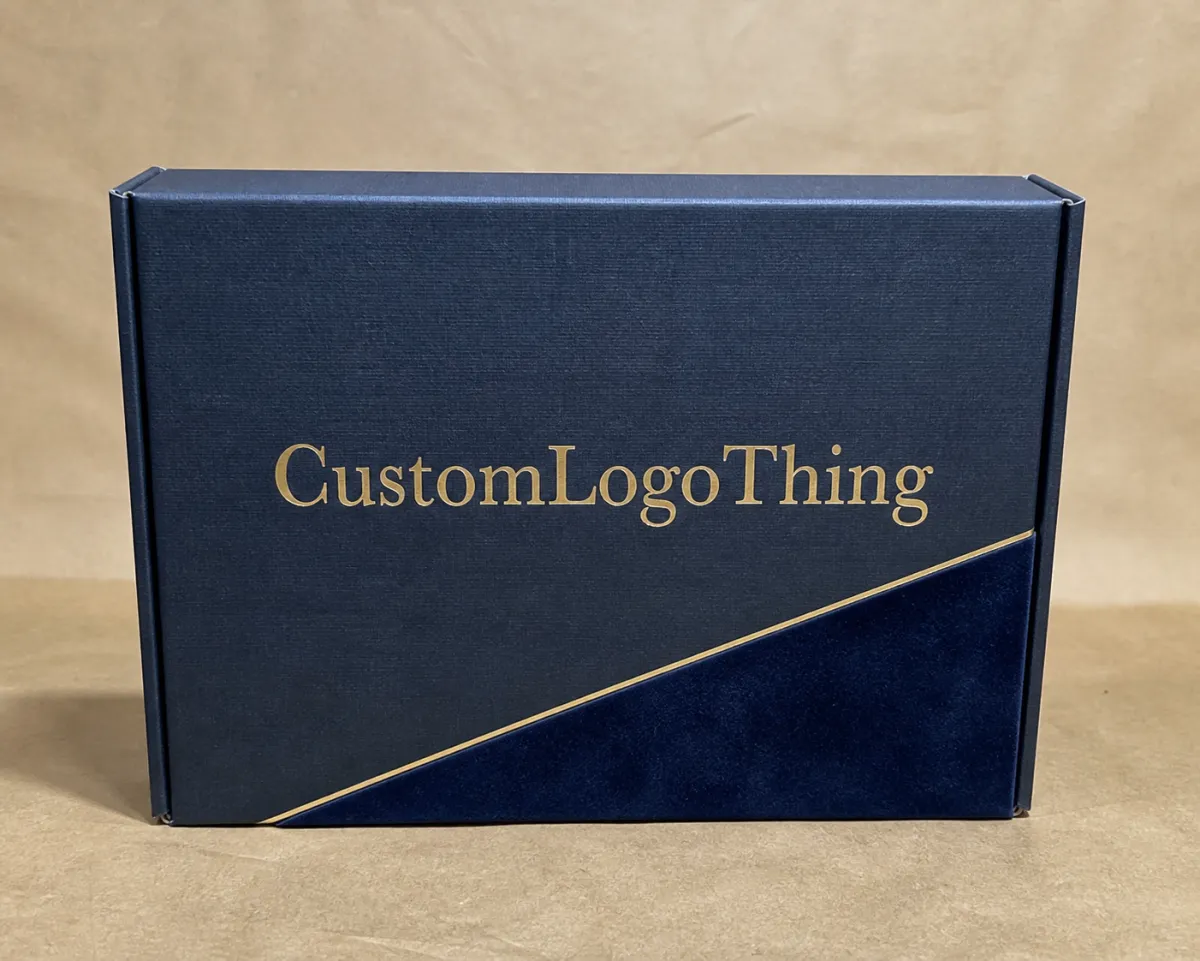
Premium products are often judged by the box long before the item appears. That is not a slogan; it is how buyers handle packaging. A branded rigid box manufacturer builds for that moment, because the outer structure has to do immediate brand work. A rigid box feels substantial in the hand, closes with purpose, and signals care before the product is revealed.
So what gets made? A branded rigid box manufacturer typically produces setup boxes, lid-and-base boxes, magnetic closure boxes, drawer or sleeve boxes, book-style boxes, and other premium paperboard structures. These are built from thick chipboard or greyboard, then wrapped in printed or specialty paper. Board thickness commonly sits between 1.5 mm and 3.0 mm, although heavier presentation boxes can go beyond that if the product load or display goal calls for it.
The difference between rigid boxes and folding cartons is structural, not cosmetic. Folding cartons rely on a single sheet of paperboard that is scored and folded flat. Rigid boxes use a thicker core, wrapped surfaces, and tighter dimensional control. That creates firmer walls, cleaner edges, and a more precise fit. A candle set, phone accessory, cosmetics kit, or gift item can arrive looking composed instead of rattling around in a thin shell.
Branding shows up in the box itself in several ways. Print can cover the wrap paper with rich color and detailed artwork. Foil stamping adds metallic highlights, while embossing and debossing create tactile relief. Soft-touch lamination can reduce glare and give the surface a velvety feel, though it needs careful handling because scuffs show sooner than on some harder matte films. A window can reveal part of the product, and a custom insert can center the item so the reveal feels intentional. A strong branded rigid box manufacturer understands how those details interact instead of treating them as separate add-ons.
From a buyer's perspective, the best rigid box does two jobs at once. It protects the product, and it presents it well. Ignore either task and the package usually costs more than it should through damage, rework, or weak shelf appeal. A thoughtful branded rigid box manufacturer keeps both goals in view from the beginning.
"If the structure is off by even 2 mm, the decoration will not save it." Packaging teams learn that early, often the hard way. The build has to work before the finish can do its job.
Durability is another reason buyers keep returning to rigid packaging. A rigid box holds shape through warehouse handling, retailer touchpoints, and gift presentation far better than thin board. For products with a premium price tag, that extra stiffness often supports the value of the item itself. A branded rigid box manufacturer is not only selling labor and material; they are helping set the emotional tone for the purchase.
There is also a practical reason rigid packaging keeps showing up in luxury categories: it changes perceived value without changing the product inside. In one packaging review I worked on, two boxes held the same item, same price, same contents. The rigid version was judged as more expensive by nearly every internal reviewer before the lid opened. Nothing magical was happening. The box had cleaner edges, less flex, and a more controlled opening motion. That is the kind of detail a branded rigid box manufacturer is really being paid to manage.
How a Branded Rigid Box Manufacturer Turns an Idea Into a Box
The early discovery stage usually starts with practical questions, not artwork. A branded rigid box manufacturer will want product dimensions, weight, fragility, shipping channel, retail versus e-commerce use, and the level of presentation the brand expects. Those answers shape the rest, because a perfume set shipped direct to consumer has different needs than a luxury pen sold through a retail shelf. A box that looks elegant in a display case may need a stronger base, more internal restraint, or a different closure once it enters a fulfillment center.
After that, the structure gets translated into a dieline or a sample build. Dielines are the working maps for the box, showing folds, wrap zones, insert positions, and closure points. Structural samples matter because they let the team feel the fit, test the opening force, and see whether the product sits where it should. A smart branded rigid box manufacturer will push for a mockup before production begins, because digital approval alone is not enough for a structure that depends on millimeters.
Artwork then gets checked against the build. That review should cover bleed, safe zones, foil layers, spot colors, and finish compatibility. A dark solid can crack more visibly on a hard corner than a lighter tint. A narrow line can disappear after wrapping. Metallic foil can look excellent on a proof and still turn muddy if the substrate or pressure is wrong. A seasoned branded rigid box manufacturer catches those risks early and explains them in plain language.
Structural engineering and graphic design solve different problems. Graphic design shapes the look, while structural engineering controls fit, strength, and closure behavior. A lid that feels elegant but slides too easily is not a luxury detail. It is a flaw. An insert that grips too tightly can bruise corners or slow the packing line. The best branded rigid box manufacturer acts as a bridge between those disciplines so the final box works in the hand, on the shelf, and in transit.
In production, careful manufacturers flag issues instead of quietly pushing them downstream. Maybe the corner wrap is too thin for the edge radius. Maybe the insert cavity needs a deeper cutout. Maybe a debossed area sits too close to a fold line. Those adjustments save time and money because they reduce scrap and avoid emergency rework. That is one of the clearest signs you are working with a careful branded rigid box manufacturer.
For Brands That Ship internationally or test against distribution stress, it helps to align the package with common performance standards. For transit testing, many teams reference ISTA procedures, and for material sourcing they may look at FSC-certified paper options. Useful industry resources include ISTA and FSC. Those references do not replace a box plan, but they help frame the conversation around durability and responsible sourcing.
Invisible details drive the opening experience more than most buyers expect. A magnet can feel satisfying, but only if the lid alignment is precise. A pull ribbon can feel refined, but only if the insert is anchored correctly. A branded rigid box manufacturer has to think through those small interactions, because they decide whether the customer feels polish or friction.
There is a surprising parallel here with architecture. A building can have expensive finishes and still feel wrong if the proportions are off. Packaging works the same way. The outside decoration gets attention, but the structure controls how people experience the object. A competent branded rigid box manufacturer understands that the hidden layers matter just as much as the visible ones.
Branded Rigid Box Manufacturer Cost, Pricing, MOQ, and Quote Basics
Pricing for a rigid box comes from several moving parts, and a branded rigid box manufacturer should be willing to break them down clearly. The biggest drivers are board thickness, paper wrap choice, printed finishes, specialty effects, insert complexity, and assembly labor. A simple one-piece setup with plain printed wrap costs far less than a magnetic closure box with foil, embossing, spot UV, and a multi-compartment insert.
Minimum order quantity matters because rigid packaging is labor intensive. Setup costs, material yield, and finishing steps get spread across the full run, so smaller quantities usually carry a higher unit price. For a common premium project, 500 to 1,000 units may be possible, but the per-unit cost can sit noticeably above a 5,000-unit order. A good branded rigid box manufacturer will explain where the MOQ comes from instead of hiding behind a vague number.
A quote should include more than a unit price. Ask whether tooling is included, whether samples are billed separately, whether freight is based on ex-works or delivered terms, whether inserts are part of the quote, and how shipment packing is handled. Those details matter because a low headline number can grow quickly once setup, sample, packing, and shipping are added. A transparent branded rigid box manufacturer will show the full cost picture, not just the most attractive line item.
Design changes can shift cost surprisingly fast. If a small edit changes the dieline, the sample may need to be rebuilt. If a foam insert becomes a molded paper pulp insert, tooling and lead time change. If a logo moves from print to foil, the decorating method changes and so does the risk profile. This is why early alignment with the branded rigid box manufacturer saves budget later.
Price should be judged by total outcome, not unit number alone. The cheapest box is not always the least expensive choice. If a slightly better structure reduces damage, speeds packing, improves retail appeal, and lowers customer complaints, the real cost can be better even if the unit price is higher. A branded rigid box manufacturer should help you see that tradeoff clearly.
| Option | Typical Unit Range | Best For | Notes |
|---|---|---|---|
| Simple lid-and-base rigid box | $0.80-$1.60 | Gift sets, accessories, starter runs | Lower decoration cost, moderate labor, usually easier to sample |
| Printed magnetic closure box | $1.40-$3.20 | Premium retail, cosmetics, electronics | Higher assembly time, stronger presentation, tight closure alignment required |
| Luxury rigid box with foil and embossing | $2.20-$5.50 | High-end launches, limited editions | More finishing steps, more proofing, often longer lead time |
| Custom structure with multi-piece insert | $3.00-$7.00+ | Fragile or multi-item kits | Insert engineering can drive both tooling and packing complexity |
The table above is a working guide, because print coverage, material availability, and order size can move the numbers in either direction. Even so, it shows why a branded rigid box manufacturer should be asked to quote several structural options if the budget is tight. Sometimes a small change in structure saves more money than trimming decoration.
For buyers comparing packaging partners, it is also worth asking how the manufacturer handles documentation and shipment protection. A clearer quote package should describe carton packing, pallet assumptions, carton counts, and any testing references, especially if the boxes must survive extended freight. That kind of discipline is one reason brands keep returning to the same branded rigid box manufacturer after a successful first run.
One practical rule I have learned: if a quote looks unusually low, the missing cost often appears later in the process. It may show up as a sample fee, an insert revision, a packaging change, or higher freight than expected. A reliable branded rigid box manufacturer will be comfortable explaining those edges up front.
Production Steps, Timeline, and Lead Time for Branded Rigid Boxes
The production path usually begins with spec gathering, then moves into structural approval, printed sample review, full production, hand assembly, packing, and final shipping. A branded rigid box manufacturer should be able to show where each step sits on the calendar. That matters because rigid packaging is not a one-click item. It is a sequence of controlled steps, and each step can add or save days.
Lead time tends to expand in a few predictable places. Design revisions are the obvious one. Finish approvals can also stretch the schedule, especially if a brand is comparing foil tones or paper textures. Material sourcing can slow things down if a specialty wrap or custom insert material is not stocked. During peak production periods, even a well-run branded rigid box manufacturer may need extra calendar space for the queue.
Prototype timing and full-run timing are not the same thing. A sample can sometimes be turned quickly because the team is making one or two items by hand. Full production still needs paper procurement, cutting, wrapping, curing, assembly, inspection, and packing. That is why a buyer should never assume sample speed equals mass-production speed. A careful branded rigid box manufacturer will separate those dates so planning stays realistic.
Complexity adds time in very specific ways. A simple wrap box is faster than a structure with a tray, sleeve, ribbon pull, and internal divider set. A box with a window requires more die-cut control and cleanliness checks. A multi-piece closure needs tighter alignment. A custom molded insert can require tooling or drying time. These are not abstract issues; they are the reason a branded rigid box manufacturer asks detailed questions before promising a date.
In practice, a sensible calendar for a new rigid box project often looks like this:
- 1-3 business days for initial spec review and concept alignment
- 3-7 business days for structural sampling or dieline confirmation
- 2-5 business days for artwork adjustments and proof approval
- 8-20 business days for full production, depending on complexity and volume
- Additional time for shipping, customs, or warehouse intake
That timing can tighten or stretch depending on quantity, finish choice, and supply conditions. A branded rigid box manufacturer should be honest about that range, because a launch date built on a fantasy schedule usually creates emergency decisions later. Better to plan with buffer time than to rush a box that needs to represent the brand well.
If the packaging is tied to a product launch, I would build in one extra approval round for artwork and one extra shipping cushion. Content changes, regulatory edits, and late design tweaks happen more often than teams expect. A responsive branded rigid box manufacturer can absorb some of that, but not if the schedule has no slack at all.
Lead time also depends on how many hands touch the job. The more hand assembly, the more the schedule depends on labor capacity and inspection. That does not make the process weak; it just means the planner has to think like an operator instead of a marketer. A careful branded rigid box manufacturer will tell you where the bottlenecks are before they become delays.
Material, Structural, and Branding Factors That Shape the Final Box
Material choice is where a box starts to feel like your brand instead of just another premium container. A branded rigid box manufacturer will usually discuss chipboard thickness, wrap paper type, coating options, and finish behavior together because those pieces affect one another. A 2.0 mm board wrapped in coated art paper feels different from a 2.5 mm board wrapped in textured stock, even if the graphics are identical.
Common wrap choices include coated paper, uncoated stock, soft-touch laminated sheets, textured specialty papers, and occasionally fabric-look wraps. Each has a different handling profile. Coated stocks reproduce color sharply. Textured papers add warmth but can soften fine type. Soft-touch lamination feels rich but may mark more easily. A branded rigid box manufacturer should explain how those choices interact with finger oils, shelf abrasion, and warehouse handling.
The product itself should guide the structure. A heavy object needs stronger board and sometimes a deeper base. A fragile item may need a snug insert with corner restraint. A temperature-sensitive product may benefit from materials and adhesives that tolerate storage swings better. If the box is meant for retail display, the front face and spine often matter more than the inside print. If the box is built for e-commerce, compression resistance and transit behavior become much more important. That is why a good branded rigid box manufacturer asks about use conditions, not only aesthetic preferences.
Brand cues should be translated into packaging with discipline. A luxury brand may rely on restrained typography, a limited palette, and a satin or matte surface. A playful brand may use bold graphics and a more vivid interior reveal. A technical brand may want sharp geometry and clean labeling. The box should not copy the website blindly; it should interpret the brand in a material form. A seasoned branded rigid box manufacturer knows that the most convincing boxes usually show control, not clutter.
Inserts matter more than many teams expect. A well-fitted cavity keeps the product centered, protects corners, and improves the unboxing sequence. Paperboard inserts are common for lighter items, while foam, molded pulp, or EVA may be used for heavier or more fragile products. Each insert type affects cost, recyclability, and the way the item sits in the box. A smart branded rigid box manufacturer will help you choose the least complicated insert that still protects the product correctly.
There is also a tradeoff between decoration and durability. Very glossy surfaces can scratch. Soft-touch surfaces can show wear. Deep embossing can create beautiful texture, but it can also be vulnerable if the box rubs against other cartons in transit. If the package will be handled many times by warehouses, retailers, or consumers, durability needs to be part of the finish conversation. A strong branded rigid box manufacturer does not treat that as an afterthought.
For brands trying to improve sustainability without sacrificing presentation, it helps to ask about paper sourcing, adhesive choices, and insert materials early. FSC-certified papers are common, and some projects can use more recyclable structures depending on the product. The exact answer depends on the format, but the question is worth asking. A conscientious branded rigid box manufacturer should be ready to discuss those tradeoffs without hand-waving.
Color management deserves its own mention. A brand can spend weeks getting a logo right on a screen and still be surprised by the result on wrapped board. Coated wraps, uncoated wraps, and specialty textures all hold ink differently. Light is reflected differently too. A calm, methodical branded rigid box manufacturer will test print behavior on the actual substrate instead of assuming a digital proof tells the whole story.
Common Mistakes When Working With a Branded Rigid Box Manufacturer
One of the most common mistakes is approving artwork before the structure is final. Even a small dimensional change can shift fold lines, edge placement, and finish alignment. A logo that looked centered in a proof can end up too close to a seam once the wrap is built. That is why a branded rigid box manufacturer should lock the structural plan first, then finalize the graphics against it.
Another problem is vague input. "Premium," "luxury," or "high quality" are not production specs. The team needs exact dimensions, product weight, the number of items in the box, insert requirements, and acceptable color tolerance. Without that, the branded rigid box manufacturer is forced to guess, and guessing is expensive in packaging. A clear spec sheet is not optional; it is the foundation of a good result.
Finishes also get chosen too quickly. A design might look beautiful on a monitor and still be wrong for the material or the handling conditions. For example, a delicate matte foil effect may not suit a box that will be stacked in distribution. A dark soft-touch wrap can show lint or rubbing. A reflective surface may fight the rest of the product set. A practical branded rigid box manufacturer will explain those tradeoffs instead of simply saying yes to everything.
Skipping samples is another costly misstep. A physical prototype can reveal issues that a PDF never shows: opening force, lid alignment, insert friction, corner crush risk, and the actual feel of the wrap in hand. I have seen plenty of packaging decisions change after a sample because the real object made the weakness obvious. A responsible branded rigid box manufacturer will encourage that step for exactly that reason.
The final mistake is rushing the launch and hoping the box will keep up. Packaging rework, waste, and brand damage are all more expensive than a proper approval cycle. If one box style needs an extra day to fix the fit or a different finish to improve scratch resistance, that is usually time well spent. A branded rigid box manufacturer can only protect your launch if the team is willing to slow down long enough to get the details right.
A polished rigid box is usually the result of restraint, not overload. The stronger packages often use fewer effects, cleaner alignment, and tighter material choices than the first concept deck suggested.
Another mistake I see often is treating the insert as an afterthought. The insert is not just padding. It controls presentation, protects the product, and affects pack-out speed. If the cavity is too loose, the item shifts. If it is too tight, workers slow down or the product gets scuffed. A careful branded rigid box manufacturer treats the insert as part of the structure, not a separate line item.
Expert Tips and Next Steps for a Smarter Box Order
Start with a spec sheet that leaves little room for interpretation. List product dimensions, weight, quantity, finish preferences, insert needs, shipping method, and any retail display rules. The more precise the starting brief, the better the branded rigid box manufacturer can guide structure, materials, and budget. That is especially true if the packaging has to work for both presentation and transit.
Request a prototype or structural sample before locking artwork whenever possible. A sample tells you whether the closure feels right, whether the product sits cleanly, and whether the box opens the way you imagined. That one step can save days of revision later. A dependable branded rigid box manufacturer will treat sampling as a normal part of the process, not as an inconvenience.
Ask direct questions about Cost, Lead Time, and durability. Which finish choices add the most expense? How much time does a magnet or custom insert add? Does the current structure pass the basic handling test for your channel? A good branded rigid box manufacturer should answer those questions plainly, because the answers usually shape the final design more than the mood board does.
Build an internal approval checklist so decisions happen in the right order. First structure. Then sample fit. Then artwork. Then finish. Then shipment packing. When teams try to approve everything at once, revisions tend to circle endlessly between design, operations, and marketing. A branded rigid box manufacturer works best with a clean sequence and a single approval owner.
If you are comparing multiple vendors, ask for two or three sample directions instead of a single quote line. One option might prioritize presentation, another might prioritize freight durability, and a third might balance cost and feel. That comparison tells you more than a price sheet alone. Once the box performs well in hand and the numbers make sense, move ahead with the branded rigid box manufacturer that can deliver the best mix of fit, finish, and consistency.
For packaging teams that want to reduce risk, the safest path is usually the most disciplined one: define the product clearly, sample early, test the structure, and only then lock the print. If you keep that order, a branded rigid box manufacturer becomes a packaging partner instead of just a supplier, and the box has a much better chance of protecting the product while representing the brand the way it should.
The clearest takeaway is simple: treat the box like part of the product launch, not a final decoration step. The earlier the structure, insert, and finish are aligned, the fewer surprises you face in production, freight, and customer hands.
Frequently Asked Questions
What should I ask a branded rigid box manufacturer before requesting a quote?
Ask what information they need first, including product dimensions, weight, finish preferences, insert needs, and quantity. Confirm whether their quote includes sampling, tooling, assembly, freight, and any specialty decorating costs. It also helps to request examples of similar rigid box builds so you can compare structure and finish quality, not just price. A good branded rigid box manufacturer should be able to explain the quote in plain terms.
How long does a branded rigid box manufacturer usually need to produce custom boxes?
Timeline depends on whether the structure is already approved or still needs prototyping, revision, and sampling. Simple runs move faster than highly finished boxes with foil, embossing, magnets, or custom inserts. In many cases, the safest approach is to ask for a calendar that separates sample time, production time, packing time, and shipping time. A branded rigid box manufacturer that gives you a single vague date is leaving out useful detail.
Why is MOQ important when working with a branded rigid box manufacturer?
MOQ affects unit cost because setup, material yield, and assembly labor are spread across the total run. Lower quantities can be possible, but they often carry a higher cost per box. A strong branded rigid box manufacturer should explain where the MOQ comes from and whether there are alternate structures for smaller runs. That conversation can reveal better packaging choices for tighter budgets.
What finishes work best for a branded rigid box manufacturer to use on premium packaging?
Popular options include foil stamping, embossing, debossing, soft-touch lamination, matte or gloss wrap, and spot UV. The best finish depends on the brand look, handling conditions, and whether the box needs extra scratch resistance. Finishes should be tested on the actual material, because effects can look different once wrapped around rigid board. A thoughtful branded rigid box manufacturer will test before committing.
How do I reduce mistakes when ordering from a branded rigid box manufacturer?
Provide final product measurements, approved artwork, and a clear list of must-have structural features before production starts. Review a physical sample whenever possible so fit, feel, and closure strength can be checked before the full run. It also helps to use one approval owner internally so revisions do not drift across design, operations, and marketing teams. That discipline gives the branded rigid box manufacturer the best chance to build the box correctly the first time.