Buyer Fit Snapshot
| Best fit | Branded Shipping Cartons for Shipment projects where brand print, material claims, artwork control, MOQ, and repeat-order consistency need to be specified before quoting. |
|---|---|
| Quote inputs | Share finished size, material target, print colors, finish, packing count, annual reorder estimate, ship-to region, and any compliance wording. |
| Proofing check | Approve dieline scale, logo placement, barcode or warning zones, color tolerance, closure strength, and carton packing before bulk production. |
| Main risk | Vague material claims, crowded artwork, missing packing details, or unclear freight terms can make a low unit price expensive after revisions. |
Fast answer: Branded Shipping Cartons for Shipment: Board, Finish, Dieline, and Unit Cost should be specified like a repeatable production item. The safest quote records material, print method, finish, artwork proof, packing count, and reorder notes in one written spec.
Production checks before approval
Compare the actual filled-product size with the drawing, then confirm tolerance on folds, seals, hang holes, label areas, and retail display edges. Reserve space for logos, QR codes, warning copy, and material claims before decorative graphics fill the panel.
Quote comparison points
Review material grade, print process, finish, sampling route, tooling charges, carton quantity, and freight assumptions side by side. A quote is only useful when the supplier can repeat the same color, closure quality, and packing count on the next order.
Branded Shipping Cartons for Shipment: Smart Design
Branded shipping cartons for shipment do more than move product from one dock to another; they shape the first impression a buyer, distributor, or warehouse team gets before a case is opened, scanned, or stacked. That makes the outer carton part of the package experience, the logistics system, and the brand identity all at once, which is a lot for a single box to carry, but that is the job.
From a packaging buyer's point of view, the carton has to protect the contents, stay readable after handling, and keep fulfillment moving without turning packout into a headache. A plain brown case can do the job, sure, but branded shipping cartons for shipment can also improve recognition, reduce mix-ups, and make arrival feel deliberate instead of thrown together. That matters in ecommerce shipping, retail replenishment, and B2B distribution alike.
Custom Logo Things works across Custom Packaging Products and related transit packaging programs, so this piece stays practical rather than glossy. I want to focus on what branded shipping cartons for shipment actually do, how they move through the supply chain, which materials and print methods change the result, and how to keep Cost, Lead Time, and package protection in balance. I have seen cartons look perfect in a proof and then get scuffed to pieces on a busy dock, so the structure has to be right before the artwork can really help.
Branded shipping cartons for shipment: why the box matters
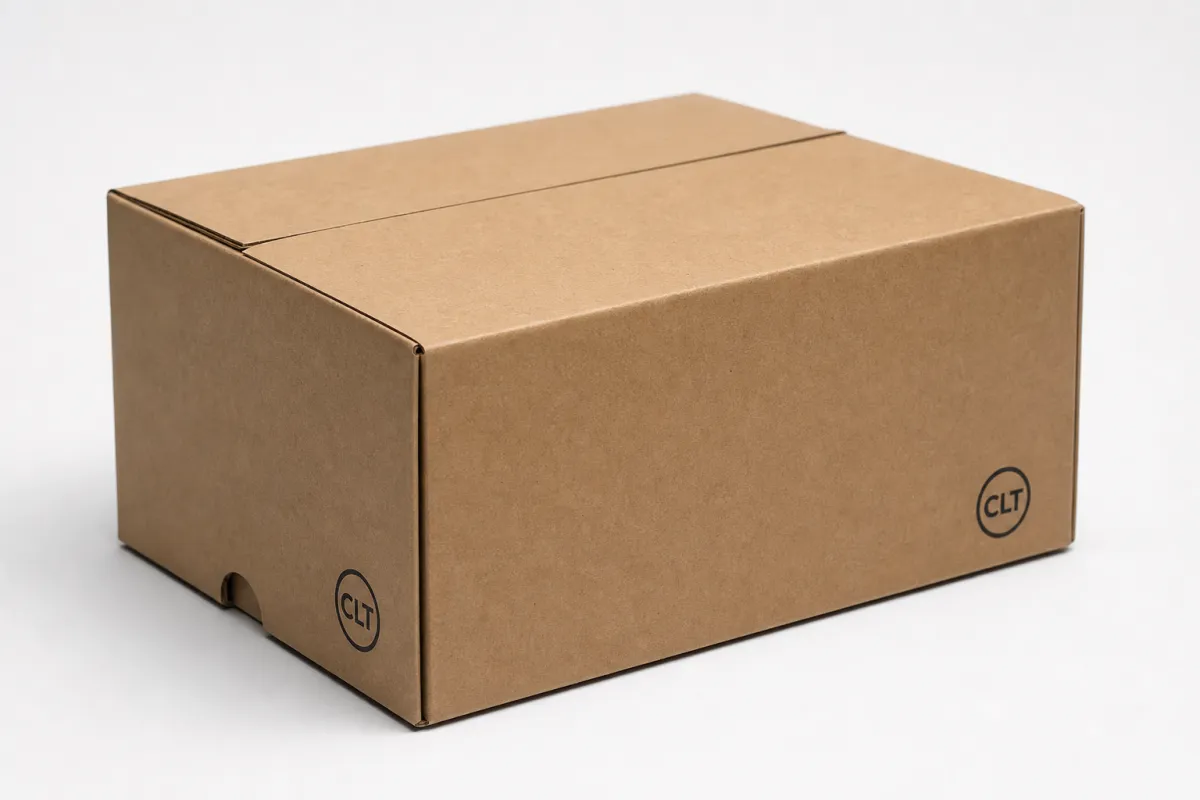
The outer carton is often the first physical brand touchpoint a customer, retailer, or distributor sees, and that gives branded shipping cartons for shipment a larger job than many teams expect. A carton may sit on a pallet in receiving, move through a cross-dock facility, or land on a porch after last-mile delivery, but it still speaks for the brand. A clean logo, a clear line mark, or even a simple one-color identifier can make the shipment feel organized before anyone cuts the tape.
Defined plainly, branded shipping cartons for shipment are corrugated cases or mailer-style boxes printed with brand elements, product codes, handling marks, or other graphics that help the carton communicate while it protects what is inside. Compared with plain kraft boxes, they can improve recognition, reduce mix-ups, support merchandising, and make the unpacking experience feel intentional rather than accidental. That matters whether you ship beauty products, apparel, electronics accessories, or industrial components.
One detail gets overlooked often. A retailer receiving a pallet of assortments does not just want cartons that hold together; the receiving team wants boxes that are easy to scan, easy to identify, and easy to stack. A subscription brand wants outer packaging that looks consistent when subscribers post unboxing photos. An industrial customer may care less about appearance, but still needs branded shipping cartons for shipment that can be traced by SKU, lot, or route without opening every case. The same carton may need to do all three jobs depending on the channel.
That is why I think of the carton as doing three jobs at once. It must protect the contents, communicate the brand, and survive handling through warehouses, trucks, conveyor belts, and delivery stops. Ignore one of those jobs and the whole program starts to feel brittle. Branded shipping cartons for shipment can be as restrained as a one-color logo and a part number, or as detailed as a full-coverage design with regulatory text and barcode panels, but the strongest programs start with function and then add the visuals.
If you are comparing options, it helps to look at Case Studies and Custom Shipping Boxes side by side, because the structure often drives the result more than the artwork does. A box that looks beautiful on a screen can still fail if the board is too light, the dimensions are loose, or the closures slow down packout. Branded shipping cartons for shipment need to earn their cost in the dock, not just in the design review.
Practical rule: if a carton touches more than one channel, design it for the hardest handling condition in the route, not the easiest one.
How branded shipping cartons for shipment move through the supply chain
Every set of branded shipping cartons for shipment starts with a brief, and the best briefs are more specific than "make it branded." The carton has to fit the product, match the route, support the loading pattern, and line up with order fulfillment. A carton for ecommerce shipping usually has different demands than one going into wholesale distribution, and a carton for industrial replacement parts may need stronger board and clearer coding than a carton carrying lightweight apparel.
The process usually begins with product dimensions, weight, and the handling path. From there, the packaging team decides whether the box should be a regular slotted carton, a mailer-style box, a die-cut tray, or a reinforced shipper with inserts. Branded shipping cartons for shipment are rarely chosen in isolation; the artwork, the board grade, and the closure style all need to work together. If the box will be palletized, stacked, and moved by forklift, compression strength becomes a real design factor. If it will be opened by hand, tuck features and tear strips matter more.
Branding shows up in a few ways. Some cartons use a single-color logo, a repeat pattern, or a clean product line code printed on the outer face. Others add barcodes, QR codes, handling marks, or region identifiers. There is also a middle ground that a lot of buyers appreciate: a restrained mark that looks polished without complicating print production. Branded shipping cartons for shipment do not need to look like retail gift boxes to be effective. Many of the best programs are simple, legible, and disciplined.
What happens after the carton leaves the press matters just as much. In the supply chain, the case will be nested, assembled, filled, sealed, stacked, and wrapped. It may be scanned under warehouse lighting, vibrated on a route, compressed under a full pallet, and scraped by stretch wrap or other shipping materials. That means the design has to consider more than the mockup. A carton with too much ink coverage can scuff. A carton with weak dimensions can bow. A carton with a loose fit can let the contents shift and rub through the inside panel.
"A carton that survives the warehouse and still reads clearly at delivery is usually the one that was designed for the route first and the artwork second."
There is also a financial side to the supply chain. Dimensional weight can affect parcel costs, so branded shipping cartons for shipment that are oversized by even a small amount may cost more in freight than they should. In palletized freight, board strength and stack height influence how many units can move safely. That is where transit packaging thinking becomes useful. The box is not just a container; it is part of the movement system. For teams that need a testing benchmark, ask for an ISTA-style drop or vibration plan, because route testing often exposes weak points long before a customer does.
If you want a carton that performs, design for the route, then tune the graphics around the structure. That order matters. Branded shipping cartons for shipment should usually be built around product weight, handling conditions, and pallet strategy first, with brand elements added in a way that supports identification rather than fighting the production line.
Materials, structure, and print choices that affect performance
Corrugated board is where a lot of the performance decisions get made. For branded shipping cartons for shipment, the board choice affects compression, cushioning, weight, and the quality of the print surface. Single-wall board may be enough for lighter goods, while heavier or more fragile products often need a stronger build. Flute profile matters too. B flute tends to print cleanly and resist crush well, C flute is a common all-purpose choice, and E flute gives a thinner, tighter profile that can suit cleaner graphics in smaller cartons. A flute can cushion a bit better, but if the job is high-scuff or high-stack, print quality and crush resistance need equal attention.
Board grade is not just a numbers game. A 32 ECT carton might work well for a lighter packed unit, while a 44 ECT or double-wall structure may make more sense for heavier products, longer transit lanes, or warehouse stacking. The right answer depends on product weight, how many cartons sit on top of it, whether humidity is part of the route, and how much movement the contents can tolerate. Branded shipping cartons for shipment that travel through hot docks, damp regions, or long storage periods often need a little more board than the first draft suggests.
Print method changes the feel of the finished carton. Flexographic printing is a common choice for corrugated because it handles volume well, works with simple brand marks, and keeps unit costs in check. Digital printing can be useful for shorter runs, quick turns, or multiple SKU versions, especially when you want to test branded shipping cartons for shipment before committing to a larger rollout. Simple one-color marks are often the most economical path, and they can still look sharp if the layout is disciplined. The mistake is assuming that more color automatically means better branding. Usually it just means higher setup cost and more chances for registration drift, and that can get kinda messy once production starts.
Structural features also change the user experience. A regular slotted carton is efficient and familiar. A mailer-style design can improve presentation and make opening easier. Die-cut tabs, tear strips, and internal fitments can keep products centered and reduce dunnage. If the contents are fragile, inserts may be more valuable than extra print coverage. If the carton is reclosable or used for returns, the closure design becomes part of the brand story. Branded shipping cartons for shipment work best when the structure matches the promise you are making to the buyer.
Finishing choices matter more than many people think. A water-based coating can improve scuff resistance. A cleaner ink limit can reduce rub-off. Matte and gloss effects change readability under warehouse lights. If the carton will move across rough surfaces, high-coverage art may show wear faster than a restrained design with open space. For sourced fiber and chain-of-custody requirements, ask whether the board is available with FSC certification, especially if sustainability claims or retailer requirements are part of the program. Branded shipping cartons for shipment can support brand goals, but only if the material spec is honest about the route the carton has to survive.
Branded shipping cartons for shipment process, timeline, and turnaround
The cleanest carton programs usually follow a predictable sequence. Discovery comes first, then specification, dieline or structural selection, artwork prep, proofing, sampling, production, and delivery. Branded shipping cartons for shipment should not jump straight from a logo file to a quote request, because missing details in the early step create problems later. If product dimensions are incomplete, the fit can miss. If the artwork is not prepared correctly, the proof cycle stretches. If the team changes the style after the sample stage, the lead time can move fast in the wrong direction.
In real packaging work, turnaround is less about a magic number and more about what the order needs. A repeat run of branded shipping cartons for shipment with approved tooling, a stable board spec, and unchanged art can move quickly. A fully custom job with new print plates, a different board grade, and a revised dieline takes longer. Simple repeat orders often land in the 10-15 business day range after approval, while a new project with sampling and setup can take several weeks, especially if the order needs new tooling or if the board is in short supply. That timing is directional, not universal, because press schedules, freight, and material availability all have a hand in it.
Artwork prep deserves more attention than it gets. Spot colors need to be defined, barcodes need enough contrast, and type must stay legible after print and transit wear. I have seen branded shipping cartons for shipment lose a lot of value because the line copy was too small, the logo sat too close to a fold, or the design used fine gradients that did not hold up on corrugated. A good packaging file is not just pretty. It is practical. It should reflect the press method, the carton panel sizes, and the way the box will be assembled in the fulfillment area.
Sampling is where the real questions get answered. A carton sample tells you whether the dimensions are tight enough, whether the product shifts, whether the print reads clearly, and whether the assembly time is acceptable on the line. It is also the best time to catch issues with inserts, taping, or tear behavior. Branded shipping cartons for shipment often look fine in a mockup and then reveal a closure problem once somebody tries to pack 200 of them on a busy shift. That is why prototype runs matter.
Seasonality can add pressure too. Peak shipping periods tighten lead times, and freight can slow down. If a launch date is fixed, start the packaging process early enough to absorb one round of proof changes and one round of samples. A useful rule of thumb: if the shipment is tied to a retailer date, a product launch, or a holiday peak, begin the carton project before you think you need to. Branded shipping cartons for shipment are easier to manage when the team has room for a correction or two.
Branded shipping cartons for shipment cost and pricing factors
Pricing for branded shipping cartons for shipment usually starts with a few basic variables: carton size, board grade, print coverage, quantity, tooling, inserts, coatings, and freight. Larger cartons use more board and often cost more to ship. Heavier board raises material cost but can reduce damage risk. More print colors mean more setup and tighter registration control. A custom die-cut or structural change can add tooling cost that a plain stock carton would not need.
The unit price often drops as volume rises, but that does not mean the cheapest option is the best value. If a low-cost carton causes damage, extra repacking, or slow packout, the hidden costs can erase the savings fast. Branded shipping cartons for shipment should be judged against damage rate, labor time, and brand consistency. A box that saves two cents but increases returns is not saving anything useful. In packaging, the cheapest material is not always the least expensive solution.
Minimum order quantity also shifts the economics. Small runs may work better with digital print or simpler branding because setup is lighter. Larger runs often justify flexo plates, custom tooling, and tighter specs. If the project moves from a one-color logo to a carton with multiple panels of art and special finishes, the quote will change accordingly. That is normal. What matters is understanding which part of the price is fixed setup and which part is variable unit cost. Branded shipping cartons for shipment are easier to compare when the quote separates those pieces clearly.
| Option | Typical use | Common print method | Ballpark unit cost at 5,000 units | Best for | Tradeoffs |
|---|---|---|---|---|---|
| Plain kraft with one-color logo | Wholesale, ecommerce, basic brand ID | Flexographic | $0.28-$0.55 | Simple branded shipping cartons for shipment with fast setup | Limited visual impact, minimal surface coverage |
| Custom printed regular slotted carton | Retail replenishment, mixed SKUs | Flexographic or digital | $0.42-$0.88 | Balanced branding and efficient packout | Artwork must be disciplined to avoid scuff and registration issues |
| Heavy-duty double-wall shipper | Fragile, heavy, or long-haul freight | Flexographic | $0.85-$1.65 | Package protection and stack strength | Higher material cost and more cube in storage |
| Mailer-style branded box | Premium ecommerce, subscriptions, returns | Digital or flexo | $0.65-$1.40 | Cleaner presentation and easier opening | Can be costlier than a standard case and may need tighter dimensional control |
Pricing note: the numbers above are only directional. Region, freight method, board availability, ink coverage, and carton dimensions can move the quote quite a bit, so treat them as planning ranges rather than a promise.
There are also hidden cost areas that do not show up neatly on the quote. Storage space matters if you buy cartons in larger lots. Labor matters if the structure takes longer to build or tape. Repacking costs matter if the box fits poorly and the contents move around. Damage claims matter if the carton cannot hold up in transit packaging conditions. Branded shipping cartons for shipment should be judged on total cost in use, not just on what the invoice says. That is the part a lot of buyers miss when they compare quotes line by line.
Freight and dimensional weight can change the math on ecommerce shipping very quickly. A carton that is oversized by half an inch in each direction can cost more to ship over time than a tighter design would. If you are sending a high volume of parcels, even a small reduction in dead space can produce real savings. That is why branded shipping cartons for shipment are worth reviewing with both the brand team and the operations team present. The best quote is the one that behaves well after launch, not just the one that looks easy to approve.
Common mistakes with branded shipping cartons for shipment
The first mistake is designing for appearance only. A carton can look sharp in a render and still fail under compression, moisture, or rough handling. If the board is too light, the corners will buckle. If the print is too dense, scuffs show up fast. If the fold lines are too tight, assembly slows down. Branded shipping cartons for shipment need to be tested the way they will actually be used, not just admired on a screen.
The second mistake is mismatched dimensions. Even a small sizing error can create movement inside the carton, and movement leads to abrasion, crushed product edges, and wasted dunnage. Loose fit also hurts pallet stacking because the cases do not form a stable column. Tight fit can be just as bad if the packout team has to force the product into place. Branded shipping cartons for shipment should be measured against the final packaged dimensions, not just the bare product size.
Another common issue is overprinting. Too much ink coverage can reduce readability, especially after a carton has rubbed against other boxes or stretch wrap. Weak contrast does the same thing. Fine lines, pale type, and thin reverse text often disappear once the carton has been handled a few times. If the label panel has to do real work in the warehouse, keep it strong and clean. Branded shipping cartons for shipment should look good after transit, not only before it.
Skipping samples is another expensive habit. A prototype or short run can show whether the carton assembles quickly, whether the inserts fit, and whether the lid or flaps hold correctly. That is especially true for odd-shaped products, accessory kits, or retail-ready programs where presentation and protection have to coexist. I would rather catch a problem on a sample than in a full production lot. That is not just a packaging preference; it is a budget preference too. Branded shipping cartons for shipment are far easier to correct before the order is multiplied by the pallet.
Finally, some teams ignore the receiving side of the chain. The warehouse crew, the fulfillment lead, and even customer service may notice a carton problem before the brand team does. If a box tears when it is opened, bends during sealing, or hides the SKU code under a flap, the issue will show up in the real world very quickly. Branded shipping cartons for shipment have to support the people who touch them most often. That includes the person loading the case, the person scanning it, and the person opening it at the other end.
Standards matter: if a program is performance-critical, ask whether the carton can be checked with an ASTM D642 compression test or an ISTA route profile. The test does not guarantee success, but it gives everyone the same language for deciding whether the carton is strong enough.
Expert tips and next steps for branded shipping cartons for shipment
If you are setting up a new program, start with a short checklist. Confirm the finished product dimensions, package weight, route, and handling conditions. Decide whether the brand needs a simple logo, a higher-impact graphic, or just coded identification. Set a realistic budget before you ask for a quote, because branded shipping cartons for shipment are easier to design well when the team knows whether the goal is economy, presentation, or a mix of both.
Ask for samples or prototype runs whenever the carton will carry fragile, heavy, or high-value contents. A good sample lets you test stack strength, print clarity, tape adhesion, and assembly speed. It also gives the warehouse team a chance to speak up before full production starts. If the carton is part of a larger packaging system, compare it with related options in Custom Shipping Boxes or a mixed format that includes Custom Poly Mailers for lighter outbound parcels. A lot of programs work better when the primary shipper and the secondary shipper are designed together.
It also helps to align packaging, operations, and marketing early. Marketing wants the brand to look intentional. Operations wants the carton to pack fast and stack well. Procurement wants a fair price and predictable replenishment. Branded shipping cartons for shipment usually perform best when all three groups see the same sample and agree on the same priorities. That is one reason many buyers review the carton alongside Case Studies; seeing a finished example often makes the tradeoffs easier to explain inside the company.
Here is a simple action plan that keeps the project moving:
- Gather product dimensions, weight, and required count per carton.
- Define the route, including warehousing, palletization, and final delivery conditions.
- Choose the branding level, from one-color marks to full-panel graphics.
- Request board and print options with clear cost and lead time breakdowns.
- Review samples, then approve a pilot order before scaling up.
That process is not glamorous, but it works. The carton that does its job well usually comes from a practical sequence of decisions, not from a rush to print artwork first. If you keep the focus on fit, strength, and readability, branded shipping cartons for shipment can become a measurable business tool instead of a decorative afterthought. They help with package protection, they support brand presence, and they reduce confusion in the warehouse, which is a very good combination.
For many buyers, the real payoff is not just visual. It is lower damage, cleaner order fulfillment, better receiving, and a more consistent customer experience. Branded shipping cartons for shipment can do all of that when the spec matches the route and the print stays disciplined. The smartest move is to start with the product, respect the handling conditions, and let the graphics serve the structure. Before you approve artwork, ask for a sample on the actual board and have the people who pack and receive the cartons give it a real-world test; that one step usually tells you more than a pretty proof ever will.
Frequently Asked Questions
What information do I need to get a quote for branded shipping cartons for shipment?
Provide finished product dimensions, weight, and whether the carton will hold one item or multiple items. Include print details such as logo placement, number of colors, and whether you need full coverage or simple branding. Share target quantity, delivery date, and any special needs like inserts, coatings, or palletized shipping. The more complete the brief, the easier it is to compare branded shipping cartons for shipment without back-and-forth delays.
How do I choose the right board grade for branded shipping cartons for shipment?
Start with product weight, stacking pressure, and how far the carton will travel before it reaches the end user. Choose a stronger board when the contents are heavy, fragile, or likely to sit in warehouses or trucks for longer periods. If the box also needs a clean print surface, ask for samples that show both strength and print performance so the board choice supports branded shipping cartons for shipment instead of fighting them.
What is a realistic turnaround for branded shipping cartons for shipment?
Simple repeat orders usually move faster than fully custom jobs because the tooling and artwork are already approved. Proofing, sampling, and material availability can extend the timeline, especially when the design is new or complex. Build extra time into the schedule if the cartons are tied to a product launch, holiday peak, or retailer deadline. That extra buffer is often the difference between smooth launch logistics and a rushed carton approval.
What is the MOQ for branded shipping cartons for shipment?
MOQ depends on print method, box style, and whether new tooling or dies are required. Digital or simpler branding often supports smaller runs, while custom structural work may need a larger minimum. If you are unsure, ask for two quote options so you can compare a pilot run against a larger production order. That comparison makes it easier to decide whether branded shipping cartons for shipment should start as a test or go straight into scale.
How can I keep branded shipping cartons for shipment from looking worn in transit?
Use the right board strength and consider coatings or print coverage that better resist scuffs and abrasion. Test the carton under real handling conditions, including stacking, pallet wrap, and vibration during transport. Keep the design readable and avoid overly delicate graphics in areas that are likely to rub or compress. A carton that is readable after transit usually feels more professional, and that is the point of branded shipping cartons for shipment in the first place.


