Buyer Fit Snapshot
| Best fit | Branded Shipping Envelopes with Logo for Shipping projects where brand print, material claims, artwork control, MOQ, and repeat-order consistency need to be specified before quoting. |
|---|---|
| Quote inputs | Share finished size, material target, print colors, finish, packing count, annual reorder estimate, ship-to region, and any compliance wording. |
| Proofing check | Approve dieline scale, logo placement, barcode or warning zones, color tolerance, closure strength, and carton packing before bulk production. |
| Main risk | Vague material claims, crowded artwork, missing packing details, or unclear freight terms can make a low unit price expensive after revisions. |
Fast answer: Branded Shipping Envelopes with Logo for Shipping: Material, Print, Proofing, and Reorder Risk should be specified like a repeatable production item. The safest quote records material, print method, finish, artwork proof, packing count, and reorder notes in one written spec.
Production checks before approval
Compare the actual filled-product size with the drawing, then confirm tolerance on folds, seals, hang holes, label areas, and retail display edges. Reserve space for logos, QR codes, warning copy, and material claims before decorative graphics fill the panel.
Quote comparison points
Review material grade, print process, finish, sampling route, tooling charges, carton quantity, and freight assumptions side by side. A quote is only useful when the supplier can repeat the same color, closure quality, and packing count on the next order.
Branded Shipping Envelopes with logo can turn a shipment from something forgettable into something that feels deliberate, tidy, and ready for a customer’s hands. Plenty of brands spend heavily on photography, web design, and ad creative, then send orders out in plain packaging that quietly flattens the whole experience. A well-printed envelope does not need to be ornate; it needs to look intentional, protect the contents, and move through fulfillment without creating extra friction for the packing team.
Branded Shipping Envelopes with logo are practical transit packaging with enough visual presence to make an impression before the customer even opens the mailer. For apparel, inserts, subscription pieces, documents, promotional kits, and light ecommerce shipping, this format creates a polished look without the weight, bulk, or expense of a custom box program. It also keeps packing simpler because the brand message lives on the package itself instead of being added later with extra labels, cards, or wraps.
The questions that matter are usually the simplest ones: which material fits the product, which print method makes sense, how much should the order cost, and where do teams usually run into trouble? That is the ground covered here, along with practical notes on sample approval, lead times, and the way branded shipping envelopes with logo fit into a repeatable shipping workflow. I have watched brands overthink the fancy stuff and miss the basics, and honestly, the basics are where the real savings usually are.
Branded Shipping Envelopes with Logo: The Fastest Way to Look Established
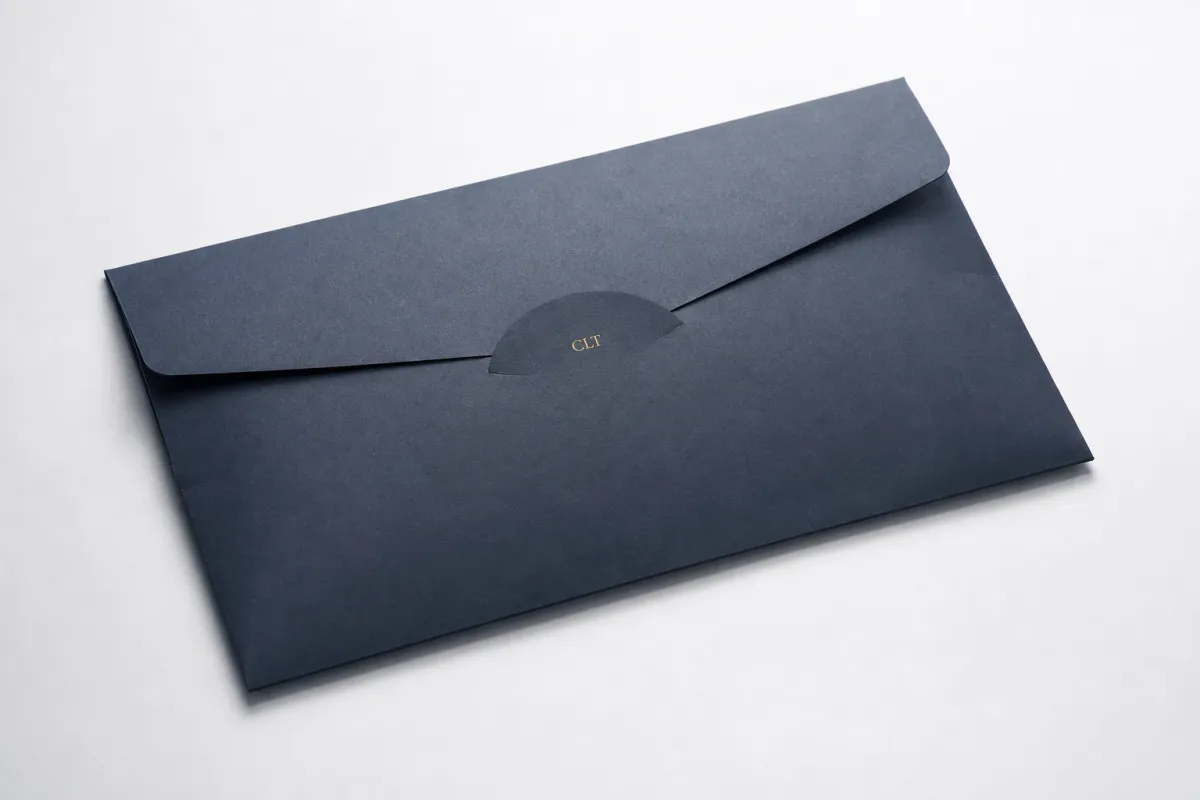
A plain white mailer can get a product from one place to another, but it can also make a carefully packed order feel anonymous before the customer sees the item inside. Branded shipping envelopes with logo fix that quickly because they put your name, colors, and visual identity right into the shipping moment. That matters for brands trying to look established, especially when customers are comparing them with larger competitors whose packaging already feels familiar and finished.
In practical terms, branded shipping envelopes with logo are lightweight mailers or document envelopes printed with a logo, brand name, pattern, message, or a mix of those elements. Some are simple one-color pieces that keep things clean and economical. Others use full-coverage artwork for stronger shelf appeal and a more distinctive personality. For many small and midsize businesses, that balance is exactly right: enough design to look credible, not so much structure that the package becomes awkward or expensive to handle.
From a packaging buyer’s perspective, consistency is the real advantage. Branded shipping envelopes with logo can be used across recurring shipments, subscription mailings, apparel, inserts, sample kits, and document delivery, so the customer gets the same brand cue every time. That repeated exposure builds recognition faster than a one-off premium package because customers keep seeing the same visual language across shipments and touchpoints.
There is a workflow benefit too. If your team ships dozens or hundreds of orders a day, branded shipping envelopes with logo can reduce the need for separate branded inserts, extra sleeves, or secondary wraps. The envelope itself becomes the brand carrier, which helps keep packing steps lean. In ecommerce shipping, that matters because every extra motion adds labor, and labor usually costs more than most people expect.
A good shipping envelope should do three jobs at once: protect the contents, present the brand clearly, and stay easy to pack at volume.
Many brands wait too long to upgrade packaging because they assume it is only for larger companies. That is not the case. Branded shipping envelopes with logo can be a smart first step before moving into more elaborate packaging systems like Custom Shipping Boxes. They also fit neatly into broader packaging programs found in Custom Packaging Products, especially if you want envelopes, inserts, and mailers to share one identity.
The key is to keep the design useful rather than decorative for decoration’s sake. A well-planned envelope is part brand asset, part shipping material, and part operating tool. That combination is what makes branded shipping envelopes with logo feel more established than a plain mailer without pushing you into a complicated or expensive packaging system.
How Branded Shipping Envelopes with Logo Work in Real Fulfillment
In a live fulfillment setting, branded shipping envelopes with logo are not only a visual decision; they are part of the physical route a shipment takes from pack-out to delivery. The envelope has to survive handling, fit the product correctly, accept labels, and still look clean when it reaches the doorstep. If any one of those pieces fails, the brand presentation takes the hit.
The construction usually starts with the product itself. Paper envelopes work well for documents, flat inserts, lightweight apparel, and promotional packs that do not need moisture resistance. Poly mailers are common for ecommerce shipping because they are light, durable, and naturally resistant to rain, dust, and scuffing. Padded mailers add cushioning for items that need more package protection, while specialty document envelopes can include security features like opaque liners or tear-resistant seams. The right choice depends on the contents, the shipping lane, and how much rough handling you expect along the way.
Branded shipping envelopes with logo can be printed in a few different ways. Flexographic printing is a common fit for larger runs because it handles efficient repeat production and straightforward spot colors well. Digital printing can make more sense for shorter runs, artwork changes, or more detailed graphics. Some brands keep it minimal with one or two ink colors and a logo placed in a predictable spot, while others use full coverage artwork that turns the envelope into part of the visual identity.
Design choices also affect how the envelope performs during day-to-day order fulfillment. A peel-and-seal closure speeds packing and gives a cleaner finish than a basic adhesive strip. Tear strips make opening easier for the customer. Placement matters too: if the logo sits where a shipping label covers it, or if the front panel gets folded during packing, the impact drops fast. That is why a layout should be reviewed from both a brand and a warehouse point of view.
For some products, branded shipping envelopes with logo can reduce packaging layers. Instead of a separate branded sleeve, belly band, or postcard, the envelope carries the message directly. That can lower material usage and keep transit packaging lighter, which helps with dimensional weight on certain shipments. For flat or semi-flat goods, that difference can be meaningful across a full production run.
There is also a standards side to this. If you are comparing package durability or testing needs, ISTA test protocols are a useful reference point for vibration, drop, and handling expectations: ISTA. If your sourcing strategy includes fiber-based stock, FSC chain-of-custody certification is worth understanding as well: FSC. Those references do not choose the package for you, but they help frame what “good enough” really means in a real shipping environment.
Materials, Sizes, Security, and Cost Factors to Compare
Material selection is the point where branded shipping envelopes with logo either become a smart operating decision or a frustrating compromise. The stock has to support the product, the print has to look good on that stock, and the envelope has to survive the actual trip. A nice render on screen means very little if the mailer scuffs in a bin, wrinkles under tape, or tears at the side seam after two handling passes.
Kraft paper brings a natural, sturdy look that works well for brands leaning into earth-toned visuals or a more understated presentation. White stock gives you a cleaner canvas for color, contrast, and sharp logo detail. Poly is usually the stronger choice for moisture resistance and general durability, while padded options are better when the product needs cushioning. Branded shipping envelopes with logo can be made in each of these formats, but the material should fit the use case rather than just the mood board.
Size matters more than many first-time buyers realize. Oversized envelopes waste material, increase freight weight, and can drive up dimensional weight if the final parcel becomes bulkier than necessary. Undersized mailers create stress points, bowed seams, and a presentation that feels forced. If the product is flat, choose a size that gives a little breathing room without letting the contents shift around. If the product has volume, allow enough depth so the enclosure does not distort the print area or weaken the closure.
Security and closure details are another place where branded shipping envelopes with logo earn their keep. Peel-and-seal strips speed sealing and keep the final look neat. Tamper-evident features help the customer see whether the package was opened in transit. Reinforced seams matter on heavier contents, and tear strips make opening more controlled. For document use, opaque inner layers can protect privacy without adding much complexity. For apparel and promotional pieces, a strong seal and decent puncture resistance are usually the bigger priorities.
Print coverage and finishing drive price more than most people expect. A one-color logo on a single panel is simpler to produce than full-bleed artwork across both sides. Matching a specific brand color may require tighter press control, and that can push costs up if the color is picky or the material absorbs ink unevenly. Matte finishes often hide scuffs better, while glossy surfaces can show color well but sometimes reveal handling marks faster. These details matter when branded shipping envelopes with logo are used every day rather than only for a launch campaign.
| Envelope Type | Best Fit | Protection Level | Typical Planning Range per Unit at Volume |
|---|---|---|---|
| Kraft paper mailer | Flat items, inserts, light apparel | Moderate | $0.18-$0.32 |
| White poly mailer | Ecommerce shipping, general merchandise | Good moisture resistance | $0.16-$0.28 |
| Padded mailer | Small fragile goods, accessory packs | Higher cushioning | $0.28-$0.55 |
| Document envelope | Paperwork, contracts, certificates | Low to moderate, depending on build | $0.12-$0.24 |
These are planning ranges, not fixed quotes, because quantity, artwork coverage, and size can shift the final price quickly. Still, they are useful when you are comparing branded shipping envelopes with logo against boxes or heavier transit packaging. If the shipment is simple and flat, an envelope may give you the best balance of presentation, package protection, and shipping cost.
There is also a sourcing angle worth thinking through. Paper-based options may support sustainability goals more naturally, while poly can deliver better durability and weather resistance. Neither is automatically better; it depends on the product and how the package moves through the lane. A brand that ships in damp climates or through longer parcel networks may care more about performance, while a brand focused on a paper-forward identity may care more about feel and recyclability. The best branded shipping envelopes with logo usually reflect both priorities instead of pretending one material solves everything.
Process and Timeline: From Artwork to Production Steps
The process for branded shipping envelopes with logo is straightforward when the artwork is ready and the specifications are clear. It slows down when people are still hunting for the correct logo file, or when the dimensions, color references, and print placement are not defined. If you want a smooth run, start with the basics: vector artwork, envelope size, target quantity, intended use, and any special requirements like security printing or a tear strip.
The approval path usually begins with a concept proof. That proof should show logo placement, panel coverage, fold lines, seam areas, and any technical notes that matter to the build. After that comes a technical review, where the supplier confirms that the artwork works on the selected material and that the print elements will hold up at production scale. Color confirmation follows, then final signoff. Branded shipping envelopes with logo should not go to press until the team has checked the proof against the real use case, not just the mockup.
Production typically moves through setup, printing, drying or curing, converting, cutting, sealing, inspection, and packing. That sequence sounds routine, but each step has its own risk point. Setup mistakes can misplace the art. Drying issues can cause smudging. Converting errors can affect the fold or closure. Inspection catches the obvious defects, but it works best when the design is simple and the approval stage already removed ambiguity.
Lead time depends on the print method, run size, and material availability. Simple branded shipping envelopes with logo on a standard stock often move faster than highly customized builds with multiple colors or special finishes. A normal production window might fall around 12-15 business days after proof approval for a straightforward order, though complex work or material sourcing can push that longer. If the artwork still needs cleanup, expect the clock to stretch because prepress fixes almost always slow the queue.
One detail people overlook is how quickly the team responds during proofing. If the proof is sent on Monday and approved Wednesday, the timeline feels smooth. If approval sits for four days while someone tracks down the right logo version, the schedule changes even if the pressroom is ready. That is why branded shipping envelopes with logo tend to stay on schedule when the decision-makers are lined up before quoting, not after.
For a real-world rollout, I like a simple sequence:
- Confirm the envelope use case and product dimensions.
- Gather logo files and brand colors.
- Review the proof with operations and customer-facing teams.
- Approve one test run before scaling.
- Build the reorder trigger into the supply calendar.
If you are still mapping out the broader packaging system, the internal resources at Case Studies can be useful for seeing how brands handle similar packaging decisions across different formats. That is often where teams realize that branded shipping envelopes with logo are not a stand-alone purchase; they are one piece of a much larger shipping flow.
Cost, MOQ, and Quote Basics
Pricing for branded shipping envelopes with logo is rarely about one number. It is a bundle of variables, and the biggest ones are quantity, material, size, print coverage, number of colors, finish, and whether the order is built from stock or made from a more custom specification. Two envelopes that look similar on the outside can land in very different price brackets if one uses simple one-color printing and the other uses full-bleed artwork, specialty stock, and a custom closure.
MOQ, or minimum order quantity, usually exists because setup work has to be spread across the run. That includes file prep, press setup, material staging, and quality checks. Smaller test orders are often more expensive per unit because those fixed costs are divided among fewer pieces. That does not make them bad purchases. It just means a pilot run of branded shipping envelopes with logo should be treated as a learning step, not as the same cost model as a repeat production order.
When you read a quote, look at the full structure, not only the unit price. A low unit cost can hide setup charges, freight, proofing, or artwork fees that change the real total. A slightly higher unit price can still be the better choice if the supplier is including more support, better material, or fewer hidden extras. For branded shipping envelopes with logo, the practical question is always: what will the shipment actually cost landed, ready to pack, and ready to move?
Here is a simple way to think about the economics:
- Setup charges are best spread over larger repeat orders.
- Freight matters because bulky packaging can be expensive to ship before it even holds a product.
- Artwork changes can add cost if the files are not press-ready.
- Material upgrades can pay back through fewer damages, fewer returns, and better customer response.
That last point is the one many buyers miss. Branded shipping envelopes with logo are not just an expense line; they can replace other touches, simplify packing, and raise the perceived value of the order. If the envelope lets you skip a separate insert, reduce void fill, or avoid a heavier box on certain SKUs, the total system cost may improve even if the printed mailer itself costs more than plain stock.
For budget planning, these rough ranges are useful, assuming standard sizes and typical volumes: document-style envelopes may sit in the low teens per unit, while poly and padded formats often move into the mid-teens to higher ranges depending on print and protection. Once you add specialty finishes, the number can move again. That is why branded shipping envelopes with logo should always be priced against the shipping lane and the product value, not only against a generic mailer comparison.
If you are weighing packaging options across several products, the broader Custom Packaging Products catalog can help you compare envelope programs with other transit packaging choices. Sometimes a brand really does need a mix: envelopes for flat items, poly mailers for general ecommerce shipping, and boxes for fragile or high-value goods. The right quote is the one that matches the SKU mix, not the one that simply looks cheapest on paper.
Common Mistakes That Make Envelopes Feel Cheap
Most packaging problems with branded shipping envelopes with logo are not dramatic. They are small misses that add up. The logo is too tiny. The color is slightly off. The envelope looks fine in a rendering but folds poorly once the product goes inside. None of those mistakes ruin a shipment on their own, but they quietly make the brand feel less confident.
One of the easiest errors to avoid is poor logo placement. If the mark lands under a shipping label, near a seam, or in a section that gets hidden by folding, the branding loses value fast. The same is true if the logo is too light or too small to read across a porch or delivery shelf. Branded shipping envelopes with logo work best when the brand mark has room to breathe and enough contrast to stand out after transit handling.
Another common issue is choosing a material that looks premium in a sample but performs badly in real use. A stock can feel nice in the hand and still scuff, crease, or tear too easily when packed at speed. I have seen brands approve a beautiful-looking material, then discover that the finish marks every label edge and every bin scrape. That is why a practical sample test matters more than a glossy mockup.
There is also the mismatch problem. If your website is clean and minimal but the envelope artwork is crowded, or if the color palette does not line up with the rest of the brand system, the package feels rushed. Branded shipping envelopes with logo should echo the rest of the customer journey, not fight it. Even simple art can feel expensive if the proportions are right and the print quality is sharp.
Finally, many teams underestimate the end use. A document envelope, a light apparel mailer, and a padded shipment each need different durability and closure choices. A one-size-fits-all approach usually leads to overpaying in some categories and underprotecting in others. That is where package protection and presentation have to be balanced honestly. You do not want a packaging program that looks good in a meeting and then causes headaches on the packing line.
Skipping samples is probably the most expensive mistake. A proof catches design issues, but a sample tells you how the envelope behaves in hand. It shows whether the closure is easy to use, whether the stock resists scuffing, and whether the printed area still looks clean after folding and labeling. Branded shipping envelopes with logo are easier to get right when the team has one physical piece to evaluate before a full run.
For teams that want to see how other brands have handled that balance, the examples in Case Studies can help. The lesson is usually the same: the better envelopes are rarely the fanciest ones. They are the ones that respect the product, the packing process, and the customer’s first impression all at once.
Expert Tips and Next Steps for a Smooth Rollout
If you want branded shipping envelopes with logo to work well from the start, begin with a short internal audit. What is getting shipped most often? Which items are flat, which need cushioning, and which sizes create the most waste right now? Which shipments are customer-facing enough that presentation really matters, and which are purely functional? Those answers guide material, print coverage, and size more reliably than a general “make it branded” request.
A small pilot run is usually worth the time. Order enough to test print clarity, tactile feel, seal strength, and label placement in real packing conditions. Run a few pieces through the actual workflow, not just a desk review. If the envelope holds up and the team likes the way it handles, then scale up. If not, you only changed a small volume instead of committing a large budget to the wrong format. That is especially useful for branded shipping envelopes with logo because print and material interact in ways you do not fully see until the piece is folded, sealed, and stacked.
Build a simple rollout checklist so the process does not depend on memory. Include artwork approval, receiving, storage, packing instructions, and reorder timing. Even the best printed mailer can create friction if the fulfillment team does not know where to stage it, how to pack it, or when to pull the next lot. In order fulfillment, little process gaps create bigger delays than most people expect.
It also helps to coordinate with customer service and fulfillment at the same time. Customer service can tell you which packages customers comment on, while the warehouse can tell you what slows packing or causes jams. If the envelope improves brand image but is hard to seal, it is not a win. If it packs quickly but looks sloppy on delivery, it is also not a win. The right branded shipping envelopes with logo do both jobs without asking the team to work around them.
For brands comparing envelope programs against other shipping materials, it can be smart to look at the broader mix. Some SKUs belong in Custom Poly Mailers. Some deserve custom boxes. Some need a lighter document-style envelope. A balanced packaging system is usually less about one perfect format and more about matching each product to the least wasteful option that still protects it properly.
If I had to narrow the advice down to one sentence, it would be this: the best branded shipping envelopes with logo are the ones that fit your product, your process, and the next few months of order volume, not just the first mockup that looked attractive on a screen. That is the difference between packaging that simply carries goods and packaging that quietly improves the whole customer experience. It is a small upgrade on paper, but in the hands of a customer it can feel a lot bigger than that.
The most practical next step is to choose one SKU family, one envelope material, and one print approach, then test that combination in real fulfillment before you roll it across the whole catalog. That keeps the project grounded, reveals the weak spots early, and gives you a cleaner path to a packaging program that actually earns its keep.
For brands ready to move from ideas to action, branded shipping envelopes with logo are a practical, credible upgrade that can tighten presentation, support package protection, and keep ecommerce shipping efficient. They do not need to be flashy to work well. They just need to be sized right, printed clearly, and planned around real transit packaging conditions so the result looks polished from the pack line to the doorstep.
Frequently Asked Questions
What are branded shipping envelopes with logo used for?
They are used for shipping documents, apparel, inserts, light products, and promotional mailings that benefit from a branded first impression. Branded shipping envelopes with logo help a package look intentional and professional before the customer even opens it, and they are a strong fit when you want a lighter alternative to a full box.
How much do branded shipping envelopes with logo usually cost?
Pricing usually depends on quantity, size, stock material, print colors, and the amount of finishing or protection required. Smaller orders tend to carry a higher unit cost because setup is spread across fewer pieces. The best way to compare branded shipping envelopes with logo is to review the full quote, including setup, freight, and artwork fees.
What artwork do I need for a custom envelope order?
A clean vector logo file is usually the best starting point because it preserves sharp edges and reliable sizing. Brand color references, envelope dimensions, and any text or placement instructions should be shared early. If the design will print across a larger area, ask for a proof so you can confirm spacing and readability before production starts.
How long does production take for branded shipping envelopes with logo?
Timeline depends on artwork readiness, material availability, print method, and order size. Simple designs on standard materials usually move faster than complex builds with multiple colors or specialty finishes. The quickest way to stay on schedule is to approve proofs promptly and keep the artwork file organized before quoting.
What is the minimum order quantity for custom shipping envelopes?
MOQ varies by material and print method, but custom packaging often has a minimum because setup work is shared across the run. If you are testing a new format, ask whether there are lower-volume options or stock sizes with custom print. A good supplier can help match your volume to the most cost-effective production path.


