Branded Snapbacks for Ecommerce Stores: Buy With Confidence
A snapback can be a strong ecommerce SKU because it is easy to understand, easy to photograph, and usually simpler to sell than apparel with sizing concerns. The real value is not just the logo on the front panel. It is whether the cap can hold shape, carry the decoration cleanly, arrive undamaged, and still leave enough margin after freight and packaging.
That means the buying decision should start with the spec, not the mockup. Crown structure, decoration method, material, and shipping format all affect cost and conversion. A cap that looks good in a design file can still fail if it is too shallow, too soft, too busy, or too expensive to land profitably.
What Branded Snapbacks for Ecommerce Stores Solve
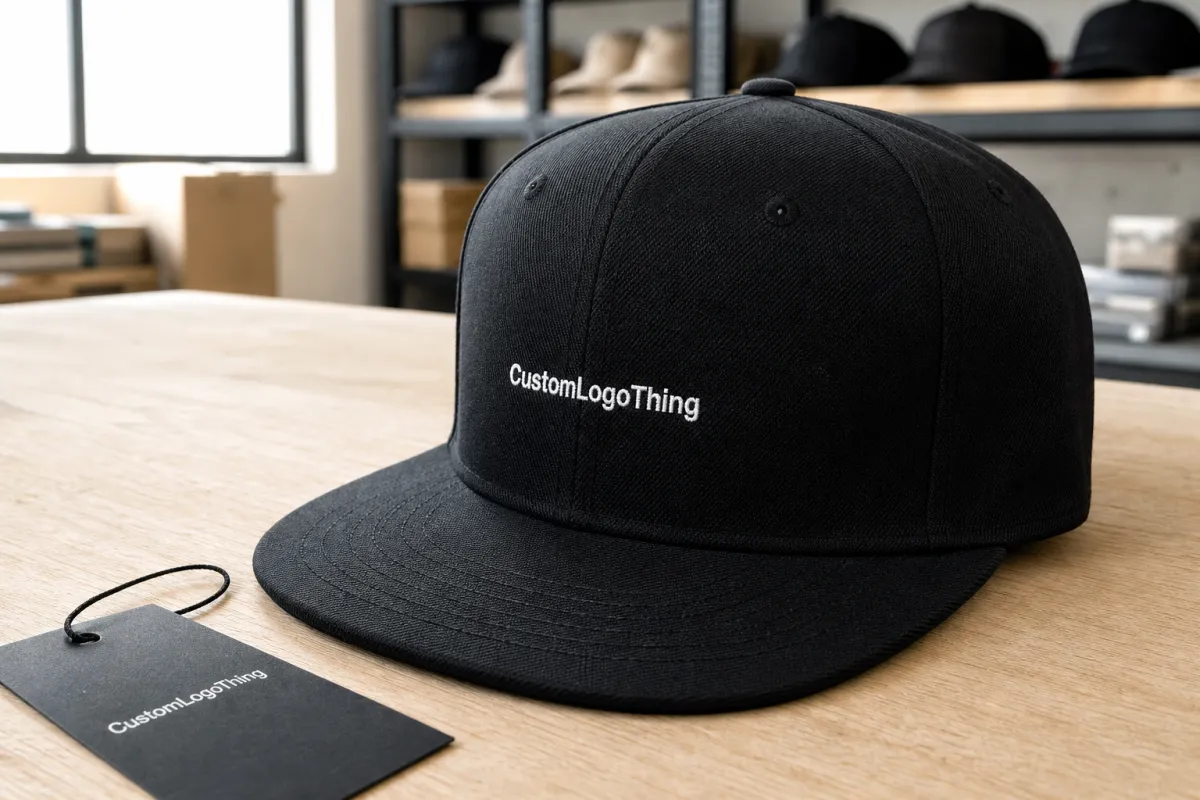
A snapback gives an online store a product with visible branding and a relatively low materials bill. It also avoids the fit issues that create returns on tees and hoodies. For ecommerce, that matters: fewer sizing questions usually means fewer support emails and fewer abandoned carts.
It also photographs well. A structured front panel keeps the logo readable in thumbnails, and a flat brim creates a clean silhouette on product pages and paid social ads. If the product has to sell from a grid view, the cap needs to be legible fast.
For brands selling streetwear, accessories, creator merch, or outdoor basics, a cap can sit comfortably between impulse item and premium add-on. It is useful as a standalone SKU, but it can also be bundled with apparel without forcing a customer into a larger purchase decision.
The key filter is simple: does the product help the store make money after landed cost, packaging, and fulfillment? If the answer is yes, the cap is doing its job. If the answer depends on vague upsell hopes, the spec is probably too loose.
Materials, Crown Shape, and Decoration Choices That Change the Look
The crown build decides most of the visual impression. A structured six-panel snapback gives embroidery a firm surface and usually looks more retail-ready. Softer crowns feel more relaxed, but they can read flatter in photos and less premium on the shelf. For ecommerce, structure usually wins unless the brand is deliberately aiming for a softer, lived-in look.
Material choice matters too. Cotton twill is familiar and photographs naturally. Poly blends can be more consistent in shape and often travel better if the product moves through long freight lanes. In practice, cleaner seams and better crown support usually matter more than small differences in fabric language.
Decoration method should match the artwork, not the other way around:
- Flat embroidery is best for clean logos, wordmarks, and simple icons.
- 3D puff embroidery adds depth and works well for bold lettering, but it is weaker on fine detail.
- Woven or sewn patches handle complex graphics and small type better than stitches alone.
- Printed accents help when the design needs gradients or secondary graphics that do not suit thread.
The design has to read at phone size. Thin lines, tiny type, and too many thread colors often look busy once they are reduced to a front panel. A cap is a small curved surface; it is not a billboard. Simple usually performs better because the logo stays legible.
Brim shape and closure style are smaller decisions, but they still affect the product story. Flat brims lean more streetwear and hold a crisp profile. Curved brims feel more casual and wearable. Plastic snap closures remain the standard because they are adjustable and durable, but the back stitching and color match should still look tidy.
Packaging is part of the product, especially in direct-to-consumer fulfillment. If the cap ships loosely in a thin mailer, the brim and front panel can arrive crushed. A basic internal support, a protective fold, and carton testing that reflects actual transit conditions usually matter more than premium language in a quote.
Useful reference points include the ISTA test protocols for transit stress and FSC-certified paper options from FSC when the plan includes inserts or hangtags.
Pricing, MOQ, and Unit Cost Drivers
Most quotes come down to five inputs: base cap quality, decoration method, order quantity, packaging, and artwork prep. A simple embroidered logo is usually cheaper than a patch build. A plain polybag is cheaper than a retail insert card or custom box. The extra cost often shows up in the finishing details, not the cap body itself.
MOQ matters because setup cost is spread across fewer or more units. Smaller runs are almost always more expensive per piece. That is not a penalty; it is just how labor, digitizing, and waste allocation work. If a store can move from 100 to 300 units, the unit cost often drops enough to protect margin after freight and payment fees.
| Option | Typical Effect on Cost | Retail Impact | Best Use |
|---|---|---|---|
| Flat embroidery on stock snapback | Lowest setup complexity; often adds about $0.40-$1.20 per unit | Supports a mid-tier retail price | Clean logos, repeat orders, simple launches |
| Woven or sewn patch | Patch setup and sewing typically add about $0.75-$2.00 per unit | Raises perceived value and adds texture | Detailed artwork, lifestyle brands, retail display |
| 3D puff embroidery | Usually adds about $0.60-$1.50 per unit depending on stitch area | Creates stronger shelf and photo presence | Bold lettering, streetwear, creator brands |
| Retail packaging with insert card | Often adds about $0.12-$0.40 per unit before freight | Improves unboxing and presentation | Giftable merch, direct-to-consumer fulfillment |
Compare quotes by landed unit cost, not just factory price. Freight, duties, labeling, carton packing, and any kitting work can change the real margin more than the cap itself. A low factory quote can turn into the expensive option once shipping and handling are included.
A practical planning range for a basic run is often in the high single digits to low teens landed per unit at modest volume. More finished builds with patches, packaging, or special labeling can move higher. The exact number depends on quantity and decoration complexity, but target retail should be set before the order is placed.
To compare suppliers fairly, keep the spec identical across quotes: same cap style, same quantity, same decoration, same packaging, same freight assumption. Otherwise the numbers are not directly comparable.
Production Process and Turnaround from Proof to Delivery
A typical run starts with artwork review, then a mockup or proof, then sample approval or pre-production confirmation, followed by bulk production, inspection, packing, and shipment. Delays usually happen when the buyer keeps changing details after the proof is already approved.
For a straightforward embroidered cap with ready materials, turnaround can often be about 12-15 business days after proof approval. Custom patches, specialty fabrics, or retail packaging usually push that into the 3-4 week range or longer. If a sample is required first, add that time before bulk production begins.
The most common delay points are avoidable: missing vector files, vague color references, late thread changes, patch revisions, and label edits after the order is booked. Clear approval windows and a locked spec save time and reduce cost.
For ecommerce launches, production timing has to match the marketing calendar. If paid ads or a product drop are scheduled around a specific date, leave buffer for freight delays, inspection, or a sample correction. The caps are easier to launch when product and promo dates were planned together.
How to Spec Caps for Your Storefront, Photos, and Fulfillment Flow
Start with the customer. A streetwear audience usually expects a stronger silhouette and bolder branding. A more casual or outdoor-focused audience often responds better to a cleaner color palette and a less aggressive logo treatment. The cap should fit the rest of the brand system instead of competing with it.
The sales channel matters too. A hero SKU on a landing page needs sharper thumbnail readability than an add-on item hidden in a catalog. If the cap ships as a standalone order, the packaging should protect shape without adding too much labor. If it is bundled with apparel, the colors and proportions should support the whole set.
Fit still matters even on an adjustable cap. Crown depth, front-panel stiffness, and the feel of the inner band affect comfort more than buyers expect. A cap that looks good in photos can still get complaints if it sits too shallow or collapses too easily.
A clean merch spec usually comes down to three rules:
- Keep the cap color close to the brand palette or the rest of the collection.
- Use enough contrast for the logo to read in thumbnails.
- Match packaging quality to the price point you plan to charge.
Fulfillment details should be written into the spec sheet: barcode placement, whether the hat ships bagged or boxed, how it is folded, and whether the warehouse can pick and pack it without extra handling steps. If those decisions are left vague, they usually create avoidable costs later.
For branded Snapbacks for Ecommerce stores, the best launch plan is the one that connects product spec, merchandising, and fulfillment before production starts. That keeps the order easier to quote and easier to ship.
Common Mistakes That Hurt Margins and Conversion
The biggest mistake is overcomplicating the artwork. Thin lines, tiny type, and too many thread colors can look fine on screen and fail on a curved front panel. The logo should be readable at product-page size, not just in a design file.
Another problem is choosing decoration before deciding the price position. A premium-feeling store and a value-driven store should not use the same build just because it was convenient. A heavy patch can make a lower-priced cap feel expensive, while a bare-bones cap can make a higher-priced line look thin.
Skipping sampling is risky once the order is large enough to matter. Crown height, stitch density, alignment, and color match are easier to judge in hand than in a render. A pre-production sample or proof is cheap insurance when the final run has real margin behind it.
Photography can also hurt conversion. If the brim is crooked, the light flattens the front panel, or every image hides the logo at an angle, the product will underperform even if the cap itself is good. Usually one front-on image, one lifestyle image, and one close-up of the decoration are enough.
Finally, vague fit notes create friction. Buyers still want to know whether the crown is tall or shallow, whether the brim is flat or curved, and whether the closure feels firm. Those details help customers decide faster and reduce returns.
Next Steps: Build a Quote-Ready Launch Plan
If the goal is clean pricing, gather the basics before requesting quotes: logo file type, target quantity, preferred decoration method, color references, packaging needs, and delivery window. A better brief produces a better quote.
For a first run, keep the plan tight. One core colorway and one backup option are usually enough. If the product sells, expand later with actual demand instead of guessing on inventory.
Use the same checklist for every supplier:
- Base cap price and decoration cost.
- MOQ and quantity breaks.
- Sample cost and sample timing.
- Packaging, labeling, and freight assumptions.
- Estimated turnaround from proof approval.
That keeps the comparison focused on the details that affect margin and delivery. Some suppliers are better at embroidery quality, some handle packaging better, and some are simply more reliable on timing. For ecommerce, reliability usually matters more than the cheapest headline price.
When the spec sheet, quote, timeline, and merchandising plan all line up, the cap becomes a manageable product instead of a gamble with a logo on it.
FAQ
How many branded snapbacks do ecommerce stores usually order first?
A first run often starts at a quantity that tests demand without tying up too much cash. The right number depends on margin, shipping strategy, and whether the cap is a hero item or a supporting add-on. Tiered pricing should be checked carefully because a small jump in quantity can lower the unit cost enough to matter.
What decoration method works best for branded snapbacks for ecommerce stores?
Flat embroidery is usually the safest choice for simple logos and durable everyday wear. Woven or sewn patches make sense when the artwork needs finer detail or a more premium retail look. The best method is the one that matches the design, the target selling price, and the level of visual presence the store needs.
How long does snapback production usually take?
Turnaround depends on artwork approval, sample needs, order size, and decoration method. Simple builds move faster, while custom patches, special labeling, and retail packaging add time. A clear approval process usually prevents the most common delays.
What should be included in a quote for custom snapbacks?
Ask for base cap cost, decoration cost, sampling cost if any, packaging, freight, and any setup or mold charges. Request the MOQ and the price at each quantity break so you can see how unit cost changes. Make sure the quote reflects the exact spec you plan to sell.
How do I keep branded snapbacks profitable when I sell online?
Build margin around landed cost, not just the factory price. Keep the artwork focused so decoration stays efficient and the cap still photographs well. Use packaging, presentation, and clear product copy to support the price instead of relying on the logo alone.


