Buyer Fit Snapshot
| Best fit | Branded Sticker Sheets for Packaging projects where brand print, material claims, artwork control, MOQ, and repeat-order consistency need to be specified before quoting. |
|---|---|
| Quote inputs | Share finished size, material target, print colors, finish, packing count, annual reorder estimate, ship-to region, and any compliance wording. |
| Proofing check | Approve dieline scale, logo placement, barcode or warning zones, color tolerance, closure strength, and carton packing before bulk production. |
| Main risk | Vague material claims, crowded artwork, missing packing details, or unclear freight terms can make a low unit price expensive after revisions. |
Fast answer: Branded Sticker Sheets for Packaging: Print Tolerance, Proofing, and Reorder Cost should be specified like a repeatable production item. The safest quote records material, print method, finish, artwork proof, packing count, and reorder notes in one written spec.
Production checks before approval
Compare the actual filled-product size with the drawing, then confirm tolerance on folds, seals, hang holes, label areas, and retail display edges. Reserve space for logos, QR codes, warning copy, and material claims before decorative graphics fill the panel.
Quote comparison points
Review material grade, print process, finish, sampling route, tooling charges, carton quantity, and freight assumptions side by side. A quote is only useful when the supplier can repeat the same color, closure quality, and packing count on the next order.
Branded sticker sheets for packaging: Design Guide
A plain kraft carton can feel far more premium the moment someone opens it and finds a coordinated sticker sheet tucked inside; that single detail changes the pace and the tone of the unboxing right away. For many brands, branded sticker sheets for packaging are the smallest printed item in the pack, yet they can carry box seals, thank-you notes, QR codes, seasonal graphics, and product identifiers in one organized format. Done well, they make branded packaging look intentional instead of assembled at the last minute.
What makes them so useful is simple: they turn loose labels into a structured, production-friendly tool. A team can store them flat, peel them quickly, and apply them consistently across mailers, inserts, retail packaging, and even Custom Printed Boxes. That consistency matters because customers notice repetition. They notice a logo that appears on the carton, the tissue, and the sticker sheet, and they read that as care, not clutter.
Branded sticker sheets for packaging: the small detail customers notice first
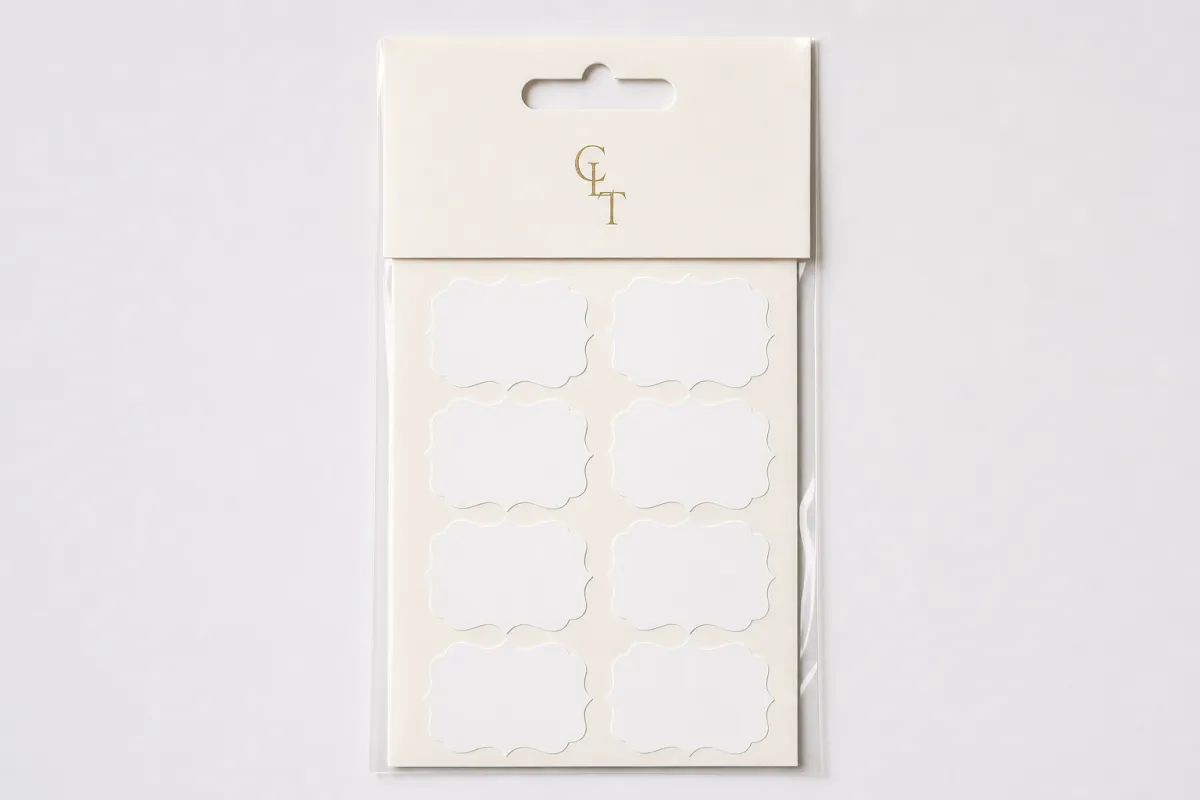
Packaging can be fussy in ways that only show up after a few hundred orders have moved through the line. A customer may never mention the corrugated board gauge, the liner weight, or the score line placement, but they will notice whether the finishing touches feel coordinated. That is why branded sticker sheets for packaging matter so much. They are a small part of product packaging, yet they help the whole system feel finished, from warehouse carton to retail shelf.
In practice, the best sheets do three jobs at once. They reinforce the logo, they guide handling, and they add personality without forcing the pack to become complicated. A brand might use branded sticker sheets for packaging for box seals, envelope closures, seasonal promos, product labels, or a simple thank-you note that fits inside a mailer. That is a lot of utility from one printed item, and it is one reason buyers come back to the format after the first run.
There is also a real operational upside. Loose stickers in a bin can curl, stick together, or get mixed by SKU. Sheet formats keep the pieces organized, which makes them easier to count, store, and apply during kitting. From a packaging buyer's point of view, that matters because labor time is part of the cost whether it appears on a quote or not.
A sticker that looks great in a mockup but slows the packer down is not really a finishing touch; it is friction.
That is the core promise of branded sticker sheets for packaging: better presentation, faster handling, and a cleaner path from design to finished order. The rest of this guide covers how the sheets work, which materials are worth paying for, how turnaround is usually handled, what pricing really depends on, and how to choose a format that fits the way your team actually packs orders.
How branded sticker sheets for packaging work
A sticker sheet is straightforward on the surface, but the structure matters. Most branded sticker sheets for packaging are built from four layers of thinking, even if customers only see one printed sheet. There is the backing liner, the adhesive, the printed face stock, and the cut pattern that tells the user exactly where each sticker starts and stops. If any one of those pieces is off, the sheet feels awkward in hand.
The easiest way to picture it is as a small production map. The liner holds the stickers flat until use. The adhesive bonds the sticker to the carton, pouch, jar, mailer, or insert. The printed face carries the logo, illustration, copy, or code. The cut lines determine whether the pieces peel cleanly or fight back. For branded sticker sheets for packaging, a good layout makes the sheet easy to store, quick to inspect, and simple to apply in a steady rhythm.
Common uses are broader than many people expect. Brands use the sheets for box seals on e-commerce mailers, tamper-evident labels for product packaging, promotional graphics for seasonal campaigns, QR code stickers that point to setup or loyalty pages, and tiny product identifiers that help with packing accuracy. A single sheet can support package branding, retail packaging, and internal fulfillment without needing three separate label formats.
The difference between kiss-cut sheets, die-cut stickers, and full-sheet formats matters here. Kiss-cut stickers are cut through the face stock but stay on the liner, which makes them easy to peel. Die-cut individual stickers are fully cut out and usually come stacked or trimmed separately. Full-sheet formats are better for larger labels, instructions, or oversized seals. For branded sticker sheets for packaging, kiss-cut sheets are the workhorse because they balance appearance and speed.
Sheet size and sticker count influence handling more than many teams expect. A 4 x 6 sheet with six small stickers is fast to peel and store in a bin. An 8.5 x 11 sheet with ten mixed shapes can look impressive, but if the art is crowded or the cut spacing is tight, the sheet becomes harder to use on the line. Good branded sticker sheets for packaging should fit the hand, the cart, and the pace of the packing station.
If the stickers will sit inside a larger program that includes other printed pieces, it helps to align them with the rest of the system. That may mean matching carton graphics, keeping the same icon style, or standardizing label shapes across Custom Packaging Products and Custom Labels & Tags. The more the pieces speak the same visual language, the stronger the package branding feels.
Key material, adhesive, and finish factors
The material choice is where many branded sticker sheets for packaging either shine or disappoint. Paper face stocks are common for dry, indoor use and tend to print sharply at a lower price point. BOPP, which is a polypropylene film, is a strong option for moisture resistance, abrasion, and a cleaner look on coated cartons or plastic mailers. Vinyl is useful when the sticker needs more conformability or a tougher hand, though it is not always necessary for everyday packaging.
For most brands, the right answer is not the most expensive stock. It is the one that matches the surface and the environment. Corrugated board can take a different adhesive than a glossy carton. A coated paper mailer behaves differently from a textured kraft box. Glass jars, plastic clamshells, and reusable tins each ask for a different balance of tack and removability. Branded sticker sheets for packaging work best when the adhesive is selected for the real substrate, not just the proof image.
Adhesive strength deserves real attention. A permanent adhesive is ideal when the label needs to stay put through shipping, retail handling, or customer opening. A removable adhesive makes sense for temporary promotions, reusable containers, or situations where you want a cleaner peel. Freezer-grade and cold-storage adhesives are available for more demanding jobs, but they should be tested, not assumed. If your pack may face condensation, friction, or long transit, sample it early. That is true for branded sticker sheets for packaging, and it is true for every other label in the program.
Finish changes both the look and the feel. Matte gives a calm, modern surface that can soften bright colors and reduce glare. Gloss usually makes color appear richer and can help small graphics pop. Soft-touch finish creates a velvety feel that reads premium, though it can be more sensitive to scuffing. Clear film can create a floating effect on colored cartons or jars, but it needs careful art placement because white ink and contrast become more important. The finish you choose will affect how branded sticker sheets for packaging read in the hand, under store lighting, and in photos.
Print quality is more than color. Small text has to be readable at real application size, not just on a monitor. QR codes need enough quiet zone and contrast to scan reliably. Barcodes should be checked at the final dimensions and with the intended surface color behind them. Bleed and safe zones protect the trim so important details are not clipped by the kiss-cut. Good branded sticker sheets for packaging start with disciplined artwork, not just a nice logo file.
If sustainability is part of the brief, it helps to ask what is actually recyclable, compostable, or recoverable in the customer's region, because that answer depends on the complete structure, not only the face stock. For general packaging and recovery references, the Sustainable Packaging Coalition at packaging.org and EPA recycling guidance at epa.gov are useful starting points. For shipping and handling stress, many teams also review ISTA methods so the sticker choice is evaluated against real transit conditions, not only a flat proof.
The strongest branded sticker sheets for packaging are often the quietest ones. The color is controlled, the type is readable, the adhesive is right, and the finish supports the brand without turning every pack into a miniature billboard. That balance is what makes the sheets useful in actual production.
Process and turnaround: from artwork to finished sheets
The production path for branded sticker sheets for packaging usually starts with a clear use case and a rough layout, then moves through dieline review, proofing, printing, cutting, finishing, and final packing. The cleaner the brief, the faster the job moves. A sheet that is meant to seal cartons should not be treated the same way as a sheet that supports seasonal promotions or insert cards. The purpose has to guide the build.
Artwork files are often where delays begin or end. Vector logos are the safest starting point because they scale cleanly. If brand colors matter, spot color references or clear CMYK targets should be included early. The sheet layout itself should be sized to the final application, with enough room for cut spacing, bleed, and safe zones. For branded sticker sheets for packaging, the layout is not just a design decision; it is a production decision that affects peelability and line speed.
Proofing is the checkpoint that saves the most grief. This is where shape, spacing, type size, and color are checked before the run begins. I always tell buyers to inspect the proof as if they were standing at the packing bench with a stack of cartons in front of them. Does the sticker fit the target area? Does the QR code have enough contrast? Is the peel edge obvious? These small checks keep branded sticker sheets for packaging from turning into rework.
Typical turnaround depends on a handful of variables. Straightforward orders with approved art and standard materials often move in 10-15 business days after proof approval. More complex jobs can stretch to 15-20 business days or more if they require specialty finishes, multiple SKUs, or tight color matching across branded packaging components. Rush service may be possible, but it usually narrows the material options and reduces the room for revision.
Lead time also expands when the order includes variable artwork or several versions for different campaigns. If one sheet needs summer graphics, another needs a product launch badge, and a third needs a promotional QR code, the proofing stack grows quickly. That is not a problem if the team expects it. It becomes a problem when the calendar is built around a single approval cycle and the art keeps changing. For branded sticker sheets for packaging, speed is usually tied to decisiveness.
Packaging teams that already manage seasonal mailers, retail packaging inserts, and custom printed boxes often benefit from setting one master sheet architecture. One sheet size, one die-cut rule, one file naming system, and one approval chain can cut down on confusion. The more repeatable the process, the easier it is to order new artwork later without rebuilding the job from scratch.
Cost, pricing, and MOQ for branded sticker sheets
Pricing for branded sticker sheets for packaging is shaped by a handful of practical variables: sheet size, number of stickers per sheet, print method, material, finish, and total quantity. The larger the run, the better the unit economics usually become. A simple paper sheet with one or two colors is one thing; a waterproof BOPP sheet with complex cut shapes and soft-touch lamination is something else entirely.
For smaller runs, setup and proofing matter more. For larger runs, material yield and print efficiency start to dominate. A common pricing pattern is that a 5,000-piece order might land much lower per sheet than a 500-piece pilot run, even if the artwork is identical. That is why branded sticker sheets for packaging are often priced more like a packaging system than a single office supply item.
MOQ, or minimum order quantity, is not just a factory term. It changes how a buyer can test the format. If the minimum is high, the brand may need to commit to a seasonal campaign or a multi-SKU launch. If the minimum is modest, the team can test peelability, handling, and customer response before scaling up. I think the smartest buyers use MOQ as a planning tool, not as a hurdle. For branded sticker sheets for packaging, a pilot run is often cheaper than correcting a bad format in the next order.
Comparing quotes takes a little discipline. The lowest sheet price is not always the best value if the quote excludes proofing, freight, or a second revision. It helps to compare the total landed cost, the expected lead time, the material spec, and the cut style. Two quotes may look similar until you notice that one uses paper stock and the other uses waterproof film, or one includes standard proofing while the other treats it as an extra. That comparison matters a lot with branded sticker sheets for packaging.
| Option | Best Use | Typical Price Influence | Notes |
|---|---|---|---|
| Paper sticker sheets | Dry indoor packaging, thank-you seals, insert branding | Lowest starting cost | Good print clarity; less resistant to moisture and abrasion |
| BOPP film sheets | Mailers, cartons, cold handling, light exposure to moisture | Usually 15%-40% higher than paper | Better durability; strong choice for retail packaging and transit |
| Vinyl sticker sheets | More demanding surfaces, flexible packaging, durable promotions | Often higher than paper and comparable to or above BOPP | Tough hand feel; useful where scuff resistance matters |
| Specialty finish sheets | Premium branded packaging, gift sets, launch kits | Higher due to coating or lamination | Soft-touch or gloss can change both look and price |
A realistic example helps. A simple paper sheet with a modest sticker count might land around $0.12-$0.28 per sheet at higher volumes, while a waterproof or specialty-finish version can move closer to $0.20-$0.45 depending on coverage, cut complexity, and quantity. Smaller runs can sit much higher. That is why branded sticker sheets for packaging should always be quoted against the actual artwork and intended substrate, not against a generic label assumption.
If your packaging program also includes seasonal inserts or promotional kits, it can be smart to compare sticker pricing alongside Case Studies and previous packaging runs so you know whether the new sheet format is saving labor or just shifting the cost around. The right answer is often a middle ground: a format that is a little more expensive on paper, but faster to use and more consistent in the cart.
Step-by-step: choosing branded sticker sheets for packaging
The easiest way to choose branded sticker sheets for packaging is to start with the job, not the design. Ask what the sticker is supposed to do. Seal the box? Decorate the outer sleeve? Carry a QR code? Label a product? Support a promotion? Each answer points toward a different shape, stock, and adhesive. The clearer the purpose, the faster the right format appears.
-
Define the function.
If the sheet must seal a mailer, the adhesive and peel strength matter more than illustration detail. If it is decorative, the finish and print quality may matter more. Branded sticker sheets for packaging work best when the goal is specific and measurable.
-
Map the surface.
Write down whether the sticker lands on corrugated board, coated carton, glass, plastic mailer, kraft paper, or a textured insert. Different surfaces grip differently, and branded sticker sheets for packaging should be matched to that reality.
-
Check the environment.
Heat, humidity, refrigeration, condensation, dust, and friction all change performance. A label that looks perfect on a desk may fail in transit. If your product packaging travels a long way, sample it under realistic conditions before you sign off.
-
Choose the sheet layout.
Compact sheets are easier to store and quick to peel. Larger sheets can hold more variation, but they may slow the packer down. For branded sticker sheets for packaging, the most efficient layout is the one that fits the hand and the workflow.
-
Build artwork around the real size.
Type that looks fine on screen can disappear at a 1.25-inch seal size. QR codes need contrast and quiet space. Logos need breathing room. Packaging design should respect the final application area, not just the brand board.
-
Test before full order.
If possible, order a sample or a short pilot run. Peel a few in the packing area. Stick them to the real carton. Leave them overnight. Check whether the corners lift, whether the liner curls, and whether the application speed feels natural. That little test often tells you more than a polished proof.
Good package branding is not only about how a label looks; it is about how it behaves in a real hand, on a real surface, during a real packing shift.
There is a habit I recommend for brands with multiple SKUs: standardize one or two sheet sizes, then vary the artwork instead of the structure. That keeps buying simpler, training easier, and inventory cleaner. If the team already uses the same label dimensions across branded sticker sheets for packaging, custom printed boxes, and insert cards, the entire pack starts to feel more controlled. It also reduces the kind of little inconsistencies that make a brand look stitched together instead of deliberate.
Common mistakes, expert tips, and next steps
The most common mistake with branded sticker sheets for packaging is choosing by appearance alone. A glossy finish may look sharp in a mockup, but if the sheets are handled in a humid room or packed into an e-commerce kit with other inserts, the finish might scuff faster than expected. Likewise, a weak adhesive may seem fine on paper yet fail on a textured carton edge. Pretty does not automatically mean practical.
Another frequent issue is overcrowding the sheet. If the stickers are packed too tightly, the cuts are harder to separate and the peel edge becomes ambiguous. That slows application and wastes time. Tiny cut gaps can also make a sheet feel fragile, especially if the liner bends while someone is working through a batch. For branded sticker sheets for packaging, clarity between pieces is worth more than squeezing in one extra icon.
People also underestimate labor. A sheet that takes two seconds longer to peel might not sound like much, but over hundreds or thousands of packs it adds up quickly. That is why I like sheets that are easy to grab, easy to peel, and easy to read. A beautiful design is useful only if the pack team can apply it without hesitation. The best branded sticker sheets for packaging reduce motion, not just add decoration.
Here are a few expert habits that save time and money:
- Keep a master file for logo, QR code, legal copy, and seasonal swap-outs so revisions stay controlled.
- Standardize the sheet size across SKUs whenever possible so storage, picking, and replenishment stay simple.
- Match the sticker finish to the carton finish so the brand feels coordinated across retail packaging and mailers.
- Ask for a proof that shows the actual die lines, not only the artwork, because trim and peel placement matter.
- Keep the design language consistent with package branding used on tissue, inserts, tape, and sleeves.
If you are building a new packaging system, it often helps to review actual order photos, packing problems, and customer feedback before placing the next label order. That is where Case Studies can be useful, because they show how packaging choices behave in practice rather than in a render. They also make it easier to compare branded sticker sheets for packaging with other finishing options across the same product line.
For teams that are still defining the brief, the next steps are simple: audit the current packaging, decide the exact job for the sticker sheet, collect the artwork files, request sample quotes, and ask for a proof before you commit. If you do that with care, branded sticker sheets for packaging can improve presentation, speed up packing, and bring more consistency to the whole brand system. That is a small print item with a very real impact on product packaging, and it usually earns its place quickly once the workflow is set up correctly.
Frequently Asked Questions
What are branded sticker sheets for packaging used for?
They are used for box seals, branding, promotions, product identification, QR codes, and thank-you or insert stickers. They help packaging teams keep application organized because multiple stickers arrive on one easy-to-store sheet. They can improve unboxing presentation without adding major complexity to the packing process.
How do I choose the right material for branded sticker sheets for packaging?
Match the material to the surface and environment: paper works for many dry indoor uses, while BOPP or vinyl is better for moisture or handling. Choose adhesive strength based on whether the sticker goes on corrugated board, plastic, glass, or coated packaging. Ask for samples if your packaging will face humidity, refrigeration, or long transit.
What affects the cost of branded sticker sheets for packaging?
The biggest cost factors are quantity, sheet size, number of stickers per sheet, print complexity, material, and finish. Custom shapes and specialty materials usually increase price, while larger runs often reduce unit cost. Shipping, proofs, and setup can also affect the final quote, so compare totals rather than sticker price alone.
How long does production usually take?
Turnaround depends on artwork approval, quantity, material availability, and whether the design needs special cutting or finishing. A smooth proofing process shortens lead time, while revisions or variable designs can extend it. If timing matters, ask what parts of the order are the bottleneck before you approve the final proof.
What is the best way to order branded sticker sheets for packaging for the first time?
Start with one clear use case and one packaging surface so you can test adhesion, peelability, and visual impact. Request a proof and, if possible, a sample run before committing to a full production order. Keep the artwork simple at first, then refine size, finish, and layout once you have real packing feedback.

