Buyer Fit Snapshot
| Best fit | Branded Subscription Boxes Wholesale for Growing Brands projects where brand print, material claims, artwork control, MOQ, and repeat-order consistency need to be specified before quoting. |
|---|---|
| Quote inputs | Share finished size, material target, print colors, finish, packing count, annual reorder estimate, ship-to region, and any compliance wording. |
| Proofing check | Approve dieline scale, logo placement, barcode or warning zones, color tolerance, closure strength, and carton packing before bulk production. |
| Main risk | Vague material claims, crowded artwork, missing packing details, or unclear freight terms can make a low unit price expensive after revisions. |
Fast answer: Branded Subscription Boxes Wholesale for Growing Brands should be specified like a repeatable production item. The safest quote records material, print method, finish, artwork proof, packing count, and reorder notes in one written spec.
Production checks before approval
Compare the actual filled-product size with the drawing, then confirm tolerance on folds, seals, hang holes, label areas, and retail display edges. Reserve space for logos, QR codes, warning copy, and material claims before decorative graphics fill the panel.
Quote comparison points
Review material grade, print process, finish, sampling route, tooling charges, carton quantity, and freight assumptions side by side. A quote is only useful when the supplier can repeat the same color, closure quality, and packing count on the next order.
Branded Subscription Boxes wholesale is not a vanity purchase. It is a packaging decision that changes freight, damage rates, packing speed, and the way a monthly delivery feels the moment the customer lifts the lid. A box that runs large by even a small amount asks you to pay for extra air, extra filler, and extra frustration. That part is simple, even if the spreadsheet gets messy.
Packaging buyers feel that pressure quickly. A subscription box has to protect the product, keep assembly efficient, and still look polished enough to support repeat orders. Mockups can look lovely on a screen. Boxes that arrive crushed, loose, or awkward to pack become expensive in all the wrong places. I have seen launches stumble because the package looked great in a render but ate up labor once the packing line met the real thing.
Anyone comparing branded subscription boxes wholesale options for a launch or a refresh should be looking at structure, print method, insert design, MOQ, and landed cost together. That combination tells you whether the packaging helps the business move forward or quietly drains margin month after month. If one of those pieces is missing, the quote is only half useful.
Branded Subscription Boxes Wholesale: why the first impression pays
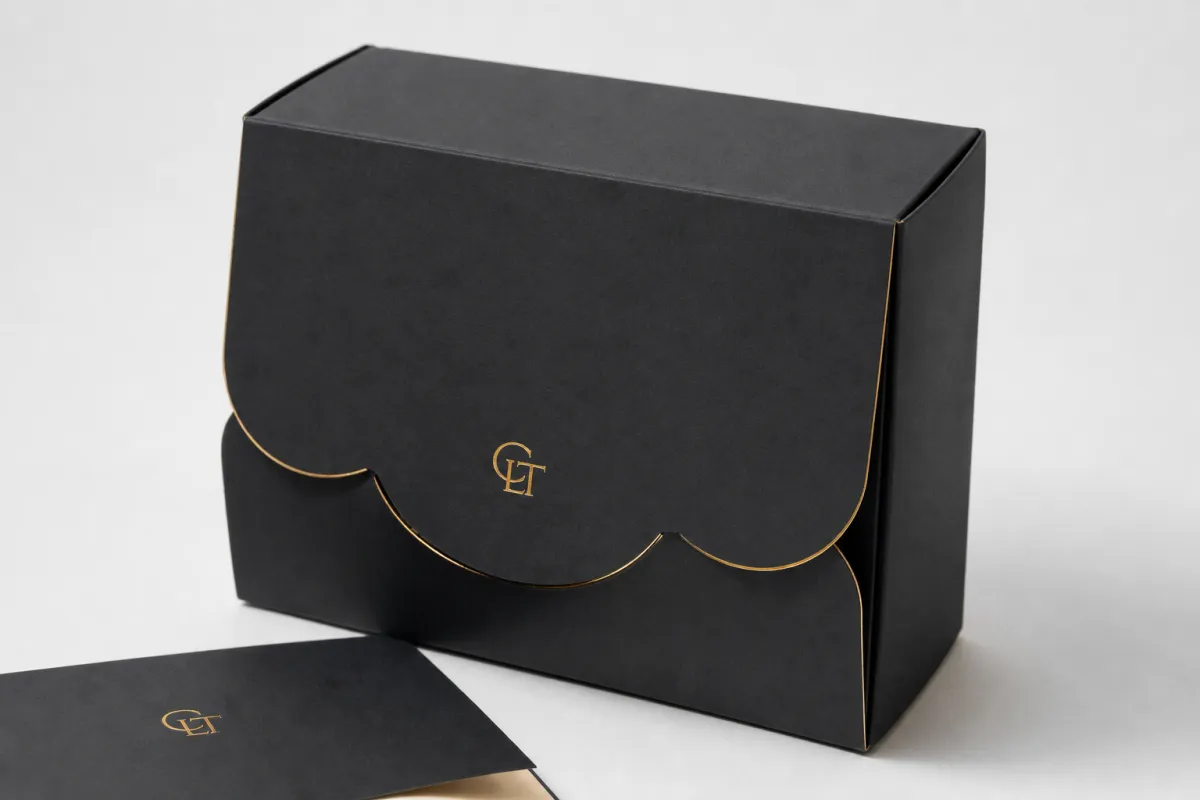
The first box a subscriber receives does more work than most teams want to admit. It shapes the feel of the product, the brand, and the recurring experience that follows. With branded subscription boxes wholesale, the goal is not decoration for its own sake. It is consistency, fit, protection, and a box that opens cleanly without feeling hurried or improvised.
The opening impression begins before the lid comes off. A carton that shows up dented, oversized, or crushed in transit tells the customer the brand guessed instead of planned. A tighter structure, a cleaner closure, and better print coverage make the whole experience feel deliberate. That kind of detail supports reviews, referrals, and retention far better than cheap filler ever will.
In practical terms, branded subscription boxes wholesale is a margin decision. One oversized carton can raise corrugated usage, void fill, cartonized freight, and packing time all at once. Better-fitting packaging usually cuts shipping waste and reduces the chance of product movement. Less movement means fewer breakage claims. Fewer claims mean fewer replacements. That is ordinary operations, not marketing language.
A box that is too big turns empty space into a line item. That is a costly habit with a polished name.
Subscription brands are also judged on repeat consistency. The first month may earn goodwill. The third month starts building trust. By the sixth month, the system either holds together or it does not. When the box structure, print quality, and insert layout stay stable, the customer stops thinking about packaging and starts focusing on the product. That is the right place to be.
Bad buying tends to follow the same script. A team approves a beautiful mockup, skips transit testing, and then discovers the box collapses under stacking pressure or the insert shifts during fulfillment. Pretty and practical are not the same thing. Branded subscription boxes wholesale should cover both, or the order only solves half the problem.
I still remember one launch where the packaging team was convinced the insert would hold because the samples looked fine on a desk. The actual line had a slightly faster pack rhythm, and that tiny difference was enough to make bottles lean. Nothing dramatic broke, but the trays scuffed and the team spent the first week reworking packs by hand. That kind of problem is annoying, expensive, and completely avoidable with a better fit check.
Need a broader view of packaging formats before choosing a structure? Our Custom Packaging Products page is a good place to start. Want to see how packaging decisions play out in real programs? Our Case Studies page gives a more honest picture than a generic brochure.
Product details for branded subscription boxes wholesale
A handful of box styles make sense for subscription programs. Mailer boxes are the default for many brands because they ship flat, pack quickly, and take print well. Tuck top cartons fit lighter products or retail-forward presentation. Corrugated Shipping Boxes are the practical choice when protection matters more than shelf appeal. Folding cartons suit smaller items, while rigid presentation boxes work for premium kits where the box itself is part of the experience. None of those is automatically best. The right one depends on the product mix.
For branded subscription boxes wholesale, inserts are usually where the difference shows up most clearly. A custom die-cut paperboard tray keeps products from rattling. Molded pulp brings protection with a more sustainable profile. Foam still has a place for fragile or high-value items, but it is not the first choice for every brand. Divider systems help when a kit contains multiple SKUs that need to stay separate. Loose inserts slow packing and raise damage risk. Overly tight inserts create assembly friction and push labor costs up.
| Box style | Best for | Typical unit cost range | Strengths | Tradeoffs |
|---|---|---|---|---|
| Mailer box | Beauty, apparel, wellness, gifts | $0.45-$1.20 | Ships flat, strong branding surface, easy to assemble | Can be bulky if oversized |
| Folding carton | Lightweight items, inner packs, retail kits | $0.22-$0.70 | Good print quality, efficient storage, lower material use | Less protection for heavy products |
| Corrugated shipping box | Heavy, fragile, or multi-item orders | $0.40-$1.05 | Transit strength, stackability, lower damage rates | Less premium unless designed carefully |
| Rigid presentation box | Premium launches, influencer kits, luxury programs | $1.80-$4.50+ | High perceived value, strong unboxing impact | Higher freight and storage cost |
Those figures are broad ranges, not promises. Size, print coverage, finishing, and quantity all move the final price. A small, simple box may sit near the low end. A large box with foil, embossing, or a complex insert will land much higher. That is ordinary. Packaging is physical, not abstract.
Print and finish choices shape both feel and cost. CMYK handles full-color art well. Pantone matching suits brand colors that need to stay exact. Matte lamination creates a quieter, cleaner look. Gloss adds shine and can make color read louder. Soft-touch coating feels premium, though it also adds cost. Foil, embossing, and spot UV help when the packaging should feel more intentional than a plain shipper. Use them because they serve the design, not because someone likes shiny surfaces.
Placement matters as well. Exterior panels carry the first visual hit. Interior print turns the opening into a stronger reveal and helps the box feel finished. Structural details matter too. A clean tuck, a strong lock, or a tab that closes without resistance gives the whole system a more expensive feel, even when the print spec stays modest.
Different categories ask for different starting points. Beauty boxes often benefit from inserts and exact part separation. Food boxes need board choices that support hygiene and product safety. Apparel boxes care more about footprint and presentation than crush resistance. Candle and wellness kits need enough protection to stop movement, especially when glass jars or fragile lids are involved. One box style does not fit every subscription program. Packaging rarely rewards convenience that easily.
A small but useful detail: if a subscription box is likely to be photographed after delivery, the inside panel and edge finish matter more than many teams expect. Customers may forgive a plain exterior if the reveal feels thoughtful. They are less forgiving when the lid opens to crooked print, uneven folds, or a tray that looks like it was trimmed by hand. That is the kind of thing that quietly hurts a brand.
Branded Subscription Boxes Wholesale specifications that matter
Before requesting a quote for branded subscription boxes wholesale, gather the specs that actually control the outcome. Start with inner dimensions rather than outside size. Add board grade, paper thickness, corrugation profile, and finishing method. Confirm whether the box ships flat or assembled. Those details drive freight, storage, and assembly time. Leave them vague and the quote will be vague too.
Sizing causes a lot of waste when it is handled casually. Too much empty space means more filler, more movement, and more cartonized shipping waste. Too little room makes packing awkward and can crush the product or slow the line down. The best fit usually balances product clearance with a clean, repeatable packing motion. In a fulfillment setting, that matters more than any polished rendering.
Structural details matter more than marketing copy. Tuck depth affects closure security. Locking tabs change how well the box survives handling. Score lines influence how cleanly the carton folds during assembly. Edge crush strength matters when boxes stack in a warehouse or ride through transit. If the order needs a self-locking bottom, say so up front. If the box needs to be packed and sealed quickly, say that too. Suppliers cannot guess the team’s mind. No one can.
Sustainability claims need discipline. Recycled content, plastic-free construction, and FSC paper all sound good, but they should be backed by actual material choices and documentation. If transit performance matters, use a standard such as ISTA for testing guidance instead of hoping the package survives by luck. If responsible sourcing matters, FSC certification is a cleaner path than loose talk about being eco-friendly.
Fulfillment compatibility matters more than many teams expect. Where does the barcode go? Is there room for shipping labels? Does the design interfere with a case pack or kitting line? Can the box stack cleanly on a pallet without crushing the top layer? These are not minor questions. They decide whether a launch runs smoothly or whether a warehouse manager starts sending irritated emails at 8:00 a.m.
When the box sits inside a larger packaging system, align it early with outer shippers, protective dunnage, and retail inserts. Subscription programs often need both presentation and transit strength. That is normal. It is also why good branded subscription boxes wholesale planning starts with a spec sheet, not a mood board.
A useful habit is to ask for the die line, then mark the actual product stack on top of it with tape or a quick paper prototype. That simple check catches awkward headspace, impossible folds, and insert conflicts before the job turns into a change order. It is a low-tech step, sure, but it saves a surprising amount of grief.
Branded Subscription Boxes Wholesale: cost, pricing, and MOQ
Pricing for branded subscription boxes wholesale comes down to a handful of practical inputs. Size is obvious. Board type matters. Print coverage matters. Finishes matter. Inserts matter. Custom tooling matters. Order quantity matters a great deal. When the design needs a new die cut, a special coating, or a complex insert layout, the cost rises. That is not a surprise. It is the price of choosing a more specific box.
The useful pricing question is not "What is the cheapest box?" The better question is "What is the best landed cost for the pack-out I actually need?" A smaller run can make sense for testing, but the unit price will usually be higher. A larger run improves unit cost, yet it ties up cash and storage space. That tradeoff sits at the center of the decision. If a brand ignores it, the invoice later does the explaining.
MOQ means the minimum quantity required to make the production run practical. In branded subscription boxes wholesale, MOQ often shifts with structure and print method. A simple mailer may allow a lower entry point than a rigid box with foil and inserts. If you are launching a new line, ask for two numbers: a test quantity and a scale quantity. That gives you a real comparison instead of a single arbitrary quote.
| Cost driver | Lower-cost choice | Higher-cost choice | What changes |
|---|---|---|---|
| Size | Compact footprint | Oversized box | More board, more freight, more void fill |
| Simple CMYK layout | Full-coverage art with special inks | Prepress time, ink usage, setup complexity | |
| Finish | No coating or basic matte | Foil, embossing, spot UV, soft-touch | More setup steps and higher per-unit cost |
| Insert | Basic paperboard divider | Custom molded or multi-part insert | Tooling, assembly time, material cost |
| Quantity | Small test run | Larger production run | Higher unit cost versus better scale pricing |
Hidden costs deserve attention. Prepress, proofing, freight, palletization, and warehousing all show up eventually. A low unit price can become the most expensive landed cost if the packaging arrives in awkward counts or takes too long to assemble. In a real subscription business, labor belongs in the packaging budget. It should be treated that way from the start.
When a quote request goes out, send exact dimensions, approximate quantity, shipping destination, and any insert or finish requirements together. Include the final artwork if you have it, or at least the logo files and Pantone references. The cleaner the request, the faster the response. It also cuts down on revision loops that eat days for no good reason.
Flat-packed boxes usually lower freight and storage costs compared with assembled packaging. That is one reason mailers and folding cartons stay popular for subscription work. If the structure must ship assembled, expect higher freight and more warehouse space usage. Sometimes that is the right tradeoff. Sometimes it is only an expensive habit.
MOQ also changes depending on whether a program is seasonal or ongoing. A recurring subscription line can justify a larger run because the same structure is used month after month. A short promotional kit, on the other hand, may be better served by a smaller order even if the per-unit cost is a little higher. The cheapest order is not always the smartest one, and a low unit number can hide a lot of pain later.
Branded Subscription Boxes Wholesale: process, timeline, and lead time
The production path for branded subscription boxes wholesale usually stays straightforward when the client brings clean inputs. It starts with discovery, where the supplier confirms box style, size, quantity, and print method. Then come dieline setup, artwork prep, proofing, sample approval, production, quality inspection, and freight booking. Each step is simple on paper. Delays appear when one step gets skipped or rushed.
Lead-time problems tend to be self-inflicted. Late artwork changes cause the most damage, followed by a structural spec that never reached full approval. If the brand changes the insert after proofing, the schedule moves. If the board grade changes after sampling, the schedule moves. If the team keeps asking for "one more tweak," the box does not arrive sooner just because everyone wants it to.
Sample options work best when they are used with purpose. Digital mockups help with layout and rough alignment, but they do not tell you how the carton feels in hand. White samples are better for fit checks, closure testing, and assembly review. Printed samples matter when brand color, finish, or registration needs to be right before a larger production run. If the box supports a launch or a seasonal drop, sample approval should happen early. No one wants to discover a size mistake after inventory is already on a truck.
Timelines vary with complexity and quantity, though a simple flat-pack subscription box often moves faster than a rigid presentation box with special finishes. In many production runs, the gap between approved proof and finished goods commonly lands around 12-15 business days for simpler structures, while more complex work can stretch longer depending on tooling and line load. Treat that as a planning range, not a guarantee. Real schedules still depend on artwork readiness, proof approval, and freight speed.
When the brand is shipping into a strict fulfillment window, build the schedule backward. Leave room for the dieline. Leave room for sample signoff. Leave room for transit. That sounds kinda basic, but it gets missed all the time. The quickest way to derail a launch is to treat packaging like a five-minute task at the end of the week.
A solid production partner should also flag tests that fit the job. Transit testing aligned with ISTA 3A or related procedures is usually a more honest check than guessing from a mockup. For brands preparing to scale, that kind of review saves money later. It catches weak corners, shift-prone inserts, and cartons that look fine on a table but fail under pressure in real shipping conditions.
Need a wider view of recurring packaging orders? Our Wholesale Programs page is useful for understanding how repeat packaging runs are handled. That matters when the same box needs to be reordered, stored, and shipped without drama.
Why choose us for branded subscription boxes wholesale
Most buyers do not need poetic packaging language. They need the box to arrive on time, print cleanly, and hold up in shipping. That is the standard. With branded subscription boxes wholesale, the real value sits in clear communication, predictable specs, and packaging built for actual handling conditions rather than a polished render that falls apart after approval.
Many brands come back because they get practical guidance before production starts. A strong packaging partner should help check fit, point out structural weak spots, and recommend a box style that supports fulfillment instead of slowing it down. If the artwork needs to shift because of fold lines or print constraints, that should be said early. Quiet fixes cost less than pretending everything is fine until the box fails.
Quality control is not a slogan. It is a sequence of checks. Color checks help repeat orders stay consistent. Dieline verification keeps artwork in the correct place. Sample approval catches structural errors. Packing standards reduce damage complaints. All of that matters more than a polished pitch deck. Subscription customers do not care how shiny the supplier’s presentation looks. They care that the box opens well every month.
Experience across categories helps too. A beauty kit has different failure points than a candle set. A food box behaves differently than an apparel kit. A wellness box may need inserts that prevent bottle tilt and lid scuffing, while a luxury launch may care more about unboxing impact than freight savings. The goal is not to force one standard. The goal is to match the box to the job.
If you want to see how these decisions play out in real orders, our Case Studies page shows the kind of practical tradeoffs brands make. If the structure is already clear, the Custom Packaging Products page is the faster route to narrowing the choice.
Truthfully, the best branded subscription boxes wholesale order is usually the one that feels pleasantly uneventful. No surprise failures. No mystery dimensions. No freight shock. Just a box that does its job, looks right, and keeps the brand from wasting money on avoidable mistakes.
That kind of calm result takes work upfront, but it pays off month after month. Once the spec is right, the box stops being a constant project and starts acting like part of the operating system. That is the outcome worth aiming for.
Next steps for branded subscription boxes wholesale
If you are ready to move, gather the basics first. Product dimensions. Monthly fill weight. Shipping method. Target quantity. Brand files. Any sustainability requirements. If the box needs to hold multiple SKUs, list every item and how each one is packed. That sounds tedious. It is also how rework gets avoided.
The simplest action plan is this: request a quote, review the dieline, confirm the insert or closure style, and approve a sample before the order scales. That is the cleanest path for branded subscription boxes wholesale. It protects the launch budget and gives you a real chance to catch mistakes before they spread across a full run.
If the lineup is still changing, start with one test order. Use it to validate fit, freight, packing speed, and customer response. Then decide whether to scale, adjust, or change the structure altogether. Brands that test once usually spend less fixing things later. Funny how that works.
When you compare options, compare landed cost, not just unit price. Two boxes can look similar on paper and behave very differently once freight, inserts, labor, and warehousing are included. For growing subscription brands, that difference can decide whether the packaging supports margins or quietly weakens them.
Need a direct next step? Ask for a branded subscription boxes wholesale quote, a sample, and a production schedule. Then make the decision with real numbers instead of guesses. That is the practical move, and it usually saves a round of backtracking later.
Frequently Asked Questions
What is the usual MOQ for branded subscription boxes wholesale?
MOQ depends on the box style, print method, and whether the design needs custom tooling or inserts. Smaller test runs are possible, but pricing usually improves as quantity increases. If you need a launch order, ask for both a low-entry quote and a scale price so you can compare the tradeoff. That is the cleanest way to judge branded subscription boxes wholesale for a new program.
How do I choose the right size for branded subscription boxes wholesale?
Measure the product stack, not just the biggest item, and include room for inserts or tissue if needed. Leave enough clearance for packing without creating empty space that raises freight and filler costs. A good supplier should help check fit with a dieline or sample before production starts. That saves time and avoids the usual guessing game that makes branded subscription boxes wholesale harder than it needs to be.
How long does branded subscription boxes wholesale production usually take?
Timeline depends on artwork readiness, sample approval, quantity, and finishing complexity. Simple flat-pack boxes move faster than rigid or highly finished packaging. The quickest way to avoid delays is to send final dimensions, artwork, and quantity targets at the same time. With branded subscription boxes wholesale, clarity at the start usually shortens the whole schedule.
Can branded subscription boxes wholesale be shipped flat?
Yes, many mailer and folding box styles ship flat to save freight and storage space. Flat-packed packaging is usually easier for fulfillment teams to store and assemble. If the design must ship assembled, expect higher freight and more warehouse space usage. For most brands, flat shipping is the practical choice in branded subscription boxes wholesale planning.
What printing options work best for branded subscription boxes wholesale?
CMYK works well for full-color designs, while Pantone matching is better when brand color accuracy matters. Matte, gloss, foil, embossing, and spot UV all change cost and presentation, so choose them based on brand goals. Ask for a sample or proof if color consistency is critical to the launch. That is the safer route for branded subscription boxes wholesale than assuming the first proof will be perfect.


