A strong bucket hats reorder plan protects the second run from small changes that become expensive once goods hit a shelf, a warehouse, or a customer. The failure is rarely dramatic. More often it looks like a brim that feels a touch stiffer than the approved sample, a patch placed slightly off-center, or a color that passes in a dim office but reads differently under retail lighting. Each issue seems minor by itself. Together, they can turn a routine restock into a pile of exceptions.
That is why the safest way to approach a repeat order is to treat it as a spec lock, not a memory test. If the approved sample, style code, artwork files, and purchase history all point to the same version, the next production run has a much better chance of matching the first one. If you want the order to land cleanly, the paperwork needs to do more work than anyone’s recollection.
A repeat order should travel with the approved spec, not with someone’s memory of the sample.
Bucket hats reorder plan: what changes between the first run and the next one
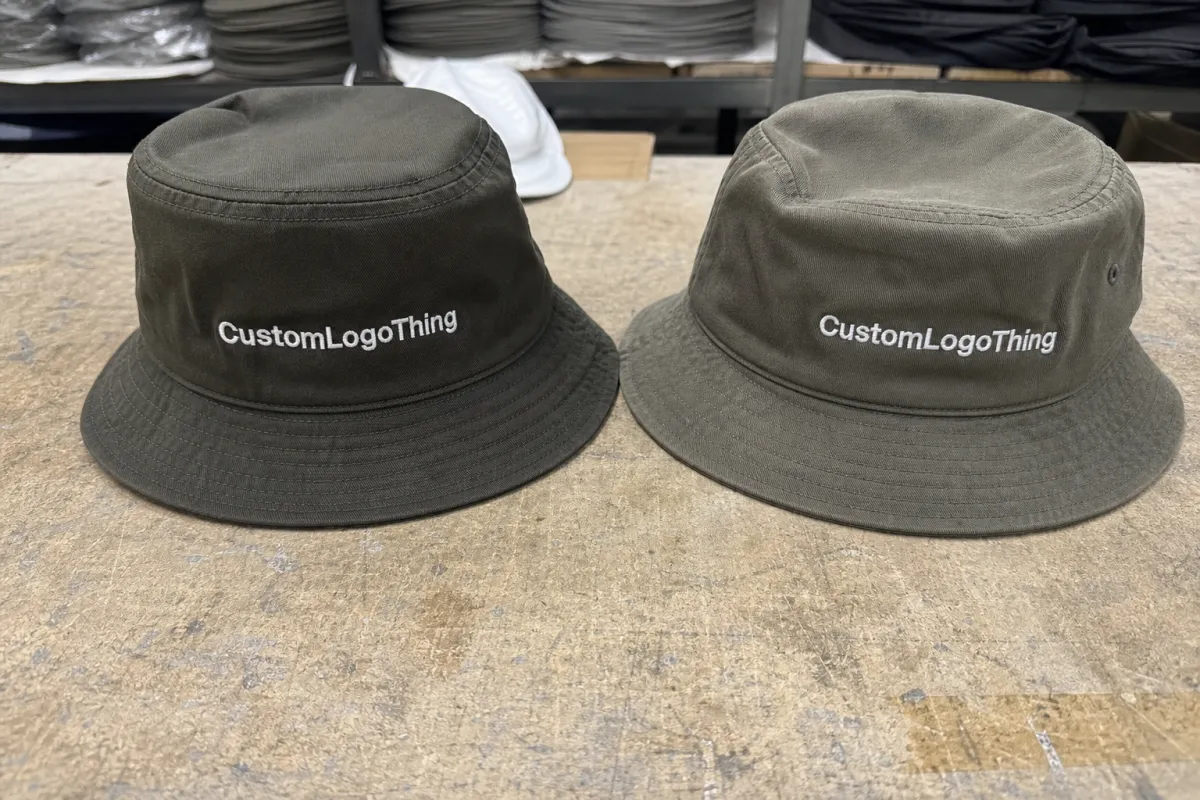
The first run usually gets the most attention. Buyers are checking fit, artwork placement, thread color, packaging, and approval timing. The second run can move faster, which sounds efficient until a file goes missing or a supplier assumes nothing changed. A good bucket hats reorder plan assumes the factory is not filling in gaps. It needs the exact style code, the approved artwork, and the production notes that were used to land the first order.
Repeat production rarely copies itself perfectly unless the inputs are controlled. Cotton twill can arrive with a slightly different dye lot. A woven patch may use a backing material that feels marginally firmer. Embroidery tension can shift if a machine is reset from scratch instead of using the earlier setup record. None of that is unusual in apparel manufacturing, but each variation can be visible once the product is merchandised in a row.
The cleaner the approval trail, the easier the reorder. Collect the original sample reference, style number, fabric composition, color code, logo size, placement measurements, carton count, and whether the approved sample was a pre-production sample or a sales sample. Those are not interchangeable records. A sales sample can look right while still missing the exact finishing method or mill lot that shipped on the production run.
Internal alignment matters too. Purchasing tends to focus on unit cost. Marketing watches logo clarity. Receiving cares about carton labels, pack counts, and size stickers. If those groups are approving different assumptions, the reorder can stall even after the quote is accepted. The best restocks I see are the ones where one person owns the spec, one person owns the artwork, and everyone else signs off on the same version before production is released.
There is also a timing issue that buyers underestimate. A reorder placed too close to sell-out often has no room for a sample round, a patch correction, or a packaging revision. That is how a simple restock turns into an air freight decision. Lead time does not usually break because sewing is hard; it breaks because the order was released before the inputs were stable.
Product details that need to stay locked from crown to trim
Bucket hats look simple from a distance, but the details stack up quickly. Start with the body fabric. Cotton twill, washed cotton, nylon, polyester blends, and canvas all behave differently in hand and after sewing. Cotton usually gives a softer drape and a more familiar retail feel. Nylon feels lighter and more technical. Washed finishes change the surface again, even when the weight is similar on paper.
Then lock the silhouette. Crown height, brim width, panel count, seam style, and topstitch spacing all change the finished shape. A 4-panel bucket hat and a 6-panel bucket hat may share the same catalog description, yet they sit differently on the head and read differently from a display table. For repeat orders, measure the approved sample and record the dimensions in both inches and millimeters. That extra step prevents a lot of arguments later.
Decoration should be written in plain, specific language. Say embroidered logo, woven patch, printed label, silicone patch, or mixed decoration, and include exact placement rules. If the first run used a woven patch on the front panel and a small embroidered hit on the side, both placements need to be stated. Patch diameter, stitch density, border width, and edge finish can all change the visual balance of the hat, especially on softer bodies.
Trim is where accidental variation often slips in. Eyelets, sweatband style, under-brim color, binding, size label, hang tag stock, and packaging format should be spelled out. If the original order used a recycled paper hang tag, write down the paper weight and whether it carried FSC certification. If the carton pack was built for warehouse speed, duplicate it. That includes inner bags, outer cartons, carton labels, and the exact position of the size sticker.
Do not overlook the underside of the brim. Buyers often focus on the logo face and forget that a dark under-brim can make the hat feel more premium, while a contrasting one changes the whole read. The same goes for stitching thread. A thread color that blends on a small proof can stand out more once it is repeated across hundreds of pieces. The reorder should state the thread code, not just the color name.
Specs that prevent color drift, fit issues, and mixed cartons
A spec sheet is the fastest way to stop small disputes before they start. Write it clearly, with measurable values and no room for interpretation by eye. Use both inches and millimeters for crown depth, brim width, and circumference. Include tolerance bands, not just target numbers. A 58 cm head size is not the same thing as “one size fits most” if the hat needs to serve a specific retail audience or promotional use case.
Color is another place where repeat orders get messy. Match the Pantone reference, thread chart, and fabric shade to the approved master. If the first run used a specific dye lot, keep that note in the file. Small shade movement is normal in textile work, but the buyer should decide ahead of time what is acceptable. Some brands allow a slight shift on internal replenishment orders. Others reject anything that looks different under store lighting, even if it passes in the sample room.
Fit problems are often the result of several tiny changes, not one obvious defect. A brim that is 3 mm narrower, a crown that is a little taller, and a sweatband that pulls tighter can change the way the hat sits. That is why the reorder document should point back to the approved sample as the master record. If the hat needs to fit the same customer profile, the head circumference tolerance, closure method, and adjustability should stay locked.
Mixed cartons are a warehouse problem first and a customer problem second. Ask for carton pack counts, inner packaging, size stickers, and label placement to be repeated exactly. If the first shipment was packed 50 pieces per carton with one inner polybag arrangement, there is no reason to leave that open on a repeat order. Clean receiving starts with clean packing instructions, and those instructions should be detailed enough that another team can follow them without guessing.
Transportation deserves the same level of attention. A bucket hat seems light, but the shipment can still be damaged by crushed cartons, moisture, or poor pallet wrap. For parcel moves or mixed freight, some buyers compare carton requirements with ISTA methods that fit the route. That is especially useful if the order includes display-ready packaging, thicker outer cartons, or retail labels that need to survive sorting and repeated handling.
If the order will travel internationally, build in extra caution around humidity and transit time. Cotton bodies can hold a crease if cartons sit too long under pressure. Nylon and polyester are usually more forgiving, but printed labels, adhesives, and folded inserts can still shift. The carton spec should reflect the route, not just the product.
Pricing, MOQ, and unit cost for repeat bucket hat orders
Repeat pricing should be judged by method, not by one headline number. A bucket hat with flat embroidery does not cost the same as one with a stitched patch, and a silicone badge carries a different tooling and labor profile again. The unit cost changes because the production steps change. That seems obvious, yet buyers still compare quotes as if all decoration methods were interchangeable.
For a typical repeat order, basic cotton twill bucket hats with one-color embroidery might land around $4.20-$7.00 per unit at 500 pieces, depending on fabric choice, stitch count, logo size, and packaging. A woven patch version can land in a similar range or slightly higher if the patch artwork is more detailed. A silicone or PVC patch generally runs higher because of tooling, extra setup, and slower finishing. Smaller quantities usually sit at the upper end of the range because setup gets spread across fewer pieces.
The MOQ matters just as much as the unit price. If the factory minimum is 300 pieces and your forecast says 450, you may be able to consolidate colorways or adjacent SKUs in one production window and improve the landed cost. If you only need 200 pieces, the quote can still work, but setup charges will carry more weight. In practice, a reorder becomes more efficient when the buyer can bundle artwork, packaging, and delivery timing into one clear release.
Watch the quote line by line. Setup charges, embroidery digitizing, patch tooling, sampling, carton labeling, and freight should be separated rather than buried in one lump sum. That makes it easier to compare the first run with the reorder and see where the savings actually come from. Sometimes the factory is cheaper because the setup already exists. Sometimes the savings come from a larger quantity. Sometimes the price looks better only because packaging has been simplified.
Price stability also depends on material availability. If the original fabric is still in stock, a reorder can move faster and stay closer to the earlier cost. If the fabric has been discontinued or replaced, expect a different quote. The same applies to trims, labels, and packaging components. A two-cent change in a hang tag can matter little on one order and a lot on a large retail program. Buyers who want predictable costs should ask the supplier to identify which items are repeatable and which ones are exposed to market swings.
| Decoration method | Typical unit impact at 500 pcs | Lead-time effect | Best fit |
|---|---|---|---|
| Flat embroidery | $4.20-$7.00 | Usually moderate | Clean branding, low to medium stitch count |
| Woven patch | $4.50-$7.80 | Moderate, plus patch production | Sharper detail and repeat logo consistency |
| Silicone or PVC patch | $5.20-$8.50 | Longer if tooling is new | Bold retail look with tactile finish |
| Mixed decoration | $5.00-$9.00 | Longest of the group | Premium programs with multiple placements |
If the line uses recycled paper hang tags, ask whether the stock carries FSC chain-of-custody documentation. That may not affect the hat itself, but it does affect compliance records, retail paperwork, and how the order is described internally. The reorder spec should capture that just as clearly as the stitch count.
Process, lead time, and production steps for a clean restock
A clean restock starts with reapproval, even if the design has not changed. Confirm the artwork files, target quantity, delivery date, packaging instructions, and style reference before production starts. That single step prevents a surprising amount of confusion later, especially if several people touched the original order and one of them has since moved on.
Lead time should be built from the real production path, not guessed from the first order. Material availability, decoration method, sewing capacity, inspection time, and outbound freight all affect the schedule. If a reorder uses the same fabric but a different patch supplier, the new run may not move as fast as the first one. If the original order required a pre-production sample, the reorder may skip that step only if the spec is unchanged and the approval file is complete.
Most bucket hat runs still benefit from a clear quality checkpoint. One check before cutting catches fabric or trim issues. A mid-run inspection confirms decoration placement and stitch quality. A final review catches carton marks, size labels, and pack accuracy. That does not need to be elaborate. It needs to be documented, repeatable, and tied to the approved sample. An AQL-style inspection plan gives everyone a shared language for what gets accepted, what gets reworked, and what needs another round of approval.
Production timing also shifts depending on the decoration. Flat embroidery is usually easier to schedule than mixed decoration with patches, printing, and extra trim. Woven patches need their own production window. Silicone or PVC patches can add tooling time if the mold is not already approved. Buyers sometimes assume all decoration is handled in one pass. In practice, there can be several handoffs before the hat is finished.
Shipping instructions should be as specific as the product spec. If cartons need palletization, if the order is shipping to a distribution center with strict dock hours, or if the retailer wants size labels visible on the outside, put that in writing. If the cartons are going by domestic parcel, ask for drop-test expectations that fit the route. If they are moving internationally, allow for extra handling and moisture exposure. The best schedule is the one that assumes real freight, not ideal freight.
One person should own the replies. Split communication slows everything down: one contact answers artwork, another answers packaging, and a third answers delivery timing. A single point of contact keeps the process moving and reduces the chance that a factory receives conflicting instructions after production has already been released.
There is a practical reason buyers lose time on repeat orders: assumptions multiply. Someone assumes the same carton count as last time. Someone else assumes the logo placement did not change. Another person assumes the fabric code is still active. A disciplined reorder process forces each assumption into a written line item. That is not bureaucracy. It is how you keep a repeat run from becoming a new project.
What to look for in a reorder partner before you release the PO
A good reorder partner is not just a source. They are a record keeper. The best teams store the approved spec clearly, track revision history, and can explain what changed between the first run and the next one without forcing you to search old emails. That matters more than many buyers realize, because most restock failures begin with missing information rather than poor sewing.
Ask direct questions about material substitutions. Fabric shade can shift if the original mill lot is gone. Patch stock can change if a supplier swaps backing material. Trim can disappear or become a special-order item. A dependable partner will tell you early, not after the PO is already in motion. That kind of honesty is worth more than a lower quote that hides the risk until the last minute.
It also helps if the supplier flags production constraints before they turn into a missed ship date. Tight MOQ breaks, slow artwork approval, holiday shutdowns, and freight delays should be part of the conversation up front. I would rather hear that one more day is needed to confirm patch stock than discover a week later that an unnoticed substitution changed the look of the order.
Documentation is the final filter. Look for revision control on the artwork, a clear approval trail, and carton notes that match the purchase order. If the vendor cannot show which version was approved, the next reorder will always carry risk. Suppliers who treat paperwork as part of the product tend to handle repeat runs with more discipline, because they know exactly what they made last time.
The best partners also know how to say no to the wrong shortcut. If a replacement fabric is too far off in hand feel, or a substitute patch will change the color edge, they should surface that early. A supplier that always says yes can be convenient in the moment and expensive later. On a repeat order, the right answer is the one that protects continuity.
If your bucket hats are part of a wider line, the same partner should be able to keep other programs consistent too. That matters for seasonal retail buys, employee merchandise, and wholesale replenishment. A supplier that can manage repeatability across categories usually brings better discipline to the hat reorder as well.
Next steps to place the reorder without delays
Before you Request a Quote, gather the approved sample reference, style code, artwork files, carton instructions, and the last purchase order. That packet gives the supplier enough information to price the job correctly on the first pass. It also reduces the chance that the quote leaves out a packaging detail or a decoration step that turns into a surprise later.
Then confirm the variables that matter most: quantity, color breakdown, target delivery window, logo placement, and any packaging changes. If you want the same woven patch, say the same woven patch. If you want a new hang tag or a different retail bag, say that too. A clean bucket hats reorder plan depends on clarity, not assumptions.
Approve the proof or sample quickly, but not casually. Check stitch count, logo placement, under-brim color, carton count, and label language against the approved version. If the reorder is meant to match a prior run, compare it against the master sample, not against memory. That small discipline saves money and keeps the restock on schedule.
Release the PO with one clear contact for questions and one clear delivery date. That sounds simple, yet it is where many restocks go sideways. A good repeat order is a chain of controlled decisions: fabric, decoration, pack-out, approval, and timing. Keep those decisions tight and the second run usually feels calmer than the first.
It also helps to confirm what will not change. State that the crown depth is fixed, the brim width is fixed, and the packaging format is fixed unless a revision is approved in writing. That one line removes a lot of ambiguity. Repeat orders fail most often in the gaps between “same as before” and “I thought we meant the same as before.”
How early should I start a bucket hats reorder plan before stock runs out?
Start as soon as inventory drops to the point where a new production cycle can still cover sell-through plus shipping time. If the hats use custom embroidery, patch tooling, or special trims, allow extra time for approvals and sourcing before you release the order.
What details should stay the same on a bucket hat restock order?
Keep the fabric, crown shape, brim width, decoration method, and color references locked to the approved sample. Also confirm carton count, labeling, and packaging so the new shipment lands the same way the first one did.
Can I change the logo size on a repeat bucket hat order?
Yes, but any size change should be reviewed against stitch count, placement, and the overall balance on the crown or front panel. Small changes can affect cost and production time, so ask for a revised proof before approving the reorder.
Why does unit cost change on a bucket hat reorder even when the design is the same?
Pricing can shift with quantity, decoration method, fabric availability, packaging, and freight conditions. If the reorder is larger or the setup work is already complete, the unit cost may improve compared with the first run.
What should I send first when asking for a bucket hats reorder quote?
Send the approved sample reference, style code, quantity, color breakdown, logo files, and target delivery date. Include any changes to packaging or labeling so the quote reflects the full job instead of only the hat itself.
If the reorder is handled with the same discipline used on the original approval, the restock is usually calmer, faster, and easier to receive. That is the real value of a solid bucket hats reorder plan: it protects the look, the timing, and the unit cost without turning a repeat order into a new round of guessing.

