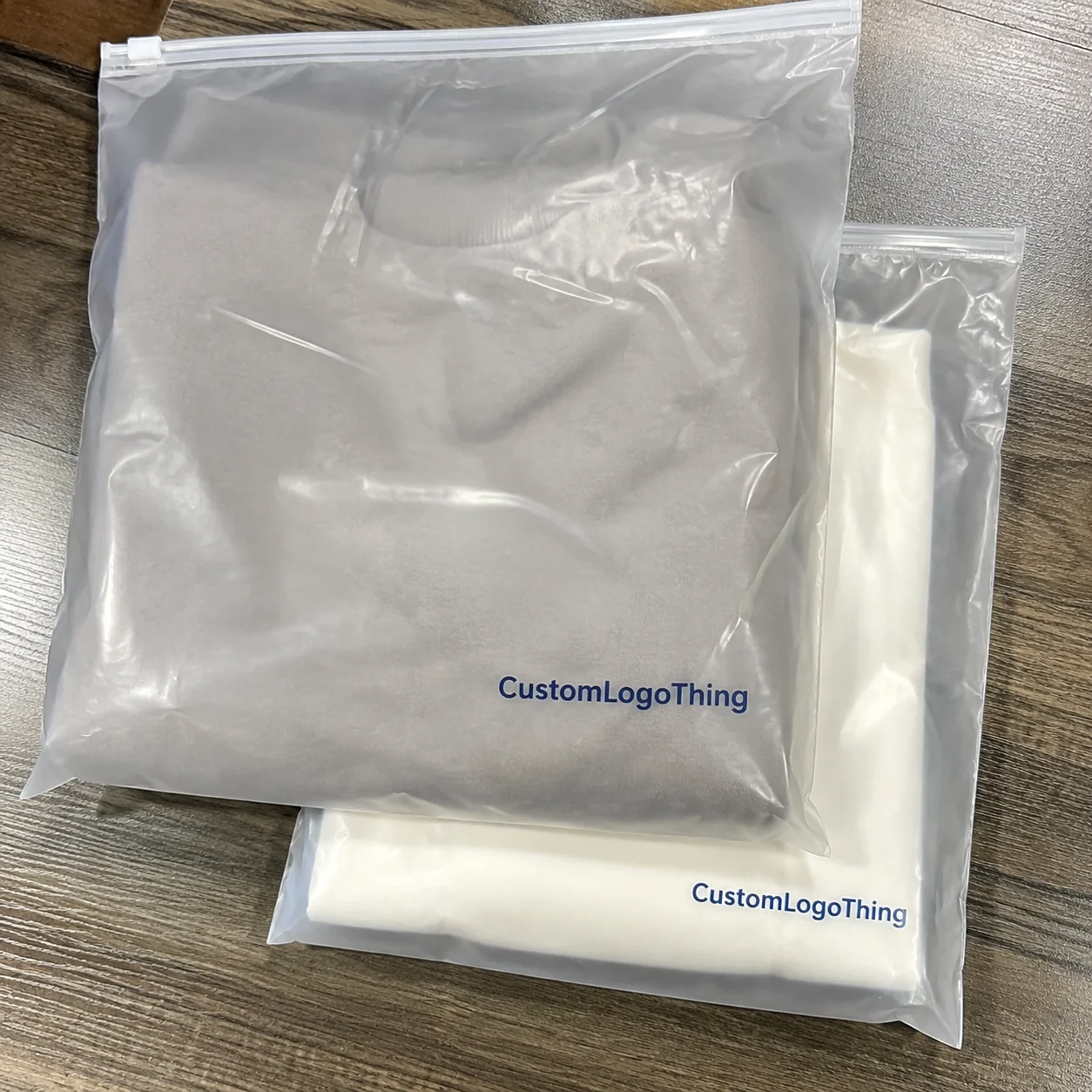
For brands that need proof before they commit, a Five Panel Caps small batch custom order is usually the safer path. It keeps the risk manageable, gives you room to test artwork, and exposes the small production issues that are easy to miss on a screen. The five-panel format also gives the front a broad, uninterrupted field, which helps logos, patches, and short text read more cleanly than they often do on busier cap constructions.
That matters if the caps are part of a launch, a team store, a retail bundle, or a seasonal drop where inventory has to move quickly. A small run is not just a budget decision. It is a way to learn whether the style, the fit, and the decoration method actually match the audience before the order gets expensive. If the cap sits beside a broader Custom Packaging Products program, the same discipline applies: confirm the spec early, then keep the build consistent with how the item will be sold and packed.
Why five panel caps small batch custom order is worth testing first
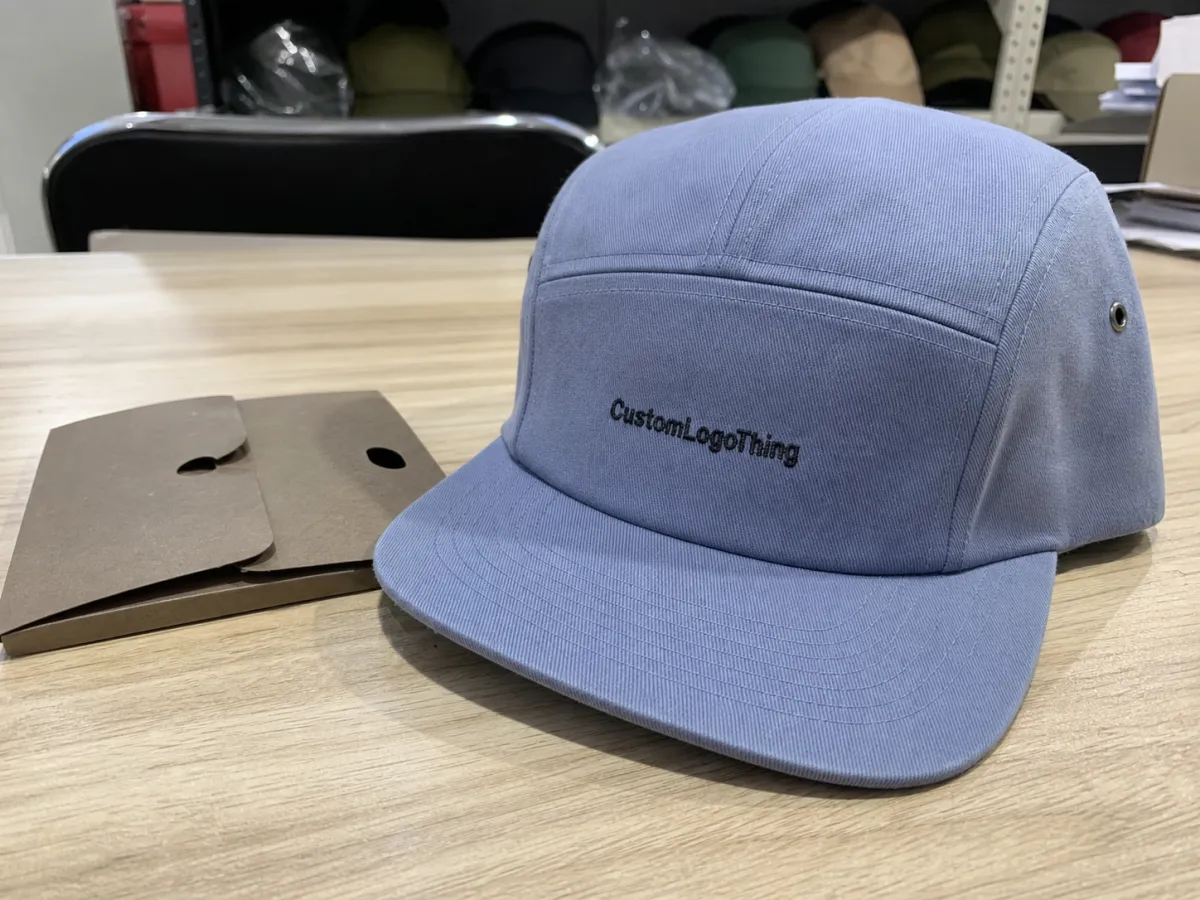
The five-panel cap is practical because it reduces visual interruption across the front panel. That front section can carry a logo with smaller type, sharper linework, or a simple icon without fighting a center seam. For brands that need a cap to do real merchandising work, that matters more than novelty. The style is clean, readable, and familiar enough that the decoration becomes the focus rather than the panel construction.
Small-batch buying also limits the cost of being wrong. If a cap is tied to a pop-up, staff uniform, event, or short retail window, ordering too many units can leave dead stock on shelves and cash tied up in the wrong colorway. A narrower run lets you compare how different closures, fabrics, and decoration methods perform before you place a larger repeat order. It is easier to correct course on 100 units than on 1,000.
One common mistake is starting with decoration and treating the rest of the build like background noise. The better sequence is the opposite. Decide who will wear the cap, how often, and in what setting. A giveaway cap does not need the same finish as a premium retail piece. A staff cap needs consistency and comfort. Once the use case is clear, the right fabric weight, crown profile, and closure usually become obvious.
In small runs, the cap works best when the structure, sweatband, and closure all match the audience. The front panel is only one part of the decision.
Panel shape, crown profile, and fit details buyers should confirm
A five-panel cap has one front panel and four surrounding panels that shape the crown. Compared with a six-panel cap, the front stays uninterrupted, which gives decoration more room to breathe. That clean face is helpful for logos with small type, geometric shapes, or artwork that loses clarity when it crosses seams. The style is also a good fit for package branding programs where the cap needs to feel like part of a larger visual system rather than a stand-alone novelty item.
Before asking for a quote, buyers should pin down the details that change the sample. Crown depth affects how the cap sits on the head. Low-profile builds feel closer and more casual; mid-profile versions carry a little more height; taller crowns read more fashion-forward but can look wrong if the audience wants a restrained fit. Structured fronts keep shape better and give embroidery or patch work a flatter base. Unstructured fronts feel softer, but they can wrinkle more easily and sometimes make the decoration look less precise.
Brim shape matters too. A flat visor gives a different retail feel than a slightly curved one, and the wrong choice can make a cap look off-brand even when the artwork is correct. The closure should be set at the same time: snapback, strapback, buckle, or fitted style. Snapbacks are usually the easiest to source and quote. Strapbacks and buckles often feel more finished. Fitted looks can raise the minimum and make sizing less forgiving. Add sweatband preference, visor underside color, and any label placement to the spec sheet so the approval sample reflects the actual order.
If the cap is part of broader product packaging or branded packaging work, the finish should match that level of discipline. A cap with a polished outer presentation but vague specs underneath tends to create avoidable friction during production. Clear measurements and clean naming conventions reduce the back-and-forth that slows down small runs.
Good buyers are specific. A front-panel width, crown height, and decoration placement listed in plain language can save more time than a dozen vague emails.
Materials, closures, and decoration options that change the sample
Fabric choice changes the final feel as much as the price. Cotton twill is the default for a reason: it is stable, easy to decorate, and predictable in production. Brushed cotton feels softer and more casual. Canvas adds a tougher, more structured look. Performance blends can lower weight and improve moisture handling, but they can also change how embroidery sits on the surface, so they deserve a closer look before production starts.
If the cap needs to hold its shape, ask about lining, buckram, seam tape, and reinforcement in the front panel. These details are rarely visible in mockups, but they shape the hand feel and the way the cap wears over time. For a premium retail piece, a stiffer front panel can keep the artwork looking cleaner. For a casual drop, too much structure can make the cap feel overbuilt. The best choice depends on how the cap will be worn, not just how it looks in a product photo.
Decoration choice has a direct impact on cost and lead time. Flat embroidery is still the cleanest option for many logos because it is legible and generally easy to scale. Puff embroidery works for bold lettering and simpler shapes, but it needs enough space and a design that can take raised stitching without collapsing. Woven patches are useful when the artwork has fine lines or several colors. PVC patches create a heavier tactile look, often preferred for outdoor or utility aesthetics. Printed patches and woven labels can save a design with tiny details that embroidery would blur.
If you are planning paper inserts, hangtags, or cartons around the cap, FSC guidance is useful for paper sourcing claims: FSC. That does not change the cap itself, but it can affect how the whole project is represented to the customer.
| Option | Best for | Typical add-on impact at 100-250 pcs | Notes |
|---|---|---|---|
| Flat embroidery | Clean logos, text, and simple icons | About $1.50-$3.50 per unit | Usually the most versatile choice for a five-panel front panel |
| 3D puff embroidery | Bold lettering and strong shapes | About $2.50-$4.50 per unit | Needs simple artwork and enough stitch space |
| Woven patch | Fine detail and multicolor art | About $2.00-$4.00 per unit | Good balance of detail, durability, and a flatter finish |
| PVC patch | Outdoor look and tactile branding | About $2.50-$5.00 per unit | Heavier feel, strong visual presence, more material handling |
| Printed patch or woven label | Tight budgets or highly detailed art | About $1.25-$3.00 per unit | Useful when the logo has thin lines or small type |
Closures deserve the same attention as decoration. A snapback is simple, widely understood, and usually efficient for small batches. A strapback or buckle can push the cap toward a more retail-minded finish. If the fit needs to be exact, a fitted style may sound attractive, but it narrows the range of wearers and can raise the MOQ. Ask for the underside visor color, thread color, and label location in writing. Those details rarely break the design, but they do determine whether the sample feels finished.
Cost, pricing, MOQ, and quote factors for smaller runs
For a small run, the price is shaped by more than the cap body alone. Quantity, decoration method, artwork complexity, and finish choices all matter. Setup fees and sampling can weigh heavily when the order is tiny, which is why a low unit price sometimes hides the real cost of the job. A plain five-panel cap with simple embroidery at low quantity may land in the $6.50-$11.00 per unit range. A more detailed patch build, upgraded closure, or special label treatment can push the number higher. At larger small-batch quantities, the unit cost usually improves, but the exact break depends on the spec.
MOQ is not only a factory number. It reflects cutting efficiency, decoration setup, and how many handling steps the order requires. A simple embroidery run can often support a lower minimum than a cap with a custom patch, mixed materials, or a more complicated pack-out. If you are comparing options, ask for tiered pricing at 50, 100, 250, and 500 units. That makes it easier to compare real unit economics against expected sell-through instead of guessing from one quote line.
It helps to ask early about charges that can appear after the first estimate. Artwork cleanup, strike-offs, rush handling, extra labels, special bagging, and carton sorting can shift the total. If the cap is going out with custom printed boxes or other retail packaging, fold those costs into the project from the start. A low cap price can disappear fast once the pack-out and freight are added.
There is also a production reason to resist the cheapest quote. If the price looks unusually low, something in the spec may be weaker than expected: thinner material, less reliable stitching, simplified decoration, or a longer lead time. Those tradeoffs are not always bad, but they should be visible before approval rather than discovered after the order lands.
A low unit price only helps if the cap is actually the one you can sell, ship, and reorder.
Process and timeline from artwork approval to shipping
The order flow is usually straightforward: inquiry, artwork review, quote, mockup or sample approval, production, quality check, packing, and shipment. The steps sound simple, but delays often start before production begins. If the logo is not ready in vector form, the buyer is still choosing between patch and embroidery, or the closure has not been fixed, the calendar slips while the order waits for decisions.
In a typical small run, a mockup may return in one to two days. A sample, if one is required, often takes one to two weeks depending on material availability and decoration method. Production for a five panel Caps Small Batch Custom Order is commonly in the 12-20 business day range after approval. Simpler in-stock builds can move faster; custom fabrics, complex patches, or mixed colorways can slow the schedule. Shipping sits outside production time, and the difference between air freight and ocean freight is often the difference between hitting a launch date and missing it.
Send the information that actually drives the build: vector art, Pantone references if available, exact quantities by colorway, closure preference, desired finish, and the date you need the caps in hand. If the order supports a larger retail release, ask how the packed goods will be marked and counted. For a broader view of handling and transit standards, organizations like ISTA publish testing guidance that helps buyers think about carton strength and shipment stress. That is more useful than it sounds, especially when caps are traveling with other merchandise.
Rush orders are possible, but only when the materials are already in stock and the decoration is simple. Custom-dyed fabrics, special closures, or new patch tooling tighten the schedule fast. The more unusual the build, the less room there is for shortcuts.
Quality checkpoints that protect consistency in a small run
Small batch should not mean loose standards. The same checks that matter in a larger run still matter here: seam symmetry, stitch density, logo placement, crown balance, brim shape, and sizing consistency. On a five-panel cap, the front panel is highly visible, so even a small shift in patch placement or embroidery alignment stands out quickly. The sample exists to catch that before the full order is sewn.
Ask for a visual approval set that shows exact placement and sizing, not just a general mockup. Front-panel width, decoration dimensions, thread color calls, and panel color names should be written clearly. If the order is split across multiple colorways, confirm whether each color is using the same fabric lot. Dye lot variation can look subtle on a quote sheet and obvious in person, especially on darker shades and heathered materials.
Pack-out checks matter too. Polybagging, size stickers, carton labels, and assortment counts should be confirmed if multiple colors are involved. If the caps are part of a larger package branding system, the outer presentation should stay consistent with the rest of the line so the order does not feel stitched together from separate jobs. For wholesale use, review Wholesale Programs details before approving the final pack-out, since case configuration and split quantities can affect how the goods are received downstream.
The most common mistakes are not dramatic. They are vague artwork files, missing measurements, and last-minute spec changes after approval. Each one creates a small delay that multiplies across the rest of the schedule.
What a responsive supplier should clarify before you order
A responsive supplier should do more than repeat the spec back to you. They should tell you whether the artwork is suitable for embroidery, whether a patch will preserve the detail better, and whether the requested closure makes sense at your quantity. That kind of feedback matters on a Five Panel Caps small batch custom order because the front panel may look generous, but not every design belongs on every fabric.
The strongest quoting conversations sound practical rather than promotional. A good supplier will ask for the cap profile, artwork format, target use, color count, and whether the cap needs to coordinate with other branded packaging or merchandising materials. If the order sits inside a wider product launch, that context can affect how the cap is packed, labeled, and finished. For buyers who need a checklist before placing a first order, see FAQ for the kinds of details that usually determine whether a project runs cleanly.
What you want is clear tradeoff language: this fabric holds shape better, this closure costs less, this decoration carries detail better, this lead time is realistic, this MOQ is tied to the actual build. That sort of feedback reduces rework and keeps the order from turning into an improvised compromise. In small-batch production, clarity is usually worth more than speed.
Good production guidance sounds plain because the value is in removing surprises before they reach the factory floor.
Next steps to place the order without delays
If you are moving ahead, keep the request complete and easy to quote. Send the vector artwork, target quantity, preferred colorways, closure style, decoration method, and the date you need the caps delivered. If you already know the pack-out or retail presentation, include that too. A short brief with the right details is faster to review than a long thread with missing specs.
- Send vector art and any Pantone references.
- Confirm the five-panel build, crown profile, and closure.
- Ask for unit pricing at several quantity breakpoints.
- Request sample cost if a sample is needed.
- Confirm the most realistic production timeline before approval.
Ask the quote to spell out MOQ, decoration method, setup costs, packaging details, and shipping assumptions so nothing is buried. If a proof or sample is part of the process, sign off only after the cap matches the spec line by line. That is the cleanest way to protect margin and avoid a late-stage revision.
For a Five Panel Caps small batch custom order, the work is less about finding a dramatic concept and more about getting the details right: the crown, the closure, the decoration, the lead time, and the pack-out. Once those match, the cap tends to do its job without drama.
What is the usual MOQ for a five panel caps small batch custom order?
MOQ depends on the cap style, decoration method, and closure, but the minimum is usually lower for simple embroidery than for custom patch work or more complex finishing. Ask for tiered pricing so you can compare the true unit cost at different quantities before committing to a larger run.
Can I mix colors in one small batch custom five-panel cap order?
Mixed colors are often possible, but the answer depends on fabric availability, dye lot consistency, and whether the order is split across more than one production set. Confirm whether the quote assumes one colorway or several, because color changes can affect pricing and lead time.
Which decoration method works best on five-panel caps for smaller quantities?
Flat embroidery and patch applications are common choices because the front panel gives artwork a clean, readable placement. The best method depends on logo detail, desired texture, and budget, so the artwork should be reviewed before quoting.
How long does a five panel caps small batch custom order usually take?
Lead time depends on approvals, materials, and decoration complexity, but the full process usually includes quoting, mockup approval, production, and shipping. A clean approval process is the fastest way to protect the schedule, especially when the order is tied to a launch date or event.
What artwork and spec details should I send for an accurate quote?
Send vector artwork, quantity, preferred cap color, decoration method, closure style, and any Pantone or brand color references. If you already know the target delivery date and packaging needs, include those too so the quote reflects the full job scope.