Buyer Fit Snapshot
| Best fit | Bundling Packaging and Fulfillment Contracts projects where brand print, material claims, artwork control, MOQ, and repeat-order consistency need to be specified before quoting. |
|---|---|
| Quote inputs | Share finished size, material target, print colors, finish, packing count, annual reorder estimate, ship-to region, and any compliance wording. |
| Proofing check | Approve dieline scale, logo placement, barcode or warning zones, color tolerance, closure strength, and carton packing before bulk production. |
| Main risk | Vague material claims, crowded artwork, missing packing details, or unclear freight terms can make a low unit price expensive after revisions. |
Fast answer: Bundling Packaging and Fulfillment Contracts: Material, Print, Proofing, and Reorder Risk should be specified like a repeatable production item. The safest quote records material, print method, finish, artwork proof, packing count, and reorder notes in one written spec.
Production checks before approval
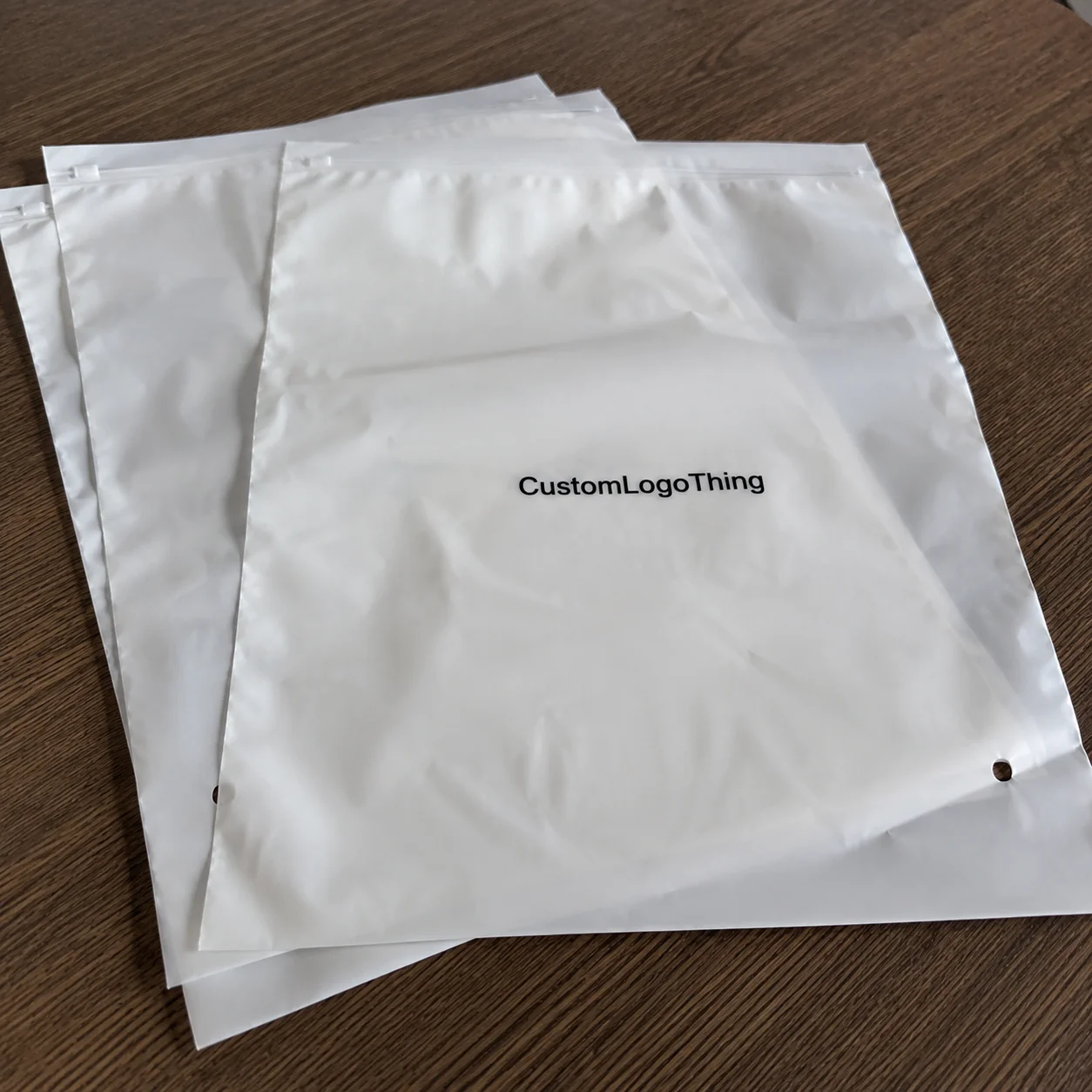
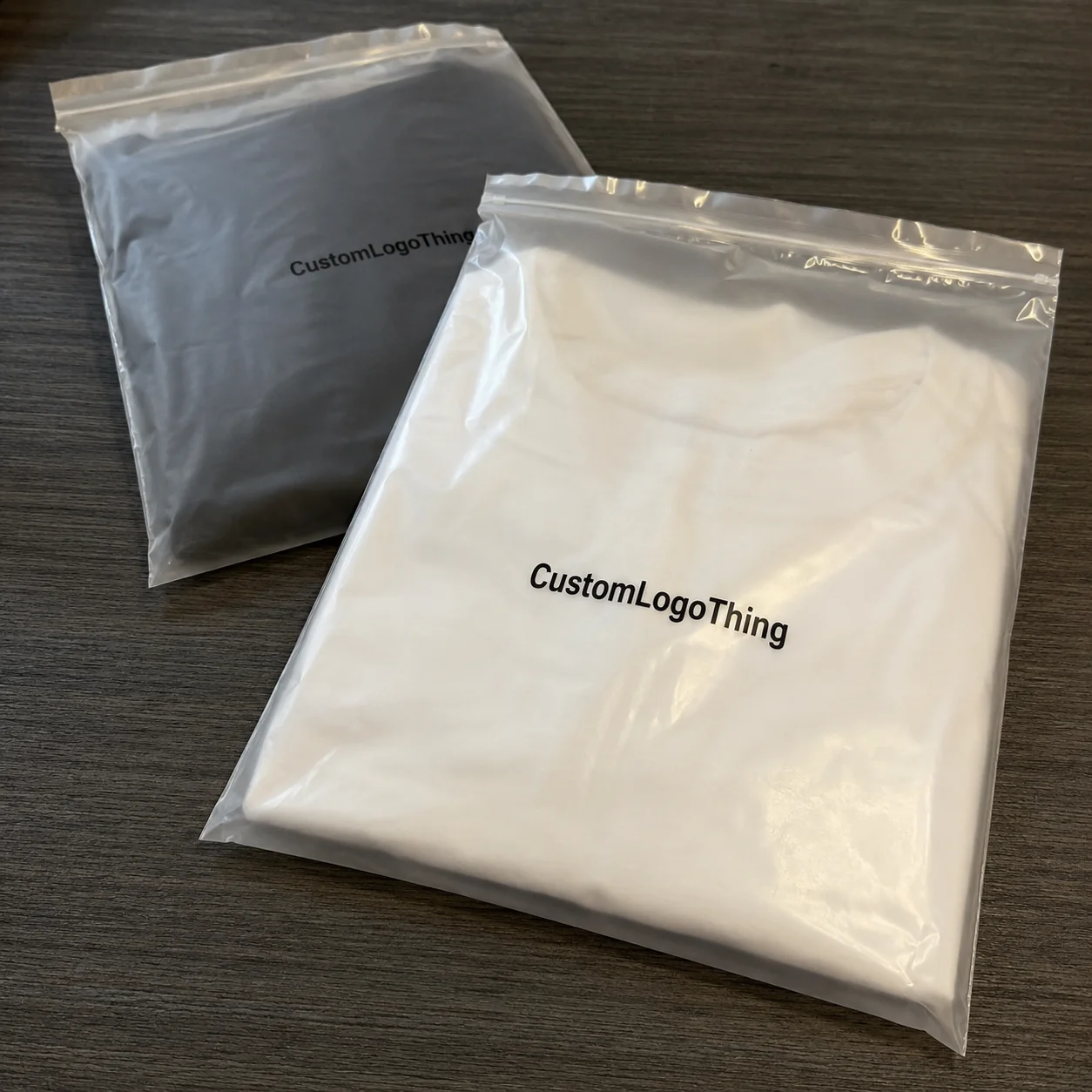
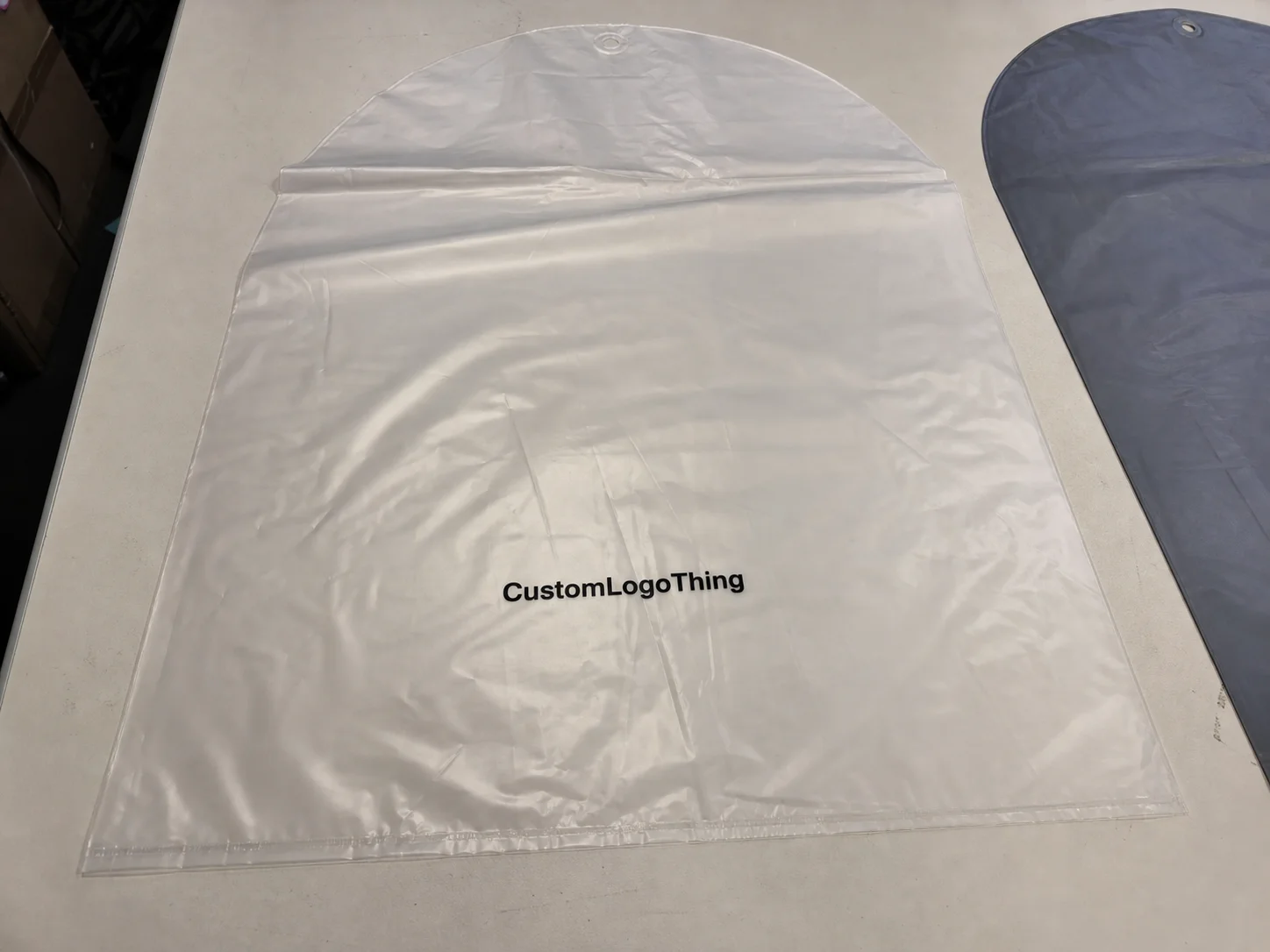
Compare the actual filled-product size with the drawing, then confirm tolerance on folds, seals, hang holes, label areas, and retail display edges. Reserve space for logos, QR codes, warning copy, and material claims before decorative graphics fill the panel.
Quote comparison points
Review material grade, print process, finish, sampling route, tooling charges, carton quantity, and freight assumptions side by side. A quote is only useful when the supplier can repeat the same color, closure quality, and packing count on the next order.
Bundling Packaging and Fulfillment contracts tips can save money, but only if the numbers actually hold up on paper and in the warehouse. I’ve sat through enough vendor reviews in Dallas, Toronto, and Cleveland to know that a “simpler” contract can turn expensive fast if storage, labor, carton sourcing, and packaging charges are buried in the fine print, especially once lead times slip by 3 to 5 business days and the customer service team starts chasing missing cartons from a 1,200-unit inbound shipment. Honestly, I think that’s where the whole thing gets slippery: the contract looks tidy on paper, then suddenly you are explaining to finance why the invoice grew a set of suspicious little teeth.
The biggest mistake I see is treating bundling as an administrative choice instead of an operational one. It changes who owns inventory, who controls packaging design, and who absorbs the pain when a 2,000-unit run of custom printed boxes arrives with the wrong insert size or a 0.5 mm board tolerance gets ignored at press check. The most useful bundling packaging and fulfillment contracts tips I’ve learned came from factory floors in Shenzhen, Milwaukee, and Monterrey, not boardrooms with polished decks. One client saved 14% on monthly admin and labor overhead after moving to a single provider; another lost more than that because no one defined damage claims or peak-season surcharges, and the warehouse billed a $75 rush receiving fee on every trailer that showed up after 4:00 p.m. I remember one operation in Pennsylvania where everyone was certain “the other team” had approved the final dieline (they had not), and the whole month ended in a pile of awkwardly oversized cartons, 600 wrong-size inserts, and very tired people.
In packaging and fulfillment, the contract is the operating system. Get the structure right and brand consistency improves, invoices make sense, and service levels are easier to manage. Get it wrong and you end up with one vendor blaming another while your team reconciles a 1,200-order backlog, a 97% fill-rate target, and a pallet count that never matched the WMS. I’ve seen that movie, and it is not a sequel anyone wants.
What Bundling Packaging and Fulfillment Contracts Means
Bundling packaging and fulfillment contracts means combining several functions under one vendor agreement: packaging procurement, kitting, storage, assembly, pick-and-pack, and outbound shipment. In practical terms, one partner may handle your product packaging inventory, warehouse the materials in a 50,000-square-foot facility, assemble kits, and ship finished orders from a hub in Atlanta, Nashville, or Reno. That can include branded packaging, insert cards, void fill, labels, and even custom outer cartons if the provider has the right equipment, such as a Bobst die-cutter, a Komori offset press, or a manual kitting line with barcode verification at each station.
I’ve seen brands bundle for three reasons. First, fewer vendors means fewer calls when something goes wrong, which matters when a same-day reprint in Chicago is holding up 4,000 subscription boxes. Second, accountability is clearer because there is one primary contact instead of three teams passing around a ticket like a hot potato. Third, the final package tends to look more consistent because packaging design, procurement, and fulfillment live under the same roof. For a subscription brand I advised in Ohio, the switch reduced carton mismatches from 7.8% to 1.9% after they moved to one supplier managing both packaging and kitting. That client told me, with a laugh that sounded half relieved and half exhausted, “I finally stopped playing detective with my own cartons.”
Companies usually discover the true cost of separate contracts only after something breaks. A packaging supplier may hit its MOQ at 5,000 units while the 3PL waits on artwork approval, or the fulfillment house may have inventory but not the right adhesive mailer or die-cut insert for a 350gsm C1S artboard sleeve. The result is delay, rework, and extra freight. A 3-day delay can easily turn into a 7-day delay once relabeling, repacking, and rescheduling carrier pickups enter the picture. That is why bundling packaging and fulfillment contracts tips matter before the crisis, not after it.
Not every service should be bundled. Highly specialized packaging design work, structural engineering, or luxury finishing may deserve a separate best-in-class partner in Los Angeles, Milan, or Ho Chi Minh City. I’ve negotiated projects where the production run stayed with one vendor, but concept development stayed with a packaging studio that knew retail packaging standards inside out and could specify foil stamping, soft-touch lamination, or a 1200 dpi varnish plate without guesswork. That split made sense because the creative risk was higher than the logistics risk.
Common bundled services usually include:
- Packaging procurement and inventory holding
- Kitting and assembly
- Pick-and-pack fulfillment
- Storage and warehousing
- Labeling and relabeling
- Returns processing
Services that sometimes stay separate include:
- Structural packaging engineering
- High-end finishing or foil stamping
- Regulated product handling
- International customs brokerage
The best bundling packaging and fulfillment contracts tips start with one simple question: are you buying convenience, or are you buying a real operational advantage measured in fewer errors, lower per-order cost, and a 12- to 15-business-day proof-to-production cycle?
How Bundling Packaging and Fulfillment Contracts Works
The workflow is usually straightforward on paper and messy in practice. It starts with intake: the vendor gathers SKU data, packaging dimensions, forecasted volume, and shipping rules. Then comes packaging design or spec approval, where art files, dielines, material callouts, and print tolerances get locked in. After that, the provider plans inventory, books warehouse space, receives materials, assembles kits, and ships orders based on cut-off times, usually 2:00 p.m. or 3:00 p.m. local time depending on the carrier lane.
That is the clean version. The real version has at least five handoffs. I’ve stood on a warehouse floor in New Jersey where a 350gsm C1S artboard mailer was approved for one SKU, but the insert depth was updated twice before launch. The team had to scrap 800 units because the change never made it into the final pick ticket, and the reprint took 9 business days plus an extra $1,240 in freight. A bundled agreement can prevent that kind of disconnect, but only if spec ownership is written down in plain language. The frustrating part is that everyone always “remembers the email,” which is corporate shorthand for “absolutely nobody remembers the email.”
There are three common pricing structures in bundled contracts:
- Fixed-fee pricing: one monthly or quarterly amount covers agreed services up to a volume cap.
- Usage-based pricing: charges vary by order count, storage cubic footage, labor minutes, and packaging consumption.
- Hybrid pricing: a base fee plus variable charges for storage, pack time, materials, or overages.
Fixed-fee models are easy to budget, but they often hide assumptions such as 2,500 monthly orders, 1,000 cubic feet of storage, and no more than 3% SKU variation. Usage-based pricing is more transparent, yet it can surprise finance teams when seasonal spikes push labor or storage charges up 18% in a single month, especially if pallet positions rise from 24 to 37 during Q4. Hybrid structures are usually the most realistic for packaging and fulfillment operations because they reflect the fact that a carton, a label, and a packing minute do not behave the same way.
Who owns what? That is where many deals fall apart. The best bundling packaging and fulfillment contracts tips always separate responsibility into clear buckets:
- SLAs: order accuracy, on-time ship rate, damage rate, and inventory variance
- Forecasting: usually shared, but the brand should own demand visibility
- Materials sourcing: may be provider-led, brand-approved, or split
- Quality control: should include incoming inspection, pack audits, and outbound checks
One client meeting still sticks with me. A cosmetics company in California thought it had contracted a packaging partner and a fulfillment house in one neat package. In reality, the vendor outsourced half the workflow to a subprocessor 60 miles away in Riverside, and nobody had visibility into inventory counts until the monthly report landed. Once they rewrote the SLA and added weekly cycle counts, chargebacks dropped by 22%, and the provider moved to a 48-hour discrepancy window for all shortages over 25 units. The client’s reaction was pure understatement: “So we were paying for certainty and getting a mystery tour.”
A bundled contract can reduce administrative work, but it also makes dependencies more visible. That is not always comfortable. If packaging stock is late, fulfillment slows. If fulfillment capacity is tight, packaging sits idle. The upside is that root causes are easier to trace when one agreement covers the whole chain. That is one of the strongest bundling packaging and fulfillment contracts tips I can give: clarity beats simplicity every time, especially when a 3PL in Texas is charging $0.15 per unit for 5,000 pieces of void-fill material and the carton freight lands three days late.
For industry standards and traceability language, I often point clients to the ISTA testing framework and the EPA’s packaging sustainability resources, especially when packaging durability or environmental claims are part of the deal. If the contract references drop tests, vibration testing, or recycled content claims, a named standard is better than a vague promise.
Key Factors to Evaluate Before You Bundle
Before you bundle, compare the economics line by line. I’ve seen deals look attractive on the headline rate, then unravel once storage fees, minimum monthly commitments, and material markups were added. A packaging contract that saves $0.03 per unit on cartons can become more expensive if the fulfillment side adds $0.18 per pick, a $65 pallet storage fee, a $120 monthly reporting charge, and a 12% handling surcharge for peak season. That’s the sort of math that makes a good spreadsheet look like it needs therapy.
Cost and pricing should be broken into unit economics. Ask for pricing on packaging materials, labor, storage, shipping markup, special handling, and pass-through charges. If you are buying 5,000 units, what does the Packaging Cost Per Unit actually look like? If the provider says $0.18/unit for cartons, ask whether that includes print setup, freight, and QC. Many do not, and a 1,000-unit pilot can hide the real landed cost until the second invoice arrives.
Process and timeline matter just as much. How long does onboarding take? How many days from proof approval to first production? What happens if samples need a second round? In my experience, a realistic onboarding window ranges from 12 to 15 business days for a simple branded mailer and 4 to 8 weeks for a more complex retail packaging program with multiple SKUs, inventory transfers, and API setup. A factory in Dongguan may promise 7 days, but if your art file needs a third proof pass, the calendar will not care.
Capability fit is where many bundles quietly fail. A provider might handle basic inserts but struggle with custom printed boxes, retail packaging, or multi-channel order routing. If your business has 42 SKUs and 6 seasonal bundles, the vendor should be able to handle packaging design variations without creating a separate manual process for every exception. I’m opinionated about this: if a provider says “we can probably make that work,” I hear “you’ll be debugging it later,” usually after a 10:00 p.m. Slack message from the warehouse supervisor.
Risk and compliance deserve more attention than they get. Check insurance coverage, damage claims procedures, traceability, and stockout contingency plans. Ask who pays if 300 units are damaged during receiving. Ask how lot tracking is handled. Ask what happens if a carton run is short by 4%. If the answer sounds fuzzy, the contract is fuzzy, and a fuzzy contract can cost $2,500 in emergency rework before anyone notices the missed line item.
Technology integration can make or break the whole relationship. Review API access, EDI capability, inventory visibility, and report frequency. If your team needs daily stock counts but the provider only sends a weekly spreadsheet, the data becomes the bottleneck. I’ve seen operations teams spend 10 hours a week reconciling data that should have arrived in one dashboard, and I’ve seen that same team miss a reorder point by 600 units because the CSV export failed on a Friday afternoon.
| Contract Model | What It Usually Includes | Best For | Watch Out For |
|---|---|---|---|
| Fixed-fee bundle | Packaging, storage, labor, fulfillment up to a set volume | Stable monthly order volume | Hidden assumptions, overage penalties |
| Usage-based bundle | Per-unit storage, pick, pack, and material charges | Variable demand and seasonal businesses | Month-to-month cost swings |
| Hybrid bundle | Base fee plus variable labor and material charges | Brands with mixed demand patterns | Complex invoice review |
One practical note: if your packaging includes specialty finishes, test against recognized standards. For example, if transit damage is a concern, ask how the provider aligns with ISTA test methods. If material sourcing is part of your brand promise, check FSC-certified paperboard options at fsc.org, ideally with a 350gsm to 400gsm C1S or SBS specification and a documented mill of origin. Those details sound technical, but they save real money when a claim is challenged.
These evaluation steps are the backbone of bundling packaging and fulfillment contracts tips because they force the conversation away from vague promises and toward measurable performance, such as $0.15 per unit for 5,000 pieces, 12 to 15 business days from proof approval, and a clearly named plant in Ohio, Kentucky, or Guangdong.
Bundling Packaging and Fulfillment Contracts Tips: Step-by-Step
Start with a spend audit. List every packaging invoice, fulfillment bill, storage charge, chargeback, and internal admin hour tied to the current workflow. I like to separate hard costs from soft costs. Hard costs include cartons, corrugated inserts, void fill, and labor. Soft costs include time spent resolving missing parts, fixing address errors, and re-approving artwork. A brand I worked with found $18,400 in annual admin waste before it even renegotiated the contract, including 94 hours of repeated invoice checks and 11 separate artwork revisions. That number tends to wake people up faster than a polished sales deck ever will.
Next, map your order profile. How many SKUs do you really have? How much does volume swing by month? What percentage of orders needs custom packaging versus standard mailers? Are you shipping 300 units a week or 3,000? The answer changes everything. Bundling packaging and fulfillment contracts tips only work when the vendor’s model matches your actual order pattern, not your hoped-for order pattern, especially if Q4 volume jumps from 900 orders to 2,700 orders in six weeks.
Then, request apples-to-apples quotes. Use the same assumptions for all vendors: same SKU count, same monthly volume, same packaging specs, same shipping zones, same return rate, same cut-off times. If one quote assumes 2,500 orders and another assumes 4,000, you are not comparing anything useful. You are comparing math fiction. Honestly, I have zero patience for that kind of quoting theater, particularly when one vendor conveniently leaves out a $0.06 label fee and another includes a $95 charge for carton storage over 90 days.
“The moment we forced vendors to quote the same packaging spec and the same fulfillment volume, two of them looked 11% more expensive and one looked 7% cheaper. Before that, it was all smoke.”
Build a pilot scope before signing a long-term agreement. I’ve seen too many businesses jump straight into a 24-month term because the vendor looked organized in the sales process. Better to start with 90 days, 2 or 3 SKUs, and measurable KPIs. Track order accuracy, pack time, damage rate, inventory variance, and on-time ship rate. If the numbers improve, expand. If they do not, you have a clean exit and a better data set for the next round.
Negotiate the contract in writing, not in conversation. The strongest bundling packaging and fulfillment contracts tips always include these terms:
- Service levels with clear thresholds for accuracy, turnaround, and damage.
- Price escalation clauses tied to raw material indices, labor, or fuel costs.
- Exit terms that define notice periods, data handoff, and inventory transfer timing.
- Inventory ownership so there is no confusion over who holds title to materials.
- Dispute procedures for claims, credits, and missed ship dates.
Set review checkpoints at 30, 60, and 90 days. In the first month, I look for data problems: wrong SKU mapping, missing barcodes, invoice inconsistencies, or an unapproved $0.07 split-shipment charge. By day 60, I want stable throughput and fewer exceptions. By day 90, I want to know whether the contract is performing the way the sales deck promised, ideally with on-time ship rates above 98% and inventory variance below 0.5%. If not, revise the SOPs or reopen the pricing discussion.
For sourcing and product selection, we often point clients toward Custom Packaging Products when they need a packaging spec that matches the fulfillment process instead of fighting it. That one alignment step can remove hours of rework every month, especially if the right mailer size keeps dimensional weight under 2.0 lbs for Zone 5 shipments.
One small but useful tactic: ask for a shared glossary in the contract appendix. Define what “packed,” “fulfilled,” “shipped,” “received,” and “damaged” mean. I know that sounds basic. It is not. I once watched two teams spend 40 minutes arguing over whether “received” meant unloaded at dock or counted into WMS inventory. That was a 6-figure annual account, and somehow everyone still wanted to talk like the definition was “self-evident.” It was not, and the dispute ended only after the provider agreed to a 24-hour receiving SLA and a 2% sampling rule.
These bundling packaging and fulfillment contracts tips work best when they are treated like a process map, not a sales negotiation, because the right spec, the right rate, and the right timeline all need to survive contact with the actual warehouse.
Common Mistakes When Bundling Packaging and Fulfillment Contracts
The first mistake is chasing the lowest headline price. A vendor may quote a low packaging rate and then recoup margin through storage fees, minimums, or chargeback language. I’ve seen a 9% “savings” disappear after the contract added rush order fees at $45 per incident and inventory count fees at $120 per count, plus a $250 monthly platform fee that was never mentioned during the first call.
The second mistake is ignoring packaging specs. A slight shift in carton size can increase dimensional weight, cause product movement, and damage branded packaging presentation. If your custom printed boxes are 3 mm too large, you may pay more in shipping and still get a worse unboxing experience. That is not a theory. I’ve seen it happen with a direct-to-consumer electronics brand that lost repeat purchases after the foam insert rattled. The unboxing experience went from “premium” to “why is this shaking like a maraca?” in one production change.
The third mistake is assuming one provider can replace all specialists. Sometimes the bundle becomes a compromise. A generalist may be fine for commodity packaging and basic fulfillment, but not ideal for premium product packaging, retail packaging for shelf display, or fragile goods that need tighter QC. Bundling packaging and fulfillment contracts tips should help you consolidate smartly, not flatten expertise into one generic service with a 48-hour response time and no named production lead.
Another error is failing to define liability. Who pays for damaged goods? Who handles returns processing? What happens when a rush shipment is required because of a forecasting miss? If those questions are not answered in the contract, they get answered in dispute. That is usually the more expensive route, especially when a claim review takes 10 business days and the carrier closes the window after 7.
Many businesses under-plan the transition. They move inventory without checking barcode logic, carton dimensions, lot labels, or system sync. The result is stock mismatches and missed ship dates in week one. A clean transition plan should include sample approval, data mapping, test orders, and a physical count of at least 2% of inventory or 100 units, whichever is greater. If you are moving 8,000 units, I would rather count 160 than discover 240 missing pieces after launch.
One supplier negotiation in Texas taught me this the hard way. The brand wanted to switch in 21 days. It had 18 SKUs, two pack styles, and an unpredictable returns flow. We pushed the launch by 14 days, and that extra time prevented a mislabeled lot from entering circulation. The delay looked painful on paper. The avoided chargebacks made it look smart. Nobody loves pushing a launch, but I’d rather be the person who delayed a rollout than the person explaining a warehouse-wide rework to the CFO in Houston.
In short, the wrong bundling packaging and fulfillment contracts tips are the ones that promise speed without controls, or promise savings without showing the $0.22 per order handling stack hiding underneath.
Expert Tips to Negotiate Better Bundled Contracts
Negotiate with volume scenarios, not a single optimistic forecast. I prefer at least three bands: base, upside, and downside. If your current average is 2,400 orders a month, model 1,800, 2,400, and 3,200. That lets you see how pricing changes when the business slows or spikes. Vendors usually respond better to realistic scenarios than to inflated projections they know will never materialize, particularly when the packaging component is tied to a 5,000-piece minimum and a 12-day release schedule.
Ask for a transparent rate card. The best bundled agreements separate packaging, labor, storage, and fulfillment labor into clear line items. That transparency matters because it shows where margin creep can hide. If a provider refuses to itemize, you lose the ability to benchmark. I’ve never seen that refusal help the buyer, and I’ve seen it help the vendor exactly as much as you’d expect, especially when the invoice includes a $0.08 label application line the sales team never discussed.
Push for benchmark clauses or periodic market reviews if the term is long. That does not mean the vendor loses money; it means pricing can be checked against current market conditions. Packaging paperboard, corrugated freight, and warehouse labor all move. A contract that never revisits its assumptions becomes stale quickly, whether your cartons are sourced from Wisconsin, Mexico, or South Korea.
Performance metrics should be tied to measurable outcomes. Ask for:
- Order accuracy at 99% or better, where feasible
- On-time ship rate with cut-off time clarity
- Damage rate tracked by SKU and carrier
- Inventory variance reconciled monthly
- Response time for escalations within one business day
Include an off-ramp. I say this a lot because it saves deals. If the bundled model stops performing, you should be able to separate packaging and fulfillment later without starting from zero. That means the contract should spell out data export rights, inventory ownership, transfer timelines, and transition support. Without that, you are trapped by your own convenience, and a trapped operation can cost an extra $3,000 to $7,000 in emergency freight before the first fix is even approved.
One more negotiation trick: ask the provider to quote both bundled and unbundled pricing. That comparison exposes where the real value sits. Sometimes the bundle is cheaper by $0.12 per order. Sometimes it is more expensive, but only because the packaging spec improved and reduced damage claims by 35% over a 90-day period. That tradeoff can still be worth it. The point is to see it clearly, not politely assume the sales rep’s smile is a pricing strategy.
These bundling packaging and fulfillment contracts tips are strongest when they force precision. Vagueness is expensive. Specificity is cheaper than regret, and a contract with a named plant, a named lane, and a named unit price is much easier to manage than a promise wrapped in adjectives.
What to Do Next After Choosing a Bundled Provider
Once you choose a provider, build a rollout checklist. Include SKU mapping, packaging specs, order routing, label formats, escalation contacts, and sign-off dates. I usually ask clients to name one owner from operations, one from finance, and one from customer service. If no one owns the handoff, the handoff owns you, and that usually becomes obvious within the first 72 hours of go-live.
Create a shared dashboard for inventory and service levels. At minimum, track on-hand stock, inbound cartons, shipped orders, backorders, exception orders, and invoice variances. Monthly invoice review should not be an afterthought. In one meeting with a beverage brand in Georgia, we found a recurring $0.07 handling charge on every split shipment that had never been approved. It added up to $9,800 in six months, which is the kind of “small fee” that quietly walks off with your margin while everyone is busy looking at the total order count.
Schedule a contract walkthrough with the whole team. Operations needs to understand cut-off times and pack rules. Finance needs to understand fixed versus variable charges. Customer service needs to know how claims are handled. If everyone sees only part of the contract, everyone assumes someone else is watching the other part, and that assumption usually breaks down around the first inventory adjustment.
Document the first 90 days carefully. Keep notes on errors, late shipments, damaged goods, inventory differences, and invoice corrections. Then use those findings to refine SOPs and renegotiate weak points if needed. Good bundled contracts are not static. They improve through feedback, especially during the first cycle of live orders, when a 2% error rate can tell you more than a 20-page proposal ever did.
If you want a practical lens, think of bundling packaging and fulfillment contracts tips as an operating discipline. Measure the service, not the promise. Measure the invoice, not the pitch deck. Measure the unboxing experience, not just the carton count. That mindset prevents the usual trap where a neat contract creates messy execution.
When the provider works, you should feel the difference in three places: fewer admin tasks, fewer packaging errors, and fewer late shipments. If you do not see all three, the bundle may be delivering convenience without enough operational value. That is the point where honest review beats loyalty.
For brands that need support with packaging formats, branded packaging, or custom printed boxes that are built around fulfillment realities, we often start with the packaging spec first and the contract second. That order matters more than most people realize. In my experience, the smartest bundling packaging and fulfillment contracts tips are the ones that protect brand quality while tightening the supply chain, and that means measuring everything, reviewing it often, and adjusting quickly when the data says so.
FAQ
How do bundling packaging and fulfillment contracts tips help reduce total costs?
They can reduce duplicate admin work, lower vendor coordination time, and simplify invoicing. Savings are most likely when storage, labor, and packaging volumes are steady enough to negotiate better rates, and when the contract clearly separates fixed and variable charges, such as $0.15 per unit packaging at 5,000 pieces and a separate $0.18 pick fee.
When should a business avoid bundling packaging and fulfillment contracts?
Avoid bundling if your packaging needs are highly specialized or your fulfillment volume is too unpredictable. It can also be a poor fit if you rely on a best-in-class packaging partner that would be replaced by a generalist who cannot match the same spec control, board grade, or finishing quality.
What pricing details should be checked first in a bundled contract?
Review storage fees, pick-and-pack labor, packaging material charges, shipping markup, and minimum monthly commitments. Make sure you know which charges are fixed, which are variable, and which can increase during peak periods or during a material index adjustment, such as a board price increase tied to mills in North America or East Asia.
How long does it usually take to transition to a bundled provider?
Timing depends on SKU count, packaging complexity, system integrations, and inventory transfer volume. A realistic transition plan should include sample approval, data mapping, and test orders before full launch, plus a buffer for corrections if carton dimensions or labels need revision. For a simple program, 12 to 15 business days may be enough; for a multi-SKU retail rollout, 4 to 8 weeks is more realistic.
What are the biggest warning signs during contract negotiations?
Vague service levels, unclear ownership of inventory, and missing exit terms are major red flags. If the provider will not separate bundled costs into clear line items, it becomes harder to compare value or control future increases, and it can hide unexpected charges until the first invoice arrives, such as a $65 pallet fee or a $45 rush receiving charge.