Buy Corrugated Custom Boxes That Protect Products Well
What Corrugated Custom Boxes Actually Do in Transit
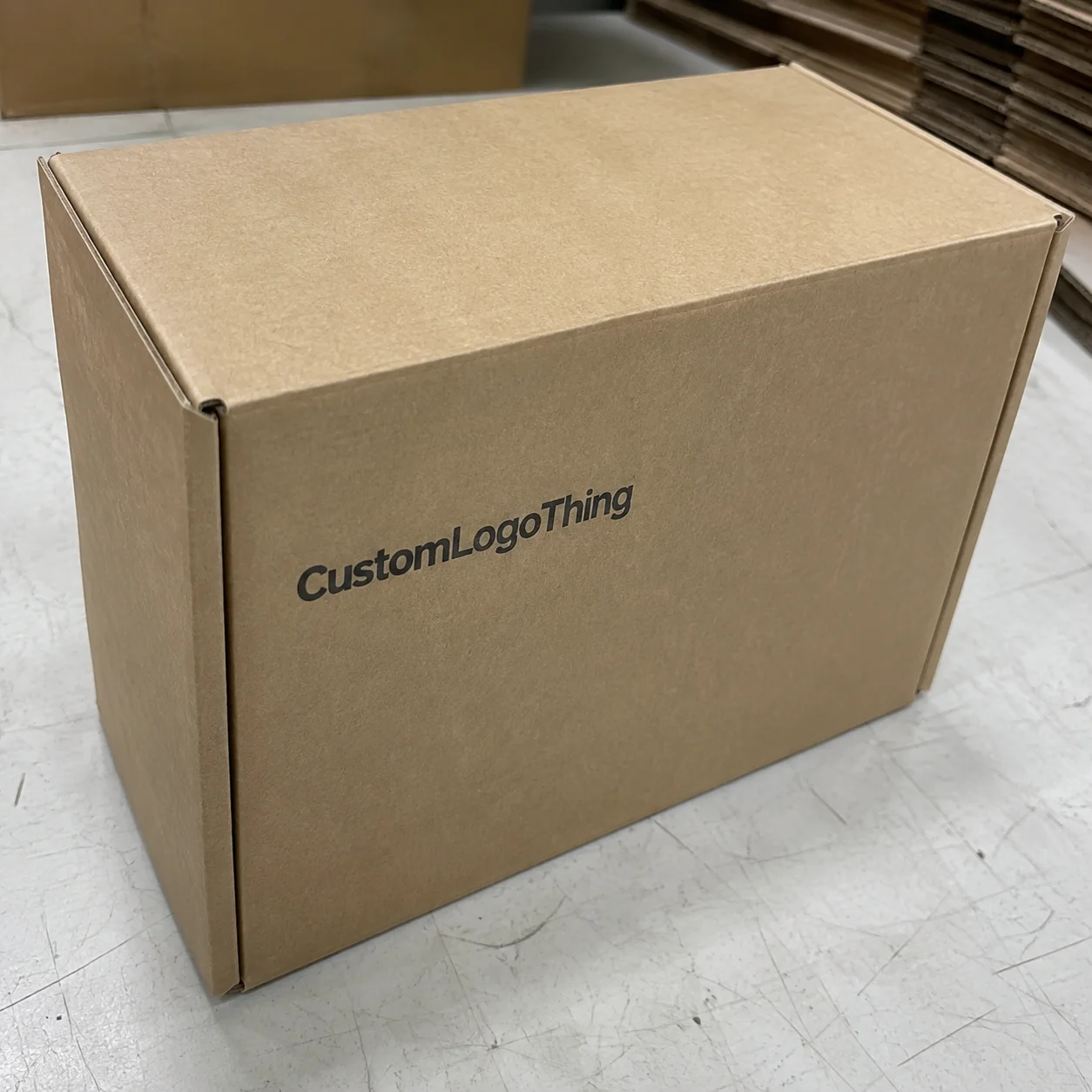
Corrugated custom boxes are not just containers. They protect the product, control movement, support stacking, reduce filler, and influence what the customer sees when the shipment arrives. A weak or poorly sized box can turn a good product into a return, replacement shipment, or bad review.
Corrugated board is made from a fluted paper layer bonded between linerboards. The wave-shaped middle layer gives the box cushioning and compression resistance that flat paperboard cannot provide. Single-wall board has one flute layer between two liners. Double-wall board has two flute layers and is used when heavier products, stacking loads, or rougher handling require more stiffness.
Stock cartons solve a broad problem: they hold items. Custom corrugated packaging solves a more specific problem: protecting a particular product, shipping method, weight, and brand presentation. That may mean custom sizing, printed branding, die-cut inserts, reinforced panels, roll-end locks, or a structure designed for faster packing.
Packaging becomes expensive when the full cost is counted: damaged inventory, reships, customer service time, extra void fill, warehouse labor, and poor reviews often cost more than the carton itself.
How Corrugated Board Strength, Flute, and Fit Work
Box performance comes from three connected choices: board grade, flute profile, and fit around the product. A strong board can still fail if the box is oversized and the product moves inside. A precise fit can also fail if the board is too light for drops, stacking, or vibration.
E-flute is thin, crisp, and often used for printed mailers, subscription packs, and lighter retail packaging where print detail matters. B-flute is thicker and offers better puncture resistance, making it useful for sharper edges or tougher handling. C-flute is a common shipping choice because it balances cushioning and stacking strength. Double-wall combinations, such as BC flute, are used for heavier, fragile, or high-value shipments.
Two strength measurements often appear in quotes. ECT, or edge crush test, measures how much force the board can take on its edge before collapsing, which helps predict stacking performance. Burst strength measures resistance to puncture and rupture. Packaging-related test methods are maintained by ASTM International, while distribution test protocols are often associated with ISTA.
Fit is equally important. Too much empty space allows movement and increases the need for paper fill, air pillows, foam, or corrugated pads. Too little space can transfer impact directly into the product. During sampling, pack the product, shake the box gently, then open it. If the item moved, rotated, or pressed into a corner, the structure needs adjustment.
Liner and coating choices affect both appearance and performance. Kraft liner hides scuffs and works well for practical, recyclable product packaging. White liner improves print contrast and can make branding look sharper. Coatings may add moisture resistance, abrasion protection, or a premium finish, but they can affect recyclability depending on the material system.
Key Specs to Decide Before You Ask for a Quote
A quote is only as reliable as the brief behind it. Before requesting pricing, gather product dimensions, product weight, shipping configuration, fragility level, shipping distance, storage conditions, and the target unboxing experience. Missing information usually creates extra quote rounds, extra samples, and launch delays.
Inside and outside dimensions are not interchangeable. Inside dimensions determine product fit, insert space, and protection for weak points. Outside dimensions affect carrier pricing, pallet patterns, warehouse storage, and dimensional-weight charges. A box that is only slightly too large can become expensive if it crosses a billable size tier.
Box style should follow the job. Regular slotted containers are efficient for basic shipping and larger runs. Mailer boxes suit ecommerce and subscription formats where opening experience matters. Die-cut shippers can lock around a product or create a cleaner presentation. Display-ready cartons help retail teams move from freight to shelf with less repacking. Heavy-duty cartons support demanding loads but add board cost and storage bulk.
Print decisions should be made early. A one-color logo on kraft is usually cost-efficient and clean. Flood printing, multi-color graphics, inside printing, QR codes, handling icons, recycling marks, and regulatory text add prepress and proofing questions. Artwork files should include vector logos, clear dielines, print-safe margins, and fonts prepared according to the supplier’s requirements.
- For fragile items: plan dividers, trays, corrugated pads, or molded pulp alternatives before finalizing the outer box.
- For premium unboxing: check how the lid opens, where the logo appears, and what the customer sees first.
- For warehouse speed: test whether the box can be assembled quickly without fighting the folds.
- For SKU reduction: test whether one custom size can replace multiple stock cartons without raising damage risk.
Choose the main objective before design begins. The priority may be surviving parcel shipping, reducing freight cost, improving presentation, lowering packing time, or replacing several stock sizes. A box can support more than one goal, but one objective should lead the specification.
Cost and Pricing Factors That Move the Unit Cost
Pricing for custom corrugated packaging is not just paper plus ink. Unit cost reflects board grade, square footage, cutting complexity, print coverage, order quantity, tooling, setup time, freight, and storage strategy. Two boxes with the same dimensions can price very differently if one needs heavier board, more print coverage, or custom inserts.
Size is usually the biggest cost lever because board is bought and converted by area. A right-sized 10 x 8 x 4 inch mailer uses far less material than a loose 12 x 10 x 6 inch shipper, and it may also lower void fill and carrier charges. Wall strength matters next. Double-wall board can be necessary for heavy or fragile goods, but it is often wasteful for light apparel, soft goods, or non-fragile accessories.
Print method also changes the quote. One-color flexographic printing is commonly economical for shipping boxes. More colors, tight registration, flood coverage, inside printing, or premium finishes add cost. Digital printing can work well for lower quantities, seasonal runs, or multiple artwork versions, but flexographic printing may be more cost-effective at higher volumes.
| Decision Area | Lower-Cost Direction | Higher-Cost Direction | Buyer Watchout |
|---|---|---|---|
| Board Grade | Single-wall E, B, or C flute | Double-wall or specialty combinations | Under-specifying can raise damage and reship costs. |
| Printing | One-color logo on kraft | Flood print, inside print, multi-color graphics | Heavy ink coverage may need extra proofing and drying time. |
| Structure | Standard RSC or simple mailer | Die-cut shipper with locks, windows, or inserts | Custom dies can dominate short-run economics. |
| Quantity | Higher run spread over repeat demand | Small pilot run with full tooling | Overbuying ties up cash and storage space. |
| Freight | Flat-packed, consolidated delivery | Rush delivery or split shipments | Freight can erase apparent unit-price savings. |
MOQ should be evaluated against demand, storage, and design stability. Higher quantities usually reduce unit cost because setup and tooling are spread across more boxes. Overordering can create cash-flow drag, warehouse issues, and waste if SKUs, artwork, or product dimensions change.
Tooling and plate costs should be separated from the box price. A simple printed shipper may carry modest setup charges. A die-cut subscription box with internal locks may need a custom cutting die, print plates, or more prepress time. For repeat orders, those costs can be spread across future runs. For a short campaign, they may dominate the true per-box cost.
Ask for tiered pricing at several quantities, such as 500, 1,000, 2,500, and 5,000 units, with inserts, printing, tooling, and freight shown as separate line items. That breakdown makes it easier to see whether the cost driver is the box, the insert, the artwork, or the delivery plan.
Process and Timeline from Sample to Production
A practical production path includes discovery, specification review, structural design, artwork setup, sample, approval, production, quality check, and delivery. Repeat orders can move quickly. New structures take longer because fit, artwork, tooling, and material selection affect one another.
As a rough planning range, a straightforward printed shipper may need about 10 to 20 business days after proof approval, depending on quantity and supplier capacity. A die-cut mailer with inside printing, inserts, coatings, and multiple proofing rounds can require several additional weeks. Actual timing depends on board availability, artwork readiness, sampling needs, production load, and transit distance.
Structural sampling is where expensive problems can be caught early. Check whether the product slides, the lid bows, the lock holds, the packer can close the box without extra tape, and the shipping label has a clear flat area. Also confirm whether barcodes scan after the box is folded, stacked, or lightly scuffed.
Artwork proofing should confirm logo placement, color expectations, bleed, dieline alignment, panel orientation, barcode readability, and print-safe areas near folds, seams, and glue zones. A panel that looks correct on a flat proof can appear upside down or misplaced once the carton is folded.
Quality checks should be specific. Confirm inside dimensions against the approved sample, inspect board grade and flute direction, check print placement, test fold lines, verify glue seams, and assemble units from the production run. For heavier shipments, a compression or drop check can show whether the production box matches the approved sample’s performance.
If you are comparing suppliers for Custom Shipping Boxes, ask how they handle proof approvals, tolerance checks, first-article samples, and repeat-order files. Repeatability matters because a good first order is less valuable if the second run prints differently, folds tighter, or uses board that behaves differently.
Common Mistakes That Cause Damage, Waste, or Delays
The most expensive mistake is choosing a box by appearance or unit price before considering product movement, carrier handling, stacking, and return costs. Attractive packaging can still fail in a parcel network. Cheap packaging can become costly after replacement shipments and customer service work are counted.
Oversized boxes quietly add cost. They use more board, more filler, more storage space, and more freight capacity. They can also trigger dimensional-weight charges, where the carrier bills based on space occupied instead of actual weight. For lightweight products, dimensional weight can matter more than product weight.
Under-specifying board strength creates the opposite problem. Heavy, sharp-edged, liquid-filled, or high-value products need more protection than light accessories. Liquids are especially unforgiving because one leak can cause product loss, cleanup, and damage to nearby shipments.
Artwork mistakes are common and preventable. Low-resolution logos blur. Colors selected without print method in mind may disappoint brand teams. Text too close to folds can distort. Barcodes placed across curves, seams, or flaps may scan poorly. Dielines should be reviewed in both flat and assembled views.
Fulfillment labor is another cost driver. A box that takes 45 extra seconds to assemble may be manageable at low order volume. At 800 orders per day, that becomes 10 extra labor hours daily. A simpler lock, clearer fold sequence, or pre-glued structure can pay for itself quickly.
Sustainability claims need evidence. Most corrugated packaging has a strong recycling story, but coatings, plastic windows, heavy lamination, mixed-material inserts, adhesives, and contamination can complicate it. If sustainability matters, verify the board specification, ink system, coatings, and chain-of-custody claims. The Forest Stewardship Council provides a recognized framework for responsible fiber sourcing.
Build a Box Brief Your Supplier Can Price
A strong brief turns a vague packaging request into a quote a supplier can trust. Include product dimensions, product weight, quantity, shipping method, desired box style, board strength expectations, print needs, insert requirements, launch date, and delivery location. If current packaging fails, include photos and examples of the damage.
- Product details: length, width, height, weight, fragility, sharp edges, liquids, and surface sensitivity.
- Shipping details: parcel, pallet, retail distribution, ecommerce fulfillment, local courier, or mixed channels.
- Design details: box style, print colors, logo placement, inside print, QR codes, and handling marks.
- Operations details: order volume, packing speed, storage limits, delivery address, and reorder frequency.
- Risk details: current damage rate, common return complaints, seasonal moisture, stacking height, and launch deadline.
Match the brief to the business goal. If the goal is reducing damage, focus on board grade, fit, inserts, and distribution testing. If the goal is lowering freight, focus on right-sizing, dimensional weight, pallet density, and void fill reduction. If the goal is shelf presentation, review print surface, front-panel layout, display conversion, and retail handling. If the goal is direct-to-consumer unboxing, study opening sequence, interior print, product reveal, and disposal experience.
Request a physical sample whenever fit, fragility, or brand perception matters. Digital proofs confirm graphics, but samples reveal hand feel, assembly friction, lock security, product movement, and whether the box still looks acceptable after handling. For higher-risk launches, ask about ISTA-style testing or supplier-recommended drop and compression checks.
Compare quotes by total landed and operational cost, not just per-box price. Include freight, storage, labor, void fill, damage rate, and reorder flexibility. A box that costs slightly more but saves filler, packs faster, or reduces damage can be the cheaper system. For broader planning, review related Custom Packaging Products so the outer shipper, insert, label, and presentation elements are treated together.
The best way to buy corrugated custom boxes is to document the product, shipping risk, and operational goal before requesting production pricing. That discipline makes quotes easier to compare and helps the finished box protect both the product and the brand.
FAQ
What are corrugated custom boxes best used for?
They are best for shipping, storage, ecommerce orders, subscription kits, retail-ready packs, fragile goods, and products that need a box sized or printed around a specific brand experience. They are especially useful when stock cartons create too much empty space, inconsistent protection, or a generic unboxing experience.
How much do custom corrugated boxes usually cost?
Cost depends on size, board grade, flute type, print coverage, order quantity, tooling, inserts, coatings, and freight. Small runs can feel expensive because setup costs are spread across fewer units, while larger repeat runs usually reduce the unit price. Ask for tiered quotes and compare total landed cost, not only the lowest unit price.
What is the usual lead time for printed corrugated boxes?
Lead time varies by supplier, complexity, order size, sampling needs, and artwork readiness. Simple repeat orders can move faster, while new structural designs with proofs, samples, inserts, and coatings need more planning time. Buyers should build in buffer for revisions and transit.
What information do I need before ordering branded shipping boxes?
Prepare product dimensions, weight, quantity, shipping method, artwork files, box style preference, print requirements, delivery address, and any damage or return issues from current packaging. If the product is fragile, heavy, liquid-filled, or high value, include photos and details about how it is packed, stacked, stored, and shipped.
Are corrugated custom mailer boxes recyclable?
Most corrugated mailer boxes are recyclable when they use standard paper-based materials and compatible inks. Recyclability can be affected by plastic coatings, heavy lamination, mixed-material inserts, adhesives, or contamination, so confirm the exact material specification before making recycling claims.