A bucket hat can read clearly from a small product-grid thumbnail, but only when the crown shape, brim angle, fabric texture, decoration, and packaging support the same retail story. Buying Custom Bucket Hats for ecommerce stores affects inventory planning, brand presentation, shipping weight, return risk, fulfillment accuracy, and the impression a customer gets when the package opens.
What Custom Bucket Hats for Ecommerce Stores Really Need to Do
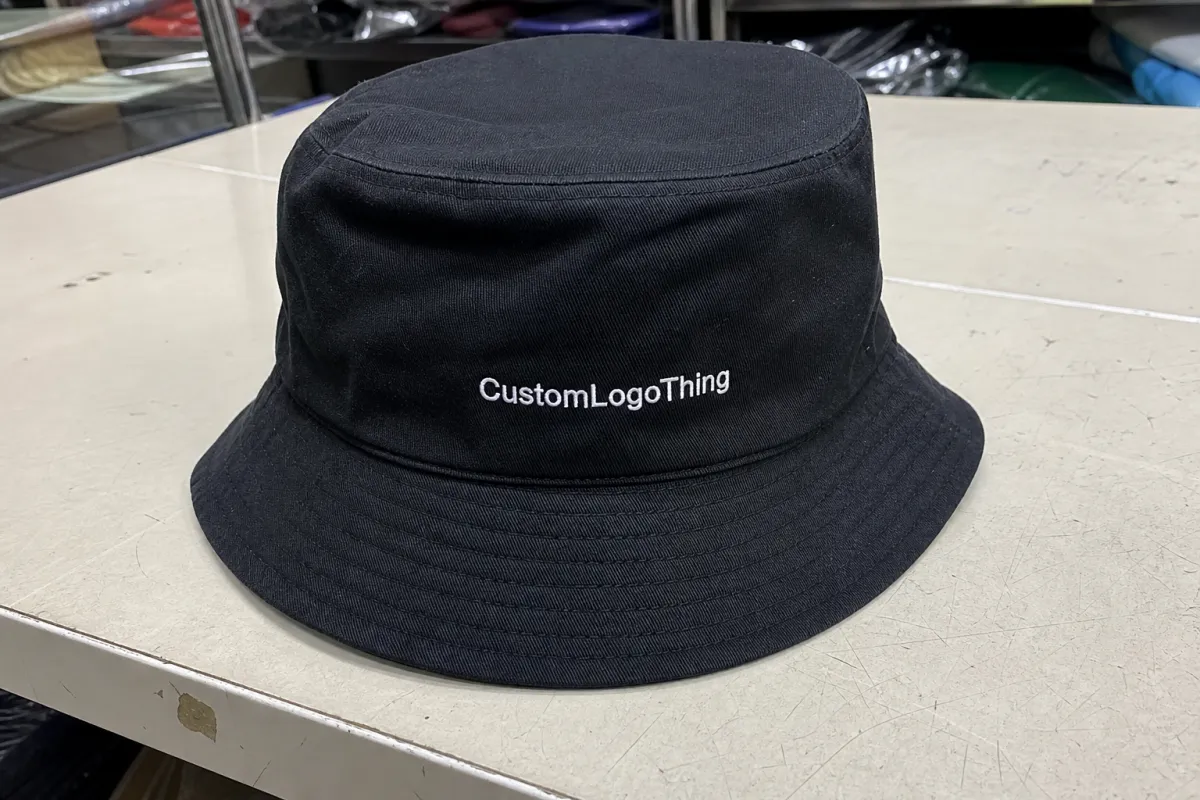
A custom bucket hat is soft-brim headwear built around selected fabrics, colors, sizing, trims, decoration methods, labels, and packaging details. The key word is built. A hat that looks clean as a flat mockup can feel different once the side band is stitched, the brim droops, the sweatband is installed, and the front logo lands on a curved fabric panel.
Bucket hats work well online because they are compact, season-flexible, and usually gender-neutral when styled carefully. They are easier to ship than structured caps, less size-sensitive than fitted headwear, and lighter than most apparel. A typical soft cotton bucket hat may pack into an individual polybag around 9 by 10 inches, depending on brim width and fold method.
There is a wide gap between a simple logo hat and a retail-ready ecommerce product. A logo hat might be a stock blank with quick embroidery. A retail-ready program needs consistent sizing, clean thread trimming, aligned labels, packaging that scans correctly at fulfillment, and production samples that match the photos shoppers see.
From a buyer’s point of view, the main decisions are fabric weight, brim structure, embroidery or patch style, inside labels, care labels, polybag or paper packaging, MOQ, timeline, and landed unit cost. Miss one early, and the issue usually appears later as a delayed launch, awkward unboxing, unexpected freight cost, or avoidable return.
How the Hat Build, Fabric, and Decoration Method Work Together
A bucket hat looks simple, but construction includes crown panels, a side band, a stitched brim, an internal sweatband, eyelets or ventilation openings, and sometimes a lining. Brim stitching rows matter. Six to eight rows can give the brim more control, while fewer rows often create a softer, relaxed fall.
Fabric drives the product’s personality. Cotton twill gives a familiar retail feel and works well with direct embroidery. Washed cotton creates a softer, lived-in look for lifestyle brands. Canvas adds body and can support a firmer brim. Nylon suits outdoor, festival, travel, and rain-aware positioning. Recycled polyester blends can support a sustainability message, especially if packaging and hang tags avoid overstated claims. If responsible sourcing is part of the brief, buyers can review fiber and paper claims through groups such as the Forest Stewardship Council for packaging materials.
Fabric weight affects perceived quality, packability, and embroidery tension. Lightweight nylon folds well for shipping but can show puckering if a dense logo is stitched directly to the crown. A 260gsm cotton twill often feels more stable under embroidery. Heavier canvas can look premium but may feel less comfortable in hot weather. Test Before Bulk production.
Decoration should be chosen for the artwork, not just price. Direct embroidery is durable and clean for simple marks. Woven patches handle small lettering and detailed badge artwork better. Embroidered patches add raised texture. Printed labels are useful for subtle branding. All-over print can work when the hat itself is the statement, but print testing should include color, hand feel, and wash behavior.
Many stores oversize the logo. Smaller artwork often looks better on a bucket hat because the crown is curved and soft. Dense fills, thin outlines, and tiny letters can distort. Thread color, patch backing, stitch density, and Pantone or thread matching all influence whether the finished hat looks premium in close-up photos.
Practical callout: approve decoration at actual size. A 2.25-inch front embroidery that looks modest on screen can feel large once it sits on a soft crown above a 2.5-inch brim.
Pricing, MOQ, and Unit Cost Factors to Plan Before You Order
Bucket hat pricing is driven by base construction, fabric selection, decoration complexity, order quantity, sampling, packaging, labeling, inspection, and freight. A stock-base hat with one front embroidery may be economical. A fully custom build with dyed fabric, woven labels, Branded Hang Tags, individual barcode stickers, and retail packaging costs more because more processes have to be controlled.
MOQ depends on how custom the product gets. Lower quantities may be possible for simple stock-base decoration, especially if the supplier already carries the blank hat. Fully custom fabric colors, custom trims, specialty patches, and private-label packaging usually require higher production volume because dyeing, cutting, sewing, and setup time need to be spread across more units.
| Option | Typical Use | Common Cost Drivers | Best Fit |
|---|---|---|---|
| Stock-base hat with embroidery | Testing demand or small drops | Logo size, stitch count, thread colors, digitizing | Fast first launch with limited shape control |
| Stock-base hat with patch | Retail merch with stronger visual texture | Patch setup, backing, border type, attachment method | Artwork with more detail than embroidery can hold |
| Fully custom bucket hat | Core ecommerce product line | Fabric, dyeing, labels, trim, sample rounds, packaging | Stores that need repeatable specs and brand control |
Setup charges can include embroidery digitizing, patch mold or woven label setup, strike-off samples, and packaging plate or print setup. For a modest run, those charges can change the real landed unit cost more than the hat body itself. Unit cost usually drops as quantity increases because sampling, production changeovers, and setup are spread over more hats.
Do not compare quotes by top-line unit price alone. Confirm fabric weight, decoration size, number of colors, inner labeling, carton packing, inspection level, and shipping terms. One quote may include individual polybags and SKU labels, while another may price loose-packed hats in master cartons. Those are not the same product.
For ecommerce, reserve budget for sample photography, influencer seeding, replacement inventory, returns, and quality-control buffers. If the sellable launch quantity is 500 hats, ordering exactly 500 can leave the team short once samples go to photography, marketing units are shipped, and pieces are held back for exchange or defect coverage.
Process and Timeline: From Artwork to Retail-Ready Inventory
The normal path starts with a product brief, artwork review, material selection, quote, digital mockup, pre-production sample, sample approval, bulk production, quality control, packing, freight, and receiving. Each step reduces guesswork and protects the launch.
Timeline depends on whether the store is decorating an existing blank or developing a fully custom build. Stock-base customization can move faster because the hat shape and fabric already exist. Fully custom production needs more decisions: fabric type, shade tolerance, brim width, panel count, label placement, care instructions, packaging dimensions, and carton quantity.
Artwork preparation should include vector files, Pantone or thread color references, decoration size, placement notes, and examples of the desired retail feel. Vector artwork reduces guesswork. A supplier should not have to rebuild a logo from a low-resolution screenshot if the goal is a clean ecommerce product.
Sampling verifies crown depth, brim stiffness, logo scale, thread color, patch placement, label orientation, and packaging fit. If the hat will ship in branded packaging, the sample should also confirm folded size and how the product looks after being bagged for several days.
Common delays include late artwork changes, unclear color approvals, switching decoration methods after sampling, special fabrics, custom-dyed materials, holiday production congestion, and delayed shipping decisions. Build the launch calendar backward from the sell date. Leave time for photography, product page setup, inventory receiving, barcode application, and fulfillment testing.
A final production specification sheet should record the approved fabric, decoration size, thread colors, brim width, label details, packaging format, carton packing, and inspection requirements. For custom ecommerce bucket hats, that sheet becomes the bridge between the first order and every reorder after it.
Step-by-Step Buying Guide for Ecommerce Hat Launches
Start with positioning. Is the bucket hat a core product, limited drop, event tie-in, influencer bundle, subscription-box item, or free-gift threshold reward? A $38 retail hat needs a different build than a giveaway hat included with orders over $100.
- Define the customer and wearing context. A beachwear store may need washed cotton or quick-dry nylon. A streetwear brand may prefer heavier twill, contrast stitching, or a woven patch. A campus merch store may value low return risk and broad sizing.
- Select the profile and sizing strategy. Decide crown depth, brim width, fabric body, and whether one-size-fits-most is suitable. If the audience is broad, include measured fit guidance in the product description.
- Choose decoration with restraint. A tonal 2-inch embroidery may suit premium lifestyle stores, while a bold patch can fit louder collections. Price matters, but artwork clarity matters more.
- Plan packaging early. Individual polybags, paper belly bands, branded hang tags, size stickers, barcode labels, and care cards all affect fulfillment speed. For related product presentation ideas, review Custom Packaging Products before finalizing the hat spec.
- Request a complete quote. Include fabric, color, decoration size, labels, packaging, quantity, ship-to location, and inspection expectations so the supplier prices the real product.
While goods are being made, prepare product photography, descriptions, size guidance, SKU setup, and receiving instructions. The hat, product page, and fulfillment workflow need to agree with each other.
Common Mistakes That Make Online Hat Programs Harder to Sell
The first mistake is choosing the hat from a flat mockup. Bucket hats change character once crown depth, brim droop, fabric body, and stitching rows are physically made. A shallow crown can feel fashionable to one audience and too small to another. A wide brim can look stylish in lifestyle photos but awkward in a tight product thumbnail.
Overcomplicated embroidery causes trouble. Tiny lettering, gradients, thin outlines, and dense artwork may pucker the fabric or disappear into thread texture. If a logo needs fine detail, a woven patch may be cleaner.
Inside details matter. Sweatband comfort, seam finishing, care labels, and brand labels are part of the unboxing and try-on experience. Shoppers notice scratchy labels, crooked stitching, and mismatches between the product page and the hat in the package.
Color planning is another trap. Screen colors, thread colors, dyed fabric, patches, and packaging print all behave differently. Pantone calls, thread charts, lab dips, and physical samples reduce surprises, though exact matching across fabric and paper is not always possible.
Packaging oversights can be expensive. Hats can be crushed in cartons, unlabeled color variants can create fulfillment errors, and a cheap-looking bag can weaken perceived value. For stores building package branding across multiple items, coordinating hats with custom printed boxes or other Custom Packaging Products can create a more consistent customer experience.
Launching without extra inventory is risky. Ecommerce teams need samples for photography, exchanges, damaged replacements, marketing kits, and quality-control holds. A bargain quote is not a bargain if it leads to returns, inconsistent sizing, slow fulfillment, or product photos that oversell the delivered hat.
Expert Tips for Better Samples, Photos, and Reorders
Send the supplier a clear product brief. Include brand positioning, target retail price, preferred materials, logo files, packaging needs, and reference photos for shape and styling. References are useful for direction, not for copying another brand’s protected design.
Approve decoration at actual size. Product-grid distance matters. If the logo cannot be understood from a front-view image at mobile size, shoppers may not register the value before they scroll past. Raised texture, contrast, and clean placement help the hat sell visually.
Test photography before bulk production if the schedule allows. Look at the hat from the front, side, top, and worn angle. Some brims photograph beautifully flat but cast a shadow over the logo when worn. Others look good on a table but collapse too much on a model.
Keep a sealed approved sample. That one piece is useful for reorders, dispute resolution, and comparing bulk production against the signed-off standard. Also document thread colors, fabric specs, brim width, panel count, label placement, packaging dimensions, carton quantity, and barcode requirements in one production spec sheet.
Quality control should catch the problems that matter online: decoration placement, loose threads, skipped stitches, label orientation, shade variation, brim width, crown depth, packaging condition, and barcode readability. Even a simple AQL-style inspection checklist is better than relying on a visual glance at the top layer of a carton.
Fulfillment details deserve early attention. Confirm folded size, carton count, individual packaging, SKU labels, and whether hats will ship flat, lightly folded, or nested. For transit testing and packaging performance, standards and resources from the International Safe Transit Association are useful, especially if hats are part of bundled product packaging.
Set a reorder trigger based on weekly sell-through and production lead time. If the store sells 60 hats per week and the true reorder cycle is 8 weeks including production and freight, waiting until 100 units remain is too late. Plan before ads, seasonal demand, or influencer traffic starts working.
Actionable Next Steps Before Requesting a Supplier Quote
Before asking for pricing, gather the basics: target quantity, retail price, launch date, desired hat style, fabric preference, decoration method, logo file, color references, label requirements, packaging needs, and shipping destination. A detailed quote request gets a cleaner answer than a message that simply asks, “How much for bucket hats?”
-
Sourcing custom hats & caps? See materials, MOQs & factory-direct pricing on our custom custom hats & caps page.Request a Quote
Related Articles


