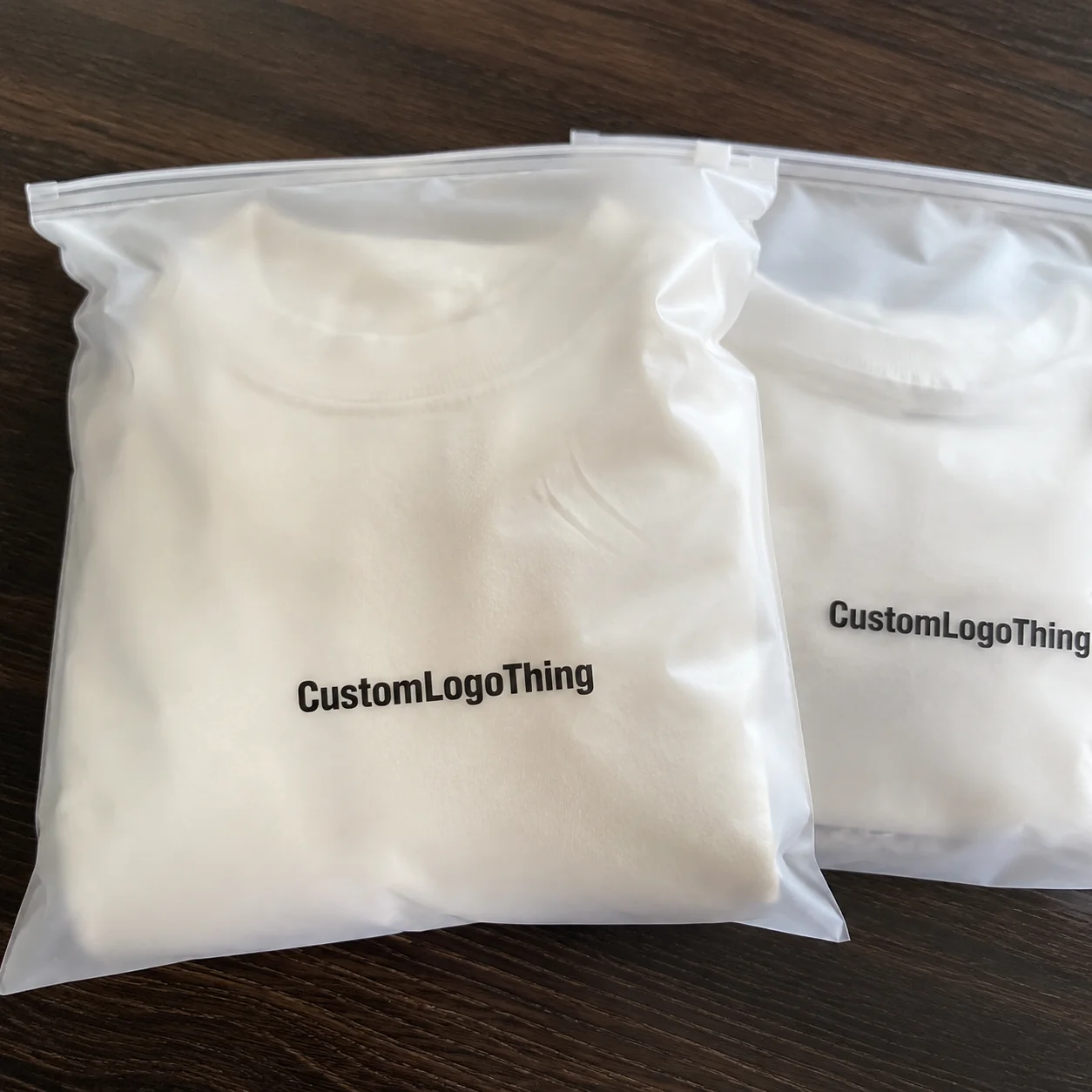
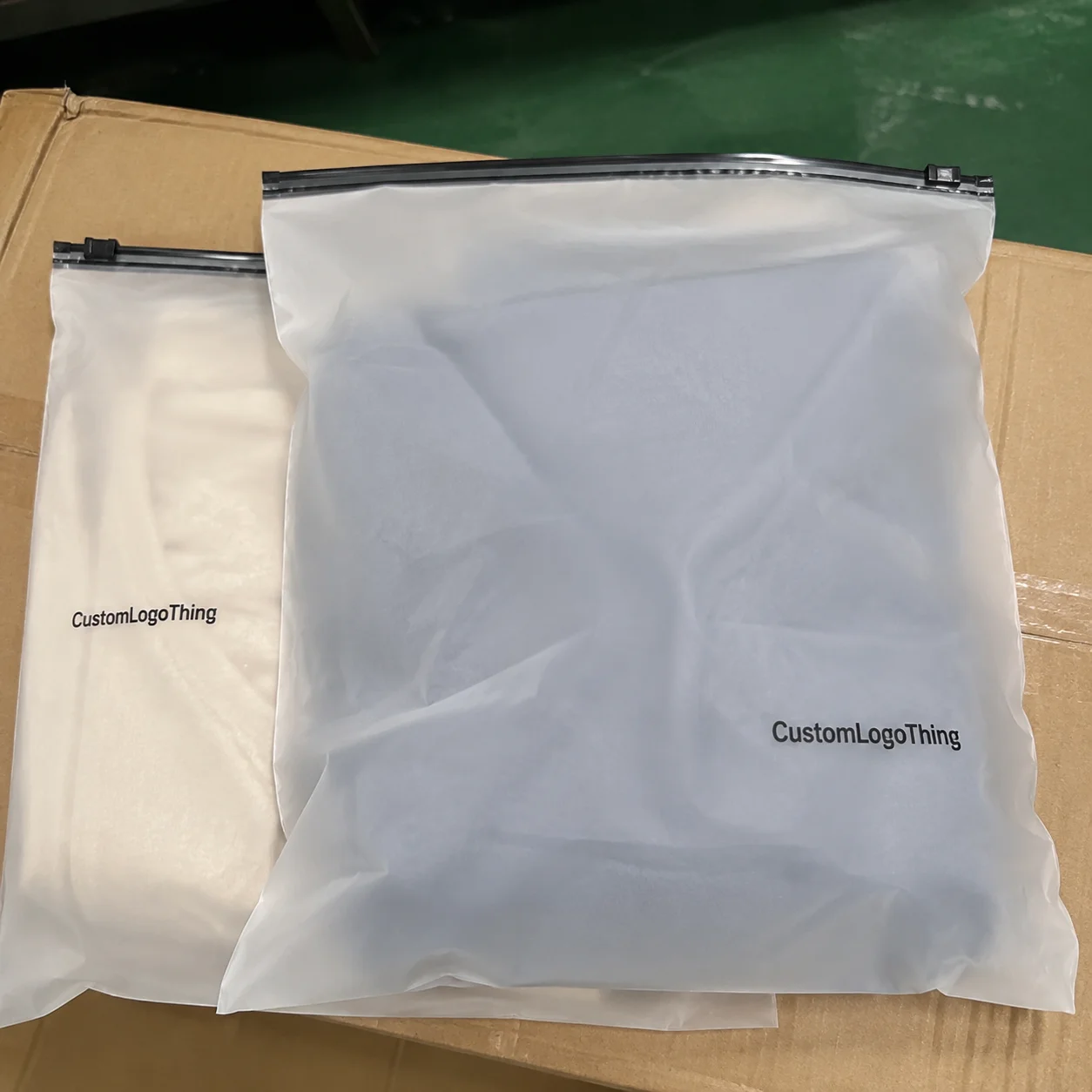
What Custom Clear Zipper Bags for Bakery Brands Actually Do
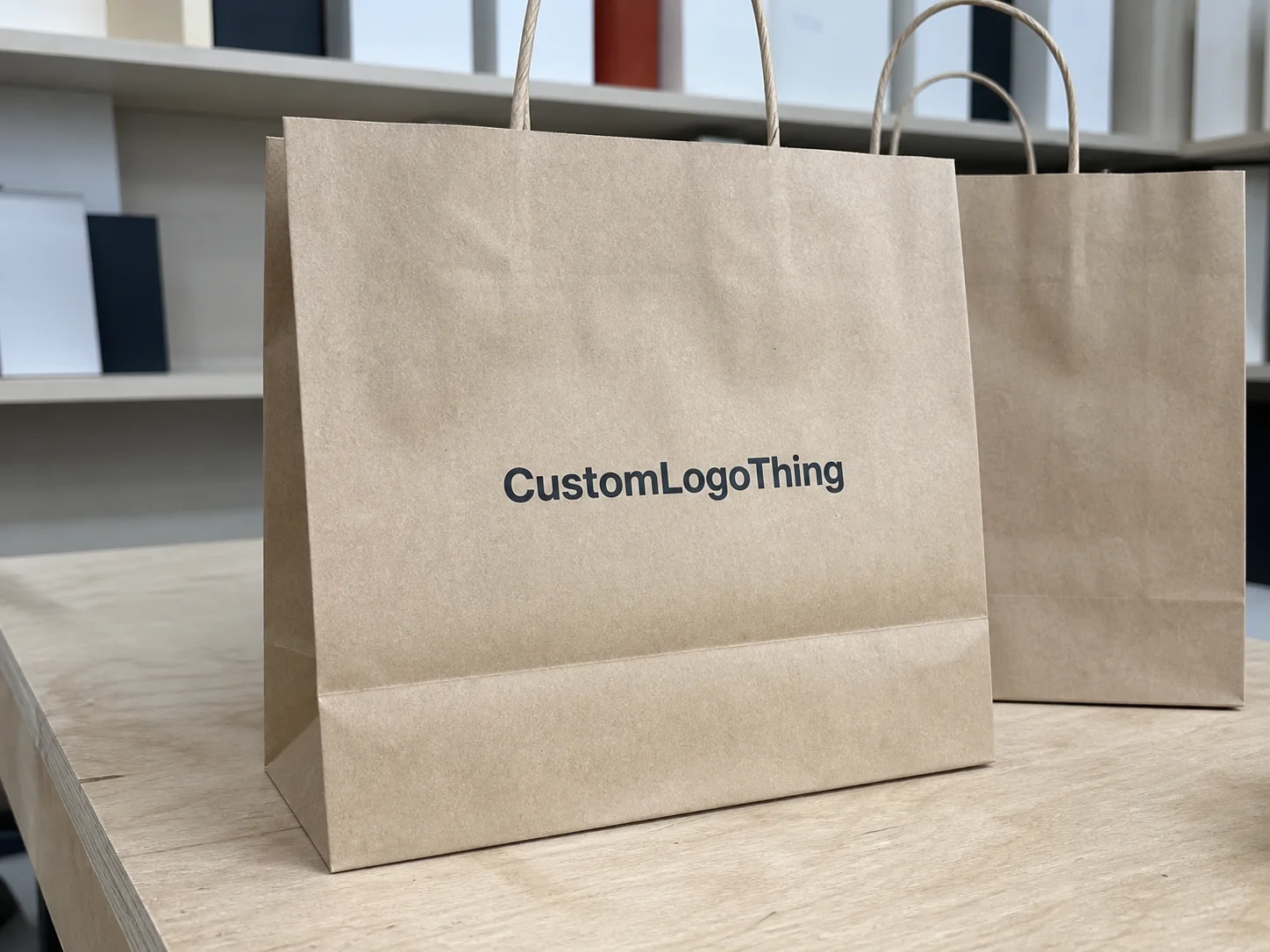
The cookie usually sells before the logo does. That is why custom Clear Zipper Bags for bakery brands can be so effective: they show the product, protect it during normal handling, and add enough branded structure to make a bakery item feel retail-ready without hiding the food people came to buy.
These bags are transparent plastic pouches with a resealable zipper and custom printed elements such as logos, product names, patterns, nutrition panels, seasonal graphics, QR codes, or small label-style brand blocks. They may be flat, stand-up, gusseted, hangable, glossy, partially matte, or made with a higher-barrier film depending on the baked good, expected shelf life, and sales channel.
Bakeries use them for cookies, biscotti, granola, brownies, mini pastries, chocolate-dipped treats, brittle, meringues, dry baking mixes, and seasonal gift assortments. They are especially useful when the product has visual appeal: visible chocolate chunks, colorful sprinkles, toasted oats, powdered sugar, layered bars, or those golden edges customers absolutely judge before they pretend they are reading ingredients.
They are not magic. Clear Zipper Bags are usually a poor fit for very oily items, hot-filled goods, wet fillings, whipped toppings, fragile pastries that crush easily, or anything that needs rigid protection. A resealable pouch will not save a croissant from being flattened under three jars of jam at a market table. Physics remains undefeated.
The real advantage is straightforward. The clear film does the appetite work, while the custom print makes the package feel intentional instead of improvised. That difference matters on cafe shelves, farmers market tables, wholesale bakery displays, subscription boxes, corporate gift bundles, and local retail racks.
If you are comparing bags, boxes, sleeves, and mixed packaging formats, review broader custom packaging products before locking into one style. A clear zipper pouch should fit the rest of your packaging system, not look like the only item that missed the brand meeting.
How Clear Bakery Zipper Bags Work for Freshness, Display, and Branding
A typical clear bakery zipper bag has a clear film body, resealable zipper track, heat-sealed edges, and optional features such as a hang hole, tear notch, bottom gusset, side gusset, or tamper-evident seal. The custom print may sit on the outside surface or be trapped within a laminated film structure, depending on the material and production method.
Freshness expectations need to stay realistic. A zipper helps slow air exposure after opening, and a proper heat seal protects dry baked goods during transport and retail handling. It does not turn a delicate pastry into a shelf-stable cracker. Recipe, water activity, cooling process, barrier film, storage temperature, and sealing method all affect performance.
Flat pouches are usually the economical choice for single cookies, biscotti sticks, small brownies, and one-portion treats. Stand-up zipper pouches cost more because they use more material and require a gusset, but they look stronger on shelves and work better for granola, brittle pieces, cookie bites, baking mixes, and multi-packs.
| Bag style | Best use | Typical advantage | Tradeoff |
|---|---|---|---|
| Flat clear zipper bag | Single cookies, biscotti, slim brownies | Lower unit cost and easy packing | Does not stand on shelves |
| Stand-up clear zipper pouch | Granola, brittle, cookie bites, dry mixes | Better retail presentation | Higher material and setup cost |
| Gusseted clear bag | Gift assortments and bulky dry goods | More fill capacity | Artwork placement gets trickier |
| Hangable zipper pouch | Retail racks, checkout displays | Uses vertical merchandising space | Needs correct hang hole placement |
Transparency is the point. Customers can judge color, texture, portion size, toppings, inclusions, and freshness cues before buying. For bakery brands that rely on impulse purchases, that visibility often does more practical selling than a dense front-panel design.
Print placement should support the product, not smother it. Logos can sit at the top, bottom, or side while leaving enough open clear space for the baked goods to show. A clean logo panel, a readable product name, and a reserved area for required information usually work better than filling the entire front with ink. The product should still be the star.
Common print methods include digital printing for smaller runs and flexible artwork, plus flexographic or gravure printing for larger production runs where setup costs make sense. Digital can be useful for seasonal packaging because it allows smaller batches with fewer plate costs. Traditional printing often wins at higher volume because the unit cost drops once setup is absorbed.
Food contact cannot be treated as a design detail. The inner material should be suitable for food packaging, and inks need to be used correctly for the bag construction. If the ink is printed on the outside surface, check scuff resistance and rub performance. If the print is trapped between layers, the structure usually feels more premium and protects the graphics better, but it costs more. For general industry education, the Packaging Machinery Manufacturers Institute is a useful resource.
Practical rule: the bag should sell the product first and the brand second. If the logo blocks the cookie, someone got too excited in the design file.
Key Specs to Choose Before You Ask for a Quote
Before asking for pricing, collect the basic specs. Suppliers can quote faster, and you avoid the five-email back-and-forth where nobody knows whether the bag needs to hold one cookie or half a pound of granola.
- Bag size: width, height, bottom gusset if needed, and usable fill area below the zipper.
- Film thickness: commonly around 2.5 mil to 5 mil, depending on product weight, bag style, and desired feel.
- Material: clear PE, PET/PE laminates, OPP-based structures, or barrier films for specific shelf-life needs.
- Zipper type: standard press-to-close, stronger zipper track, or specialty closure for heavier fill weights.
- Print details: number of colors, ink coverage, clear window size, matte or gloss areas, and back-panel information.
- Quantity: test order, regular reorder volume, and larger wholesale volume.
- Display method: flat on a table, standing on a shelf, hanging on a rack, or packed in a gift box.
Size is where many bakery brands get into trouble. A single large cookie may need a 5 x 7 inch flat bag. A 6 oz granola pouch may need something closer to a 6 x 9 inch stand-up pouch with a bottom gusset. A gift assortment with four decorated cookies may need a larger gusseted bag or a bag plus insert card to keep the products from shifting.
Send product dimensions, not just serving weight. A fluffy meringue and a dense brownie can weigh the same and fit completely differently. Measure width, length, thickness, decorated height, and any fragile toppings after the product has cooled and finished setting. If the product spreads from batch to batch, measure the largest normal version rather than the most photogenic one.
Film thickness affects both feel and durability. Thinner bags can work for lightweight dry items and short handling cycles. Mid-weight films are usually enough for cookies, brittle, biscotti, and dry mixes. Thicker films feel more premium, resist punctures better, and make sense for sharper products like hard biscotti ends or granola clusters. Too thick, though, and the bag may feel stiff, expensive, and harder to pack without adding much protection.
Material choice also shapes shelf-life performance. PE is common in clear flexible packaging and can be cost-effective. PET/PE laminates often add stiffness, clarity, and better print presentation. OPP-based structures may offer strong clarity for certain applications. Barrier films can help with aroma retention, moisture control, or oxygen reduction, but they should be chosen around the actual product rather than added because “barrier” sounds premium. A crisp cookie and an oat-based granola do not always need the same film.
Gussets deserve attention. A bottom gusset helps a pouch stand, which matters for retail shelves and cafe counters. Side gussets increase fill capacity, but they complicate artwork because the print wraps around folds and panels. If your packaging design uses a detailed pattern, ask for the dieline before placing tiny logos across creases. Tiny logos on folds look messy. Not charming. Messy.
Finish changes perception. Glossy clear film makes colors pop and keeps the product highly visible. Matte areas can make branded packaging feel more refined, but matte film over the product window can dull visibility. Use it with restraint unless you enjoy hiding the thing you are trying to sell.
Optional features include tear notches, euro slots, round hang holes, rounded corners, tamper-evident seals, writable date panels, and back-panel label zones. For retail accounts, check whether the store needs barcode placement, net weight formatting, allergen statements, batch codes, or best-by date areas. These details are much easier to plan before the dieline is approved.
Cost, MOQ, and Unit Pricing for Custom Bakery Bags
Pricing for custom Clear Zipper Bags for bakery brands depends on bag size, film thickness, material structure, print coverage, number of colors, zipper type, gusset style, order quantity, freight, and whether the job uses digital or traditional production. Anyone promising one universal price is either oversimplifying or selling something suspiciously thin.
For rough planning, small digitally printed runs may land around $0.35 to $1.25 per bag, depending on size and coverage. Mid-volume runs can sit closer to $0.18 to $0.55 per unit. Larger traditional production runs may drop below that, especially if the bag is simple, print coverage is controlled, and the quantity is high enough to spread setup costs. These are planning ranges, not a quote. Freight, rush timing, special films, and compliance requirements can shift the math quickly.
MOQ is not just a supplier being difficult for sport. Digital printing often supports smaller minimums, sometimes in the low hundreds or low thousands. Flexographic or gravure production may require higher MOQs because plates, setup, material rolls, machine time, and color matching have to be justified. The first order can look expensive if it includes plate fees, artwork prep, sample fees, and freight. Reorders are usually smoother if the size, material, and artwork stay the same.
| Ordering option | Typical use case | Cost pattern | Best for |
|---|---|---|---|
| Stock clear bags with labels | Testing a new cookie or market setup | Lower upfront cost, higher labor per unit | Small batches and short deadlines |
| Digitally printed clear zipper bags | Seasonal drops, smaller branded runs | Higher unit cost, lower setup burden | Artwork flexibility and test launches |
| Flexographic custom pouches | Steady retail or wholesale volume | Setup costs upfront, better unit cost at volume | Repeat orders and consistent SKUs |
| Premium laminated barrier pouches | Higher shelf-life or premium retail needs | Higher material cost | Granola, mixes, and upscale gift packaging |
The label-versus-printed-bag decision is mostly about volume, presentation, and labor. Stock bags with labels are faster and cheaper upfront. They also make sense while you are testing flavors or still changing your ingredient list every other week. Fully printed bags look more professional, improve shelf consistency, and scale better because staff are not hand-applying labels until midnight before a market.
Print coverage affects cost more than many buyers expect. A small one-color logo is cheaper than a full-coverage seasonal design with gradients, flood backgrounds, and metallic effects. If the product is attractive, you probably do not need a wall of ink anyway. Let the brownie do some work.
Ask for two or three quantity breaks: a test run, a normal reorder, and a wholesale-scale order. For example, request pricing at 1,000, 5,000, and 10,000 pieces if those numbers match your sales path. Then compare unit cost against cash flow, storage space, and how likely your artwork or label information is to change.
Storage can quietly change the value of a bulk order. Ten thousand bags may be a smart unit-cost decision for a stable granola SKU, but a terrible decision for a seasonal cookie line with changing artwork, ingredients, or required dates. Bags also need clean, dry storage away from excessive heat, dust, and crushing pressure. Saving three cents per pouch does not help if half the cartons sit in a damp back room for a year.
Do not buy only on the cheapest unit cost. Flimsy zippers, cloudy film, weak seals, bad sizing, or bags that arrive too late can waste more money than a slightly higher unit price ever would. Packaging failure is expensive because it damages product, brand trust, and your patience. Mostly your patience.
Process and Timeline: From Artwork to Finished Zipper Bags
The ordering process is manageable if the information is ready. Confirm the product use, choose the bag style, select size and material, prepare artwork, approve a proof, produce samples if needed, manufacture, inspect, and ship.
A manufacturer will usually need product dimensions, fill weight, target quantity, logo files, print placement preferences, deadline, shipping location, and food packaging requirements. If you sell through retail, include any requirements for barcode placement, net weight, ingredients, allergens, best-by dates, and batch coding. The U.S. Food and Drug Administration has labeling rules for packaged foods, and local requirements can also apply, so check compliance before printing thousands of bags with missing information.
Artwork setup matters more than people think. Vector logo files are best. Brand colors should be specified using Pantone, CMYK, or supplier-approved color references. Clear areas should be intentionally preserved so the product remains visible. If the print crosses the zipper, gusset, seal area, or tear notch, expect distortion or trimming issues unless the dieline is designed for it.
The proof confirms layout, bag size, print position, color expectations, zipper placement, safety margins, barcode location, and clear window areas. Read the proof like money depends on it, because it does. A proof approval usually means the supplier is cleared to produce based on that file.
Sampling can save you from an ugly surprise. Digital mockups are fastest and useful for layout checks. Physical samples help confirm fit, film clarity, zipper strength, shelf presentation, and packing speed. For a wholesale launch or a larger retail order, physical samples are usually worth the extra few days.
Production timelines vary by complexity. A simple stock-style custom job with labels or light digital print may move in about 7 to 15 business days after proof approval. Fully custom printed pouches often take around 15 to 35 business days, depending on material, quantity, print method, sampling, and shipping. Overseas production or specialty laminates can run longer, especially if ocean freight is involved.
Quality-control checks should be practical, not theoretical. Look for consistent film clarity, correct dimensions, clean edge seals, a zipper that opens and closes without fighting, readable print, proper barcode scan performance, and alignment that leaves enough clear product window. On finished packed samples, check whether crumbs collect in the bottom, whether chocolate transfers to the film, and whether the product still looks appetizing after transport.
Common blockers are painfully predictable: late artwork, unclear sizing, color changes after proof approval, missing compliance details, delayed deposit payment, and seasonal packaging panic. Order packaging before the holiday rush, not when your peppermint cookie dough is already mixed and judging you.
For brands comparing packaging formats beyond flexible pouches, Custom Logo Things also shares examples in custom packaging case studies, which can help show how packaging decisions change across different sales channels.
Common Mistakes Bakery Brands Make With Clear Zipper Packaging
The first mistake is choosing bags that are too tight. Baked goods need room so they do not smear, crack, bend, or look strangled inside the package. Add clearance for height, toppings, and human packing speed. A bag that technically fits during a quiet test does not always work during a busy Saturday prep.
The second mistake is covering too much clear film with artwork. The point of a clear pouch is visibility. If shoppers cannot see the chocolate chunks, toasted edges, or portion count, you have turned transparent packaging into a mystery bag. Mystery is not a retail strategy. It is a clearance bin strategy.
Third, bakery brands forget about crumbs, powdered sugar, and chocolate transfer. Some beautiful products make the inside of a clear bag look messy quickly. Test the product after transport, not just right after packing. Shake it lightly, place it in a tote, stand it on a shelf, and look again after a few hours.
Fourth, they use the same bag for everything. A crisp biscotti, soft cookie, granola mix, and delicate meringue do not always need the same structure. Granola benefits from a stand-up pouch. A single decorated cookie may need a flat bag with better face visibility. Biscotti might need a slightly thicker film to resist puncture.
Fifth, they forget retail information. Ingredients, allergens, net weight, best-by date, business details, barcode, and storage instructions may need dedicated space. Requirements depend on where and how the product is sold, so verify before final artwork. If FSC-certified paper inserts or outer cartons are part of your system, review chain-of-custody expectations through FSC resources before making claims.
Sixth, they pick a weak zipper for heavy or repeated-use items. If the bag pops open in a tote bag, congratulations, you made branded confetti. Heavier products, multi-use bags, and larger fills may need a stronger track or better seal design.
Seventh, they design only for photos and not for packing speed. If staff need extra time to align every cookie perfectly behind a tiny window, labor costs climb. Good packaging design looks nice and packs efficiently. Both matter.
Eighth, they order too few bags before a market, pop-up, holiday drop, or wholesale launch. Reorders still need production time. Keep a reorder point based on actual weekly usage, not vibes.
Next Steps Before Ordering Branded Clear Bakery Pouches
Start with a simple packaging brief. Include product type, product dimensions, fill weight, shelf-life goal, sales channel, target quantity, deadline, and retail or food-labeling requirements. One clear page can prevent a lot of expensive guessing.
Measure the actual baked product after cooling and decorating. Not the ideal version from the recipe card. Frosting, drizzle, toppings, height, and spread all affect fit. If the item varies by batch, measure the largest normal version and add reasonable clearance.
Decide whether the bag should be flat, stand-up, gusseted, or hangable based on display method. Market table? Flat may work. Cafe shelf? Stand-up looks stronger. Peg rack near checkout? Add a euro slot or hang hole. Gift bundle? You may need a gusseted pouch plus insert card, or possibly custom printed boxes for added crush protection.
Choose what must stay visible. Is it the full cookie face, texture, inclusions, drizzle, layers, portion count, or color? Build the print around that. Strong package branding guides the eye without blocking the product.
Prepare logo files, brand colors, required copy, barcode, ingredient list, allergen statement, nutrition panel if needed, net weight, business address, and date-code area before asking for production pricing. If details are still changing, use a printed bag with a blank label zone or keep early runs smaller.
Ask for two or three size recommendations if unsure. Packaging suppliers see fit problems constantly and can usually spot a bad size before production. Also ask for quantity breaks and timeline options so you can compare unit cost against cash flow and launch deadlines.
Then test fit with samples. Check visibility, zipper feel, seal strength, packing speed, shelf presence, and compliance space. Approve artwork only after those pieces are locked. Once size, material, and print layout are confirmed, order custom clear zipper bags for bakery brands with enough lead time to avoid rushed decisions and expensive compromises.
FAQs
Are custom clear zipper bags good for bakery brands selling at markets?
Yes, especially for cookies, biscotti, granola, brittle, brownies, and dry treats that benefit from visibility. Choose a bag that is easy to open, reseal, and display on a table or rack. Leave enough clear space so shoppers can see texture, size, and freshness before buying.
What size clear zipper bags do bakeries usually need?
Single cookies often fit in small flat zipper bags, while multi-packs and granola usually need larger stand-up or gusseted pouches. Measure width, height, thickness, and decorated height instead of relying only on weight. Order samples or test similar stock sizes before committing to a custom run.
How much do custom printed clear bakery zipper bags cost?
Cost depends on size, material, thickness, zipper type, print coverage, quantity, and shipping. Small digitally printed runs may range from about $0.35 to $1.25 per bag, while larger runs can cost less per unit. Ask for multiple quantity breaks so you can compare a test order against a full retail production run.
Can clear zipper bakery bags keep cookies fresh?
They help reduce air exposure after opening and can protect dry baked goods during handling. They are not a substitute for the correct recipe, cooling process, or shelf-life testing. For delicate freshness requirements, discuss barrier film options and sealing methods with the supplier.
What artwork works best on custom clear zipper pouches for bakeries?
Use clean logo placement, limited print coverage, and strong contrast so the brand is readable. Keep the product visible instead of covering the front with a giant logo or busy pattern. Reserve space for ingredients, allergens, net weight, best-by date, and any required retail information.