When a Penny Per Bag Changes the Whole Food Program
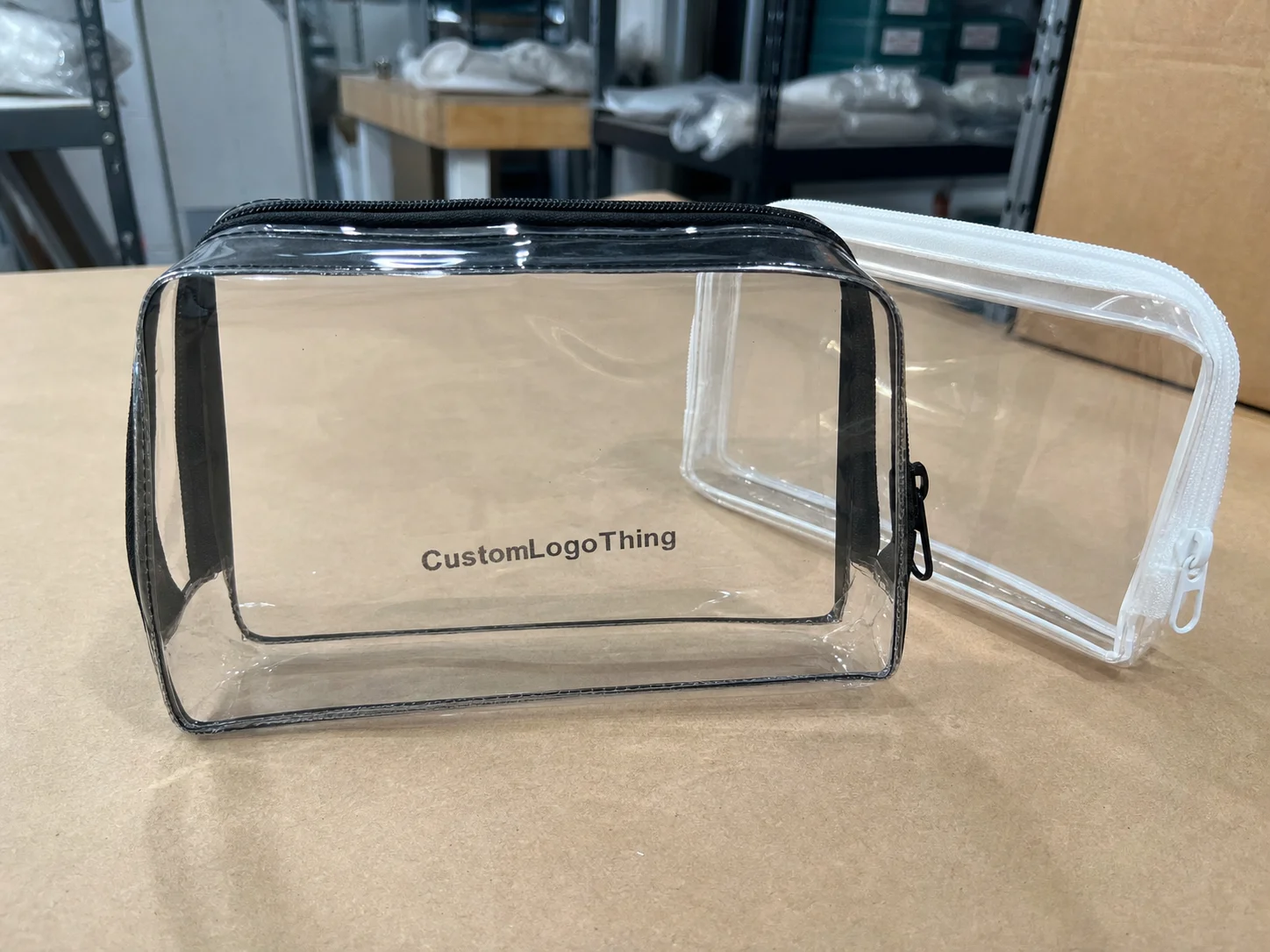
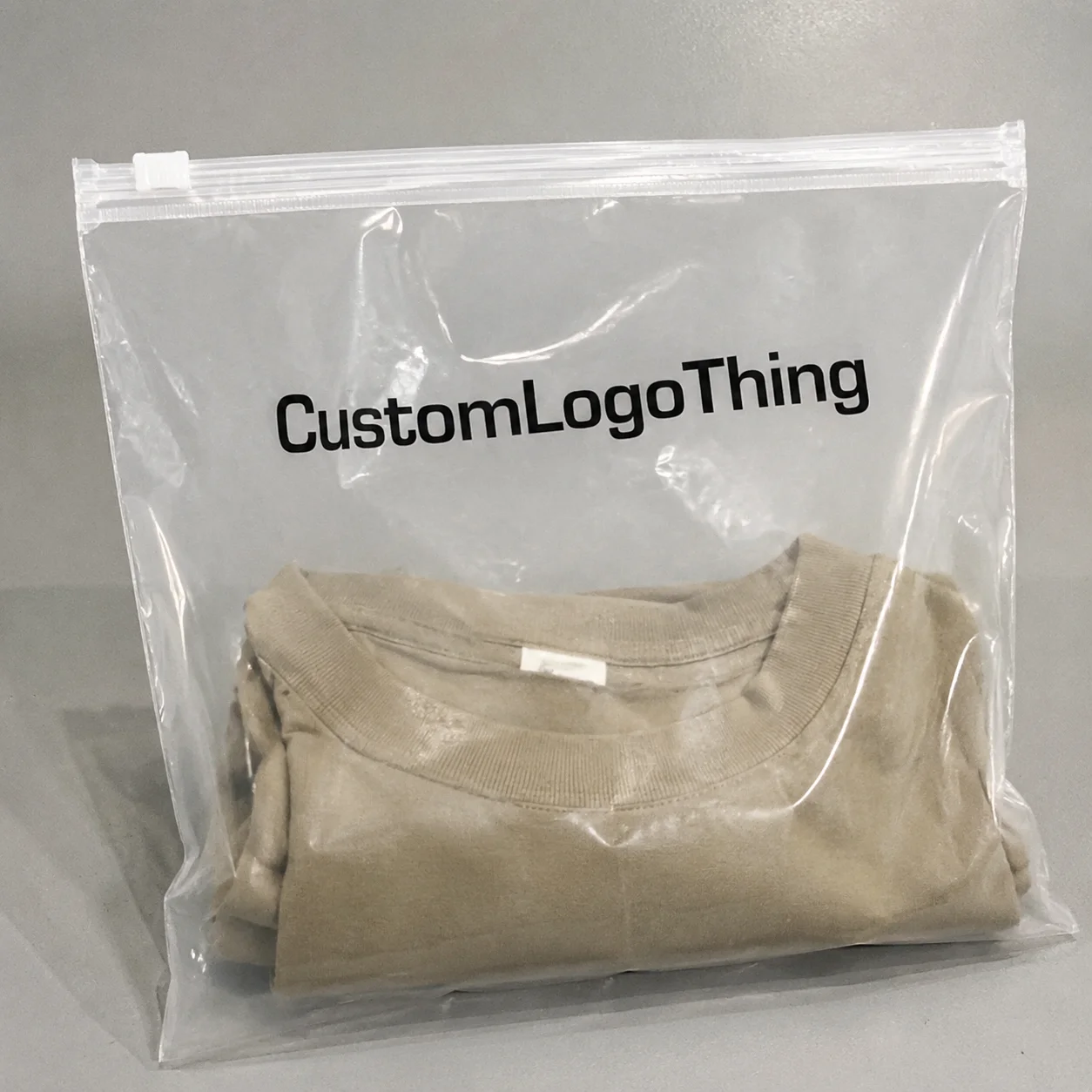
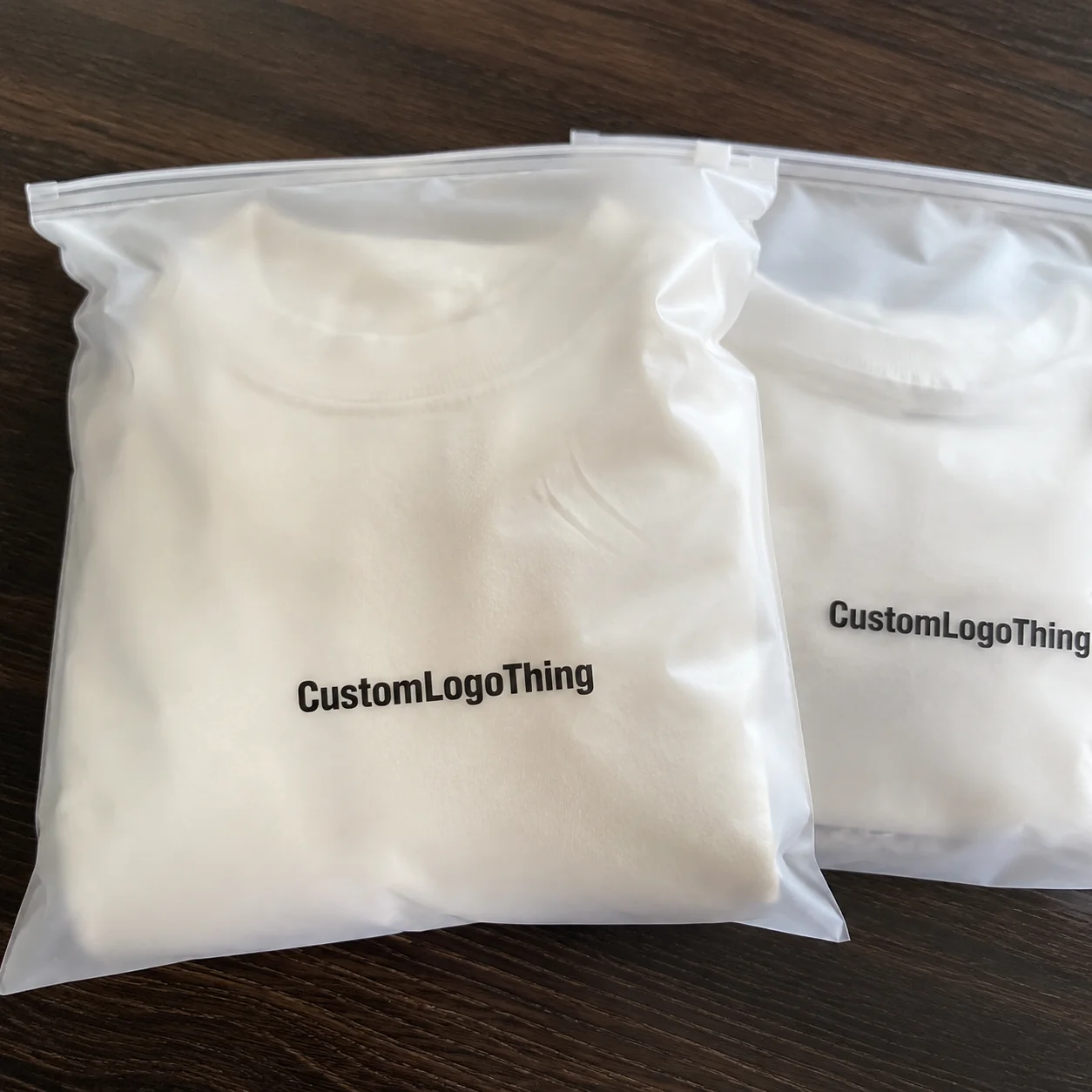
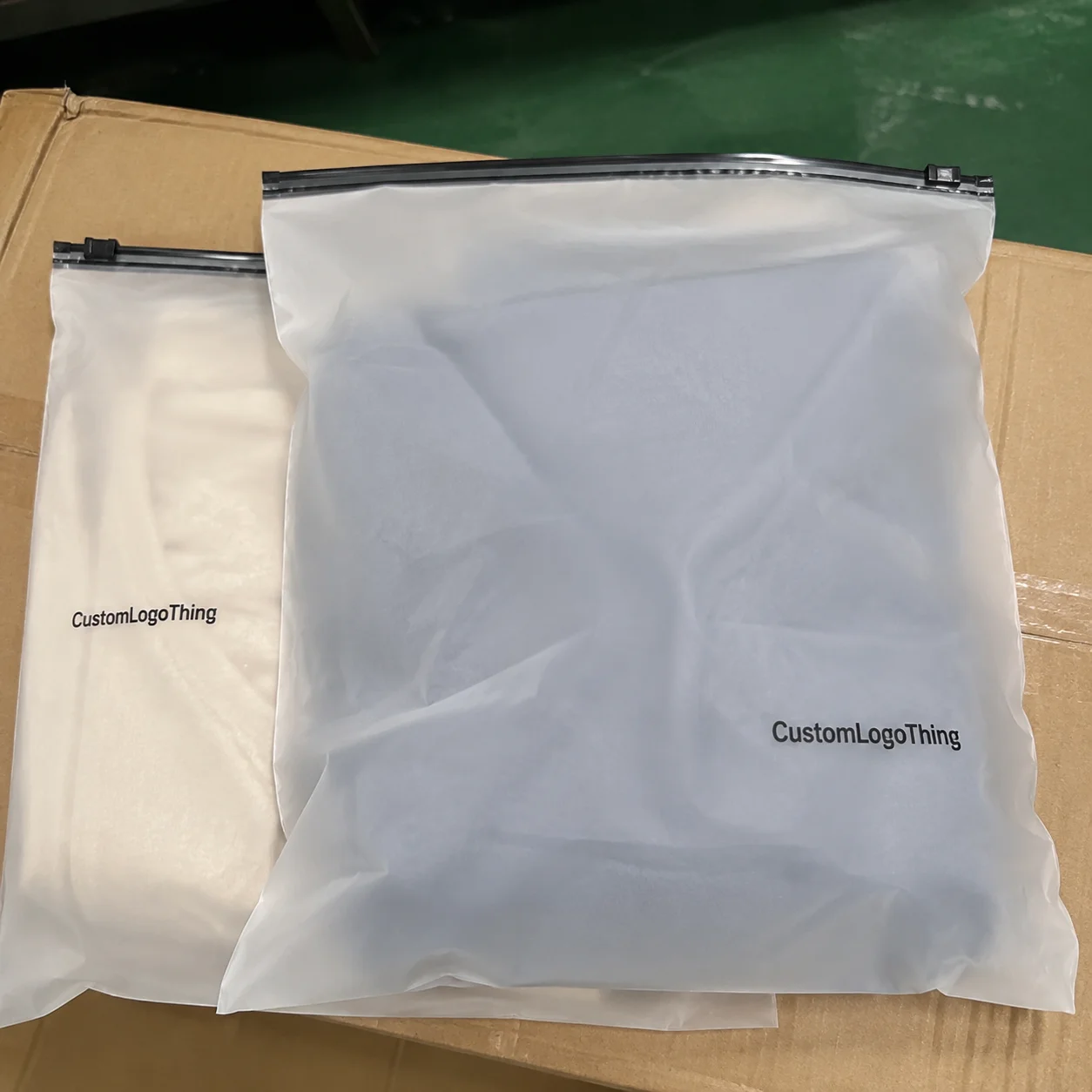
Clear Zipper Bags unit cost for food can look harmless on a spreadsheet until the order moves from 2,000 bags to 50,000 bags and every fraction of a cent starts touching the full packaging budget. A snack brand portioning 6 oz granola, a bakery packing cookie assortments, or a frozen meal prep company filling single-serve components may all find that a $0.012 difference per bag becomes real money quickly.
Cheap can be expensive. Buyers sometimes focus on the lowest cost per piece, then run into film that scuffs too easily, zipper profiles that do not close cleanly after filling, seal areas that wrinkle, or bags that slow hand packing because they will not stay open long enough. A bag that saves half a cent but adds 20 seconds of labor per fill is not saving the program.
For food, the value of a clear zipper bag is practical: shoppers can see the product, users can reclose the pack after opening, and the right film can support the food’s handling, shelf, freezer, or display needs. That does not mean every food item needs the thickest laminate or the most decorated print. It means the structure needs to fit the job.
Unit cost is usually driven by bag size, film structure, gauge, zipper style, print method, order quantity, packing count, and shipping method. Custom Logo Things helps buyers compare the price of the bag against the work it must do: protect the food, present the brand, and reduce friction during packing. That is the practical way to calculate food zipper bag cost before production starts.
Practical rule: do not price the bag in isolation. Price the bag, the filling process, the carton count, the damage risk, and the way the finished product will sit on a shelf, in a freezer, or inside a kit.
Clear Food Zipper Bag Styles and Use Cases
Clear Zipper Bags are not one product. A flat reclosable bag used for ingredient refills has a different cost profile than a stand-up pouch with a clear front panel, bottom gusset, tear notch, and printed back panel. The shape alone changes film consumption, converting speed, zipper handling, carton count, and sometimes tooling fees.
Flat Clear Zipper Bags are usually the simplest format. They work well for portioned candies, dried fruit samples, spice refills, small bakery items, and foodservice prep. Because there is no bottom gusset, the bag ships and stores efficiently, although it will not stand well on a retail shelf unless supported by a display tray or packed into an outer carton.
Stand-up zipper pouches with clear panels suit granola, nuts, cookies, coffee add-ins, powdered drink mixes, and colorful snacks where the product itself sells the pack. A clear window or full clear front lets the customer inspect color, texture, and fill level. A bottom gusset adds shelf presence, but it also adds film area and converting complexity.
Gusseted zipper bags are useful for bulkier foods such as trail mix, meal prep components, frozen portions, and larger bakery assortments. Side gussets or bottom gussets increase filled volume without making the bag face overly wide. They also require better layout planning so text, barcodes, nutrition panels, and seal zones do not land on folds.
Header-style retail bags add a top area for hang holes, product copy, or a printed-card effect. They can be helpful for sample packs, confectionery, dried snacks, or kit components displayed on pegs. A simple clear reclosable bag, by contrast, may be enough for back-of-house portioning, meal kit inserts, ingredient refills, or foodservice handling where display is secondary.
The zipper changes the user experience more than many buyers expect. A light press-to-close zipper is usually fine for small candy or bakery portions. Larger fills need a heavier profile and better alignment across the bag width. Wide bags place more stress on the closure, especially if the consumer tends to pinch the center and pull outward.
Clear display is not the same as barrier performance. A transparent PE bag may show the food nicely, but shelf life may require a PET/PE laminate, moisture barrier, oxygen resistance, aroma control, or grease resistance. Before accepting the lowest quoted Clear Zipper Bags Unit Cost for food, decide whether the bag is mainly for retail presentation, portion control, freezer storage, mailer kit inclusion, or foodservice handling.
Food-Safe Film, Thickness, and Closure Specifications
Material selection is where food zipper bag pricing becomes more technical. Common clear structures include PE-based films for simple reclosable bags, CPP for clarity and sealability, and PET/PE laminations where stiffness, print appearance, and improved barrier performance are needed. Some products need more specialized laminated structures, depending on oxygen, moisture, grease, aroma, or temperature exposure.
Thickness matters, but not in a simple “thicker is always better” way. A small 3 in x 5 in snack sample may feel acceptable in a relatively light film, while a 9 in x 12 in bag can feel floppy if the gauge is too low. Thinner films reduce material usage and can lower unit cost, but they may wrinkle, stretch, or lose shelf appeal on larger formats. Thicker films improve hand feel and durability, yet they also raise cost per piece, carton weight, and sometimes freight.
Typical clear food zipper bags may fall around 2 mil to 4 mil for many PE-style applications. Laminated pouches are often discussed in microns or total structure thickness, such as 80 microns, 100 microns, or 120 microns, depending on the application. Those numbers are only starting points. A fine powder, oily roasted nut blend, frozen fruit portion, and cookie assortment all stress the package differently.
Small construction details add up. Side seals need enough width and consistency to resist splitting. Bottom seals on stand-up pouches need clean formation so the pack stands properly. Tear notches help the user open the top cleanly before using the zipper. Hang holes, rounded corners, venting, and easy-open features may all be useful, but each can affect tooling, setup charges, scrap rate, or converting speed.
Food-contact expectations should be handled carefully. Buyers should request applicable material information based on destination market, food type, and packing conditions. For buyers shipping into retail or regulated channels, packaging documentation should also align with internal quality systems and recognized test methods where relevant. ASTM packaging standards can be researched through ASTM International, and distribution testing references are available through ISTA.
Clarity deserves attention. A bag can be transparent and still have enough haze, ripple, or distortion to make premium candy, colorful dried fruit, or baked goods look less appealing. If the product is the hero of the package, ask for a sample or comparable film construction before locking in a large order.
Test with real product, not air. Fill the sample to the intended weight, close the zipper, drop it gently as it might be handled in packing, place it in the freezer if freezer use is expected, and inspect the seal area after 24 to 48 hours. Powders can migrate into zippers, oily foods can challenge seals and clarity, and sharp inclusions like pretzel edges or brittle snack clusters can create pinhole or abrasion concerns.
Clear Zipper Bags Unit Cost for Food: What Drives It
Clear zipper bags unit cost for food is built from a stack of production choices, not one universal price. The largest drivers are bag dimensions, film structure, gauge, zipper profile, gusset type, printing coverage, number of colors, special features, packing method, and total order quantity. Change any one of those, and the quote can move.
As a rough purchasing reference, small stock PE zipper bags might land in the low single-digit cents per piece at case quantities, while larger stock bags, label-applied bags, or clear stand-up pouches can move into the teens or higher. Custom printed laminated pouches may range far more widely, often from the mid-teens to several dimes per piece depending on size, structure, print coverage, and order volume. Those ranges are not a substitute for a quote, but they explain why two bags that look similar from a distance can price very differently.
MOQ works differently depending on the level of customization. Stock clear zipper bags or label-applied options can often start at lower quantities because the base bag already exists. Custom sizes, custom laminated film, direct printing, and unique zipper profiles usually need higher runs so setup charges, tooling fees, plate or cylinder work, and machine setup time can be spread across more pieces.
Larger bags do not cost only a little more because they are a little bigger. Wider film webs may require different production lanes. Heavier rolls can slow handling. A stand-up pouch with a gusset uses more film than the flat face dimensions suggest. Freight can also rise because cartons of empty pouches often cube out before they weigh out, especially with bulky stand-up formats.
Plain clear bags, label-applied bags, and direct-printed bags each have their place. Labels are often sensible for small launches, short seasonal runs, test SKUs, or regulatory copy that may change. Direct print usually creates a cleaner retail presentation at higher volume and removes hand label application, but the economics depend on print coverage, color count, registration needs, and run length.
| Option | Best Fit | Typical Cost Behavior | Watchouts |
|---|---|---|---|
| Stock clear zipper bag | Samples, portioning, foodservice, early testing | Lower setup cost; bulk pricing improves with case quantities | Limited sizes, film choices, and branding space |
| Clear bag with label | Small food launches, seasonal flavors, multiple SKUs | Moderate cost per piece; label labor may add hidden cost | Wrinkles, crooked placement, adhesion, and label inventory |
| Direct-printed clear zipper bag | Higher-volume retail packs and repeat programs | Setup charges are higher, but unit cost can improve at volume | Artwork approvals, print plates, color control, and MOQ |
| Custom laminated stand-up pouch | Retail snacks, premium display, better stiffness or barrier | Higher starting MOQ and tooling costs; stronger shelf presentation | Requires careful barrier, gusset, and seal testing |
For a useful quote, send the target size, fill weight, food type, desired shelf life, clear or printed area, quantity range, zipper preference, and delivery ZIP or destination port. If you are not sure whether you need a 3-side seal pouch, bottom gusset, or simple flat bag, describe the product and packing method first. A good packaging quote starts with the job, not just the dimensions.
Most food bag pricing mistakes happen because the buyer chases the lowest line item too early. The goal is to find the lowest unit cost that still protects the product, looks right on the shelf, and keeps the packing team moving. That is a different question than asking for the cheapest bag available.
Printing, Labels, and Branding Without Overbuilding the Bag
Branding affects cost more than many food buyers expect. A plain clear zipper bag with a pressure-sensitive label can be the right answer for 500 to 5,000 pieces, especially if the product line is still changing. One-color or spot-color printing may work for simple logos or basic copy. Full-color printed film, especially with white ink behind graphics on clear material, creates a stronger retail look but brings more setup work and tighter production control.
Labels make sense for early product launches, seasonal flavors, nutrition panels that may change, or multiple SKUs sharing one base bag. A granola brand with six flavors might use one clear stand-up pouch and six different labels during market testing. That keeps inventory flexible. The tradeoff is labor. If someone applies 3,000 labels by hand, crooked placement and extra packing time become part of the real clear zipper bags unit cost for food.
Direct print makes sense when the run is steady enough to justify the setup. It can reduce hand labor, improve brand consistency, and avoid label wrinkles or adhesion problems on curved, gusseted, or cold-filled surfaces. For higher-volume retail packs, direct print often feels more finished and controlled.
Artwork choices influence production cost. Heavy ink coverage can increase ink usage and drying requirements. More colors can require more plates or print stations. Barcodes need clean contrast and quiet zones. Nutrition panels need legibility at the final bag size, not only on a large monitor. If artwork prints on clear film, white ink may be needed behind logos, text, or color blocks so graphics do not disappear against the food inside.
Leave the product view open. Clear bags are powerful because they show texture, color, and fill quality, so covering most of the face with ink can defeat the purpose of using transparent packaging. Keep critical text away from the zipper, heat-seal areas, bottom folds, and gussets. Review the artwork on a filled mockup whenever possible because a flat dieline can be misleading; once the bag expands, graphics may curve, stretch visually, or land closer to folds than expected.
Branding is a cost-control decision as much as a design decision. Overprinting a small food bag can add cost without improving sell-through if the product itself is the strongest visual. A clean logo, compliant food copy, readable barcode, and generous clear window often do more than a fully covered pouch that hides the product.
Process, Lead Time, and Production Steps for Custom Orders
A well-run custom order follows a sequence. First comes specification review: size, food type, fill weight, barrier need, zipper preference, print plan, quantity, and delivery point. Then the supplier recommends a structure and provides pricing. After that, artwork setup, proofing, sample review or pre-production confirmation, production, quality checks, packing, and shipment follow in order.
Timelines depend heavily on the build. Stock clear zipper bags can move faster because the material and size already exist. Custom labeled bags require label printing and application planning. Direct-printed film needs artwork proofing, print setup, and production scheduling. A fully custom laminated pouch with a new size, new structure, gusset, tear notch, and special zipper takes more coordination because material, converting, and quality checks all need to line up.
Typical preparation windows can range from a few business days for available stock bags to several weeks for custom printed or laminated structures, depending on proof approvals, material availability, and production queue. Rush production is not always impossible, but rushing food packaging without a filled-product test can create expensive problems after the bags are already in the building.
Several things slow a project down: incomplete dimensions, unclear fill weight, artwork revisions, missing compliance copy, late approvals, special film requirements, unusual zipper requests, or changes after proof approval. Even a small dimension change can affect film width, zipper position, carton count, and pricing.
Quality checkpoints should be practical and visible. Film appearance should be clean, without unusual haze, scratches, or contamination. Zipper placement should be straight enough for easy closure. Side and bottom seals should be consistent. Print alignment should stay within agreed tolerance. Cartons should be labeled clearly with product code, count, and order details. Random checks before packing out help catch defects before they become the buyer’s receiving problem.
If a launch date is firm, approve a structural sample before committing to printed production. Then run a packing test using the actual product, not an empty-bag review. Fill the bag at production speed, close the zipper, seal the top if heat sealing is part of your process, pack it into the intended shipper, and check it again after normal handling. For e-commerce or kit distribution, ISTA-style transit thinking is useful because the bag may be squeezed, dropped, or exposed to temperature changes before the customer sees it.
Custom Logo Things keeps projects moving by asking for the right details upfront and turning food packaging requirements into factory-ready specifications. That means fewer vague assumptions, fewer quote revisions, and a cleaner handoff from buying to production.
How to Request a Quote That Comes Back Accurate
An accurate quote does not need a 20-page technical file, but it does need the right information. If you want a usable landed cost for clear zipper food bags, provide details that match the way the bag will be filled, displayed, stored, and shipped.
- Bag size: outside dimensions, target usable opening, and whether a gusset is needed.
- Product weight: fill weight per bag, such as 2 oz, 6 oz, 12 oz, or 1 lb.
- Food form: dry snack, powder, oily food, frozen portion, bakery item, candy, or ingredient refill.
- Barrier need: basic containment, moisture resistance, aroma control, oxygen barrier, grease resistance, or freezer performance.
- Zipper type: standard press-to-close, heavier profile, or special closure requirement.
- Quantity: target order quantity plus expected repeat volume if known.
- Print approach: plain, label-applied, one-color print, spot color, or full-color printed film.
- Artwork status: logo only, finished dieline, nutrition copy ready, barcode included, or design still in progress.
- Packing method: hand packed, scoop filled, semi-automatic filled, top heat sealed, or packed into retail cartons.
- Delivery location: ZIP code, warehouse, distributor, or port for landed cost planning.
Compare quotes carefully. Confirm the same film thickness, same structure, same zipper profile, same print coverage, same MOQ, same freight terms, and same packing count per carton. A stock bag price should not be compared directly against a custom printed laminated pouch price as if they are equal products. They are solving different packaging problems.
Common buying mistakes are easy to avoid. Do not quote only by outside dimensions if the product has depth or irregular shape. Do not choose film before shelf-life needs are understood. Do not ignore powder migration, grease transfer, freezer brittleness, or sharp inclusions. Do not assume a label cost is only the label itself if labor is needed to apply it.
Ask for samples or a similar construction if the product is powdery, oily, sharp, frozen, fragile, or retail-facing. A sample does not answer every production question, but it can reveal zipper feel, clarity, stiffness, fill fit, and seal concerns before money is committed to a larger run.
The best cost discussion is specific. Target size, fill weight, food type, expected quantity, branding plan, and storage conditions give the quoting team enough information to recommend a sensible structure rather than guess low and correct later. That is how clear zipper bags unit cost for food becomes a purchasing number you can trust, not just an attractive line in an early estimate.
FAQ
What affects clear food zipper bag unit pricing the most?
The biggest factors are bag size, film thickness, barrier structure, zipper type, order quantity, print method, and added features such as gussets, hang holes, tear notches, rounded corners, or custom packing. Freight and carton quantity can also influence landed cost, especially on bulky pouch formats that ship with more air volume than weight.
What MOQ should I expect for custom clear zipper bags for food?
MOQ depends on the level of customization. Stock or label-applied clear zipper bags can often start lower, while custom sizes, custom laminated films, and direct-printed bags usually require higher production runs. For the most accurate MOQ, provide the bag dimensions, food type, print needs, and quantity range so the structure can be matched to a realistic production method.
Are clear zipper bags suitable for all food products?
They work well for many dry, portioned, frozen, and display-focused foods, but the film structure must match the product’s moisture, oxygen, grease, aroma, and temperature requirements. Powders, oily foods, sharp products, and long shelf-life items may need stronger seals, specific barrier layers, or testing before a full order.
Is it cheaper to print clear zipper bags or use labels?
Labels are often practical for small runs, test batches, seasonal flavors, or multiple SKUs because they reduce upfront production complexity. Direct printing can lower labor and improve appearance at higher volumes, but unit cost depends on print coverage, color count, film type, and order quantity.
How do I get an accurate clear zipper bag quote for food packaging?
Send the target bag size, fill weight, food product details, quantity, desired film thickness or barrier need, zipper preference, artwork plan, and delivery location. If you are unsure about the structure, provide the product use case and shelf-life expectations so the quote can include a suitable material recommendation instead of only a low-price guess.