Custom logo box packaging does more than hold a product. It frames the first impression the moment a carton lands on a shelf, a receiving dock, or a customer’s table. A good box makes the shipment feel intentional. A bad one makes the brand look like it cut corners where people can actually see them.
That sounds simple, but the job has two parts that often fight each other. The box has to protect the product through handling and freight, and it has to communicate value without bloating the budget. If the structure is wrong, the product suffers. If the artwork is weak, the package looks forgettable. If both are sloppy, you get a box that spends money and still misses the point.
For buyers, the real question is not whether packaging matters. It does. The question is how to specify a box that fits cleanly, ships safely, and still looks sharp without turning the order into an engineering rabbit hole. That starts with structure, then moves through print, material choice, finishing, and the production details that affect cost and lead time.
Why Custom Logo Box Packaging Gets Noticed on Shelf and in Transit
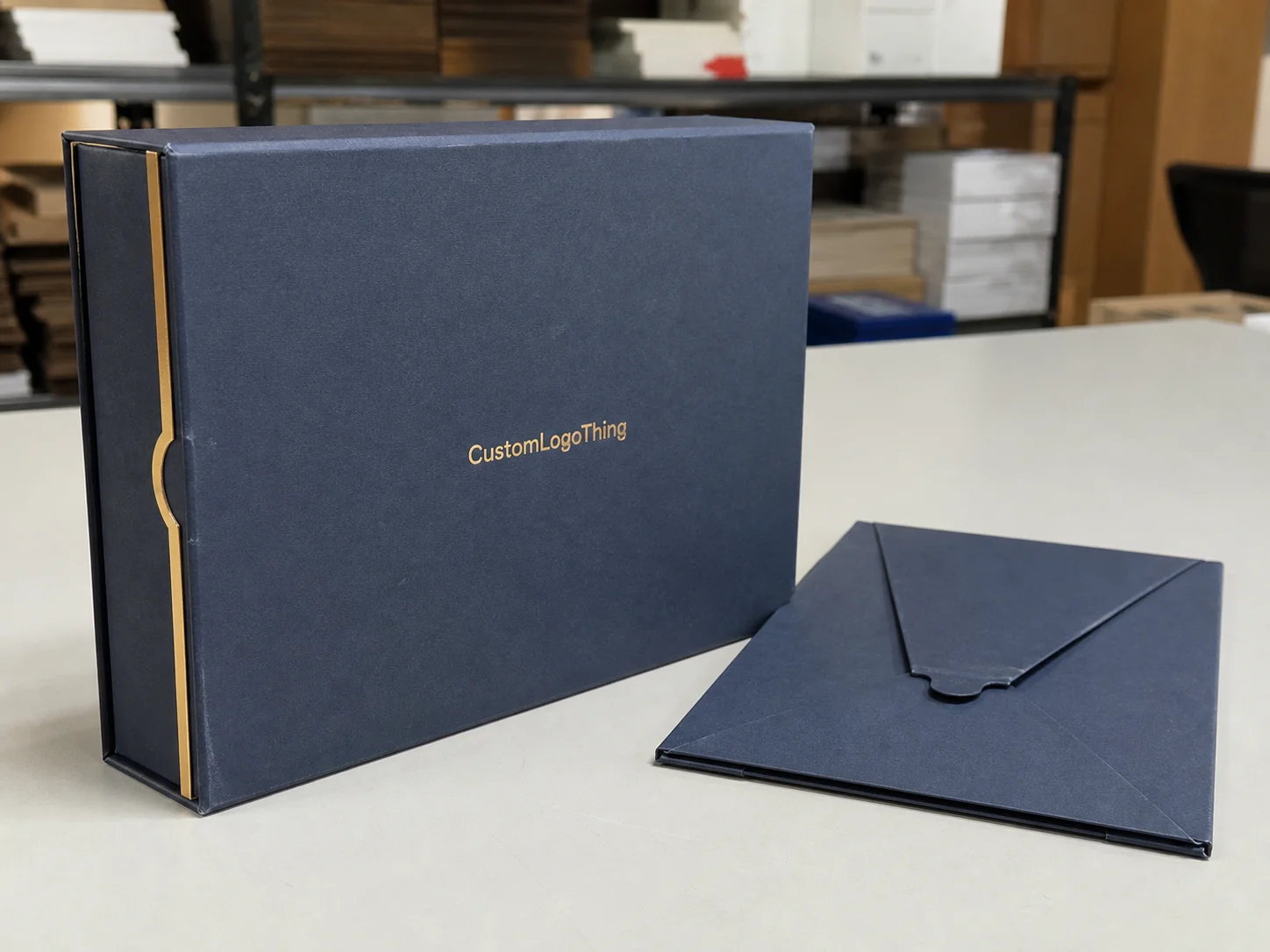
A box communicates before the product is even visible. On a retail shelf, custom logo box packaging helps a buyer spot category, brand level, and price point in seconds. In transit, it does something more practical: it tells the receiver the sender cared enough to package the product properly. That changes the tone of the unboxing, even if the customer never says it out loud.
Packaging is never judged in isolation. A clean logo, the right board finish, and a box style That Actually Fits the product all feed the perception of quality. A lower-priced item can look more credible in a sharp carton. A premium product can look oddly cheap in a thin, oversized shipper with sloppy print alignment. The market is full of expensive mistakes that started as “good enough.”
From a buyer’s standpoint, the box has three jobs. It must protect the contents through handling and freight. It must fit without wasting space. And it has to look polished enough to support the brand story without pushing margins into the red.
That is why package branding is not just decoration. It is part of the product strategy. Structure, graphics, and material choice work together. If one piece is out of sync, the whole thing feels off. A box that protects but looks generic can still underperform. A box that looks impressive but fails in shipping is worse. It creates returns, complaints, and more work for everyone involved.
Start with the actual use case. Retail packaging, direct-to-consumer mailers, and transit shippers do not need the same construction. A display carton can prioritize shelf appeal. A mailer needs a faster pack-out and enough crush resistance to survive parcel handling. A shipper needs the most practical balance of durability and cost. Chasing a generic premium look usually wastes money. Matching the structure to the route usually does not.
How Branded Box Packaging Is Built
The build starts with structure. A carton might be a tuck-end box for shelf display, a corrugated mailer for shipping, or a rigid setup box for a higher-end presentation. Once the style is chosen, the inside dimensions should be built around the product and any insert, not around the artwork. That order matters more than many first-time buyers expect.
After sizing comes the dieline. This flat template shows panels, folds, flaps, glue areas, bleed, and safe zones. The artwork has to fit the dieline, not the other way around. If a logo lands too close to a fold or trim edge, the finished box can look cramped or uneven even if the file looked fine on screen. Screen confidence is cheap. Press corrections are not.
Then the production route gets chosen. Flexographic printing is common on corrugated boxes and works well for solid logos, line art, and efficient runs. Litho lamination is usually chosen when a design needs tighter image quality and a smoother premium surface. Digital proofing helps with short runs, pilot orders, or artwork checks. Specialty finishes such as aqueous coating, UV coating, foil, spot varnish, and embossing come later, after the structure is proven and the artwork is stable.
There is also the matter of board construction. A folding carton, for example, can use paperboard in the 14-24 pt range depending on the product weight and display requirements. Corrugated mailers may use E-flute, B-flute, or double-wall board depending on how far the package travels and how much abuse it will take. Rigid boxes are built differently again, usually with wrapped chipboard and a more labor-heavy assembly. None of that is glamorous, but it is the difference between a box that works and one that only looks good in a mockup.
Most delays show up during handoff. If dimensions are still changing, if the insert drawing is not final, or if the file is missing fonts, prepress slows down immediately. That is normal. It is also avoidable.
For standards and testing, ask whether the package should align with relevant distribution methods such as ISTA protocols or ASTM test methods. If the box will move through parcel networks, those tests matter more than a pretty render. For sustainability claims, look for responsibly sourced board and, where appropriate, FSC certification that can actually be documented, not just mentioned in a sales deck: ISTA testing guidance and FSC certification information.
Key Factors That Shape Fit, Look, and Durability
The first spec that matters is the inside dimension. If the cavity is too tight, the product scuffs or the pack-out slows down. If it is too loose, the product shifts and the box feels cheap the moment it is lifted. Good custom logo box packaging starts with accurate measurements and then adds only the clearance the product actually needs.
Board grade and flute type come next. Lightweight retail cartons often use paperboard, while shipping mailers may need E-flute, B-flute, or double-wall corrugated depending on weight, fragility, and route. A thicker board is not automatically better. Sometimes a well-designed insert, partition, or internal wrap does more to protect the product than adding more caliper to the outer box.
Weight, moisture exposure, and shipping distance change the equation again. A 12-ounce cosmetic jar is not asking the same thing of a box as a 4-pound accessory kit moving cross-country. If the route is humid, cold, or handled multiple times, the board construction and coating need to be chosen for that reality. Shelf appearance matters, but freight reality pays the bills.
Branding decisions also affect performance. A full flood of dark ink can hide fingerprints, but it can also increase coverage cost. Matte lamination gives a softer feel and cuts glare. Gloss boosts color pop. Foil and embossing add tactility, but they should support the design rather than cover up a weak layout. A simple, well-proportioned box usually performs better than a heavily decorated one that was never engineered for the product.
Practical buyers usually end up checking the same few points before approving a run:
- Inside fit should keep the product stable without forcing it into place.
- Insert design should support fragile items instead of leaving them to rattle around.
- Dieline placement should keep logos, copy, and marks away from folds and trim.
- Finish selection should match handling conditions, not just the presentation goal.
- Assembly time should be realistic if the box will be packed by hand.
The whole system matters. A strong board grade, a precise cut, and a print layout that respects the dieline usually create better results than trying to fix a poor structure with premium finishes. That is especially true in branded packaging, where the box itself becomes part of the customer experience and the box still has to survive the trip.
Cost, Pricing, and MOQ: What Drives the Numbers
Pricing for Custom Printed Boxes is usually driven by size, board type, print method, finishing, and quantity. Setup work is the part many buyers underestimate. A small order can be expensive per unit because plates, tooling, and press setup are spread across fewer pieces. A larger run often lowers the unit price enough to justify extra inventory, but only if the spec is stable and the demand forecast is decent.
As a rough ballpark, a simple kraft mailer or corrugated shipper on a mid-sized run may land around $0.45-$0.90 per unit. A more decorated printed carton can move into the $0.90-$1.80 range depending on size, coating, and structure. Premium rigid packaging, custom inserts, foil, soft-touch lamination, or complex assembly can push pricing well above that. Smaller pilot orders usually cost more per box because fixed setup is spread across fewer units. That is not a trick. It is how the math works.
| Box Style | Best Use | Typical Setup Complexity | Relative Unit Cost | Notes |
|---|---|---|---|---|
| Mailer box | DTC shipping, subscription kits, presentation packaging | Moderate | Medium | Good balance of print area, protection, and assembly speed |
| Tuck-end carton | Retail shelves, lightweight products, inner packaging | Low to moderate | Low to medium | Efficient for display, but not ideal for heavy transit abuse without secondary protection |
| Corrugated shipper | Shipping, protection, heavier or fragile goods | Moderate | Medium | Often the best value when the box must survive rough handling |
| Rigid setup box | Premium gifting, luxury retail, high-touch unboxing | High | High | Excellent presentation, but usually the most expensive structure to produce |
Minimum order quantity changes the equation in a direct way. A 250-piece run may be useful for testing, but it will almost always carry a higher per-unit price than 2,500 or 5,000 pieces. Smart buyers ask for tiered quotes at several quantities. That makes it easier to see whether a slightly larger order drops total spend enough to justify the inventory and whether the packaging plan should be tied to a launch cycle or a longer replenishment schedule.
If the box is carrying a fragile or high-value product, the cheapest carton is not always the least expensive choice. Rework, returns, and damaged goods usually cost more than a sturdier structure that was specified correctly the first time.
There is a second cost that gets ignored too often: labor. A box that takes an extra few seconds to assemble or pack can become expensive fast at scale. A neat mailer that folds cleanly is not just prettier. It can lower pack-out time and reduce operator fatigue. That is not marketing language. That is a labor line item.
Process and Lead Time: From Quote to Delivery
The order sequence is straightforward when the files are ready. It usually starts with a spec request, followed by a quote review, artwork submission, structural confirmation, proofing, approval, production, and shipping. The slowdown usually happens at the front end, not the press room. A clean file can move quickly. A messy one can burn days before anyone prints a thing.
One of the most common causes of delay is incomplete artwork. Missing fonts, low-resolution logos, incorrect color mode, or dielines edited without production review can trigger another proof cycle. The same thing happens when a design team makes late changes after the structure has already been approved. Even a small shift in panel size can force a new layout review.
A realistic timeline often breaks into separate blocks. Prepress may take 1-3 business days if the file is clean. Standard production can run 10-15 business days after approval for simpler corrugated jobs. Specialty finishes, inserts, or rigid builds can stretch to 15-25 business days or more depending on schedule and complexity. Freight time is separate. That distinction matters if the launch date is fixed and the team is pretending it is not.
If the deadline is tight, reduce variables. Lock the dimensions early. Finalize the logo placement. Decide on coatings before proofing. The fewer changes between quote and approval, the better the odds of hitting the ship date without rush charges or correction work. Experienced buyers treat custom logo box packaging as a production job, not a graphic design exercise with extra steps.
For companies comparing formats, it helps to review a few common Custom Packaging Products before locking the build. Choosing the right structure early usually shortens the entire process because the box is selected around the real packaging job, not around whatever looks best on a presentation slide.
Common Mistakes That Waste Budget or Create Rework
The biggest sizing mistake is building artwork before the final internal dimensions are confirmed. Once the dieline changes, the layout can feel crowded, misaligned, or off-balance. A logo that looked centered on a screen may sit too close to a fold or drift into the flap area. That is the kind of issue that looks small in a file and obvious on a finished box.
Another common error is choosing a premium finish before the structure is proven. Foil and soft-touch coating can improve presentation, but they cannot rescue a box that crushes in transit or stacks badly on a pallet. The right sequence is structure first, decoration second, and special effects last. Skip that order and the budget starts working against you.
File prep causes a surprising amount of trouble. Low-resolution logos print soft. Live fonts without outlines can break during prepress. Incorrect color setup can shift the final look. And if the dieline itself is edited in a design file without production review, the result can be an expensive round of corrections. Packaging files should be treated as production documents, not just visual comps someone thinks are “close enough.”
Skipping samples is another mistake that shows up later. If the product is new, if the artwork is new, or if the fulfillment flow has not been tested, a sample or proof is cheap insurance. The unit cost of a pilot run may be higher, but it often saves money by revealing fit problems before thousands of boxes are printed.
These checks are basic, but they save real budget:
- Confirm inside dimensions before final artwork is built.
- Check fold lines and safe zones against the dieline, not against a screenshot.
- Approve one proof with the real board and finish, not just a screen file.
- Test assembly speed if the box will be packed by hand.
- Inspect color consistency under normal lighting, not just in prepress.
The costliest errors are usually not dramatic. They are small misses that compound: a box that is 1/8 inch too loose, a coating that scuffs in stacking, or a logo placed for aesthetics instead of manufacturing reality. That is what separates dependable retail packaging from packaging that keeps getting revised.
Expert Tips for a Cleaner First Run and Better Reorders
Start with a pilot quantity if the product or fulfillment flow is new. That first run tells you things a rendering cannot: whether the product seats correctly, whether the box closes without force, how fast packing happens, and whether the finish shows fingerprints or scuffs too easily. A smaller first order can look expensive on paper, but it often prevents a much more expensive correction later.
Build a one-page spec sheet and keep it current. It should list inside dimensions, product weight, insert needs, ship method, print coverage, finish, target quantity, and whether the box is for shelf display, mail order, or both. That document makes quotes easier to compare and keeps procurement, design, and operations from talking past each other. They do that enough already.
Keep a reorder folder with the final artwork, approved dieline, print notes, and sample approvals. Future production goes faster when the manufacturing details are not scattered across email threads. It also reduces the chance that a different team member will “clean up” a file and accidentally change the layout or colors. That kind of cleanup is usually just a new problem with better punctuation.
Quality control should be boring and specific. Check the first article against the approved sample. Confirm glue strength, print registration, and cut accuracy. Test whether the box springs back or creases at the right points. If there is an insert, verify that the product sits centered without stress on corners or labels. If the boxes will be stored before packing, confirm they hold shape in the warehouse environment, not just on a design table.
For brands that want to narrow options quickly, a broader view of Custom Packaging Products can help compare box styles before time is spent refining the graphics. That is often the cleanest way to move from concept to production because the structure is chosen around the packaging job first.
There is a reason experienced buyers keep returning to the same workflow: compare quotes at multiple quantities, request a physical proof or sample, lock the spec early, and document the approved build. That turns custom logo box packaging into a repeatable production asset instead of a constant source of revisions, delays, and unnecessary spend.
FAQ
What is the best box style for custom logo box packaging?
Choose the structure around the product first. Mailer boxes work well for presentation and shipping, tuck-end cartons are efficient for retail, and corrugated styles are usually the better choice for heavier or more fragile items. The best style is the one that fits the product, the route, and the assembly process without forcing compromises later.
How much does custom logo box packaging usually cost?
Unit cost depends on quantity, board type, print complexity, size, and finishing. Smaller runs tend to cost more per box because setup is spread across fewer pieces. A simple mailer may land under a dollar on a decent run, while a premium rigid box can climb several times higher. The cleanest comparison is to ask for quotes at several quantities so you can see where the price curve starts to flatten.
How long does custom logo box packaging take to produce?
Lead time depends on file readiness, proof approvals, production complexity, and current schedule. Clean files can move through prepress quickly, while specialty finishes or custom inserts take longer. Plan separately for prepress, production, and freight so the whole job is not treated as one block of time.
What artwork files do I need for a custom printed box?
A production-ready vector file is usually the safest starting point, along with the correct dieline, outlined or embedded fonts, and clear color specifications. Keep images high resolution and design inside the live area with proper bleed so important details do not fall too close to folds or trim edges.
Can I order a small quantity before committing to a full run?
Yes. A pilot quantity is often the best way to test fit, print quality, and packing speed before committing to a larger order. The per-unit cost may be higher, but it lowers risk when the product, artwork, or fulfillment workflow is still being refined.


