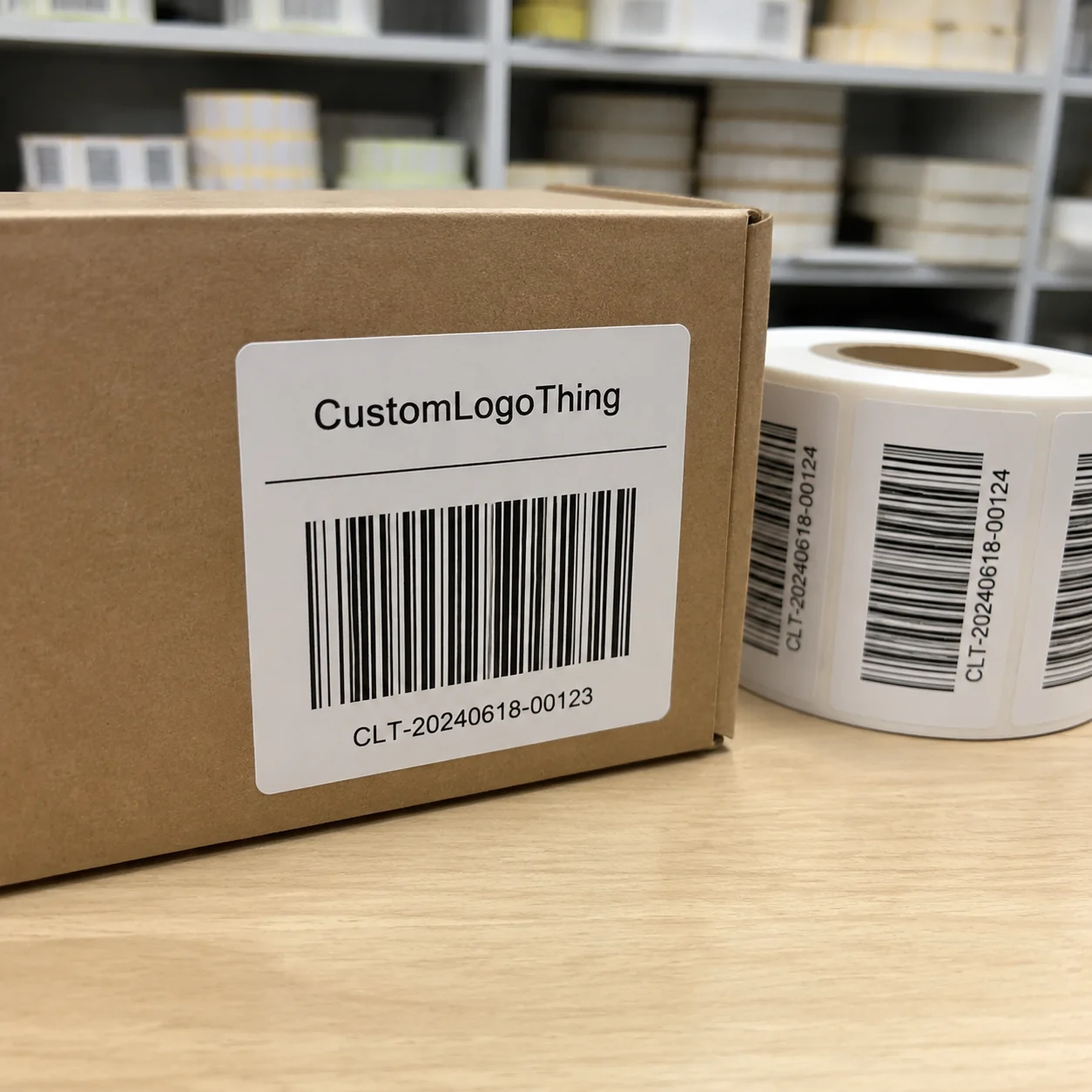
A garment can pass fabric inspection, fit review, and carton drop planning, then still feel cheap because the neck label curls, scratches the skin, bleeds after three washes, or detaches at the corner. That is why sourcing from a custom sewing labels Wholesale China Factory is not just a trim decision; it is a cost, compliance, and brand-control decision packed into a space often smaller than a credit card.
Buyers usually notice the label problem late. The main fabric is approved. The size set is moving. Retail packaging is being discussed. Then someone checks the inside neck seam and sees a stiff woven label fighting the fabric. Small part. Big signal.
What Buyers Gain from a Custom Sewing Labels Wholesale China Factory
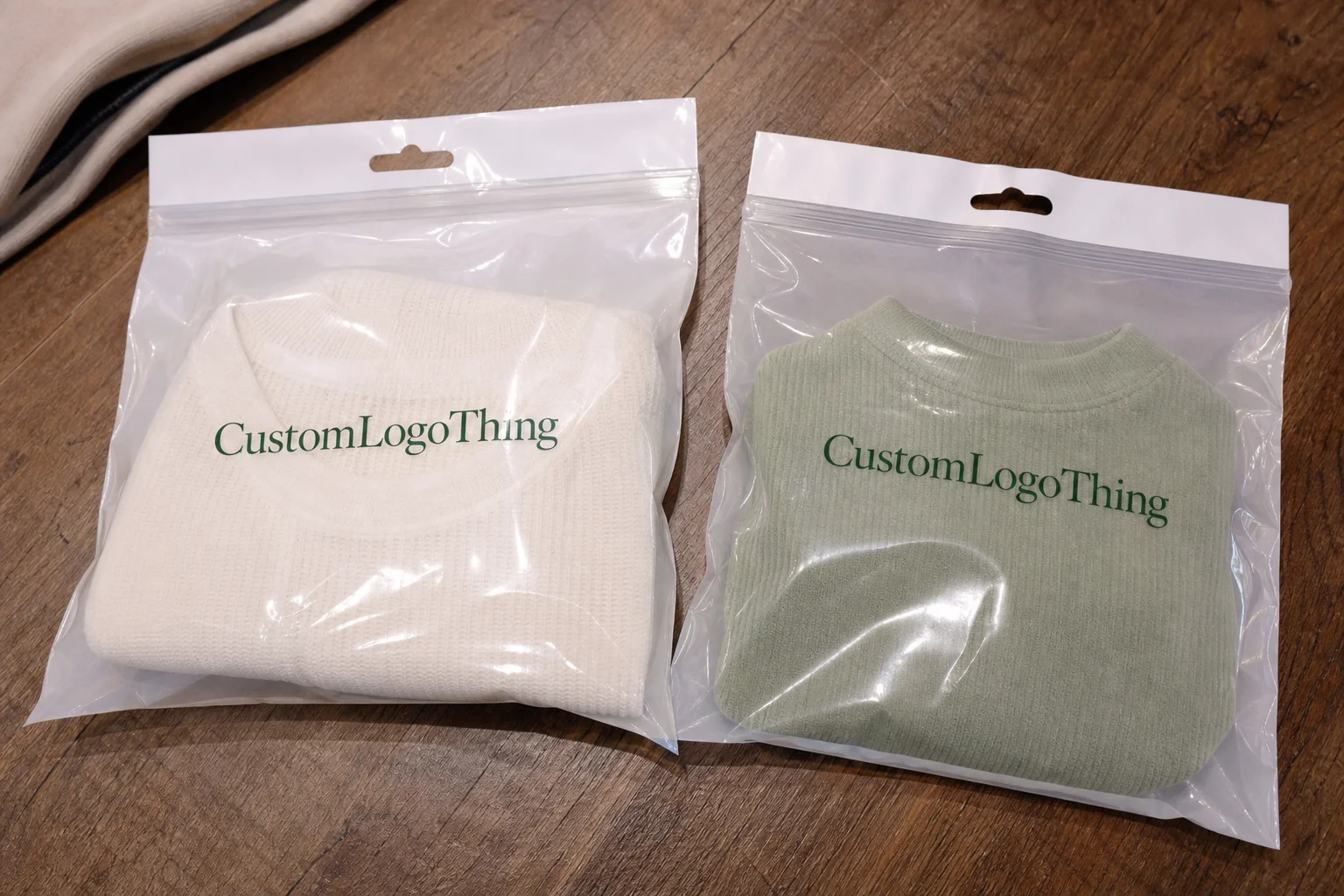
A reliable custom sewing labels wholesale china factory gives apparel buyers four practical advantages: lower unit cost at scale, wider material choice, controlled brand presentation, and direct accountability when a bulk batch has problems. Not glamour. Control.
Labels are not decoration only. They carry size, fiber content, country of origin, care instructions, compliance marks, QR codes, batch references, and the brand name that a customer sees every time the garment is worn or folded. In a typical T-shirt, the main brand label may be 45 mm by 25 mm. That tiny rectangle has to survive washing, heat, abrasion, folding, and sewing tension.
Factory-direct sourcing matters because reseller buying often adds distance. Distance creates markups, but it also creates translation loss: one person interprets the artwork, another interprets the fold, and a third person explains defects after production. With direct wholesale production, sampling is clearer, Pantone references are easier to confirm, and escalation is faster if a batch shows rough edges, color drift, or wrong fold direction.
From a packaging buyer's point of view, the label works like miniature package branding. It has fewer square centimeters than custom printed boxes, but it carries the same job: identify the product, support trust, and keep the brand consistent across SKUs. Apparel brands, uniform suppliers, fashion startups, promotional clothing distributors, sportswear companies, and private-label manufacturers all feel the cost of inconsistency when 10,000 pieces arrive with two label tones.
Wholesale value depends on facts, not slogans. Order volume, weave density, material type, color count, cut method, backing, bundle count, and packing requirements all influence price. A 30 mm one-color printed satin care label and a 70 mm six-color damask woven brand label do not belong in the same cost conversation, even if both are sewn into the same hoodie.
Buyer reality: the lowest quote can become expensive if the label fails wash testing, irritates the skin, or delays garment assembly by a week.
Label Types, Materials, and Finishes Built for Garment Branding
A custom sewing labels wholesale china factory should be able to discuss label type before pushing a quote. The right choice depends on the garment, the touch point, the artwork, and the risk of wear. A label used inside babywear needs a different hand feel than a faux leather patch stitched onto denim.
Woven labels are the standard choice for brand marks that need durability. Damask Woven Labels offer fine detail, a smooth hand, and strong perceived quality; they suit premium fashion, outerwear, uniforms, and accessories. Satin woven labels feel softer and have a slight sheen, though tiny text may lose sharpness. Taffeta woven labels are usually firmer and less expensive, often used where function matters more than luxury.
Printed satin labels are useful for care content, size sets, and multi-language instructions because printing can handle small text better than weaving. Cotton labels fit sustainable collections, natural-fiber garments, and brands that want a less glossy look. TPU and silicone labels work for sportswear, swimwear, bags, and performance apparel where water resistance and a technical feel matter. Faux leather patches are common on denim, caps, workwear, and bags. Heat-transfer labels reduce bulk and scratch risk, especially in activewear and underwear, although fabric compatibility and wash performance must be checked.
Finish choices shape both sewing efficiency and comfort. End fold labels are folded at left and right edges for side stitching. Center fold labels fold in the middle and are often placed in neck seams or side seams. Mitre fold labels create angled ends, useful for hanging loops or decorative placement. Manhattan fold labels combine folding and a top flap for specific branding layouts. Straight cut, ultrasonic cut, and laser cut edges each have different fray-control and hand-feel results. Adhesive backing can help operators position labels before sewing, but it should be tested against the garment fabric and needle process.
Advanced branding options include metallic yarn, high-density weave, Pantone-matched thread, QR Code Labels, sequential numbering, size tabs, and multi-language care content. Honestly, I think buyers under-test these details. A label can look impressive on a PDF and still fail in production because the contrast is too low, the font is too thin, or the finished size is too large for the seam allowance.
| Label Type | Best Use | Typical Strength | Watch Point |
|---|---|---|---|
| Damask woven label | Premium fashion, uniforms, accessories | Fine detail and durable color | Higher cost with dense weaves and many colors |
| Printed satin label | Care labels, size labels, lingerie, babywear | Soft feel and small text clarity | Print durability depends on ink and wash testing |
| Cotton label | Natural apparel, sustainable collections | Matte texture and soft branding | May shrink or wrinkle more than synthetics |
| TPU or silicone label | Sportswear, swimwear, bags | Water resistance and technical appearance | Requires checking heat, stretch, and attachment method |
| Faux leather patch | Denim, caps, workwear, outerwear | Strong visual branding | Thickness affects sewing and needle choice |
Specifications That Decide Quality Before Bulk Production
Good labels start before a machine runs. A quote request should include label size, artwork file, material, fold style, color count, order quantity, backing, packing method, delivery country, and deadline. Missing one field can shift the price or create a sample that looks correct but cannot be sewn efficiently.
Vector artwork matters because labels are small and machines interpret edges, letters, and color areas differently from a screen preview. AI, EPS, PDF, and SVG files are preferred. If vector files are unavailable, send high-resolution layered artwork, font names, Pantone references, and a clear image of the expected finished look. Tiny letters, thin strokes, gradients, and distressed logos need early review because woven labels cannot reproduce every graphic effect that print can handle.
Color control deserves more attention than it usually gets. Monitor color is not a production standard. Use Pantone references, thread charts, strike-off samples, and approved physical samples. For woven labels, thread color and yarn sheen can change the perceived shade. For printed labels, ink absorption and base material influence the final tone. A black logo printed on white satin looks different from black thread woven into a damask ground.
Durability testing should match the garment's real use. Relevant checks include wash resistance, rubbing resistance, colorfastness, fray control, shrinkage, heat tolerance, and edge smoothness. For export programs, buyers may also ask about standards and test methods aligned with ASTM practices, and packaging teams can review distribution risks using resources from the International Safe Transit Association when trims are packed with finished garments or shipped to multiple assembly sites.
Compliance is not optional for many apparel programs. Fiber content wording, country-of-origin rules, care symbols, and childrenswear requirements must be checked before production. CPSIA concerns may apply to children's garments sold in the United States. OEKO-TEX material requests are common for skin-contact labels, although availability depends on material, dye, ink, and supplier documentation. FSC is more relevant to paper packaging and hang tags, but apparel brands coordinating labels with Custom Packaging Products often review responsible sourcing across all trim and product packaging components.
- Confirm spelling, punctuation, and translated care text before sampling.
- Check logo proportions against the final label size, not only the enlarged proof.
- Allow enough fold allowance and seam allowance for the sewing operation.
- Test barcode or QR readability after printing, weaving, folding, and sewing.
- Mark label orientation clearly if the garment has left/right or top/bottom placement rules.
Pricing, MOQ, and Unit Cost Factors for Wholesale Labels
Pricing from a custom sewing labels wholesale china factory is driven by setup, material, finished size, color count, weave density, finishing, quantity, packaging, and shipping method. Serious buyers should ask for landed-cost logic, not just a unit number pulled from a spreadsheet.
MOQ exists because setup work is real. Artwork conversion, loom preparation, yarn selection, screen or plate setup, cutting tests, folding checks, and QC labor all happen before the first sellable label is packed. On a small run, those costs are spread across fewer pieces. On a larger run, the setup burden drops per unit. That is why 500 pieces may look expensive while 5,000 pieces becomes more rational.
As a practical range, simple printed satin care labels may fall around $0.03-$0.08 per piece at higher volumes, depending on size, print coverage, and packing. Woven brand labels often range from about $0.06-$0.18 per piece for common sizes, while larger high-density damask labels with several thread colors can move higher. Faux leather, silicone, TPU, or specialty patches may range from $0.18-$0.60+ per piece depending on mold needs, thickness, backing, and order volume. These are directional ranges, not guaranteed quotes.
Compare specifications, not category names. A 65 mm woven label using six thread colors, metallic yarn, center fold, and individual SKU packing costs more than a one-color printed care label ordered at the same quantity. The difference is not supplier mood; it is machine time, material input, inspection effort, and reject risk.
To avoid vague estimates, send target quantity, label dimensions, artwork, material preference, fold type, delivery country, and deadline in the first inquiry. Hidden cost areas deserve direct questions: sampling fees, mold or plate charges, express freight, packaging upgrades, customs duties, and rework caused by unclear artwork. For brands ordering labels alongside branded packaging, cartons, or hang tags, the broader sourcing plan may fit better through Wholesale Programs than one-off purchasing.
Custom Logo Things takes a facts-first view: the goal is not the lowest possible number. The better target is the lowest reliable landed cost for labels that pass inspection, arrive sorted correctly, and do not disrupt garment production.
Process, Lead Time, and Production Steps from Artwork to Delivery
The production path should be visible before a purchase order is issued. A typical workflow runs like this: consultation, artwork review, specification confirmation, quotation, digital proof, physical sample or strike-off, buyer approval, bulk production, QC inspection, packing, and shipment. Skip the sample on a complex label and the risk moves downstream.
Simple printed labels can often move faster because setup is lighter and text reproduction is direct. Detailed woven labels, silicone patches, TPU badges, or faux leather patches need more time for sampling, tool preparation, color matching, and machine adjustment. As a planning range, sampling often takes 5-10 business days after artwork confirmation. Bulk production may take 7-18 business days for many standard label orders, while complex patches or large multi-SKU programs can require longer. Transit is separate.
That separation matters. Factory completion does not mean delivery to your warehouse, garment factory, or 3PL. Air express may take several days after pickup, while economy freight can add more time. Customs clearance, local delivery, holiday congestion, and documentation checks can stretch the calendar. A custom sewing labels wholesale china factory can control production discipline, but freight conditions still need planning.
Lead time changes with quantity, seasonality, material availability, revision rounds, color matching difficulty, and shipping choice. A buyer who approves a sample on the first round moves faster than a buyer who changes font size, fold type, and thread color after the strike-off. No judgment. Just calendar math.
Order labels before final garment assembly. A trim item worth a few cents can delay a container of apparel if it arrives late or fails inspection. This is especially true for uniforms, retail replenishment, event merchandise, and private-label launches where size breakdowns are fixed and sewing lines are scheduled tightly.
The smartest timeline discipline is simple: approve the sample only after checking it against the actual garment fabric, stitching method, wash expectations, and skin-contact position. A smooth label on a desk may feel stiff at the neck seam. A heat-transfer label may look clean on polyester but fail on a textured cotton blend. Test the real pairing.
Factory Controls That Reduce Label Defects in Bulk Orders
A cheap label with weak controls is not cheap after sorting, replacement, and production downtime. Factory QC should cover incoming material checks, machine calibration, color verification, cutting inspection, folding checks, and final random sampling. The process sounds routine because it should be routine.
Common defects have names, and buyers should use them. Loose threads. Blurred lettering. Off-center logos. Rough ultrasonic edges. Color drift. Wrong fold direction. Inconsistent dimensions. Adhesive transfer. Stiff hand feel. Frayed corners. Each defect points to a different control point, which makes clear reporting faster than saying, “the labels look bad.”
The approved sample functions as the contract reference for bulk production. Keep one with the buyer, one with the supplier, and one tied to the production batch when possible. If the bulk batch differs in shade, fold, size, or edge finish, the sample reduces argument and speeds resolution. Photos help, but physical samples still carry more authority for texture, thickness, and color under real light.
Packaging affects label quality after production. Bundle counts should be consistent, polybags should protect against moisture and abrasion, cartons should be labeled by SKU, and sizes or colors should not be mixed unless the packing list says so. For multi-size garment programs, label sorting errors can create costly line stoppages. The same discipline applies to broader package branding programs where labels, hang tags, and boxes must arrive matched by SKU.
A China factory with repeatable QC can outperform cheaper fragmented sourcing, especially when a brand needs the same identity label across several garment factories. Consistency is the point. If three sewing facilities receive three slightly different label batches, the finished garments may look like they came from different brands.
Documentation reduces repeat-order friction. Inspection photos, sample retention, batch records, carton marks, and approved specification sheets help buyers reorder faster and reduce communication errors. For paper-based trim or coordinated branded packaging, buyers can also review responsible material claims through resources from the Forest Stewardship Council, particularly when labels are ordered with hang tags, sleeves, or cartons.
Next Steps to Order the Right Sewing Labels Without Delays
Start with a clean pre-quote file. Include the logo file, label dimensions, material choice, fold style, quantity, garment type, sewing position, packaging needs, delivery address, and deadline. If the label carries care instructions, include final wording and symbols before sampling. If it carries a QR code, send the live destination and test size expectations.
Reference photos help more than buyers think. An existing label sample, even from a previous supplier, reduces guesswork around texture, thickness, shine, edge feel, and fold behavior. A photo of the garment position helps too. Neck seam, side seam, hem, cuff, waistband, pocket, and external patch placement all create different sewing demands.
Request a sample or strike-off before bulk approval, particularly for premium apparel, kidswear, export garments, or labels with small text. For childrenswear, skin comfort and compliance language deserve extra scrutiny. For premium fashion, inspect the hand feel, color depth, and edge finish under real lighting. For workwear or uniforms, test wash durability and abrasion because the garment may be laundered far more aggressively than casual apparel.
Compare quotes fairly. Check whether each supplier includes artwork setup, sampling, packaging, QC photos, freight, color matching, and revision support. A supplier quoting $0.02 less per label may become more expensive if freight is excluded, sampling is billed separately, or the labels arrive mixed across sizes. For buyers building a complete apparel presentation, Custom Labels & Tags can be coordinated with retail packaging, hang tags, and other branded trim for cleaner planning.
Contact Custom Logo Things with the order details, target deadline, and inspection requirements to receive a clear factory quotation. A custom sewing labels wholesale china factory is most useful when the buyer provides exact specifications and expects repeatable production, not vague promises or guesswork dressed up as savings.
FAQ
What MOQ should I expect from a custom sewing labels wholesale China supplier?
MOQ depends on label type, size, material, and finishing. Woven and printed labels usually become more cost-efficient as quantities increase because setup, sampling, machine preparation, and QC labor are spread across more pieces. Small trial runs may be possible, but the unit cost will be higher. For the most accurate MOQ, provide artwork, dimensions, material preference, fold type, and target quantity in the first quote request.
How long does a China factory take to produce custom clothing labels?
Simple printed labels are typically faster than dense woven labels, silicone patches, or labels requiring special backing. Sampling, artwork revisions, color matching, bulk production, QC, packing, and shipping all affect the final delivery date. Buyers should separate factory lead time from transit time when planning garment production, because a finished order still needs pickup, export handling, customs clearance, and local delivery.
Can I order woven labels, printed labels, and care labels from one factory?
Yes, one factory can often coordinate woven brand labels, printed satin labels, cotton labels, size tabs, and care labels for the same apparel line. Ordering related trims together can improve color consistency, simplify communication, and reduce shipment fragmentation. Each label type still needs its own specification sheet, proof, and approval because material behavior, print clarity, fold allowance, and sewing position differ.
What files do I need for custom sewing labels production?
Vector files such as AI, EPS, PDF, or SVG are preferred because they preserve logo edges and text clarity at small sizes. If vector artwork is unavailable, send the highest-resolution logo file plus font names, Pantone colors, and a reference image. Before sampling, confirm label size, fold type, seam allowance, color count, and any care or compliance text that must appear on the finished label.
How do I compare quotes from custom label factories in China?
Compare the same specifications across suppliers: material, size, color count, fold style, backing, quantity, sample fee, packaging, and freight method. Ask whether the quote includes artwork setup, sampling, QC photos, revisions, and shipping to your destination. The best wholesale quote is the lowest reliable landed cost, not simply the lowest unit price on a spreadsheet.