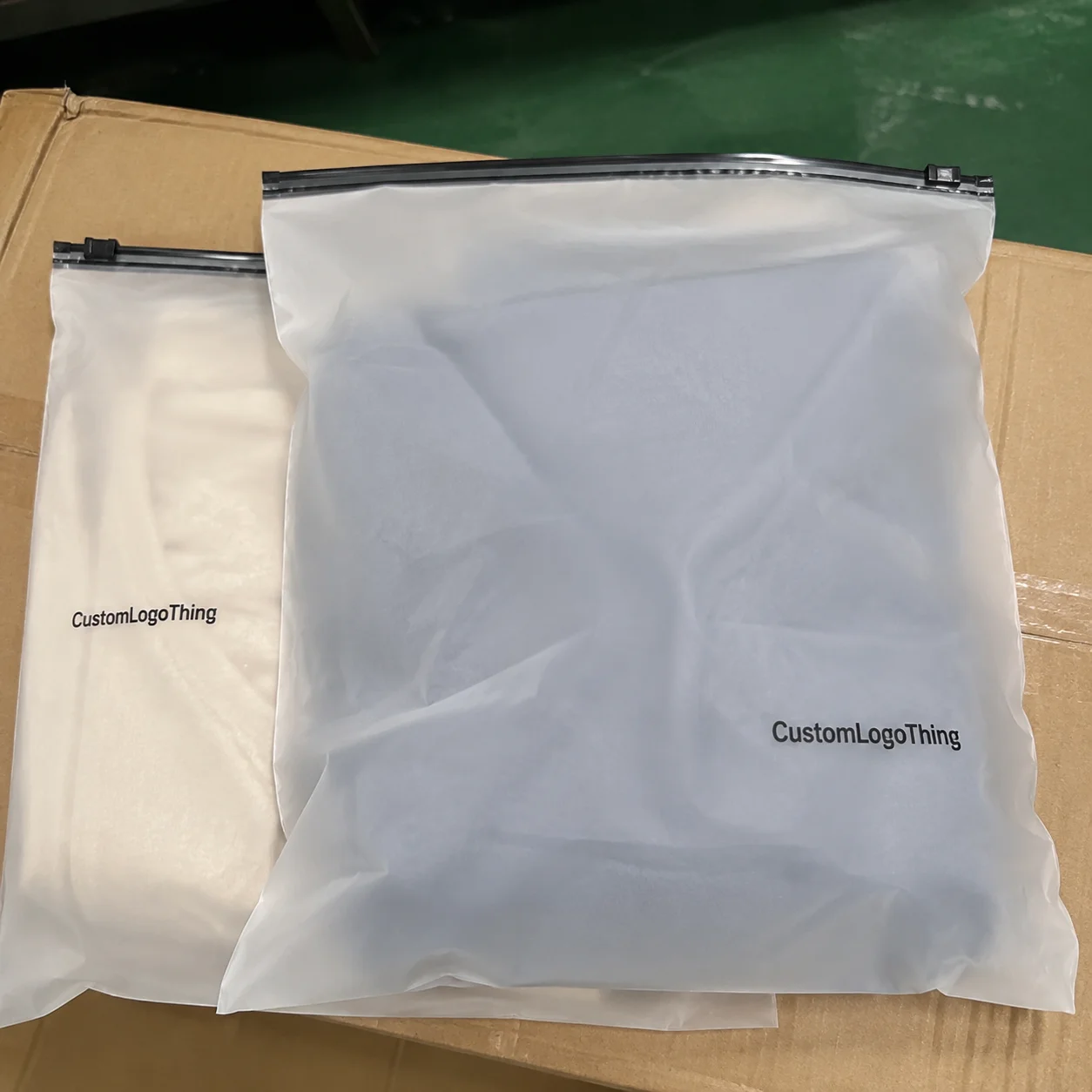
If you are sourcing Recyclable Poly Bags Wholesale china factory options, the main issue is not finding a bag. It is specifying the right material structure, thickness, and closure so the bag works with your current packing process and meets your recycling claim requirements.
Buyers usually need three things at once: product protection, controlled unit cost, and a packaging claim that can be supported later. A recyclable poly bag can often cover apparel, accessories, inner packs, bundling, and light overwrap without forcing a new machine setup. If your process already uses heat sealing, adhesive closure, or standard bagging equipment, the change is usually in the material spec, not the workflow.
The risk is not the category itself. It is vague sourcing. A quote can look fine, a sample can look acceptable, and the full order can still arrive with weak seals, wrong print, or a claim that does not match the material.
Why recyclable poly bags work without forcing equipment changes
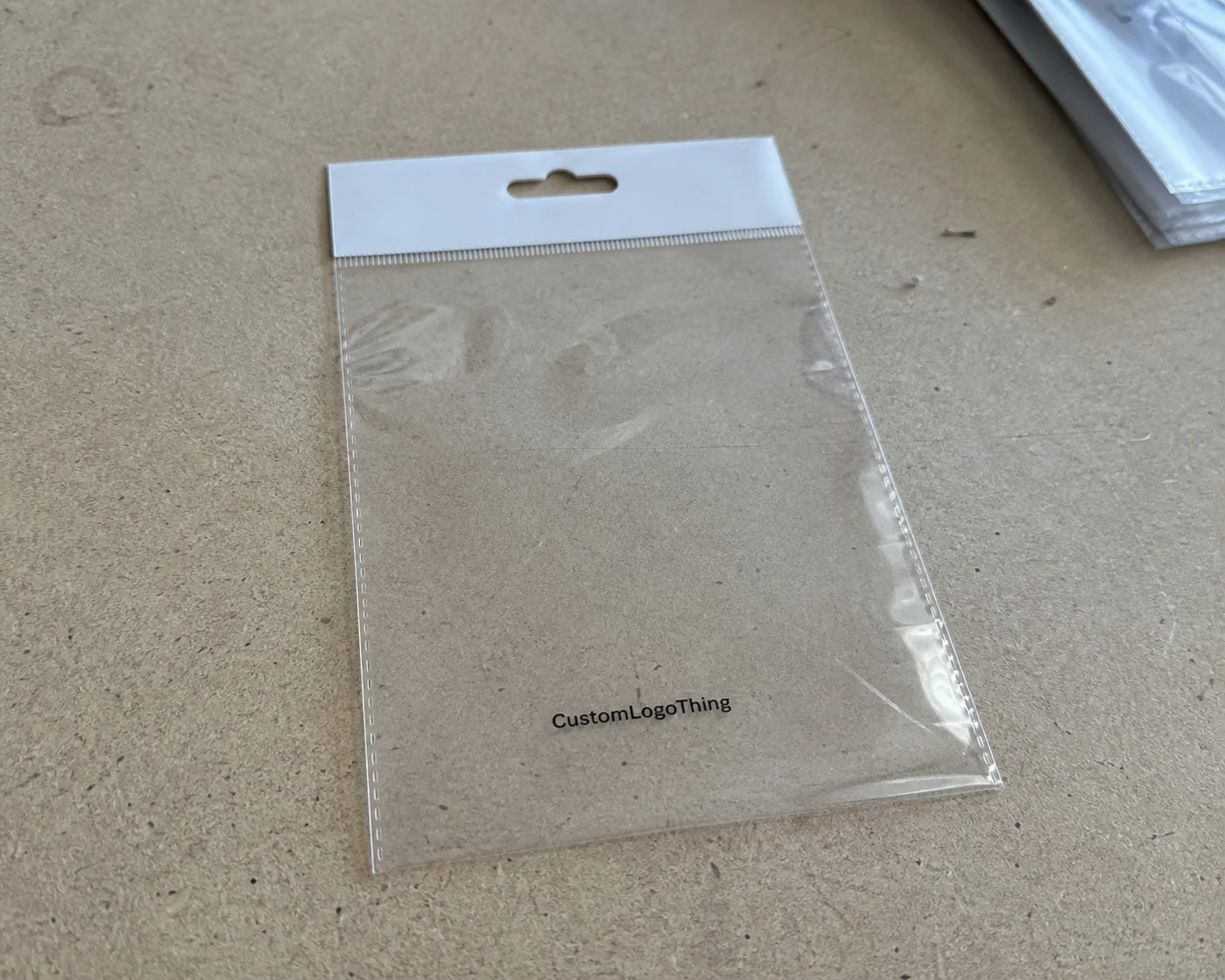
Recyclable film bags are usually built around a mono-PE structure, which uses one main plastic family instead of mixed layers. That matters because mixed structures can be harder to fit into recycling streams that accept polyethylene film. A mono-material approach also makes converting more predictable, which helps keep pricing and lead times steadier.
In practice, this kind of bag works best when your packing line already depends on standard steps. Think apparel sleeves, ecommerce inner protection, warehouse dust covers, parts bundling, and light overwrap. You are not changing the whole operation. You are matching the bag to an existing process.
What buyers mix up most often is the wording around the bag itself:
- Recyclable means the material is designed for collection and processing where local systems accept that resin.
- Recycled-content means the bag contains post-consumer or post-industrial recycled resin, but that does not automatically make the bag recyclable.
- Compostable is a different material family and a different disposal pathway. It should only be used if the market, collection system, and claim support all line up.
That distinction matters because packaging claims are often reviewed after the order is already in motion. If the material, ink, and wording do not match, the buyer ends up carrying the risk.
For reference, organizations such as the ISTA and the EPA recycling guidance are useful when you are evaluating transport durability and material recovery language. They do not replace local regulations, but they help keep the conversation tied to actual packaging behavior.
“A recyclable bag is only useful if the material structure is clear and the claim matches what the market can actually handle.”
Material structures, printing, and closure options that affect performance
The most common starting point is a PE-based mono-film. First, that keeps the package aligned with recycling-oriented polyethylene streams where those exist. Second, it keeps the cost structure more stable than a complicated multilayer build.
Thickness is usually the first performance decision. For lighter retail or apparel uses, a typical range is 30 to 60 microns. For heavier items, sharp corners, or harsher transit handling, buyers often move into 70 to 100 microns, sometimes higher. The right number depends on what the bag has to survive: compression in cartons, pallet stacking, parcel movement, repeated handling, or rough product edges.
Here is what usually matters in the real world:
- Tensile strength for stretch resistance during packing and shipping.
- Puncture resistance for sharp-edged or irregular products.
- Seal strength if the bag needs to stay closed under load or vibration.
- Transparency when product visibility matters for retail or picking.
- Finish such as gloss, matte, or frosted, depending on presentation needs.
Printing changes more than appearance. It can affect cost, consistency, and how clearly the package communicates the recyclability message. A simple logo or small branding panel is easier to control than full-coverage artwork with several ink layers. Heavy ink coverage can also reduce clarity, which matters if the bag is meant to show the product clearly.
Closure style is another decision that affects performance and repeat use. An open-top bag is the simplest and cheapest. A zipper supports repeated opening. Adhesive closure is common for mailers and apparel packs. Side seals, bottom seals, and gussets all affect how the bag carries load and how much volume it can hold.
| Bag structure | Best use | Typical performance note | Relative cost |
|---|---|---|---|
| PE mono-film, 30-60 microns | Apparel, light retail, inner packs | Good clarity, moderate puncture resistance, easy conversion | Lower |
| PE mono-film, 70-100 microns | Warehouse overwrap, bundled parts, heavier goods | Better strength and abuse resistance, slightly stiffer feel | Mid |
| Printed zipper or adhesive bag | Reusable or consumer-facing packaging | More convenient closure, higher setup complexity | Mid to higher |
| Custom gusseted bag | Bulky items, multi-pack bundling | More volume, more film usage, better fit for irregular product | Higher |
If the product has sharp corners or heavy edges, do not under-spec the gauge just to chase a lower unit price. A bag that looks fine on paper can fail in pack-out, in carton compression, or after a few hours of warehouse handling.
Specs to lock before requesting quotations
Before you ask for pricing, lock down the basic specs in writing. It saves time, keeps quotes comparable, and reduces revision loops during sample approval. A clean spec sheet is worth more than a vague product description and a hopeful email.
At minimum, confirm the following:
- Dimensions: width, length, and gusset if needed.
- Thickness: microns or gauge, with a tolerance range.
- Resin type: PE mono-material or another approved structure.
- Color: clear, frosted, tinted, or custom color.
- Print area: front, back, one side, or full coverage.
- Closure style: open top, zipper, adhesive, seal, or perforation.
- Packing count: pieces per carton and cartons per pallet if relevant.
Tolerance is where a lot of buyer frustration starts. A factory may quote 300 mm width, but that still leaves room for a tolerance band. You need to know whether the acceptable range is plus or minus 2 mm or plus or minus 5 mm. The same logic applies to thickness. If one supplier quotes a tighter tolerance and another does not mention it, those are not identical offers, even if the unit price looks similar.
Sample approval should test the bag against the actual product, not just a generic placeholder. Check fit, seal integrity, color consistency, and how the film behaves when it is packed, stacked, or shipped. If the order will go through e-commerce fulfillment, warehouse movement, or retail receiving, a simple handling test can expose weak sealing or poor edge behavior before full production starts.
It also helps to confirm the exact wording used for recyclability claims. The film structure, ink system, and printed statement should match what your market can defend. Loose language on the bag creates more risk than most suppliers admit.
Custom features add complexity quickly. Handle holes, venting, tamper-evident cuts, hang holes, special labels, and odd carton packing requirements all affect tooling, inspection, and lead time. If any of those features matter, include them in the first brief, not after the quote is already in motion.
Pricing, MOQ, and the tradeoffs behind a quote
Recyclable poly bag pricing is usually driven by a small set of inputs: raw resin cost, bag size, thickness, print complexity, order volume, and shipping method. Two bags can look close on a product page and still land at very different prices because one uses more film, more ink, or a more difficult converting process.
As a broad market pattern, plain recyclable PE bags in steady volume are usually cheaper than custom printed versions. Add more colors, higher coverage, thicker film, or a specialty closure, and the unit price moves up. That is simply what happens when more material and more setup are involved.
MOQ follows the same logic. Plain bags often have lower minimums because setup is lighter. Custom print usually increases the minimum because the factory has to cover plate, proofing, and conversion time. Odd dimensions, heavier gauges, and nonstandard finishes can push MOQ up again, especially if the supplier needs dedicated film runs or separate packing instructions.
When comparing quotes, ask for exact specs rather than product categories. A 10-micron change or one extra print color can matter more than many buyers expect. And do not compare factory price alone. Compare landed cost: freight, duties, packaging, sampling, and any internal receiving or relabeling costs your team will absorb later.
For sourcing programs that include more than one packaging format, it can help to compare related options such as Custom Poly Mailers or other Custom Packaging Products. The cheapest bag is not always the best answer. Sometimes the better option is the one that cuts damage, reduces repacking, or simplifies fulfillment.
Realistically, a quote should be treated as provisional until size, thickness, print file, and shipping terms are fixed. Resin prices move. Freight moves. Paper specs do not protect you from math.
Production, lead time, and shipping planning
A normal factory order moves through a familiar sequence: inquiry, specification review, artwork confirmation, sample production, approval, mass production, inspection, and shipment booking. If the supplier is organized, each step has a clear owner. If the process is fuzzy, delays usually show up later as proof corrections, missed dispatch dates, or cartons that do not match the approved sample.
Lead time is better discussed by stage than as one fixed promise. A repeat order with unchanged artwork can move faster than a new custom bag with revised sizing and claim language. Sampling may take only a few days for simple structures. New print, special tooling, or complicated seals usually extend the schedule. Mass production then depends on factory load, film availability, and how quickly approvals come back.
Most delays are predictable:
- Artwork changes after proof approval.
- Unclear dimensions or missing tolerance data.
- Color revisions after sample review.
- Late approval of recycling claim wording.
- Shipment booking changes close to dispatch.
Quality checks should happen at more than one point. A disciplined factory will inspect incoming resin, monitor print registration, test seals during bag forming, and check carton counts before shipment. Random carton inspection matters because a perfect sample tells you almost nothing if the packed cartons contain mixed lots, wrong quantities, or damaged edges.
Shipping choice depends on urgency and volume. Air freight is useful for launch programs or small emergency replenishment orders. Sea freight usually wins on unit economics for larger volumes. Either way, the order is not finished when production ends. It is finished when cartons are received, counted, and ready for use in your system.
Quality control and repeat-order stability
The practical advantage of a China factory is not just price. It is control over conversion, printing, sealing, and packing in one place. When those steps sit close together, the supplier can usually react faster to revisions and keep repeat runs more consistent.
That matters for replenishment orders. The worst kind of packaging problem is the one that appears only on the second or third batch, after everyone assumed the spec was already settled. Repeat programs need a clear record of the approved dimensions, thickness, print file version, packing method, and any special notes on appearance or seal performance.
Before placing a recurring order, verify a few things:
- Incoming resin checks and material traceability.
- Print registration control and ink consistency.
- Seal testing, especially for side and bottom seams.
- Random carton inspection before dispatch.
- Document control for revised artwork or claim language.
The best suppliers can explain the structure without hiding behind generic sales language. They should be able to tell you why a mono-PE bag is being offered, what tolerance range is realistic, and how the print method will affect the final package. If they cannot explain those basics, that is not a great sign.
For buyers, this is where a disciplined sourcing process pays off. Clear specs shorten approval cycles. Consistent QC reduces disputes. Repeat orders become easier to forecast. None of that is glamorous, but it is what keeps packaging programs from drifting into chaos.
How to place a smarter order with a China factory
Start with a simple, complete brief. Put the dimensions, thickness, closure type, print colors, finish, and monthly volume in one place. Add the product type too. The right bag for apparel is not always the right bag for hardware, accessories, or bundled components.
Then ask for two or three material options if your team is balancing cost, clarity, and puncture resistance. That makes the tradeoffs visible. A thin clear bag may look attractive on price, but a slightly heavier film can save you from damage claims, returns, or repacking labor later.
If the packaging is brand-critical, request a sample or a pre-production proof before mass production. That step matters more for custom print than for plain film, because artwork problems are much more expensive once the full run starts. Color matching, logo placement, and claim wording should all be checked against the actual approved sample, not just a PDF on a screen.
Shipping terms, carton pack counts, and document requirements should be settled early. You need to know who books freight, what paperwork will arrive with the order, and how the cartons will be packed for receiving. Those details look administrative until they create a delay or a chargeback.
If the order is part of a broader packaging system, treat it like a program, not a one-off buy. Use the same spec discipline across flexible packaging, mailers, and branded accessories. That is how you reduce surprises on replenishment and keep the packaging line from turning into a guessing game.
For Recyclable Poly Bags Wholesale china factory sourcing, the cleanest process is still the most practical one: exact specs, sample approval, honest cost comparison, and a realistic lead-time check before release.
FAQ
What should I check before ordering recyclable poly bags wholesale from a China factory?
Confirm exact dimensions, thickness, resin type, closure style, print coverage, tolerance range, and carton pack count. Ask for a sample and check seal strength, clarity, fit, and handling performance with the actual product. Also request written confirmation of the recyclable material structure and the exact claim language used on the bag.
How does MOQ usually work for recyclable poly bags wholesale China factory orders?
MOQ depends on whether the bags are plain or custom printed. Special sizes, heavier gauges, and more complex print jobs usually increase the minimum order. A proper factory quote should state MOQ by exact spec, not just by product category.
What affects pricing the most for recyclable poly bags?
Bag size, thickness, resin cost, and print complexity are the biggest drivers. Higher volume usually lowers the unit price because setup costs are spread across more pieces. Freight, duties, sampling, and packaging should also be included when comparing landed cost.
How long does production usually take after artwork approval?
Lead time depends on whether tooling, custom printing, or sample approval is required. Simple repeat orders usually move faster than new custom structures. Shipping method and factory workload also affect the full timeline.
Can recyclable poly bags be printed with a brand logo and still perform well?
Yes, if the print method and ink coverage are matched to the film structure. Light to moderate graphics are often easier to keep crisp and consistent. A printed sample should be approved before full production starts.