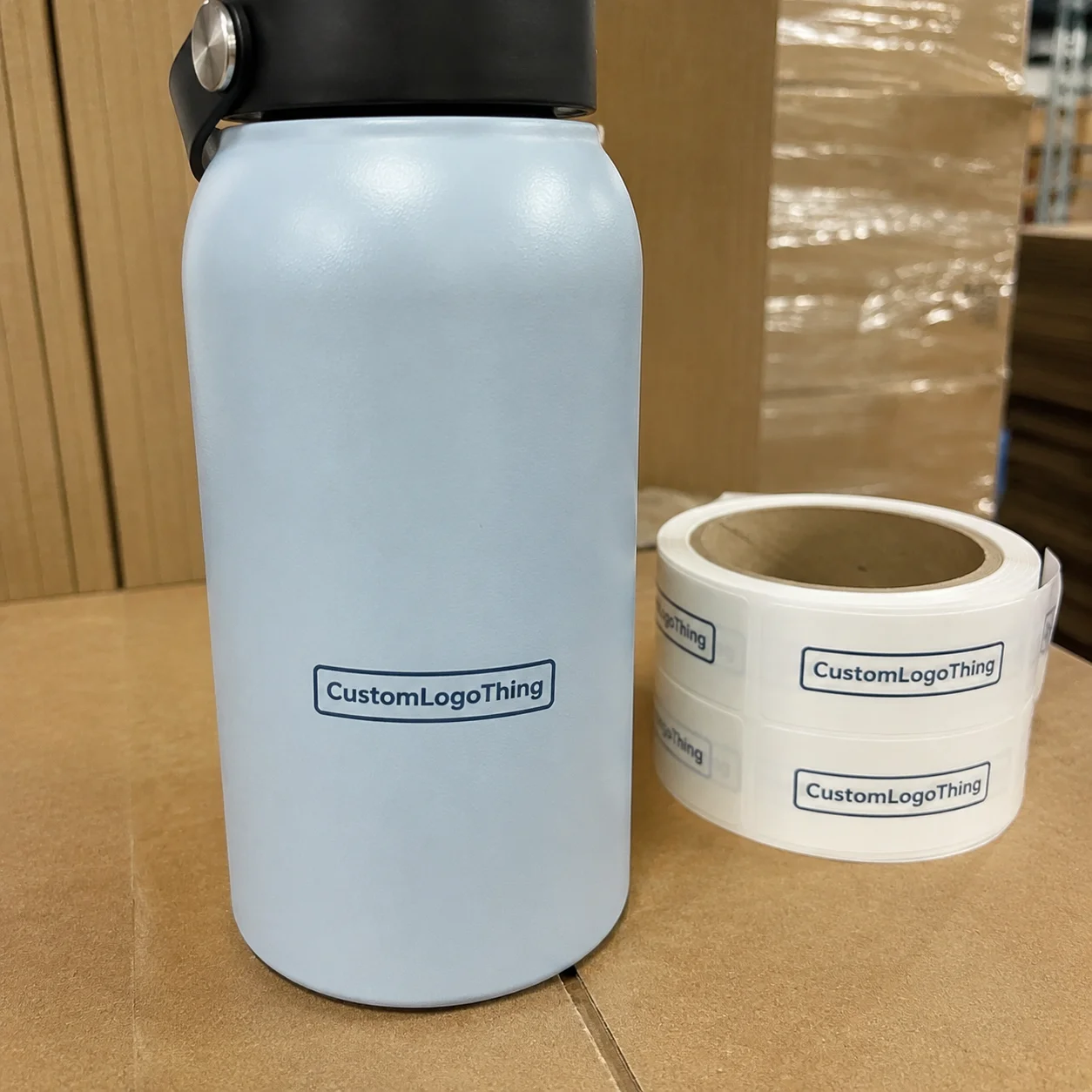
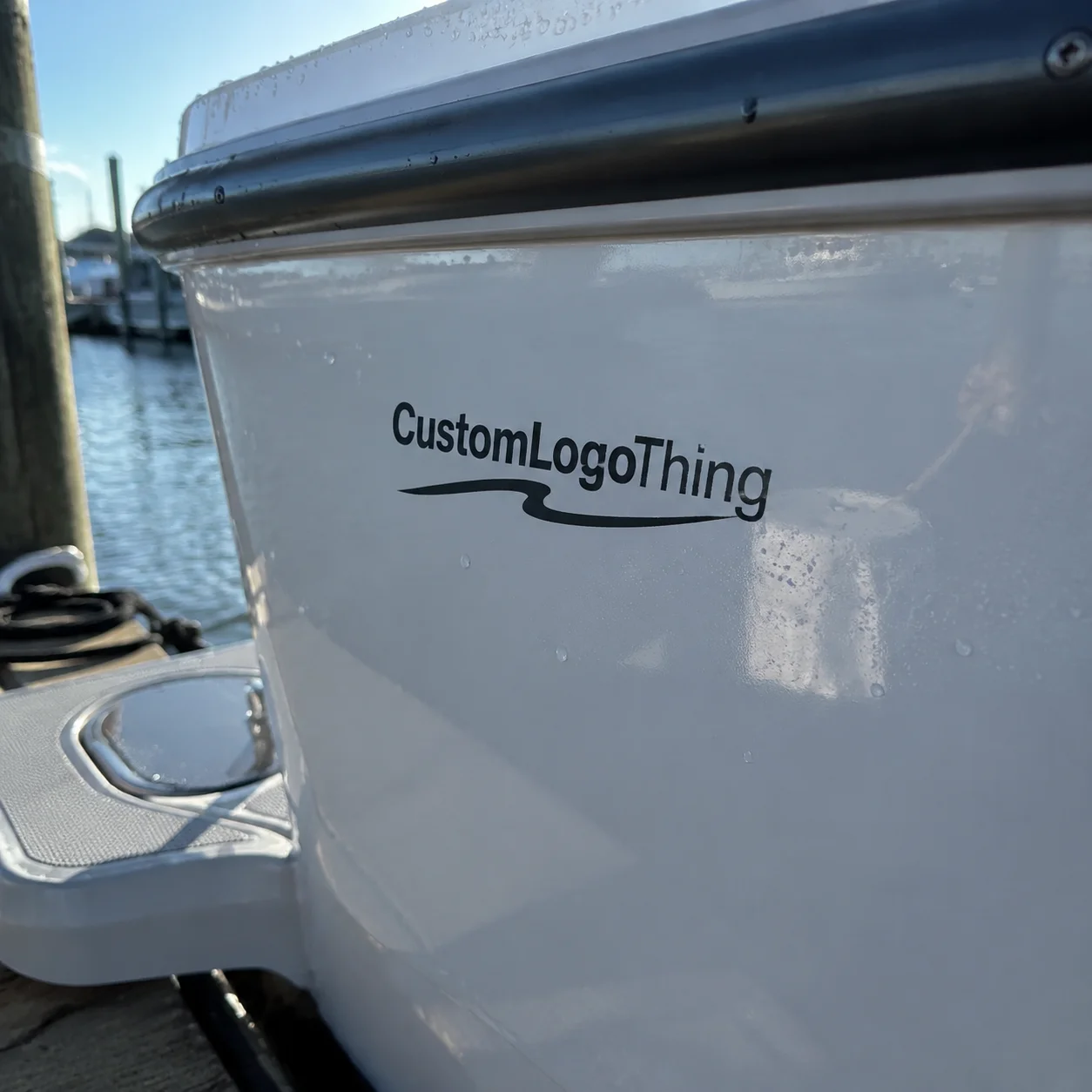
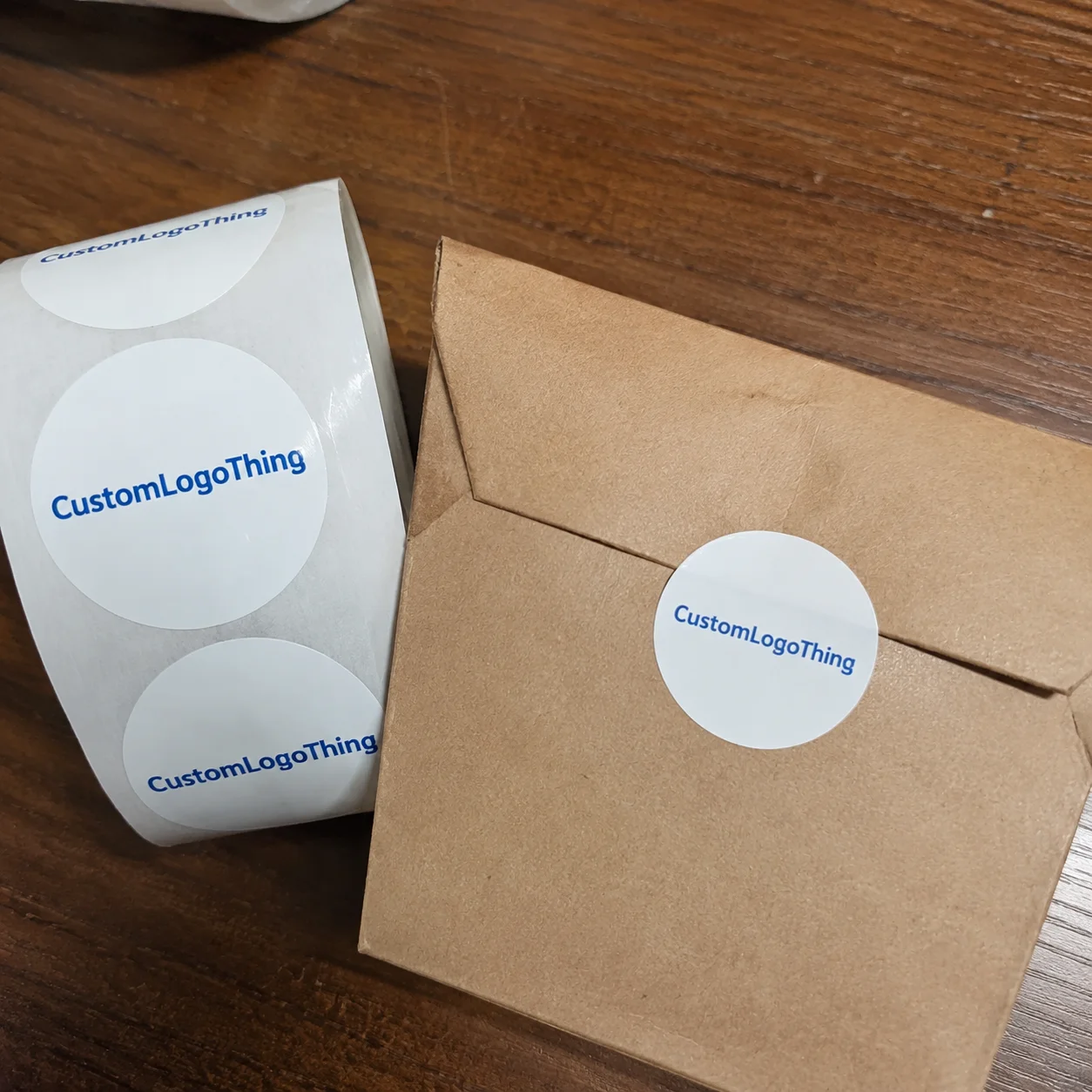
A shopper can ignore a printed price tag for ten minutes, then react to a bright markdown sticker in less than a second. That is the quiet power of discount stickers custom retailers use well: a small sales trigger placed exactly where the buying decision happens.
Discount stickers are not just decoration. They are miniature packaging decisions. Size, adhesive, print contrast, color, and placement all affect whether a customer understands the offer quickly or walks past it.
From a packaging buyer’s point of view, the sticker is cheap only if it works. If it peels off, covers a barcode, smears under handling, or arrives after the promotion starts, the low unit price stops looking clever.
What Discount Stickers Custom Orders Really Mean
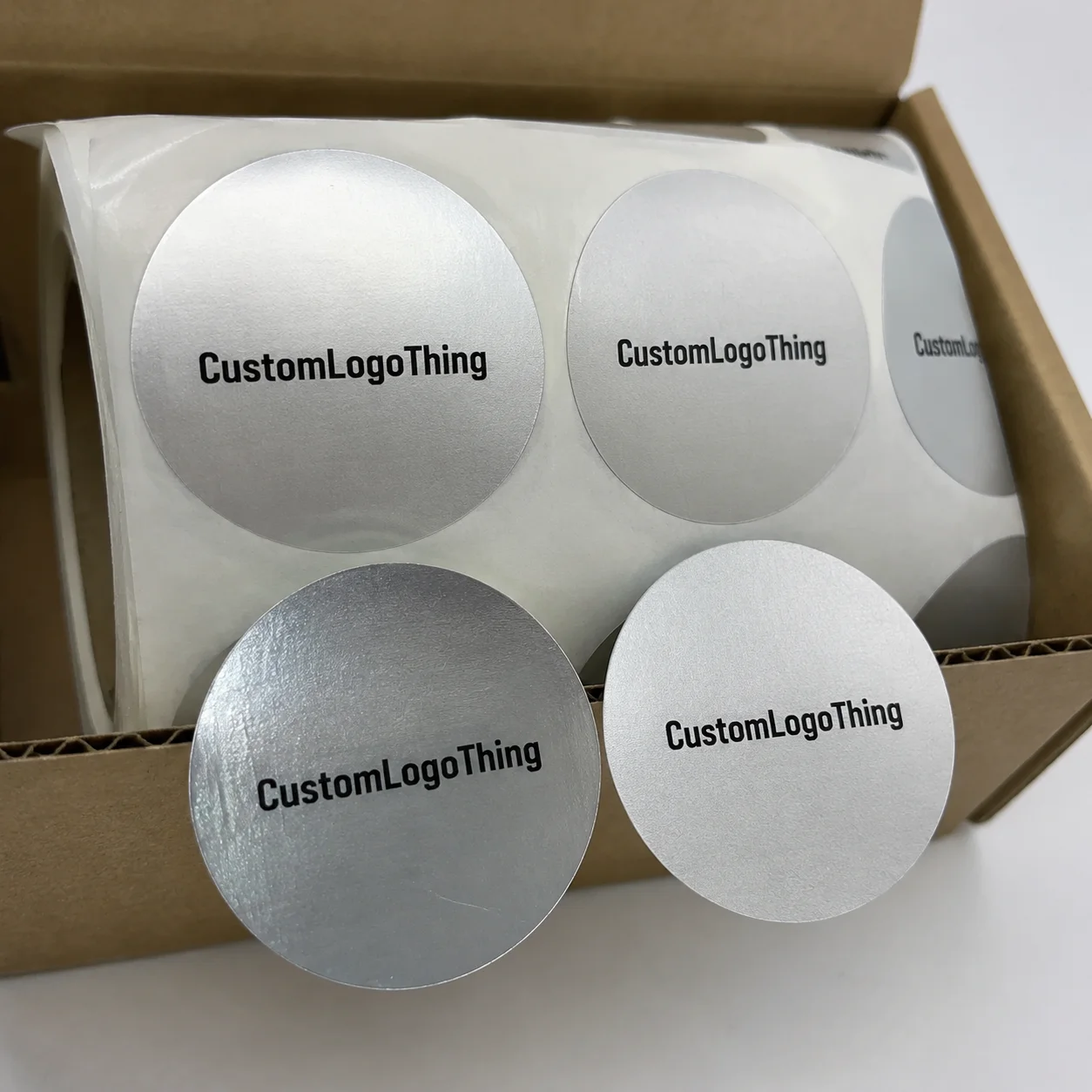
Discount stickers custom orders are made-to-order promotional labels designed around a specific offer, brand, product surface, adhesive requirement, quantity, size, shape, and selling environment. A generic “SALE” label from an office supply shelf may be fine for a backroom clearance bin. Retail packaging usually deserves more control.
The difference is practical. Custom discount labels can match brand colors, carry a short campaign message, include a QR code, fit a curved jar lid, or avoid covering required nutrition facts and safety warnings. A 1-inch circle might work on a lip balm tube. A 2-by-3-inch rectangle may be better for a mailer insert.
Shape affects tone. A burst can shout “30% OFF.” An oval can keep a premium beauty product from looking like it fell into the bargain pile. A square or rectangle usually gives the cleanest reading area for codes, dates, or short terms.
Use cases are wide but not mysterious. Food brands use markdown stickers for short-dated inventory. Cosmetics teams use them for seasonal bundles. Ecommerce sellers apply them to inserts, tissue wrap, or subscription boxes. Event merch teams use them for limited-run pricing. Retailers use them for shelf resets, clearance bins, loyalty offers, and last-chance displays.
Packaging reality check: the value is not only cheaper stickers. The bigger win is reducing wasted stock, avoiding unreadable labels, and making the promotion feel intentional instead of rushed.
That last point matters. Customers read packaging as a signal. A crooked, smudged, generic sticker can make branded packaging feel improvised. A clean sticker that fits the package and states the offer plainly can make a markdown look planned, not desperate.
How Promotional Sticker Printing Works From File to Roll
The production path looks simple until a small detail goes wrong. First, choose size and shape. Then prepare artwork, select face stock and adhesive, approve a proof, print, cut, finish, inspect, pack, and ship. The print file is the recipe, the proof is the test kitchen, and production is where tiny artwork mistakes become expensive.
Most promotional sticker orders come in three formats: rolls, sheets, or individually cut pieces.
Roll stickers are usually best for fast application in retail or warehouse workflows, especially if staff are labeling hundreds or thousands of units. Rolls also suit label dispensers and semi-automatic applicators. Roll direction matters if the label is machine-applied; top-first, bottom-first, left-edge-first, and right-edge-first are not interchangeable.
Sheet stickers work well for small batches, mixed designs, manual sorting, or office use. They are easy to store and simple to hand out to staff, but they can slow down high-volume application. Individually cut stickers feel more like handouts or inserts and are better for event merchandise, customer gifts, subscription box extras, and promotional kits.
Printing method affects price and flexibility. Digital printing is common for lower quantities, variable artwork, and faster design changes. It avoids many plate costs and can be efficient for runs of 250, 500, or 2,000 stickers. Flexographic or offset-style production can become more economical at higher volumes because setup costs are spread across more units. The crossover point depends on material, color coverage, press availability, finishing, and waste.
Finishes change both appearance and function. Matte laminate reduces glare and can make black text easier to read under store lighting. Gloss laminate increases color pop but may create scanning glare on QR codes. UV coating can add scuff resistance. Foil or spot effects are useful for premium promotions, although they add cost and proofing complexity. Writable surfaces matter if staff need to add handwritten prices, dates, batch numbers, or final-sale notes.
Proofing is where buyers should slow down. Check spelling, discount percentage, barcode and QR scanability, bleed, cut line, color contrast, and whether the sticker blocks legal, nutritional, ingredient, or country-of-origin information. A 2 mm bleed issue looks tiny on screen. On a die-cut sticker, it can create a white edge across thousands of units.
Cost and Pricing Factors That Change the Final Unit Cost
Sticker quotes move because the inputs move. Quantity, size, shape complexity, material, adhesive, finish, number of designs, packaging format, and delivery speed all affect the final unit cost. A plain 1.5-inch paper circle on a roll is a very different job from a waterproof, removable, foil-stamped contour sticker for chilled glass bottles.
Larger quantities usually lower the unit cost because setup, proofing, machine time, waste allowance, and material handling are spread across more stickers. As a rough market range, simple paper sale stickers might land around $0.03-$0.08 each at 10,000 pieces. Smaller runs of 500-1,000 pieces may sit closer to $0.12-$0.30 each, depending on size and finish. Waterproof film labels, specialty adhesives, custom shapes, and rush production can push costs higher.
| Sticker Type | Best Use | Typical Cost Drivers | Practical Watchout |
|---|---|---|---|
| Paper roll sticker | Indoor markdowns, dry retail shelves | Low material cost, efficient roll production | Weak around moisture, oils, and heavy handling |
| BOPP or vinyl film sticker | Refrigerated goods, jars, bottles, pouches | Higher face stock cost and adhesive matching | Needs testing on curved or textured surfaces |
| Custom die-cut sticker | Brand mascots, bursts, product silhouettes | Cutting complexity, waste, setup time | Fine details can lift or tear during application |
| Foil or specialty finish | Premium promotions and gift sets | Extra finishing pass and proofing time | Can reduce readability if overused |
Material choice deserves a hard look. Standard paper is budget-friendly for short-term indoor promotions on dry products. Vinyl, BOPP, and other waterproof films cost more, but they survive moisture, oils, refrigeration, and repeated handling better. If a sticker sits on a cold kombucha bottle, freezer pack, or greasy food container, saving a few cents with the wrong stock can backfire quickly.
Minimum order quantity, or MOQ, is not always a sales trick. It may be tied to press setup, material roll width, finishing method, waste allowance, or supplier workflow. A printer might produce 250 digital sheet stickers but require 5,000 roll stickers for a specific adhesive and die shape. Ask why. Good suppliers can usually explain the constraint in plain language.
For discount stickers custom pricing, request quotes with clear specs instead of asking only for the cheapest option. The lowest sticker price can fail if labels peel, smear, block scanning, or slow down store teams. Labor often costs more than the sticker. If staff lose 20 seconds per unit fighting a poor liner or curled label, the savings disappear fast.
Choosing Materials, Adhesives, and Sizes That Fit the Job
Start with the environment. Is the sticker going on a dry shelf carton, refrigerated case item, freezer pack, oily product, glass jar, cardboard box, plastic pouch, kraft mailer, or glossy retail display? The same label can behave beautifully on smooth glass and badly on recycled corrugated board.
Adhesive selection is not glamorous. It is often the difference between clean execution and store-level frustration.
Permanent adhesive works for offers that should stay visible through purchase. Removable adhesive helps temporary markdowns peel more cleanly, although “removable” always depends on surface, coating, dwell time, and temperature. Freezer adhesive is built for cold-chain goods. Low-tack adhesive can help on delicate surfaces, but it may not grip textured kraft or dusty corrugate.
Surface energy is the hidden variable many buyers miss. Stickers generally bond more easily to high-energy surfaces such as glass and some coated papers. Low-energy plastics, textured films, and rough recycled boards can be harder. Add condensation, powder, oil, or a curved bottle shoulder, and the adhesive has a tougher job.
Size should be driven by reading distance and compliance space. A discount message needs to be large enough for fast scanning but small enough to avoid hiding ingredients, warnings, barcodes, brand marks, or opening instructions. For small jars and cosmetic tubes, a 1-inch circle or 1-by-1.5-inch rectangle may be enough. For mailers or shelf cartons, 2-by-2 inches or 2-by-3 inches can carry a stronger callout without crowding the package.
High-contrast layouts win in fast-moving retail. Black on yellow, white on red, and dark blue on white often read faster than subtle tone-on-tone palettes. Circles and bursts feel promotional. Rectangles are space-efficient. Ovals can look more premium. Custom contours can reinforce package branding, but narrow points may lift during application.
Sustainability claims need evidence. A package may be recyclable in theory, while the sticker adhesive or face stock interferes with the recycling stream in practice. If the project involves environmental claims, check supplier documentation and credible resources such as the U.S. Environmental Protection Agency recycling guidance or FSC material information from the Forest Stewardship Council. Claims should be specific, not decorative.
Process, Timeline, and Lead Time for Custom Sticker Orders
A realistic custom sticker timeline starts before printing. Spec gathering, artwork review, quote, proof approval, production scheduling, printing, finishing, quality control, packing, and shipping all take time. For straightforward digital sticker orders, production may run 5-8 business days after proof approval. More complex roll labels, specialty adhesives, foil, large quantities, or custom dies can move closer to 10-15 business days, sometimes longer if material availability is tight.
The buyer often controls the first delay. Missing dimensions, unclear quantities, low-resolution logos, unconfirmed launch dates, or slow proof approval can add more time than printing itself. A supplier cannot quote accurately if the request says, “Need sale stickers, maybe 2 inches, probably 1,000.” That is not a spec. It is a guess wearing a jacket.
Before requesting a quote, gather dimensions, quantity, material preference, adhesive need, finish, roll or sheet format, number of designs, shipping address, and required delivery date. If the sticker needs to go on Custom Labels & Tags or coordinate with broader Custom Packaging Products, include those details too. The more the printer understands the full product packaging system, the less likely the sticker will fight the box, pouch, jar, or insert.
Rush orders can happen, but they narrow your options. Faster turnaround may limit material choices, reduce revision time, increase freight cost, or force a simpler finish. Overnight freight on a heavy carton of roll labels can cost more than the upgrade from paper to film. Not always, but often enough to make a buyer ask for both production and shipping estimates before approving the job.
Testing is cheap compared with a failed launch. Order samples or a small pilot run when stickers must survive refrigeration, shipping abrasion, curved containers, oily surfaces, or repeated handling. For ecommerce, consider vibration and rubbing inside transit packaging. The International Safe Transit Association offers useful context on distribution testing through ISTA packaging test standards, even if a simple sticker order does not require a formal lab test.
Build the calendar backward from the promotion launch date. Include internal approval, proof revisions, production, shipping, receiving, warehouse sorting, and application before products hit shelves. Lead time is risk management. A sticker is small, but if it arrives late, an entire promotion can miss the shelf reset or ecommerce campaign window.
Common Mistakes That Make Sale Stickers Look Cheap
The most common artwork mistake is trying to fit too much text on a small sticker. A 1.25-inch circle cannot carry a headline, subhead, coupon code, URL, QR code, legal note, and five brand elements. The discount gets harder to read, and the offer weakens.
Low contrast is another quiet killer. Red text on black, pale yellow on white, thin script fonts, and busy backgrounds can disappear under store lighting. What looks tasteful on a backlit monitor may look muddy on a kraft box under fluorescent lamps. Print a paper mockup at actual size before approving artwork. It is basic, and it catches problems fast.
Wrong adhesive selection creates two opposite headaches. Removable labels can fall off textured boxes or cold bottles. Permanent labels can annoy customers if they expect clean removal from a gift item, jar, or reusable container. The question is not “Which adhesive is best?” The sharper question is “What should this sticker do after the customer buys the product?”
Barcode and QR issues are common in sale campaigns. Stickers get placed over existing UPC codes. QR codes are printed too small. Gloss finishes create scanning glare. A campaign URL changes after printing. If a sticker includes a code, test it from several phones, angles, and lighting conditions. If it sits near a retail barcode, leave enough quiet space so scanners do not misread the package.
Discount clarity matters. Shoppers should instantly know whether the offer is percentage off, dollars off, clearance, bundle pricing, limited time, loyalty-only, or final sale. “Special offer” is weaker than “Save $5” or “30% off today.” Specific numbers sell because they reduce mental work.
Compliance can be less visible but more expensive. Covering ingredient panels, allergen statements, safety warnings, expiration dates, lot codes, or country-of-origin information can create operational headaches. In food, health, cosmetic, and regulated categories, sticker placement should be reviewed against required package information before full production. Many rushed promotions lose discipline here: the sticker is treated as separate from packaging design, even though it sits directly on the package.
Always review a physical sample or mockup before the full run if the promotion matters. Screen color, sticker scale, edge lift, and package fit often look different once the label is actually applied to a product. A five-minute bench test can prevent 5,000 awkward stickers.
Next Steps Before You Request a Sticker Quote
Good quote requests are specific. Before contacting a supplier for discount stickers custom production, define the promotion type, confirm the product surface, measure the available label space, estimate quantity, and set the launch date. Those five details eliminate most back-and-forth.
Create a simple spec sheet. It does not need to be pretty. It needs to be clear.
- Size: exact width and height, such as 1.5-inch circle or 2-by-3-inch rectangle.
- Shape: circle, rectangle, oval, burst, or custom contour.
- Quantity: total units plus versions, such as 5,000 total across two designs.
- Material: paper, BOPP, vinyl, kraft, or a supplier recommendation based on use.
- Adhesive: permanent, removable, freezer-grade, low-tack, or unknown and needs testing.
- Finish: matte, gloss, writable, UV coating, foil, or no special finish.
- Format: rolls, sheets, or individually cut stickers.
- Destination: shipping address, required delivery date, and any warehouse receiving rules.
Photograph the package area where the sticker will sit. Include a straight-on view and an angled view if the surface curves. A printer can often spot fit issues, label conflicts, or curve problems from a simple photo. If the sticker must coordinate with custom printed boxes, mailers, or retail packaging displays, send those visuals too. Package branding works best when the sticker belongs to the system rather than fighting it.
Test one or two sizes on the actual package with paper mockups before final artwork approval. This is especially useful for small jars, pouches, bottles, folding cartons, and mailer boxes. Cut the shape, tape it on, step back three feet, and ask three questions: Can I read the offer immediately? Does it hide anything required? Does it look aligned with the brand?
Ask practical supplier questions. Will the adhesive work on this surface? What is the MOQ? Can I see a digital proof? Are physical samples available? What is the production timeline after proof approval? What happens if the color is outside normal tolerance? Can the roll direction match my applicator? These questions sound small. They are not.
Discount stickers custom projects work best when the buyer treats the sticker as part of the sales system, not an afterthought. Gather specs, Request a Quote with photos, approve the proof carefully, and order with enough lead time to support the promotion date. That is how a small sticker helps product packaging sell without creating waste behind the counter.
FAQ
What are discount stickers custom used for?
They are used to highlight sales, markdowns, clearance items, bundle offers, limited-time promotions, loyalty perks, event pricing, and seasonal campaigns. Depending on material and adhesive, they can be applied to product packaging, boxes, jars, bottles, mailers, retail shelves, inserts, or promotional kits. The best use cases are promotions where visibility, brand consistency, and fast customer understanding matter.
How much do custom discount stickers usually cost?
Cost depends on quantity, size, material, adhesive, finish, shape, number of designs, and how quickly the order is needed. Simple paper sale stickers can cost only a few cents each at higher quantities, while short runs, waterproof films, specialty adhesives, foil, and Custom Die Cuts cost more. A clear quote request should include size, quantity, material, finish, format, delivery date, and shipping location.
What material is best for sale and markdown stickers?
Paper works well for short-term indoor promotions on dry products and is usually the most budget-friendly option. Film materials such as vinyl or BOPP are better for moisture, refrigeration, oils, and heavy handling. Removable adhesive is useful for temporary markdowns, while permanent adhesive is better when the sticker should stay attached through purchase.
How long does custom sticker production take?
The timeline depends on artwork readiness, proof approval, material availability, production queue, finishing needs, and shipping distance. Simple digital sticker orders may take about 5-8 business days after proof approval, while specialty materials, foil, custom die cuts, or large quantities may need 10-15 business days or longer. Buyers should build in time for internal review, sample testing, receiving, sorting, and application before the promotion starts.
Can discount stickers be made removable without damaging packaging?
Yes, removable adhesives are available, but performance depends on the package surface, coating, texture, temperature, and how long the sticker stays applied. Testing is important because removable adhesive may behave differently on glass, kraft paper, glossy boxes, and flexible pouches. If clean removal is critical, request samples and test them on the actual packaging before ordering the full run.