Magnetic Closure Gift Box Wholesale: When Premium Packaging Actually Pays Off
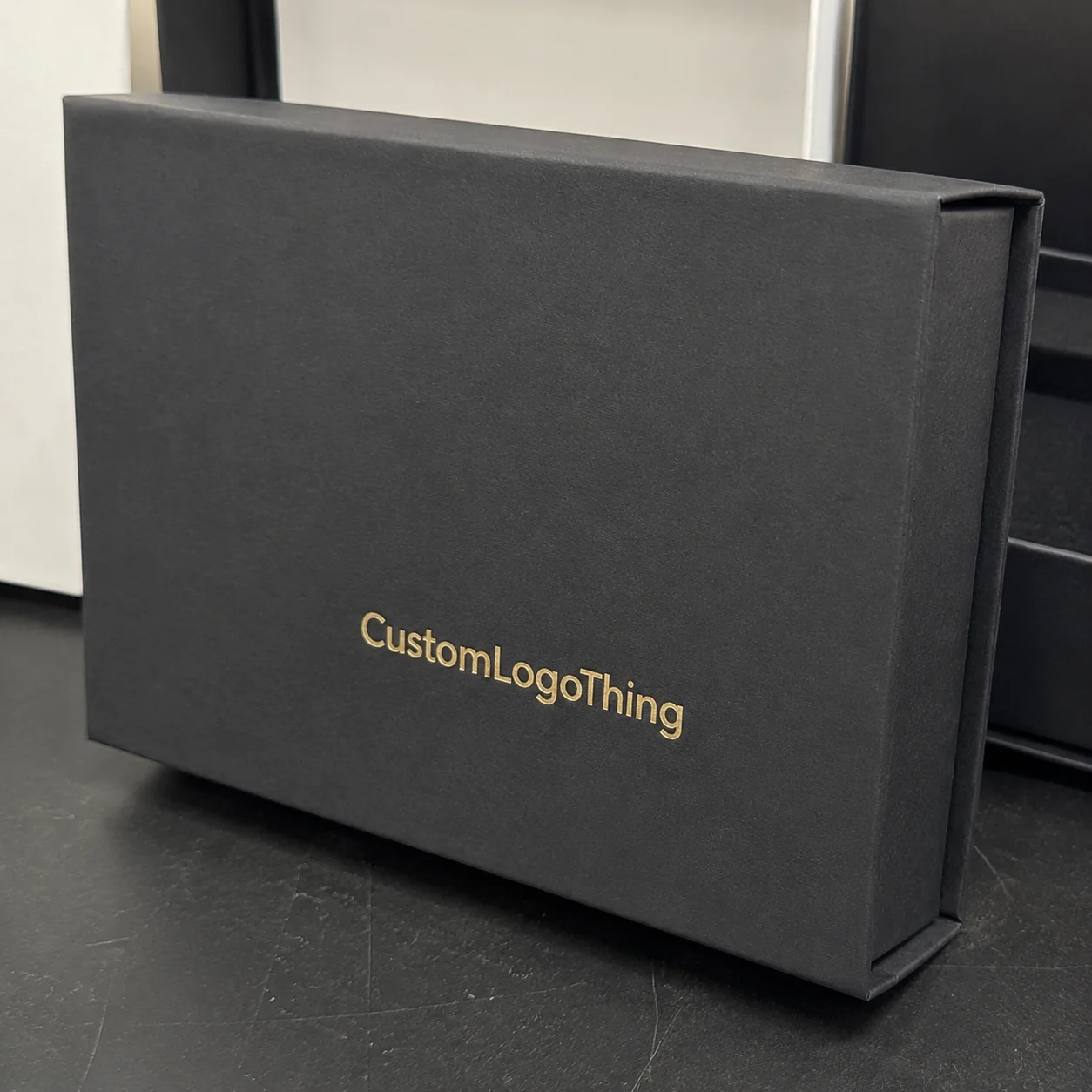
A customer opens a rigid magnetic box, keeps it on a shelf, and sees your logo every time they reach for the product. That is repeated brand exposure without buying another ad. Not magic. Just packaging that does not get tossed immediately.
Magnetic closure gift box wholesale makes the most sense when the product margin, gifting moment, or retail presentation can support a sturdier box. These are not the cheapest containers in the packaging aisle. They are used because cosmetics, jewelry, candles, electronics accessories, apparel sets, corporate gifts, subscription upgrades, and premium bundles often need more than a thin folding carton to feel finished.
A rigid magnetic box has structure. It has weight. It opens with a controlled snap instead of a torn flap. Compared with folding cartons and basic mailers, it usually delivers stronger product protection, better shelf presence, higher reusability, and a more deliberate unboxing experience. The tradeoff is just as real: higher unit cost, more storage space, greater freight volume, and longer planning time.
For a packaging buyer, the fit is clearest in repeat programs, seasonal gift sets, influencer kits, premium retail boxes, and wholesale product bundles. If the order is 1,000 to 10,000 units and the item will be reordered, the economics are easier to defend than a tiny one-off run with custom tooling and luxury finishes.
Buying truth: if the product inside has thin margins or ships as a disposable commodity, a magnetic box may be overkill. Fancy packaging cannot rescue weak product economics. Shocking, apparently.
The decision comes down to specs: board thickness, print method, finish, insert, MOQ, lead time, packing cartons, and freight plan. Get those right and magnetic closure gift box wholesale can make a product line feel polished. Skip them and you get expensive boxes that somehow look oddly cheap. Nobody orders premium packaging hoping for “almost fine.”
Rigid Box Product Details Buyers Should Confirm Before Ordering
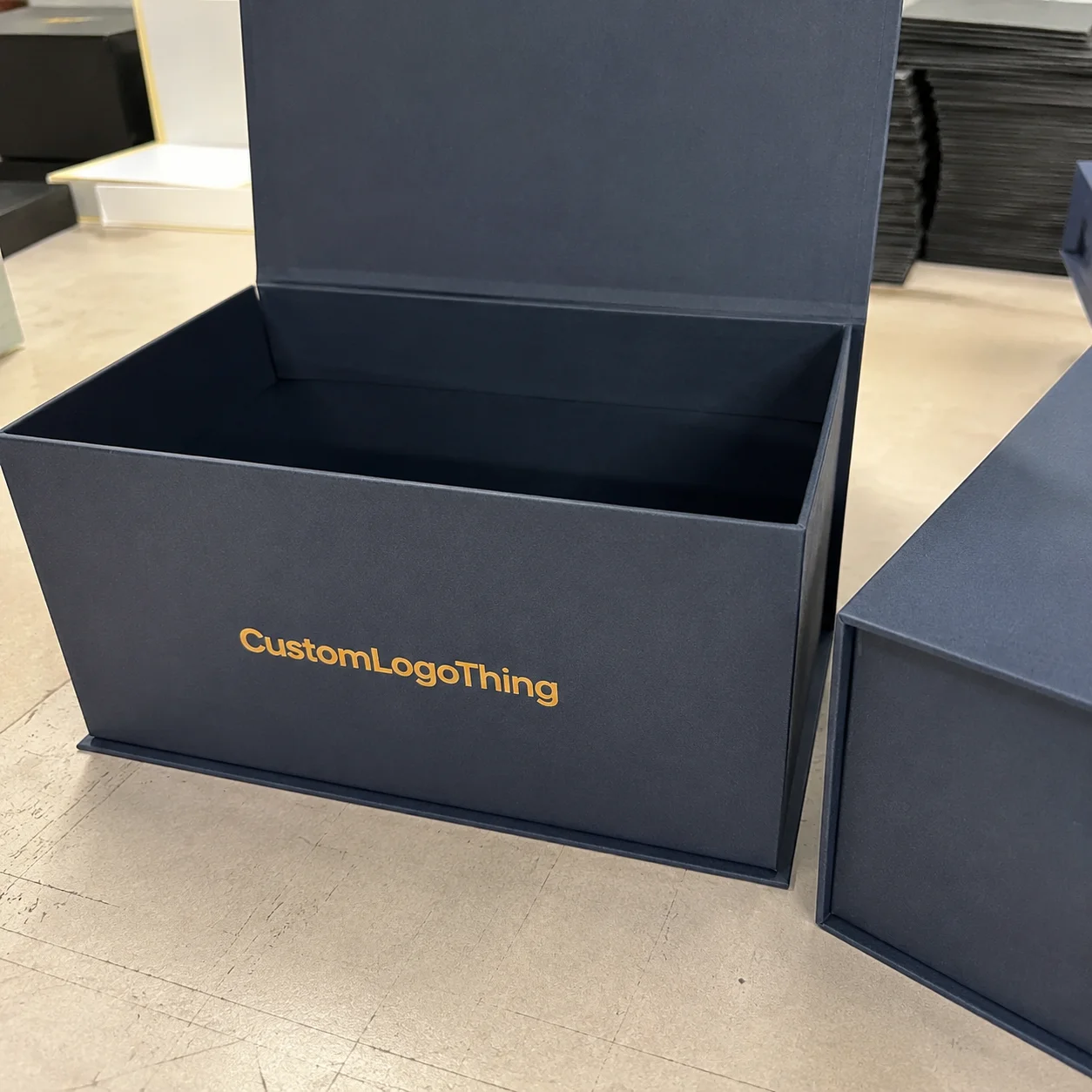
A standard rigid magnetic box is usually built from chipboard or grayboard, wrapped with printed paper, specialty paper, or laminated art paper. Small hidden magnets sit inside the front wall and flap so the lid closes with a clean snap. Most retail buyers notice the feel first. The construction creates that feel.
Common formats include book-style magnetic boxes, collapsible magnetic boxes, two-door magnetic boxes, sleeve-and-tray rigid Boxes With Magnetic flaps, and custom hinged presentation boxes. Book-style boxes work well for skincare kits, candles, jewelry sets, and corporate gifts. Collapsible versions reduce freight volume because they ship flat, although they may feel slightly less rigid than fully assembled boxes. Two-door formats create a stronger reveal for high-ticket products. Sleeve styles suit slimmer items. Hinged presentation boxes are useful for heavier kits that need a controlled opening angle.
Board thickness matters, but thicker is not automatically smarter. Many Custom Rigid Boxes use about 1.5 mm to 2.5 mm grayboard, depending on box size and product weight. Small jewelry or cosmetic boxes often do not need the thickest board available. Larger electronics kits, glass bottles, multi-piece candle sets, or corporate gift assortments may need more structure to prevent flexing.
More board also means more cost, more weight, and more warehouse volume. Very glamorous. Also very billable.
Material and finish choices should be chosen as part of the same system. Matte lamination, gloss lamination, soft-touch film, textured paper, metallic paper, foil stamping, embossing, debossing, spot UV, ribbon pulls, and specialty closures all affect price and handling. Inserts deserve the same attention. EVA foam, paperboard dividers, molded pulp, velvet flocked trays, satin lining, and PET trays change product safety, perceived value, sustainability claims, and assembly labor.
Sustainability claims need careful wording. Paper wraps and paperboard inserts are easier to position as eco-conscious. Magnets, foam, plastic lamination, velvet lining, and metallic films complicate recyclability. If FSC-certified paperboard is required, review supplier documentation and chain-of-custody expectations through resources like FSC.
- Confirm product dimensions: length, width, height, and any fragile caps, pumps, handles, or closures.
- Confirm product weight: one heavy candle behaves differently from five light accessories.
- Confirm shipping use: retail shelf display is not the same as direct parcel shipping.
- Confirm reuse expectations: repeated opening requires better magnet alignment and stronger wrap adhesion.
Size, Printing, and Finish Specifications That Control the Final Result
Before quoting magnetic closure gift box wholesale, buyers need a real specification set. Not “medium box with nice finish.” That phrase burns time and produces vague pricing. The useful specs are internal size, board thickness, wrap paper type, print method, surface finish, insert type, order quantity, packing method, and delivery destination.
Internal dimensions protect the product fit. External dimensions affect master carton count, pallet loading, shelf space, freight cost, and storage. A box with an internal size of 8 x 6 x 2 inches will have a larger external footprint after board thickness, wrap, and lid structure are added. That matters if you are packing 12 units per master carton, shipping by air, or trying to fit a retail planogram.
Leave practical tolerance around the product. Glass jars, candles, bottles, electronics, and items with pumps or fragile caps should not be jammed into an insert with zero breathing room. A common starting point is 2 to 5 mm of clearance, adjusted by material, product shape, and whether the insert grips the item. Foam can hold tighter. Paperboard dividers usually need more room. Molded pulp may need even more tolerance because material thickness and compression vary.
Printing choices should match the brand requirement. CMYK offset printing works for full-color artwork and larger production runs. Pantone spot colors help when strict brand matching matters. Foil stamping gives metallic logos cleaner shine than printed gold ink. Screen printing can work well on specialty papers. Digital proofs are useful for layout checks, but they are not a perfect color contract. Anyone pretending a backlit screen equals ink on laminated paper is selling optimism, not packaging.
Finish selection should have a job. Matte lamination gives a restrained retail look. Soft-touch film adds a premium hand feel, though it can show fingerprints and scuffs depending on color. Gloss makes colors pop. Textured paper suits boutique gifting. Foil, embossing, debossing, and spot UV emphasize logos or patterns.
Use decoration with restraint. Foil, embossing, spot UV, ribbons, and specialty paper can look excellent together, or they can look like a packaging committee lost a bet.
Artwork should be built on the dieline, not forced onto it after the structure is already locked. Send vector logos, outlined fonts, high-resolution images at 300 dpi where possible, bleed, safe zones, Pantone references, and clear placement notes for foil or embossing plates. Tiny foil text under 6 pt can fill in or disappear, especially on textured stock. Fine rules, hairline borders, and patterns that cross folds also need production review.
A digital proof confirms layout. A physical sample confirms structure, product fit, color direction, material feel, insert hold, and closure strength. For high-visibility retail launches, approving a sample is usually cheaper than discovering after mass production that the lid rubs, the product rattles, or the logo sits too close to the crease.
Pricing, MOQ, and Unit Cost Drivers for Bulk Magnetic Boxes
Pricing for magnetic closure gift box wholesale depends on size, quantity, board thickness, wrap paper, printing coverage, finish complexity, insert material, packing style, and shipping destination. That is why a single “how much per box?” question rarely gets a useful answer without dimensions and a target quantity.
As a planning range, small rigid magnetic boxes at higher quantities may land around $1.20 to $3.50 per unit before freight, depending on print and finish. Mid-size retail gift boxes often run $3.00 to $7.50 per unit. Oversized luxury boxes with foam inserts, soft-touch lamination, foil stamping, and specialty paper can move into the $8.00 to $18.00+ range. These are not universal prices. They are realistic estimating ranges, not a blood oath.
MOQ matters because setup costs have to be spread across the run. Custom rigid box production may involve dieline work, printing setup, foil dies, embossing plates, insert tooling, magnet placement, hand assembly, QC, and packing labor. A 250-piece run may be possible in some cases, but the unit cost can look rude. Many wholesale orders make more sense at 1,000, 2,500, 5,000, or 10,000 units, depending on box complexity.
| Specification Choice | Typical Cost Impact | Practical Buyer Note |
|---|---|---|
| Fully assembled rigid box | Higher unit cost and freight volume | Best feel for premium retail and gift sets |
| Collapsible magnetic box | Lower freight volume, added assembly step | Useful for larger wholesale orders with storage limits |
| Foil stamping or embossing | Added die or plate fees | Strong logo impact when used selectively |
| EVA foam insert | Moderate to high add-on cost | Good hold for fragile or shaped products, weaker eco story |
| Paperboard or molded pulp insert | Lower to moderate add-on cost | Better sustainability positioning, depends on product shape |
Quantity changes the math. Moving from a trial run to a larger production order often lowers the per-box price because setup and labor are spread wider. It also increases total cash outlay and storage needs. If warehouse space is tight, saving $0.40 per unit may not help if 200 master cartons are blocking the receiving area.
Add-on costs can include foil dies, embossing plates, insert tooling, sample fees, artwork adjustment, upgraded export cartons, air freight, and rushed production. Rigid boxes ship bulky, even before products go inside. Collapsible magnetic boxes can reduce shipping volume, but the hand feel may not match a fully assembled rigid structure.
Ask for two or three quantity tiers instead of one number. That is how price breaks become visible. Guessing is adorable, but it does not run purchasing. For accurate quoting, send box dimensions, artwork, quantity range, finish, insert type, delivery address or port, packing requirements, and target in-hand date. If this is part of a recurring packaging program, review Wholesale Programs early so pricing and reorder planning are not treated as an afterthought.
Production Process and Lead Time From Artwork to Delivery
A clean production process starts with specification review. Then comes dieline creation, artwork setup, digital proof, sample production if requested, material sourcing, printing, surface finishing, board mounting, die cutting, box assembly, magnet placement, insert production, QC, packing, and shipping. Skip steps and you do not save time. You usually create more expensive problems later.
Digital proofing can move quickly when files are clean, often within 1 to 3 business days after specs are confirmed. Physical sampling takes longer because material, print, finish, assembly, and insert fit must be produced for review. A custom sample commonly takes 7 to 15 business days depending on finish and insert complexity. Mass production for custom rigid magnetic boxes often runs 15 to 35 business days after proof or sample approval, with shipping added separately.
Delays usually come from boring, preventable issues: late artwork, unclear dimensions, changing finishes after proof approval, custom insert revisions, unavailable specialty paper, holiday production congestion, failed fit tests, and last-minute address changes. The box does not care that the launch calendar is pretty. Production follows locked specs.
Approve the dieline before final artwork. Confirm product samples for fit. Lock specifications before mass production starts. If the packaging date is fixed, artwork and product sample deadlines are not casual suggestions.
Magnetic closure boxes need careful QC because small alignment problems are easy to feel. Magnets must line up. Lids must close cleanly. Wrap paper should be smooth with tight corners. Inserts should hold products without crushing them or letting them rattle. The closure should feel secure without requiring the customer to fight the lid.
For products that will ship through parcel networks, consider transit testing principles from organizations like ISTA, especially if the rigid box doubles as presentation packaging inside an outer shipper. A beautiful box still needs protection from vibration, compression, rubbing, humidity, and careless handling. Freight is not sentimental.
Shipping timelines depend on volume and method. Air freight is faster and more expensive, usually better for urgent smaller runs or launch shortages. Sea freight is slower but more practical for large wholesale orders. Domestic delivery depends on carton count, palletization, destination, and whether appointment delivery is required.
Build buffer time for holiday gift sets, retail rollouts, subscription box drops, and trade show kits. A smart launch calendar includes proofing time, sample review, production, QC, transit, receiving, and repack if products are inserted after delivery. The “we need it next week” plan is not a plan. It is a stress hobby.
Common Buying Mistakes That Make Premium Boxes Look Cheap
The first mistake is poor product fit. A luxury box with loose items rattling inside feels unfinished, and worse, it can damage the product during transit. If a candle jar, serum bottle, ring box, or electronics accessory shifts every time the package moves, the customer feels the sloppiness immediately.
The second mistake is choosing finishes from a screen only. Soft-touch lamination, textured paper, foil color, embossing depth, and spot UV contrast should be evaluated through samples when brand presentation matters. Champagne foil, brushed gold foil, and printed metallic gold are not the same thing. Matte black paper and matte black ink can also behave differently under retail lighting.
Overbuilding is another expensive habit. Oversized boxes, too-thick board, heavy foam, multiple ribbons, and excessive decoration can inflate cost without improving the customer experience. A box that costs $9 to package a $22 product may wreck the margin unless it is part of a gift set, subscription upgrade, or premium bundle strategy.
Underbuilding is worse. Thin board, weak magnets, cheap wrap paper, messy glue, crooked lids, and sloppy corners make the box feel discount-bin fast. Premium packaging has no patience for shortcuts. The customer may not know the board thickness, but they know flimsy when they touch it.
Artwork problems create their own headaches: low-resolution logos, missing bleed, tiny foil text, unconverted fonts, RGB color expectations, and unclear finish layers. A proper file should show print areas, foil areas, embossing areas, and safe zones. If the logo is pulled from a website header, it is probably not production-ready. Harsh, but usually true.
Shipping cartons matter more than people want to admit. Beautiful gift boxes can arrive scuffed if master cartons, polybags, tissue, dividers, or protective packing are not specified. A rigid presentation box should not rub against another rigid presentation box for 2,000 miles and then surprise everyone by looking tired.
Sustainability can also become a contradiction. Brands ask for eco-conscious packaging while demanding magnets, EVA foam, plastic lamination, metallic film, and glitter. Pick priorities like an adult. If recyclability is the top concern, paperboard structures, unlaminated paper wraps, soy-based inks where available, and molded pulp inserts may be better directions. If luxury feel is the top concern, admit the tradeoff and choose materials intentionally.
- Prevent fit problems: send product samples or exact drawings before insert tooling.
- Prevent finish regret: review material swatches or a physical sample before bulk production.
- Prevent freight damage: specify master carton strength, inner packing, and pallet needs.
- Prevent cost creep: choose one or two premium features instead of decorating every surface.
How to Get a Clean Wholesale Box Quote
A clean quote starts with clean information. For magnetic closure gift box wholesale, prepare product dimensions, product weight, desired box style, quantity range, print colors, finish preferences, insert requirements, delivery location, target delivery date, and any retail compliance needs. If a retailer requires barcode placement, carton labels, pallet limits, or specific packing counts, say that early.
Photos help. Product samples help more. Send samples for irregular items, fragile goods, multi-piece kits, or products that need exact insert positioning. A paperboard insert for three small bottles is a different job from a foam insert for one glass award and two accessories. Weight distribution matters. So does the order in which the customer removes each item.
Choose a primary goal before quoting. Is the priority lowest unit cost, strongest premium retail presentation, collapsible freight savings, an eco-conscious material direction, or the fastest workable turnaround? You can balance goals, but one should lead. Otherwise every quote becomes a tug-of-war between price, feel, timing, and sustainability.
Ask for quantity breaks, not just one MOQ price. Compare 1,000, 2,500, and 5,000 units if those quantities fit the sales forecast. The right choice depends on unit cost, total spend, cash flow, storage, launch timing, and reorder risk. A lower unit price is not useful if a year of packaging sits in storage for a product that changes next quarter.
Custom Logo Things can support box structure recommendations, dieline setup, custom printing, finish selection, insert planning, wholesale quantity pricing, sampling, production, QC, and bulk delivery coordination. If the order is part of a repeat program or multiple product lines, reviewing Wholesale Programs can help organize quantity breaks and reorder planning before the first production run.
Send artwork early if it is available, but do not panic if it is not final. A logo, brand colors, and rough layout direction are enough to start estimating. A museum-ready file is not required for an initial quote. Facts are.
The fastest path is simple: dimensions, quantity, artwork direction, insert needs, delivery requirements, and a realistic in-hand date. That turns the quote into a production conversation instead of packaging astrology.
FAQ
What is the typical MOQ for custom magnetic gift boxes wholesale?
MOQ depends on box size, material, print method, finish, and insert complexity. Wholesale orders usually become more cost-effective once setup costs are spread across a larger run. Many buyers compare 1,000, 2,500, and 5,000 units to see the real price breaks, storage impact, and reorder timing.
How much does a magnetic closure gift box cost per unit?
Unit cost is driven by dimensions, board thickness, paper wrap, printing coverage, specialty finishes, insert type, packing method, order quantity, and freight. Small boxes may start in the low single digits at higher quantities, while large luxury boxes with custom inserts and premium finishes can cost much more.
Can I order magnetic closure boxes with custom inserts?
Yes. Common insert options include paperboard dividers, EVA foam, molded pulp, velvet-lined trays, satin lining, and PET trays. The right insert depends on product weight, fragility, shape, sustainability goals, and whether the box is for retail display, gifting, or shipping inside an outer carton.
How long does magnetic gift box production usually take?
Digital proofs may take 1 to 3 business days after specs are confirmed. Custom samples often take 7 to 15 business days. Mass production commonly runs 15 to 35 business days after approval, depending on order size, finish complexity, insert work, material availability, QC requirements, and shipping method.
What files do I need for a wholesale magnetic box quote?
Send internal box dimensions, product size and weight, quantity, box style, artwork or logo files, finish preferences, insert needs, delivery location, and target delivery date. Vector logo files, Pantone colors, high-resolution images, and clear placement notes help prevent proofing delays and avoid expensive revisions.