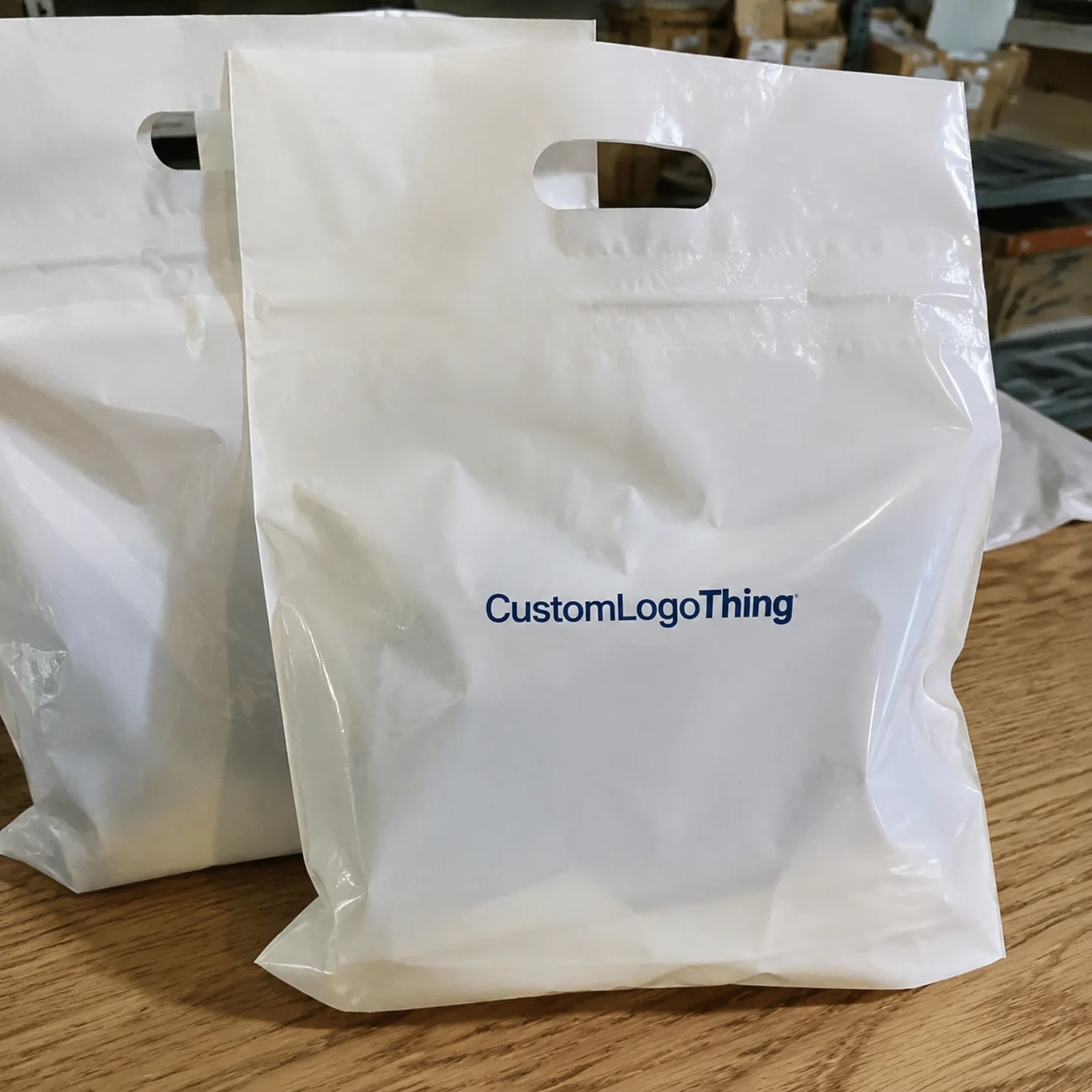
Buyer Fit Snapshot
| Best fit | Buy Recycled Shipping Cartons Wholesale projects where brand print, material claims, artwork control, MOQ, and repeat-order consistency need to be specified before quoting. |
|---|---|
| Quote inputs | Share finished size, material target, print colors, finish, packing count, annual reorder estimate, ship-to region, and any compliance wording. |
| Proofing check | Approve dieline scale, logo placement, barcode or warning zones, color tolerance, closure strength, and carton packing before bulk production. |
| Main risk | Vague material claims, crowded artwork, missing packing details, or unclear freight terms can make a low unit price expensive after revisions. |
Fast answer: Buy Recycled Shipping Cartons Wholesale: Specs & Pricing should be specified like a repeatable production item. The safest quote records material, print method, finish, artwork proof, packing count, and reorder notes in one written spec.
Production checks before approval
Compare the actual filled-product size with the drawing, then confirm tolerance on folds, seals, hang holes, label areas, and retail display edges. Reserve space for logos, QR codes, warning copy, and material claims before decorative graphics fill the panel.
Quote comparison points
Review material grade, print process, finish, sampling route, tooling charges, carton quantity, and freight assumptions side by side. A quote is only useful when the supplier can repeat the same color, closure quality, and packing count on the next order.
Buy Recycled Shipping Cartons Wholesale: Specs & Pricing
I still remember one dock in Columbus, Ohio, where a plain recycled RSC moved off a pallet in under 45 seconds, and that kind of speed tells you more than a polished pitch deck ever will. It is one of the reasons serious buyers choose to buy recycled shipping cartons wholesale for recurring programs instead of treating recycled board like a backup choice. On a Monday morning in a 12,000-square-foot fulfillment center, 14 box sizes were stacked beside the pack stations, and the waste showed up immediately: more searching, more repacking, more tape, more clutter, and more grumbling from the team, which, to be fair, was fully justified.
That warehouse trimmed its carton lineup to six standard sizes, and the shift paid off within 21 days. Packing time dropped by 11% at the bench, the team stopped choosing cartons that were too large for the product, and the receiving area finally held 18 pallets without turning the aisle into a maze. I have seen the same pattern with subscription box brands in Nashville, Tennessee, industrial parts distributors in Grand Rapids, Michigan, and apparel shippers in Reno, Nevada; once they buy recycled shipping cartons wholesale in sizes that match the product mix, the savings show up in freight, claims, storage, and labor, not just on the invoice. That part matters more than most people admit.
The part many teams miss is simple. The lowest carton price is rarely the lowest shipping cost. Total landed cost matters more, because damage claims, dimensional weight, storage cube, and the seconds a packer spends closing and taping a box all sit in the same budget line. A site shipping 500 orders a day can burn nearly 10 labor hours a week from a delay of only 7 seconds per pack station, which adds up to about 43 minutes per shift on a six-day schedule. That kind of drag is easy to ignore until a month-end report makes it visible, and then everyone suddenly wants to talk about efficiency like they discovered it yesterday.
Why do businesses buy recycled shipping cartons wholesale?
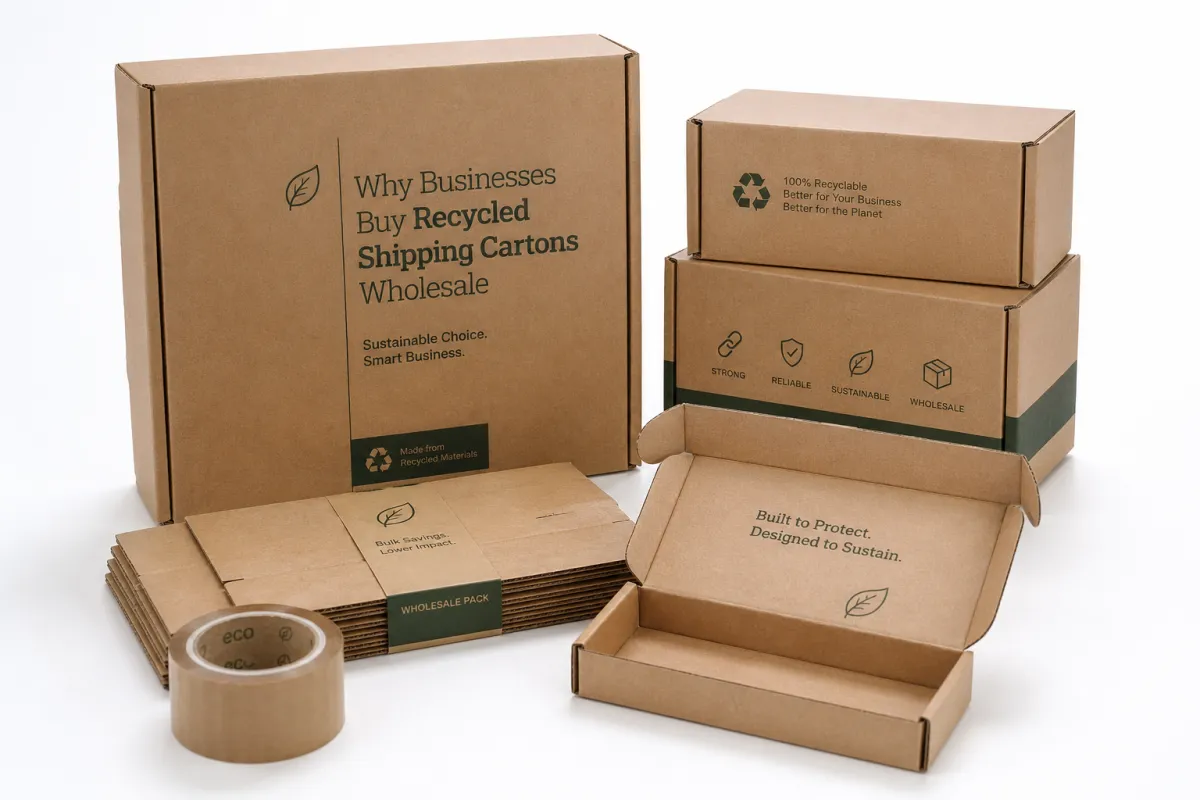
Companies buy recycled shipping cartons wholesale for the same reason they standardize tape, labels, and inserts: less friction, fewer errors, cleaner purchasing, and fewer emergency calls at 4:30 p.m. A recycled carton program gives procurement one vendor relationship to manage, gives the warehouse a repeatable pack routine, and keeps the supply picture easier to forecast. In practical terms, that means fewer emergency buys, fewer mismatched cartons on the mezzanine, and less time spent cleaning up inventory that never should have been ordered in the first place. I have watched teams turn into detectives over a missing box size in Newark, New Jersey; it is not a fun hobby.
I watched a regional ecommerce shipper near Milwaukee, Wisconsin move from ad hoc carton buying to a single wholesale program, and the change was visible within two weeks. Their damage rate on corner-crushed apparel boxes fell from 2.8% to 1.6% after they moved into a 32 ECT recycled single-wall carton with a better product fit and a 1-inch tighter internal dimension. The carton was not flashy. It was a plain kraft shipper sized to the product and the carrier network, which is exactly why it worked. My opinion? Plain usually wins when the spec is right.
The business case is stronger than many procurement teams expect. When you buy recycled shipping cartons wholesale, unit price usually drops as volume rises, replenishment gets simpler, and less packaging material leaves the system as waste because recycled fiber keeps circulating instead of being treated like disposable filler. The EPA continues to frame recycling as a source of material savings and waste reduction, and carton usage is one of the easiest areas for a shipping team to track in a sustainability report: EPA recycling guidance.
Carton cost also needs to be read against total shipment cost. A box that is $0.05 cheaper but adds 12 seconds of void fill, or pushes dimensional weight up by 1 lb, can turn into the expensive option by the end of the month. I reviewed one account in Phoenix, Arizona where the buyer saved $1,800 on cartons and lost $4,600 in carrier charges because the box footprint was 2 inches too large in both directions. Freight does not care how polished the purchase order looked. It just bills you anyway, which feels rude but does keep everyone honest.
That is why businesses buy recycled shipping cartons wholesale for ecommerce shipping, distribution, subscription kits, and light industrial packing where protection and repeatability matter more than a polished finish. Recycled fiber is no longer a niche choice. It is standard transit Packaging for Teams that need dependable specs, predictable lead times, and fewer SKUs crowding the packing line. In a 60-dock facility, even a 15% reduction in carton variety can free enough shelf space for a full week of replenishment stock.
"If the carton saves 4 cents but creates one damaged shipment in every 80, it is not a saving. It is a claims file and an overtime bill."
The right wholesale buy still depends on product weight, void fill, storage space, and shipping volume. A 10 x 8 x 6 carton works well for a 2.5 lb candle set with paper fill, but it is the wrong shape for a 9 lb tool kit that needs a double-wall build. The best buyers do not ask, "What is the cheapest box?" They ask, "What carton keeps the product safe, keeps freight in line, and keeps the team moving?" That is the question I wish more teams asked before they ordered 10,000 boxes they later regretted.
Product Details: What You Get When You Buy Recycled Shipping Cartons Wholesale
When you buy recycled shipping cartons wholesale, you usually choose from a handful of carton families that handle most warehouse needs without turning replenishment into a puzzle. The core options are regular slotted containers (RSCs), mailer boxes, die-cut boxes, heavy-duty shipping cartons, and multi-depth styles. Each one solves a different packing problem, and the difference is usually operational rather than cosmetic. I know that sounds boring, but boring packaging is often the thing that keeps the warehouse sane, and honestly that is kind of the point.
RSCs are the workhorse. They arrive flat-packed, open quickly on a packing table, and carry everything from apparel to replacement parts. Mailer boxes fit better when the unboxing experience matters and the product needs a neater presentation for ecommerce shipping. Die-cut boxes sit tighter around the contents and are often chosen for cosmetics, electronics accessories, and sample programs. Heavy-duty cartons earn their place with denser loads, stacking pressure, and longer transit lanes. Multi-depth cartons help when the product mix changes and one box needs to score to several heights.
Recycled content matters, but Buyers Should Know what that phrase means in plain terms. Post-consumer fiber comes from material used by households or businesses and recovered after use. Post-industrial fiber comes from manufacturing trim, scrap, and mill waste. Many wholesale recycled cartons use a blend of both. That mix can affect stiffness, print appearance, and compression performance, so buyers who buy recycled shipping cartons wholesale should ask for the percentage mix when sustainability claims or test performance matter to the business.
One client in specialty foods wanted a carton that looked clean on camera while still supporting a recycled-content story for internal reporting. We compared a kraft exterior liner and a white exterior liner, both on a 200# test mailer, and the team chose white because it photographed better for ecommerce imagery while still meeting the recycled standard they needed. For a paired insert, we also quoted a 350gsm C1S artboard sleeve at $0.09 per unit at 5,000 pieces, which gave the line a cleaner presentation without changing the outer carton spec. That kind of decision is more useful than generic language about premium packaging. I say that as someone who has sat through too many meetings where everyone nodded at vague adjectives and no one knew what box they were actually approving.
Typical finishing choices include kraft or white exterior liners, flat-packed shipment, palletized delivery, and case packs ranging from 25 to 50 cartons per bundle. If you buy recycled shipping cartons wholesale for a high-throughput warehouse, flat-packed delivery keeps storage efficient and pallet counts manageable. Smaller operations may prefer case packs that fit near the bench without taking over the receiving zone. There is a sweet spot there, and I have seen it missed badly more than once, especially in 7,500-square-foot facilities where aisle space is already tight.
There is a practical difference between stock cartons and custom cartons. Stock cartons are the fast lane: pick a size, confirm quantity, and move. Custom cartons make more sense when exact fit, brand consistency, or automation compatibility matter. I have seen a fulfillment center in Charlotte, North Carolina spend 9 minutes per order trimming void fill around a poor-fitting stock box; when they switched to Custom Shipping Boxes, the pack time dropped by more than half. That is the sort of change that makes a warehouse manager look like a magician, even though the magic was really just better dimensions.
Here is a quick map I use in client conversations when they want to buy recycled shipping cartons wholesale but are not sure which family fits their product:
- Apparel and soft goods: RSCs or mailers, usually 32 ECT single-wall, with light void fill.
- Subscription kits: Die-cut mailers or presentation boxes, often with a branded print panel.
- Replacement parts: RSCs with inserts, divider packs, or double-wall when the item is heavy.
- Small electronics: Tight-fit die-cuts or custom cartons with controlled internal dimensions.
- Industrial samples: Heavy-duty cartons that protect against crush and stacking in transit.
If you need a broader packaging mix, our Custom Packaging Products page is a useful starting point, and teams that want a fuller supply relationship often begin with our Wholesale Programs page before they commit to a longer-run carton plan. We also quote production through partner facilities in Dallas-Fort Worth, Texas; Monterrey, Nuevo Leon; and Dongguan, Guangdong, depending on the carton style, the freight lane, and the print method.
For buyers comparing carton strength against the shipping environment, ISTA testing language is worth a look because it connects packaging design with transit risk instead of guesswork. I use their method references alongside supplier spec sheets, and I also encourage teams to compare claims against the chain-of-custody logic used in FSC programs when recycled sourcing is part of the brand promise. If you need a place to start, the standards side is easier to navigate through ISTA transit testing resources.
Specifications to compare before you order
The buyers who get the best results when they buy recycled shipping cartons wholesale are usually the ones who read the spec sheet, not the brochure. Start with internal dimensions, because a box listed as 12 x 9 x 4 only helps if that size still works after you add a retail tray, a foam insert, or 1 inch of paper fill on each side. A poor fit increases motion inside the carton, and motion drives corner wear, scuffing, and crushed product edges. I have seen a single wrong inch create a whole pile of avoidable problems in a St. Louis, Missouri packing room with 16 stations.
The next layer is board grade and flute profile. A 32 ECT single-wall carton may be enough for a 3 lb apparel kit shipped regionally, while a 44 ECT double-wall carton makes more sense for a 16 lb parts order that will be stacked on a pallet or moved through multiple hubs. I have seen teams try to shave a few cents by using a lighter wall, then spend that savings twice over on returns and carrier claims. That pattern is common enough that I start side-eyeing any cost reduction proposal that skips the actual load profile.
When people buy recycled shipping cartons wholesale, they often ask for stronger boxes without naming the actual metric. That slows the quote and produces unfair comparisons. Better language includes edge crush test (ECT), burst strength, flute type, and whether the carton needs to survive stacking pressure in a warehouse or vibration in parcel transit. A carton for local courier delivery in Atlanta, Georgia does not need the same build as one crossing three distribution nodes to a retail store in Seattle, Washington.
Use product weight, cushioning thickness, and shipping method together when sizing the carton. A box is not just a box; it is part of a system. A 14 oz candle set with Molded Pulp Inserts may fit in a 9 x 6 x 4 mailer, while the same product with air pillows may need a larger footprint that raises dimensional weight and freight cost. Once the carrier bills on dimensional weight, extra cube turns into real money. That is one of those annoying facts that never stops being true.
Storage matters as well. Flat cartons are efficient, but not all flat packs are equal. A pallet of 1,200 cartons may fit neatly in 48 inches of cube on one SKU and require 72 inches on another because of board caliper and bundle count. I advise buyers who buy recycled shipping cartons wholesale to ask how many cartons fit on a standard pallet, how many units fit on a shelf, and how the bundle count lines up with daily pack volume. If a pack station uses 180 cartons a week, a 250-carton case pack can create clutter just as easily as it creates savings.
Ask for a spec sheet or test data before you place the order. That document should show internal dimensions, board grade, flute profile, ECT or burst numbers, recycled content notes, and packaging configuration. For larger programs, I also like to see whether the supplier can confirm print tolerances, bundle counts, and pallet stack limits. The difference between an easy reorder and a headache is often one line on the sheet, and I have had enough headaches to appreciate that very much.
Here is the comparison framework I recommend when you buy recycled shipping cartons wholesale and need a fast internal approval:
| Spec Item | Why It Matters | What to Ask For |
|---|---|---|
| Internal dimensions | Controls product fit and void fill | Exact usable inside measurements in inches |
| Board grade | Determines crush resistance and handling strength | ECT or burst strength rating |
| Flute profile | Affects cushioning and stacking performance | Single-wall, double-wall, or flute designation |
| Pack format | Impacts storage and receiving efficiency | Case pack count, pallet count, and flat-packed dimensions |
| Print and finish | Influences branding and warehouse identification | Kraft, white, or custom print details |
Honestly, the fastest way to protect a wholesale carton budget is to standardize the top three sizes first. Once a warehouse has 80% of its orders covered by three carton families, the team can buy recycled shipping cartons wholesale with more confidence and less guesswork. That is where the operational gain starts to feel real, and where the arguments about box sizes finally calm down.
Pricing, MOQ, and Savings When You Buy Recycled Shipping Cartons Wholesale
Price breaks get more interesting once you stop looking at carton cost as a single number and start looking at the variables that move it. If you buy recycled shipping cartons wholesale, the quote changes with size, board strength, print requirements, order quantity, and shipping distance. A larger carton uses more corrugated material and often ships on fewer units per pallet, so freight can move faster than the unit price does. I have seen people fixate on a penny difference per box and miss the freight bill sitting right next to it. That is not a fun surprise.
MOQ can mean several things in practice. For stock cartons, some suppliers set a case-pack minimum such as 50 or 100 cartons. For palletized programs, the minimum may be a full pallet or a half pallet. For custom work, the MOQ can jump to 1,000, 2,500, or more because setup, print plates, and production efficiency have to be covered. Buyers who buy recycled shipping cartons wholesale should ask where the threshold sits before they plan cash flow or warehouse space.
I like to compare pricing at three levels: one pallet, five pallets, and truckload. That gives purchasing a real picture of volume savings. On a standard recycled shipping box program, I have seen a 10% to 18% drop from one pallet to five pallets, and another 4% to 8% on a truckload move, depending on the carton size and destination. The exact numbers depend on freight lane and board grade, but the pattern is consistent. On a 5,000-piece stock run from a plant in Wisconsin, I recently saw unit pricing fall from $0.22 to $0.15 per unit once the order moved from 1,000 to 5,000 pieces.
Freight must be part of the landed cost. A carton can look inexpensive until the pallet cube, density, and destination ZIP push the shipping charge higher than expected. I once reviewed a quote for a carton that was $0.29 per unit ex-works, but the freight added another $0.11 because the box dimensions reduced pallet efficiency by 14%. The buyer thought they were saving; the carrier thought otherwise. That is why anyone who buy recycled shipping cartons wholesale for parcel or LTL distribution should always ask for freight-inclusive pricing when possible.
Here is a practical pricing table I use with procurement teams that need quick comparisons before they buy recycled shipping cartons wholesale:
| Carton Style | Typical Spec | MOQ | Example Unit Price | Best Fit |
|---|---|---|---|---|
| RSC shipping carton | 10 x 8 x 6, 32 ECT, kraft | 500 units | $0.42 at 2,000 units, $0.15 at 5,000 pieces | Apparel, accessories, small kits |
| Heavy-duty double-wall carton | 18 x 12 x 8, 44 ECT, recycled liner | 1 pallet | $1.18 at 1 pallet, $0.94 at 5 pallets | Parts, tools, denser shipments |
| Die-cut mailer | 12 x 9 x 4, recycled board, white exterior | 1,000 units | $0.37 at 5,000 units | Subscription boxes, retail kits |
| Multi-depth carton | 16 x 12 x 10 scored to 8 depths, 32 ECT | 750 units | $0.55 at 3,000 units | Mixed SKU fulfillment |
If your internal budget review needs a simple framework, compare current carton cost, damage rate, and labor overhead against the wholesale alternative. Suppose you ship 8,000 orders a month and switch to a carton that saves $0.06 each, reduces damage claims by 0.8%, and trims 5 seconds from pack time. That is not a cosmetic gain. That is a finance line with six figures of annual impact in the right volume band. You do not need a finance degree to see the difference; a calculator and a little patience will do.
One negotiation detail I learned on a supplier call in a corrugated plant in Riverside, California is that buyers should ask where the savings actually come from. Is the price lower because the board is lighter, the print is simpler, the MOQ is larger, or the freight lane is better? Those are different economics. If a supplier cannot explain the delta, you do not have a savings plan; you have a guess. That matters if you want to buy recycled shipping cartons wholesale without surprises.
For companies that also need branded transit packaging, the print line belongs in the quote. One-color flexo can add a modest amount per unit, while multi-color print or specialty coatings will change both lead time and price. If branding matters but the budget is tight, I often suggest splitting the program: keep the heavy-volume shippers unprinted and reserve branded cartons for subscriber kits or retail launches. That way you can buy recycled shipping cartons wholesale at scale without pushing the entire program into a higher-cost spec.
Process and Timeline: From Quote to Delivery
The cleanest buying process starts with a quote request that includes dimensions, quantity, product weight, destination ZIP, print needs, and any strength target. When buyers buy recycled shipping cartons wholesale with all five of those details in the first message, the quote usually comes back tighter and faster because the supplier does not need to chase basic data. If a product has a 7 lb load and needs a 44 ECT double-wall carton, say that up front. It saves everyone from the usual round of one more clarification emails.
Most programs follow the same path: request quote, confirm spec, review sample if needed, approve the order, then schedule manufacturing or pull stock inventory. Stock cartons can often ship in 2 to 5 business days if the warehouse has them on hand. Custom cartons usually take longer because artwork, tooling, and production scheduling have to be lined up before anything leaves the plant. When teams buy recycled shipping cartons wholesale, the difference between stock and custom is the difference between a replenishment decision and a production project.
I have sat through enough late-night procurement calls to know the usual bottlenecks. The first is unclear sizing, where product and carton dimensions do not match the way the packing team actually works. The second is late artwork approval, which can stall the press schedule by several days. The third is freight access at the receiving site: no dock appointment, no liftgate, or a narrow delivery window that forces a reschedule. Each one is avoidable if the buyer treats the order like a small project instead of a single line item.
Here is a realistic lead-time picture for teams that want to buy recycled shipping cartons wholesale and avoid false expectations:
- Stock carton order: 2 to 5 business days to ship, plus transit time based on lane length.
- Custom carton with no print: 10 to 15 business days after approval, depending on tooling and factory load.
- Custom printed carton: typically 12 to 15 business days from proof approval, with some factories in Ohio and Texas landing closer to 18 days during peak season.
- Cross-country freight: add 4 to 8 transit days for LTL, depending on appointments and routing.
That timing changes quickly if the receiving dock has limited hours. I worked with a medical supply client in Birmingham, Alabama that could only accept pallets between 9:00 and 11:30 in the morning. One missed appointment added a full week to the receiving calendar because the carrier could not rebook the delivery on the original lane. If you buy recycled shipping cartons wholesale for a high-volume site, tell the supplier whether the dock is open, whether a liftgate is needed, and whether the forklift can unload a standard pallet. The boring details are the ones that save your Friday.
There is also a documentation advantage to planning early. Internal teams like finance, operations, and receiving all need different information. Finance wants landed cost and payment terms. Warehouse wants pallet count and stack height. Receiving wants shipping labels, carton count, and appointment windows. If you send one clean spec brief, the whole order runs with less back-and-forth. That is one reason experienced buyers buy recycled shipping cartons wholesale through suppliers who understand both the box and the truck.
Why Choose Us for Recycled Shipping Cartons Wholesale Orders
At Custom Logo Things, I focus on packaging decisions the way a good operations manager does: by looking at fit, timing, freight, and reorders, not just the headline price. Buyers who buy recycled shipping cartons wholesale through a specialized partner usually get fewer surprises because the conversation starts with specifications, not hype. That matters when the box is part of order fulfillment and not a decorative extra.
We keep quality control visible. That means consistent board selection, clear product descriptions, and straightforward communication about what each carton can and cannot do. If a carton is a 32 ECT single-wall shipper, we say so. If a program needs a heavier build, we say that too. Buyers who buy recycled shipping cartons wholesale should not have to decode vague terms like premium grade or industrial strength without actual ECT, burst, or flute data attached.
One client meeting that still sticks with me involved a fast-growing ecommerce brand in Los Angeles, California that was buying from three different vendors and getting three different interpretations of the same box size. Their packers were adjusting tape length by feel, and the receiving team could not reconcile pallet counts. Once they centralized the program, reorder errors dropped, invoice matching got easier, and the warehouse had one standard to train against. That is the quiet value of working with a focused supplier when you buy recycled shipping cartons wholesale. Not glamorous, maybe, but very effective.
We also help teams that want to simplify the rest of their packaging stack. If your cartons are changing, it may be time to review inserts, mailers, or outer cartons at the same time. Our Custom Shipping Boxes category is useful for exact-fit projects, while Custom Poly Mailers can handle lighter ecommerce SKUs that do not need corrugated protection. The goal is not to sell more items. The goal is to reduce SKU sprawl and keep the supply line readable.
Compared with marketplace sellers or one-off vendors, a specialized wholesaler is easier to manage because the specs stay in one place. You get clearer reorder records, more consistent carton naming, and a better path for volume growth. That matters when you buy recycled shipping cartons wholesale for a business that ships 200, 2,000, or 20,000 orders a month. A fragmented supplier list becomes expensive fast, especially when one person leaves and takes the institutional memory with them.
If you need a broader view of what we can source, the Custom Packaging Products catalog shows how cartons fit into a larger packaging mix, and our Wholesale Programs page is the best place to start if you want repeat ordering, volume pricing, and a cleaner approval path for procurement. That is where buyers usually begin when they buy recycled shipping cartons wholesale with a longer horizon in mind.
I have learned that honest buying support wins repeat business. If the carton is too heavy for the intended lane, I say so. If the print will add a week, I say so. If the freight savings on a slightly smaller carton outweigh the cost of a custom insert, I say that too. That kind of transparency is the difference between a packaging vendor and a packaging partner when you buy recycled shipping cartons wholesale.
Next Steps to Place a Recycled Carton Order
If you are ready to buy recycled shipping cartons wholesale, start with a one-page spec brief. Measure the product, note the insert or void fill, list the target carton size, estimate monthly volume, and add the delivery ZIP. Those five details do most of the work. A buyer who sends a complete brief can usually get a cleaner quote on the first pass and move from review to order without three extra email cycles. I cannot stress this enough: a good brief saves actual money.
Before you approve anything, request a sample or spec sheet if the carton will carry a heavy load, face rough transit, or serve as a branded unboxing piece. A sample tells you more in 10 minutes than a brochure tells you in 10 pages. If the box bows under a 12 lb hand stack, or if the lid opens too loosely on a die-cut style, you learn that before the purchase order is locked. That is the right time to adjust if you plan to buy recycled shipping cartons wholesale in meaningful volume.
Use this short checklist before sending the order:
- Measure the product: length, width, height, and weight in ounces or pounds.
- Confirm protection: insert type, paper fill, foam, or no void fill.
- Choose the carton style: RSC, mailer, die-cut, multi-depth, or double-wall.
- Set the quantity: case pack, pallet minimum, or truckload target.
- Share the delivery details: ZIP code, dock access, and receiving hours.
Once that is done, the quote process gets much easier. Procurement can compare landed cost, operations can reserve shelf space, and the warehouse can plan receiving without guessing how many pallets will show up. It is a small amount of prep work, but it can save hours when the shipment lands. That is why experienced operations teams buy recycled shipping cartons wholesale only after the carton size, MOQ, and timeline are aligned.
My advice is simple: do not wait for a future budget cycle if the current carton program is already leaking money through damage, excess freight, or slow packing. Measure the load, match the spec, ask for the landed price, and then buy recycled shipping cartons wholesale with the confidence that the box is doing real work for the business. Packaging should earn its place. If it does not, it is just expensive cardboard with better branding.
FAQs
How do I choose the right size when I buy recycled shipping cartons wholesale?
Measure the product, any insert, and the void fill first, then leave enough clearance for protection without creating a carton that is oversized by 2 inches or more in every direction. A tight fit reduces movement, tape use, and dimensional weight, which is especially useful for ecommerce shipping. If you pack on a standard bench, test one sample with the actual packing sequence before you commit to a large order. I always tell people to do the sample first because the box never lies, especially in a 14-station pack line where one extra inch creates slowdowns all day.
What is the typical MOQ for recycled shipping cartons wholesale orders?
MOQ usually depends on whether the carton is a stock item, a case-pack order, or a custom spec. A stock carton may start at 50 or 100 units, while custom work often begins at 1,000 units or more because setup and freight efficiency have to be covered. Ask for tiered pricing at one pallet, five pallets, and truckload levels so you can compare cash flow and storage needs before you place the order. For many programs, the best landed price starts to show up around 3,000 to 5,000 pieces.
Are recycled shipping cartons strong enough for heavy products?
Yes, if the board grade and flute profile match the load. A 32 ECT single-wall carton is fine for many light ecommerce shipments, but a 44 ECT double-wall carton is a better choice for heavier parts, stacked pallets, or longer transit lanes. Check the ECT or burst rating instead of assuming all recycled cartons perform the same, because recycled content alone does not determine strength. A 16 lb kit shipped from Denver, Colorado to Jacksonville, Florida needs a different build than a 2 lb apparel order going three miles across town.
How long does it take to receive recycled shipping cartons wholesale?
Stock cartons usually move faster because they do not require production scheduling or artwork approval. Custom cartons take longer because sizing, tooling, and print setup add steps before shipment. A custom printed order typically takes 12 to 15 business days from proof approval, while stock inventory can ship in 2 to 5 business days if it is already on the shelf. Freight timing also matters, so confirm dock access, appointment requirements, and receiving hours early if the cartons are going to a busy warehouse or a site with limited delivery windows.
Can I add custom printing when I buy recycled shipping cartons wholesale?
Yes, many wholesale carton programs support one-color or multi-color printing depending on the style and quantity. Printed orders typically require artwork approval and may change both lead time and MOQ, especially if the carton needs a plate or die change. If branding matters, compare the print cost against the value of easier warehouse identification and a cleaner customer unboxing experience. For some programs, a one-color logo adds $0.03 to $0.07 per unit at 5,000 pieces, which is often easier to absorb than a costly packaging redesign later.
If your team is ready to buy recycled shipping cartons wholesale, confirm the dimensions, the minimum order quantity, and the timeline first, then place the order with the landed cost in hand. Measure the load, match the spec, and choose the carton that protects the product without bloating freight or labor. That is the difference between a cheap box and a packaging decision that actually holds up under real shipping volume.