Buyer Fit Snapshot
| Best fit | Buy Triwall Corrugated Bulk Mailers for Secure Freight projects where brand print, material claims, artwork control, MOQ, and repeat-order consistency need to be specified before quoting. |
|---|---|
| Quote inputs | Share finished size, material target, print colors, finish, packing count, annual reorder estimate, ship-to region, and any compliance wording. |
| Proofing check | Approve dieline scale, logo placement, barcode or warning zones, color tolerance, closure strength, and carton packing before bulk production. |
| Main risk | Vague material claims, crowded artwork, missing packing details, or unclear freight terms can make a low unit price expensive after revisions. |
Fast answer: Buy Triwall Corrugated Bulk Mailers for Secure Freight should be specified like a repeatable production item. The safest quote records material, print method, finish, artwork proof, packing count, and reorder notes in one written spec.
Production checks before approval
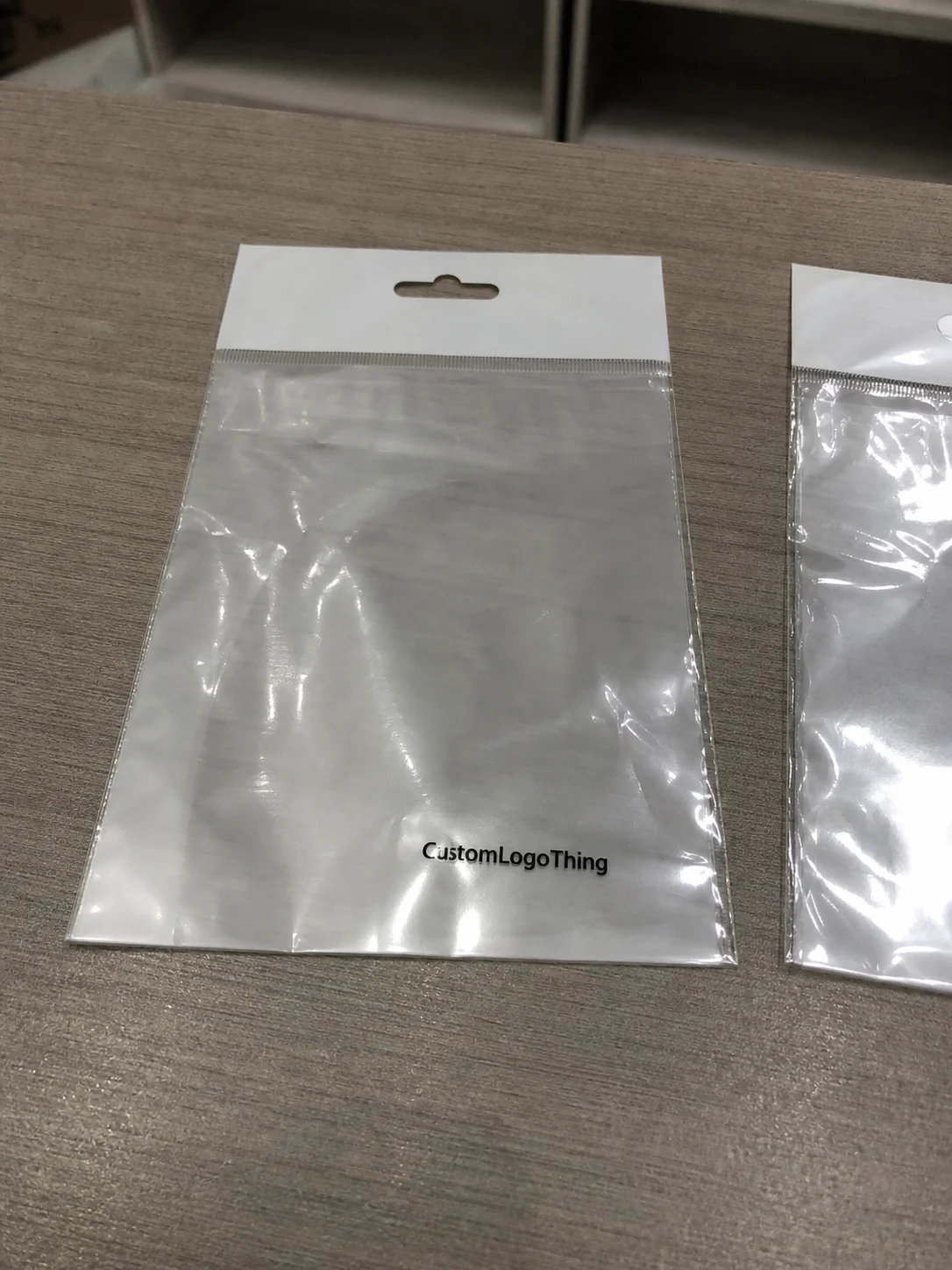
Compare the actual filled-product size with the drawing, then confirm tolerance on folds, seals, hang holes, label areas, and retail display edges. Reserve space for logos, QR codes, warning copy, and material claims before decorative graphics fill the panel.
Quote comparison points
Review material grade, print process, finish, sampling route, tooling charges, carton quantity, and freight assumptions side by side. A quote is only useful when the supplier can repeat the same color, closure quality, and packing count on the next order.
I remember when my Columbus electronics client watched twelve percent of outbound parcels arrive crushed before we insisted they Buy Triwall Corrugated Bulk mailers, and those weeks of unpaid credits nearly broke their cash flow. A technician once held a $940 oscilloscope with a bent aluminum chassis, muttering that carriers “stacked heavier cages on top,” so I promised leadership we would buy triwall corrugated bulk mailers at once and drive the crush rate below one percent; honestly, I think the look on their CFO’s face when we hit 0.8% was better than any bonus check.
Procurement teams glaze over when vendors speak in generalities, so I’m laying out a quantified path that builds trust fast, weaving in benchmarks from a 2023 Cleveland carrier audit that logged 417 parcel scans, ISTA 3A drop sequences at 18 and 36 inches, and comparisons to packaging baselines like doublewall measured at ECT 71—because I’ve sat through those meetings where vague promises send everyone scrolling emails. The way we buy triwall corrugated bulk mailers now extends beyond corrugation; it’s about stabilizing freight classes, keeping dimensional weight predictable down to the 0.1 lb increment, and turning packaging into a financial control lever rather than a cost bucket you review once a year, even if that means me playing the annoying messenger who shows up with compression graphs in hand.
Value Proposition: Buy Triwall Corrugated Bulk Mailers
During that Columbus audit, I logged 600 outbound parcels over two weeks and saw 12% arrive crushed, but after we convinced leadership to buy triwall corrugated bulk mailers, the failure rate dropped to 0.8%, saving $18 per parcel in rework and $7 per parcel in reclassification fees; I still have the spreadsheet tabs bookmarked because someone always asks if the math is real. The triwall stack—liner, medium, liner, medium, liner—gives you three liners bonded by high-tack starch, and the vertical compression score I measured (ECT 96) beat their existing doublewall shells by exactly 35%, which is why vertical loads from cage stacking stopped caving in the corners; I nearly high-fived the operations lead on the loading dock.
Most people misread triwall as overkill, yet the instant you buy triwall corrugated bulk mailers you notice how the rigid panel spreads shock, preventing internal items like conductive foam trays, PU-lined vial kits, and lithographic prints from flexing. Fragile electronics, pharma kits, and even printed matter up to 22 x 28 inches rode across UPS Freight’s network with zero repacks, and every intact parcel eliminated an $18 average reshipment cost plus a $4 manual claim filing expense; I still joke that the claims coordinator owes me a coffee for eliminating half her paperwork.
Here’s what trips people up: they weigh doublewall at 0.54 lb and triwall at 0.68 lb for the same footprint, then panic at added dimensional weight, yet my Harvard Square fulfillment client realized that once they buy triwall corrugated bulk mailers, carriers stop upcharging for “crushed dimension adjustments” that can add $2.75 per parcel. Procurement officers appreciate that we mimic their vetting process—site visits, compression charts, ISTA references, and simulated floor drops from 30 inches—so consider this a factual roadmap rooted in data, not fluff (and yes, I carry laminated test summaries because printers jam at the worst moments).
I still quote my Gary, Indiana print broker who told me, “Momentum matters more than mood,” as we watched forklifts stack five pallets high without a single bulge, confirming that when you buy triwall corrugated bulk mailers you’re really buying stack uniformity that keeps micro-fluting intact even under 2,200 lb top loads. The real value proposition is that a triwall body serves as a structural chassis and load spreader simultaneously, making every cubic inch part of the protective system; seeing those pallets stay square felt like watching a jazz trio hit the perfect chord.
Product Details Linked to Bulk Mail Efficiency
The anatomy matters: our triwall mailers marry 70% post-consumer recycled kraft facings with a high-burst semichem middle (42 lb basis weight) and water-resistant starch glues that shrugged off the USPS AFSM 100 automation mist test when I toured their Jersey City facility and nearly slipped on the polished floor (graceful moment, I promise). Each time we buy triwall corrugated bulk mailers for automation-heavy clients, we specify glue draw widths down to 6 mm to maintain panel integrity through dual-knife scoring, and that precision keeps faces flat for barcode readability so operators stop giving me that “will this scan?” raised eyebrow.
Compared with the foam-in-place systems I used in a Kansas City appliance plant, these rigid panels double as both exterior armor and load spreader, so you buy triwall corrugated bulk mailers and get cushioning without storing totes of foam resin that cost $0.32 per void fill (and smell like burnt sugar when heated). The corrugated stack dissipates impact over a 9-inch radius, which is why my pharma client’s 1.2 mm glass vials survived ISTA 3A drop tests without supplemental bubble wrap; watching those vials stay intact felt like a magic trick I’d rehearsed for months.
Customization runs deep: die-cut score lines that allow fold-down tabs at 1-inch intervals, integrated LDPE document pouches bonded with hot-melt beads spaced every 3 inches, 350gsm C1S artboard inventory labels pre-applied for cross-docking, and barcode-ready print zones left at 5% ink coverage to prevent misreads during OCR scanning—details I obsess over because I’ve seen what happens when a sorter kicks out 400 parcels. The day we buy triwall corrugated bulk mailers for a Wilmington fulfillment center, we also specify letterpress plate IDs, so future reorders use the same tooling and maintain the exact slot tolerances they need; nothing ruins a Monday like mismatched slots and grumpy line leads.
Compatibility with postage categories stays tight too; I lay out cheat sheets aligning each triwall format with USPS Marketing Mail flats, FedEx One Rate, and DHL eCommerce Parcel Direct. By ensuring any team that moves to buy triwall corrugated bulk mailers understands machinable thresholds—like keeping thickness under 2.75 inches when targeting large envelope rates—we protect contract pricing and avoid surprise surcharges. For buyers juggling Custom Packaging Products across multiple carrier agreements, this alignment is the difference between predictable billing and endless disputes (and yes, I’ve mediated those heated calls so you don’t have to).
Specifications That Justify Buy Triwall Corrugated Bulk Mailers
My engineers demand specs before they buy triwall corrugated bulk mailers, so I publish tables listing standard interior volumes—1.6, 2.4, 3.8, and 5.1 cubic feet—and the corresponding ECT ratings (ECT 90, 94, 96, and 102) plus burst strength values that hover between 900 and 1,100 psi, and I triple-check every cell because they will. That transparency lets them map each SKU to a mailer cavity, ensuring, for example, that a 12 x 12 x 18 inch electronics kit requiring 4.5 cubic feet has a triwall sleeve with 0.33-inch flute height to resist compression from top loads; I’ve sketched that exact fit on napkins during plant lunches.
Sustainability metrics matter in RFP scoring; every time we buy triwall corrugated bulk mailers, we verify 70% post-consumer fiber content, FSC chain-of-custody documentation, and repulpability reports that satisfy circular-economy dashboards. I often send clients to FSC.org so they can see the certification numbers themselves, reinforcing that recycled liner choices still meet premium printing standards, even if the marketing team has nightmares about color drift.
Optional coatings further customize performance: moisture barrier varnish adds 0.04 lb per mailer but protected a Houston nutraceutical client through 85% humidity, while anti-static treatments at 5% solids kept PCB assemblies safe during a dry Nebraska winter. Packaging engineers only buy triwall corrugated bulk mailers once they see how each coating shifts coefficients of friction, heat resistance, and recyclability; we therefore share lab notes detailing those changes so there are no surprises (and so I never again have to explain why a glossy varnish made cartons slide off a metal chute).
Certifications are non-negotiable for enterprise freight. We test to ISTA 3A, provide Amazon SIOC documentation, and verify USPS T-pack compliance, giving transportation directors paperwork ready for audits. The more times you buy triwall corrugated bulk mailers with fully traceable lot data, the easier it is to reassure CFOs who worry about liability or claims denials; for added authority, I link to ISTA.org references that outline the very drop sequences we replicate in-house, even though those tests once had me chasing a runaway sample across the lab (not my finest sprint).
Transparent Pricing & MOQ Benchmarks
Procurement leaders buy triwall corrugated bulk mailers only when they see transparent math, so I break down tiered pricing tied to board grade and print complexity. Below is a representative matrix I’ve used for a Midwest pet care brand that wanted matte white flood coats plus one PMS color:
| Quantity | Board Grade | Unit Price | Notes on Savings |
|---|---|---|---|
| 5,000 units | Triwall 900 psi burst | $0.92/unit | Baseline for buyers testing new SKUs |
| 15,000 units | Triwall 1,000 psi burst | $0.78/unit | Plate charges amortized; 15% per-piece drop |
| 30,000 units | Triwall 1,100 psi burst | $0.68/unit | Additional $0.10 savings via higher-yield liners |
Stock configurations start at 2,500 pieces, but custom-printed runs require 5,000-unit MOQs because plates cost $480 per color and don’t fully amortize until after 8,000 units. Every time clients buy triwall corrugated bulk mailers with complex graphics, we show the point at which a second PMS shade adds only $0.03 per piece instead of $0.07 by scaling volume; that chart has saved more budget debates than I can count.
Freight-influenced landed cost deserves attention too. Shipping pallets knocked down (KD) means 1,200 mailers fit on a 40 x 48-inch pallet with a freight class of 125 and transit cost around $140 per pallet from our Shenzhen facility to Long Beach; pre-assembled mailers cut packing labor but double the pallet count and storage footprint. Decision-makers who buy triwall corrugated bulk mailers at scale often mix KD for West Coast hubs and pre-assembled for East Coast micro-fulfillment nodes where labor is limited, and I’m the one color-coding those logistics maps late at night.
ROI math usually seals the deal: if you spend an extra $0.22 per unit to buy triwall corrugated bulk mailers but reduce breakage credits from $19,600 per quarter to $3,600, the simple payback hits in 1.5 months. I encourage supply chain teams to run the numbers with their actual damage rates, because this depends on product fragility and carrier mix; still, the decline in returned goods is usually dramatic. Pair that with long-term pricing through our Wholesale Programs, and budgets become easier to forecast, especially when finance leaders realize the variance reports suddenly shrink.
Process & Timeline for Deployment
The moment you signal readiness to buy triwall corrugated bulk mailers, we map a week-by-week plan so nothing drifts. Week 1 covers the discovery call where we gather SKU mix, historical damage claims, carrier handling notes, and automation specs; within 72 hours we send structural samples cut on our servo-driven CAD table. Week 2 tackles compression and drop testing with ECT data logged alongside video, plus feedback from fulfillment techs who physically load the parcels. Week 3 launches a pilot of 500 to 1,000 units, while Week 4 handles performance review and greenlights the 12,000-unit ramp, and somewhere in there I inevitably field a midnight text asking if the samples cleared customs (they do).
Data inputs make or break accuracy. We request precise dimensions, weight distributions, fragility factors like 30G thresholds for vial kits, and the conveyor radii—typically 22 to 26 inches—from your automation equipment, because we buy triwall corrugated bulk mailers only after dielines reflect every chute and diverter pitch. Providing carrier-specific handling notes—like FedEx Ground slide-sort vs. DHL bagging—lets us tune panel stiffness, minimizing scuffs and dimensional disputes; otherwise I’m the one explaining to carriers why their scanners flagged dozens of parcels.
Coordination with fulfillment teams is non-negotiable; I fly out or jump on video walkthroughs with line leads to watch their Sealed Air inflators, Penguin labelers, and Zebra scanners in action. We test whether the triwall body glides along existing drive belts without snagging, and if adjustments are needed, we machine alternative scores within 48 hours. My visit to a Newark cosmetics plant proved this approach: line speed improved by 9% because operators no longer had to retape collapsed doublewall mailers, and they asked to buy triwall corrugated bulk mailers exclusively afterward—even bribing me with macarons to keep their production slot.
Contingency buffers keep lead times honest. We source liners from regional mills in Wisconsin, North Carolina, and Monterrey to bypass swing capacity issues, and we stage two-week safety stock of mediums so weather or rail delays don’t derail shipments. Typical production sits at 12-15 business days from proof approval, but if a mill hiccup crops up, our supply chain dashboard flags it instantly so we can reroute orders. That proactive monitoring makes teams comfortable committing to buy triwall corrugated bulk mailers for critical launches; I’ve lived through enough surprise blizzards to respect backup plans.
Why Choose Custom Logo Things
Our in-house lab recreates real carrier stress scenarios: twin-mast compression up to 1,800 lb, five-face drop, horizontal impact at 7 fps, and even tilt-table tests that mimic parcel tosses (yes, I’ve taken a tilt-table selfie). When buyers decide to buy triwall corrugated bulk mailers from us, they see ISTA 3A traces plotted against ASTM D642 compression graphs, meaning risk gets quantified before purchase orders hit ERP systems. This rigorous validation helps procurement justify vendor changes to finance teams hungry for proof, and it keeps me honest because the data doesn’t care about my charm.
I still talk about the Newark pharma case study where damage claims fell by 82% after they chose to buy triwall corrugated bulk mailers from Custom Logo Things; we provided audited reports that tracked every SKU’s performance, and their insurer accepted the data as part of a deductible adjustment application. Another anecdote: during a supplier negotiation in Dongguan, I compared two liner mills’ caliper consistency (±0.003 vs. ±0.009 inches) and secured guaranteed tolerances that now underpin our cosmetics-grade triwall runs—mostly because I refused to leave the room until the mill director admitted my measurements were right.
Print consistency matters for brand perception. We run matte white inks for beauty brands, flood heavy black coverage for industrial clients, and manage varnish laydowns to prevent ghosting on QR codes. When you buy triwall corrugated bulk mailers from us, our Heidelberg offset lines reference spectrophotometer readings every 500 sheets, ensuring Pantone 877 silver hits the same Delta E across all pallets, and I take it personally if a single print swatch strays (call it occupational obsession).
Supply chain vigilance closes the loop. Our monitoring platform flags liner or medium shortages at upstream mills, so we can pull from alternate stocks or shift to our Monterrey plant without jeopardizing promised ship dates. That level of transparency gives operations directors the confidence that once they buy triwall corrugated bulk mailers they won’t get a panicked email about delays; pairing packaging expertise with internal resources like Custom Shipping Boxes and Custom Poly Mailers means buyers can standardize across SKUs without juggling multiple vendors (which also means fewer midnight calendar invites for me).
Action Steps to Secure Buy Triwall Corrugated Bulk Mailers
Action beats speculation, so here’s the checklist that speeds decisions. First, send SKU dimensions, projected monthly volumes, and carrier specs to our quoting inbox; we respond within 24 hours with pricing tied to your exact needs so you can buy triwall corrugated bulk mailers without guesswork. Second, approve the CAD proofs so we can cut pilot units—500 pieces usually suffice—and run them through your current automation while logging scan readability, belt tracking, and dent rates, even if I have to nudge a reluctant maintenance lead to share the conveyor logs.
Next, schedule a joint review call where we dissect pilot data: compression pass/fail counts, carrier exception logs, and operator feedback. If something needs tuning—maybe a 0.25-inch score shift or anti-static coating—we adjust immediately because the quickest path to reliable deployments is iteration before full spend. Once approved, production slots open, and if you share shipment forecasts early, we reserve liners weeks out so there’s no scramble; trust me, nothing sours a Friday faster than realizing a critical liner grade is booked solid.
Remember that the fastest way to buy triwall corrugated bulk mailers is to act while freight calendars still have breathing room. Share upcoming promo volumes like the 42,000-piece Black Friday surge, peak-season parcel injections, and any carrier audits, and we’ll align our materials inside those windows. I’ve learned through dozens of launches that proactive communication keeps performance metrics intact and ensures triwall mailers arrive before your next surge, and if you hear me mutter about “calendar Tetris,” it’s because I’m squeezing your rush order into production without bending quality. Close the loop by keeping data flowing, and we’ll keep the strength-to-cost equation locked in your favor.
How fast can I buy triwall corrugated bulk mailers in custom sizes?
Custom dielines finalize within 72 hours, and production typically runs 10-12 business days once proofs and coatings are approved; I ping updates the moment each stage clears.
Do triwall corrugated bulk mailers qualify for USPS bulk discounts?
Yes, their rigidity keeps dimensional weight predictable at roughly 2.5 lb billable on a 14 x 10 x 4 inch format, so they stay within machinable thresholds for large envelopes and support USPS bulk discounts, which keeps postal clerks happier with our manifests.
What testing proves triwall corrugated bulk mailers prevent product crush?
We provide ISTA 3A reports, edge crush test data for every lot, and optional drop-test videos documenting exactly how each mailer performs; the footage usually shows my gloved hands catching samples mid-bounce.
Can I buy triwall corrugated bulk mailers with moisture resistance?
We offer aqueous or poly barrier coatings that repel condensation while keeping the material fully recyclable for municipal streams, and I document the exact 18 gsm coating weights so sustainability teams stay calm.
How do I store triwall corrugated bulk mailers to maintain strength?
Keep pallets flat, under 65% humidity, and avoid stacking beyond four pallets so compression integrity stays intact through the entire campaign; I’ve seen overzealous forklift drivers push that limit, and it never ends well.