Smart trucker Caps Sample Approval Checklist for buyers
A cap sample can look harmless on your desk. Approve it too fast, though, and that one cap becomes the physical instruction sheet for hundreds or thousands of units. One small flaw, like a logo sitting 8 mm too low or mesh that feels scratchy against the ear, can turn into a bulk order that is technically “correct” but still wrong.
That is why a trucker Caps Sample Approval Checklist should do more than confirm the logo looks nice. It should help you judge fit, materials, decoration, labeling, packaging, price impact, and whether the factory can repeat the approved build without improvising. Improvisation is charming in jazz. Less charming in bulk production.
Trucker Caps Sample Approval Checklist: What You Are Really Approving
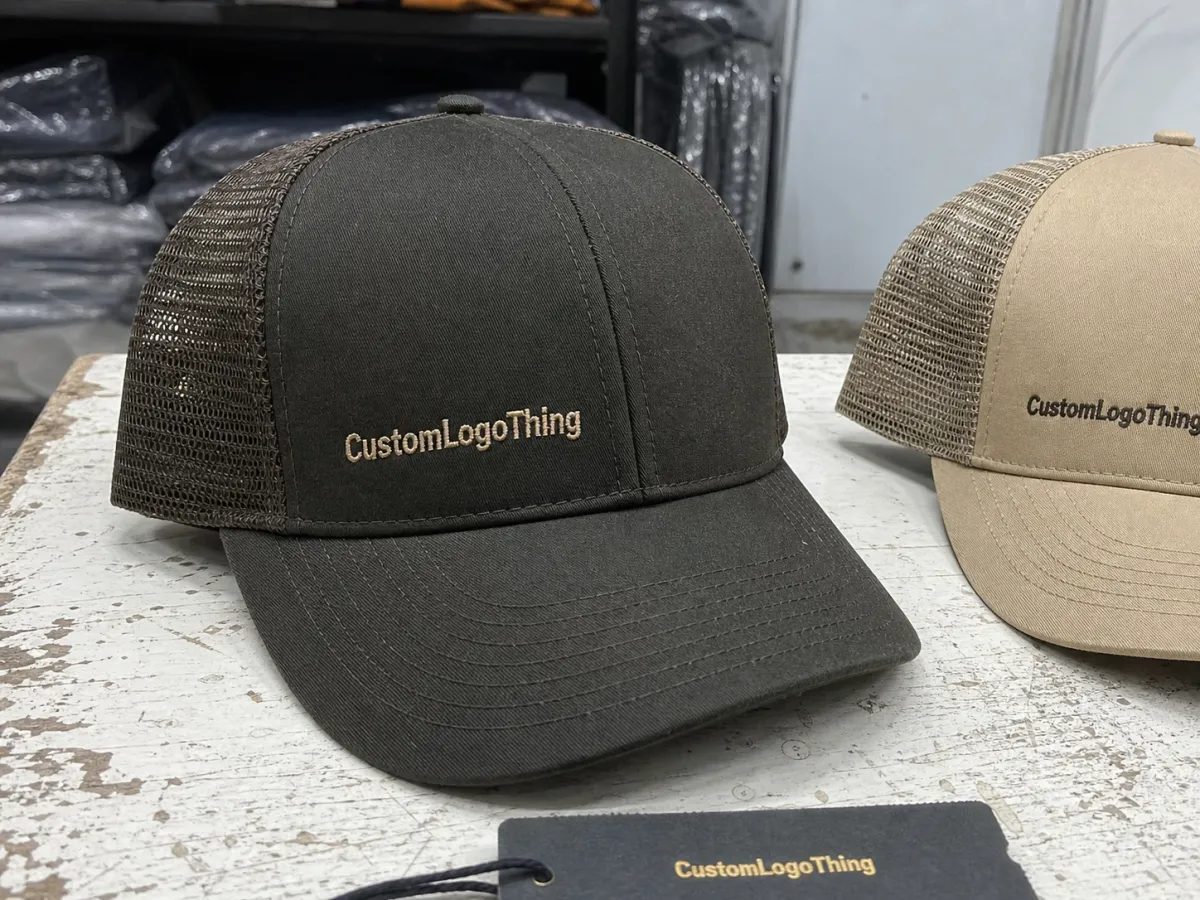
Sample approval means you are reviewing a pre-production or strike-off cap before bulk production starts. You are confirming the cap body, crown shape, mesh handfeel, bill style, logo execution, color matching, trims, labels, and workmanship. The artwork may already be approved. That does not mean the product is ready.
Here is the common buyer mistake: approving the design concept instead of the manufacturing standard. A digital mockup can show the right logo, front view, and general color direction while the actual cap sample still fails on stitching tension, front panel symmetry, bill curve, decoration placement, or sweatband comfort.
Trucker caps need their own inspection process because they combine several materials and operations in one product. A typical custom trucker cap may include a foam or cotton twill front, polyester mesh back panels, plastic snapback closure, sweatband, top button, taped seams, curved or flat bill, and decoration such as embroidery, woven patch, rubber patch, leather patch, screen print, or heat transfer.
Production reality: the bulk run usually follows the approved sample more closely than the original sales description. If the sample is wrong and the correction is not written clearly, the production floor may repeat the wrong detail very consistently.
A useful checklist asks sharper questions. Does the cap match the approved spec? Can this exact construction be repeated within tolerance? Are the materials available for bulk? Does the decoration method suit the artwork? Are the price and timeline still accurate after sample changes? That is the work. Not glamorous, but it saves money.
How the Sample Approval Process Works Before Bulk Production
The process should start with final artwork and a cap specification sheet. That spec sheet needs the panel count, profile, crown height, material, mesh color, bill style, closure, decoration method, logo size, Pantone references if required, label placement, packaging, order quantity, and target delivery date. Without it, everyone is relying on memory. Memory is a terrible quality-control system.
After the files are confirmed, the manufacturer makes the sample, checks it internally, and sends either a physical sample or a detailed photo set. Internal checks usually cover logo size, thread colors, patch adhesion, seam cleanliness, panel alignment, cap shape, and whether materials match the purchase order. A capable supplier should catch obvious problems before the sample reaches you.
Different sample types do different jobs. A digital mockup shows layout and general appearance. A physical sample shows structure, fit, materials, decoration behavior, and comfort. A revised sample confirms corrections after feedback. A production reference sample is the cap the bulk run should follow.
Photo approval can work for a simple reorder where the same cap body, decoration, and supplier have already been proven. For first-time Custom Trucker Caps, a physical sample is the safer choice. Fit, mesh softness, bill stiffness, embroidery height, and sweatband feel are hard to judge from a screen, even with twelve crisp photos and heroic lighting.
Approval should be written clearly. Include the approval date, sample version, approved artwork file name, colors, final cap specification, quantity, packaging details, and any exceptions. “Looks good” hidden in a long email thread is not enough. A clean trucker caps Sample Approval Checklist creates one record the production team can follow.
Fit, Structure, and Materials to Inspect on the Cap Sample
Start with the body of the cap before staring at the logo. Place it on a head form if you have one, or try it on several people with average head sizes. Check crown height, profile, front panel shape, foam thickness or backing, and whether the cap sits as intended. A high-profile trucker should stand tall and clean. A mid-profile cap should not look boxy unless that was specified.
Compare the sample against the approved spec sheet, not against what you think you ordered. Was it a five-panel or six-panel build? Structured or unstructured? Foam front or twill front? Curved bill or flat bill? These details are not cosmetic. They affect fit, logo placement, perceived value, decoration cost, and sometimes the minimum order quantity.
For a classic trucker cap, inspect front fabric weight, mesh openness, mesh softness, sweatband feel, snapback strength, button attachment, and bill recovery. Polyester mesh should feel flexible but not limp. A sweatband should sit smooth against the forehead, not twist or create a hard ridge. The snap closure should click firmly and resist opening under light pull.
- Front panel: check for collapse, wrinkles, bubbling, uneven foam density, or visible backing issues.
- Mesh: rub it lightly against the wrist or neck area to catch scratchy yarn, sharp edges, or stiff seams.
- Bill: flex it gently; it should hold shape without cracking, rippling, or feeling hollow.
- Seams: inspect tension, skipped stitches, loose threads, and symmetry from left to right.
- Balance: wear the cap for a minute; it should not feel front-heavy, tight at the temples, or awkward on the head.
Material specs matter because small substitutions can change the whole cap. A 5-panel foam trucker with a thick laminated front behaves differently from a cotton twill front with buckram backing. Soft mesh may feel better but collapse faster. A firmer bill can look premium but feel too rigid for casual wear. There is no perfect build for every buyer. There is only the right build for the intended use.
Comfort is not a soft detail. It is brand quality in physical form. A clean embroidered logo will not rescue a cap that feels flimsy, overheated, too stiff at the sweatband, or strange on the head. People keep caps they like wearing. The uncomfortable ones become drawer clutter with a logo on them.
Logo Placement, Decoration Quality, and Color Matching Checks
Logo placement should be measured, not guessed. Check the distance from the bill seam, center alignment between front seams, logo width and height, patch angle, and whether the design looks level while worn. Caps are curved objects. A logo that looks centered on a flat table can look slightly tilted on a head.
Common decoration options include flat embroidery, 3D puff embroidery, woven patches, leather patches, rubber patches, heat-transfer graphics, and screen printing on foam fronts. Each method has limits. Tiny lettering that works on a woven patch may fill in with embroidery. A 3D puff logo needs enough stroke width to hold shape. A leather patch may require debossing or laser detail that changes how fine lines appear.
Good workmanship has a clean look. Embroidery edges should be tight without excessive thread loops. Backing should not show around the logo. Fabric should not pucker around dense stitch areas. Patch edges should be sealed, stitched, or adhered evenly. Small text should remain legible at normal viewing distance, not only in a close-up photo.
Color approval deserves patience. Compare thread, patch, front fabric, mesh, and bill colors under neutral light. If brand accuracy matters, use Pantone references or approved physical color standards. The ASTM library includes many test methods used across textiles and materials. You may not need lab testing for every cap order, but the lesson is useful: color, rubbing, strength, and performance should be judged against defined standards where possible.
Different materials reflect color differently. Navy thread, navy mesh, and navy twill may never match perfectly because thread has sheen, mesh has holes and shadows, and twill has surface texture. The goal is controlled, approved consistency. The practical question is whether the colors work together on the finished cap, not whether every surface behaves like the same material.
Cost, Pricing, and MOQ Details the Sample Can Reveal
A sample often exposes cost drivers before you commit to the bulk run. Embroidery stitch count, number of thread colors, patch material, specialty mesh, custom inside labels, custom taping, upgraded closures, individual polybags, hangtags, and retail cartons can all move the final price. A cap that looks simple from the outside may carry extra work inside.
MOQ matters because setup, digitizing, sourcing, sampling, and machine time are spread over fewer units at lower quantities. A 144-piece order may price very differently from 500, 1,000, or 5,000 pieces. That does not automatically mean the supplier is playing games. Fixed work is being divided across a smaller base.
| Decision on sample | What it can affect | Typical pricing impact |
|---|---|---|
| Increase embroidery size | Stitch count, run time, puckering risk | Often adds $0.15-$0.60 per cap depending on density and quantity |
| Switch flat embroidery to 3D puff | Foam insert, digitizing, minimum stroke width | Often adds $0.25-$0.75 per cap |
| Add woven or rubber patch | Patch tooling, patch MOQ, attachment labor | Often adds $0.40-$1.50 per cap plus setup |
| Add custom inside label | Label production, sewing operation, compliance review | Often adds $0.10-$0.35 per cap |
| Add retail polybag or barcode label | Packing labor, label printing, warehouse readiness | Often adds $0.08-$0.28 per cap |
Treat these ranges as planning numbers, not universal pricing. Factory location, labor cost, order volume, patch size, raw material market, and freight method can change the final quote. Very small orders may also carry higher per-unit costs because setup work does not shrink just because the order does.
Separate the charges in your quote. Sample cost, setup cost, mold or patch tooling cost, digitizing cost, and final unit cost are not the same. A sample may cost $50-$150 because it is a one-off build, while the bulk unit price may be much lower once production is set up. On the other hand, a premium patch or special closure approved at sample stage may raise the final unit price.
Ask the supplier to reconfirm the approved sample against the final quote. Include quantity breaks, packaging method, freight assumptions, carton pack count, and whether the sample cost is credited back after bulk approval. Your sample approval checklist should stay connected to the money, not just the appearance.
Timeline, Lead Time, and Revision Planning for Trucker Cap Samples
A normal sampling timeline has several stages: artwork confirmation, material confirmation, sample production, factory quality check, sample shipping, buyer review, revision if needed, final written approval, and bulk production scheduling. The review on your desk may take one day. The full sampling stage runs longer because several teams touch the order.
For a standard embroidered trucker cap, sampling may take about 7-12 business days after clean artwork and specs are approved, plus transit time if a physical sample is shipped. Custom patches, specialty mesh, dyed-to-match materials, unusual trims, or private-label packaging can push that out. Bulk production usually starts only after final written approval, and lead time depends on quantity, material availability, factory capacity, and seasonal demand.
Build one thoughtful correction round into your launch schedule. I consider that one of the cheapest forms of risk control. The first sample may be close, but a 4 mm logo move, firmer bill, cleaner patch edge, or corrected mesh color can make the final product feel much more intentional.
Projects slow down for predictable reasons: low-resolution artwork, missing Pantone references, late changes to cap profile, undecided logo size, slow internal review, and feedback like “make it better” without measurable direction. Production teams need numbers and decisions. “Raise logo 6 mm” is useful. “More premium” is not.
A better workflow is simple. Review the sample within 24-48 hours of receipt. Collect feedback from every decision maker at once. Send one consolidated approval or revision note. Then ask for written confirmation that the corrected details will be used for bulk production.
Common Sample Approval Mistakes That Cause Bulk Order Problems
The biggest mistake is approving the sample because the logo looks attractive while ignoring the cap itself. Crown symmetry, seam tension, mesh feel, sweatband quality, bill stiffness, and closure strength matter just as much. People wear the whole cap, not only the decoration.
Scattered feedback causes plenty of damage too. Verbal approval, text messages, marked-up screenshots, and three separate email chains create confusion. A supplier can miss one instruction if it lives in the wrong thread. Keep one master approval note and attach the marked photos, spec sheet, and artwork reference.
Lighting creates its own little disaster zone. Warm office bulbs can make cream foam look yellow, black mesh look brown, or red thread look orange. Screen photos are riskier because camera settings and monitor brightness change color. If color is brand-critical, compare the sample to a physical Pantone guide or approved swatch under neutral light.
Changing artwork after approval can also create hidden consequences. A small logo resize can change stitch count, embroidery density, patch proportions, puff height, and cost. If the change affects decoration or structure, treat it as a revision, not a casual note.
Do not skip packaging and labeling checks. Caps for retail, events, influencer kits, corporate gifting, or warehouse fulfillment may need barcode labels, hangtags, suffocation-warning polybags, carton marks, country-of-origin labels, or specific pack counts. If sustainability claims are involved, be specific. For paper-based packaging, FSC certification may be relevant, but only if the actual material and supply chain support the claim.
Another mistake: approving a perfect-looking sample without asking whether all materials are available for the bulk run. A supplier might use a close stock mesh or temporary closure for sampling, then switch materials later unless the approved components are locked in. Ask directly. If the sample includes substitute materials, those substitutions need to be listed and resolved before production.
Next Steps After You Review and Mark Up the Sample
Use a practical sequence. Photograph the cap from the front, left side, right side, back, inside, bill underside, closure, sweatband, and close-up decoration angles. Then compare every detail to the cap spec sheet. Mark each line as approve, revise, or confirm.
- Check the cap body first: profile, panel count, structure, bill shape, mesh, sweatband, and closure.
- Measure logo size and placement from fixed points such as the bill seam and front panel seams.
- Review decoration quality for loose threads, puckering, patch lift, edge finish, and legibility.
- Confirm color under neutral light against Pantone references, swatches, or the approved sample standard.
- Verify labels, packaging, carton marks, quantity breaks, and the final quoted price.
Use measurable feedback. Write “raise logo 6 mm,” “center patch between front seams,” “reduce puff height by about 20%,” “match mesh to approved black reference,” or “change snapback to matte black.” Avoid vague comments that force the production team to guess.
Request a revised digital proof or second sample when the change affects decoration, fit, structure, or material. You may not need a new sample for one loose thread if the construction is otherwise approved and the correction can be handled through quality-control notes. That decision depends on order size, risk level, timeline pressure, and how well the supplier has performed before.
Save the approved sample, final artwork file, spec sheet, quote, and approval email together. If you reorder six months later, that package becomes the starting point. It also gives you a clean reference if cartons arrive with caps that do not match what was approved.
A Trucker Caps Sample approval checklist is not paperwork for paperwork’s sake. It is the point where you lock in the cap people are supposed to wear before bulk production starts, while the cost of fixing a problem is still measured in days and sample fees instead of cartons, returns, and uncomfortable conversations.
Frequently Asked Questions
What should be included in a trucker cap sample approval checklist?
Include cap profile, crown structure, panel count, front fabric, mesh quality, bill shape, closure type, sweatband, logo size, logo placement, decoration method, thread or patch colors, labels, packaging, and written approval status. Add measurable notes so the manufacturer can repeat the approved sample accurately during bulk production.
Do I need a physical sample before approving custom trucker caps?
A physical sample is strongly recommended for first-time orders, new cap profiles, complex embroidery, custom patches, or strict brand color requirements. Photo approval may be acceptable for simple reorders where the materials, logo, fit, and supplier are already proven.
How long does trucker cap sample approval usually take?
The buyer review can often be done in one or two business days if the team is prepared. The full sampling stage includes artwork confirmation, sample making, factory checking, shipping, review, and any revision time. Complex patches, specialty materials, and unclear artwork can extend the schedule, so leave room for at least one correction round.
Can sample changes affect the final unit cost of trucker caps?
Yes. Larger embroidery, extra thread colors, puff embroidery, premium patches, custom labels, special packaging, or lower quantities can change the unit cost. Ask for the final quote to be reconfirmed after sample approval so pricing matches the exact cap being produced.
What happens if I approve a trucker cap sample with a mistake?
If the mistake is present on the approved sample and not corrected in writing, it may be repeated across the bulk order because the sample becomes the production reference. Before approving, document every correction clearly and request written confirmation that the final production run will follow the revised details.


